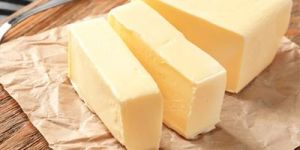
It is manufactured from pasteurized, frozen or deep-frozen cream. Butter must contain for 100 grams of finished product at least 82 grams of butyric fat, 2 grams of non-fat dry matter and maximum 16 grams of water (for unsalted butter) Applications Broadly used in the food industry
It is manufactured from pasteurized, frozen or deep-frozen cream. Butter must contain for 100 grams of finished product at least 82 grams of butyric fat, 2 grams of non-fat dry matter and maximum 16 grams of water (for unsalted butter) Applications Broadly used in the food industry
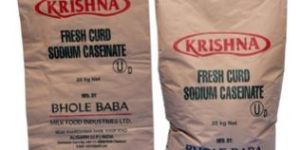
Sodium caseinates are made from fresh skimmed milk. The curds from the skim milk acid coagulation is solubilised by neutralisation. The protein contained in the curd is then rendered soluble and functional. An alkali containing sodium (soda, sodium hydroxide) is then added before the dehydration (drying) step. Such highly purified proteins have good nutritional value and excellent functional properties: emulsification, thickening, texturizing and low viscosity. Applications Mainly used for their nutritional and dietary qualities. They are commonly used for protein enrichment in yoghurts, to improve coagulation properties in cheeses, and to compensate for variations in the protein content of milk. They are also used in many other products such as creams and specialty cheeses Dietetics (clinical Nutrition, slimming), Sports nutrition, Ready-to-eat meals, Dairy products, Coffee whiteners, Meat processing (sausage)
Sodium caseinates are made from fresh skimmed milk. The curds from the skim milk acid coagulation is solubilised by neutralisation. The protein contained in the curd is then rendered soluble and functional. An alkali containing sodium (soda, sodium hydroxide) is then added before the dehydration (drying) step. Such highly purified proteins have good nutritional value and excellent functional properties: emulsification, thickening, texturizing and low viscosity. Applications Mainly used for their nutritional and dietary qualities. They are commonly used for protein enrichment in yoghurts, to improve coagulation properties in cheeses, and to compensate for variations in the protein content of milk. They are also used in many other products such as creams and specialty cheeses Dietetics (clinical Nutrition, slimming), Sports nutrition, Ready-to-eat meals, Dairy products, Coffee whiteners, Meat processing (sausage)
Skimmed milk powder is obtained by removing water from pasteurised skim milk by spray-drying. Skimmed milk powder is classified according to the heat treatment used in its manufacture (high heat, medium heat, and low heat)ApplicationsSkimmed milk powder is mostly used in products based on reconstituted milkDairy produce: Alternative to the drinking milkConfectioneryCaramel confectioneryMilk chocolateBakeryIce creams
Skimmed milk powder is obtained by removing water from pasteurised skim milk by spray-drying. Skimmed milk powder is classified according to the heat treatment used in its manufacture (high heat, medium heat, and low heat)ApplicationsSkimmed milk powder is mostly used in products based on reconstituted milkDairy produce: Alternative to the drinking milkConfectioneryCaramel confectioneryMilk chocolateBakeryIce creams
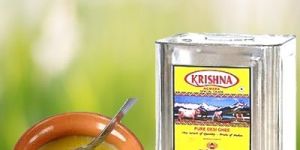
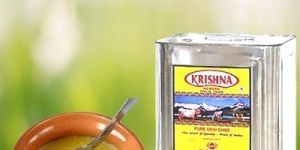
It is typically prepared by simmering butter, which is churned from cream (traditionally made by churning the top most layer of dahi), skimming any impurities from the surface, then pouring and retaining the clear liquid fat while discarding the solid residue that has settled to the bottom. Spices can be added for flavor. The texture, color and taste of ghee depend on the quality of the butter, the milk source used in the process and the duration of time spent boiling Applications Broadly used in the food industry
It is typically prepared by simmering butter, which is churned from cream (traditionally made by churning the top most layer of dahi), skimming any impurities from the surface, then pouring and retaining the clear liquid fat while discarding the solid residue that has settled to the bottom. Spices can be added for flavor. The texture, color and taste of ghee depend on the quality of the butter, the milk source used in the process and the duration of time spent boiling Applications Broadly used in the food industry
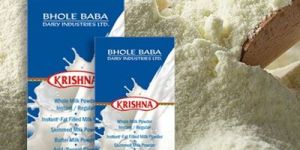
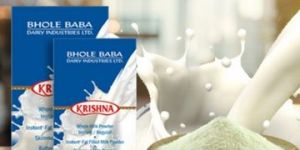
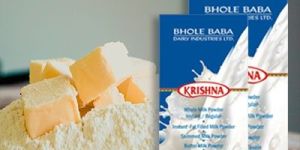
Whole milk powder is obtained by removing water from pasteurised milk through spray-drying. The powder can contain between 26% and 40% milk fat (by weight) on an “as is” basis, and offers all the nutritional qualities of milk in its dry form.ApplicationsFor bakery, confectionery, dairy, prepared mixes, sauces, and soups asAn economical source of dairy solids, including milk fatA convenient form of nutritious milk that doesn't require refrigeration, and is easily reconstitutedAn easily transported and stored dairy ingredient
Whole milk powder is obtained by removing water from pasteurised milk through spray-drying. The powder can contain between 26% and 40% milk fat (by weight) on an “as is” basis, and offers all the nutritional qualities of milk in its dry form.ApplicationsFor bakery, confectionery, dairy, prepared mixes, sauces, and soups asAn economical source of dairy solids, including milk fatA convenient form of nutritious milk that doesn't require refrigeration, and is easily reconstitutedAn easily transported and stored dairy ingredient
ApplicationBakery, Pastry, Confectionery, Chocolate Making
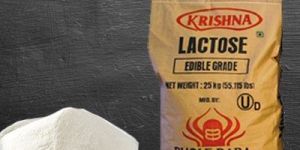
Lactose is the main carbohydrate component of milk. It is a diholoside or disaccharide comprising two molecules, two simple sugars : one molecule of galactose (sugar with 6 atoms of carbon) and a molecule of glucose (or dextrose whenever D-glucose is indicated). Lactose is the milk sugar, it is naturally present in mammal milk. Lactose is the main component of whey, which is the liquid obtained from milk coagulation. It is extracted by crystallisation. After separation of fat and caseine precipitate, whey may be obtained. This whey has a very high lactose content. Lactose is then evaporated and transferred to crystallisation tanks. Hard and sandy crystals of lactose hydrate are then obtained. These crystals are then separated, decanted and washed to purify lactose. Applications Bakery Pastry / confectionery / chocolate making Cost reduction Bulking agent Milk powder standardization
Lactose is the main carbohydrate component of milk. It is a diholoside or disaccharide comprising two molecules, two simple sugars : one molecule of galactose (sugar with 6 atoms of carbon) and a molecule of glucose (or dextrose whenever D-glucose is indicated). Lactose is the milk sugar, it is naturally present in mammal milk. Lactose is the main component of whey, which is the liquid obtained from milk coagulation. It is extracted by crystallisation. After separation of fat and caseine precipitate, whey may be obtained. This whey has a very high lactose content. Lactose is then evaporated and transferred to crystallisation tanks. Hard and sandy crystals of lactose hydrate are then obtained. These crystals are then separated, decanted and washed to purify lactose. Applications Bakery Pastry / confectionery / chocolate making Cost reduction Bulking agent Milk powder standardization
Form : Powder
Packaging Type : Sealed Bag
Application : Bakery, Pastry, Confectionery, Chocolate Making
Calcium caseinates are made from fresh skimmed milk. The proteins in the curd are made soluble and functional by neutralisation. This is done using an alkali containing calcium before continuing to drying. Adding calcium alkali makes this caseinate particularly interesting for its nutritional values. In fact, calcium is an essential mineral for human consumption, which is involved in the renewal of cells in the body. Applications Mainly used for their nutritional and dietary qualities. They are commonly used for protein enrichment in yoghurts, to improve coagulation properties in cheeses, and to compensate for variations in the protein content of milk. They are also used in many other products such as creams and specialty cheeses Calcium Caseinate - Baby Food, Clinical Nutrition, Sports nutrition, Dietary products, Cheese and processed cheese
Calcium caseinates are made from fresh skimmed milk. The proteins in the curd are made soluble and functional by neutralisation. This is done using an alkali containing calcium before continuing to drying. Adding calcium alkali makes this caseinate particularly interesting for its nutritional values. In fact, calcium is an essential mineral for human consumption, which is involved in the renewal of cells in the body. Applications Mainly used for their nutritional and dietary qualities. They are commonly used for protein enrichment in yoghurts, to improve coagulation properties in cheeses, and to compensate for variations in the protein content of milk. They are also used in many other products such as creams and specialty cheeses Calcium Caseinate - Baby Food, Clinical Nutrition, Sports nutrition, Dietary products, Cheese and processed cheese
It is at least 99,3%. They can be made from different aged butter or cream. Here the use of alkali is allowed. This to neutralize free fatty acids. Applications Broadly used in the food industry
It is at least 99,3%. They can be made from different aged butter or cream. Here the use of alkali is allowed. This to neutralize free fatty acids. Applications Broadly used in the food industry
The buttermilk is spray dried after pasteurization and concentration with an evaporator to obtain buttermilk powder. Normally the color is pale yellow and the product has a rich creamy flavor. The buttermilk powder is of value to food producers and the dairy industry because of its high levels of phospholipids. This gives good emulsifying properties. The chemical composition of buttermilk powder is very similar to skimmed milk powder. The fat content in buttermilk is slightly higher than in skimmed milk powder (3 – 5%) but in protein level they are the same. Applications Buttermilk powder has various applications Salad dressings Dietetics, health food and sport Biscuits and pastry Soups, sauces, custard powder and ready meals
The buttermilk is spray dried after pasteurization and concentration with an evaporator to obtain buttermilk powder. Normally the color is pale yellow and the product has a rich creamy flavor. The buttermilk powder is of value to food producers and the dairy industry because of its high levels of phospholipids. This gives good emulsifying properties. The chemical composition of buttermilk powder is very similar to skimmed milk powder. The fat content in buttermilk is slightly higher than in skimmed milk powder (3 – 5%) but in protein level they are the same. Applications Buttermilk powder has various applications Salad dressings Dietetics, health food and sport Biscuits and pastry Soups, sauces, custard powder and ready meals
Secondary Business TypeManufacturer / Exporters / Wholesale Suppliers
Opening Hours
SUN : Closed
MON : 9:30 AM - 6:30 PM
TUE : 9:30 AM - 6:30 PM
WED : 9:30 AM - 6:30 PM
THU : 9:30 AM - 6:30 PM
FRI : 9:30 AM - 6:30 PM
SAT : 9:30 AM - 6:30 PM
About Us Driven by an Enduring Spirit of Enterprise, the diverse activities of the company are controlled by its key people who are driven by an indomitable spirit for growth and dynamism. The Chairman cum Managing Director Mr. Hari Shankar Agarwal provides the right impetus for cruising ahead steadily. Director Mr. Virendra Agarwal & Mr. Jitendra Agarwal is always setting new standards in pursuit of perfection. Efficient procedures of the production line is managed by professionalized management team, ensuring the on time deliveries. At BBMFIL we understand that our success depends upon our ability to work as a team to achieve our goals and fulfill our customer's expectations. Quality & Research Quality has been the foremost concern since the very beginning. All our products are subject to several rounds of examinations conducted by the experts. Our experts are armed with in depth knowledge of the products-color composition, flavor etc. Besides, we are also engaged in Research & Development activity for newer flavors & Products. All our products are processed, stored & packed following the strict quality measures like Pasteurization, Sterilization etc. We strive hard to sustain the natural freshness, flavor & aroma of the products with no addition of any preservatives into it. The milk that we use to process our products is procured from healthy mulch animals



 Reviews & Ratings
 Write a Review


 Post Free Ad