Number Of FlowerMachine-Spun Coir Rope,Braided Coir Rope
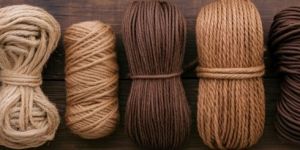
Coco coir rope is a natural fiber rope made from coconut husk fibers. It is widely used for various applications due to its strength, durability, and eco-friendly properties.
• Hand-Spun Coir Rope: Traditional method, manually twisted.
• Machine-Spun Coir Rope: More uniform and refined for industrial applications.
• Braided Coir Rope: Offers higher strength and durability.
Uses
Agriculture & Gardening
• Used for staking plants, trellising, and supporting climbing plants.
• Common in hydroponic and greenhouse setups.
• Handicrafts & Decoration
• Used in making mats, rugs, wall hangings, and furniture. • Popular in rustic and eco-friendly décor projects.
• Construction & Furniture
• Used in making eco-friendly furniture, fencing, and scaffolding.
• Acts as a binding material in thatched roofs.
• Marine & Fishing Industry
• Used in making nets and ropes for traditional fishing methods.
Coco coir rope is a natural fiber rope made from coconut husk fibers. It is widely used for various applications due to its strength, durability, and eco-friendly properties.
• Hand-Spun Coir Rope: Traditional method, manually twisted.
• Machine-Spun Coir Rope: More uniform and refined for industrial applications.
• Braided Coir Rope: Offers higher strength and durability.
Uses
Agriculture & Gardening
• Used for staking plants, trellising, and supporting climbing plants.
• Common in hydroponic and greenhouse setups.
• Handicrafts & Decoration
• Used in making mats, rugs, wall hangings, and furniture. • Popular in rustic and eco-friendly décor projects.
• Construction & Furniture
• Used in making eco-friendly furniture, fencing, and scaffolding.
• Acts as a binding material in thatched roofs.
• Marine & Fishing Industry
• Used in making nets and ropes for traditional fishing methods.
Number Of Flower : Machine-Spun Coir Rope,Braided Coir Rope
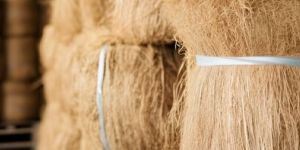
Our Coir Fibre Bales are manufactured from 100% natural coconut husk fibers, offering an eco-friendly and sustainable solution for a wide range of industrial and agricultural applications. Known for their durability, resilience, and biodegradability, coir fibres are a preferred material across multiple sectors.
Applications:
• Mattress & Upholstery Manufacturing
• Brush & Broom Industry
• Geotextiles & Erosion Control Mats
• Horticulture & Hydroponics (as a growing medium)
• Rope, Mat & Carpet Production
• Automotive & Insulation Materials
Why Choose Our Coir Fibre Bales?
• Eco-Friendly & Biodegradable
• High Tensile Strength & Durability
• Consistent Quality & Clean Finish
• Custom Sizes & Bulk Supply Available
• Export-Ready Packaging & Documentation
Our Coir Fibre Bales are manufactured from 100% natural coconut husk fibers, offering an eco-friendly and sustainable solution for a wide range of industrial and agricultural applications. Known for their durability, resilience, and biodegradability, coir fibres are a preferred material across multiple sectors.
Applications:
• Mattress & Upholstery Manufacturing
• Brush & Broom Industry
• Geotextiles & Erosion Control Mats
• Horticulture & Hydroponics (as a growing medium)
• Rope, Mat & Carpet Production
• Automotive & Insulation Materials
Why Choose Our Coir Fibre Bales?
• Eco-Friendly & Biodegradable
• High Tensile Strength & Durability
• Consistent Quality & Clean Finish
• Custom Sizes & Bulk Supply Available
• Export-Ready Packaging & Documentation
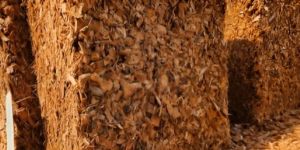
Coconut Husk Chips Blocks are an eco-friendly, sustainable, and highly effective growing medium widely used in horticulture, gardening, and landscaping. Derived from coconut husks, these blocks are processed and compressed into compact forms for easy transportation and storage. Once hydrated, they expand significantly, providing an excellent substrate for various plants.
Features & Benefits
• Natural & Organic – Made from 100% natural coconut husks, free from chemicals and synthetic additives.
• Superior Water Retention – Retains moisture efficiently, ensuring plants receive consistent hydration.
• Excellent Aeration – Enhances root growth and prevents waterlogging by maintaining an ideal air-to-water ratio.
• Long-Lasting & Durable – Resistant to decomposition, ensuring long-term usability.
• Sustainable & Eco-Friendly – A by-product of coconut processing, making it an environmentally responsible choice.
• Versatile Applications – Ideal for use in potting mixes, hydroponics, orchid cultivation, and soil conditioning.
Applications
• Hydroponics & Soilless Farming – Perfect for hydroponic setups, ensuring optimal plant growth.
• Orchid & Bonsai Cultivation – Supports proper root aeration, essential for epiphytic plants.
• Potting Mix Component – Enhances soil structure and nutrient retention when mixed with soil.
• Mulching & Landscaping – Helps retain soil moisture and suppress weed growth in gardens and landscapes.
• Animal Bedding – Provides a comfortable and absorbent bedding material for pets and livestock.
Coconut Husk Chips Blocks are an eco-friendly, sustainable, and highly effective growing medium widely used in horticulture, gardening, and landscaping. Derived from coconut husks, these blocks are processed and compressed into compact forms for easy transportation and storage. Once hydrated, they expand significantly, providing an excellent substrate for various plants.
Features & Benefits
• Natural & Organic – Made from 100% natural coconut husks, free from chemicals and synthetic additives.
• Superior Water Retention – Retains moisture efficiently, ensuring plants receive consistent hydration.
• Excellent Aeration – Enhances root growth and prevents waterlogging by maintaining an ideal air-to-water ratio.
• Long-Lasting & Durable – Resistant to decomposition, ensuring long-term usability.
• Sustainable & Eco-Friendly – A by-product of coconut processing, making it an environmentally responsible choice.
• Versatile Applications – Ideal for use in potting mixes, hydroponics, orchid cultivation, and soil conditioning.
Applications
• Hydroponics & Soilless Farming – Perfect for hydroponic setups, ensuring optimal plant growth.
• Orchid & Bonsai Cultivation – Supports proper root aeration, essential for epiphytic plants.
• Potting Mix Component – Enhances soil structure and nutrient retention when mixed with soil.
• Mulching & Landscaping – Helps retain soil moisture and suppress weed growth in gardens and landscapes.
• Animal Bedding – Provides a comfortable and absorbent bedding material for pets and livestock.
FeaturesExcellent Water Retention, Enhances Soil Aeration
Eco-FriendlyYes
BiodegradableYes
Coco peat, also known as coir pith or coir dust, is a natural byproduct of coconut fiber extraction. It is widely used in agriculture, horticulture, and hydroponics due to its excellent water retention, aeration, and eco-friendly properties.
Why Choose Coco Peat?
🌱 Eco-friendly & sustainable
💧 Excellent water retention
🌾 Enhances soil aeration
♻️ 100% organic and biodegradable
Coco peat is widely used in hydroponics, potting mixes, soil amendments, and greenhouse farming.
What is High EC Coco peat ?
• Contains high salt content and natural minerals from coconut husks.
• Not washed or minimally washed.
• Suitable for industrial and non-agricultural uses.
🛠 Uses :
• Animal bedding
• Oil spill absorbent
• Mulching & soil improvement in non-sensitive crops
What is Low EC Coco peat ?
• Washed multiple times to remove excess salts.
• pH balanced (5.5 – 6.5), suitable for plant growth.
• deal for agriculture and hydroponics.
🌱 Uses:
• Hydroponics & greenhouse farming
• Seed germination & potting mixes
• Soil conditioning & landscaping
Coco peat, also known as coir pith or coir dust, is a natural byproduct of coconut fiber extraction. It is widely used in agriculture, horticulture, and hydroponics due to its excellent water retention, aeration, and eco-friendly properties.
Why Choose Coco Peat?
🌱 Eco-friendly & sustainable
💧 Excellent water retention
🌾 Enhances soil aeration
♻️ 100% organic and biodegradable
Coco peat is widely used in hydroponics, potting mixes, soil amendments, and greenhouse farming.
What is High EC Coco peat ?
• Contains high salt content and natural minerals from coconut husks.
• Not washed or minimally washed.
• Suitable for industrial and non-agricultural uses.
🛠 Uses :
• Animal bedding
• Oil spill absorbent
• Mulching & soil improvement in non-sensitive crops
What is Low EC Coco peat ?
• Washed multiple times to remove excess salts.
• pH balanced (5.5 – 6.5), suitable for plant growth.
• deal for agriculture and hydroponics.
🌱 Uses:
• Hydroponics & greenhouse farming
• Seed germination & potting mixes
• Soil conditioning & landscaping
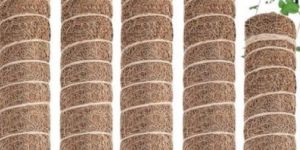
Coco coir poles are plant support structures made from coconut husk fibers. They are widely used for supporting climbing and vining plants such as Monstera, Philodendron, and Pothos.
How to use
1. Insert into the Pot – Push the base of the pole into the soil near the plant.
2. Secure the Plant – Use plant ties or soft string to gently attach the stems to the pole.
3. Water Regularly – Mist the coir pole to keep it moist, encouraging aerial root attachment.
4. Extend If Needed – Some coir poles are stackable, allowing for extension as the plant grows taller.
Best Plants for Coco Coir Poles
• Monstera Deliciosa
• Pothos (Epipremnum aureum)
• Philodendron varieties
• Syngonium (Arrowhead plant)
• Hoya (some climbing types)
Benefits
1. Encourages Aerial Root Growth – Provides a natural surface for climbing plants to attach their aerial roots.
2. Sustainable & Eco-Friendly – Made from coconut husk, a renewable resource.
3. Retains Moisture – Helps keep plants hydrated as the coir holds water for longer periods.
4. Promotes Vertical Growth – Supports the plant’s natural growth habit, making it healthier and more aesthetically pleasing.
5. Durable & Long-Lasting – Can withstand moisture and last longer compared to some moss poles.
Coco coir poles are plant support structures made from coconut husk fibers. They are widely used for supporting climbing and vining plants such as Monstera, Philodendron, and Pothos.
How to use
1. Insert into the Pot – Push the base of the pole into the soil near the plant.
2. Secure the Plant – Use plant ties or soft string to gently attach the stems to the pole.
3. Water Regularly – Mist the coir pole to keep it moist, encouraging aerial root attachment.
4. Extend If Needed – Some coir poles are stackable, allowing for extension as the plant grows taller.
Best Plants for Coco Coir Poles
• Monstera Deliciosa
• Pothos (Epipremnum aureum)
• Philodendron varieties
• Syngonium (Arrowhead plant)
• Hoya (some climbing types)
Benefits
1. Encourages Aerial Root Growth – Provides a natural surface for climbing plants to attach their aerial roots.
2. Sustainable & Eco-Friendly – Made from coconut husk, a renewable resource.
3. Retains Moisture – Helps keep plants hydrated as the coir holds water for longer periods.
4. Promotes Vertical Growth – Supports the plant’s natural growth habit, making it healthier and more aesthetically pleasing.
5. Durable & Long-Lasting – Can withstand moisture and last longer compared to some moss poles.
Application : Plant Support For Climbing And Vining Plants
Our Products and Export of Coco Coir We specialize in providing premium-quality Coco Coir products designed to meet diverse agricultural, horticultural, and industrial needs. Our offerings include coco peat, coir fiber, and grow bags, all crafted with sustainability and precision in mind. Our export services ensure that these Coco Coir products reach global markets efficiently and securely. With a focus on timely delivery and compliance with international standards, we are your trusted partner for sustainable solutions worldwide.



 Reviews & Ratings
 Write a Review


 Post Free Ad