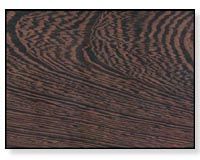
We are offering wenge.
The sapwood is pale yellow or whitish in color, and is clearly demarcated from the heartwood. The heartwood is dark brown, mostly black, with fine, closely spaced, very dark veins and white lines.
We are offering wenge.
The sapwood is pale yellow or whitish in color, and is clearly demarcated from the heartwood. The heartwood is dark brown, mostly black, with fine, closely spaced, very dark veins and white lines.
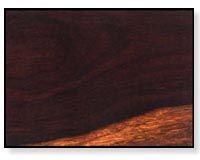
We are offering indian rosewood. Purple-brown heartwood with attractive dark streaks and yellowish white sapwood, often with a purple tinge. Commonly interlocked grain with a uniform, moderately coarse texture.
We are offering indian rosewood. Purple-brown heartwood with attractive dark streaks and yellowish white sapwood, often with a purple tinge. Commonly interlocked grain with a uniform, moderately coarse texture.
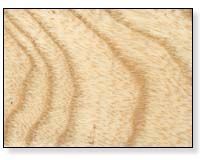
We are offering ash wood.
The narrow sapwood is nearly white in color.
The heartwood is pale yellow or cream to very light brown, occasionally with a reddish tinge.
We are offering ash wood.
The narrow sapwood is nearly white in color.
The heartwood is pale yellow or cream to very light brown, occasionally with a reddish tinge.
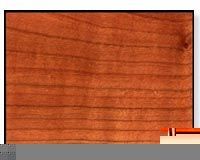
We are offering american cherry.
The heartwood of cherry varies from rich red to reddish brown and will darken with age and on exposure to light. In contrast, the sapwood is creamy white.
We are offering american cherry.
The heartwood of cherry varies from rich red to reddish brown and will darken with age and on exposure to light. In contrast, the sapwood is creamy white.
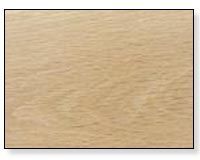
We are offering beech wood.
The sapwood is white with a red tinge, while the heartwood is light to dark reddish brown. The wood is generally straight-grained with a close uniform texture.
We are offering beech wood.
The sapwood is white with a red tinge, while the heartwood is light to dark reddish brown. The wood is generally straight-grained with a close uniform texture.




 Reviews & Ratings
 Write a Review


 Post Free Ad