Talc Powder
Get Price Quote
Also known as Soapstone, Talc Powder is hydrated silicate of magnesium (Mg3Si4O10(OH)2). The Talc Powder is the softest mineral with characteristic soapy feel and 1 moh̢۪s scale of hardness. The Talc Powder can be easily scratched and cut by one̢۪s nails.
General Properties
It is neither explosive nor flammable.Melting point of Soapstone is 1500oC.Pearly luster and its platyness gives excellent opacity to the end products Steatite, Talc, Soapstone are the three terms used in trade for one and same mineral.Soapstone is practically insoluble in water and in weak acids and alkalis.Above 900oC, Soapstone progressively loses its hydroxyl groups and above 1050oC, it re-crystallizes into different forms of enstatite (anhydrous magnesium silicate).Although it has very little chemical reactivity, talc does have a marked affinity for certain organic chemicals, i.e. it is organophilic.
Physical Properties
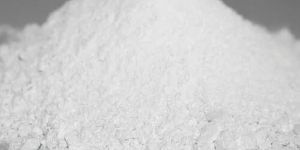
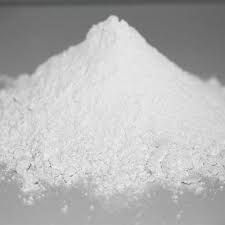
Appearance : White fine smooth powderSp. Gravity : 2.7 to 2.9Bulk Density : 0.5%Oil Absorption Value : 35 to 40%Hardness : 1 (Mohs)
Moisture & Volatile Matter : 0.5% by wt. (105 deg. C)Water Soluble Matter : Max 0.5%pH of 10% Aqueous Solution : 8 to 10Minimum 88% combined magnesium calcium silicate
Applications
PaperPlasticsPaintsCeramicsFoundriesPharmaceuticalsDal MillsCosmeticsSoaps and DetergentPesticidesOther Uses : It is used in Wood stoves, Cooking slabs, Carving of Chinese seals, Sculpture, Shaping of pots and Welding Electrodes.
Advantages for Polymer
Good surface qualityLower mould shrinkage Easier processing Maximum Loading
Advantages for Paints
Excellent scrub resistanceReduced saggingGood coverageHigher loadingWater resistance
Note : Variation of the specifications stated due to natural raw materials and environment conditions are possible. Though they have no influence on the application properties described.
...more







 Post Free Ad


 www
www