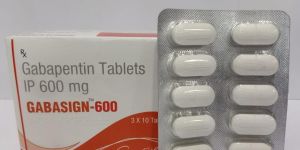
Gabapentin (300 mg) – Description
Overview: Gabapentin (300 mg) is an anticonvulsant and nerve pain medication used to treat nerve-related conditions and seizures. It works by calming overactive nerve activity and reducing nerve pain signals.
Uses:
Neuropathic pain (e.g., diabetic nerve pain, postherpetic neuralgia)
Epilepsy (partial seizures, as an adjunct therapy)
Postherpetic neuralgia (pain following shingles)
Restless leg syndrome (off-label use)
Hot flashes and fibromyalgia (off-label use)
Dosage:
Neuropathic pain: Start with 300 mg once on day one, twice on day two, and three times on day three; may increase up to 600 mg three times daily.
Epilepsy: 300 mg three times daily (max: 3600 mg/day).
Postherpetic neuralgia: Start at 300 mg, increasing as directed to manage pain.
Take with or without food at the same time each day.
How It Works: Gabapentin affects calcium channels in the nervous system, decreasing nerve excitability and abnormal electrical activity. This helps control seizures and alleviate nerve pain.
Side Effects:
Common: Drowsiness, dizziness, fatigue, nausea, coordination issues.
Less common: Dry mouth, blurred vision, weight gain, swelling in the legs.
Serious (seek medical attention):
Mood changes (depression, suicidal thoughts)
Severe allergic reactions (rash, facial swelling, breathing issues)
Breathing difficulties (especially with existing lung issues)
Precautions:
Inform your doctor if you have:
Kidney disease (dose adjustment may be required).
Mental health issues (monitor for mood changes).
Avoid alcohol—it may increase drowsiness and dizziness.
Not recommended during pregnancy or breastfeeding unless advised by a doctor.
Storage:
Store at 20°C to 25°C (68°F to 77°F), in a cool, dry place away from moisture and heat.
Note:
Do not stop suddenly—taper off under medical supervision to prevent withdrawal symptoms or seizures.
Consistency is key—take Gabapentin as prescribed for the best results.