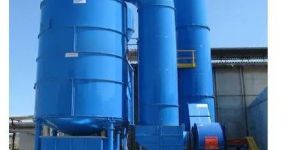

A wet scrubber or wet scrubber system is one type of scrubber that is used to remove harmful materials from industrial exhaust gases—known as flue gas—before they are released into the environment. It was the original type of scrubbing system and utilizes a wet substance to remove acidic gases that contribute to acid rain. When using a wet scrubber, flue gas is funneled through an area and sprayed with a wet substance. Water is used when dust and particulate matter is to be removed, but other chemicals can be added. These chemicals are chosen to specifically react with certain airborne contaminants—generally acidic gases. This process adds significant amounts of vapour to the exhaust—which causes the release of exhaust that appears as white smoke when vented.
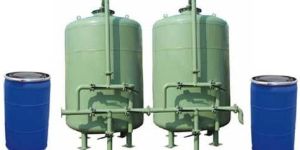
The Water Softening Plants are designed to produce treated water to suit various applications. Treated water is of consistent quality with low residual hardness throughout the service cycle. The high synthetic resin is used to exchange Sodium ions with hardness forming Calcium and Magnesium ions. After producing desired output, the resin is regenerated with (NaCI) Sodium Chloride solution after which the unit is again ready to deliver the next batch. The Water Softening Plant units are available in different models. The difference between these models is in the capacity of the resin used for each model. These units are easy to operate and maintenance-free. Process: Water softening methods mainly rely on the removal of Ca2+ and Mg2+ from a solution or the sequestration of these ions, i.e. binding them to a molecule that removes their ability to form scale or interfere with soaps. Removal is achieved by ion exchange and by precipitation methods. The mineral tank and the brine tank are the main constituents of the water softening system. The water softening system consists of a mineral tank and a brine tank. The mineral tank and the water supply pipe are connected and water passes through the tank before it can be used. The mineral tank consists of negatively charged beads or resins that attract positively charged calcium and magnesium.
Introducing our Digital Water Flow Meter, designed for accuracy and convenience. Made of durable plastic in a sleek white color, this meter features a clear LCD display for easy reading. With ±2% accuracy, it operates on battery power and has a threaded connection for easy installation. Packaged in a sturdy box for protection.
A water cooling tower is used to cool water and is a huge heat exchanger, expelling building heat into the atmosphere and returning colder water to the chiller. A water cooling tower receives warm water from a chiller. This warm water is known as condenser water because it gets heat in the condenser of the chiller. The chiller is typically at a lower level, like in a basement. The cooling tower’s role is to cool down the water, so it can return to the chiller to pick up more heat.
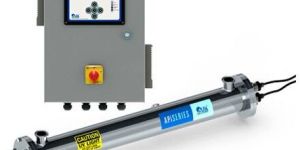
Ultraviolet (UV) light is used for the disinfection of drinking water as well as STP, ETP treated water. It is a reliable means of disinfection which involves exposing contaminated water to radiation from UV light. The treatment works because UV light penetrates an organism’s cell walls and disrupts the cell’s genetic material, making reproduction impossible. A special lamp generates the radiation that creates UV light by striking an electric arc through low-pressure mercury vapor. This lamp emits a broad spectrum of radiation with intense peaks at UV wavelengths of 253.7 nanometers (nm) which research has shown is the optimum UV wavelength range to destroy bacteria. For more information on how UV works click here. UV disinfection can remove the threat to health from waterborne Pathogens without the creation of disinfection by-products that can be generated from drinking water chlorination. From the common bacteria, E-Coli through the Cryptosporidium Oocysts to Adenovirus, UV disinfection is capable of providing effective treatment to ensure the inactivation of these pathogens and ensure drinking water is safe. UV is simple to install and requires little supervision, maintenance, or space. Improved safety, minimum service time, low operation and maintenance costs, and the absence of a chemical smell or taste in finished water are some of the major advantages of selecting UV technology over traditional disinfection technologies. Research has confirmed that UV effectiveness is relatively insensitive to temperature and pH differences.
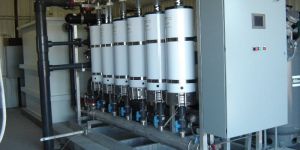
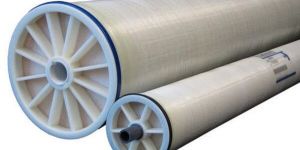
We are a leading name in the field of offering Ultra filtration plants. These systems offer tangential flow pressure-driven filtration process that helps in efficiently separating particles on basis of their molecular sizes. With pore diameters of ultrafiltration membranes being in a range of 10 to 200 A, solvents and species that have diameters smaller than the pore size of the membrane pass through the membrane and emerge as ultrafiltrate (permeate). The particles that are rejected are progressively concentrated in the retained stream.
Introducing our Stainless Steel Vertical Pressure Vessels, designed for industrial applications. Crafted from durable stainless steel in a sleek silver finish, these vessels offer standard pressure ratings for reliable performance. Ideal for various industrial processes requiring efficient containment and pressure control.
Number Of FlowerPortable Package Sewage Treatment Plant
Country of OriginIndia
Automatic GradeAutomatic
Treatment StepsEqualization, Pre-Aeration
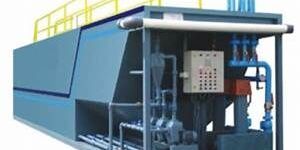
We are in this field for the last 12 years and have always been in the search of latest and techno-commercially viable technology, a system by which the need of society can be easily satisfied. With the large demand and future requirements, we came up with the Portable Package Sewage Treatment Plant concept. It’s an FRP-coated MS fabricated unit that can be easily transported to the site which thus reduces the unnecessary civil cost, improves workmanship, speedy work, and excellent treated water quality. As per the client’s need and suitability, we offer the very latest technologies like MBBR, FAB, SAFF, SBR, and MBR. Principle of Treatment: It’s working on the principle of Aerobic Treatment with the help of aerobic bacteria, which is the most conventional and proven method throughout the world. Treatment Steps:- Equalization and Pre-Aeration. Bio-Reaction in the Aeration tank. Sedimentation. Filtration- Sand and Activated Charcoal Chlorination Sludge Drying and Disposal
Material : FRP-coated MS
Number Of Flower : Portable Package Sewage Treatment Plant
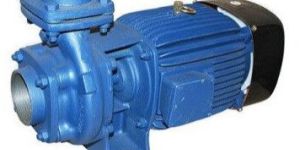
Introducing our Stainless Steel Sewage / Effluent Lifting Pump, designed for efficient removal of sewage and effluent. Powered by electricity, this reliable pump comes with a 1 Year Limited Warranty. Ideal for lifting applications, it ensures durability and performance. Packaged in a standard box for convenience.
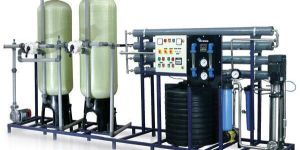
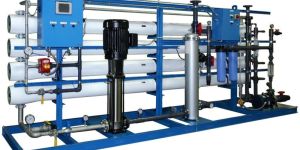
Reverse Osmosis (RO) is a membrane-technology filtration method that removes many types of large molecules and ions from solutions by applying pressure to the solution when it is on one side of a selective membrane. The result is that the solute is retained on the pressurized side of the membrane and the pure solvent is allowed to pass to the other side. To be “selective,” this membrane should not allow large molecules or ions through the pores (holes) but should allow smaller components of the solution (such as the solvent) to pass freely.Reverse osmosis is used to purify water and remove salts and other impurities in order to improve the color, taste, or properties of the fluid.
Compost is organic material that can be added to soil to help plants grow. Food scraps and yard waste currently make up 20 to 30 percent of what we throw away, and should be composted instead. Making compost keeps these materials out of landfills where they take up space and release methane, a potent greenhouse gas.
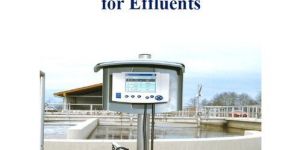
Introducing the Online Monitoring System from India. This cutting-edge monitoring system offers online connectivity for real-time data tracking. Powered by electricity, it features internal storage for seamless data management. Stay informed and in control with this reliable and efficient monitoring solution.
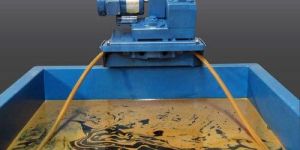
The Stainless Steel Oil Skimmer is a powerful industrial equipment designed to efficiently remove oil from water surfaces. This electric-powered device comes packaged in a sturdy cardboard box, making it easy to transport and store. Keep your water surfaces clean and oil-free with this reliable and durable Oil Skimmer.
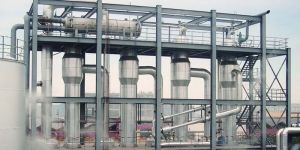
The Multiple Effect Evaporator (MEE) is an apparatus for efficiently using the heat from steam to evaporate water. In a multiple-effect evaporator, water is boiled in a sequence of vessels, each held at a lower pressure than the last. Because the boiling temperature of water decreases as pressure decreases, the vapor boiled off in one vessel can be used to heat the next, and only the first vessel (at the highest pressure) requires an external source of heat. While in theory, evaporators may be built with an arbitrarily large number of stages, evaporators with more than four stages are rarely practical except in systems where the liquor is the desired product such as in chemical recovery systems where up to seven effects are used. Multiple-effect evaporation commonly uses sensible heat in the condensate to preheat liquor to be flashed. In practice, the design of liquid flow paths can be somewhat complicated in order to extract the most recoverable heat and obtain the highest evaporation rates from the equipment. We can supply multiple-effect evaporation from two effects to six effects. Our MEE system capacity ranges from up to 300 KLD. We can also supply multiple effect evaporators with Thermo compressors to get good steam economy & reduce the cost. Application MEE is used in the ZLD Plant, After the 3rd Stage RO Plant, RO Reject Water TDS becomes very high. For every High TDS water, we cannot dispose of this water anywhere. Evaporation is the only option for this kind of high TDS water.
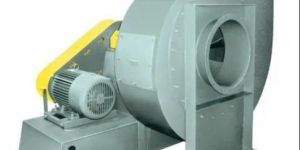
ID FAN / Induced Draft Fan refers to the Induced Draught Fan as a type of fan that produces or generates negative pressures. This pressure is created inside the combustion air systems like that of kilns, etc. In coal-fired boilers, they are connected and present in the path or route of flue gas between the chimney and the electrostatic precipitator. They are also used along with that FD fans for affecting the pressure values which are less than that of ambient air pressures.
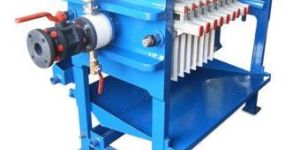
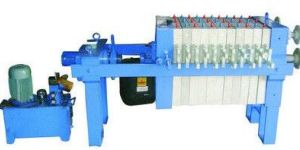
The Hydro Press Filter Press for ETP is a high-quality stainless steel filter press designed for Effluent Treatment Plants. Its durable construction ensures long-lasting performance. The sleek silver color adds a modern touch to any industrial setting. Trust the renowned brand name Hydro Press for reliable filtration solutions.
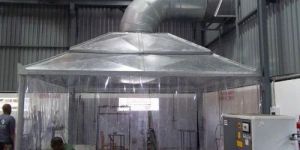
Fumes Extraction systems (FES) are air pollution control equipment installed to capture fugitive fume gases, smoke, and dust emission generated from various heat processes which are hazardous and detrimental to human health and the environment. The fumes containing dust at high temperatures emanating from furnaces are captured by specially designed suction hoods then put through suitable treatment and passed into Bag house filters to release clean air into the environment and create dust free working place. The suitable treatment can be temperature reduction by air-to-air forced draft heat exchanger or by water-cooled duct or water quencher. Sparks in the fumes are collected in the equipment called a spark arrestor.
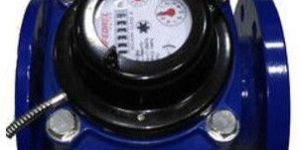
Introducing the Electromagnetic Flow Meter, a high-accuracy flow meter made of stainless steel in a sleek blue color. This CE certified device comes with an LCD display for easy reading. Packaged in standard packaging, it ensures precise measurements for various applications.
Number Of FlowerIon Exchange Water Treatment System
MaterialCorrosion-free Pressure Vessels
ApplicationDissolved Salts From Water
Regeneration MethodCation Resin With Acid
ComponentsPressure Vessel,etc
DEMINERALISED PLANT (DM Plants) are designed based on the latest cost-effective ion exchange technique of counter-current regeneration. The units consist of two corrosion-free pressure vessels internally connected in series. The first column contains Cation absorbing exchanger and the second column is charged with an anion-absorbing exchanger. The water flow Passes through the bed of a Cation exchanger then the bed of an anion exchanger and the systems remove dissolved salts from water to a specified degree. Regeneration requires after using total exchange capacity. The Cation Resin is regenerated with an acid and the anion resin is regenerated with an alkali solution. RWT consists of an acid/alkali proof pressure vessel with internal fittings and initial charge of Cation and Anion exchanger, set of regeneration equipment, hydraulic ejectors, acid and alkali tanks, and conductivity meter to monitor treated water quality. These DM Plants offer a practical range of capacities and flow rates necessary to serve a wide variety of applications.
Number Of Flower : Ion Exchange Water Treatment System
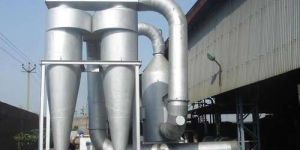
Cyclone dust collectors are also called cyclone separators. They are primarily used to remove heavier-density particles. The cyclone dust collector system uses centrifugal force to collect and direct dust toward the collection bin which is positioned at the bottom. An economical solution to a wide range of dust collection problems Excellent for high dust load, high temperature, and product recovery applications Can be used alone, with optional bag filter assembly, or as a pre-cleaner Heavy-duty construction for long life and low maintenance Removable cone section for easy replacement
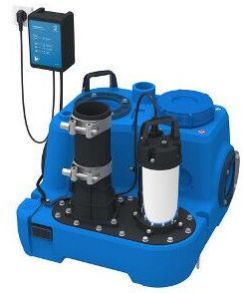
Introducing the Compact Sewage Lifting Pump, a powerful solution for residential and commercial sewage lifting needs. Made of durable stainless steel, this electric pump can be installed both indoors and outdoors. Packaged in a sturdy cardboard box, it offers reliable performance and efficient operation for all your sewage disposal requirements.