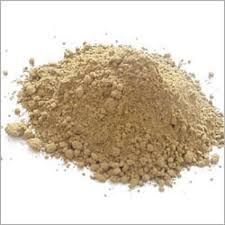
Bentonite is naturally occurring hydrated Aluminum Silicate. It has ability to absorb water several times its weight and give thick tropic fluid. Bentonite is an absorbent aluminum phyllosilicate, essentially impure clay consisting mostly of montmorillonite. There are different types of Bentonite, each named after the respective dominant element, such as potassium (K), sodium (Na), calcium (Ca), and aluminum (Al). Bentonite usually forms from weathering of volcanic ash, most often in the presence of water. Bentonite is highly plastic, sticky clay used in pottery both in clay bodies and in glazes.
Bentonite is naturally occurring hydrated Aluminum Silicate. It has ability to absorb water several times its weight and give thick tropic fluid. Bentonite is an absorbent aluminum phyllosilicate, essentially impure clay consisting mostly of montmorillonite. There are different types of Bentonite, each named after the respective dominant element, such as potassium (K), sodium (Na), calcium (Ca), and aluminum (Al). Bentonite usually forms from weathering of volcanic ash, most often in the presence of water. Bentonite is highly plastic, sticky clay used in pottery both in clay bodies and in glazes.
Siliceous earth is an inorganic material, which has chemical composition of >80 of amorphous of Silica. This amorphous phase is very rare and used widely in industrial scale because of its high porosity, fine particle size, very low density and its high surface area. It’s most chemical and physical features are same as Diatomites which is also an amorphous silica consists of fossilized remains of diatoms, a type of hard-shelled algae therefore. Siliceous earth differs from Diatomites in the mode of origin only and seems to be formed from volcanic ash. Due to these similarities in both materials Siliceous Earth finds similar uses as Diatomites.It is mainly used as filler and filter, heat and sound resistant material and in ceramic industry. Filtration and cleaning of vegetable oils and animal fats and manufactures of medicines are other uses of this mineral. Rajasthan is the only state of India that produces this mineral. In advance applications it is used as carrier for catalysts in chemical processes and for mineral fertilizers and herbicides, pesticides and fungicides in agriculture as well as raw material for refination and filtration and constituent of synthetic molding mass
Siliceous earth is an inorganic material, which has chemical composition of >80 of amorphous of Silica. This amorphous phase is very rare and used widely in industrial scale because of its high porosity, fine particle size, very low density and its high surface area. It’s most chemical and physical features are same as Diatomites which is also an amorphous silica consists of fossilized remains of diatoms, a type of hard-shelled algae therefore. Siliceous earth differs from Diatomites in the mode of origin only and seems to be formed from volcanic ash. Due to these similarities in both materials Siliceous Earth finds similar uses as Diatomites.It is mainly used as filler and filter, heat and sound resistant material and in ceramic industry. Filtration and cleaning of vegetable oils and animal fats and manufactures of medicines are other uses of this mineral. Rajasthan is the only state of India that produces this mineral. In advance applications it is used as carrier for catalysts in chemical processes and for mineral fertilizers and herbicides, pesticides and fungicides in agriculture as well as raw material for refination and filtration and constituent of synthetic molding mass
Siliceous earth is an inorganic material, which has chemical composition of >80 of amorphous of Silica. This amorphous phase is very rare and used widely in industrial scale because of its high porosity, fine particle size, very low density and its high surface area. It’s most chemical and physical features are same as Diatomites which is also an amorphous silica consists of fossilized remains of diatoms, a type of hard-shelled algae therefore. Siliceous earth differs from Diatomites in the mode of origin only and seems to be formed from volcanic ash. Due to these similarities in both materials Siliceous Earth finds similar uses as Diatomites.It is mainly used as filler and filter, heat and sound resistant material and in ceramic industry. Filtration and cleaning of vegetable oils and animal fats and manufactures of medicines are other uses of this mineral. Rajasthan is the only state of India that produces this mineral. In advance applications it is used as carrier for catalysts in chemical processes and for mineral fertilizers and herbicides, pesticides and fungicides in agriculture as well as raw material for refination and filtration and constituent of synthetic molding mass
Siliceous earth is an inorganic material, which has chemical composition of >80 of amorphous of Silica. This amorphous phase is very rare and used widely in industrial scale because of its high porosity, fine particle size, very low density and its high surface area. It’s most chemical and physical features are same as Diatomites which is also an amorphous silica consists of fossilized remains of diatoms, a type of hard-shelled algae therefore. Siliceous earth differs from Diatomites in the mode of origin only and seems to be formed from volcanic ash. Due to these similarities in both materials Siliceous Earth finds similar uses as Diatomites.It is mainly used as filler and filter, heat and sound resistant material and in ceramic industry. Filtration and cleaning of vegetable oils and animal fats and manufactures of medicines are other uses of this mineral. Rajasthan is the only state of India that produces this mineral. In advance applications it is used as carrier for catalysts in chemical processes and for mineral fertilizers and herbicides, pesticides and fungicides in agriculture as well as raw material for refination and filtration and constituent of synthetic molding mass
Red Clay Technology is an initial art of ceramics and has acted as a seed to Traditional & advance Ceramics. The technology is making its own importance in the field of Low energy, Cost effective production of Ceramic Products. Hence, the incorporation of Red Clay Technology, found to be essential tool of traditional Science from the Industrial point of view.
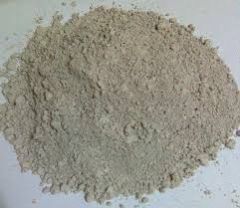
Mineralogically it manly consists of Micaceous Clay mineral which categories in Kaolinite mineral. However, the association of Montmorillonite and Illite group is also frequent. The presence of ferruginous impurities and other materials have favorable effects on vitrification behavior and fired properties of the clay. These clays can be used directly or generally admix with non-plastic materialsadditives (10-40%). These additives impart strength and reduce water absorption.
Red Clay Technology is an initial art of ceramics and has acted as a seed to Traditional & advance Ceramics. The technology is making its own importance in the field of Low energy, Cost effective production of Ceramic Products. Hence, the incorporation of Red Clay Technology, found to be essential tool of traditional Science from the Industrial point of view.
Mineralogically it manly consists of Micaceous Clay mineral which categories in Kaolinite mineral. However, the association of Montmorillonite and Illite group is also frequent. The presence of ferruginous impurities and other materials have favorable effects on vitrification behavior and fired properties of the clay. These clays can be used directly or generally admix with non-plastic materialsadditives (10-40%). These additives impart strength and reduce water absorption.
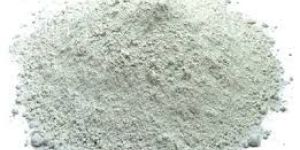
Plaster of Paris (POP) is hemi hydrated form of Gypsum (CaSO4.2H2O) and makes hard Gypsum again when mixed with water. This gypsum is hard and adhesive in nature with heat & sound resistance and porous structure with high water absorption. It does not shrink or crack when dry which make it an excellent medium for ceramic casting molds. Due to the adhesive nature Plaster of Paris is used in various applications like wall coatings, ceilings on ceilings and cornices, etc. It is also used in medicine to make plaster casts to immobilize broken bones though some orthopedic casts. Formation of POP CaSO4.2H2 O+Heat
140°C
= CaSO4. 1⁄2 (H2O)
Plaster of Paris (POP) is hemi hydrated form of Gypsum (CaSO4.2H2O) and makes hard Gypsum again when mixed with water. This gypsum is hard and adhesive in nature with heat & sound resistance and porous structure with high water absorption. It does not shrink or crack when dry which make it an excellent medium for ceramic casting molds. Due to the adhesive nature Plaster of Paris is used in various applications like wall coatings, ceilings on ceilings and cornices, etc. It is also used in medicine to make plaster casts to immobilize broken bones though some orthopedic casts. Formation of POP CaSO4.2H2 O+Heat
140°C
= CaSO4. 1⁄2 (H2O)
Gypsum has a variety of crystalline forms in which Dihydrate Calcium Sulfate (CaSO4.2H2O) is common and found in Selenite. On a molecular scale it has a lamellar structure in which a layer of water alternates with two layers of CaSO4; hence it can absorb more layers of water. It has an excellent superiority to absorb and release water molecules.From a chemical point of view it is formed by the reactions of Ca and Sulphate Acid present in sea water and deposited in sedimentary layers on the sea bed. Gypsum is produced from open-cast mines that give up to 75% Gypsum. In gypsum calcium or magnesium carbonate, chlorides, other sulphate minerals, clay minerals or silica are considered as deleterious constituents, so normally screened or washed to remove these fine particles. Washing may be added to improve the quality of the material.The gypsum deposits of Bikaner are well known for POP production, cement and fertilizer Industries. It is natural hydrate of calcium sulfate, and partially the plaster of Paris also. The reserves of Gypsum in Bikaner district are estimated as 40.489 million tones.
Gypsum has a variety of crystalline forms in which Dihydrate Calcium Sulfate (CaSO4.2H2O) is common and found in Selenite. On a molecular scale it has a lamellar structure in which a layer of water alternates with two layers of CaSO4; hence it can absorb more layers of water. It has an excellent superiority to absorb and release water molecules.From a chemical point of view it is formed by the reactions of Ca and Sulphate Acid present in sea water and deposited in sedimentary layers on the sea bed. Gypsum is produced from open-cast mines that give up to 75% Gypsum. In gypsum calcium or magnesium carbonate, chlorides, other sulphate minerals, clay minerals or silica are considered as deleterious constituents, so normally screened or washed to remove these fine particles. Washing may be added to improve the quality of the material.The gypsum deposits of Bikaner are well known for POP production, cement and fertilizer Industries. It is natural hydrate of calcium sulfate, and partially the plaster of Paris also. The reserves of Gypsum in Bikaner district are estimated as 40.489 million tones.
Bentonite is naturally occurring hydrated Aluminum Silicate. It has ability to absorb water several times its weight and give thick tropic fluid. Bentonite is an absorbent aluminum phyllosilicate, essentially impure clay consisting mostly of montmorillonite. There are different types of Bentonite, each named after the respective dominant element, such as potassium (K), sodium (Na), calcium (Ca), and aluminum (Al). Bentonite usually forms from weathering of volcanic ash, most often in the presence of water. Bentonite is highly plastic, sticky clay used in pottery both in clay bodies and in glazes.
Bentonite is naturally occurring hydrated Aluminum Silicate. It has ability to absorb water several times its weight and give thick tropic fluid. Bentonite is an absorbent aluminum phyllosilicate, essentially impure clay consisting mostly of montmorillonite. There are different types of Bentonite, each named after the respective dominant element, such as potassium (K), sodium (Na), calcium (Ca), and aluminum (Al). Bentonite usually forms from weathering of volcanic ash, most often in the presence of water. Bentonite is highly plastic, sticky clay used in pottery both in clay bodies and in glazes.
Secondary Business TypeExporters / Wholesale Suppliers
Year of Establishment2012
No. of Employees6 - 20
Annual TurnoverRs. 25 to 50 Crore Approx.
Ownership TypeCorporation/Limited Liability Company
Opening Hours
SUN : Closed
MON : 9:30 AM - 6:30 PM
TUE : 9:30 AM - 6:30 PM
WED : 9:30 AM - 6:30 PM
THU : 9:30 AM - 6:30 PM
FRI : 9:30 AM - 6:30 PM
SAT : 9:30 AM - 6:30 PM
Our specialists combine expertise with practical industry knowledge to help clients reach the door step in their business. We offer a comprehensive range of solutions for new and existing industries to meet their challenges and achieve remarkable results. We specialize in Technical Solutions, Process Solutions, Marketing Solutions, Training Solutions and a number of other additional services. We understand our customer’s requirement. We offer ceramics services for all small and large scale industries in India as well as in other countries. We deal with our clients to fulfill all their requirements in a very smart and innovative way. Our way to solve problems is not only providing solutions, we are here to remove the problems giving a best market value in the field of ceramics. Using our well established and respected in-house expertise, we provide a comprehensive, sophisticated and managed service that is available to corporates across a wide spectrum- including producers traders manufacturers, importers and exporters.






 Reviews & Ratings
 Write a Review


 Post Free Ad