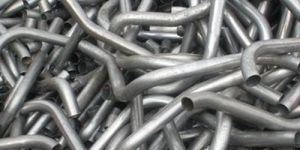
Stainless steel is an iron alloy that contains nickel and chromium to protect it against corrosion and rust. Also known as inox steel, this material is remarkably strong and resistant to high temperatures providing optimum performance under severe environmental and chemical conditions. Stainless steel’s inherent physical properties make it ideal for use in the construction, automotive and transportation sectors.
Stainless steel is an iron alloy that contains nickel and chromium to protect it against corrosion and rust. Also known as inox steel, this material is remarkably strong and resistant to high temperatures providing optimum performance under severe environmental and chemical conditions. Stainless steel’s inherent physical properties make it ideal for use in the construction, automotive and transportation sectors.
The most commonly used non-ferrous metals are aluminium, copper, lead, zinc, nickel, titanium, cobalt, chromium and precious metals. Millions of tonnes of nonferrous scrap are recovered annually and used by smelters, refiners, ingot makers, foundries, and other manufacturers. Secondary materials are essential to the industry’s survival because even new metals often require the combined use of recycled materials
The most commonly used non-ferrous metals are aluminium, copper, lead, zinc, nickel, titanium, cobalt, chromium and precious metals. Millions of tonnes of nonferrous scrap are recovered annually and used by smelters, refiners, ingot makers, foundries, and other manufacturers. Secondary materials are essential to the industry’s survival because even new metals often require the combined use of recycled materials
We are instrumental in offering a duly tested gamut of White Metal, which is designed to withstand extreme working conditions. These metals act a base for plated silverware, ornaments or novelties, for making bearings, jewellery, miniature figures, fusible plugs, some medals and metal type.
We are instrumental in offering a duly tested gamut of White Metal, which is designed to withstand extreme working conditions. These metals act a base for plated silverware, ornaments or novelties, for making bearings, jewellery, miniature figures, fusible plugs, some medals and metal type.
though light in weight, commercially pure aluminum has a tensile strength of about 13,000 psi. Cold working the metal approximately doubles its strength. In other attempts to increase strength, aluminum is alloyed with elements such as manganese, silicon, copper, magnesium, or zinc. The alloys can also be strengthened by cold working. Some alloys are further strengthened and hardened by heat treatments. At subzero temperatures, aluminum is stronger than at room temperature and is no less ductile.
though light in weight, commercially pure aluminum has a tensile strength of about 13,000 psi. Cold working the metal approximately doubles its strength. In other attempts to increase strength, aluminum is alloyed with elements such as manganese, silicon, copper, magnesium, or zinc. The alloys can also be strengthened by cold working. Some alloys are further strengthened and hardened by heat treatments. At subzero temperatures, aluminum is stronger than at room temperature and is no less ductile.



 Reviews & Ratings
 Write a Review


 Post Free Ad