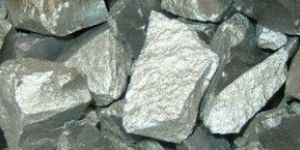
Low carbon and ultra low carbon silico manganese improve the productivity in the manufacture of stainless steel and special steel by eliminating decarburization in final step. The use of low carbon silico manganese in stainless steels and alloy steels provides a more economical production route, Where a combination of manganese and silicon is required in a low carbon steel product.
Low carbon and ultra low carbon silico manganese improve the productivity in the manufacture of stainless steel and special steel by eliminating decarburization in final step. The use of low carbon silico manganese in stainless steels and alloy steels provides a more economical production route, Where a combination of manganese and silicon is required in a low carbon steel product.
Low carbon and ultra low carbon silico manganese improve the productivity in the manufacture of stainless steel and special steel by eliminating decarburization in final step. The use of low carbon silico manganese in stainless steels and alloy steels provides a more economical production route, Where a combination of manganese and silicon is required in a low carbon steel product.
Low carbon and ultra low carbon silico manganese improve the productivity in the manufacture of stainless steel and special steel by eliminating decarburization in final step. The use of low carbon silico manganese in stainless steels and alloy steels provides a more economical production route, Where a combination of manganese and silicon is required in a low carbon steel product.
Manganese alloys are mostly used in steelmaking and foundry activities. Some 30% of the manganese used today in steelmaking is used to promote the formation of sulphides as a deoxidant. In this last case it combines with sulphur avoiding the formation of iron sulphides. These sulphides are low melting point phases which become liquid at hot rolling temperatures and which, consequently, generate surface cracking.
The other 70% of the manganese is used purely as an alloying element. Steels usually contain from 0,2% to 2% manganese depending on grades as manganese is the cheapest alloying element among those which enhance some key mechanical properties like strength and toughness. In the specific case of stainless steel it can substitute expensive nickel in some austenitic grades called 200 series.
There are two families of manganese alloys called ferro-manganese (FeMn) and silico-manganese (SiMn). Silicomanganese adds additional silicon which is a stronger deoxidant. Nitrogen, boron, titanium, phosphorus are elements which can be controlled depending on requested specification. A very specific application of refined manganese alloys is a constituent in the coating of welding electrodes.
Manganese alloys are mostly used in steelmaking and foundry activities. Some 30% of the manganese used today in steelmaking is used to promote the formation of sulphides as a deoxidant. In this last case it combines with sulphur avoiding the formation of iron sulphides. These sulphides are low melting point phases which become liquid at hot rolling temperatures and which, consequently, generate surface cracking.
The other 70% of the manganese is used purely as an alloying element. Steels usually contain from 0,2% to 2% manganese depending on grades as manganese is the cheapest alloying element among those which enhance some key mechanical properties like strength and toughness. In the specific case of stainless steel it can substitute expensive nickel in some austenitic grades called 200 series.
There are two families of manganese alloys called ferro-manganese (FeMn) and silico-manganese (SiMn). Silicomanganese adds additional silicon which is a stronger deoxidant. Nitrogen, boron, titanium, phosphorus are elements which can be controlled depending on requested specification. A very specific application of refined manganese alloys is a constituent in the coating of welding electrodes.
Manganese alloys are mostly used in steelmaking and foundry activities. Some 30% of the manganese used today in steelmaking is used to promote the formation of sulphides as a deoxidant. In this last case it combines with sulphur avoiding the formation of iron sulphides. These sulphides are low melting point phases which become liquid at hot rolling temperatures and which, consequently, generate surface cracking.
Manganese alloys are mostly used in steelmaking and foundry activities. Some 30% of the manganese used today in steelmaking is used to promote the formation of sulphides as a deoxidant. In this last case it combines with sulphur avoiding the formation of iron sulphides. These sulphides are low melting point phases which become liquid at hot rolling temperatures and which, consequently, generate surface cracking.
Over 80% of the world’s ferrochrome is utilised in the production of stainless steel. Stainless steel depends on chromium for its appearance and its resistance to corrosion. It is also used when it is desired to add chromium to carbon steel. More commonly used in specialist applications such as engineering steels where a high Cr to Fe ratio and minimum levels of other elements such as sulfur, phosphorus and titanium are important and production of finished metals.
Over 80% of the world’s ferrochrome is utilised in the production of stainless steel. Stainless steel depends on chromium for its appearance and its resistance to corrosion. It is also used when it is desired to add chromium to carbon steel. More commonly used in specialist applications such as engineering steels where a high Cr to Fe ratio and minimum levels of other elements such as sulfur, phosphorus and titanium are important and production of finished metals.
The use of low carbon silico manganese in stainless steels and alloy steels provides a more economical production route, Where a combination of manganese and silicon is required in a low carbon steel product.
The use of low carbon silico manganese in stainless steels and alloy steels provides a more economical production route, Where a combination of manganese and silicon is required in a low carbon steel product.
Stainless steel depends on chromium for its appearance and its resistance to corrosion. It is also used when it is desired to add chromium to carbon steel. More commonly used in specialist applications such as engineering steels where a high Cr to Fe ratio and minimum levels of other elements such as sulfur, phosphorus and titanium are important and production of finished metals.
Stainless steel depends on chromium for its appearance and its resistance to corrosion. It is also used when it is desired to add chromium to carbon steel. More commonly used in specialist applications such as engineering steels where a high Cr to Fe ratio and minimum levels of other elements such as sulfur, phosphorus and titanium are important and production of finished metals.
FerroChrome will be produced out of a joint venture company in Oman and the chrome smelter would have access to captive chrome ore, making it a highly cost effective chrome smelting complex. Exports to various regions of the globe comprise about 80% of the group’s market portfolio.
FerroChrome will be produced out of a joint venture company in Oman and the chrome smelter would have access to captive chrome ore, making it a highly cost effective chrome smelting complex. Exports to various regions of the globe comprise about 80% of the group’s market portfolio.
There are two families of manganese alloys called ferro-manganese (FeMn) and silico-manganese (SiMn). Silicomanganese adds additional silicon which is a stronger deoxidant. Nitrogen, boron, titanium, phosphorus are elements which can be controlled depending on requested specification. A very specific application of refined manganese alloys is a constituent in the coating of welding electrodes.
There are two families of manganese alloys called ferro-manganese (FeMn) and silico-manganese (SiMn). Silicomanganese adds additional silicon which is a stronger deoxidant. Nitrogen, boron, titanium, phosphorus are elements which can be controlled depending on requested specification. A very specific application of refined manganese alloys is a constituent in the coating of welding electrodes.
FerroChrome will be produced out of a joint venture company in Oman and the chrome smelter would have access to captive chrome ore, making it a highly cost effective chrome smelting complex. Exports to various regions of the globe comprise about 80% of the group’s market portfolio.
Over 80% of the world’s ferrochrome is utilised in the production of stainless steel. Stainless steel depends on chromium for its appearance and its resistance to corrosion. It is also used when it is desired to add chromium to carbon steel. More commonly used in specialist applications such as engineering steels where a high Cr to Fe ratio and minimum levels of other elements such as sulfur, phosphorus and titanium are important and production of finished metals.
FerroChrome will be produced out of a joint venture company in Oman and the chrome smelter would have access to captive chrome ore, making it a highly cost effective chrome smelting complex. Exports to various regions of the globe comprise about 80% of the group’s market portfolio.
Over 80% of the world’s ferrochrome is utilised in the production of stainless steel. Stainless steel depends on chromium for its appearance and its resistance to corrosion. It is also used when it is desired to add chromium to carbon steel. More commonly used in specialist applications such as engineering steels where a high Cr to Fe ratio and minimum levels of other elements such as sulfur, phosphorus and titanium are important and production of finished metals.
Secondary Business TypeExporters / Wholesale Suppliers
Opening Hours
SUN : Closed
MON : 9:30 AM - 6:30 PM
TUE : 9:30 AM - 6:30 PM
WED : 9:30 AM - 6:30 PM
THU : 9:30 AM - 6:30 PM
FRI : 9:30 AM - 6:30 PM
SAT : 9:30 AM - 6:30 PM
The group stands out globally for its product quality and pioneering efforts in process technology for speciality alloys. The captive power generation facilities at Kerala and Chhattisgarh make the respective smelters in these locations,internationally, one of the most cost competitive units. This in turn has helped the group position itself as a key low cost, high quality supplier in the global low carbon silico manganese industry. MISSION STATEMENT: Add economic value by creating an organisation capable of meeting every customer requirement in terms of quality, reliability and competitiveness. Maintain focus on economics value addition through continuous improvement of quality of products, process and service.





 Reviews & Ratings
 Write a Review


 Post Free Ad