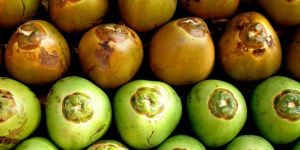
The water of tender coconut, technically the liquid endosperm, is the most nutritious wholesome beverage that the nature has provided for the people of the tropics to fight the sultry heat. It has caloric value of 17.4 per 100gm It is unctuous, sweet, increasing semen, promoting digestion and clearing the urinary path - says Ayurveda on tender coconut water It’s a natural isotonic beverage with the same level of electrolytic balance as we have in our blood. It’s the fluid of life, so to speak - says Mr. Morton Satin, Chief of FAO’s Agricultural Industries and Post Harvest Management Service.
The water of tender coconut, technically the liquid endosperm, is the most nutritious wholesome beverage that the nature has provided for the people of the tropics to fight the sultry heat. It has caloric value of 17.4 per 100gm It is unctuous, sweet, increasing semen, promoting digestion and clearing the urinary path - says Ayurveda on tender coconut water It’s a natural isotonic beverage with the same level of electrolytic balance as we have in our blood. It’s the fluid of life, so to speak - says Mr. Morton Satin, Chief of FAO’s Agricultural Industries and Post Harvest Management Service.
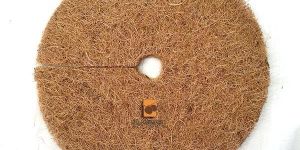
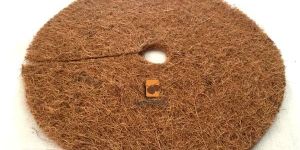
The Coir Mulch Mat is a needle-punched mattress coir pad designed to suppress weeds and control erosion around new vegetation. This increases wanted vegetation while suppressing unwanted materials. These Mats are a totally biodegradable product that will eventually degrade to enrich the surrounding environment. Life time of these mats will be anywhere from one to two years.
The Coir Mulch Mat is a needle-punched mattress coir pad designed to suppress weeds and control erosion around new vegetation. This increases wanted vegetation while suppressing unwanted materials. These Mats are a totally biodegradable product that will eventually degrade to enrich the surrounding environment. Life time of these mats will be anywhere from one to two years.
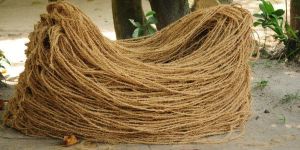
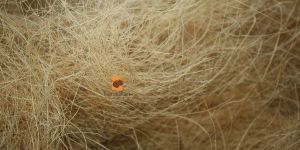
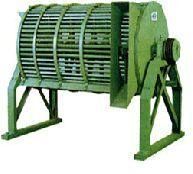
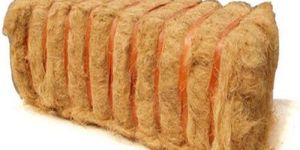
Yellow fibre is majorly used for making curled coir ropes. Used for making coir mattress, rubberized coir pads, coir cushions, carpet under lays, seat cushions and insulation of drainage pipes.The coir fibre is elastic enough to twist without breaking and it holds a curl as though permanently waved. Twisting is done by simply making a rope of the hank of fibre and twisting it using a machine or by hand. The Curled Coir Ropes of different diameters can be produced on the curling machine.
Characteristic Features
High tensile strength
Great flexibility
Eco-Friendly
Resistant to salt water
Unaffected by moisture and dampness
Tough and durable
Cheap enough
Yellow fibre is majorly used for making curled coir ropes. Used for making coir mattress, rubberized coir pads, coir cushions, carpet under lays, seat cushions and insulation of drainage pipes.The coir fibre is elastic enough to twist without breaking and it holds a curl as though permanently waved. Twisting is done by simply making a rope of the hank of fibre and twisting it using a machine or by hand. The Curled Coir Ropes of different diameters can be produced on the curling machine.
Characteristic Features
High tensile strength
Great flexibility
Eco-Friendly
Resistant to salt water
Unaffected by moisture and dampness
Tough and durable
Cheap enough
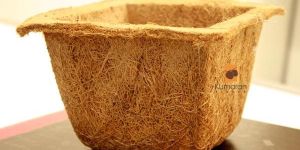
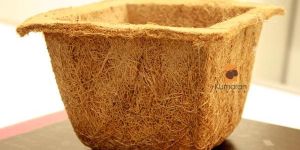
Coir pots are made from coconut coir which is a natural fiber made from the husk of ripe coconuts. These are used for seed pots, terrace gardens and green houses. They come in various shapes and sizes to meet just about anyone’s needs. These water-saving coconut coir pots are perfect for use indoors and out and are normally placed within planting troughs, window boxes, hanging baskets, and other types of planters/containers.
Benefits
Can store more water
Slow release of water to roots
Porous an provide aeration
provide good drainage
Antifungal properties
neutral pH (6.0-6.7)
Non-hazardous disposals
Coir pots are made from coconut coir which is a natural fiber made from the husk of ripe coconuts. These are used for seed pots, terrace gardens and green houses. They come in various shapes and sizes to meet just about anyone’s needs. These water-saving coconut coir pots are perfect for use indoors and out and are normally placed within planting troughs, window boxes, hanging baskets, and other types of planters/containers.
Benefits
Can store more water
Slow release of water to roots
Porous an provide aeration
provide good drainage
Antifungal properties
neutral pH (6.0-6.7)
Non-hazardous disposals
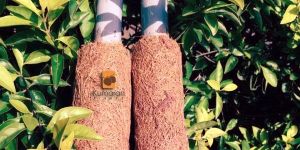
Coir poles are used to grow climbers in green houses and in landscaping. These are made from coir mats or coir yarn wound on wooden poles or sticks. The coir mat helps to retain the moisture and helps the plants to hold to the poles.
Benefits
100% natural
helps creepers to grow quickly
Slow release of water to roots
Antifungal properties
neutral pH (6.0-6.7)
Non-hazardous disposals
Coir poles are used to grow climbers in green houses and in landscaping. These are made from coir mats or coir yarn wound on wooden poles or sticks. The coir mat helps to retain the moisture and helps the plants to hold to the poles.
Benefits
100% natural
helps creepers to grow quickly
Slow release of water to roots
Antifungal properties
neutral pH (6.0-6.7)
Non-hazardous disposals
The Coir Mulch Mat is a needle-punched mattress coir pad designed to suppress weeds and control erosion around new vegetation. This increases wanted vegetation while suppressing unwanted materials. These Mats are a totally biodegradable product that will eventually degrade to enrich the surrounding environment. Life time of these mats will be anywhere from one to two years.
Benefits
controls weeds
moderates soil temperature
controls erosion
holds water and drains well
reduces water needs by 50% in drought areas
Antifungal properties
Non-hazardous disposals
The Coir Mulch Mat is a needle-punched mattress coir pad designed to suppress weeds and control erosion around new vegetation. This increases wanted vegetation while suppressing unwanted materials. These Mats are a totally biodegradable product that will eventually degrade to enrich the surrounding environment. Life time of these mats will be anywhere from one to two years.
Benefits
controls weeds
moderates soil temperature
controls erosion
holds water and drains well
reduces water needs by 50% in drought areas
Antifungal properties
Non-hazardous disposals
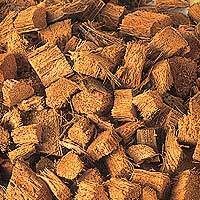
Coir husk chips is obtained by cutting the coconut husk in pieces of between 6 and 15 mm. Used in substrate mixes and also is ideal as a substrate for epiphytes. Good for use in mixer for plant and it is capable to colonize the chip. It could also be used for mulching, anthurium potting mix, growing orchids, and exotics which prefer very high drainage.
Coir husk chips is obtained by cutting the coconut husk in pieces of between 6 and 15 mm. Used in substrate mixes and also is ideal as a substrate for epiphytes. Good for use in mixer for plant and it is capable to colonize the chip. It could also be used for mulching, anthurium potting mix, growing orchids, and exotics which prefer very high drainage.
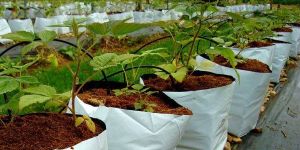
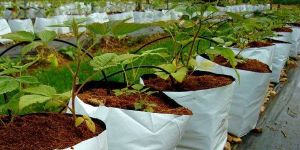
CocoBloom Open Grow Bags are available in high density packed in open top recyclable plastic bags. These open grow bags are available in different sizes and grades, suitable for use in greenhouses, vegetable and flower production. Popular with raspberry, blueberry and blackberry growers.
CocoBloom Open Grow Bags are available in high density packed in open top recyclable plastic bags. These open grow bags are available in different sizes and grades, suitable for use in greenhouses, vegetable and flower production. Popular with raspberry, blueberry and blackberry growers.
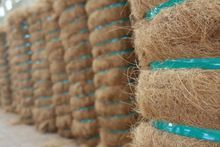
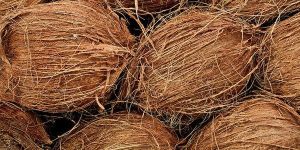
coir is the outside layer of husk that surrounds the shell of the coconut (Cocos nucifera). It consists mainly of fibres, which have traditionally been used to manufacture rope, carpets, doormats, upholstery stuffing, brushes etc. Brown and white are the two types. Brown fibre which is obtained from mature coconuts is thick, strong and has high abrasion resistance and is used in mats, brushes and sacking. White fibre which is extracted from immature green coconuts are smoother and finer, but also weaker. They are generally spun to make yarn used in mats or rope
coir is the outside layer of husk that surrounds the shell of the coconut (Cocos nucifera). It consists mainly of fibres, which have traditionally been used to manufacture rope, carpets, doormats, upholstery stuffing, brushes etc. Brown and white are the two types. Brown fibre which is obtained from mature coconuts is thick, strong and has high abrasion resistance and is used in mats, brushes and sacking. White fibre which is extracted from immature green coconuts are smoother and finer, but also weaker. They are generally spun to make yarn used in mats or rope
Yellow fibre is majorly used for making curled coir ropes. Used for making coir mattress, rubberized coir pads, coir cushions, carpet under lays, seat cushions and insulation of drainage pipes.The coir fibre is elastic enough to twist without breaking and it holds a curl as though permanently waved. Twisting is done by simply making a rope of the hank of fibre and twisting it using a machine or by hand. The Curled Coir Ropes of different diameters can be produced on the curling machine.
Yellow fibre is majorly used for making curled coir ropes. Used for making coir mattress, rubberized coir pads, coir cushions, carpet under lays, seat cushions and insulation of drainage pipes.The coir fibre is elastic enough to twist without breaking and it holds a curl as though permanently waved. Twisting is done by simply making a rope of the hank of fibre and twisting it using a machine or by hand. The Curled Coir Ropes of different diameters can be produced on the curling machine.
Coir pots are made from coconut coir which is a natural fiber made from the husk of ripe coconuts. These are used for seed pots, terrace gardens and green houses. They come in various shapes and sizes to meet just about anyone’s needs. These water-saving coconut coir pots are perfect for use indoors and out and are normally placed within planting troughs, window boxes, hanging baskets, and other types of planterscontainers.
Coir pots are made from coconut coir which is a natural fiber made from the husk of ripe coconuts. These are used for seed pots, terrace gardens and green houses. They come in various shapes and sizes to meet just about anyone’s needs. These water-saving coconut coir pots are perfect for use indoors and out and are normally placed within planting troughs, window boxes, hanging baskets, and other types of planterscontainers.
Available Sizes20mm, 60mm, 30mm, 80mm ,35mm, 10mm, 40mm ,50mm
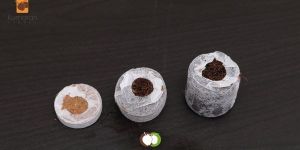
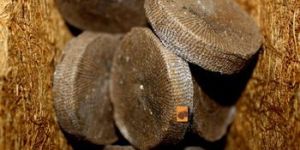
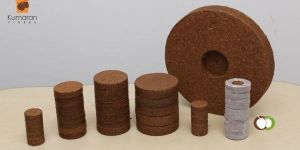
CocoBloom Pellets are made from the best quality coco peat, which can be used in planting trays, refill trays and green house. The air porosity and water retention properties of the coco peat aid in better seed germination. The pellets are available as naked or wrapped with non woven fabric and in various sizes.
Benefits
Quicker germination
High Air porosity
More water retention
100% natural
Easy to transplant
Easy Handling
Non-hazardous disposals
CocoBloom Pellets are made from the best quality coco peat, which can be used in planting trays, refill trays and green house. The air porosity and water retention properties of the coco peat aid in better seed germination. The pellets are available as naked or wrapped with non woven fabric and in various sizes.
Benefits
Quicker germination
High Air porosity
More water retention
100% natural
Easy to transplant
Easy Handling
Non-hazardous disposals
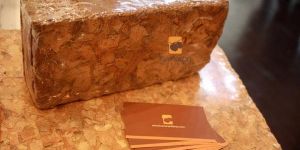
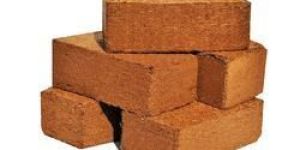
Bloom Briks - 5kg Coco peat blocks are available in various grades suitable for hydroponic growing, potting media or as retail products. They are available as wrapped blocks with customized branding or naked blocks, packed into pallets.
Bloom Briks - 5kg Coco peat blocks are available in various grades suitable for hydroponic growing, potting media or as retail products. They are available as wrapped blocks with customized branding or naked blocks, packed into pallets.
The product is obtained by cutting the coconut husk in pieces of between 6 and 15 mm. Used in substrate mixes and also is ideal as a substrate for epiphytes. Good for use in mixer for plant and it is capable to colonize the chip. It could also be used for mulching, anthurium potting mix, growing orchids, and exotics which prefer very high drainage.
The product is obtained by cutting the coconut husk in pieces of between 6 and 15 mm. Used in substrate mixes and also is ideal as a substrate for epiphytes. Good for use in mixer for plant and it is capable to colonize the chip. It could also be used for mulching, anthurium potting mix, growing orchids, and exotics which prefer very high drainage.
The product is obtained by cutting the coconut husk in pieces of between 6 and 15 mm. Used in substrate mixes and also is ideal as a substrate for epiphytes. Good for use in mixer for plant and it is capable to colonize the chip. It could also be used for mulching, anthurium potting mix, growing orchids, and exotics which prefer very high drainage.
The product is obtained by cutting the coconut husk in pieces of between 6 and 15 mm. Used in substrate mixes and also is ideal as a substrate for epiphytes. Good for use in mixer for plant and it is capable to colonize the chip. It could also be used for mulching, anthurium potting mix, growing orchids, and exotics which prefer very high drainage.
The scientific name for Coconut is Cocos nucifera. Botanically, the coconut fruit is a drupe, not a true nut. The coconut provides a nutritious source of meat, juice, milk, and oil that has fed and nourished populations around the world for generations. Coconut is highly nutritious and rich in fiber, vitamins, and minerals. It is classified as a "functional food" because it provides many health benefits beyond its nutritional content. Coconut oil is of special interest because it possesses healing properties far beyond that of any other dietary oil and is extensively used in traditional medicine among Asian and Pacific populations.
The scientific name for Coconut is Cocos nucifera. Botanically, the coconut fruit is a drupe, not a true nut. The coconut provides a nutritious source of meat, juice, milk, and oil that has fed and nourished populations around the world for generations. Coconut is highly nutritious and rich in fiber, vitamins, and minerals. It is classified as a "functional food" because it provides many health benefits beyond its nutritional content. Coconut oil is of special interest because it possesses healing properties far beyond that of any other dietary oil and is extensively used in traditional medicine among Asian and Pacific populations.
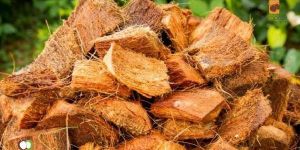
Coir is the outside layer of husk that surrounds the shell of the coconut (Cocos nucifera). It consists mainly of fibres, which have traditionally been used to manufacture rope, carpets, doormats, upholstery stuffing, brushes etc. Brown and white are the two types. Brown fibre which is obtained from mature coconuts is thick, strong and has high abrasion resistance and is used in mats, brushes and sacking. White fibre which is extracted from immature green coconuts are smoother and finer, but also weaker. They are generally spun to make yarn used in mats or rope.
Coir is the outside layer of husk that surrounds the shell of the coconut (Cocos nucifera). It consists mainly of fibres, which have traditionally been used to manufacture rope, carpets, doormats, upholstery stuffing, brushes etc. Brown and white are the two types. Brown fibre which is obtained from mature coconuts is thick, strong and has high abrasion resistance and is used in mats, brushes and sacking. White fibre which is extracted from immature green coconuts are smoother and finer, but also weaker. They are generally spun to make yarn used in mats or rope.
CocoPeat Pellets are made from the best quality coco peat, which can be used in planting trays, refill trays and green house. The air porosity and water retention properties of the coco peat aid in better seed germination. The pellets are available as naked or wrapped with non woven fabric and in various sizes.
CocoPeat Pellets are made from the best quality coco peat, which can be used in planting trays, refill trays and green house. The air porosity and water retention properties of the coco peat aid in better seed germination. The pellets are available as naked or wrapped with non woven fabric and in various sizes.
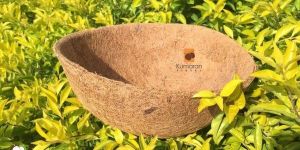
Coco liners are made from coconut coir which is a natural fiber made from the husk of ripe coconuts. There are many types of coconut planter liners to choose from. They come in various shapes and sizes to meet just about anyone’s needs. These water-saving coconut liners are perfect for use indoors and out and are normally placed within planting troughs, window boxes, hanging baskets, and other types of planters/containers.
Benefits
Can store more water
Slow release of water to roots
Porous an provide aeration
provide good drainage
Antifungal properties
neutral pH (6.0-6.7)
Non-hazardous disposals
Coco liners are made from coconut coir which is a natural fiber made from the husk of ripe coconuts. There are many types of coconut planter liners to choose from. They come in various shapes and sizes to meet just about anyone’s needs. These water-saving coconut liners are perfect for use indoors and out and are normally placed within planting troughs, window boxes, hanging baskets, and other types of planters/containers.
Benefits
Can store more water
Slow release of water to roots
Porous an provide aeration
provide good drainage
Antifungal properties
neutral pH (6.0-6.7)
Non-hazardous disposals
Coir is the outside layer of husk that surrounds the shell of the coconut (Cocos nucifera). It consists mainly of fibres, which have traditionally been used to manufacture rope, carpets, doormats, upholstery stuffing, brushes etc. Brown and white are the two types. Brown fibre which is obtained from mature coconuts is thick, strong and has high abrasion resistance and is used in mats, brushes and sacking. White fibre which is extracted from immature green coconuts are smoother and finer, but also weaker. They are generally spun to make yarn used in mats or rope.
Coir is the outside layer of husk that surrounds the shell of the coconut (Cocos nucifera). It consists mainly of fibres, which have traditionally been used to manufacture rope, carpets, doormats, upholstery stuffing, brushes etc. Brown and white are the two types. Brown fibre which is obtained from mature coconuts is thick, strong and has high abrasion resistance and is used in mats, brushes and sacking. White fibre which is extracted from immature green coconuts are smoother and finer, but also weaker. They are generally spun to make yarn used in mats or rope.
CocoBloom Open Grow Bags are available in high density packed in open top recyclable plastic bags. These open grow bags are available in different sizes and grades, suitable for use in greenhouses, vegetable and flower production. Popular with raspberry, blueberry and blackberry growers.
Benefits
Less land preparation
Nutrients wastage is less
Improved yield
Low water comsumption
Eco-Friendly and natural
Easy Handling
Reduction in disease
Non-hazardous disposals
Features
Packed in black inside & white outside, high density, co-extruded plastic bags
UV treated for 2 – 3 years
Minimizes transplant shock
No revetting problems
High air filled porosity
Enhanced root penetration
lay out as required, helps better irrigation
CocoBloom Open Grow Bags are available in high density packed in open top recyclable plastic bags. These open grow bags are available in different sizes and grades, suitable for use in greenhouses, vegetable and flower production. Popular with raspberry, blueberry and blackberry growers.
Benefits
Less land preparation
Nutrients wastage is less
Improved yield
Low water comsumption
Eco-Friendly and natural
Easy Handling
Reduction in disease
Non-hazardous disposals
Features
Packed in black inside & white outside, high density, co-extruded plastic bags
UV treated for 2 – 3 years
Minimizes transplant shock
No revetting problems
High air filled porosity
Enhanced root penetration
lay out as required, helps better irrigation
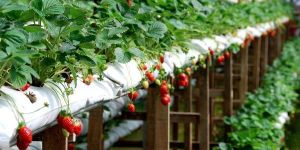
CocoBloom Grow Bag Slabs are the best and sustainable option for the soilless cultivation of vegetables and flowers under Glasshouse and Table Top Polytunnel production. This product consists of layered coco peat, compressed into slabs in poly sleeves, which is commonly used in horticulture and hydroponic green house industry for growing different types of vegetables, floriculture industry and many seasonal and non-seasonal flowers.
Substrates for soilless cultivation, largely used in green-houses specially for growing Vegetables Paprika, Tomato, Capsicums, Cucumbers, Strawberries, Carnation Roses & Gerbera.
Benefits
Less land preparation
Nutrients wastage is less
Improved yield
Low water comsumption
Eco-Friendly and natural
Easy Handling
Reduction in disease
Non-hazardous disposals
Features
Packed in black inside & white outside, high density, co-extruded plastic bags
UV treated for 2 – 3 years
High air filled porosity
Enhanced root growth
Helps better irrigation
CocoBloom Grow Bag Slabs are the best and sustainable option for the soilless cultivation of vegetables and flowers under Glasshouse and Table Top Polytunnel production. This product consists of layered coco peat, compressed into slabs in poly sleeves, which is commonly used in horticulture and hydroponic green house industry for growing different types of vegetables, floriculture industry and many seasonal and non-seasonal flowers.
Substrates for soilless cultivation, largely used in green-houses specially for growing Vegetables Paprika, Tomato, Capsicums, Cucumbers, Strawberries, Carnation Roses & Gerbera.
Benefits
Less land preparation
Nutrients wastage is less
Improved yield
Low water comsumption
Eco-Friendly and natural
Easy Handling
Reduction in disease
Non-hazardous disposals
Features
Packed in black inside & white outside, high density, co-extruded plastic bags
UV treated for 2 – 3 years
High air filled porosity
Enhanced root growth
Helps better irrigation
Secondary Business TypeExporters / Wholesale Suppliers
Opening Hours
SUN : Closed
MON : 9:30 AM - 6:30 PM
TUE : 9:30 AM - 6:30 PM
WED : 9:30 AM - 6:30 PM
THU : 9:30 AM - 6:30 PM
FRI : 9:30 AM - 6:30 PM
SAT : 9:30 AM - 6:30 PM
Kumaran Fibres begin with a humble set up in the year 2010, situated in Pollachi, a region known for pioneering in coconut cultivation and for producing value added products from the coconut tree. Since then it has been taking its strides with untiring hard work, uncompromising quality and customer satisfaction. We understand that quality and integrity are our key strengths to have continuous growth and success. Our Vision To be the premier organization operating locally and internation

 Reviews & Ratings
 Write a Review


 Post Free Ad