Pongamia Tree
Get Latest Price
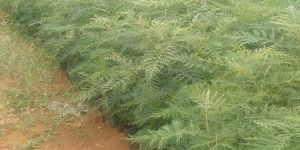
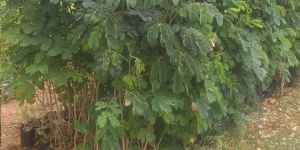
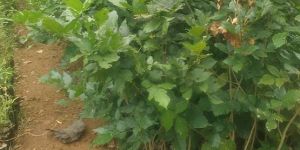
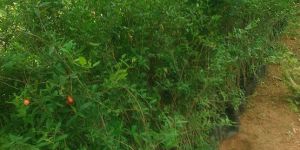
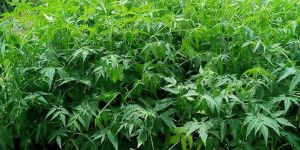
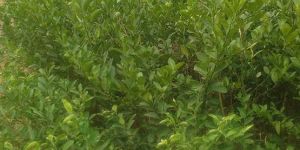
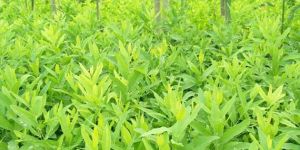
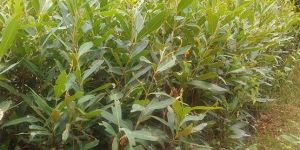
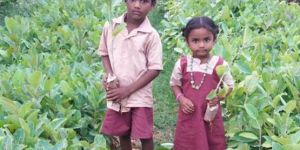
BSIV nursery and farms supplies well germinated and healthy pongamia plants to the customers. Our plants are germinated in favorable conditions which makes sure that our bio plants will flourish into big trees in a short period of time.
If you do not want to grow this commercial crop from seeds, then purchase them from us and plant them with a suitable method of pongamia plantation.
In the market, there are many private and govt. nurseries are present, from where you can buy the baby pongamia plants and can grow them in your field. But, purchasing them from a genuine source like BSIV is a smart thing.
You can also get a quotation for pongamia baby plant through online.
Uses
The pongam tree is cultivated for two purposes: (1) as an ornamental in gardens and along avenues and roadsides, for its fragrant Wisteria-like flowers, and (2) as a host plant for lac insects. It is appreciated as an ornamental throughout coastal India and all of Polynesia.
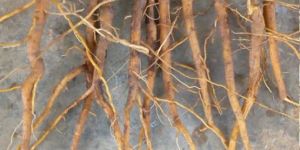
Well-decomposed flowers are used by gardeners as compost for plants requiring rich nutrients. In the Philippines the bark is used for making strings and ropes. The bark also yields a black gum that is used to treat wounds caused by poisonous fish. In wet areas of the tropics the leaves serve as green manure and as fodder. The black malodorous roots contain a potent fish-stupefying principle. In primitive areas of Malaysia and India root extracts are applied to abscesses; other plant parts, especially crushed seeds and leaves are regarded as having antiseptic properties. The seeds contain pongam oil, a bitter, red brown, thick, non-drying, nonedible oil, 27–36% by weight, which is used for tanning leather, soap, as a liniment to treat scabies, herpes, and rheumatism and as an illuminating oil (Burkill, 1966). Also used for lubrication and indigenous medicine. Pongam oil showed inhibitory effects on Bacillus anthracis, Bacillus mycoides, Bacillus pulilus, Escherichia coli, Pseudomonas mangiferae, Salmonella typhi, Sarcina lutea, Staphylococcus albus, Staphylococcus aureus, and Xanthomonas campestris, but did not inhibit Shigella sp. (Chaurasia and Jain, 1978). The oil has a high content of triglycerides, and its disagreeable taste and odor are due to bitter flavonoid constituents, pongamiin and karanjin. The wood is yellowish white, coarse, hard, and beautifully grained, but is not durable. Use of the wood is limited to cabinetmaking, cart wheels, posts, and fuel (Allen and Allen, 1981). Both the oil and residues are toxic. Still the presscake is described as a "useful poultry feed." Seeds are used to poison fish. Still it is recommended as a shade tree for pastures and windbreak for tea. The leaves are said to be a valuable lactagogue fodder, especially in arid regions. It is sometimes intercropped with pasture, the pasture grasses said to grow well in its shade (NAS, 1980a). Dried pongam leaves are used in stored grains to repel insects. Leaves often plowed green manure, thought to reduce nematode infestations. Its into ground as spreading roots make it valuable for checking erosion and stabilizing dunes. Twigs are used as a chewstick for cleaning the teeth. The ash of the wood is used in dyeing.
Yields and Economics
Trees of ten reach adult height in 4 or 5 years, bearing at the age of 4–7 years. A single tree is said to yield 9–90 kg seed per tree, indicating a yield potential of 900––9000 kg seed/ha, 25% of which might be rendered as oil (assuming 100 trees/ha). In general, Indian mills extract 24–27.5% oil, village crushers, 18–22% oil.
...more


 Reviews & Ratings
 Write a Review


 Post Free Ad