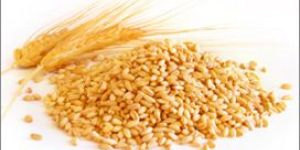
Wheat malt is essential in making wheat beers. Its protein gives the beer a fuller mouth feel and enhanced beer head stability. Wheat malt is used mainly for wheat beers which are special beers mostly brewed in Germany and some other top fermented beers. Wheat malt is also used for lager beers for flavour enrichment and to improve foam stability. Typical rate of usage could be around 50 % of the grist for wheat beers and 20 % for premium lager beers.
Wheat malt is essential in making wheat beers. Its protein gives the beer a fuller mouth feel and enhanced beer head stability. Wheat malt is used mainly for wheat beers which are special beers mostly brewed in Germany and some other top fermented beers. Wheat malt is also used for lager beers for flavour enrichment and to improve foam stability. Typical rate of usage could be around 50 % of the grist for wheat beers and 20 % for premium lager beers.
Incoming grain is received at moisture levels of between 10% and 12%. Every load is sampled, inspected, and tested at the intake point. Once tipped the grain is cleaned through imported screeners to remove stones, foreign objects, dust and straw. Once the dressing and drying processes are complete, the grain is stored in silo.There are five stages in the process of converting barley into malt. The Malt Company India Pvt. Ltd. Produce the best malt by following step
Incoming grain is received at moisture levels of between 10% and 12%. Every load is sampled, inspected, and tested at the intake point. Once tipped the grain is cleaned through imported screeners to remove stones, foreign objects, dust and straw. Once the dressing and drying processes are complete, the grain is stored in silo.There are five stages in the process of converting barley into malt. The Malt Company India Pvt. Ltd. Produce the best malt by following step
Malt flours are produced by milling grains of malted cereals. In the case of non-malted flours they can be produced to various degrees of refinement. Light coloured malt flours offers varying degrees of alpha amylase, protein and malt flavour. Coloured and dark malt flours are principally used for flavour, texture improvement and appearance enhancement in all areas of the food industry. We manufacture an extensive range of malt flours. In addition, we are also able to develop specific products to meet individual customer specifications and requirements.
Malt Flours are packed in paperHDPE sacks of 25kg.
Malt flours are produced by milling grains of malted cereals. In the case of non-malted flours they can be produced to various degrees of refinement. Light coloured malt flours offers varying degrees of alpha amylase, protein and malt flavour. Coloured and dark malt flours are principally used for flavour, texture improvement and appearance enhancement in all areas of the food industry. We manufacture an extensive range of malt flours. In addition, we are also able to develop specific products to meet individual customer specifications and requirements.
Malt Flours are packed in paperHDPE sacks of 25kg.
Malt Extract Powder products are made by introducing the liquid malt extract onto a slowly moving band passing through the vacuum. The vacuum allows evaporation to happen at a lower temperature and aids the extract to puff. The resultant honeycomb of material is milled into a coarse powder prior to packing.Malt Extract Powder is sweet, pale yellow to yellow in colour, slightly acidic, highly hygroscopic and free flow in nature. An aqueous solution is not clear and deposits a voluminous flocculent precipitate on standing. Completely soluble in cold water and readily soluble in hot water.
Dried extracts offer many benefits and have the following characteristics:
Non-diastatic
Coarse powder
Easily soluble
Additional flavour derived from 'cooking' process
Inclusion of other ingredients like milk powder, fat, sugar, where ever possible
Intended Uses
Nutrious food
Milk based health care drinks
Pharmaceuticals
Biscuits
Beverages
Confectionary
Bakery products
Home Brewing
Cereals & Malt Extract Powder
Malt Extract Powder products are made by introducing the liquid malt extract onto a slowly moving band passing through the vacuum. The vacuum allows evaporation to happen at a lower temperature and aids the extract to puff. The resultant honeycomb of material is milled into a coarse powder prior to packing.Malt Extract Powder is sweet, pale yellow to yellow in colour, slightly acidic, highly hygroscopic and free flow in nature. An aqueous solution is not clear and deposits a voluminous flocculent precipitate on standing. Completely soluble in cold water and readily soluble in hot water.
Dried extracts offer many benefits and have the following characteristics:
Non-diastatic
Coarse powder
Easily soluble
Additional flavour derived from 'cooking' process
Inclusion of other ingredients like milk powder, fat, sugar, where ever possible
Intended Uses
Nutrious food
Milk based health care drinks
Pharmaceuticals
Biscuits
Beverages
Confectionary
Bakery products
Home Brewing
Cereals & Malt Extract Powder
n addition to our extensive range of grain malts, we offer a wide range of liquid malt extracts. Liquid malt extracts can be used as a straight grain malt replacement or when added to a conventional mash, as a brew extender. Liquid malt extracts provide a great start to any recipe, offering a carefully balanced formulation designed to provide the ideal base for your own recipe. In addition, we also offer liquid malt extracts made using selected coloured malts to provide a darker base material for your beer recipes.Liquid Malt Extract in Food our standard packaging for liquid malt extracts is:
25-kg Steel Pails
25-kg Plastic Pails
300-kg Plastic Drums
1 tonne (IBC) subject to geographical location
Road Tankers
Flexi Tanks
Any other packing of customer's specification
n addition to our extensive range of grain malts, we offer a wide range of liquid malt extracts. Liquid malt extracts can be used as a straight grain malt replacement or when added to a conventional mash, as a brew extender. Liquid malt extracts provide a great start to any recipe, offering a carefully balanced formulation designed to provide the ideal base for your own recipe. In addition, we also offer liquid malt extracts made using selected coloured malts to provide a darker base material for your beer recipes.Liquid Malt Extract in Food our standard packaging for liquid malt extracts is:
25-kg Steel Pails
25-kg Plastic Pails
300-kg Plastic Drums
1 tonne (IBC) subject to geographical location
Road Tankers
Flexi Tanks
Any other packing of customer's specification
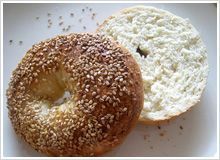
They are light in colour and have a low flavour level. When added to bread dough the natural enzymes in the malt flour break down starch to produce maltose and other sugars which act as yeast foods, enhancing yeast performance during fermentation.When used in white Breads It enhances the fermentation and yeast performance. It improves the softness and increases volume of bread. It also gives a malty flavor to the bread without affecting the crumb flavour and colour. Generally it is used at low levels of up to 1% of flour weight.When used in Brown Breads it provides a sticky crumb to the loaf. It is used alone or in a combination of up to 5% of flour weight depending on the desired level of stickiness.
They are light in colour and have a low flavour level. When added to bread dough the natural enzymes in the malt flour break down starch to produce maltose and other sugars which act as yeast foods, enhancing yeast performance during fermentation.When used in white Breads It enhances the fermentation and yeast performance. It improves the softness and increases volume of bread. It also gives a malty flavor to the bread without affecting the crumb flavour and colour. Generally it is used at low levels of up to 1% of flour weight.When used in Brown Breads it provides a sticky crumb to the loaf. It is used alone or in a combination of up to 5% of flour weight depending on the desired level of stickiness.
For international brewer the company is importing Select 2 Row & 6 Row varieties of barley from North America, Europe & Australia to be produced at it manufacturing facilities for their critical requirements.
For international brewer the company is importing Select 2 Row & 6 Row varieties of barley from North America, Europe & Australia to be produced at it manufacturing facilities for their critical requirements.
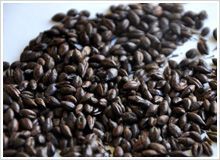
Dark malts have a deserved reputation for their quality and variety. Bakers and food manufacturers have traditionally used a 'dark malt flour' to enhance flavour and colour in their products. Now, a range of products is available with differing flavour profiles, colour levels and hues to meet the requirements of a more sophisticated industry and consumer.Nutritionally, dark malt flours have high carbohydrate levels with significant levels of protein and fiber and low levels of fat.When used in Brown Breads and Brown RollsIt gives a cake or brioche like crumb to the bread. It also provides a malty flavor to the bread depending on the kind of flour and amount of flour being used. The use of malt extract at a very low level also helps in flavor development. It's most important advantage is that it provides a brown color to the bread and no additional artificial flavour and colour are required. Generally its usage is around 5% of the flour weight.When used in White BreadsIt should be initially used at 3% of flour weight to get a creamy yellow color of the bread. The usage also depends on the individual flavour and colour of the bread required.
Dark malts have a deserved reputation for their quality and variety. Bakers and food manufacturers have traditionally used a 'dark malt flour' to enhance flavour and colour in their products. Now, a range of products is available with differing flavour profiles, colour levels and hues to meet the requirements of a more sophisticated industry and consumer.Nutritionally, dark malt flours have high carbohydrate levels with significant levels of protein and fiber and low levels of fat.When used in Brown Breads and Brown RollsIt gives a cake or brioche like crumb to the bread. It also provides a malty flavor to the bread depending on the kind of flour and amount of flour being used. The use of malt extract at a very low level also helps in flavor development. It's most important advantage is that it provides a brown color to the bread and no additional artificial flavour and colour are required. Generally its usage is around 5% of the flour weight.When used in White BreadsIt should be initially used at 3% of flour weight to get a creamy yellow color of the bread. The usage also depends on the individual flavour and colour of the bread required.
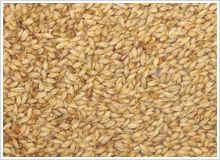
The Company has a dedicated team of qualified grain buyers having decades of experience in purchasing thousands of tonnes of quality barley. Each of our malting sites has its own particular requirements; however, they all specify that barley for malting must achieve at least 95% germination.Generally, barley is classified into six-row and two-row barley. The six-row barley has higher enzyme content, more protein, less starch, and a thicker husk than two-row barley. The higher level of diastatic enzymes makes six-row barley desirable for conversion of adjunct starches (those that lack enzymes) during mashing. The two-row barley has lower protein content which reduces the problems with haze in the finished beer.On the down side, the higher protein content can result in greater break material (hot and cold), as well as possibly increased problems with haze in the finished beer.
The Company has a dedicated team of qualified grain buyers having decades of experience in purchasing thousands of tonnes of quality barley. Each of our malting sites has its own particular requirements; however, they all specify that barley for malting must achieve at least 95% germination.Generally, barley is classified into six-row and two-row barley. The six-row barley has higher enzyme content, more protein, less starch, and a thicker husk than two-row barley. The higher level of diastatic enzymes makes six-row barley desirable for conversion of adjunct starches (those that lack enzymes) during mashing. The two-row barley has lower protein content which reduces the problems with haze in the finished beer.On the down side, the higher protein content can result in greater break material (hot and cold), as well as possibly increased problems with haze in the finished beer.
Secondary Business TypeManufacturer / Exporters / Wholesale Suppliers
Opening Hours
SUN : Closed
MON : 9:30 AM - 6:30 PM
TUE : 9:30 AM - 6:30 PM
WED : 9:30 AM - 6:30 PM
THU : 9:30 AM - 6:30 PM
FRI : 9:30 AM - 6:30 PM
SAT : 9:30 AM - 6:30 PM
Established in the Year 1970 and incorporated under the Indian Companies Act, The Malt Company (India) Pvt. Limited, is one of the largest Malting companies in India. The company has a long experience of more then four decades in the field and commands a status amongst its buyers and suppliers. It is a well recognized brand name throughout the entire liquor, health foods, confectionery and pharmaceutical industry. MCI as a leading producer of premium quality Malt products has a long range commitment to quality, ensure that customers get superior Malt products-exactly the way they want it. Mr. P K Jain, Chairman and Managing Director is at the helm of affairs backed up by Directors Mr. Mohit Jain, and Mr. Vikas Jain. It is a closely held family owned company by Jains, a business family from past seven generations. MCI is the first ISO 9000:2000 certified Malting Company in India.







 Reviews & Ratings
 Write a Review


 Post Free Ad