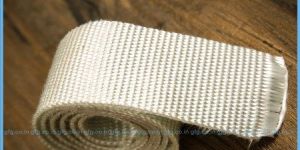
Glass Fiber Tape is woven from texturized e-glass fiber yarn on specialized looms. GFT is suitable for temperatures upto 550oC, and typically used as high temperature gaskets between flanges or simply a wrap on pipelines to reduce heat loss in high heat generating areas.
GFT can be pre-inserted with SS 304 to improve its tensile strength at elevated temperatures and it can also be coated with vermiculite or silicon rubber to make it 100% non-permeable. This makes it suitable for application in expansion joints and food industry.
Glass Fiber Tape is woven from texturized e-glass fiber yarn on specialized looms. GFT is suitable for temperatures upto 550oC, and typically used as high temperature gaskets between flanges or simply a wrap on pipelines to reduce heat loss in high heat generating areas.
GFT can be pre-inserted with SS 304 to improve its tensile strength at elevated temperatures and it can also be coated with vermiculite or silicon rubber to make it 100% non-permeable. This makes it suitable for application in expansion joints and food industry.
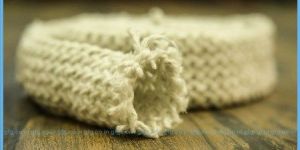
Glass Fiber Sleeve is knitted from texturized e-glass fiber yarn on specialized braiders. GFS is suitable for temperatures upto 550oC, for covering pipelines carrying high temperature gases or liquids. It serves as a heat loss minimizing agent and also helps in providing protection to a person if he or she comes in contact with the hot surface unintentionally.
GFS can be pre-inserted with SS 304 to improve its tensile strength at elevated temperatures and it can also be coated with silicon rubber. This coating makes GFS smooth to touch or handle, thereby eliminating chances of any skin irritation that might happen.
Glass Fiber Sleeve is knitted from texturized e-glass fiber yarn on specialized braiders. GFS is suitable for temperatures upto 550oC, for covering pipelines carrying high temperature gases or liquids. It serves as a heat loss minimizing agent and also helps in providing protection to a person if he or she comes in contact with the hot surface unintentionally.
GFS can be pre-inserted with SS 304 to improve its tensile strength at elevated temperatures and it can also be coated with silicon rubber. This coating makes GFS smooth to touch or handle, thereby eliminating chances of any skin irritation that might happen.
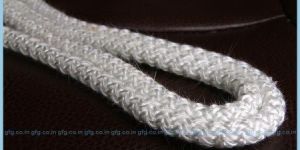
Glass Fiber Rope is braided or twisted from texturized e-glass fiber yarn on specialized braiders and suitable for temperatures upto 550oC. A soft GFR is used in pipeline lagging and a hard GFR is used as an oven or a furnace door seal. It serves as a heat loss minimizing agent and also helps in providing protection to a person if he or she comes in contact with the hot surface unintentionally.
GFR can be made in round, square & rectangular shapes and in a variety of densities which is a measure for its hardness (or softness). It can be lubricated with graphite to make it suitable for application at the mouth of a ratory kiln. Silicon or PTFE coated GFR is used in chemically inert environments.
Glass Fibre, which is used in making GFR is chemically known as boro-silico-alumino-calcic glass. It is a texturized e-glass yarn with a filament diameter of 9 micron.
Glass Fiber Rope is braided or twisted from texturized e-glass fiber yarn on specialized braiders and suitable for temperatures upto 550oC. A soft GFR is used in pipeline lagging and a hard GFR is used as an oven or a furnace door seal. It serves as a heat loss minimizing agent and also helps in providing protection to a person if he or she comes in contact with the hot surface unintentionally.
GFR can be made in round, square & rectangular shapes and in a variety of densities which is a measure for its hardness (or softness). It can be lubricated with graphite to make it suitable for application at the mouth of a ratory kiln. Silicon or PTFE coated GFR is used in chemically inert environments.
Glass Fibre, which is used in making GFR is chemically known as boro-silico-alumino-calcic glass. It is a texturized e-glass yarn with a filament diameter of 9 micron.
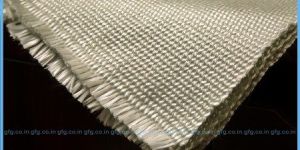
Glass Fiber Cloth is woven from texturized e-glass fiber yarn on specialized looms. GFC is suitable for temperatures upto 550oC, and typically used as high temperature curtains, gaskets or simply a wrap to reduce heat loss from a high heat generating equipment.
GFC can be pre-inserted with SS 304 to improve its tensile strength at elevated temperatures and it can also be coated with vermiculite or silicon rubber to make it 100% non-permeable. This makes it suitable for application in expansion joints and food industry.
Glass Fiber Cloth is woven from texturized e-glass fiber yarn on specialized looms. GFC is suitable for temperatures upto 550oC, and typically used as high temperature curtains, gaskets or simply a wrap to reduce heat loss from a high heat generating equipment.
GFC can be pre-inserted with SS 304 to improve its tensile strength at elevated temperatures and it can also be coated with vermiculite or silicon rubber to make it 100% non-permeable. This makes it suitable for application in expansion joints and food industry.
Ceramic Fiber Tape is woven from ceramic fibre yarn on specialized looms. CFT is suitable for temperatures upto 1260oC, and typically used as high temperature gaskets between flanges or simply a wrap on pipelines to reduce heat loss in high heat generating areas.
CFT can be pre-inserted with SS 304 to improve its tensile strength at elevated temperatures and it can also be coated with vermiculite or silicon rubber to make it 100% non-permeable. This makes it suitable for application in expansion joints and food industry.
Ceramic Fibre, which is used in weaving CFT majorly contains Aluminium Silicate
It is chemically composed of the following:
Al2O3 (47-49%) & Al2O3 + SiO2 (99%) - 85% (By Weight)
Other Components:
Viscose Rayon, Fibreglass Yarn - 15% (By Weight)
Ceramic Fiber Tape is woven from ceramic fibre yarn on specialized looms. CFT is suitable for temperatures upto 1260oC, and typically used as high temperature gaskets between flanges or simply a wrap on pipelines to reduce heat loss in high heat generating areas.
CFT can be pre-inserted with SS 304 to improve its tensile strength at elevated temperatures and it can also be coated with vermiculite or silicon rubber to make it 100% non-permeable. This makes it suitable for application in expansion joints and food industry.
Ceramic Fibre, which is used in weaving CFT majorly contains Aluminium Silicate
It is chemically composed of the following:
Al2O3 (47-49%) & Al2O3 + SiO2 (99%) - 85% (By Weight)
Other Components:
Viscose Rayon, Fibreglass Yarn - 15% (By Weight)
Ceramic Fiber Sleeve is knitted from ceramic fibre yarn on specialized braiders. CFS is suitable for temperatures upto 1260oC, and typically used for covering pipelines carrying high temperature gases or liquids. It serves as a heat loss minimizing agent and also helps in providing protection to a person if he or she comes in contact with the hot surface unintentionally.
CFS can be pre-inserted with SS 304 to improve its tensile strength at elevated temperatures and it can also be coated with silicon rubber. This coating makes CFS smooth to touch or handle, thereby eliminating chances of any skin irritation that might happen.
Ceramic Fiber Sleeve is knitted from ceramic fibre yarn on specialized braiders. CFS is suitable for temperatures upto 1260oC, and typically used for covering pipelines carrying high temperature gases or liquids. It serves as a heat loss minimizing agent and also helps in providing protection to a person if he or she comes in contact with the hot surface unintentionally.
CFS can be pre-inserted with SS 304 to improve its tensile strength at elevated temperatures and it can also be coated with silicon rubber. This coating makes CFS smooth to touch or handle, thereby eliminating chances of any skin irritation that might happen.
Ceramic Fiber Rope is braided or twisted from ceramic fibre yarn on specialized braiders and suitable for temperatures upto 1260oC. A soft CFR is used in pipeline lagging and a hard CFR is used as an oven or a furnace door seal. It serves as a heat loss minimizing agent and also helps in providing protection to a person if he or she comes in contact with the hot surface unintentionally.
CFR can be made in round, square & rectangular shapes and in a variety of densities which is a measure for its hardness (or softness). It can be lubricated with graphite to make it suitable for application at the mouth of a ratory kiln. Silicon or PTFE coated CFR is used in chemically inert environments.
Ceramic Fibre, which is used in making CFR majorly contains Aluminium Silicate
It is chemically composed of the following:
Al2O3 (47-49%) & Al2O3 + SiO2 (99%) - 85% (By Weight)
Other Components:
Viscose Rayon, Fibreglass Yarn - 15% (By Weight)
Ceramic Fiber Rope is braided or twisted from ceramic fibre yarn on specialized braiders and suitable for temperatures upto 1260oC. A soft CFR is used in pipeline lagging and a hard CFR is used as an oven or a furnace door seal. It serves as a heat loss minimizing agent and also helps in providing protection to a person if he or she comes in contact with the hot surface unintentionally.
CFR can be made in round, square & rectangular shapes and in a variety of densities which is a measure for its hardness (or softness). It can be lubricated with graphite to make it suitable for application at the mouth of a ratory kiln. Silicon or PTFE coated CFR is used in chemically inert environments.
Ceramic Fibre, which is used in making CFR majorly contains Aluminium Silicate
It is chemically composed of the following:
Al2O3 (47-49%) & Al2O3 + SiO2 (99%) - 85% (By Weight)
Other Components:
Viscose Rayon, Fibreglass Yarn - 15% (By Weight)
Ceramic Fiber Cloth is woven from ceramic fibre yarn on specialized looms. CFC is suitable for temperatures upto 1260oC and typically used as high temperature curtains, gaskets or simply a wrap to reduce heat loss from a high heat generating equipment.
CFC can be pre-inserted with SS 304 to improve its tensile strength at elevated temperatures and it can also be coated with vermiculite or silicon rubber to make it 100% non-permeable. This makes it suitable for application in expansion joints and food industry.
Base Material
Ceramic Fibre, which is used in weaving CFC majorly contains Aluminium Silicate
It is chemically composed of the following:
Al2O3 (47-49%) & Al2O3 + SiO2 (99%) - 85% (By Weight)
Other Components:
Viscose Rayon, Fibreglass Yarn - 15% (By Weight)
Ceramic Fiber Cloth is woven from ceramic fibre yarn on specialized looms. CFC is suitable for temperatures upto 1260oC and typically used as high temperature curtains, gaskets or simply a wrap to reduce heat loss from a high heat generating equipment.
CFC can be pre-inserted with SS 304 to improve its tensile strength at elevated temperatures and it can also be coated with vermiculite or silicon rubber to make it 100% non-permeable. This makes it suitable for application in expansion joints and food industry.
Base Material
Ceramic Fibre, which is used in weaving CFC majorly contains Aluminium Silicate
It is chemically composed of the following:
Al2O3 (47-49%) & Al2O3 + SiO2 (99%) - 85% (By Weight)
Other Components:
Viscose Rayon, Fibreglass Yarn - 15% (By Weight)
Secondary Business TypeManufacturer / Exporters / Wholesale Suppliers
Opening Hours
SUN : Closed
MON : 9:30 AM - 6:30 PM
TUE : 9:30 AM - 6:30 PM
WED : 9:30 AM - 6:30 PM
THU : 9:30 AM - 6:30 PM
FRI : 9:30 AM - 6:30 PM
SAT : 9:30 AM - 6:30 PM
Gautam Fibre Glass was established in 1988 by late Mr. S.K. Kanoria. It was his vision and foresight as a businessman that has made Gautam Fibre Glass survive through 30 years as a going concern that is: profitable; consistent; and capital efficient. Gautam Fibre Glass originally started with Glass Fibre as a raw material for its products. Later Ceramic Fibre was added to its product line. Mr. Gautam Kanoria (founder's son) continued the business bringing to its present stature. He has expanded the product line, streamlined manufacturing and aligned logistics. GFG under his leadership has been steered to 200+ customers, pan India market penetration, consistent CAGR of 23%, and diversifying the business into services. Journey continues at Gautam Fibre Glass...




 Reviews & Ratings
 Write a Review


 Post Free Ad