Sandhya Enterprises Gajularamaram, Hyderabad, Telangana

GST Number : 36GNLPS1299P1ZS
Contact Supplier Request A Quote
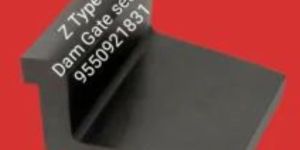
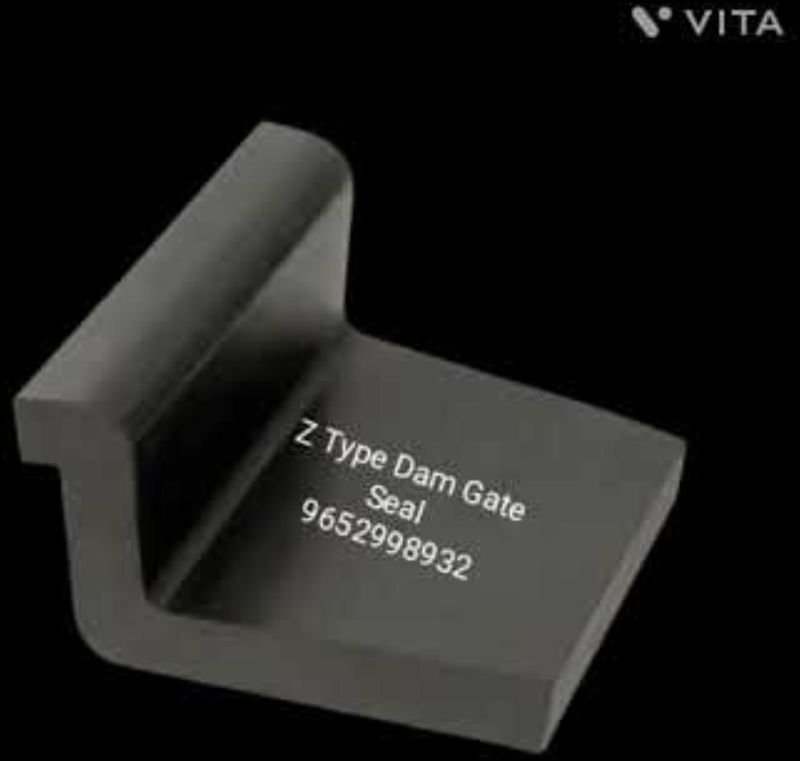
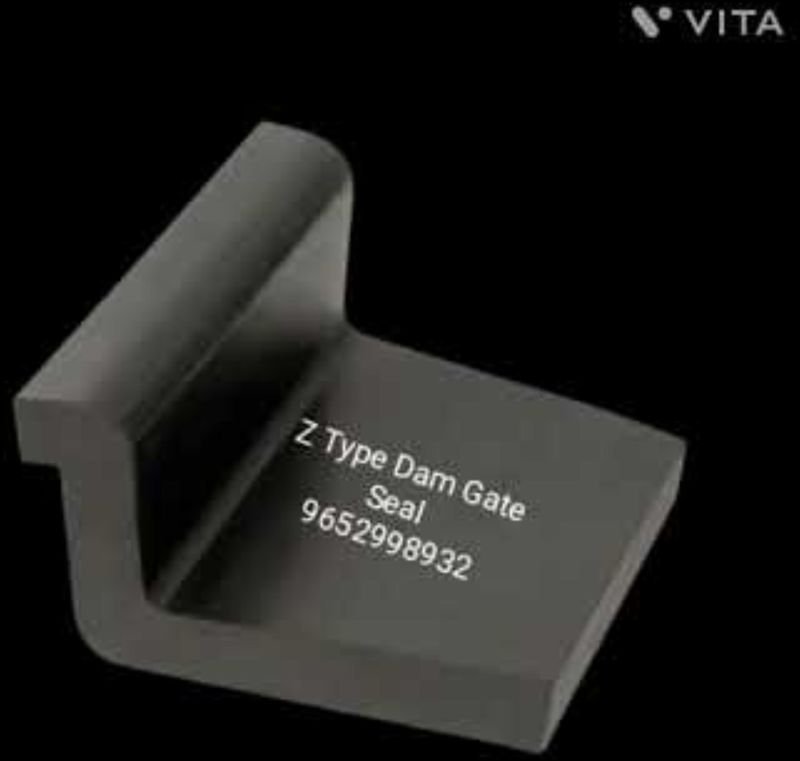
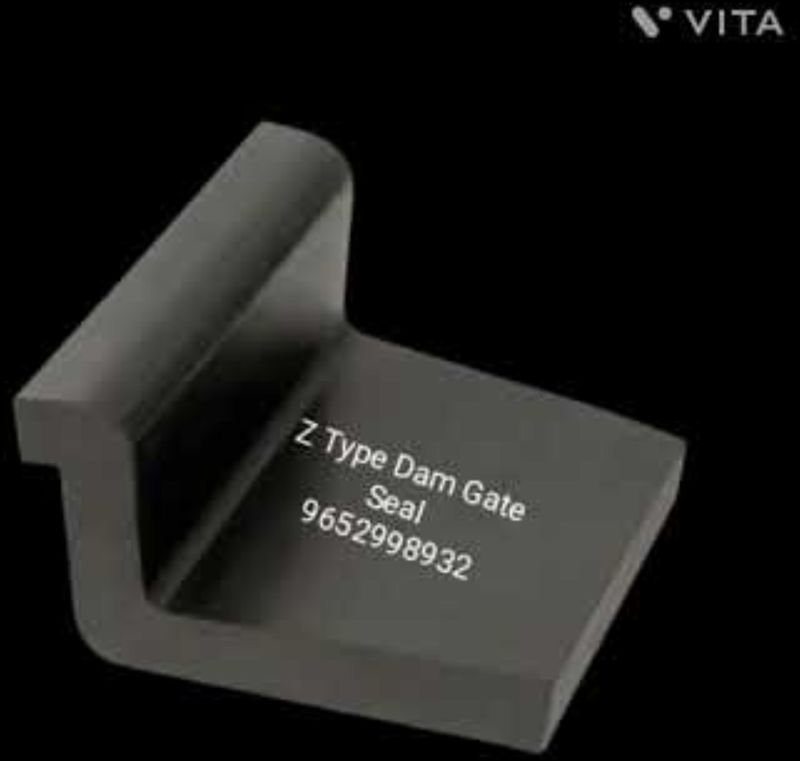
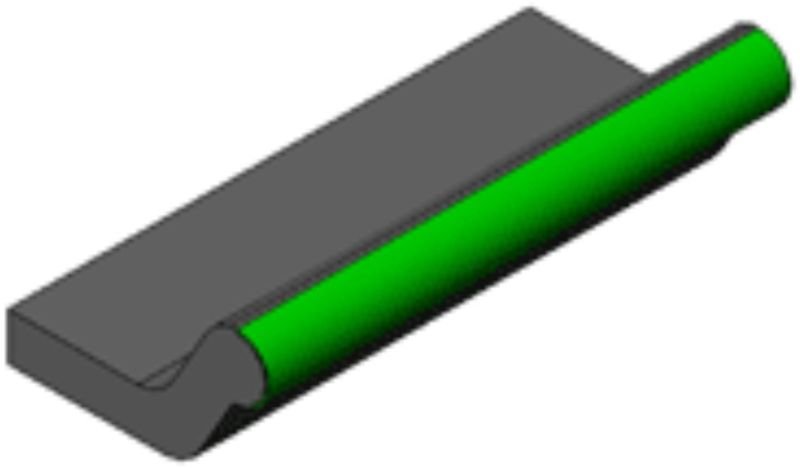
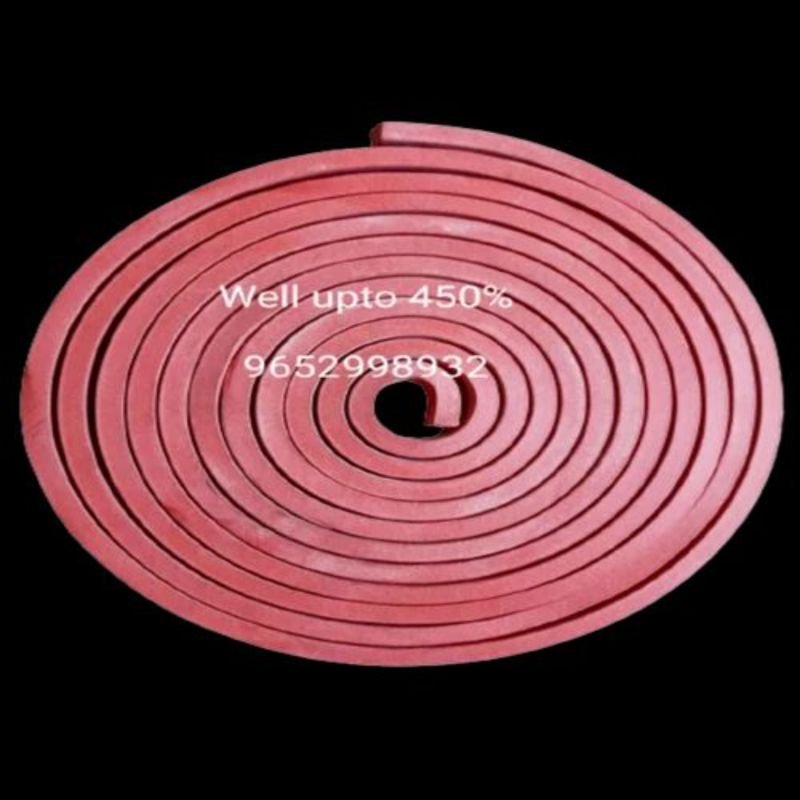
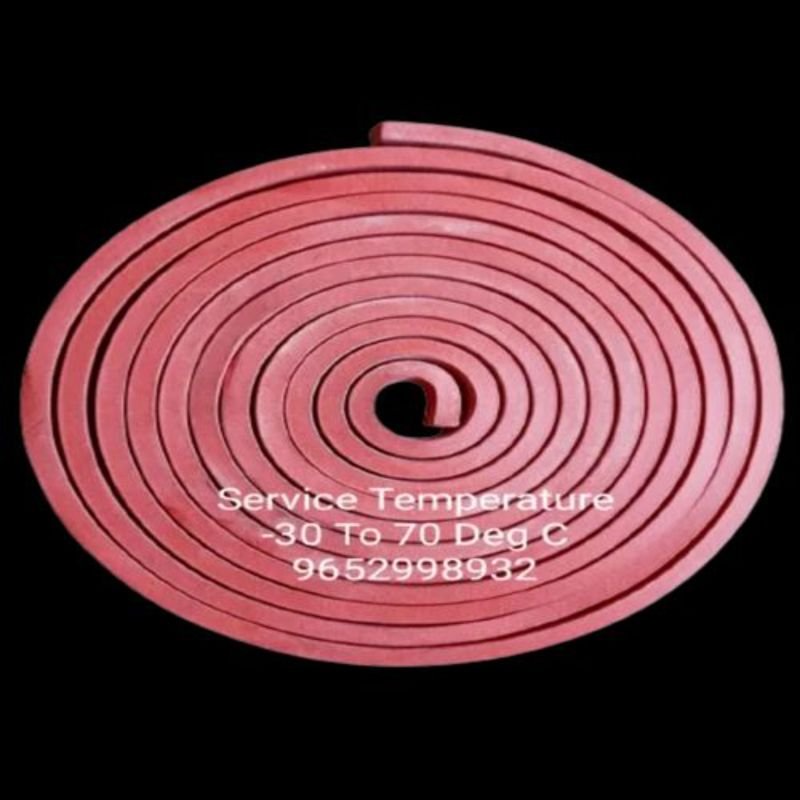
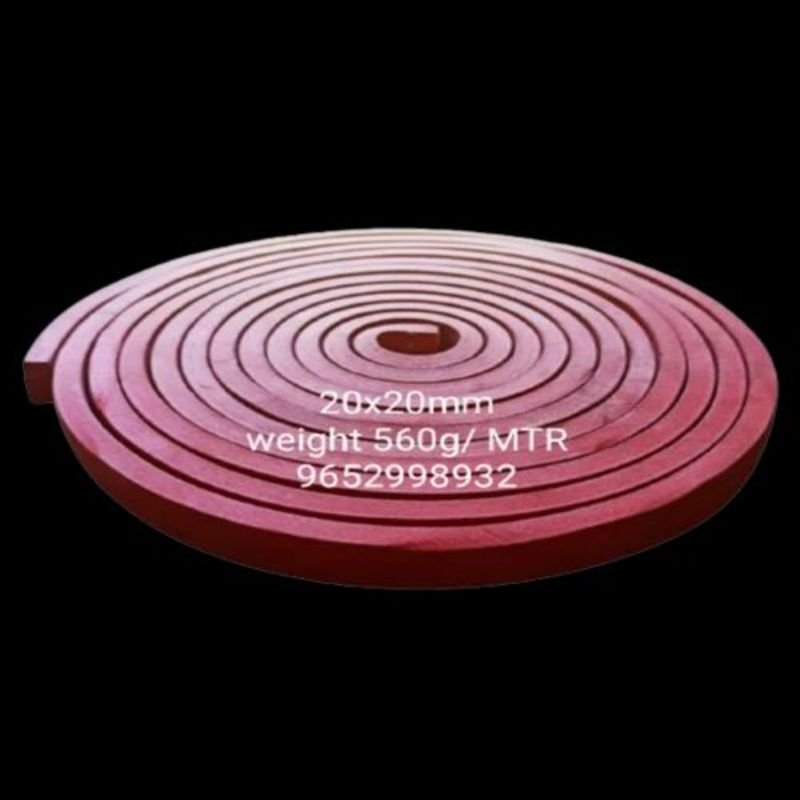
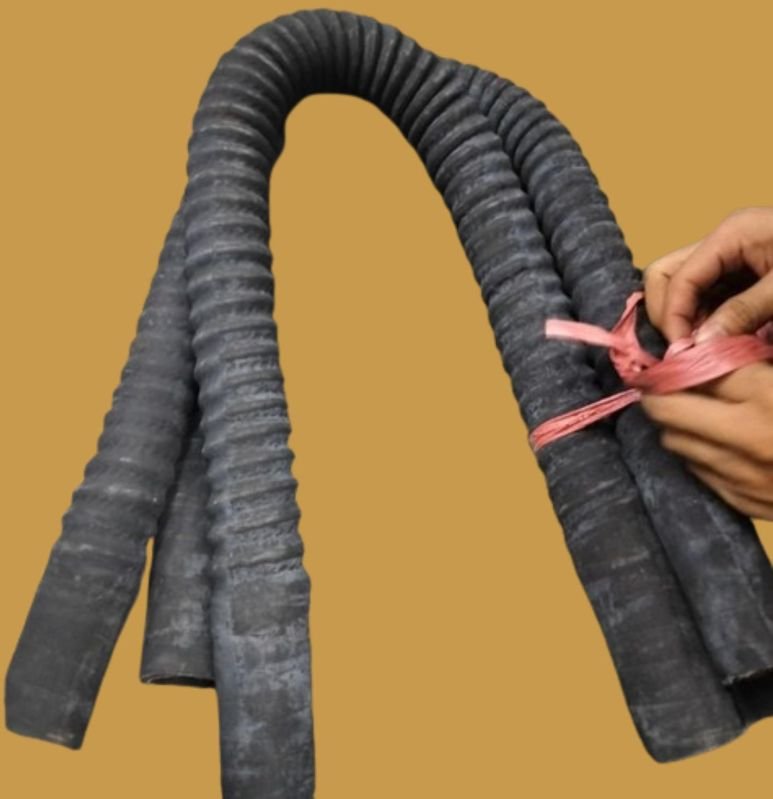
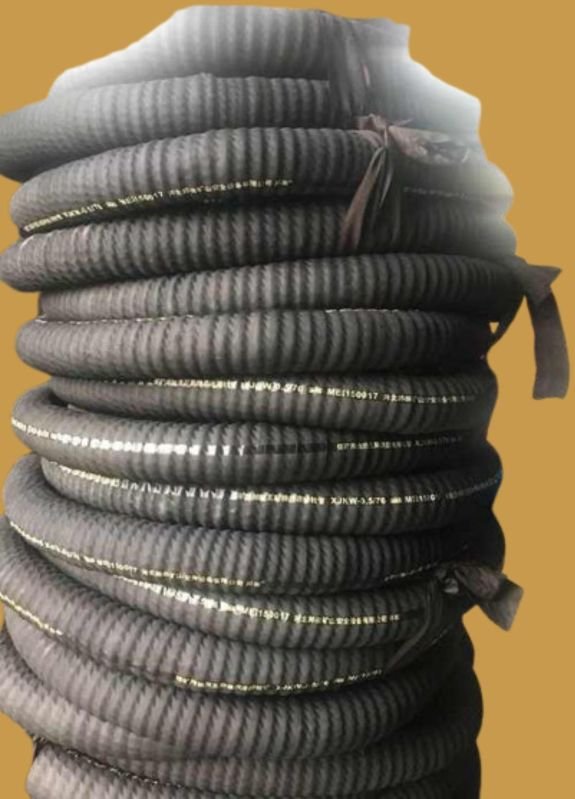
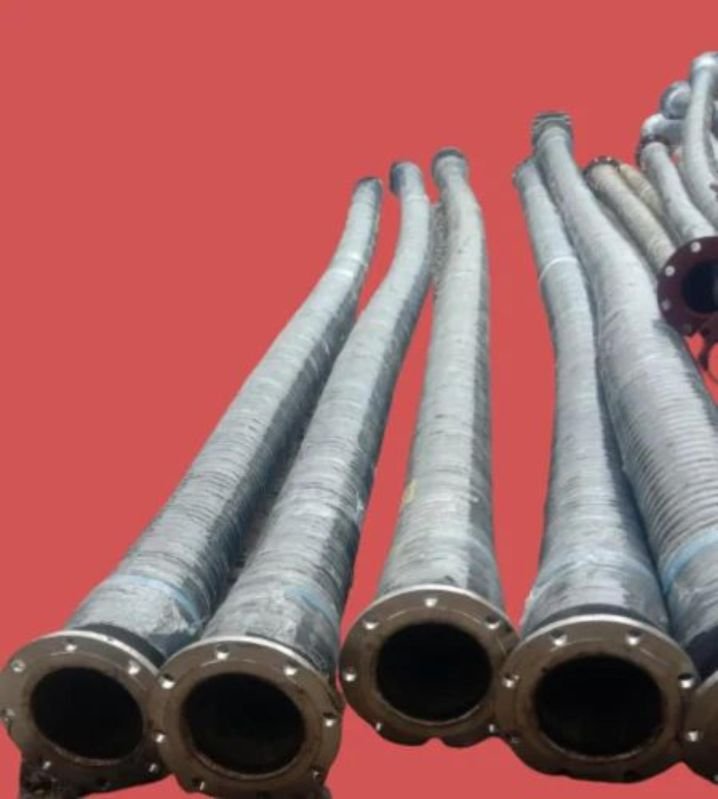
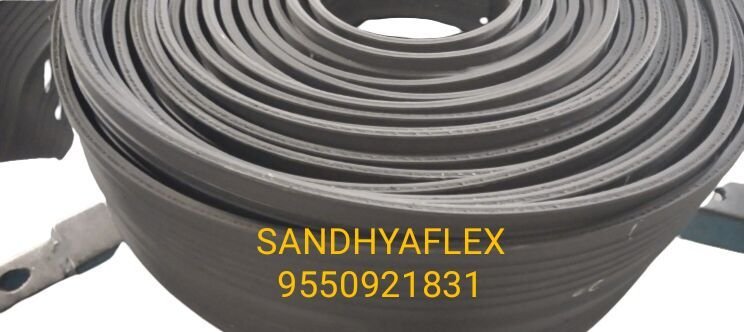
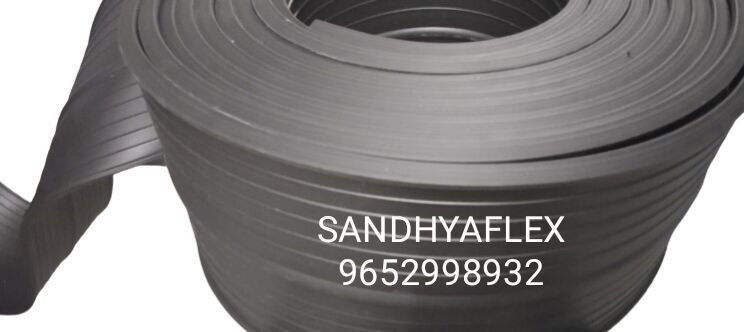
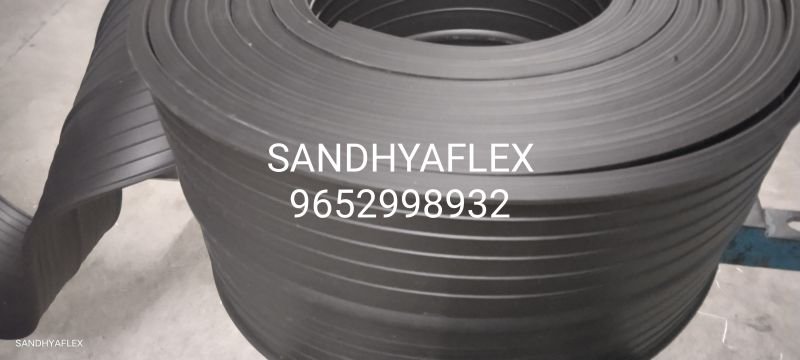
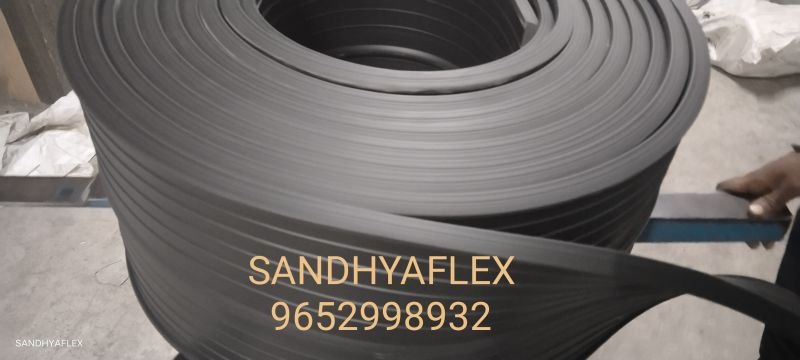
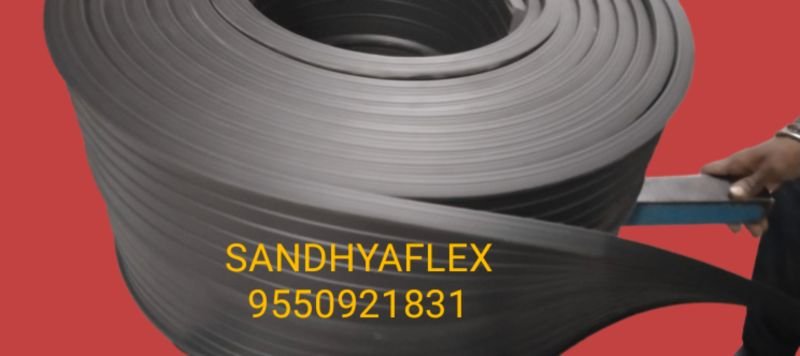
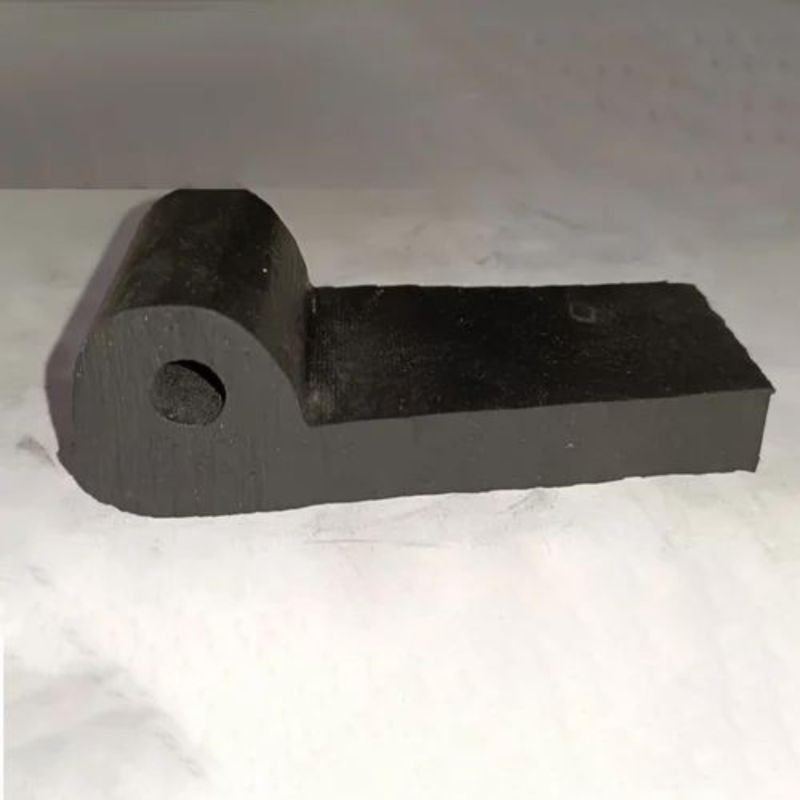
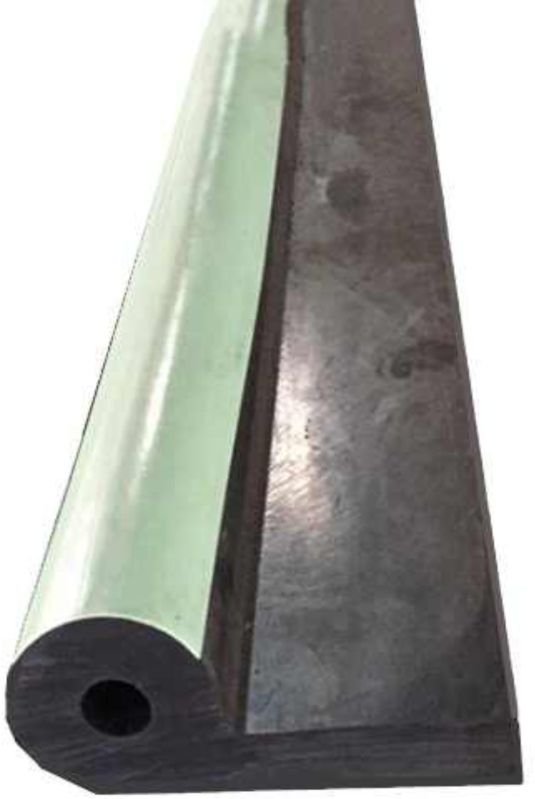
  • Z Type Musical Note Dam Gate Seal

    Z Type Musical Note Dam Gate Seal

    2,200 / Meter

    • MOQ50 Meter
    • Tensile StrengthThe Tensile Strength Of A **Z-type Dam Gate Seal** Is A Critical Property That Dete
    • Steam ThicknessThe Dimensions Of A **Z-type Dam Gate Seal** Can Vary Depending On The Specific Requ
    • ApplicationIndustrial
    • Size (Inches)The Dimensions Of A **Z-type Dam Gate Seal** Can Vary Depending On The Specific Requirements Of The
    • Country of OriginIndia
    • Number Of FlowerDam Gate Seals
    • DiameterThe dimensions of a **Z-type dam gate seal** can vary depending on the specific requirement
    • Temperature RangeThe temperature resistance of a **Z-type dam gate seal** largely depends on the ma
    • Z-type dam gate seals are specialized rubber or elastomeric seals used in hydraulic structures, particularly in dams and water control gates. These seals play a critical role in ensuring water-tightness and preventing leakage at the gates of dams, sluices, spillways, and other water retention or control structures.### Key Uses and Features of Z-type Dam Gate Seals:1. **Water Tightness**: Z-type seals are designed to create a strong, watertight seal between the gate and the frame or the gate and the sill. This is essential to prevent water leakage through the gates, ensuring the controlled flow of water.2. **Durability**: These seals are typically made from durable rubber or elastomeric materials that can withstand harsh environmental conditions, including exposure to UV radiation, water, and varying temperatures.3. **Flexibility and Compression**: The Z-shape of the seal allows it to flex and compress as the gate moves, ensuring a consistent seal even under varying pressures and movements. This flexibility is crucial for maintaining a seal over long periods, despite the opening and closing of the gates.4. **Shock Absorption**: The Z-type design also helps in absorbing the impact and shock when the gate is operated, protecting both the gate structure and the sealing material from damage.5. **Ease of Installation and Maintenance**: These seals are often designed for easy installation and replacement. Their shape allows them to be fitted into grooves or attached using fasteners, and their material properties allow for long service life with minimal maintenance.6. **Applications**:   - **Dam gates**: To control the flow of water and manage reservoir levels.   - **Sluice gates**: For controlling water flow in irrigation channels, canals, and drainage systems.   - **Spillways**: To prevent leakage in spillway gates, ensuring that water flows over the spillway as intended.   - **Lock gates**: Used in canal lock systems to prevent water from seeping between the gates.### Advantages:- **Long Lifespan**: Due to their robust construction and materials.- **Effective Sealing**: Provides reliable water-tightness even under high pressures.- **Resistance to Environmental Factors**: Resistant to weathering, ozone, and chemical exposure.In summary, Z-type dam gate seals are essential components in hydraulic engineering, ensuring the effective and safe operation of water control structures by preventing leaks and maintaining water tightness.
    ...more
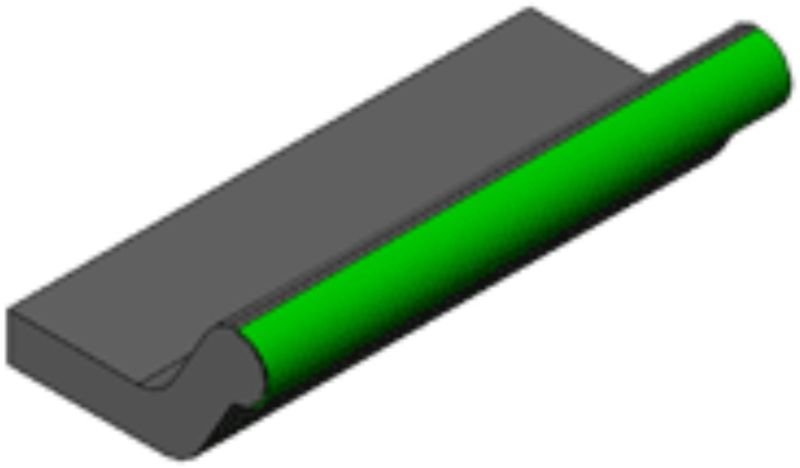
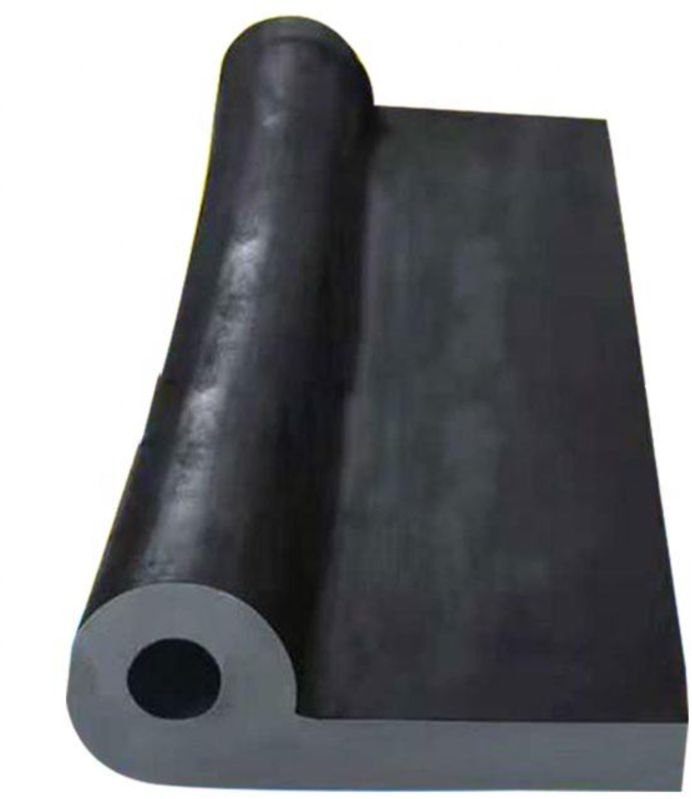
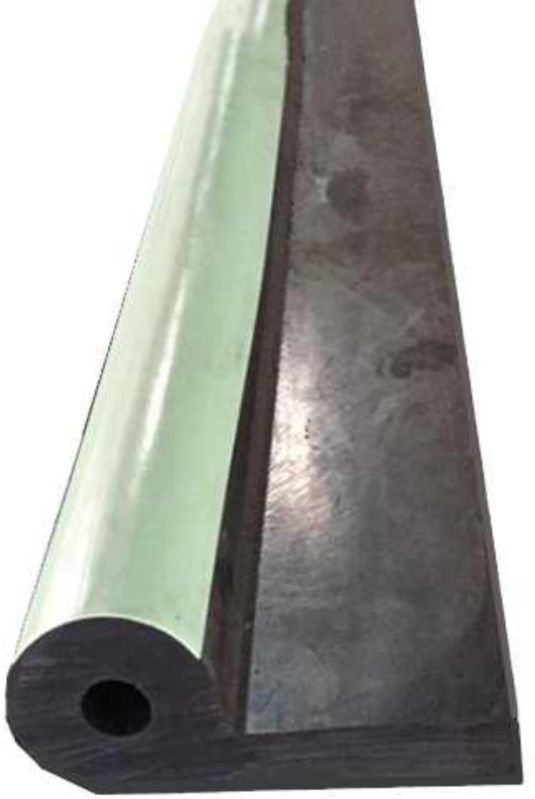
  • Z Type Musical Note Dam Gate Seal

    Z Type Musical Note Dam Gate Seal

    2,200 / Meter

    50 Meter (MOQ)

    Z-type dam gate seals are specialized rubber or elastomeric seals used in hydraulic structures, particularly in dams and water control gates. These seals play a critical role in ensuring water-tightness and preventing leakage at the gates of dams, sluices, spillways, and other water retention or control structures.### Key Uses and Features of Z-type Dam Gate Seals:1. **Water Tightness**: Z-type seals are designed to create a strong, watertight seal between the gate and the frame or the gate and the sill. This is essential to prevent water leakage through the gates, ensuring the controlled flow of water.2. **Durability**: These seals are typically made from durable rubber or elastomeric materials that can withstand harsh environmental conditions, including exposure to UV radiation, water, and varying temperatures.3. **Flexibility and Compression**: The Z-shape of the seal allows it to flex and compress as the gate moves, ensuring a consistent seal even under varying pressures and movements. This flexibility is crucial for maintaining a seal over long periods, despite the opening and closing of the gates.4. **Shock Absorption**: The Z-type design also helps in absorbing the impact and shock when the gate is operated, protecting both the gate structure and the sealing material from damage.5. **Ease of Installation and Maintenance**: These seals are often designed for easy installation and replacement. Their shape allows them to be fitted into grooves or attached using fasteners, and their material properties allow for long service life with minimal maintenance.6. **Applications**:   - **Dam gates**: To control the flow of water and manage reservoir levels.   - **Sluice gates**: For controlling water flow in irrigation channels, canals, and drainage systems.   - **Spillways**: To prevent leakage in spillway gates, ensuring that water flows over the spillway as intended.   - **Lock gates**: Used in canal lock systems to prevent water from seeping between the gates.### Advantages:- **Long Lifespan**: Due to their robust construction and materials.- **Effective Sealing**: Provides reliable water-tightness even under high pressures.- **Resistance to Environmental Factors**: Resistant to weathering, ozone, and chemical exposure.In summary, Z-type dam gate seals are essential components in hydraulic engineering, ensuring the effective and safe operation of water control structures by preventing leaks and maintaining water tightness.

    Tensile Strength : The Tensile Strength Of A **Z-type Dam Gate Seal** Is A Critical Property That Dete

    Steam Thickness : The Dimensions Of A **Z-type Dam Gate Seal** Can Vary Depending On The Specific Requ

    Application : Industrial

    Size (Inches) : The Dimensions Of A **Z-type Dam Gate Seal** Can Vary Depending On The Specific Requirements Of The

    Country of Origin : India

    Number Of Flower : Dam Gate Seals

    ...more
    Get Best Price
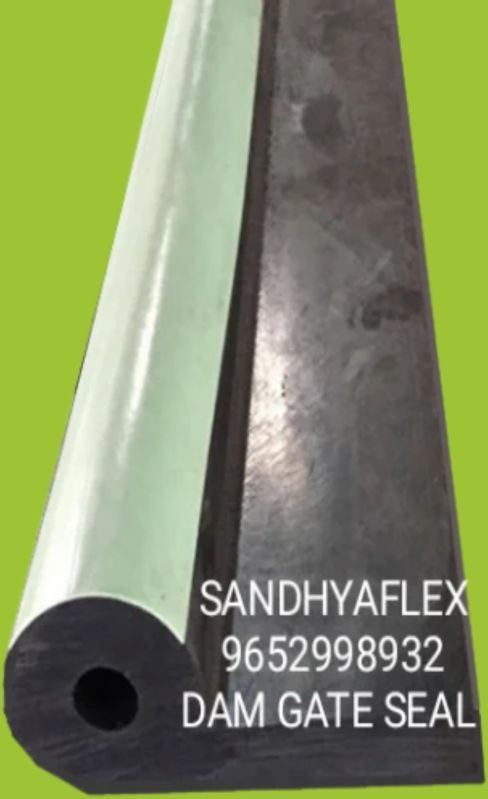
  • Z Type Dam Gate Rubber Seal

    Z Type Dam Gate Rubber Seal

    1,800 - 1,900 / Meter

    • MOQ100 Meter
    • Country of OriginIndia
    • Number Of FlowerIndustrial Seals
    • Z-type dam gate seals are specialized rubber or elastomeric seals used in hydraulic structures, particularly in dams and water control gates. These seals play a critical role in ensuring water-tightness and preventing leakage at the gates of dams, sluices, spillways, and other water retention or control structures.### Key Uses and Features of Z-type Dam Gate Seals:1. **Water Tightness**: Z-type seals are designed to create a strong, watertight seal between the gate and the frame or the gate and the sill. This is essential to prevent water leakage through the gates, ensuring the controlled flow of water.2. **Durability**: These seals are typically made from durable rubber or elastomeric materials that can withstand harsh environmental conditions, including exposure to UV radiation, water, and varying temperatures.3. **Flexibility and Compression**: The Z-shape of the seal allows it to flex and compress as the gate moves, ensuring a consistent seal even under varying pressures and movements. This flexibility is crucial for maintaining a seal over long periods, despite the opening and closing of the gates.4. **Shock Absorption**: The Z-type design also helps in absorbing the impact and shock when the gate is operated, protecting both the gate structure and the sealing material from damage.5. **Ease of Installation and Maintenance**: These seals are often designed for easy installation and replacement. Their shape allows them to be fitted into grooves or attached using fasteners, and their material properties allow for long service life with minimal maintenance.6. **Applications**:   - **Dam gates**: To control the flow of water and manage reservoir levels.   - **Sluice gates**: For controlling water flow in irrigation channels, canals, and drainage systems.   - **Spillways**: To prevent leakage in spillway gates, ensuring that water flows over the spillway as intended.   - **Lock gates**: Used in canal lock systems to prevent water from seeping between the gates.### Advantages:- **Long Lifespan**: Due to their robust construction and materials.- **Effective Sealing**: Provides reliable water-tightness even under high pressures.- **Resistance to Environmental Factors**: Resistant to weathering, ozone, and chemical exposure.In summary, Z-type dam gate seals are essential components in hydraulic engineering, ensuring the effective and safe operation of water control structures by preventing leaks and maintaining water tightness.
    ...more
  • Z Type Dam Gate Rubber Seal

    Z Type Dam Gate Rubber Seal

    1,800 - 1,900 / Meter

    100 Meter (MOQ)

    Z-type dam gate seals are specialized rubber or elastomeric seals used in hydraulic structures, particularly in dams and water control gates. These seals play a critical role in ensuring water-tightness and preventing leakage at the gates of dams, sluices, spillways, and other water retention or control structures.### Key Uses and Features of Z-type Dam Gate Seals:1. **Water Tightness**: Z-type seals are designed to create a strong, watertight seal between the gate and the frame or the gate and the sill. This is essential to prevent water leakage through the gates, ensuring the controlled flow of water.2. **Durability**: These seals are typically made from durable rubber or elastomeric materials that can withstand harsh environmental conditions, including exposure to UV radiation, water, and varying temperatures.3. **Flexibility and Compression**: The Z-shape of the seal allows it to flex and compress as the gate moves, ensuring a consistent seal even under varying pressures and movements. This flexibility is crucial for maintaining a seal over long periods, despite the opening and closing of the gates.4. **Shock Absorption**: The Z-type design also helps in absorbing the impact and shock when the gate is operated, protecting both the gate structure and the sealing material from damage.5. **Ease of Installation and Maintenance**: These seals are often designed for easy installation and replacement. Their shape allows them to be fitted into grooves or attached using fasteners, and their material properties allow for long service life with minimal maintenance.6. **Applications**:   - **Dam gates**: To control the flow of water and manage reservoir levels.   - **Sluice gates**: For controlling water flow in irrigation channels, canals, and drainage systems.   - **Spillways**: To prevent leakage in spillway gates, ensuring that water flows over the spillway as intended.   - **Lock gates**: Used in canal lock systems to prevent water from seeping between the gates.### Advantages:- **Long Lifespan**: Due to their robust construction and materials.- **Effective Sealing**: Provides reliable water-tightness even under high pressures.- **Resistance to Environmental Factors**: Resistant to weathering, ozone, and chemical exposure.In summary, Z-type dam gate seals are essential components in hydraulic engineering, ensuring the effective and safe operation of water control structures by preventing leaks and maintaining water tightness.

    Country of Origin : India

    Number Of Flower : Industrial Seals

    ...more
    Get Best Price
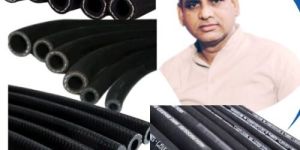
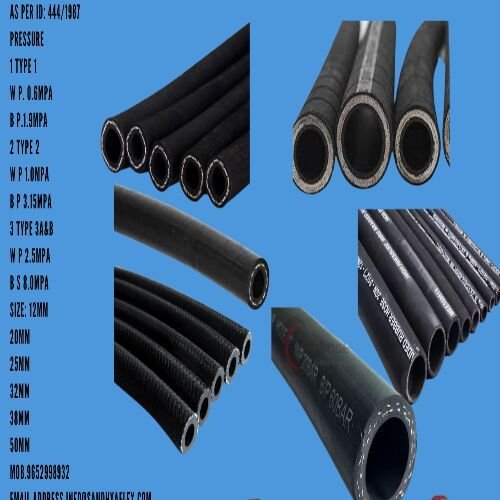
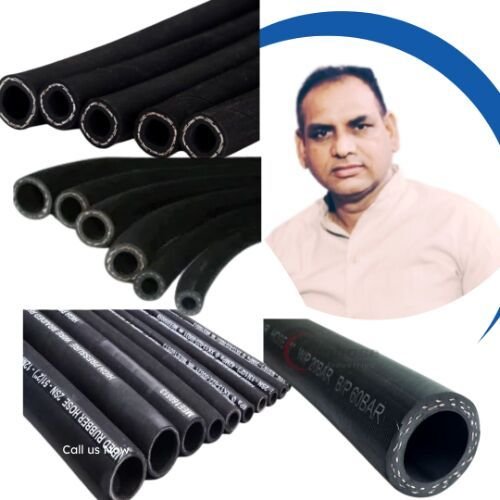
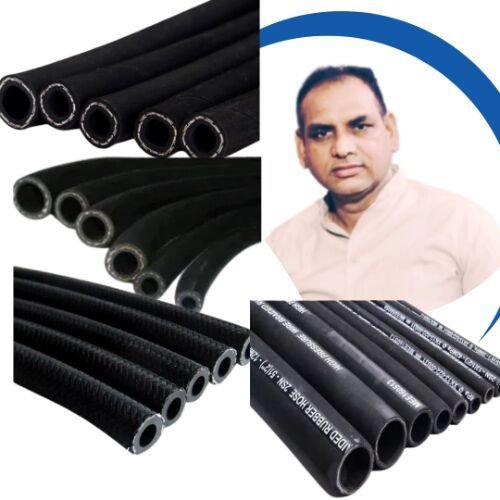
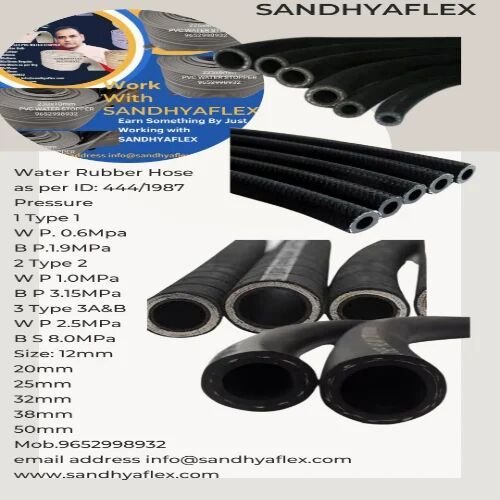
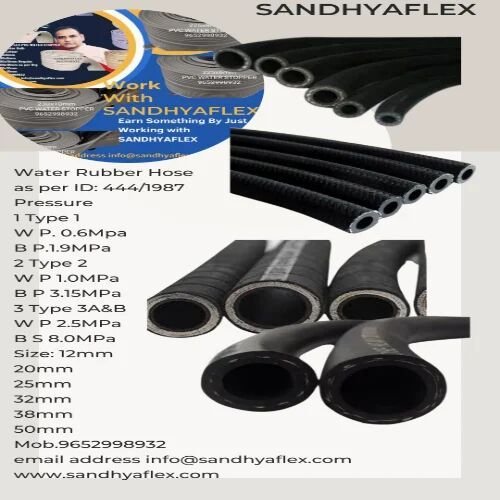
  • Yarn Braided Water Hose IS 444

    Yarn Braided Water Hose IS 444

    45 / 180 Meter

    • MOQ200 Meter
    • Number Of FlowerBraided Hose Pipe
    • PressureLow
    • ApplicationWater Supply
    • Length5-100mtr
    • ConditionNew
    • Yarn Braided Water Hose IS 444Rs.45 to 180/Mtr
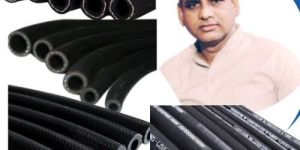
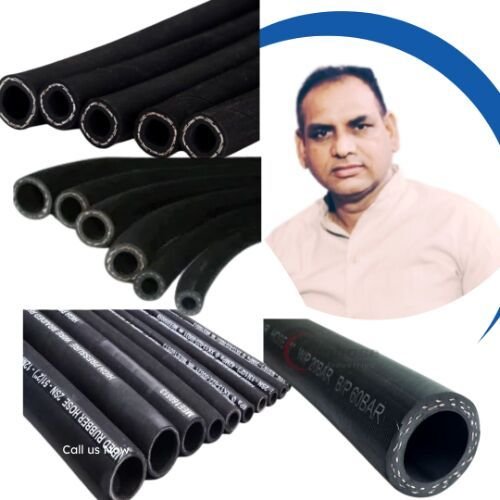
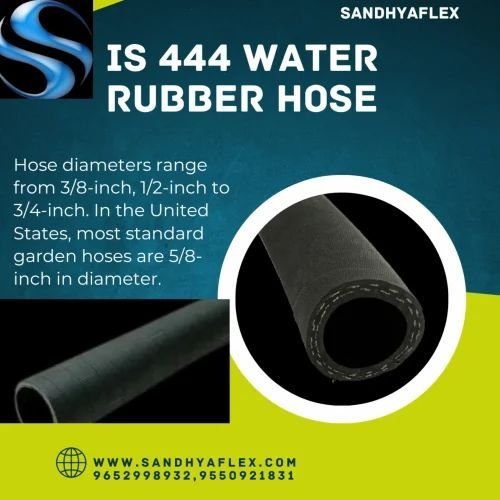
    • sandhay enterprises manufacturer and supplier of yarn braided water hose size:12mm id to 50mm id working pressure :10kg/cm2 construction:  lining : smooth lining of suitable rubber compounds with good oxidation resistance. in addition for type 3 hose, lining is resistance to oil mist.   reinforcement : plies of rubber impregnated woven textile or braided high strength natural/synthetic fibre.   cover : smooth/fluted/cloth marked finish, suitable rubber compound resistant to abrasion and weather.    
    ...more
  • Yarn Braided Water Hose IS 444

    Yarn Braided Water Hose IS 444

    45 / 180 Meter

    200 Meter (MOQ)

    sandhay enterprises manufacturer and supplier of yarn braided water hose size:12mm id to 50mm id working pressure :10kg/cm2 construction:  lining : smooth lining of suitable rubber compounds with good oxidation resistance. in addition for type 3 hose, lining is resistance to oil mist.   reinforcement : plies of rubber impregnated woven textile or braided high strength natural/synthetic fibre.   cover : smooth/fluted/cloth marked finish, suitable rubber compound resistant to abrasion and weather.    

    Number Of Flower : Braided Hose Pipe

    Pressure : Low

    ...more
    Get Best Price
  • Yarn Braided Air Hose IS 446

    Yarn Braided Air Hose IS 446

    100 - 150 / Meter

    • MOQ200 Meter
    • Number Of FlowerBraided Hose Pipe
    • PressureLow
    • ApplicationWater Supply
    • ConditionNew
    • FeatureEasy To Use
    • Yarn Braided Air Rubber HoseRs.52 to 180/Mtr
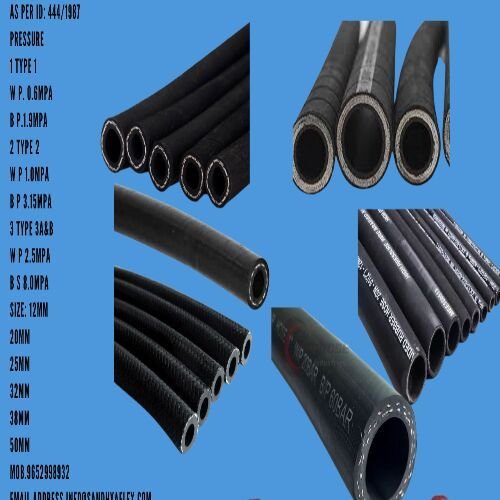
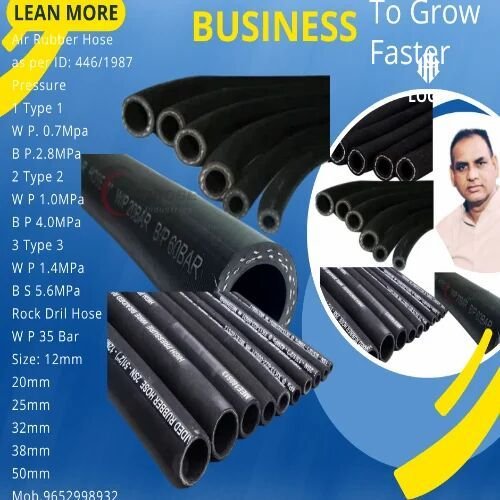
    • Sandhya Enterprises Manufacturer and Supplier of Yarn Braided Air Rubber Hose as per IS :446 size:12mm to 50mm Pressures: Type 1 for a W.P. 0.7MPa & Min. B.P. 2.8MPa.   Type 2 for a W.P. 1.0MPa & Min. B.P. 4.0MPa.   Type 3 for a W.P. 1.4MPa & Min. B.P. 5.6MPa.
    ...more
  • Yarn Braided Air Hose IS 446

    Yarn Braided Air Hose IS 446

    100 - 150 / Meter

    200 Meter (MOQ)

    Sandhya Enterprises Manufacturer and Supplier of Yarn Braided Air Rubber Hose as per IS :446 size:12mm to 50mm Pressures: Type 1 for a W.P. 0.7MPa & Min. B.P. 2.8MPa.   Type 2 for a W.P. 1.0MPa & Min. B.P. 4.0MPa.   Type 3 for a W.P. 1.4MPa & Min. B.P. 5.6MPa.

    Number Of Flower : Braided Hose Pipe

    Pressure : Low

    ...more
    Get Best Price
  • Wire Saw Rubber Ring

    Wire Saw Rubber Ring

    500 - 600 / piece

    • Brand NameSNDHYAFLEX
    • MaterialRubber
    • A wire saw rubber ring, also known as a wire saw rubber spacer or wire saw rubber guide, is a specialized rubber component used in wire sawing operations, particularly in the construction and manufacturing industries. Wire saws are cutting tools that use a continuous wire loop with abrasive particles to cut through a variety of materials, including concrete, stone, metal, and more. Wire saw rubber rings play a crucial role in guiding and supporting the wire during cutting, protecting both the wire and the material being cut. Here are some key features and functions of wire saw rubber rings:   **Key Features:**   1. **Material:** Wire saw rubber rings are typically made from high-quality rubber or elastomeric materials, which are chosen for their flexibility, durability, and resistance to abrasion.   2. **Design:** They are often designed as round or cylindrical rubber components with a central hole through which the cutting wire passes. The design allows for easy installation and secure positioning of the wire.   3. **Size and Dimensions:** Wire saw rubber rings come in various sizes and dimensions to accommodate different wire diameters and cutting applications.   4. **Abrasion Resistance:** These rubber rings are specifically engineered to withstand the abrasive nature of wire sawing operations, ensuring that the wire remains protected and stable during cutting.   **Functions:**   The primary functions of wire saw rubber rings include:   1. **Wire Support:** They provide support and stabilization to the cutting wire, ensuring that it maintains the desired cutting path and minimizes vibration or wobbling during the cutting process.   2. **Wire Protection:** Wire saw rubber rings protect the cutting wire from excessive wear and damage caused by friction with the material being cut, extending the life of the wire.   3. **Guidance:** They help guide the wire in a straight and controlled manner, ensuring precise and accurate cuts in various materials.   4. **Reducing Wire Slippage:** These rubber rings help prevent the wire from slipping or detaching during cutting, which could lead to inefficient or incomplete cuts.   5. **Vibration Dampening:** Wire saw rubber rings absorb and dampen vibrations generated during cutting, contributing to smoother and more controlled cutting operations.   **Applications:**   Wire saw rubber rings are commonly used in a variety of applications and industries, including:   1. **Construction:** In the construction industry, wire saws are used for cutting concrete, reinforced concrete, and other construction materials to create openings, remove structures, and make precise cuts.   2. **Stone and Granite Cutting:** Wire saws equipped with rubber rings are used for cutting stone, granite, and other natural or engineered stone materials in the stone industry.   3. **Metal Cutting:** Wire saws can be employed in metalworking processes to cut and shape metal materials.   4. **Demolition:** They are used in demolition operations to cut and remove large concrete structures and reinforced concrete elements.   5. **Manufacturing:** Wire saws with rubber rings are used in manufacturing processes for precision cutting of various materials.   Proper installation and maintenance of wire saw rubber rings are essential to ensure their effectiveness and longevity. Inspecting the rubber rings for wear and damage and replacing them when necessary is important for maintaining cutting quality and protecting the cutting wire.
    ...more
  • Wire Saw Rubber Ring

    Wire Saw Rubber Ring

    500 - 600 / piece

    A wire saw rubber ring, also known as a wire saw rubber spacer or wire saw rubber guide, is a specialized rubber component used in wire sawing operations, particularly in the construction and manufacturing industries. Wire saws are cutting tools that use a continuous wire loop with abrasive particles to cut through a variety of materials, including concrete, stone, metal, and more. Wire saw rubber rings play a crucial role in guiding and supporting the wire during cutting, protecting both the wire and the material being cut. Here are some key features and functions of wire saw rubber rings:   **Key Features:**   1. **Material:** Wire saw rubber rings are typically made from high-quality rubber or elastomeric materials, which are chosen for their flexibility, durability, and resistance to abrasion.   2. **Design:** They are often designed as round or cylindrical rubber components with a central hole through which the cutting wire passes. The design allows for easy installation and secure positioning of the wire.   3. **Size and Dimensions:** Wire saw rubber rings come in various sizes and dimensions to accommodate different wire diameters and cutting applications.   4. **Abrasion Resistance:** These rubber rings are specifically engineered to withstand the abrasive nature of wire sawing operations, ensuring that the wire remains protected and stable during cutting.   **Functions:**   The primary functions of wire saw rubber rings include:   1. **Wire Support:** They provide support and stabilization to the cutting wire, ensuring that it maintains the desired cutting path and minimizes vibration or wobbling during the cutting process.   2. **Wire Protection:** Wire saw rubber rings protect the cutting wire from excessive wear and damage caused by friction with the material being cut, extending the life of the wire.   3. **Guidance:** They help guide the wire in a straight and controlled manner, ensuring precise and accurate cuts in various materials.   4. **Reducing Wire Slippage:** These rubber rings help prevent the wire from slipping or detaching during cutting, which could lead to inefficient or incomplete cuts.   5. **Vibration Dampening:** Wire saw rubber rings absorb and dampen vibrations generated during cutting, contributing to smoother and more controlled cutting operations.   **Applications:**   Wire saw rubber rings are commonly used in a variety of applications and industries, including:   1. **Construction:** In the construction industry, wire saws are used for cutting concrete, reinforced concrete, and other construction materials to create openings, remove structures, and make precise cuts.   2. **Stone and Granite Cutting:** Wire saws equipped with rubber rings are used for cutting stone, granite, and other natural or engineered stone materials in the stone industry.   3. **Metal Cutting:** Wire saws can be employed in metalworking processes to cut and shape metal materials.   4. **Demolition:** They are used in demolition operations to cut and remove large concrete structures and reinforced concrete elements.   5. **Manufacturing:** Wire saws with rubber rings are used in manufacturing processes for precision cutting of various materials.   Proper installation and maintenance of wire saw rubber rings are essential to ensure their effectiveness and longevity. Inspecting the rubber rings for wear and damage and replacing them when necessary is important for maintaining cutting quality and protecting the cutting wire.

    Brand Name : SNDHYAFLEX

    Material : Rubber

    ...more
    Get Best Price
  • Wing Nuts

    Wing Nuts

    30 - 35 / Piece

    • MOQ500 Piece
    • SizeAh,Got It! When You See **\"brand,Color,Size\"** Listed Together Like That,It\'s Usually In The Context Of **product Listings,Inventory,Order Forms,Or Packing Lists**—especially In Retail,Fashion,Nice! When You See **\"material,Color,Size\"**,It’s,Cou
    • Head ShapeRound Head
    • Surface FinishingPower Coated
    • MaterialCopper,Nice! When You See **\"material, Color, Size\"**, It’s Usually In The Context Of Product Descriptions, Manufacturing Specs, Or Order Forms—especially For Clothing, Furniture, Packaging, Or Construction
    • Brand NameKundan
    • Country of OriginIndia
    • Corrosion ResistanceYes
    • Scaffolding wing nuts are essential components used in construction scaffolding systems, offering several important functions and applications:   1. **Securing Scaffold Joints**: Wing nuts are primarily used to secure scaffold joints by attaching them to scaffold bolts or threaded rods. The wings on the nut allow for easy hand tightening, eliminating the need for additional tools during assembly or disassembly.   2. **Adjusting Scaffold Heights**: Wing nuts are often employed in conjunction with adjustable base plates or screw jacks to adjust the height of scaffolding structures. By turning the wing nut, workers can easily raise or lower the scaffold to the desired height, ensuring proper alignment and stability.   3. **Connecting Scaffold Tubes**: Wing nuts are used to connect scaffold tubes or pipes together, forming the vertical and horizontal members of the scaffolding structure. These nuts provide a secure connection point that can withstand the weight of workers and construction materials.   4. **Supporting Scaffold Boards**: Scaffold boards or planks are laid across horizontal scaffold tubes to create a working platform for construction workers. Wing nuts are used to secure these boards in place, ensuring they remain stable and level during use.   5. **Providing Stability**: Scaffolding wing nuts play a crucial role in providing stability to the entire scaffolding structure. By securing joints and connections, wing nuts help prevent swaying or tipping, especially in windy conditions or on uneven terrain.   6. **Facilitating Easy Assembly and Disassembly**: Wing nuts are designed for easy installation and removal, allowing for quick assembly and disassembly of scaffolding structures. This is particularly important in construction projects where time is of the essence.   7. **Compatibility with Various Scaffolding Systems**: Scaffolding wing nuts are versatile components that can be used with various types of scaffolding systems, including tube and clamp scaffolding, ring lock scaffolding, cup lock scaffolding, and others. This makes them a popular choice among construction professionals.   Overall, scaffolding wing nuts are indispensable components that contribute to the safety, stability, and functionality of scaffolding structures in construction projects. Their versatility, ease of use, and ability to provide secure connections make them essential tools for construction workers and scaffolding contractors alike.
    ...more
  • Wing Nuts

    Wing Nuts

    30 - 35 / Piece

    500 Piece (MOQ)

    Scaffolding wing nuts are essential components used in construction scaffolding systems, offering several important functions and applications:   1. **Securing Scaffold Joints**: Wing nuts are primarily used to secure scaffold joints by attaching them to scaffold bolts or threaded rods. The wings on the nut allow for easy hand tightening, eliminating the need for additional tools during assembly or disassembly.   2. **Adjusting Scaffold Heights**: Wing nuts are often employed in conjunction with adjustable base plates or screw jacks to adjust the height of scaffolding structures. By turning the wing nut, workers can easily raise or lower the scaffold to the desired height, ensuring proper alignment and stability.   3. **Connecting Scaffold Tubes**: Wing nuts are used to connect scaffold tubes or pipes together, forming the vertical and horizontal members of the scaffolding structure. These nuts provide a secure connection point that can withstand the weight of workers and construction materials.   4. **Supporting Scaffold Boards**: Scaffold boards or planks are laid across horizontal scaffold tubes to create a working platform for construction workers. Wing nuts are used to secure these boards in place, ensuring they remain stable and level during use.   5. **Providing Stability**: Scaffolding wing nuts play a crucial role in providing stability to the entire scaffolding structure. By securing joints and connections, wing nuts help prevent swaying or tipping, especially in windy conditions or on uneven terrain.   6. **Facilitating Easy Assembly and Disassembly**: Wing nuts are designed for easy installation and removal, allowing for quick assembly and disassembly of scaffolding structures. This is particularly important in construction projects where time is of the essence.   7. **Compatibility with Various Scaffolding Systems**: Scaffolding wing nuts are versatile components that can be used with various types of scaffolding systems, including tube and clamp scaffolding, ring lock scaffolding, cup lock scaffolding, and others. This makes them a popular choice among construction professionals.   Overall, scaffolding wing nuts are indispensable components that contribute to the safety, stability, and functionality of scaffolding structures in construction projects. Their versatility, ease of use, and ability to provide secure connections make them essential tools for construction workers and scaffolding contractors alike.

    Size : Ah,Got It! When You See **\"brand,Color,Size\"** Listed Together Like That,It\'s Usually In The Context Of **product Listings,Inventory,Order Forms,Or Packing Lists**—especially In Retail,Fashion,Nice! When You See **\"material,Color,Size\"**,It’s,Cou

    Head Shape : Round Head

    Surface Finishing : Power Coated

    Material : Copper,Nice! When You See **\"material, Color, Size\"**, It’s Usually In The Context Of Product Descriptions, Manufacturing Specs, Or Order Forms—especially For Clothing, Furniture, Packaging, Or Construction

    Brand Name : Kundan

    Country of Origin : India

    Corrosion Resistance : Yes

    ...more
    Get Best Price
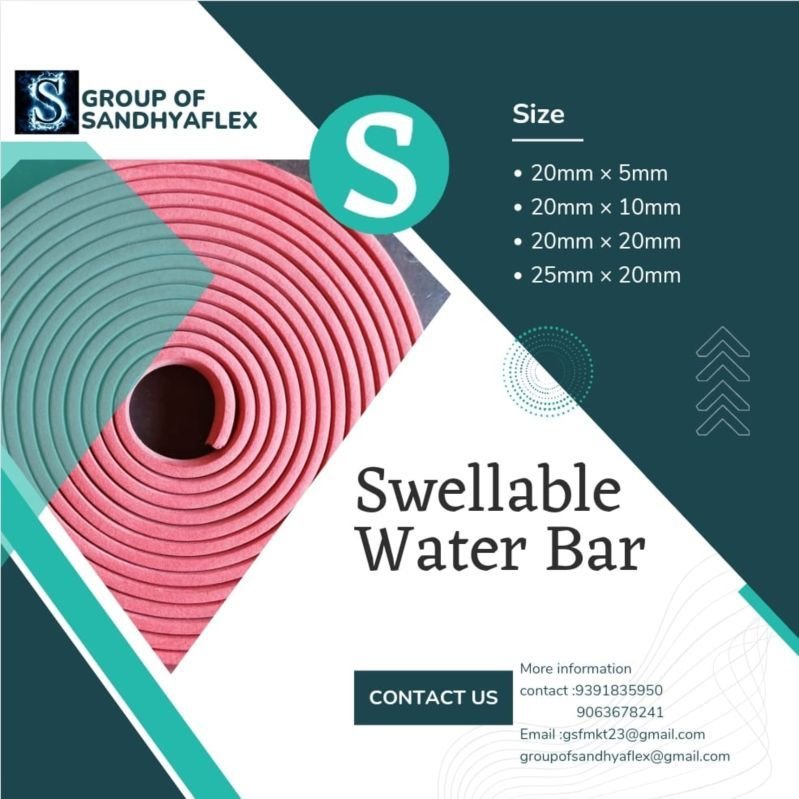
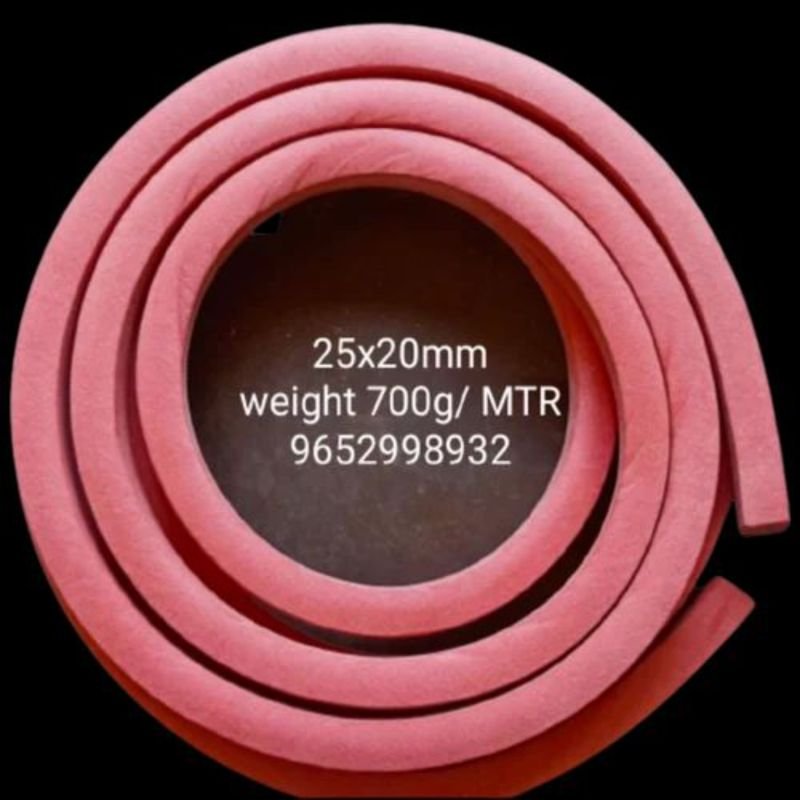
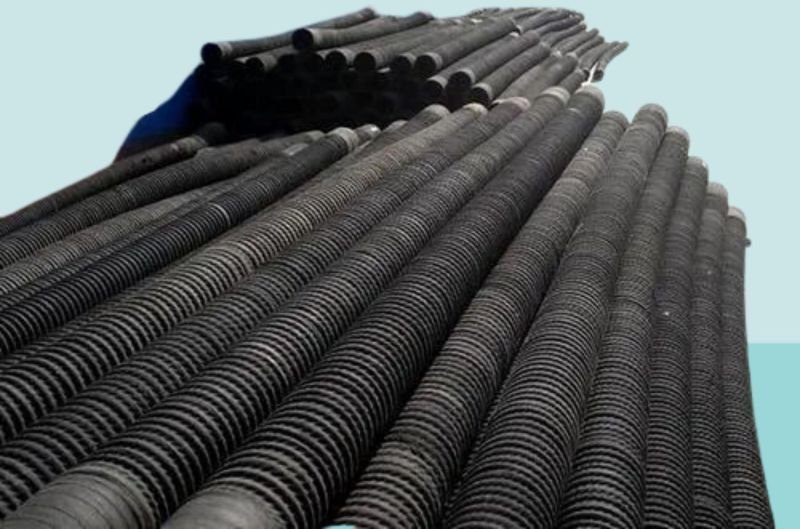
  • Water Swellble Bar

    Water Swellble Bar

    170 - 200 / Meter

    • Number Of FlowerConstruction Material
    • MaterialNatural Or Synthetic Rubber Compounds, Polymer Materials
    • ApplicationConstruction Joints ,Expansion Joint,Pipe Penetrations , Manholes and Sewers,Sealing Construction Joints In Concrete Structures,Installing In Expansion Joints Of Bridges And Buildings,Creating Waterproof Seals Around Pipe Penetrations,Preventing Groundwat
    • ProfileCylindrical Bars Or Strips
    • Swelling PropertiesAbsorbs And Swells Upon Contact With Water
    • Self-HealingCapable Of Self-Healing Minor Cracks
    • A water swellable bar, also known as a waterstop bar or swellable waterstop, is a specialized construction material used in civil engineering and building construction to create watertight seals in concrete structures. Water swellable bars are designed to prevent the passage of water through joints, cracks, or construction gaps in concrete and to provide a reliable and durable waterproofing solution. These bars are particularly effective in situations where a continuous, flexible, and self-healing seal is required. Here are some key features and uses of water swellable bars:   **Key Features:**   1. **Composition:** Water swellable bars are typically made from a combination of natural or synthetic rubber compounds and polymer materials that have the ability to absorb and swell upon contact with water.   2. **Profile:** They are often manufactured in the form of cylindrical bars or strips, which can be installed within construction joints, expansion joints, or around penetrations to create a watertight barrier.   3. **Swelling Properties:** The key feature of water swellable bars is their ability to absorb and swell when exposed to water. This swelling action helps to block water penetration and seal the joint or gap effectively.   4. **Self-Healing:** Water swellable bars have the ability to self-heal minor cracks or imperfections in the concrete over time. As they swell in the presence of water, they can close small openings and maintain the seal's integrity.   5. **Chemical Resistance:** They are often resistant to a range of chemicals, ensuring long-term performance and durability in various environments.   **Uses:**   Water swellable bars are used in a variety of construction applications to prevent water infiltration and create waterproof seals. Some common applications include:   1. **Construction Joints:** They are used to seal construction joints in concrete structures, such as foundation walls, basements, tunnels, and reservoirs, to prevent water from seeping through the joints.   2. **Expansion Joints:** Water swellable bars can be installed in expansion joints of bridges, buildings, and other structures to accommodate movement while maintaining a watertight seal.   3. **Pipe Penetrations:** They are used around pipe penetrations, such as water and sewer pipes, to create a waterproof seal where pipes pass through concrete walls or floors.   4. **Manholes and Sewers:** Water swellable bars can be used in manholes and sewer systems to prevent groundwater infiltration.   5. **Retaining Walls:** They are employed in retaining walls and dams to prevent water seepage through concrete joints and cracks.   6. **Tunnels and Underground Structures:** Water swellable bars are used to seal joints and connections in underground tunnels, subways, and other underground structures.   7. **Swimming Pools:** They are used to create watertight seals around joints and penetrations in swimming pool construction.   Proper installation of water swellable bars is critical to their effectiveness. The bars should be installed according to manufacturer recommendations, ensuring that they are securely positioned within the joint or gap. Additionally, they should be protected from exposure to moisture during storage and handling to prevent premature swelling before installation. Regular inspections and maintenance may also be required to ensure the ongoing performance of the water swellable bars.
    ...more
  • Water Swellble Bar

    Water Swellble Bar

    170 - 200 / Meter

    A water swellable bar, also known as a waterstop bar or swellable waterstop, is a specialized construction material used in civil engineering and building construction to create watertight seals in concrete structures. Water swellable bars are designed to prevent the passage of water through joints, cracks, or construction gaps in concrete and to provide a reliable and durable waterproofing solution. These bars are particularly effective in situations where a continuous, flexible, and self-healing seal is required. Here are some key features and uses of water swellable bars:   **Key Features:**   1. **Composition:** Water swellable bars are typically made from a combination of natural or synthetic rubber compounds and polymer materials that have the ability to absorb and swell upon contact with water.   2. **Profile:** They are often manufactured in the form of cylindrical bars or strips, which can be installed within construction joints, expansion joints, or around penetrations to create a watertight barrier.   3. **Swelling Properties:** The key feature of water swellable bars is their ability to absorb and swell when exposed to water. This swelling action helps to block water penetration and seal the joint or gap effectively.   4. **Self-Healing:** Water swellable bars have the ability to self-heal minor cracks or imperfections in the concrete over time. As they swell in the presence of water, they can close small openings and maintain the seal's integrity.   5. **Chemical Resistance:** They are often resistant to a range of chemicals, ensuring long-term performance and durability in various environments.   **Uses:**   Water swellable bars are used in a variety of construction applications to prevent water infiltration and create waterproof seals. Some common applications include:   1. **Construction Joints:** They are used to seal construction joints in concrete structures, such as foundation walls, basements, tunnels, and reservoirs, to prevent water from seeping through the joints.   2. **Expansion Joints:** Water swellable bars can be installed in expansion joints of bridges, buildings, and other structures to accommodate movement while maintaining a watertight seal.   3. **Pipe Penetrations:** They are used around pipe penetrations, such as water and sewer pipes, to create a waterproof seal where pipes pass through concrete walls or floors.   4. **Manholes and Sewers:** Water swellable bars can be used in manholes and sewer systems to prevent groundwater infiltration.   5. **Retaining Walls:** They are employed in retaining walls and dams to prevent water seepage through concrete joints and cracks.   6. **Tunnels and Underground Structures:** Water swellable bars are used to seal joints and connections in underground tunnels, subways, and other underground structures.   7. **Swimming Pools:** They are used to create watertight seals around joints and penetrations in swimming pool construction.   Proper installation of water swellable bars is critical to their effectiveness. The bars should be installed according to manufacturer recommendations, ensuring that they are securely positioned within the joint or gap. Additionally, they should be protected from exposure to moisture during storage and handling to prevent premature swelling before installation. Regular inspections and maintenance may also be required to ensure the ongoing performance of the water swellable bars.

    Number Of Flower : Construction Material

    Material : Natural Or Synthetic Rubber Compounds, Polymer Materials

    Application : Construction Joints ,Expansion Joint,Pipe Penetrations , Manholes and Sewers,Sealing Construction Joints In Concrete Structures,Installing In Expansion Joints Of Bridges And Buildings,Creating Waterproof Seals Around Pipe Penetrations,Preventing Groundwat

    ...more
    Get Best Price
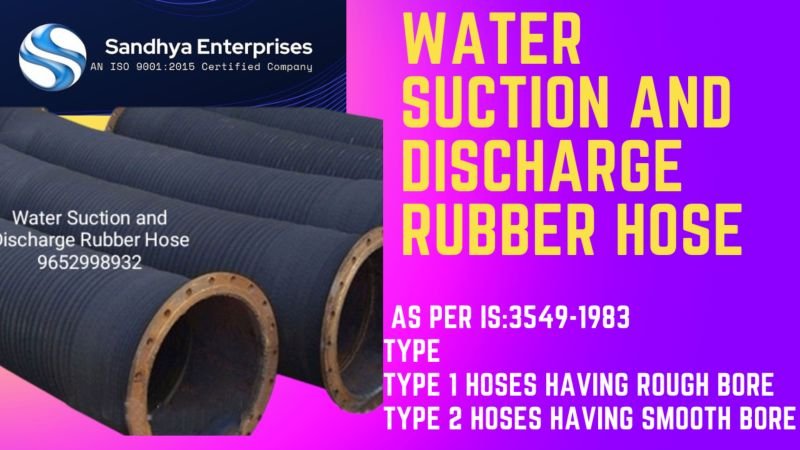
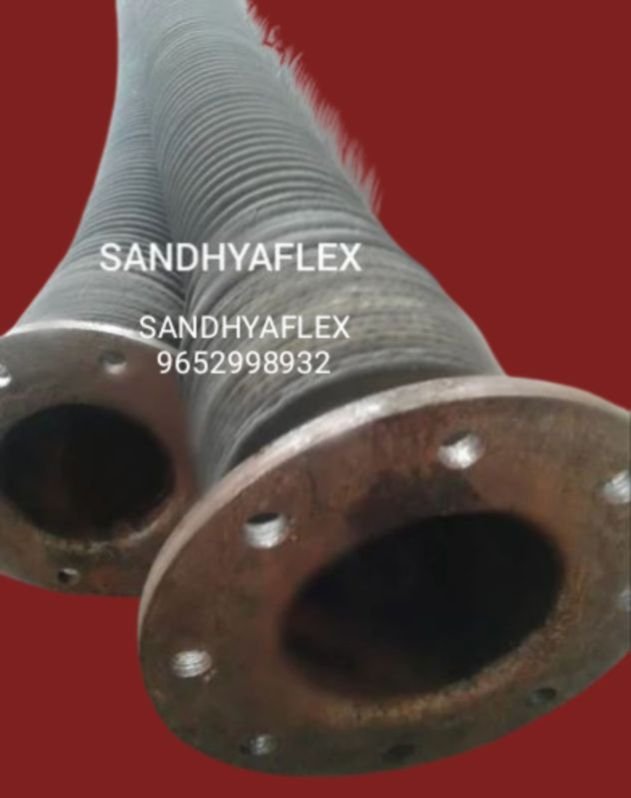
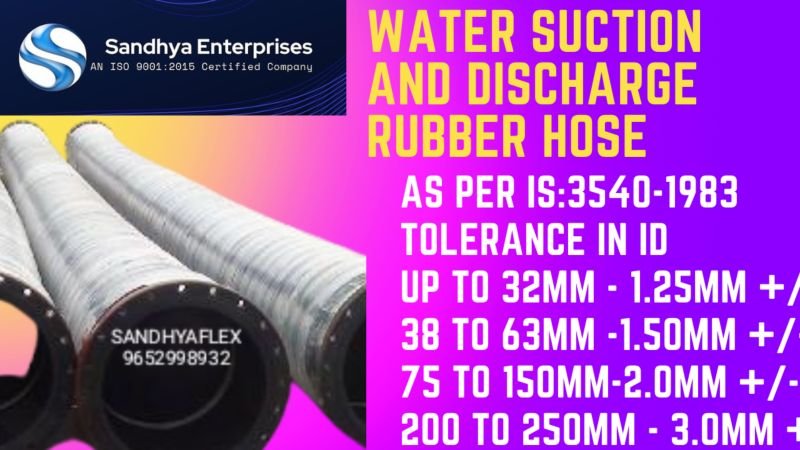
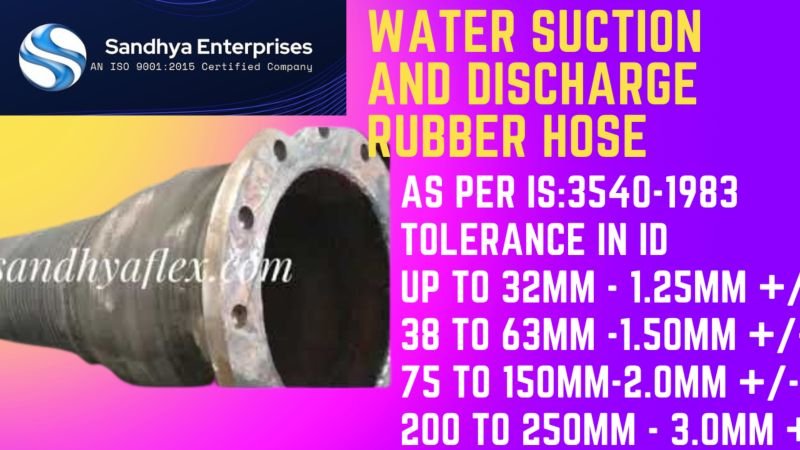
  • Water Suction Discharge Rubber Hose

    Water Suction Discharge Rubber Hose

    2,000 / Meter

    • Brand NameSANDHYA FLEX
    • MaterialNitrile Rubber,RUBBER
    • FinishingPolished
    • ShapeRound
    • PressureHigh
    • UsageIndustrial Use
    • CertificationISO 9001:2008
    • Size (Inches)3-12 INCHES
    • LENG1-15METRE
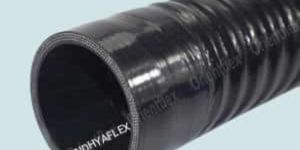
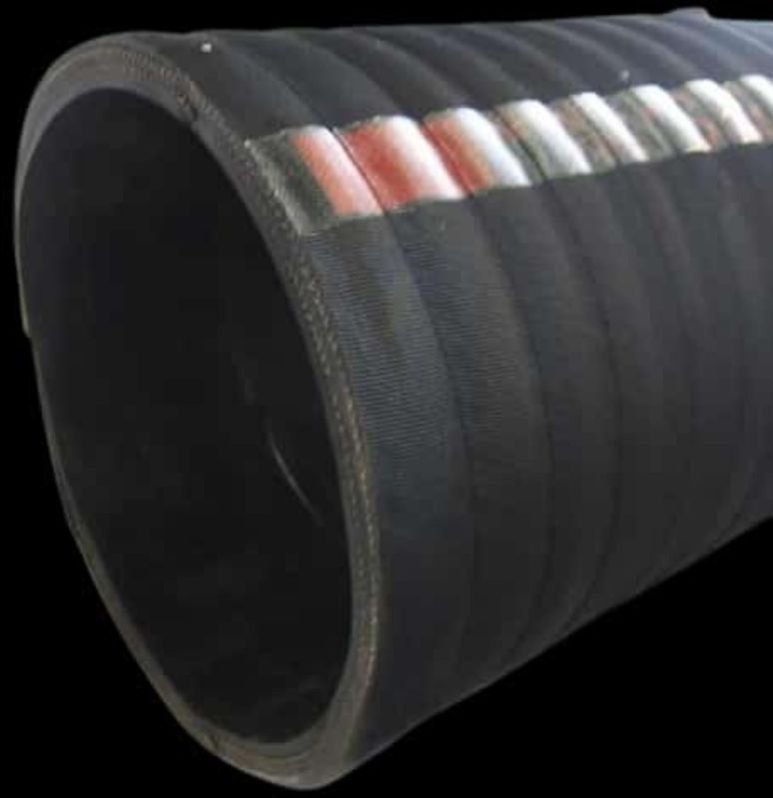
    • It sounds like you're referring to the Sandhyaflex Water Suction and Discharge Rubber Hose. This type of hose is typically designed for industrial applications where water suction and discharge are required. Here are some key features and details you might find useful: ✅ Features: Material: Made of high-quality rubber with reinforcement layers for durability. Reinforcement: Often includes synthetic fabric or wire helix to provide extra strength and flexibility. Temperature Range: Usually suitable for temperatures ranging from -40°C to +80°C. Pressure Ratings: Available in different pressure ratings (e.g., 10 bar, 20 bar, or customized). Sizes: Typically available in sizes ranging from 1 inch to 12 inches or more. 🛠 Applications: Suitable for water suction and delivery in agriculture, construction, mining, and industrial sectors. Used for dewatering, transferring water, and pumping slurries or light chemicals. Common in irrigation systems and shipyards. 🔎 Advantages: Flexible and easy to handle. Abrasion-resistant inner lining for longer life. Weather and ozone-resistant outer cover.   If you need specifications like the hose diameter, length, working pressure, or any other technical details, let me know!
    ...more
  • Water Suction Discharge Rubber Hose

    Water Suction Discharge Rubber Hose

    2,000 / Meter

    It sounds like you're referring to the Sandhyaflex Water Suction and Discharge Rubber Hose. This type of hose is typically designed for industrial applications where water suction and discharge are required. Here are some key features and details you might find useful: ✅ Features: Material: Made of high-quality rubber with reinforcement layers for durability. Reinforcement: Often includes synthetic fabric or wire helix to provide extra strength and flexibility. Temperature Range: Usually suitable for temperatures ranging from -40°C to +80°C. Pressure Ratings: Available in different pressure ratings (e.g., 10 bar, 20 bar, or customized). Sizes: Typically available in sizes ranging from 1 inch to 12 inches or more. 🛠 Applications: Suitable for water suction and delivery in agriculture, construction, mining, and industrial sectors. Used for dewatering, transferring water, and pumping slurries or light chemicals. Common in irrigation systems and shipyards. 🔎 Advantages: Flexible and easy to handle. Abrasion-resistant inner lining for longer life. Weather and ozone-resistant outer cover.   If you need specifications like the hose diameter, length, working pressure, or any other technical details, let me know!

    Brand Name : SANDHYA FLEX

    Material : Nitrile Rubber,RUBBER

    Finishing : Polished

    Shape : Round

    Pressure : High

    Usage : Industrial Use

    Certification : ISO 9001:2008

    Size (Inches) : 3-12 INCHES

    ...more
    Get Best Price
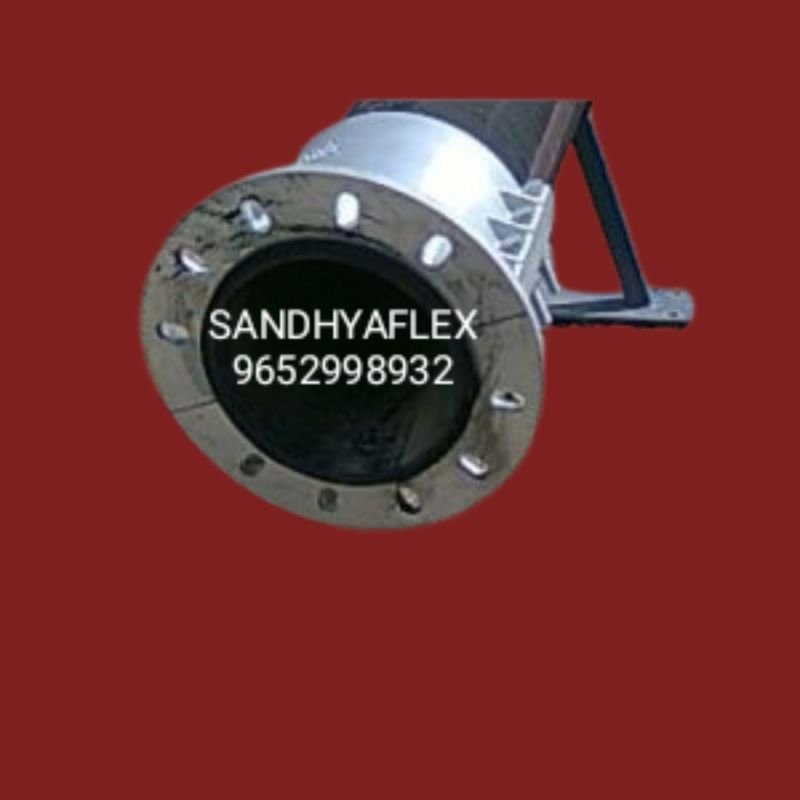
  • Water Suction Discharge Hose

    Water Suction Discharge Hose

    2,500 / Meter

    • MOQ20 Meter
    • Brand NameSandhyaflex
    • MaterialStainless Steel
    • FinishingWrap Finish
    • ShapeRound
    • Pressure10bar
    • UsageIndustrial Use, Certainly! Here's A Clear And Detailed Explanation Of The **Use And Application Of Water Suction And
    • CertificationCE Certified
    • Size (Inches)150MM
    • Certainly! Here's a clear and detailed explanation of the Use and Application of Water Suction and Discharge Rubber Hose: 🛠️ Use and Application of Water Suction and Discharge Rubber Hose 1. Use: Water Suction and Discharge Rubber Hose is a versatile and durable hose designed to suction and discharge water in a variety of industries, including construction, agriculture, mining, and municipal services. It is specifically built to handle both high and low-pressure applications, making it ideal for transporting water, wastewater, and other fluids under suction or discharge conditions. 2. Applications: Construction Industry: Dewatering: Used for pumping out water from excavations, trenches, basements, and construction sites during rainy seasons or groundwater problems. Concrete Mixing: Frequently used to transport water to ready-mix concrete plants or for mixing concrete on-site during construction projects. Water Supply to Construction Equipment: Supplies water to construction machinery, including pumps, drills, and saws. Agriculture: Irrigation Systems: Used in irrigation for farming, landscaping, and golf courses, ensuring water is distributed efficiently across large areas. Dewatering in Agriculture: Helps remove excess water from fields or reservoirs after irrigation or heavy rainfall. Mining: Dewatering in Mines: Used to suction and discharge water from mine shafts and open-pit mining areas, ensuring a dry working environment. Industrial Applications: Wastewater Handling: Suction and discharge rubber hoses are ideal for transferring wastewater from factories, sewage systems, or municipal treatment plants. Chemical Handling (Non-Hazardous Liquids): In some cases, these hoses are used to transfer non-hazardous chemicals and water-based solutions in industries. Municipal Services: Floodwater Management: Used by municipal services for floodwater control and stormwater management in flood-prone areas, helping to pump water from streets or public areas. Firefighting: In emergency situations, water suction and discharge hoses are essential for firefighting systems where they help in pumping large quantities of water from lakes, ponds, or fire trucks to the fire site. 3. Key Features: Heavy-duty Construction: Built with reinforced materials (such as textile braids or steel wire) to withstand high pressures and abrasive conditions. Abrasion Resistance: Ideal for rough handling, as the hose is designed to resist wear from sand, rocks, and other debris in water. Flexibility: Despite being durable, the hose is highly flexible, making it easy to handle and maneuver in tight spaces. Versatility: Suitable for both suction (vacuum) and discharge operations, allowing for a wide range of fluid transportation needs. Temperature Resistance: Works in a variety of temperatures, making it ideal for cold and hot water transfer. 4. Typical Sizes: Common inner diameters for water suction and discharge hoses range from 1" to 8" (25mm to 200mm) to accommodate various water flow volumes. In short: The Water Suction and Discharge Rubber Hose is a versatile and essential tool for water transfer in a range of industries, ensuring effective dewatering, fluid transport, and maintenance of machinery in construction, agriculture, mining, and municipal services.   Would you like a technical specification sheet (TDS) or a catalog format for Water Suction and Discharge Rubber Hose to include in your product materials or for marketing purposes? Let me know! 📄🚛
    ...more
  • Water Suction Discharge Hose

    Water Suction Discharge Hose

    2,500 / Meter

    20 Meter (MOQ)

    Certainly! Here's a clear and detailed explanation of the Use and Application of Water Suction and Discharge Rubber Hose: 🛠️ Use and Application of Water Suction and Discharge Rubber Hose 1. Use: Water Suction and Discharge Rubber Hose is a versatile and durable hose designed to suction and discharge water in a variety of industries, including construction, agriculture, mining, and municipal services. It is specifically built to handle both high and low-pressure applications, making it ideal for transporting water, wastewater, and other fluids under suction or discharge conditions. 2. Applications: Construction Industry: Dewatering: Used for pumping out water from excavations, trenches, basements, and construction sites during rainy seasons or groundwater problems. Concrete Mixing: Frequently used to transport water to ready-mix concrete plants or for mixing concrete on-site during construction projects. Water Supply to Construction Equipment: Supplies water to construction machinery, including pumps, drills, and saws. Agriculture: Irrigation Systems: Used in irrigation for farming, landscaping, and golf courses, ensuring water is distributed efficiently across large areas. Dewatering in Agriculture: Helps remove excess water from fields or reservoirs after irrigation or heavy rainfall. Mining: Dewatering in Mines: Used to suction and discharge water from mine shafts and open-pit mining areas, ensuring a dry working environment. Industrial Applications: Wastewater Handling: Suction and discharge rubber hoses are ideal for transferring wastewater from factories, sewage systems, or municipal treatment plants. Chemical Handling (Non-Hazardous Liquids): In some cases, these hoses are used to transfer non-hazardous chemicals and water-based solutions in industries. Municipal Services: Floodwater Management: Used by municipal services for floodwater control and stormwater management in flood-prone areas, helping to pump water from streets or public areas. Firefighting: In emergency situations, water suction and discharge hoses are essential for firefighting systems where they help in pumping large quantities of water from lakes, ponds, or fire trucks to the fire site. 3. Key Features: Heavy-duty Construction: Built with reinforced materials (such as textile braids or steel wire) to withstand high pressures and abrasive conditions. Abrasion Resistance: Ideal for rough handling, as the hose is designed to resist wear from sand, rocks, and other debris in water. Flexibility: Despite being durable, the hose is highly flexible, making it easy to handle and maneuver in tight spaces. Versatility: Suitable for both suction (vacuum) and discharge operations, allowing for a wide range of fluid transportation needs. Temperature Resistance: Works in a variety of temperatures, making it ideal for cold and hot water transfer. 4. Typical Sizes: Common inner diameters for water suction and discharge hoses range from 1" to 8" (25mm to 200mm) to accommodate various water flow volumes. In short: The Water Suction and Discharge Rubber Hose is a versatile and essential tool for water transfer in a range of industries, ensuring effective dewatering, fluid transport, and maintenance of machinery in construction, agriculture, mining, and municipal services.   Would you like a technical specification sheet (TDS) or a catalog format for Water Suction and Discharge Rubber Hose to include in your product materials or for marketing purposes? Let me know! 📄🚛

    Brand Name : Sandhyaflex

    Material : Stainless Steel

    Finishing : Wrap Finish

    Shape : Round

    Pressure : 10bar

    Usage : Industrial Use, Certainly! Here's A Clear And Detailed Explanation Of The **Use And Application Of Water Suction And

    Certification : CE Certified

    Size (Inches) : 150MM

    ...more
    Get Best Price
  • Water Suction and Discharge Rubber Hose

    Water Suction and Discharge Rubber Hose

    3,300 - 6,000 / Meter

    • Brand NameSNDHYAFLEX
    • MaterialRubber
    • A water suction and discharge rubber hose is a type of flexible hose designed for the suction and discharge of water and other fluids in various industrial, agricultural, and construction applications. These hoses are constructed from high-quality rubber or synthetic rubber compounds to withstand the rigors of fluid handling, and they are reinforced with layers of fabric, wire, or both to handle the pressure and vacuum requirements of the intended application. Here are some key features and uses of water suction and discharge rubber hoses:   **Key Features:**   1. **Material:** Water suction and discharge hoses are typically made from natural rubber, synthetic rubber (such as EPDM or SBR), or a combination of rubber compounds that are compatible with the fluids being transported.   2. **Reinforcement:** To provide strength and durability, these hoses are reinforced with one or more layers of textile fabric, wire helix, or synthetic fibers. The choice of reinforcement depends on the specific application and working pressure requirements.   3. **Inner Lining:** The inner lining of the hose is usually smooth to facilitate the smooth flow of fluids and reduce friction losses.   4. **Outer Cover:** The outer cover is designed to protect the hose from abrasion, weathering, and environmental factors.   5. **Fittings and Connectors:** Water suction and discharge hoses are often equipped with a variety of fittings, couplings, or connectors at both ends to facilitate easy connections to pumps, valves, and other equipment.   6. **Size and Length:** These hoses come in various sizes and lengths to accommodate different flow rates and installation requirements.   7. **Temperature Range:** The hoses are engineered to handle a wide range of temperatures, making them suitable for both hot and cold water applications.   **Uses:**   Water suction and discharge rubber hoses find applications in a variety of industries and settings, including:   1. **Agriculture:** These hoses are used for irrigation, dewatering, and water transfer in agricultural operations, including farm equipment and crop irrigation systems.   2. **Construction:** They are employed in construction sites for dewatering excavations, transferring water, and controlling sediment.   3. **Mining:** Water suction and discharge hoses are used in mining operations for dewatering mines, transferring water, and handling slurry.   4. **Municipal Services:** They are used by municipal services for water supply and distribution, wastewater treatment, and emergency response situations.   5. **Industrial Processes:** These hoses are used in various industrial processes for fluid handling, including manufacturing, food processing, and chemical processing.   6. **Marine:** In marine applications, they are used for bilge pumping, ballast transfer, and other water-related tasks on ships and offshore platforms.   7. **Environmental Services:** Water suction and discharge hoses are used by environmental services for cleanup and removal of water, chemicals, and hazardous materials.   8. **Firefighting:** In firefighting operations, suction hoses are used to draw water from natural sources like lakes or ponds, while discharge hoses are used to deliver water to firefighting equipment.   Proper selection, installation, and maintenance of water suction and discharge rubber hoses are crucial for their effective performance. Hoses should be chosen based on factors such as size, working pressure, temperature range, and compatibility with the fluids being transported. Regular inspections and replacement of hoses that show signs of wear, damage, or deterioration are essential to maintain system integrity and prevent leaks or disruptions during fluid transfer operations.
    ...more
  • Water Suction and Discharge Rubber Hose

    Water Suction and Discharge Rubber Hose

    3,300 - 6,000 / Meter

    A water suction and discharge rubber hose is a type of flexible hose designed for the suction and discharge of water and other fluids in various industrial, agricultural, and construction applications. These hoses are constructed from high-quality rubber or synthetic rubber compounds to withstand the rigors of fluid handling, and they are reinforced with layers of fabric, wire, or both to handle the pressure and vacuum requirements of the intended application. Here are some key features and uses of water suction and discharge rubber hoses:   **Key Features:**   1. **Material:** Water suction and discharge hoses are typically made from natural rubber, synthetic rubber (such as EPDM or SBR), or a combination of rubber compounds that are compatible with the fluids being transported.   2. **Reinforcement:** To provide strength and durability, these hoses are reinforced with one or more layers of textile fabric, wire helix, or synthetic fibers. The choice of reinforcement depends on the specific application and working pressure requirements.   3. **Inner Lining:** The inner lining of the hose is usually smooth to facilitate the smooth flow of fluids and reduce friction losses.   4. **Outer Cover:** The outer cover is designed to protect the hose from abrasion, weathering, and environmental factors.   5. **Fittings and Connectors:** Water suction and discharge hoses are often equipped with a variety of fittings, couplings, or connectors at both ends to facilitate easy connections to pumps, valves, and other equipment.   6. **Size and Length:** These hoses come in various sizes and lengths to accommodate different flow rates and installation requirements.   7. **Temperature Range:** The hoses are engineered to handle a wide range of temperatures, making them suitable for both hot and cold water applications.   **Uses:**   Water suction and discharge rubber hoses find applications in a variety of industries and settings, including:   1. **Agriculture:** These hoses are used for irrigation, dewatering, and water transfer in agricultural operations, including farm equipment and crop irrigation systems.   2. **Construction:** They are employed in construction sites for dewatering excavations, transferring water, and controlling sediment.   3. **Mining:** Water suction and discharge hoses are used in mining operations for dewatering mines, transferring water, and handling slurry.   4. **Municipal Services:** They are used by municipal services for water supply and distribution, wastewater treatment, and emergency response situations.   5. **Industrial Processes:** These hoses are used in various industrial processes for fluid handling, including manufacturing, food processing, and chemical processing.   6. **Marine:** In marine applications, they are used for bilge pumping, ballast transfer, and other water-related tasks on ships and offshore platforms.   7. **Environmental Services:** Water suction and discharge hoses are used by environmental services for cleanup and removal of water, chemicals, and hazardous materials.   8. **Firefighting:** In firefighting operations, suction hoses are used to draw water from natural sources like lakes or ponds, while discharge hoses are used to deliver water to firefighting equipment.   Proper selection, installation, and maintenance of water suction and discharge rubber hoses are crucial for their effective performance. Hoses should be chosen based on factors such as size, working pressure, temperature range, and compatibility with the fluids being transported. Regular inspections and replacement of hoses that show signs of wear, damage, or deterioration are essential to maintain system integrity and prevent leaks or disruptions during fluid transfer operations.

    Brand Name : SNDHYAFLEX

    Material : Rubber

    ...more
    Get Best Price
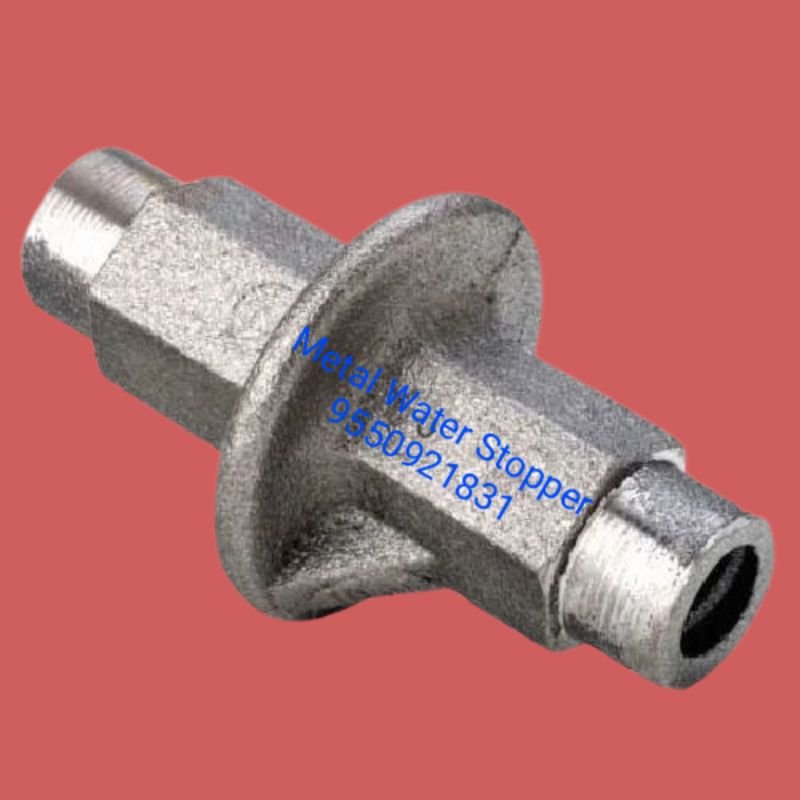
  • Water Stopper

    Water Stopper

    160 - 450 / Meter

    • MOQ500 Meter
    • MaterialPvc
    • ApplicationConstruction
    • Length25-30mtr
    • Number Of FlowerWater Stopper, Pvc Water Stopper
    • Thickness6-8mm
    • Country of OriginIndia
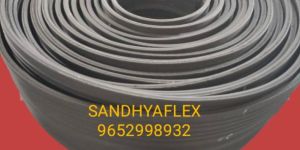
    • Sandhya Enterprises are one of the top manufacturers in India. Water Stoppers are the flexible plastic strips that are used to provide a physical barrier to water. The barriers can be at concrete joints in basements, water-retaining structures like water tanks, swimming pools, structural foundations and other constructions of below ground level. Water stoppers are also known as water bars and seal construction joints. In a typical water stopper, there are two identical halves on both sides of the central bulb. They serve as an additional extension aiming to increase the path length for water entering behind the edge of water stopper. Compounding of PVC Water Stopper A PVC water stopper, also known as a PVC waterstop, is a type of construction material used to prevent water penetration in concrete structures, such as basements, swimming pools, water tanks, tunnels, and other areas where water containment is essential. It is designed to create a watertight seal and protect the integrity of the structure.   Here are some key details and features related to PVC water stoppers:   1. Material: PVC water stoppers are made from high-quality polyvinyl chloride (PVC) material, which is known for its excellent durability, flexibility, and chemical resistance. PVC is resistant to water, chemicals, and environmental factors, making it suitable for use in various water containment applications.   2. Types: PVC water stoppers come in different types and profiles, depending on the specific application and requirements. Common types include straight PVC water stoppers, bulb-shaped water stoppers, ribbed water stoppers, and external water stoppers, among others. Each type has its unique design and features to cater to different sealing needs.   3. Design and Structure: PVC water stoppers are typically designed with a combination of rigid and flexible sections. The rigid sections provide stability and anchoring within the concrete structure, while the flexible sections allow for movement and accommodate joint expansion and contraction.   4. Installation: PVC water stoppers are usually installed during the concrete pouring process. They are placed within the construction joints or between the concrete sections to create a continuous barrier against water infiltration. The water stoppers are embedded into the concrete, forming a mechanical bond and ensuring a secure seal.   5. Sizes: PVC water stoppers are available in various sizes and dimensions to suit different joint widths and concrete thicknesses. The sizes can range from narrow profiles for smaller joints to wider profiles for larger joints.   6. Applications: PVC water stoppers are widely used in construction projects involving water containment. They are commonly utilized in structures such as basements, swimming pools, water treatment plants, dams, reservoirs, tunnels, and underground structures to prevent water leakage and maintain structural integrity.   7. Standards and Certifications: PVC water stoppers may adhere to industry standards and certifications, ensuring their quality and performance. Standards such as ASTM (American Society for Testing and Materials) and ISO (International Organization for Standardization) may be applicable depending on the region and specific project requirements.     When purchasing PVC water stoppers, it's important to consider factors such as the joint width, project specifications, and the specific application requirements. Consulting with a trusted supplier or manufacturer specialized in construction materials can help ensure you select the appropriate PVC water stopper for your specific project.   Anti-ageing customized plastic compound is used for manufacturing the water stoppers. Alongside, it has PVC as a base polymer. Moreover, the properties it exhibit are high elasticity and tensile strength, immunity to corrosion, excellent weather resistance, unaffected by acids, alkalis, metals, salts and other chemicals. Other properties include lower wat
    ...more
  • Water Stopper

    Water Stopper

    160 - 450 / Meter

    500 Meter (MOQ)

    Sandhya Enterprises are one of the top manufacturers in India. Water Stoppers are the flexible plastic strips that are used to provide a physical barrier to water. The barriers can be at concrete joints in basements, water-retaining structures like water tanks, swimming pools, structural foundations and other constructions of below ground level. Water stoppers are also known as water bars and seal construction joints. In a typical water stopper, there are two identical halves on both sides of the central bulb. They serve as an additional extension aiming to increase the path length for water entering behind the edge of water stopper. Compounding of PVC Water Stopper A PVC water stopper, also known as a PVC waterstop, is a type of construction material used to prevent water penetration in concrete structures, such as basements, swimming pools, water tanks, tunnels, and other areas where water containment is essential. It is designed to create a watertight seal and protect the integrity of the structure.   Here are some key details and features related to PVC water stoppers:   1. Material: PVC water stoppers are made from high-quality polyvinyl chloride (PVC) material, which is known for its excellent durability, flexibility, and chemical resistance. PVC is resistant to water, chemicals, and environmental factors, making it suitable for use in various water containment applications.   2. Types: PVC water stoppers come in different types and profiles, depending on the specific application and requirements. Common types include straight PVC water stoppers, bulb-shaped water stoppers, ribbed water stoppers, and external water stoppers, among others. Each type has its unique design and features to cater to different sealing needs.   3. Design and Structure: PVC water stoppers are typically designed with a combination of rigid and flexible sections. The rigid sections provide stability and anchoring within the concrete structure, while the flexible sections allow for movement and accommodate joint expansion and contraction.   4. Installation: PVC water stoppers are usually installed during the concrete pouring process. They are placed within the construction joints or between the concrete sections to create a continuous barrier against water infiltration. The water stoppers are embedded into the concrete, forming a mechanical bond and ensuring a secure seal.   5. Sizes: PVC water stoppers are available in various sizes and dimensions to suit different joint widths and concrete thicknesses. The sizes can range from narrow profiles for smaller joints to wider profiles for larger joints.   6. Applications: PVC water stoppers are widely used in construction projects involving water containment. They are commonly utilized in structures such as basements, swimming pools, water treatment plants, dams, reservoirs, tunnels, and underground structures to prevent water leakage and maintain structural integrity.   7. Standards and Certifications: PVC water stoppers may adhere to industry standards and certifications, ensuring their quality and performance. Standards such as ASTM (American Society for Testing and Materials) and ISO (International Organization for Standardization) may be applicable depending on the region and specific project requirements.     When purchasing PVC water stoppers, it's important to consider factors such as the joint width, project specifications, and the specific application requirements. Consulting with a trusted supplier or manufacturer specialized in construction materials can help ensure you select the appropriate PVC water stopper for your specific project.   Anti-ageing customized plastic compound is used for manufacturing the water stoppers. Alongside, it has PVC as a base polymer. Moreover, the properties it exhibit are high elasticity and tensile strength, immunity to corrosion, excellent weather resistance, unaffected by acids, alkalis, metals, salts and other chemicals. Other properties include lower wat

    Material : Pvc

    Application : Construction

    Length : 25-30mtr

    Number Of Flower : Water Stopper, Pvc Water Stopper

    Thickness : 6-8mm

    Country of Origin : India

    ...more
    Get Best Price
  • Water Rubber Hose

    Water Rubber Hose

    90 - 125 / Meter

    • MOQ6 Meter
    • MaterialRubber
    • ConditionUsed
    • Size4inch
    • Water rubber hoses are flexible tubes made of rubber designed for the conveyance of water in various applications. These hoses are commonly used in industries, agriculture, construction, and households for tasks such as watering plants, irrigation, transferring water from one location to another, and more. Here are some key features and considerations related to water rubber hoses:   **Key Features:**   1. **Material:** Water rubber hoses are typically made from synthetic rubber or a blend of natural and synthetic rubber materials. These materials provide flexibility, durability, and resistance to water-related conditions.   2. **Reinforcement:** Many water hoses have reinforcement layers, which may include textile braids or spirals, to enhance strength and prevent kinking.   3. **Flexibility:** Rubber hoses are known for their flexibility, allowing easy handling and maneuverability.   4. **Temperature Resistance:** Water rubber hoses are designed to withstand a range of temperatures, making them suitable for both hot and cold water applications.   5. **Weather Resistance:** They are resistant to weathering, UV rays, and ozone exposure, ensuring longevity in outdoor environments.   6. **Smooth Interior:** A smooth interior surface helps maintain efficient water flow by reducing friction and minimizing the chance of deposits forming inside the hose.   7. **Ease of Connection:** Water hoses often come with standard fittings for easy connection to water sources, faucets, or other water supply points.   8. **Variety of Sizes:** Water rubber hoses are available in various sizes to suit different applications and water flow requirements.   **Common Uses:**   1. **Gardening:** Water rubber hoses are widely used for gardening purposes, including watering plants, lawns, and gardens.   2. **Irrigation:** In agriculture, these hoses are employed for irrigation systems to distribute water to crops.   3. **Construction:** On construction sites, water hoses are used for tasks such as dust suppression, concrete curing, and general water transport.   4. **Industrial Applications:** Water hoses are used in industrial settings for processes that involve the conveyance of water or other liquids.   5. **Domestic Use:** In households, water rubber hoses are used for washing cars, cleaning outdoor spaces, and various household chores.   6. **Firefighting:** Some water hoses are designed for firefighting applications, delivering water to control or extinguish fires.   7. **Municipal Utilities:** Municipalities use water hoses for various purposes, including water distribution and maintenance activities.   **Maintenance Tips:**   1. **Regular Inspection:** Periodically inspect the hose for signs of wear, cuts, or damage.   2. **Proper Storage:** Store the hose away from direct sunlight and extreme temperatures to prolong its lifespan.   3. **Avoid Kinking:** Do not kink the hose during use, as this can lead to damage and restrict water flow.   4. **Drain After Use:** Drain the water from the hose after each use to prevent freezing in cold temperatures.   5. **Use Appropriate Fittings:** Ensure that the hose is equipped with fittings suitable for the intended use.   Always follow the manufacturer's guidelines and recommendations for proper use and maintenance of water rubber hoses.
    ...more
  • Water Rubber Hose

    Water Rubber Hose

    90 - 125 / Meter

    6 Meter (MOQ)

    Water rubber hoses are flexible tubes made of rubber designed for the conveyance of water in various applications. These hoses are commonly used in industries, agriculture, construction, and households for tasks such as watering plants, irrigation, transferring water from one location to another, and more. Here are some key features and considerations related to water rubber hoses:   **Key Features:**   1. **Material:** Water rubber hoses are typically made from synthetic rubber or a blend of natural and synthetic rubber materials. These materials provide flexibility, durability, and resistance to water-related conditions.   2. **Reinforcement:** Many water hoses have reinforcement layers, which may include textile braids or spirals, to enhance strength and prevent kinking.   3. **Flexibility:** Rubber hoses are known for their flexibility, allowing easy handling and maneuverability.   4. **Temperature Resistance:** Water rubber hoses are designed to withstand a range of temperatures, making them suitable for both hot and cold water applications.   5. **Weather Resistance:** They are resistant to weathering, UV rays, and ozone exposure, ensuring longevity in outdoor environments.   6. **Smooth Interior:** A smooth interior surface helps maintain efficient water flow by reducing friction and minimizing the chance of deposits forming inside the hose.   7. **Ease of Connection:** Water hoses often come with standard fittings for easy connection to water sources, faucets, or other water supply points.   8. **Variety of Sizes:** Water rubber hoses are available in various sizes to suit different applications and water flow requirements.   **Common Uses:**   1. **Gardening:** Water rubber hoses are widely used for gardening purposes, including watering plants, lawns, and gardens.   2. **Irrigation:** In agriculture, these hoses are employed for irrigation systems to distribute water to crops.   3. **Construction:** On construction sites, water hoses are used for tasks such as dust suppression, concrete curing, and general water transport.   4. **Industrial Applications:** Water hoses are used in industrial settings for processes that involve the conveyance of water or other liquids.   5. **Domestic Use:** In households, water rubber hoses are used for washing cars, cleaning outdoor spaces, and various household chores.   6. **Firefighting:** Some water hoses are designed for firefighting applications, delivering water to control or extinguish fires.   7. **Municipal Utilities:** Municipalities use water hoses for various purposes, including water distribution and maintenance activities.   **Maintenance Tips:**   1. **Regular Inspection:** Periodically inspect the hose for signs of wear, cuts, or damage.   2. **Proper Storage:** Store the hose away from direct sunlight and extreme temperatures to prolong its lifespan.   3. **Avoid Kinking:** Do not kink the hose during use, as this can lead to damage and restrict water flow.   4. **Drain After Use:** Drain the water from the hose after each use to prevent freezing in cold temperatures.   5. **Use Appropriate Fittings:** Ensure that the hose is equipped with fittings suitable for the intended use.   Always follow the manufacturer's guidelines and recommendations for proper use and maintenance of water rubber hoses.

    Material : Rubber

    Condition : Used

    Size : 4inch

    ...more
    Get Best Price
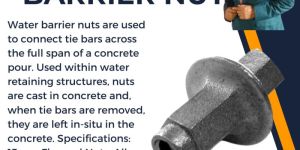
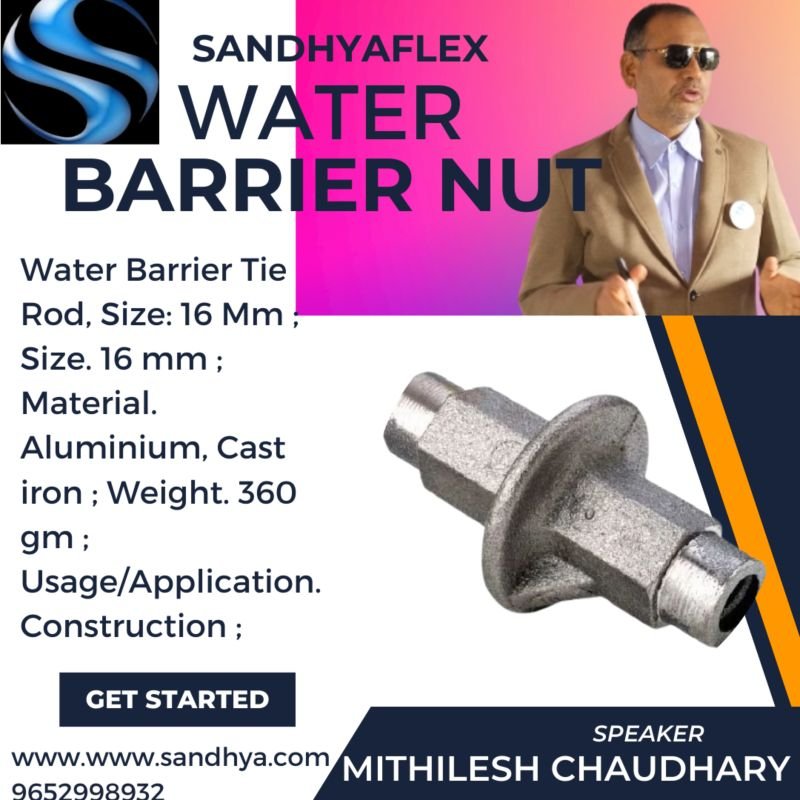
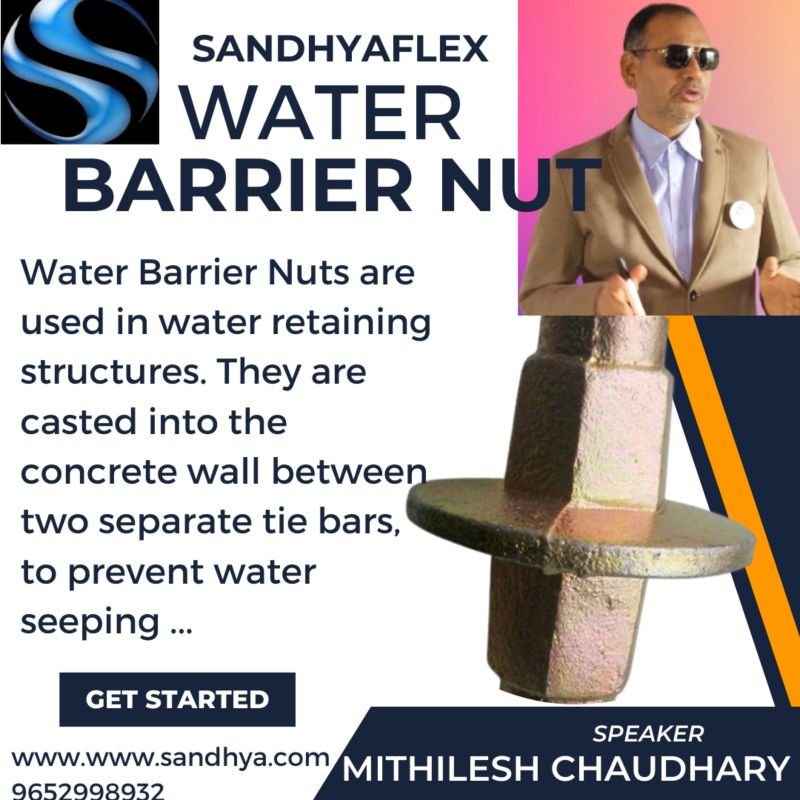
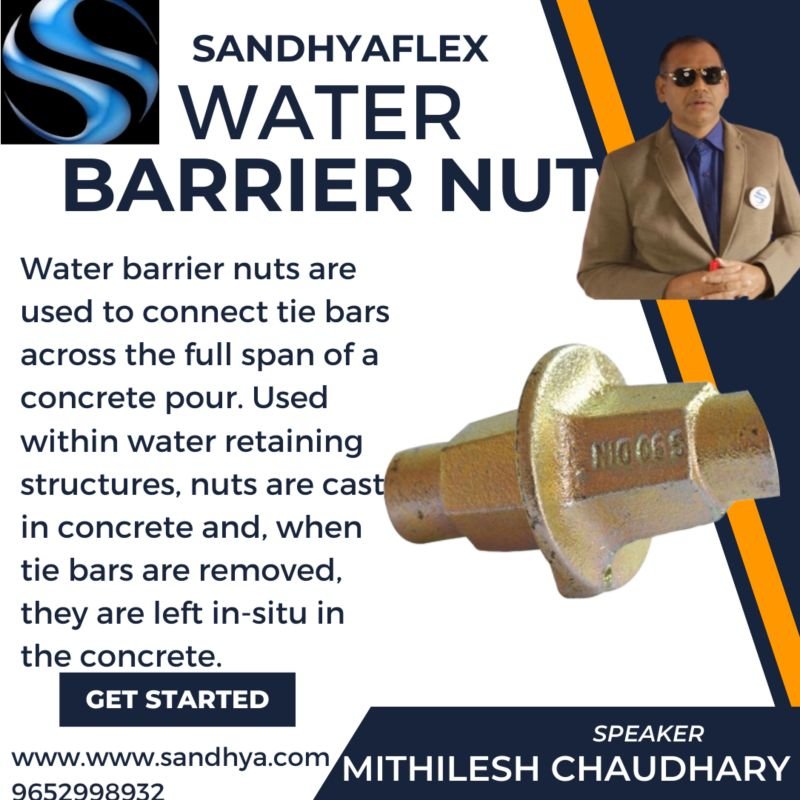
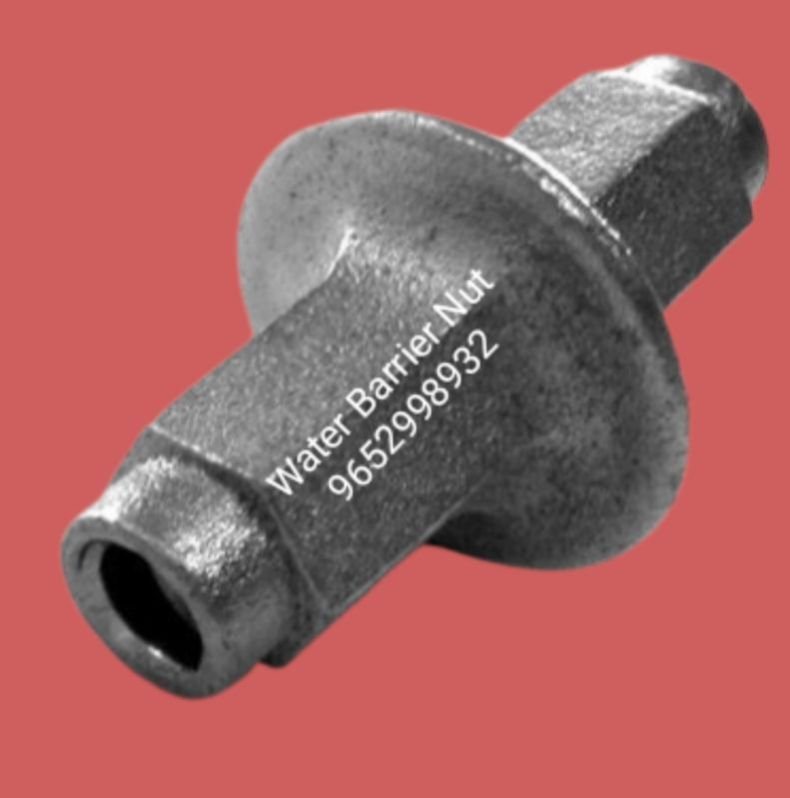
  • Water Barrier Nut

    Water Barrier Nut

    45 - 50 / piece

    • MOQ8000 Piece
    • Availability10-20 Kg
    • PatternPlain
    • ApplicationRoad Safety
    • ShapeSquare
    • MaterialPP,Hey! Could you tell me a bit more about what you\'re looking for with \"brand\"? Are you thinking about: - Creating a brand name? - Developing a brand identity (logo, colors, voice)? - Building a person
    • ConditionNew
    • FeatureFine Finished
    • Number Of FlowerHey! Could you tell me a bit more about what you\'re looking for with \"brand\"? Are you thinking about: - Creating a brand name? - Developing a brand identity (logo, colors, voice)? - Building a person
    • BrandHey! Could you tell me a bit more about what you're looking for with "brand"? Are you thinking about: - Creating a brand name? - Developing a brand identity (logo, colors, voice)? - Building a person
    • As of my last knowledge update in September 2021, I am not aware of any specific product or ingredient called \\\"Water Barrier Nut.\\\" However, if you\\\'re referring to a hypothetical or new product introduced after that date or if it\\\'s a specialized term used in a specific industry or context, I can provide some general information on how certain nuts and seeds can be used in culinary and industrial applications that involve water barriers.\r\n \r\nNuts and seeds can be used in various ways to create water barriers or to address water-related issues in different applications:\r\n \r\n1. Food Industry:\r\n   - Nut Butters: Nuts like peanuts, almonds, and cashews can be ground into nut butters, which can be used as spreads or ingredients in recipes. They can also be used as thickeners in sauces, soups, and stews to create a creamy texture.\r\n \r\n2. Baking:\r\n   - Almond Flour: Ground almonds are often used in gluten-free baking as a substitute for traditional wheat flour. Almond flour can help absorb moisture and create a barrier in recipes.\r\n \r\n3. Cooking:\r\n   - Coating and Breading: Crushed nuts, like almonds or pistachios, can be used as coatings for meats or vegetables to create a crispy crust and prevent excess moisture absorption during frying.\r\n \r\n4. Snacks:\r\n   - Trail Mix: Nuts and seeds are common ingredients in trail mix, providing a combination of flavors and textures. Their natural oils can help create a barrier against moisture, keeping the mix fresh.\r\n \r\n5. Industrial Applications:\r\n   - Sealants and Barriers: Certain types of oils extracted from nuts and seeds can be used in industrial applications to create water-resistant or moisture-repellent barriers. These might include wood finishes, paints, and coatings.\r\n \r\n6. Personal Care Products:\r\n   - Cosmetics and Skincare: Some natural oils derived from nuts and seeds are used in cosmetics and skincare products to provide moisture barriers and skin protection.\r\n \r\nIt\\\'s important to note that the specific use and application of nuts or nut-derived products can vary widely depending on the product or industry. If \\\"Water Barrier Nut\\\" refers to a specific product or concept introduced after my last update in September 2021, I recommend consulting the manufacturer\\\'s instructions or seeking more recent information for detailed guidance on its use.\r\nI\\\'m not aware of a specific food item or ingredient called \\\"Water Barrier Nut\\\" in the context of common culinary knowledge up to September 2021. It\\\'s possible that this is a regional or specialized term or a new product introduced after my last knowledge update.\r\n \r\nIf you have more context or information about what \\\"Water Barrier Nut\\\" refers to, please provide additional details, and I\\\'ll do my best to provide relevant information or assistance based on the information available up to my last update.
    ...more
  • Water Barrier Nut

    Water Barrier Nut

    45 - 50 / piece

    8000 Piece (MOQ)

    As of my last knowledge update in September 2021, I am not aware of any specific product or ingredient called \\\"Water Barrier Nut.\\\" However, if you\\\'re referring to a hypothetical or new product introduced after that date or if it\\\'s a specialized term used in a specific industry or context, I can provide some general information on how certain nuts and seeds can be used in culinary and industrial applications that involve water barriers.\r\n \r\nNuts and seeds can be used in various ways to create water barriers or to address water-related issues in different applications:\r\n \r\n1. Food Industry:\r\n   - Nut Butters: Nuts like peanuts, almonds, and cashews can be ground into nut butters, which can be used as spreads or ingredients in recipes. They can also be used as thickeners in sauces, soups, and stews to create a creamy texture.\r\n \r\n2. Baking:\r\n   - Almond Flour: Ground almonds are often used in gluten-free baking as a substitute for traditional wheat flour. Almond flour can help absorb moisture and create a barrier in recipes.\r\n \r\n3. Cooking:\r\n   - Coating and Breading: Crushed nuts, like almonds or pistachios, can be used as coatings for meats or vegetables to create a crispy crust and prevent excess moisture absorption during frying.\r\n \r\n4. Snacks:\r\n   - Trail Mix: Nuts and seeds are common ingredients in trail mix, providing a combination of flavors and textures. Their natural oils can help create a barrier against moisture, keeping the mix fresh.\r\n \r\n5. Industrial Applications:\r\n   - Sealants and Barriers: Certain types of oils extracted from nuts and seeds can be used in industrial applications to create water-resistant or moisture-repellent barriers. These might include wood finishes, paints, and coatings.\r\n \r\n6. Personal Care Products:\r\n   - Cosmetics and Skincare: Some natural oils derived from nuts and seeds are used in cosmetics and skincare products to provide moisture barriers and skin protection.\r\n \r\nIt\\\'s important to note that the specific use and application of nuts or nut-derived products can vary widely depending on the product or industry. If \\\"Water Barrier Nut\\\" refers to a specific product or concept introduced after my last update in September 2021, I recommend consulting the manufacturer\\\'s instructions or seeking more recent information for detailed guidance on its use.\r\nI\\\'m not aware of a specific food item or ingredient called \\\"Water Barrier Nut\\\" in the context of common culinary knowledge up to September 2021. It\\\'s possible that this is a regional or specialized term or a new product introduced after my last knowledge update.\r\n \r\nIf you have more context or information about what \\\"Water Barrier Nut\\\" refers to, please provide additional details, and I\\\'ll do my best to provide relevant information or assistance based on the information available up to my last update.

    Availability : 10-20 Kg

    Pattern : Plain

    Application : Road Safety

    Shape : Square

    Material : PP,Hey! Could you tell me a bit more about what you\'re looking for with \"brand\"? Are you thinking about: - Creating a brand name? - Developing a brand identity (logo, colors, voice)? - Building a person

    Condition : New

    Feature : Fine Finished

    Number Of Flower : Hey! Could you tell me a bit more about what you\'re looking for with \"brand\"? Are you thinking about: - Creating a brand name? - Developing a brand identity (logo, colors, voice)? - Building a person

    ...more
    Get Best Price
  • W Beam Metal Crash Barrier

    W Beam Metal Crash Barrier

    1,800 - 2,600 / mtr

    • MOQ500 MTR
    • ConditionNew
    • Brand NameSANDHYA FLEX
    • MaterialMetal
    • FinishingPolished
    • ApplicationHighway
    • Thickness20-40mm
    • Country of OriginIndia
    • iturn0image0The Sandhyaflex W Beam Metal Crash Barrier is a robust safety feature designed for highways and roadways to protect vehicles and pedestrians. Manufactured by Sandhya Enterprises in Hyderabad, Telangana, this barrier is essential for enhancing road safety and minimizing accident severity. 🛡️ Product Overview Material:Galvanized stee Thickness:20–40 m Color:Gre Finish:Polishe Length:Typically 3,318 mm or 4,318 m Weight:Approximately 17–32 kg per meter, depending on dimension Minimum Order Quantity (MOQ):500 meter Price Range:₹1,800 – ₹2,600 per mete citeturn0search0 ⚙️ Technical Specifications Beam Dimensions:311 x 83 m Material Grade:Fe 410 or Fe 360, conforming to IS 2062 or equivalen Hot-Dip Galvanization:550 g/m², meeting MORT&H and IS standard Post Dimensions:150 x 75 mm, 5 mm thicknes Spacer Dimensions:150 x 75 mm, 5 mm thicknes Effective Length:4,000 mm (for 4,318 mm beam citeturn0search4 🚗 Key Features & Benefits Energy Absorption Designed to absorb and dissipate collision energy, reducing impact forces on vehicles and occupant. Vehicle Redirection Redirects errant vehicles back onto the roadway, preventing off-road accident. Durability Made from high-quality galvanized steel, ensuring long-lasting performance in various weather condition. Compliance Manufactured in accordance with Indian Road Congress (IRC) and Ministry of Road Transport and Highways (MORTH) guideline. Visibility Often painted in bright colors for high visibility, especially in low-light condition. 🛠️ Applications *Highways & Expressways: Installed along roadways to prevent vehicles from veering off the rod. *Bridges & Overpasses: Provides safety barriers to prevent vehicles from falling off elevated structurs. *Sharp Curves & Slopes: Placed in areas with high accident rates due to sharp turns or steep gradiens. *Pedestrian Protection: Serves as a barrier to protect pedestrians from vehicular traffc. 📦 Packaging & Installation *Packaging: Typically packed in bundles or crates, with each unit weighing between 17–32kg. *Installation: Requires proper anchoring to the ground, often using posts and spacrs. *Maintenance: Regular inspection for corrosion or damage is recommended to ensure continued effectivenss. For more information or to place an order, you can visit their official website:
    ...more
  • W Beam Metal Crash Barrier

    W Beam Metal Crash Barrier

    1,800 - 2,600 / mtr

    500 MTR (MOQ)

    iturn0image0The Sandhyaflex W Beam Metal Crash Barrier is a robust safety feature designed for highways and roadways to protect vehicles and pedestrians. Manufactured by Sandhya Enterprises in Hyderabad, Telangana, this barrier is essential for enhancing road safety and minimizing accident severity. 🛡️ Product Overview Material:Galvanized stee Thickness:20–40 m Color:Gre Finish:Polishe Length:Typically 3,318 mm or 4,318 m Weight:Approximately 17–32 kg per meter, depending on dimension Minimum Order Quantity (MOQ):500 meter Price Range:₹1,800 – ₹2,600 per mete citeturn0search0 ⚙️ Technical Specifications Beam Dimensions:311 x 83 m Material Grade:Fe 410 or Fe 360, conforming to IS 2062 or equivalen Hot-Dip Galvanization:550 g/m², meeting MORT&H and IS standard Post Dimensions:150 x 75 mm, 5 mm thicknes Spacer Dimensions:150 x 75 mm, 5 mm thicknes Effective Length:4,000 mm (for 4,318 mm beam citeturn0search4 🚗 Key Features & Benefits Energy Absorption Designed to absorb and dissipate collision energy, reducing impact forces on vehicles and occupant. Vehicle Redirection Redirects errant vehicles back onto the roadway, preventing off-road accident. Durability Made from high-quality galvanized steel, ensuring long-lasting performance in various weather condition. Compliance Manufactured in accordance with Indian Road Congress (IRC) and Ministry of Road Transport and Highways (MORTH) guideline. Visibility Often painted in bright colors for high visibility, especially in low-light condition. 🛠️ Applications *Highways & Expressways: Installed along roadways to prevent vehicles from veering off the rod. *Bridges & Overpasses: Provides safety barriers to prevent vehicles from falling off elevated structurs. *Sharp Curves & Slopes: Placed in areas with high accident rates due to sharp turns or steep gradiens. *Pedestrian Protection: Serves as a barrier to protect pedestrians from vehicular traffc. 📦 Packaging & Installation *Packaging: Typically packed in bundles or crates, with each unit weighing between 17–32kg. *Installation: Requires proper anchoring to the ground, often using posts and spacrs. *Maintenance: Regular inspection for corrosion or damage is recommended to ensure continued effectivenss. For more information or to place an order, you can visit their official website:

    Condition : New

    Brand Name : SANDHYA FLEX

    Material : Metal

    Finishing : Polished

    Application : Highway

    Thickness : 20-40mm

    Country of Origin : India

    ...more
    Get Best Price
  • Vibration Screen Rubber Beading

    Vibration Screen Rubber Beading

    125 - 135 / Meter

    • Brand NameSNDHYAFLEX
    • MaterialNatural Rubber
    • Vibrating screen rubber beading, also known as screen sealing or screen gasket, is a specialized rubber component used in vibrating screens and sieving equipment. Its primary function is to provide a seal or cushioning between the screen panels or decks and the supporting frame. This rubber beading is designed to prevent material leakage, dampen vibrations, and ensure the efficient operation of the vibrating screen. Here are some key features and uses of vibrating screen rubber beading:   **Key Features:**   1. **Material:** Vibrating screen rubber beading is typically made from high-quality rubber or elastomeric materials, such as natural rubber, neoprene, or silicone. The choice of material depends on factors like the application, temperature range, and chemical compatibility.   2. **Profile:** Rubber beading for vibrating screens often has a specific profile or shape, such as a U-shape or T-shape, to provide an effective seal and cushioning.   3. **Installation:** It is installed along the edges of the screen panels or decks, where it comes into contact with the frame or support structure.   4. **Durability:** The rubber beading is designed to be durable and resilient, with good resistance to wear and tear, as it is constantly subjected to vibrations and mechanical stress.   5. **Vibration Dampening:** It helps dampen vibrations generated by the vibrating screen, reducing the transmission of vibrations to the supporting structure.   **Uses:**   Vibrating screen rubber beading is used in various industries and applications, including:   1. **Screening and Sieving:** It is commonly used in vibrating screens and sieving equipment to seal and cushion the edges of screen panels or decks.   2. **Aggregate Processing:** In the mining and construction industries, vibrating screen rubber beading helps ensure efficient material screening and separation.   3. **Mineral Processing:** Vibrating screens are used in mineral processing plants to separate and classify ores and minerals, and the rubber beading helps maintain the integrity of the screen panels.   4. **Recycling:** It is used in recycling facilities for sorting and classifying materials like plastics, paper, and metals.   5. **Food Processing:** In food processing industries, vibrating screens are used for various tasks, including separating food products, and the rubber beading helps maintain hygiene standards.   6. **Pharmaceuticals:** Vibrating screens are used in pharmaceutical manufacturing for particle size classification and separation processes.   7. **Chemical and Petrochemical:** These industries use vibrating screens for various applications, such as separating chemicals, and the rubber beading ensures a reliable seal and cushioning.   Proper installation and maintenance of vibrating screen rubber beading are essential to ensure its effectiveness and longevity. Periodic inspections should be conducted to check for wear, damage, or deterioration, and the rubber beading should be replaced as needed to maintain a proper seal and prevent material leakage. Additionally, selecting the right type of rubber beading based on the specific requirements of the vibrating screen and the materials being processed is crucial for optimal performance.
    ...more
  • Vibration Screen Rubber Beading

    Vibration Screen Rubber Beading

    125 - 135 / Meter

    Vibrating screen rubber beading, also known as screen sealing or screen gasket, is a specialized rubber component used in vibrating screens and sieving equipment. Its primary function is to provide a seal or cushioning between the screen panels or decks and the supporting frame. This rubber beading is designed to prevent material leakage, dampen vibrations, and ensure the efficient operation of the vibrating screen. Here are some key features and uses of vibrating screen rubber beading:   **Key Features:**   1. **Material:** Vibrating screen rubber beading is typically made from high-quality rubber or elastomeric materials, such as natural rubber, neoprene, or silicone. The choice of material depends on factors like the application, temperature range, and chemical compatibility.   2. **Profile:** Rubber beading for vibrating screens often has a specific profile or shape, such as a U-shape or T-shape, to provide an effective seal and cushioning.   3. **Installation:** It is installed along the edges of the screen panels or decks, where it comes into contact with the frame or support structure.   4. **Durability:** The rubber beading is designed to be durable and resilient, with good resistance to wear and tear, as it is constantly subjected to vibrations and mechanical stress.   5. **Vibration Dampening:** It helps dampen vibrations generated by the vibrating screen, reducing the transmission of vibrations to the supporting structure.   **Uses:**   Vibrating screen rubber beading is used in various industries and applications, including:   1. **Screening and Sieving:** It is commonly used in vibrating screens and sieving equipment to seal and cushion the edges of screen panels or decks.   2. **Aggregate Processing:** In the mining and construction industries, vibrating screen rubber beading helps ensure efficient material screening and separation.   3. **Mineral Processing:** Vibrating screens are used in mineral processing plants to separate and classify ores and minerals, and the rubber beading helps maintain the integrity of the screen panels.   4. **Recycling:** It is used in recycling facilities for sorting and classifying materials like plastics, paper, and metals.   5. **Food Processing:** In food processing industries, vibrating screens are used for various tasks, including separating food products, and the rubber beading helps maintain hygiene standards.   6. **Pharmaceuticals:** Vibrating screens are used in pharmaceutical manufacturing for particle size classification and separation processes.   7. **Chemical and Petrochemical:** These industries use vibrating screens for various applications, such as separating chemicals, and the rubber beading ensures a reliable seal and cushioning.   Proper installation and maintenance of vibrating screen rubber beading are essential to ensure its effectiveness and longevity. Periodic inspections should be conducted to check for wear, damage, or deterioration, and the rubber beading should be replaced as needed to maintain a proper seal and prevent material leakage. Additionally, selecting the right type of rubber beading based on the specific requirements of the vibrating screen and the materials being processed is crucial for optimal performance.

    Brand Name : SNDHYAFLEX

    Material : Natural Rubber

    ...more
    Get Best Price
  • Vibrating Screen Rubber Beading

    Vibrating Screen Rubber Beading

    115 / Meter

    • MOQ200 Meter
    • Brand NameSANDHYA FLEX
    • MaterialNeoprene
    • CertificationISO 9001:2008 Certified
    • Hardness50-100
    • Number Of FlowerRubber Beading, U Type
    • size8, 10,12,16 mm
    • rolls25 meter
    • vvCrusher mesh screen beading refers to the protective edging or reinforcement applied to the edges of a crusher screen mesh. This beading serves multiple purposes: Edge Protection – Prevents fraying or damage to the mesh screen edges. Structural Strength – Enhances the durability and longevity of the screen. Ease of Installation – Provides a stable edge for mounting and securing the screen onto the crusher frame. Vibration Resistance – Helps reduce wear and tear caused by constant vibrations and material impact. Types of Beading: Rubber Beading – Used to absorb shocks and vibrations, increasing screen lifeGreat question! Rubber beading on a vibrating screen is a crucial component used to cushion the contact between the screen mesh and the screen frame. It’s typically made of high-quality rubber and offers several functional benefits. 🔷 Advantages of Vibrating Screen Rubber Beading Vibration Dampening Absorbs shocks and vibrations between the screen mesh and the frame, reducing wear and tear. Protects the Screen Mesh Prevents direct contact with the metal frame, extending the life of the mesh and reducing the need for frequent replacements. Noise Reduction Helps minimize operational noise caused by screen vibration and impact. Improved Sealing Enhances sealing around the screen mesh, helping to prevent material leakage during operation. Reduces Maintenance By protecting both the mesh and frame, it minimizes maintenance downtime and associated costs. Corrosion and Weather Resistant High-quality rubber resists environmental wear, moisture, and corrosion — ideal for both indoor and outdoor applications. Flexibility & Easy Installation Can be easily cut and fitted into different screen frame designs due to its flexibility. Cost-Effective Solution Adds long-term durability to vibrating screens, helping reduce replacement frequency and operating costs. Let me know if you'd like specs, types, or guidance for choosing the right beading for your screen!Absolutely! Here's a concise list of the advantages of vibrating screen rubber beading, commonly used in mining, quarrying, and material screening industries: ✅ Advantages of Vibrating Screen Rubber Beading Reduces Wear & Tear Acts as a cushion between the screen mesh and the frame, preventing metal-to-metal contact. Extends Screen Life Protects the screen mesh edges from damage, increasing its operational lifespan. Dampens Vibration & Shock Absorbs vibration and reduces impact, ensuring smoother operation and less stress on equipment. Minimizes Noise Helps lower operational noise levels by reducing friction and impact between parts. Prevents Material Leakage Seals gaps around the screen mesh to stop small particles from escaping. Weather & Chemical Resistant High-quality rubber resists moisture, chemicals, and environmental degradation. Easy to Install & Replace Flexible and can be quickly installed or replaced without special tools. Cost-Effective Maintenance Reduces frequent repairs and replacements, lowering overall maintenance costs. Let me know if you'd like a visual diagram or material comparison (like EPDM vs. natural rubber typesAbsolutely! Here's a concise list of the advantages of vibrating screen rubber beading, commonly used in mining, quarrying, and material screening industries: ✅ Advantages of Vibrating Screen Rubber Beading Reduces Wear & Tear Acts as a cushion between the screen mesh and the frame, preventing metal-to-metal contact. Extends Screen Life Protects the screen mesh edges from damage, increasing its operational lifespan. Dampens Vibration & Shock Absorbs vibration and reduces impact, ensuring smoother operation and less stress on equipment. Minimizes Noise Helps lower operational noise levels by reducing friction and impact between parts. Prevents Material Leakage Seals gaps around the screen mesh to stop small particles from escapin
    ...more
  • Vibrating Screen Rubber Beading

    Vibrating Screen Rubber Beading

    115 / Meter

    200 Meter (MOQ)

    vvCrusher mesh screen beading refers to the protective edging or reinforcement applied to the edges of a crusher screen mesh. This beading serves multiple purposes: Edge Protection – Prevents fraying or damage to the mesh screen edges. Structural Strength – Enhances the durability and longevity of the screen. Ease of Installation – Provides a stable edge for mounting and securing the screen onto the crusher frame. Vibration Resistance – Helps reduce wear and tear caused by constant vibrations and material impact. Types of Beading: Rubber Beading – Used to absorb shocks and vibrations, increasing screen lifeGreat question! Rubber beading on a vibrating screen is a crucial component used to cushion the contact between the screen mesh and the screen frame. It’s typically made of high-quality rubber and offers several functional benefits. 🔷 Advantages of Vibrating Screen Rubber Beading Vibration Dampening Absorbs shocks and vibrations between the screen mesh and the frame, reducing wear and tear. Protects the Screen Mesh Prevents direct contact with the metal frame, extending the life of the mesh and reducing the need for frequent replacements. Noise Reduction Helps minimize operational noise caused by screen vibration and impact. Improved Sealing Enhances sealing around the screen mesh, helping to prevent material leakage during operation. Reduces Maintenance By protecting both the mesh and frame, it minimizes maintenance downtime and associated costs. Corrosion and Weather Resistant High-quality rubber resists environmental wear, moisture, and corrosion — ideal for both indoor and outdoor applications. Flexibility & Easy Installation Can be easily cut and fitted into different screen frame designs due to its flexibility. Cost-Effective Solution Adds long-term durability to vibrating screens, helping reduce replacement frequency and operating costs. Let me know if you'd like specs, types, or guidance for choosing the right beading for your screen!Absolutely! Here's a concise list of the advantages of vibrating screen rubber beading, commonly used in mining, quarrying, and material screening industries: ✅ Advantages of Vibrating Screen Rubber Beading Reduces Wear & Tear Acts as a cushion between the screen mesh and the frame, preventing metal-to-metal contact. Extends Screen Life Protects the screen mesh edges from damage, increasing its operational lifespan. Dampens Vibration & Shock Absorbs vibration and reduces impact, ensuring smoother operation and less stress on equipment. Minimizes Noise Helps lower operational noise levels by reducing friction and impact between parts. Prevents Material Leakage Seals gaps around the screen mesh to stop small particles from escaping. Weather & Chemical Resistant High-quality rubber resists moisture, chemicals, and environmental degradation. Easy to Install & Replace Flexible and can be quickly installed or replaced without special tools. Cost-Effective Maintenance Reduces frequent repairs and replacements, lowering overall maintenance costs. Let me know if you'd like a visual diagram or material comparison (like EPDM vs. natural rubber typesAbsolutely! Here's a concise list of the advantages of vibrating screen rubber beading, commonly used in mining, quarrying, and material screening industries: ✅ Advantages of Vibrating Screen Rubber Beading Reduces Wear & Tear Acts as a cushion between the screen mesh and the frame, preventing metal-to-metal contact. Extends Screen Life Protects the screen mesh edges from damage, increasing its operational lifespan. Dampens Vibration & Shock Absorbs vibration and reduces impact, ensuring smoother operation and less stress on equipment. Minimizes Noise Helps lower operational noise levels by reducing friction and impact between parts. Prevents Material Leakage Seals gaps around the screen mesh to stop small particles from escapin

    Brand Name : SANDHYA FLEX

    Material : Neoprene

    Certification : ISO 9001:2008 Certified

    Hardness : 50-100

    Number Of Flower : Rubber Beading, U Type

    ...more
    Get Best Price
  • Transparent LDPE Sheet

    Transparent LDPE Sheet

    180 - 2,000 / Kilogram

    • Number Of FlowerLdpe Plastic Sheet
    • MaterialLDPE
    • Country of OriginIndia
    • ConditionNew
    • Transparent185/kg
    • low density polyethylene sheet has many names. It goes by the names poly sheeting, plastic sheeting, plastic film, polyethylene sheet, and poly film to name a few.  polyethylene sheeting is a plastic film made from petroleum. That is why the price of the product can vary depending on what oil prices are doing. It is sold in rolls where in additives can be added to change the functionality of the film.  additive such as u.v. Inhibitors, fire retardants, anti-static  additives are added so each variation can best serve it’s intended use.   ldpe plastic sheet, ldpe sheets mono industries were established in the year 2016 at Hyderabad, india. We are an iso 9001:2015 certified company and a reckoned name in the field of supplying a vast collection of ldpe sheet. We are specialized in offering an expansive range of ldpe plastic sheet to high standards. Our specialization is in supply hdpe sheet of 30 micron to 1000 microns and width of 1 meter to 6 meter. Our production procedures conform to is-2508/1984. Few application areas of our products are: LDPE (Low-Density Polyethylene) sheet is a versatile plastic material commonly used in various industries for its excellent flexibility, durability, and chemical resistance. LDPE is a thermoplastic polymer that is known for its low density, making it lightweight and easy to work with.   Here are some key features and uses of LDPE sheets:   1. Material properties: LDPE sheets have excellent flexibility, allowing them to conform to irregular surfaces and withstand bending and stretching without cracking. They also exhibit good impact resistance, making them suitable for applications where impact or shock absorption is required. LDPE sheets are resistant to many chemicals, moisture, and UV radiation.   2. Versatility: LDPE sheets have a wide range of applications across different industries. They are commonly used for packaging materials, including bags, films, and wraps, due to their moisture resistance and sealing properties. LDPE sheets are also used in construction for vapor barriers, protective covers, and liners. Additionally, they are employed in agriculture for greenhouse films, pond liners, and irrigation systems.   3. Electrical insulation: LDPE sheets have excellent electrical insulation properties, making them suitable for applications in the electrical and electronics industry. They can be used as insulating barriers, gaskets, and components in electrical equipment.   4. Impact protection: The flexibility and shock-absorbing properties of LDPE sheets make them useful for impact protection applications. They can be employed as protective padding, bumpers, or liners to prevent damage to surfaces, equipment, or products.   5. Easy fabrication: LDPE sheets can be easily cut, formed, and welded using common fabrication techniques. They can be machined, drilled, or thermoformed to meet specific requirements.   6. Water and chemical resistance: LDPE sheets are highly resistant to water, moisture, and many chemicals. This makes them suitable for applications that involve exposure to liquids, such as chemical storage containers, water tanks, or lining for chemical processing equipment.   7. Food contact compliance: LDPE is commonly used for food packaging applications due to its low reactivity and compliance with food safety regulations. LDPE sheets that are designated as food-grade are safe for direct contact with food.   It's important to note that LDPE has a lower temperature resistance compared to some other plastics. It begins to soften and deform at higher temperatures, limiting its suitability for applications involving high heat or prolonged exposure to sunlight.     When considering LDPE sheets for a specific application, it is recommended to consult with suppliers or manufacturers who can provide guidance on material specifications, thickness options, and any additional requirements or certifications needed for your specific use case. LDPE (Low-Density Polyethylene) sheet is a
    ...more
  • Transparent LDPE Sheet

    Transparent LDPE Sheet

    180 - 2,000 / Kilogram

    low density polyethylene sheet has many names. It goes by the names poly sheeting, plastic sheeting, plastic film, polyethylene sheet, and poly film to name a few.  polyethylene sheeting is a plastic film made from petroleum. That is why the price of the product can vary depending on what oil prices are doing. It is sold in rolls where in additives can be added to change the functionality of the film.  additive such as u.v. Inhibitors, fire retardants, anti-static  additives are added so each variation can best serve it’s intended use.   ldpe plastic sheet, ldpe sheets mono industries were established in the year 2016 at Hyderabad, india. We are an iso 9001:2015 certified company and a reckoned name in the field of supplying a vast collection of ldpe sheet. We are specialized in offering an expansive range of ldpe plastic sheet to high standards. Our specialization is in supply hdpe sheet of 30 micron to 1000 microns and width of 1 meter to 6 meter. Our production procedures conform to is-2508/1984. Few application areas of our products are: LDPE (Low-Density Polyethylene) sheet is a versatile plastic material commonly used in various industries for its excellent flexibility, durability, and chemical resistance. LDPE is a thermoplastic polymer that is known for its low density, making it lightweight and easy to work with.   Here are some key features and uses of LDPE sheets:   1. Material properties: LDPE sheets have excellent flexibility, allowing them to conform to irregular surfaces and withstand bending and stretching without cracking. They also exhibit good impact resistance, making them suitable for applications where impact or shock absorption is required. LDPE sheets are resistant to many chemicals, moisture, and UV radiation.   2. Versatility: LDPE sheets have a wide range of applications across different industries. They are commonly used for packaging materials, including bags, films, and wraps, due to their moisture resistance and sealing properties. LDPE sheets are also used in construction for vapor barriers, protective covers, and liners. Additionally, they are employed in agriculture for greenhouse films, pond liners, and irrigation systems.   3. Electrical insulation: LDPE sheets have excellent electrical insulation properties, making them suitable for applications in the electrical and electronics industry. They can be used as insulating barriers, gaskets, and components in electrical equipment.   4. Impact protection: The flexibility and shock-absorbing properties of LDPE sheets make them useful for impact protection applications. They can be employed as protective padding, bumpers, or liners to prevent damage to surfaces, equipment, or products.   5. Easy fabrication: LDPE sheets can be easily cut, formed, and welded using common fabrication techniques. They can be machined, drilled, or thermoformed to meet specific requirements.   6. Water and chemical resistance: LDPE sheets are highly resistant to water, moisture, and many chemicals. This makes them suitable for applications that involve exposure to liquids, such as chemical storage containers, water tanks, or lining for chemical processing equipment.   7. Food contact compliance: LDPE is commonly used for food packaging applications due to its low reactivity and compliance with food safety regulations. LDPE sheets that are designated as food-grade are safe for direct contact with food.   It's important to note that LDPE has a lower temperature resistance compared to some other plastics. It begins to soften and deform at higher temperatures, limiting its suitability for applications involving high heat or prolonged exposure to sunlight.     When considering LDPE sheets for a specific application, it is recommended to consult with suppliers or manufacturers who can provide guidance on material specifications, thickness options, and any additional requirements or certifications needed for your specific use case. LDPE (Low-Density Polyethylene) sheet is a

    Number Of Flower : Ldpe Plastic Sheet

    Material : LDPE

    Country of Origin : India

    Condition : New

    ...more
    Get Best Price
  • Traffic Safety Cone

    Traffic Safety Cone

    200 - 250 / piece

    • Brand NameSNDHYAFLEX
    • A traffic safety cone, also known as a traffic cone, safety cone, or road cone, is a brightly colored, conical-shaped safety device typically made of rubber, plastic, or a combination of materials. These cones are commonly used in various traffic control, construction, and safety applications to alert and direct road users, pedestrians, and workers. Here are some key features and uses of traffic safety cones:   1. **Bright Color:** Traffic cones are usually bright orange, but they can also come in other high-visibility colors such as lime green or fluorescent red. The vivid color enhances visibility, especially in low-light conditions.   2. **Reflective Bands:** Many traffic cones have reflective bands or stripes that make them even more visible at night when illuminated by headlights or other light sources.   3. **Conical Shape:** The conical shape of these cones makes them easily stackable for storage and transportation. It also helps prevent them from being blown over by wind or displaced by vehicles.   4. **Multiple Sizes:** Traffic cones come in various sizes, with the most common ones being 18 inches (45 cm) and 28 inches (70 cm) in height. Smaller sizes are often used for pedestrian control, while larger ones are used on roadways.   5. **Versatile Applications:**    - **Traffic Control:** They are commonly used to mark off lanes or sections of roads, indicate lane closures, and guide traffic around construction zones or accidents.    - **Construction Sites:** Traffic cones are used to create a safe work zone and direct vehicles and pedestrians away from hazardous areas.    - **Parking Lots:** They can be used to designate parking spaces, block off restricted areas, or indicate where vehicles should stop.    - **Event Management:** Cones are used to control pedestrian and vehicle traffic during events, fairs, and parades.    - **Safety Hazards:** Cones can be placed around hazards like potholes, damaged sidewalks, or fallen trees to alert people to potential dangers.   6. **Durable and Weather-Resistant:** Traffic cones are designed to withstand various weather conditions, including rain, snow, and UV exposure. They are typically made from materials that resist fading and damage.   7. **Portable and Easy to Handle:** Their lightweight construction makes traffic cones easy to transport and set up as needed.   8. **Compliance with Standards:** Traffic safety cones are often manufactured to comply with industry standards and regulations, ensuring their effectiveness in traffic and safety applications.   When using traffic safety cones, it's important to follow best practices for placement and spacing to effectively manage traffic and safety hazards. Additionally, cones should be periodically inspected for damage and replaced when necessary to ensure their continued effectiveness in enhancing safety on the road and in various other settings.
    ...more
  • Traffic Safety Cone

    Traffic Safety Cone

    200 - 250 / piece

    A traffic safety cone, also known as a traffic cone, safety cone, or road cone, is a brightly colored, conical-shaped safety device typically made of rubber, plastic, or a combination of materials. These cones are commonly used in various traffic control, construction, and safety applications to alert and direct road users, pedestrians, and workers. Here are some key features and uses of traffic safety cones:   1. **Bright Color:** Traffic cones are usually bright orange, but they can also come in other high-visibility colors such as lime green or fluorescent red. The vivid color enhances visibility, especially in low-light conditions.   2. **Reflective Bands:** Many traffic cones have reflective bands or stripes that make them even more visible at night when illuminated by headlights or other light sources.   3. **Conical Shape:** The conical shape of these cones makes them easily stackable for storage and transportation. It also helps prevent them from being blown over by wind or displaced by vehicles.   4. **Multiple Sizes:** Traffic cones come in various sizes, with the most common ones being 18 inches (45 cm) and 28 inches (70 cm) in height. Smaller sizes are often used for pedestrian control, while larger ones are used on roadways.   5. **Versatile Applications:**    - **Traffic Control:** They are commonly used to mark off lanes or sections of roads, indicate lane closures, and guide traffic around construction zones or accidents.    - **Construction Sites:** Traffic cones are used to create a safe work zone and direct vehicles and pedestrians away from hazardous areas.    - **Parking Lots:** They can be used to designate parking spaces, block off restricted areas, or indicate where vehicles should stop.    - **Event Management:** Cones are used to control pedestrian and vehicle traffic during events, fairs, and parades.    - **Safety Hazards:** Cones can be placed around hazards like potholes, damaged sidewalks, or fallen trees to alert people to potential dangers.   6. **Durable and Weather-Resistant:** Traffic cones are designed to withstand various weather conditions, including rain, snow, and UV exposure. They are typically made from materials that resist fading and damage.   7. **Portable and Easy to Handle:** Their lightweight construction makes traffic cones easy to transport and set up as needed.   8. **Compliance with Standards:** Traffic safety cones are often manufactured to comply with industry standards and regulations, ensuring their effectiveness in traffic and safety applications.   When using traffic safety cones, it's important to follow best practices for placement and spacing to effectively manage traffic and safety hazards. Additionally, cones should be periodically inspected for damage and replaced when necessary to ensure their continued effectiveness in enhancing safety on the road and in various other settings.

    Brand Name : SNDHYAFLEX

    ...more
    Get Best Price
  • Tie Rod End

    Tie Rod End

    110 - 115 / Number

    • MOQ5000 Piece
    • Brand NameSNDHYAFLEX
    • MaterialIron
    • FinishingPolished
    • ConditionNew
    • ApplicationAutomobile
    • SizeVaries,Alright! When you say **\"size\"**—are you referring to: - **Brand sizing** (like logo dimensions or spacing guidelines)? - **Clothing sizes** for a fashion brand? - **Font sizes** in brand guidelines?
    • CertificationCe Certified
    • A tie rod is a slender, long, threaded rod or bar with external threads on both ends, used to provide tension and structural support in a variety of applications, particularly in construction, mechanical engineering, and structural systems. Tie rods are a common structural component and serve several important purposes, such as:\r\n \r\n1. **Structural Stability**: Tie rods are often used in construction and building structures to provide stability. They help prevent walls from spreading apart, which can be crucial for the overall integrity of a building.\r\n \r\n2. **Tension Members**: Tie rods are tension members, meaning they are subjected to axial (tensile) forces. They are used to transfer loads and forces along their length.\r\n \r\n3. **Vehicle Suspension**: In automotive and mechanical systems, tie rods are used in the suspension system to connect the steering knuckle to the steering gear. They help control the direction of the wheels and allow the vehicle to be steered.\r\n \r\n4. **Mechanical Linkages**: In mechanical systems, tie rods can be used as part of linkages to transmit motion or force. They are often used in combination with other components like ball joints or bearings.\r\n \r\n5. **Alignment and Adjustment**: Tie rods are used for alignment and adjustment purposes. In the case of vehicles, they can be adjusted to ensure proper wheel alignment.\r\n \r\n6. **Load Distribution**: Tie rods can be used to distribute loads or forces evenly across a structure, such as in the case of truss systems or tension structures.\r\n \r\n7. **Rigging and Tensioning**: Tie rods are used in rigging applications for tensioning purposes. They are commonly used in sailboat rigging to maintain tension in the rigging wires or cables.\r\n \r\nTie rods come in various sizes, materials, and designs to suit different applications. They can be made of steel, stainless steel, or other materials depending on the requirements for strength and corrosion resistance. The ends of tie rods may be threaded, and they are often used in combination with nuts, clevises, or other connectors to secure them in place and allow for adjustments.\r\n \r\nIn summary, tie rods are versatile structural elements used to provide tension, stability, and support in a wide range of applications, from building construction to mechanical systems and suspension systems in vehicles. Their design and material selection depend on the specific needs and forces they will encounter in their respective applications.
    ...more
  • Tie Rod End

    Tie Rod End

    110 - 115 / Number

    5000 Piece (MOQ)

    A tie rod is a slender, long, threaded rod or bar with external threads on both ends, used to provide tension and structural support in a variety of applications, particularly in construction, mechanical engineering, and structural systems. Tie rods are a common structural component and serve several important purposes, such as:\r\n \r\n1. **Structural Stability**: Tie rods are often used in construction and building structures to provide stability. They help prevent walls from spreading apart, which can be crucial for the overall integrity of a building.\r\n \r\n2. **Tension Members**: Tie rods are tension members, meaning they are subjected to axial (tensile) forces. They are used to transfer loads and forces along their length.\r\n \r\n3. **Vehicle Suspension**: In automotive and mechanical systems, tie rods are used in the suspension system to connect the steering knuckle to the steering gear. They help control the direction of the wheels and allow the vehicle to be steered.\r\n \r\n4. **Mechanical Linkages**: In mechanical systems, tie rods can be used as part of linkages to transmit motion or force. They are often used in combination with other components like ball joints or bearings.\r\n \r\n5. **Alignment and Adjustment**: Tie rods are used for alignment and adjustment purposes. In the case of vehicles, they can be adjusted to ensure proper wheel alignment.\r\n \r\n6. **Load Distribution**: Tie rods can be used to distribute loads or forces evenly across a structure, such as in the case of truss systems or tension structures.\r\n \r\n7. **Rigging and Tensioning**: Tie rods are used in rigging applications for tensioning purposes. They are commonly used in sailboat rigging to maintain tension in the rigging wires or cables.\r\n \r\nTie rods come in various sizes, materials, and designs to suit different applications. They can be made of steel, stainless steel, or other materials depending on the requirements for strength and corrosion resistance. The ends of tie rods may be threaded, and they are often used in combination with nuts, clevises, or other connectors to secure them in place and allow for adjustments.\r\n \r\nIn summary, tie rods are versatile structural elements used to provide tension, stability, and support in a wide range of applications, from building construction to mechanical systems and suspension systems in vehicles. Their design and material selection depend on the specific needs and forces they will encounter in their respective applications.

    Brand Name : SNDHYAFLEX

    Material : Iron

    Finishing : Polished

    Condition : New

    Application : Automobile

    Size : Varies,Alright! When you say **\"size\"**—are you referring to: - **Brand sizing** (like logo dimensions or spacing guidelines)? - **Clothing sizes** for a fashion brand? - **Font sizes** in brand guidelines?

    Certification : Ce Certified

    ...more
    Get Best Price
  • Tie Rod

    Tie Rod

    110 - 120 / Meter

    • MOQ5000 piece
    • Brand NameSNDHYAFLEX
    • MaterialCarbon Steel
    • FinishingPolished
    • ConditionUsed
    • ApplicationAutomobiles
    • CertificationISI Certified
    • GradeAISI
    • SizeHey! Could you tell me a bit more about what you're looking for with "brand"? Are you thinking about: - Creating a brand name? - Developing a brand identity (logo, colors, voice)? - Building a person
    • A tie rod, also known as a tie-rod end or track rod, is a crucial component of a vehicle\\\'s steering system. It plays a significant role in maintaining proper steering control and alignment. Tie rods are found in both traditional (non-rack-and-pinion) and rack-and-pinion steering systems, although the design and placement may vary.\r\n \r\nHere are the main functions and components of a tie rod:\r\n \r\n1. **Steering Linkage:** Tie rods are part of the steering linkage that connects the steering gear (or steering rack in rack-and-pinion systems) to the steering knuckles of the front wheels.\r\n \r\n2. **Steering Control:** When you turn the steering wheel, it causes the tie rods to pivot and transfer that motion to the front wheels. This is how you control the direction of your vehicle.\r\n \r\n3. **Alignment:** Tie rods also play a crucial role in maintaining proper wheel alignment. They help ensure that the wheels are aligned parallel to each other and perpendicular to the road surface. Proper alignment is essential for safe and predictable handling and to prevent uneven tire wear.\r\n \r\nThere are two main types of tie rods:\r\n \r\n1. **Inner Tie Rod:** This part connects to the steering gear or rack and is typically threaded into it. The inner tie rod is hidden beneath a boot to protect it from dirt and debris.\r\n \r\n2. **Outer Tie Rod:** The outer tie rod connects to the inner tie rod on one end and the steering knuckle on the other end. It\\\'s the part of the tie rod that is more exposed and easier to access.\r\n \r\nTie rods are adjustable to some extent to allow for precise alignment of the wheels. When tie rods wear out or become damaged, it can result in steering problems, including poor handling, uneven tire wear, and alignment issues. Regular maintenance and inspections are important to ensure that tie rods are in good condition and that your vehicle\\\'s steering system functions correctly.\r\n \r\nIf you suspect an issue with your tie rods, it\\\'s essential to have them inspected and replaced if necessary to maintain safe and effective steering control. Improperly functioning tie rods can compromise the safety and performance of your vehicle.
    ...more
  • Tie Rod

    Tie Rod

    110 - 120 / Meter

    5000 piece (MOQ)

    A tie rod, also known as a tie-rod end or track rod, is a crucial component of a vehicle\\\'s steering system. It plays a significant role in maintaining proper steering control and alignment. Tie rods are found in both traditional (non-rack-and-pinion) and rack-and-pinion steering systems, although the design and placement may vary.\r\n \r\nHere are the main functions and components of a tie rod:\r\n \r\n1. **Steering Linkage:** Tie rods are part of the steering linkage that connects the steering gear (or steering rack in rack-and-pinion systems) to the steering knuckles of the front wheels.\r\n \r\n2. **Steering Control:** When you turn the steering wheel, it causes the tie rods to pivot and transfer that motion to the front wheels. This is how you control the direction of your vehicle.\r\n \r\n3. **Alignment:** Tie rods also play a crucial role in maintaining proper wheel alignment. They help ensure that the wheels are aligned parallel to each other and perpendicular to the road surface. Proper alignment is essential for safe and predictable handling and to prevent uneven tire wear.\r\n \r\nThere are two main types of tie rods:\r\n \r\n1. **Inner Tie Rod:** This part connects to the steering gear or rack and is typically threaded into it. The inner tie rod is hidden beneath a boot to protect it from dirt and debris.\r\n \r\n2. **Outer Tie Rod:** The outer tie rod connects to the inner tie rod on one end and the steering knuckle on the other end. It\\\'s the part of the tie rod that is more exposed and easier to access.\r\n \r\nTie rods are adjustable to some extent to allow for precise alignment of the wheels. When tie rods wear out or become damaged, it can result in steering problems, including poor handling, uneven tire wear, and alignment issues. Regular maintenance and inspections are important to ensure that tie rods are in good condition and that your vehicle\\\'s steering system functions correctly.\r\n \r\nIf you suspect an issue with your tie rods, it\\\'s essential to have them inspected and replaced if necessary to maintain safe and effective steering control. Improperly functioning tie rods can compromise the safety and performance of your vehicle.

    Brand Name : SNDHYAFLEX

    Material : Carbon Steel

    Finishing : Polished

    Condition : Used

    Application : Automobiles

    Certification : ISI Certified

    Grade : AISI

    ...more
    Get Best Price
  • Textile Braided Rubber Hose

    Textile Braided Rubber Hose

    110 / Meter

    • MOQ100 Meter
    • Number Of FlowerSpray Hose Pipe
    • Brand NameSANDHYAFLEX
    • MaterialRubber And Yarn
    • ShapeRound
    • Pressure10Bar
    • Tensile Strength7MPa
    • Hardness55-65
    • Working Pressure10MPa
    • Nominal Size1/2
    • Diameter12mm to 50mm
    • unit Length100m
    • Layers2 to 4
    • UV ResistanceYes
    • ConditionNew
    • Shock ProofYes
    ...more
  • Textile Braided Rubber Hose

    Textile Braided Rubber Hose

    110 / Meter

    100 Meter (MOQ)

    Number Of Flower : Spray Hose Pipe

    Brand Name : SANDHYAFLEX

    Material : Rubber And Yarn

    Shape : Round

    Pressure : 10Bar

    Tensile Strength : 7MPa

    Hardness : 55-65

    Working Pressure : 10MPa

    ...more
    Get Best Price
  • Textile Braided Hose

    Textile Braided Hose

    45 - 200 / Meter

    • MOQ100 Meter
    • Country of OriginIndia
    • Number Of FlowerTextile Braided Hose
    • MaterialRubber And Yran
    • Size12mm To 50mm
    • Brand NameSANDHYAFLEX
    • Hardness60 To 65 Shore A
    • ReinforcementYarn
    • Working Pressure10 To 25bar
    • As we want to maintain transparency in the dealings, we offer secure payment methods to the clients which can be either online or offline. If you are interested in obtaining Textile Braided Hose at market leading prices, we are its responsible and responsive suppliers. As Air and Water Yarn Braided Hose we are started in 2010, we laid out our goals for the sed future in our Strategy 2015, including our vision and mission for our company. Our vision emphasizes that the we want to be The Best Finance Company through the world this is goes beyond the simple fact that, as soon global company, Our vision emphasizes that the we want to be The Best Finance Company through the world this is goes beyond the simple fact that, as soon global company. Perspiciatis unde omnis iste natus error sit elites voluptatem accu santiumuo doloremque laudatium, totam rem aperiam, eaque ipsa quae ab illomas ilts inventore veritatis et quasi architecto Mister we could use a man like Herbert Hoover again. Maybe you and me were never meant to be. But baby think of me once in awhile. I'm at WKRP in Cincinnati! Just two good ol' boys Wouldn't change if they could system like a true modern.  
    ...more
  • Textile Braided Hose

    Textile Braided Hose

    45 - 200 / Meter

    100 Meter (MOQ)

    As we want to maintain transparency in the dealings, we offer secure payment methods to the clients which can be either online or offline. If you are interested in obtaining Textile Braided Hose at market leading prices, we are its responsible and responsive suppliers. As Air and Water Yarn Braided Hose we are started in 2010, we laid out our goals for the sed future in our Strategy 2015, including our vision and mission for our company. Our vision emphasizes that the we want to be The Best Finance Company through the world this is goes beyond the simple fact that, as soon global company, Our vision emphasizes that the we want to be The Best Finance Company through the world this is goes beyond the simple fact that, as soon global company. Perspiciatis unde omnis iste natus error sit elites voluptatem accu santiumuo doloremque laudatium, totam rem aperiam, eaque ipsa quae ab illomas ilts inventore veritatis et quasi architecto Mister we could use a man like Herbert Hoover again. Maybe you and me were never meant to be. But baby think of me once in awhile. I'm at WKRP in Cincinnati! Just two good ol' boys Wouldn't change if they could system like a true modern.  

    Country of Origin : India

    Number Of Flower : Textile Braided Hose

    Material : Rubber And Yran

    Size : 12mm To 50mm

    Brand Name : SANDHYAFLEX

    Hardness : 60 To 65 Shore A

    Reinforcement : Yarn

    Working Pressure : 10 To 25bar

    ...more
    Get Best Price
  • Textile Braided Air Rubber Hose

    Textile Braided Air Rubber Hose

    95 - 125 / Meter

    • MOQ100 Meter
    • Brand NameSNDHYAFLEX
    • MaterialRubber
    • ShapeRound
    • It appears that "Air Rubber Hose 446" may refer to a specific type or model of rubber air hose, and the designation "446" could be associated with certain technical specifications or standards. However, without additional context or specific details about the manufacturer or product line, it's challenging to provide precise information about "Air Rubber Hose 446."   Rubber air hoses are commonly used in various applications to transport compressed air. They are flexible, durable, and designed to withstand the pressures and conditions associated with air compression systems. To obtain accurate and detailed information about the "Air Rubber Hose 446," it's recommended to refer to the product documentation provided by the manufacturer or supplier.   If you have access to the product specifications or the manufacturer's information, you can check for details such as:   1. **Technical Specifications:** Look for information on the hose's diameter, length, working pressure, temperature range, and any specific features that distinguish it from other air hoses.   2. **Material Composition:** Check the material composition of the hose, including the type of rubber used and any additional layers or reinforcements.   3. **Standards Compliance:** Verify whether the air hose complies with industry standards or certifications, such as those set by organizations like ASTM, ISO, or others.   4. **Intended Applications:** Understand the recommended applications and conditions for which the air hose is designed.   5. **Manufacturer's Recommendations:** Check for any specific recommendations or guidelines provided by the manufacturer regarding installation, usage, and maintenance.   If you are unable to find specific information or if "Air Rubber Hose 446" is a proprietary or local designation, reaching out to the manufacturer or supplier directly is the best course of action. They should be able to provide accurate details about the product, its specifications, and any other relevant information.
    ...more
  • Textile Braided Air Rubber Hose

    Textile Braided Air Rubber Hose

    95 - 125 / Meter

    100 Meter (MOQ)

    It appears that "Air Rubber Hose 446" may refer to a specific type or model of rubber air hose, and the designation "446" could be associated with certain technical specifications or standards. However, without additional context or specific details about the manufacturer or product line, it's challenging to provide precise information about "Air Rubber Hose 446."   Rubber air hoses are commonly used in various applications to transport compressed air. They are flexible, durable, and designed to withstand the pressures and conditions associated with air compression systems. To obtain accurate and detailed information about the "Air Rubber Hose 446," it's recommended to refer to the product documentation provided by the manufacturer or supplier.   If you have access to the product specifications or the manufacturer's information, you can check for details such as:   1. **Technical Specifications:** Look for information on the hose's diameter, length, working pressure, temperature range, and any specific features that distinguish it from other air hoses.   2. **Material Composition:** Check the material composition of the hose, including the type of rubber used and any additional layers or reinforcements.   3. **Standards Compliance:** Verify whether the air hose complies with industry standards or certifications, such as those set by organizations like ASTM, ISO, or others.   4. **Intended Applications:** Understand the recommended applications and conditions for which the air hose is designed.   5. **Manufacturer's Recommendations:** Check for any specific recommendations or guidelines provided by the manufacturer regarding installation, usage, and maintenance.   If you are unable to find specific information or if "Air Rubber Hose 446" is a proprietary or local designation, reaching out to the manufacturer or supplier directly is the best course of action. They should be able to provide accurate details about the product, its specifications, and any other relevant information.

    Brand Name : SNDHYAFLEX

    Material : Rubber

    Shape : Round

    ...more
    Get Best Price
  • Teflon Cadded Hollow Bulb Dam Gate Seal

    Teflon Cadded Hollow Bulb Dam Gate Seal

    2,500 / Meter

    • MOQ50 Meter
    • Number Of FlowerDam Gate Seals
    • Country of OriginIndia
    • Brand NameMexico
    • MaterialSteel
    • FinishingPolished
    • Material GradeS316
    • ShapeD Shape
    • A **Teflon-Cladded Hollow Bulb Dam Gate Seal** combines the traditional hollow bulb seal design with a cladding of Teflon (PTFE - Polytetrafluoroethylene). This combination is designed to enhance the seal\\\'s performance, durability, and longevity, especially in demanding environments where the gate operates frequently or is exposed to harsh conditions.### Key Features of a Teflon-Cladded Hollow Bulb Dam Gate Seal:1. **Teflon (PTFE) Cladding**:   - **Low Friction**: Teflon is well-known for its extremely low coefficient of friction, which means that the seal can operate smoothly with minimal resistance. This reduces wear and tear on the seal and the gate, ensuring longer operational life.   - **Chemical Resistance**: Teflon is highly resistant to a wide range of chemicals, making the seal suitable for use in environments where exposure to corrosive substances might occur.   - **Non-Stick Properties**: The non-stick nature of Teflon prevents debris, sediments, or other materials from adhering to the seal, which can otherwise interfere with the seal\\\'s performance.   - **Durability**: Teflon cladding adds a layer of protection to the underlying rubber or elastomeric material, extending the seal\\\'s lifespan and enhancing its ability to withstand UV radiation, temperature extremes, and other environmental stressors.2. **Hollow Bulb Design**:   - The hollow bulb structure is the core of the seal, designed to compress under pressure to create a tight, watertight seal. The hollow section allows the seal to flex and adapt to the gate’s surface, accommodating any irregularities and ensuring effective sealing.   - This design is especially useful in gates that experience movement or need to adjust to varying pressure levels, as the bulb can deform as needed while maintaining the integrity of the seal.3. **Material Composition**:   - The main body of the seal is typically made from durable elastomeric materials such as rubber or EPDM, which provide the necessary flexibility and resilience.   - The Teflon cladding is applied to the surface of the seal, providing the benefits of PTFE without compromising the flexibility and compressibility of the underlying material.4. **Applications**:   - Teflon-cladded hollow bulb seals are ideal for use in dam gates where high durability and low maintenance are required. These seals are particularly beneficial in situations where the gates must open and close frequently, or where there is a high risk of exposure to chemicals or other corrosive elements.   - They are commonly used in spillway gates, radial gates, and other hydraulic structures where water-tight integrity is critical.5. **Performance**:   - The combination of Teflon cladding with the hollow bulb design ensures that the seal can provide consistent, reliable sealing under various conditions. The low friction of Teflon reduces the force required to operate the gate, leading to smoother operation and less wear on mechanical components.   - The chemical resistance of Teflon ensures that the seal remains effective even in harsh environments, while its durability helps prevent degradation over time.6. **Installation and Maintenance**:   - Proper installation is essential to ensure that the Teflon cladding does not get damaged and that the seal is correctly positioned to compress fully when the gate is closed.   - While the Teflon cladding reduces the need for frequent maintenance, regular inspections are still important to check for any signs of wear or damage. Over time, if the seal or the Teflon cladding shows signs of wear, it may need to be replaced to maintain effective sealing.
    ...more
  • Teflon Cadded Hollow Bulb Dam Gate Seal

    Teflon Cadded Hollow Bulb Dam Gate Seal

    2,500 / Meter

    50 Meter (MOQ)

    A **Teflon-Cladded Hollow Bulb Dam Gate Seal** combines the traditional hollow bulb seal design with a cladding of Teflon (PTFE - Polytetrafluoroethylene). This combination is designed to enhance the seal\\\'s performance, durability, and longevity, especially in demanding environments where the gate operates frequently or is exposed to harsh conditions.### Key Features of a Teflon-Cladded Hollow Bulb Dam Gate Seal:1. **Teflon (PTFE) Cladding**:   - **Low Friction**: Teflon is well-known for its extremely low coefficient of friction, which means that the seal can operate smoothly with minimal resistance. This reduces wear and tear on the seal and the gate, ensuring longer operational life.   - **Chemical Resistance**: Teflon is highly resistant to a wide range of chemicals, making the seal suitable for use in environments where exposure to corrosive substances might occur.   - **Non-Stick Properties**: The non-stick nature of Teflon prevents debris, sediments, or other materials from adhering to the seal, which can otherwise interfere with the seal\\\'s performance.   - **Durability**: Teflon cladding adds a layer of protection to the underlying rubber or elastomeric material, extending the seal\\\'s lifespan and enhancing its ability to withstand UV radiation, temperature extremes, and other environmental stressors.2. **Hollow Bulb Design**:   - The hollow bulb structure is the core of the seal, designed to compress under pressure to create a tight, watertight seal. The hollow section allows the seal to flex and adapt to the gate’s surface, accommodating any irregularities and ensuring effective sealing.   - This design is especially useful in gates that experience movement or need to adjust to varying pressure levels, as the bulb can deform as needed while maintaining the integrity of the seal.3. **Material Composition**:   - The main body of the seal is typically made from durable elastomeric materials such as rubber or EPDM, which provide the necessary flexibility and resilience.   - The Teflon cladding is applied to the surface of the seal, providing the benefits of PTFE without compromising the flexibility and compressibility of the underlying material.4. **Applications**:   - Teflon-cladded hollow bulb seals are ideal for use in dam gates where high durability and low maintenance are required. These seals are particularly beneficial in situations where the gates must open and close frequently, or where there is a high risk of exposure to chemicals or other corrosive elements.   - They are commonly used in spillway gates, radial gates, and other hydraulic structures where water-tight integrity is critical.5. **Performance**:   - The combination of Teflon cladding with the hollow bulb design ensures that the seal can provide consistent, reliable sealing under various conditions. The low friction of Teflon reduces the force required to operate the gate, leading to smoother operation and less wear on mechanical components.   - The chemical resistance of Teflon ensures that the seal remains effective even in harsh environments, while its durability helps prevent degradation over time.6. **Installation and Maintenance**:   - Proper installation is essential to ensure that the Teflon cladding does not get damaged and that the seal is correctly positioned to compress fully when the gate is closed.   - While the Teflon cladding reduces the need for frequent maintenance, regular inspections are still important to check for any signs of wear or damage. Over time, if the seal or the Teflon cladding shows signs of wear, it may need to be replaced to maintain effective sealing.

    Number Of Flower : Dam Gate Seals

    Country of Origin : India

    Brand Name : Mexico

    Material : Steel

    Finishing : Polished

    Material Grade : S316

    Shape : D Shape

    ...more
    Get Best Price

Average Customer Rating


Excellent Good
30 ratings and 9 reviews

Business Rating


5 15
4 15
3 0
2 0
1 0
Write a Review

User Satisfaction


100%
Response
100%
Quality
100%
Delivery

Choose the service or product you're reviewing for this business

How would you rate the business?

What did you like and dislike?

  • Response
  • Delivery
  • Quality

Tell us about your experience?

About the Company

  • Primary Business Retailer
  • Secondary Business Type Manufacturer / Exporters / Service Providers / Wholesale Suppliers
  • Year of Establishment 2016
  • No. of Employees 6 - 20
  • Annual Turnover Below Rs. 0.5 Crore Approx.
  • Ownership Type Individual (Sole proprietorship)
  • GSTIN Number 36GNLPS1299P1ZS

Opening Hours

  • SUN : Closed
  • MON : 9:30 AM - 6:30 PM
  • TUE : 9:30 AM - 6:30 PM
  • WED : 9:30 AM - 6:30 PM
  • THU : 9:30 AM - 6:30 PM
  • FRI : 9:30 AM - 6:30 PM
  • SAT : 9:30 AM - 6:30 PM
We are pleased to introduce ourselves as Rubber Sheet, Textile Braided hose, Rubber Suction Hose, Elastomeric Bridge Bearing, Rubber Moulded products, Extruded Products and PVC Water Stop, Bridge Expansion Joint. We have leading and reputed consumer as our valued customers. It will be our pleasure If we can be of any service to your good selves and welcome your inquiries for your requirements.
Our service is well established with the, Cement industries, Granites industries, Electric Power Industries, Ready Mix Industries, Construction Company and Civil Construction Works. We go through the test certificate, Physical Properties, Processing condition of the finished goods, grades etc and after looking at the final product we confidently recommended our valued customer to buy the product.
Variety of Hose is:-
Air Hose Corrugated and Plain Top
Water Hose Corrugated and Plain Top
Cement Feeding Hose Corrugated and Plain Top
Oil Suction & Discharge Hose Corrugated and Plain Top
Carbon Free Hose (Cable Coolant Hose) With Asbestos Cover
Carbon Free Hose ( Cable Coolant Hose) Plain Top
Hot Air Suction Hoses used for Kilburn Application
Composite Hose
Carbon Free Hose with Glass Fibber
Chemical Hose
OUR RANGE OF HOSE’S
1. Welding Hose as per IS:447-1988 with ISI Mark
2. Water Hose as per IS:444-1987, type 1 and II
3. Air Master Pneumatic Hoses as per IS:446-1987 type I and II
4. Rock Drill Hose as per IS:446:1987 Type III
5. Hot Water Hose IS:5821-1996
6. Saturated Steam Hose IS:10655-1999
7. Electrically Bonded Road and Rail Tanker Hose as per IS:10733-1983
8. Heavy Duty Oil Suction and Discharge hose/ Cargo Hose as per IS:8189-1976
9. Oil and Solvent Chemical Hose IS”635-1982
10. Chemical Resistance (For Loading and Unloading)
11. Food Grade Hose
12. Cable Coolant/Carbon Free Heat Resistant Hose with Asbestos Cover
13. Sand /Shot /Grit Blasting Hose as per IS:5894-1990
14. Sand & Grovel/Mud and Slurry Hose as per IS:1307-1991 Type I and II
15. Cement Feeding/ Fly Ash Hose as per IS:1307-1991
16. Heavy Duty Air hose for Bulker.
17. Conductive Hose
18. Insulating Hose
19. Water Suction Hose as per IS:2482-1990
20. Heavy Duty water Suction Hose IS:3549-1983 Type I, II and III
21. Kill Burn Hose (100mm ID to 1500mm ID)
22. Duct Hose
23. Bend Hose 90o
24. Bend Hose 45o
25. Bend Hose 135o
26. Cuff Rubber
27. Bend Hose 120o
28. Bend Hose 1500
29. Bend Hose 1800
30. Radiator Hose
OUR OTHER PRODUCT’S IN THE CATEGORY ARE:-
1. Rubber Bellow for Heavy Chute Duct Pipe Line’s
2. Chute Rubber (as per customer’s requirement and Design)
3. Dredge Delivery Rubber Hose
4. Cock Injection Hose
OUR MOULDED PRODUCTS
1. Insulating Rubber Sheet Plain(2mm to 3.5mm thick)
2. Insulating Rubber Sheet Chequired (6mm to 25mm thick)
3. Conductive Rubber sheet (1mm to 25mm thick)
4. Elastomeric Bridge Bearing.
5. Sponge Rubber Sheet
6. Vibration Pad
7. Gate Seal as per IS: 11855
8. Slab Seal
OUR EXTRUDED PRODUCTS
1. Expansion Joint
2. Compressive Seal
3. Beading
4. Sponge Beading
5. And Other Profiles
Automobiles’ Parts
1. Ashok Leyland “L” type Bend Hose
2. Tata Bend Hose
3. Escher Bend Hose
4. DCM Mazda
5. Mahindra and Mahindra
PVC Products
1. PVC Water Stop
And Other Profiles also.
These are our Standard sizes. Apart from these, we also deal various types of customized Hoses from With Fittings as per customer’s requirement.
We shall be, thankful to have your valued enquiries along with the dimension of your hoses to enable us to submit our techno- commercial offer along with design drawing and manufacturing & testing procedure for your kind and favourable consideration please.
Kindly approve “Sandhya Enterprises” Rubber Product and PVC Products for your present project & oblige please.
Read More »

Contact Information

Sandhya Enterprises

  • Ms. Sandhya Chaudhary
  • 5-24-1223/5/1, Ambedkar Nagar, Gajularamaram, Quatubulapur, R. R. Dist, Hyderabad, Telangana
  • https://www.sandhyaflex.co.in
top