Terbinafine Hydrochloride Tablets contain the synthetic allylamine antifungal compound terbinafine hydrochloride. Terbinafine hydrochloride is a synthetic allylamine derivative. Terbinafine hydrochloride is hypothesized to act by inhibiting squalene epoxidase, thus blocking the biosynthesis of ergosterol, an essential component of fungal cell membranes. In vitro, mammalian squalene epoxidase is only inhibited at higher (4000 fold) concentrations than is needed for inhibition of the dermatophyte enzyme. Depending on the concentration of the drug and the fungal species test in vitro, terbinafine hydrochloride may be fungicidal. However, the clinical significance of in vitro data is unknown. Terbinafine has been shown to be active against most strains of the following microorganisms both in vitro and in clinical infections as described in the INDICATIONS AND USAGE section:
Trichophyton mentagrophytes
Trichophyton rubrum
The following in vitro data are available, but their clinical significance is unknown. In vitro, terbinafine exhibits satisfactory MIC's against most strains of the following microorganisms; however, the safety and efficacy of terbinafine in treating clinical infections due to these microorganisms have not been established in adequate and well-controlled clinical trials:
Candida albicans
Epidermophyton floccosum
Scopulariopsis brevicaulis
Terbinafine Hydrochloride Tablets contain the synthetic allylamine antifungal compound terbinafine hydrochloride. Terbinafine hydrochloride is a synthetic allylamine derivative. Terbinafine hydrochloride is hypothesized to act by inhibiting squalene epoxidase, thus blocking the biosynthesis of ergosterol, an essential component of fungal cell membranes. In vitro, mammalian squalene epoxidase is only inhibited at higher (4000 fold) concentrations than is needed for inhibition of the dermatophyte enzyme. Depending on the concentration of the drug and the fungal species test in vitro, terbinafine hydrochloride may be fungicidal. However, the clinical significance of in vitro data is unknown. Terbinafine has been shown to be active against most strains of the following microorganisms both in vitro and in clinical infections as described in the INDICATIONS AND USAGE section:
Trichophyton mentagrophytes
Trichophyton rubrum
The following in vitro data are available, but their clinical significance is unknown. In vitro, terbinafine exhibits satisfactory MIC's against most strains of the following microorganisms; however, the safety and efficacy of terbinafine in treating clinical infections due to these microorganisms have not been established in adequate and well-controlled clinical trials:
Candida albicans
Epidermophyton floccosum
Scopulariopsis brevicaulis
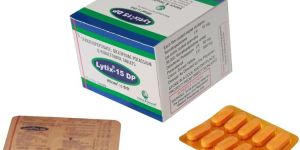
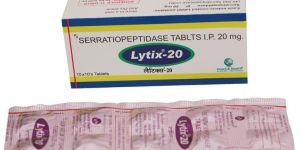
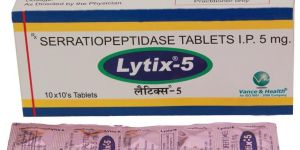
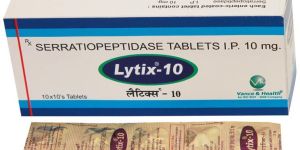
Serrapeptase is used for painful conditions including back pain, osteoarthritis, rheumatoid arthritis, osteoporosis, fibromyalgia, carpel tunnel syndrome, migraineheadache, and tension headache.
It is also used for conditions that involve pain and swelling (inflammation) including sinusitis, laryngitis, sore throat, ear infections, swelling after surgery, swelling of a vein with the formation of a blood clot (thrombophlebitis), and inflammatory bowel disease (IBD) including ulcerative colitis and Crohn's disease.
Some people use serrapeptase for heart disease and “hardening of the arteries” (atherosclerosis).
Women use it for non-cancerous lumpy breasts (fibrocystic breast disease), and nursing mothers use it for breast pain caused by too much milk (breast engorgement).
Other uses include treatment of diabetes, leg ulcers, asthma, and pus accumulation (empyema).
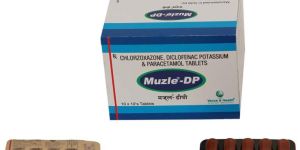
Diclofenac Sodium and Paracetamol is a NSAID
Serrapeptase is used for painful conditions including back pain, osteoarthritis, rheumatoid arthritis, osteoporosis, fibromyalgia, carpel tunnel syndrome, migraineheadache, and tension headache.
It is also used for conditions that involve pain and swelling (inflammation) including sinusitis, laryngitis, sore throat, ear infections, swelling after surgery, swelling of a vein with the formation of a blood clot (thrombophlebitis), and inflammatory bowel disease (IBD) including ulcerative colitis and Crohn's disease.
Some people use serrapeptase for heart disease and “hardening of the arteries” (atherosclerosis).
Women use it for non-cancerous lumpy breasts (fibrocystic breast disease), and nursing mothers use it for breast pain caused by too much milk (breast engorgement).
Other uses include treatment of diabetes, leg ulcers, asthma, and pus accumulation (empyema).
Diclofenac Sodium and Paracetamol is a NSAID
Serrapeptase is used for painful conditions including back pain, osteoarthritis, rheumatoid arthritis, osteoporosis, fibromyalgia, carpel tunnel syndrome, migraineheadache, and tension headache.
It is also used for conditions that involve pain and swelling (inflammation) including sinusitis, laryngitis, sore throat, ear infections, swelling after surgery, swelling of a vein with the formation of a blood clot (thrombophlebitis), and inflammatory bowel disease (IBD) including ulcerative colitis and Crohn's disease.
Some people use serrapeptase for heart disease and “hardening of the arteries” (atherosclerosis).
Women use it for non-cancerous lumpy breasts (fibrocystic breast disease), and nursing mothers use it for breast pain caused by too much milk (breast engorgement).
Other uses include treatment of diabetes, leg ulcers, asthma, and pus accumulation (empyema).
Serrapeptase is used for painful conditions including back pain, osteoarthritis, rheumatoid arthritis, osteoporosis, fibromyalgia, carpel tunnel syndrome, migraineheadache, and tension headache.
It is also used for conditions that involve pain and swelling (inflammation) including sinusitis, laryngitis, sore throat, ear infections, swelling after surgery, swelling of a vein with the formation of a blood clot (thrombophlebitis), and inflammatory bowel disease (IBD) including ulcerative colitis and Crohn's disease.
Some people use serrapeptase for heart disease and “hardening of the arteries” (atherosclerosis).
Women use it for non-cancerous lumpy breasts (fibrocystic breast disease), and nursing mothers use it for breast pain caused by too much milk (breast engorgement).
Other uses include treatment of diabetes, leg ulcers, asthma, and pus accumulation (empyema).
Serrapeptase is used for painful conditions including back pain, osteoarthritis, rheumatoid arthritis, osteoporosis, fibromyalgia, carpel tunnel syndrome, migraineheadache, and tension headache.
It is also used for conditions that involve pain and swelling (inflammation) including sinusitis, laryngitis, sore throat, ear infections, swelling after surgery, swelling of a vein with the formation of a blood clot (thrombophlebitis), and inflammatory bowel disease (IBD) including ulcerative colitis and Crohn's disease.
Some people use serrapeptase for heart disease and �hardening of the arteries� (atherosclerosis).
Women use it for non-cancerous lumpy breasts (fibrocystic breast disease), and nursing mothers use it for breast pain caused by too much milk (breast engorgement).
Other uses include treatment of diabetes, leg ulcers, asthma, and pus accumulation (empyema).
Serrapeptase is used for painful conditions including back pain, osteoarthritis, rheumatoid arthritis, osteoporosis, fibromyalgia, carpel tunnel syndrome, migraineheadache, and tension headache.
It is also used for conditions that involve pain and swelling (inflammation) including sinusitis, laryngitis, sore throat, ear infections, swelling after surgery, swelling of a vein with the formation of a blood clot (thrombophlebitis), and inflammatory bowel disease (IBD) including ulcerative colitis and Crohn's disease.
Some people use serrapeptase for heart disease and �hardening of the arteries� (atherosclerosis).
Women use it for non-cancerous lumpy breasts (fibrocystic breast disease), and nursing mothers use it for breast pain caused by too much milk (breast engorgement).
Other uses include treatment of diabetes, leg ulcers, asthma, and pus accumulation (empyema).
Serrapeptase is used for painful conditions including back pain, osteoarthritis, rheumatoid arthritis, osteoporosis, fibromyalgia, carpel tunnel syndrome, migraineheadache, and tension headache.
It is also used for conditions that involve pain and swelling (inflammation) including sinusitis, laryngitis, sore throat, ear infections, swelling after surgery, swelling of a vein with the formation of a blood clot (thrombophlebitis), and inflammatory bowel disease (IBD) including ulcerative colitis and Crohn's disease.
Serrapeptase is used for painful conditions including back pain, osteoarthritis, rheumatoid arthritis, osteoporosis, fibromyalgia, carpel tunnel syndrome, migraineheadache, and tension headache.
It is also used for conditions that involve pain and swelling (inflammation) including sinusitis, laryngitis, sore throat, ear infections, swelling after surgery, swelling of a vein with the formation of a blood clot (thrombophlebitis), and inflammatory bowel disease (IBD) including ulcerative colitis and Crohn's disease.
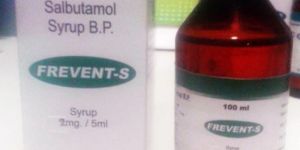
Salbutamol Syrup is indicated for the relief of bronchospasm in adults and children 2 years of age and older with reversible obstructive airway disease.
Salbutamol Syrup is indicated for the relief of bronchospasm in adults and children 2 years of age and older with reversible obstructive airway disease.
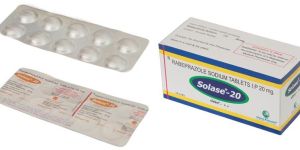
Rabeprazole is an anti ulcer drug in the class of proton pump inhibitors (PPI); Rabeprazole is a PPI that suppresses gastric acid secretion by inhibiting the gastric H+K+ ATPase at the secretory surface of the gastric parietal cell. Because this enzyme is regarded as the acid (proton) pump within the parietal cell, rabeprazole has been characterized as a gastric proton pump inhibitor. Rabeprazole blocks the final step of gastric acid secretion. Onset of action is 1 hour. Duration 24 hours. Oral bio availability is about 52% and peak plasma concentrations are reached about 3.5 hr after oral admin. The median inhibitory effect of rabeprazole on 24 hour gastric acidity is 88% of maximal after the first dose.
Rabeprazole is an anti ulcer drug in the class of proton pump inhibitors (PPI); Rabeprazole is a PPI that suppresses gastric acid secretion by inhibiting the gastric H+K+ ATPase at the secretory surface of the gastric parietal cell. Because this enzyme is regarded as the acid (proton) pump within the parietal cell, rabeprazole has been characterized as a gastric proton pump inhibitor. Rabeprazole blocks the final step of gastric acid secretion. Onset of action is 1 hour. Duration 24 hours. Oral bio availability is about 52% and peak plasma concentrations are reached about 3.5 hr after oral admin. The median inhibitory effect of rabeprazole on 24 hour gastric acidity is 88% of maximal after the first dose.
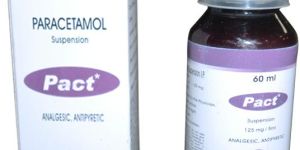
Paracetamol Suspension is a widely used over-the-counter analgesic (pain reliever) and antipyretic (fever reducer). It is often classified as a NSAID, but paracetamol has few anti-inflammatory effects in many tissues. The main mechanism of action of paracetamol is considered to be inhibition of prostaglandin synthesis, and recent findings suggest that it is highly selective for cyclooxygenase COX-2.
Paracetamol Suspension is a widely used over-the-counter analgesic (pain reliever) and antipyretic (fever reducer). It is often classified as a NSAID, but paracetamol has few anti-inflammatory effects in many tissues. The main mechanism of action of paracetamol is considered to be inhibition of prostaglandin synthesis, and recent findings suggest that it is highly selective for cyclooxygenase COX-2.
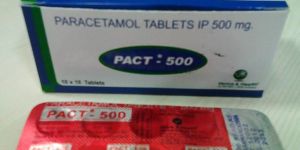
Paracetamol is a widely used over-the-counter analgesic (pain reliever) and antipyretic (fever reducer). It is often classified as a NSAID, but paracetamol has few anti-inflammatory effects in many tissues. The main mechanism of action of paracetamol is considered to be inhibition of prostaglandin synthesis, and recent findings suggest that it is highly selective for cyclooxygenase COX-2.
Paracetamol is a widely used over-the-counter analgesic (pain reliever) and antipyretic (fever reducer). It is often classified as a NSAID, but paracetamol has few anti-inflammatory effects in many tissues. The main mechanism of action of paracetamol is considered to be inhibition of prostaglandin synthesis, and recent findings suggest that it is highly selective for cyclooxygenase COX-2.
Pantoprazole with Domperidone is used to reduce the amount of acid produced by the stomach, to treat or prevent conditions such as heartburn, Gastritis, ulcers and GERD. For best results, it should be taken just before a meal. It can help with the greater amount of stomach acid that is always produced.
Pantoprazole with Domperidone is used to reduce the amount of acid produced by the stomach, to treat or prevent conditions such as heartburn, Gastritis, ulcers and GERD. For best results, it should be taken just before a meal. It can help with the greater amount of stomach acid that is always produced.
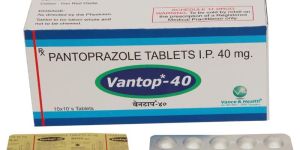
Pantoprazole is in a group of drugs called proton pump inhibitors. It decreases the amount of acid produced in the stomach. It is used to treat erosive esophagitis and other conditions involving excess stomach acid such as Zollinger-Ellison syndrome
Pantoprazole is in a group of drugs called proton pump inhibitors. It decreases the amount of acid produced in the stomach. It is used to treat erosive esophagitis and other conditions involving excess stomach acid such as Zollinger-Ellison syndrome
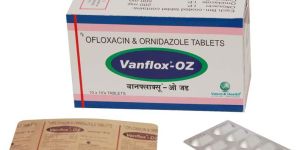
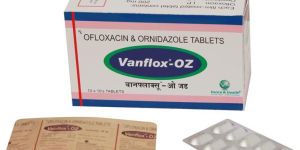
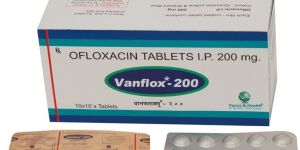
While ofloxacin is a quinolone antibiotic used for treating certain kinds of bacterial infections, Ornidazole is a nitroimidazole which is an antibacterial and antiprotozoal drug used to treat anaerobic enteric protozoa. It is a drug that cures some protozoan infections.
While ofloxacin is a quinolone antibiotic used for treating certain kinds of bacterial infections, Ornidazole is a nitroimidazole which is an antibacterial and antiprotozoal drug used to treat anaerobic enteric protozoa. It is a drug that cures some protozoan infections.
A Semi Synthetic origin and belongs to second generation fluoroquinolone. Belongs to DNA Gyrase inhibitor pharmacological group on the basis of mechanism of action and also classified in Antibiotic, Quinolone pharmacological group. The Molecular Weight of Ofloxacin is 361.38. Its pKa is 7.9.
A Semi Synthetic origin and belongs to second generation fluoroquinolone. Belongs to DNA Gyrase inhibitor pharmacological group on the basis of mechanism of action and also classified in Antibiotic, Quinolone pharmacological group. The Molecular Weight of Ofloxacin is 361.38. Its pKa is 7.9.
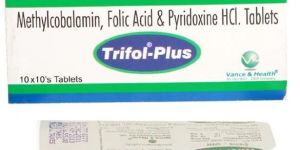
Methyl cobalamine, pyridoxine and folic acid tablets for the distinct nutritional requirements of individuals under a physician’s treatment for homocysteinemia.
Methyl Cobalamine, Pyridoxine and Folic Acid Tablets
Methyl cobalamine, pyridoxine and folic acid tablets for the distinct nutritional requirements of individuals under a physician’s treatment for homocysteinemia.
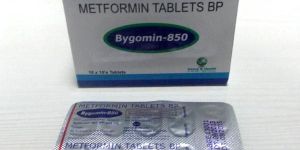
We are offering metformin 850,
metformin hydrochloride tablets 850mg belong to a group
of medicines called biguanide oral antiã¢ï¿½ï¿½hyperglycaemic
agents. It works by lowering your bloodã¢ï¿½ï¿½sugar level.
Metformin hydrochloride is used to treat nonã¢ï¿½ï¿½insulin
dependent diabetes when a change of diet has failed to
reduce blood sugar levels, particularly if overweight.
It may be used alone as initial therapy or along with another
group of medicines called sulphonylureas, which stimulate
the pancreas to produce more insulin.
Sometimes metformin hydrochloride is also used to treat
patients suffering from insulin dependent diabetes, who are
over weight (obese) and whose symptoms are poorly
controlled.
If your blood sugar levels are not controlled, it can lead to
serious problems such as kidney damage, amputations and
blindness. Metformin hydrochloride is thought to work by
decreasing the amount of sugar absorbed from food through
the stomach, by helping the body respond better to the
insulin it makes naturally and by decreasing the amount of
sugar produced by the liver and kidneys.
2
if you suffer from kidney problems, particularly if elderly
if you are taking metformin hydrochloride together with
other medicines used to treat diabetes, such as insulin,
sulphonylureas or meglitinides.
We are offering metformin 850,
metformin hydrochloride tablets 850mg belong to a group
of medicines called biguanide oral antiã¢ï¿½ï¿½hyperglycaemic
agents. It works by lowering your bloodã¢ï¿½ï¿½sugar level.
Metformin hydrochloride is used to treat nonã¢ï¿½ï¿½insulin
dependent diabetes when a change of diet has failed to
reduce blood sugar levels, particularly if overweight.
It may be used alone as initial therapy or along with another
group of medicines called sulphonylureas, which stimulate
the pancreas to produce more insulin.
Sometimes metformin hydrochloride is also used to treat
patients suffering from insulin dependent diabetes, who are
over weight (obese) and whose symptoms are poorly
controlled.
If your blood sugar levels are not controlled, it can lead to
serious problems such as kidney damage, amputations and
blindness. Metformin hydrochloride is thought to work by
decreasing the amount of sugar absorbed from food through
the stomach, by helping the body respond better to the
insulin it makes naturally and by decreasing the amount of
sugar produced by the liver and kidneys.
2
if you suffer from kidney problems, particularly if elderly
if you are taking metformin hydrochloride together with
other medicines used to treat diabetes, such as insulin,
sulphonylureas or meglitinides.
Folic acid is effective in the treatment of megaloblastic anemias due to a deficiency of folic acid (as may be seen in tropical or nontropical sprue) and in anemias of nutritional origin, pregnancy, infancy, or childhood.
Folic acid is effective in the treatment of megaloblastic anemias due to a deficiency of folic acid (as may be seen in tropical or nontropical sprue) and in anemias of nutritional origin, pregnancy, infancy, or childhood.







 Reviews & Ratings
 Write a Review


 Post Free Ad