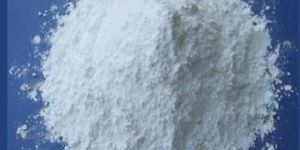
Soapstone (also known as steatite or soaprock) is a talc-schist, which is a type of metamorphic rock. It is largely composed of the mineral talc, and thus is rich in magnesium. It is produced by dynamothermal metamorphism and metasomatism, which occur in the zones where tectonic plates are subducted, changing rocks by heat and pressure, with influx of fluids, but without melting. It has been a medium for carving for thousands of years
Uses- Herbal, Paper, Paint, Rubber & Soap
Soapstone (also known as steatite or soaprock) is a talc-schist, which is a type of metamorphic rock. It is largely composed of the mineral talc, and thus is rich in magnesium. It is produced by dynamothermal metamorphism and metasomatism, which occur in the zones where tectonic plates are subducted, changing rocks by heat and pressure, with influx of fluids, but without melting. It has been a medium for carving for thousands of years
Uses- Herbal, Paper, Paint, Rubber & Soap
Form : Powder
Industrial Use : Polishing Of Pulses
Feature : Long Shelf Life, Super Smooth Finish, Weather Proof
Packaging Type : Paper Packet, Plastic Bag, Plastic Bucket, Plastic Packet
FeatureAntibacterial,Attractive Pattern,Durable,Easy To Clean
CaO1.00%
Brightness95-99.9%
Powder ColorWhite
PH (10% Solution)7.3
Bulk Density0.79
Soapstone (also known as steatite or soaprock) is a talc-schist, which is a type of metamorphic rock. It is largely composed of the mineral talc, and thus is rich in magnesium. It is produced by dynamothermal metamorphism and metasomatism, which occur in the zones where tectonic plates are subducted, changing rocks by heat and pressure, with influx of fluids, but without melting. It has been a medium for carving for thousands of years
Uses- Herbal, Paper, Paint, Rubber & Soap
Soapstone (also known as steatite or soaprock) is a talc-schist, which is a type of metamorphic rock. It is largely composed of the mineral talc, and thus is rich in magnesium. It is produced by dynamothermal metamorphism and metasomatism, which occur in the zones where tectonic plates are subducted, changing rocks by heat and pressure, with influx of fluids, but without melting. It has been a medium for carving for thousands of years
Uses- Herbal, Paper, Paint, Rubber & Soap
Finishing : Polished
Application : Making Marble
Feature : Antibacterial,Attractive Pattern,Durable,Easy To Clean
Soapstone (also known as steatite or soaprock) is a talc-schist, which is a type of metamorphic rock. It is largely composed of the mineral talc, and thus is rich in magnesium. It is produced by dynamothermal metamorphism and metasomatism, which occur in the zones where tectonic plates are subducted, changing rocks by heat and pressure, with influx of fluids, but without melting. It has been a medium for carving for thousands of years
Uses- Herbal, Paper, Paint, Rubber & Soap
Soapstone (also known as steatite or soaprock) is a talc-schist, which is a type of metamorphic rock. It is largely composed of the mineral talc, and thus is rich in magnesium. It is produced by dynamothermal metamorphism and metasomatism, which occur in the zones where tectonic plates are subducted, changing rocks by heat and pressure, with influx of fluids, but without melting. It has been a medium for carving for thousands of years
Uses- Herbal, Paper, Paint, Rubber & Soap
Limestone is a carbonate sedimentary rock that is often composed of the skeletal fragments of marine organisms such as coral, foraminifera, and molluscs. Its major materials are the minerals calcite and aragonite, which are different crystal forms of calcium carbonate (CaCO3). A closely related rock is dolomite, which contains a high percentage of the mineral dolomite, CaMg(CO3)2. In old USGS publications, dolomite was referred to as magnesian limestone, a term now reserved for magnesium-deficient dolomites or magnesium-rich limestones.
USES- Feed, H.Acid Manufacturing
Limestone is a carbonate sedimentary rock that is often composed of the skeletal fragments of marine organisms such as coral, foraminifera, and molluscs. Its major materials are the minerals calcite and aragonite, which are different crystal forms of calcium carbonate (CaCO3). A closely related rock is dolomite, which contains a high percentage of the mineral dolomite, CaMg(CO3)2. In old USGS publications, dolomite was referred to as magnesian limestone, a term now reserved for magnesium-deficient dolomites or magnesium-rich limestones.
USES- Feed, H.Acid Manufacturing
Limestone is a carbonate sedimentary rock that is often composed of the skeletal fragments of marine organisms such as coral, foraminifera, and molluscs. Its major materials are the minerals calcite and aragonite, which are different crystal forms of calcium carbonate (CaCO3). A closely related rock is dolomite, which contains a high percentage of the mineral dolomite, CaMg(CO3)2. In
old USGS publications, dolomite was referred to as magnesian limestone, a term now reserved for magnesium-deficient dolomites or magnesium-rich limestones.
USES- Feed, H.Acid Manufacturing
Most grains in limestone are skeletal fragments of marine organisms such as coral or foraminifera. These organisms secrete shells made of aragonite or calcite, and leave these shells behind when they die. Other carbonate grains composing limestones are ooids, peloids, intraclasts, and extraclasts.
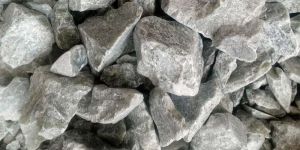
Limestone Lumps are used to make cement, ceramic, lime, chalk and artificialstone. These are popularly-known for their good stability, long shelf life, precise pH value as well as premium quality and are formed by calcium carbonate precipitation.
USES- Feed, Textile, Pharma
Limestone is a carbonate sedimentary rock that is often composed of the skeletal fragments of marine organisms such as coral, foraminifera, and molluscs. Its major materials are the minerals calcite and aragonite, which are different crystal forms of calcium carbonate (CaCO3). A closely related rock is dolomite, which contains a high percentage of the mineral dolomite, CaMg(CO3)2. In
old USGS publications, dolomite was referred to as magnesian limestone, a term now reserved for magnesium-deficient dolomites or magnesium-rich limestones.
USES- Feed, H.Acid Manufacturing
Most grains in limestone are skeletal fragments of marine organisms such as coral or foraminifera. These organisms secrete shells made of aragonite or calcite, and leave these shells behind when they die. Other carbonate grains composing limestones are ooids, peloids, intraclasts, and extraclasts.
Limestone Lumps are used to make cement, ceramic, lime, chalk and artificialstone. These are popularly-known for their good stability, long shelf life, precise pH value as well as premium quality and are formed by calcium carbonate precipitation.
USES- Feed, Textile, Pharma
Limestone Lumps are used to make cement, ceramic, lime, chalk and artificialstone. These are popularly-known for their good stability, long shelf life, precise pH value as well as premium quality and are formed by calcium carbonate precipitation. Uses - Feed, Textile, Pharma
Limestone Lumps are used to make cement, ceramic, lime, chalk and artificialstone. These are popularly-known for their good stability, long shelf life, precise pH value as well as premium quality and are formed by calcium carbonate precipitation. Uses - Feed, Textile, Pharma
Application : Raw Material For Powder Manufacturing
Most grains in limestone are skeletal fragments of marine organisms such as coral or foraminifera. These organisms secrete shells made of aragonite or calcite, and leave these shells behind when they die. Other carbonate grains composing limestones are ooids, peloids, intraclasts, and extraclasts.
USES- Feed, Textile, Pharma
Most grains in limestone are skeletal fragments of marine organisms such as coral or foraminifera. These organisms secrete shells made of aragonite or calcite, and leave these shells behind when they die. Other carbonate grains composing limestones are ooids, peloids, intraclasts, and extraclasts.
USES- Feed, Textile, Pharma
FeatureFreshness Preservation, Good Strength, Hard Structure, Heat Resistance
Packaging TypeGunny Bag, Jute Bag, Plastic Packet
Packaging Size100gm, 1kg, 500gm
ApplicationIndustrial Use
FormLumps
Drying ProcessSun Dry
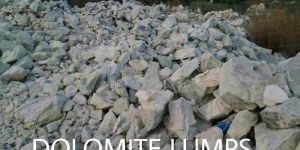
Dolomite is an anhydrous carbonate mineral composed of calcium magnesium carbonate, ideally CaMg(CO3)2. The term is also used for a sedimentary carbonate rock composed mostly of the mineral dolomite. An alternative name sometimes used for the dolomitic rock type is dolostone.
Uses- Paper, Paint, Rubber & Soap, Wall Putty
Dolomite is an anhydrous carbonate mineral composed of calcium magnesium carbonate, ideally CaMg(CO3)2. The term is also used for a sedimentary carbonate rock composed mostly of the mineral dolomite. An alternative name sometimes used for the dolomitic rock type is dolostone.
Uses- Paper, Paint, Rubber & Soap, Wall Putty
Feature : Freshness Preservation, Good Strength, Hard Structure, Heat Resistance
Packaging Type : Gunny Bag, Jute Bag, Plastic Packet
China clay, one of the purest of the clays, composed chiefly of the mineral kaolinite usually formed when granite is changed by hydrothermal metamorphism. Usage of the terms china clay and kaolin is not well defined; sometimes they are used synonymously for a group of similar clays, and sometimes kaolin refers to those obtained in the United States and china clay to those that are imported. Some authorities term as china clays the more plastic of the kaolins.
Uses- Soap, Paint, Paper, Feed
China clay, one of the purest of the clays, composed chiefly of the mineral kaolinite usually formed when granite is changed by hydrothermal metamorphism. Usage of the terms china clay and kaolin is not well defined; sometimes they are used synonymously for a group of similar clays, and sometimes kaolin refers to those obtained in the United States and china clay to those that are imported. Some authorities term as china clays the more plastic of the kaolins.
Uses- Soap, Paint, Paper, Feed
Calcite is a carbonate mineral and the most stable polymorph of calcium carbonate(CaCO3). The Mohs scale of mineral hardness, based on scratch hardness comparison, defines value 3 as "calcite". Other polymorphs of calcium carbonate are the minerals aragonite and vaterite. Uses - Rubber, Paint, Paper
Calcite is a carbonate mineral and the most stable polymorph of calcium carbonate(CaCO3). The Mohs scale of mineral hardness, based on scratch hardness comparison, defines value 3 as "calcite". Other polymorphs of calcium carbonate are the minerals aragonite and vaterite. Uses - Rubber, Paint, Paper
ApplicationCivil Engineering, Construction Works, Vertical Drilling Fluids
FeatureEffective, Moisture Proof, Safe To Use
FormLumps
Packaging TypePlastic Bags, Poly Bags
Whiteness0-50%, 50-99%
Packaging Size25kg, 50kg
Bentonite is a clay generated frequently from the alteration of volcanic ash, consisting predominantly of smectite minerals, usually montmorillonite. Other smectite group minerals include hectorite, saponite, beidelite and nontronite. Smectites are clay minerals, i.e. they consist of individual crystallites the majority of which are <2µm in largest dimension.
Uses- Foundry, Feed, Earthing
Bentonite is a clay generated frequently from the alteration of volcanic ash, consisting predominantly of smectite minerals, usually montmorillonite. Other smectite group minerals include hectorite, saponite, beidelite and nontronite. Smectites are clay minerals, i.e. they consist of individual crystallites the majority of which are <2µm in largest dimension.
Uses- Foundry, Feed, Earthing
Application : Civil Engineering, Construction Works, Vertical Drilling Fluids





 Reviews & Ratings
 Write a Review



 Post Free Ad


