ApplicationRespiratory Support In ICUs,Oropharyngeal Suctioning,Tracheal Suctioning,Tracheostomy Suctioning,Long-term Applications
MaterialSilicone, PVC
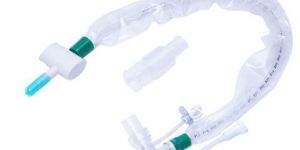
Number Of FlowerYankauer (Rigid),Soft/Flexible,Closed Suction Systems
Country of OriginIndia
ConditionNew
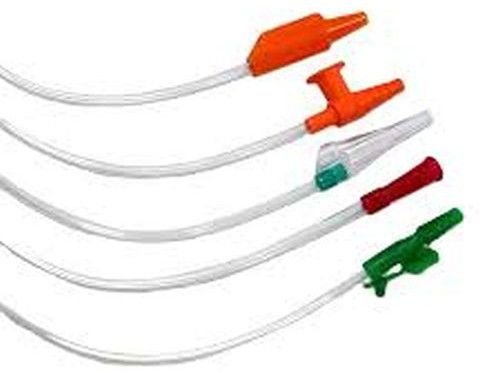
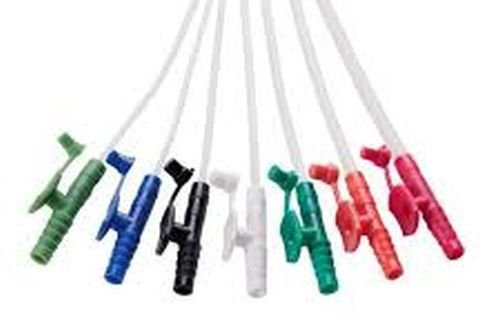
Key FeaturesRounded, Atraumatic Tips With Side Eyes,Color-coded Connectors,Control Valves For Precise Suction Regulation
Clinical Usage GuidelinesChoose Catheter No More Than 50% Of Airway Internal Diameter,Limit Suction Duration To ≤ 15 Seconds,Follow Strict Sterile Technique And Patient Monitoring
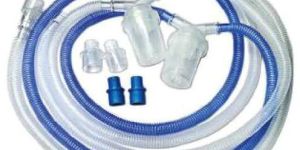
Suction Catheters Respiratory support in ICUsDescription & Best Practices for Use ** What Is a Suction Catheter?**A suction catheter is a sterile, flexible or rigid medical tube inserted into a patient's airway (e.g., trachea, bronchi, oropharynx) to remove secretions and maintain airway patency. ** Types & Selection Insights:**Yankauer (Rigid) – Ideal for oropharyngeal suctioning; sturdy and precise, standard in surgical and emergency settings. Soft/Flexible Catheters – Made of PVC or silicone, gentle on airway tissues; suitable for tracheal or tracheostomy suctioning and long-term applications.Closed Suction Systems – Allow suctioning while maintaining a ventilator connection, reducing infection risk and preserving ventilation. Available in Y-, L-, and T-shaped variants. ** Key Features to Highlight:**Rounded, atraumatic tips with side eyes reduce tissue trauma. Color-coded connectors aid rapid size identification (e.g., 06 Fr = Light Green, 14 Fr = Green). Control valves enable precise suction regulation—critical in ICU, pediatric, and neonatal care. ** Clinical Usage & Safety Guidelines:**Choose a catheter no more than 50% of the airway internal diameter (measured in French). Limit suction duration to ≤ 15 seconds and allow reoxygenation between attempts to reduce hypoxia. Follow strict sterile technique and patient monitoring to avoid complications like mucosal trauma, infection, and bradycardia.