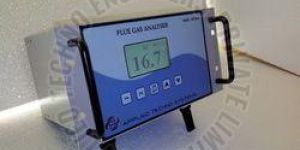
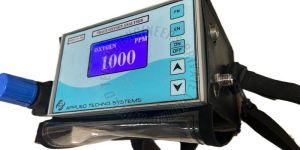
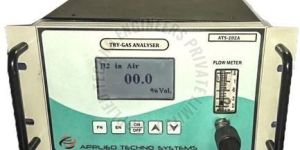
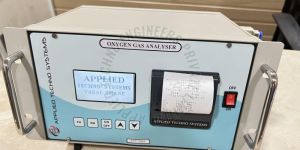
Sulfur Dioxide SO2 Gas Detector
36,500 / Piece
1 Piece (MOQ)
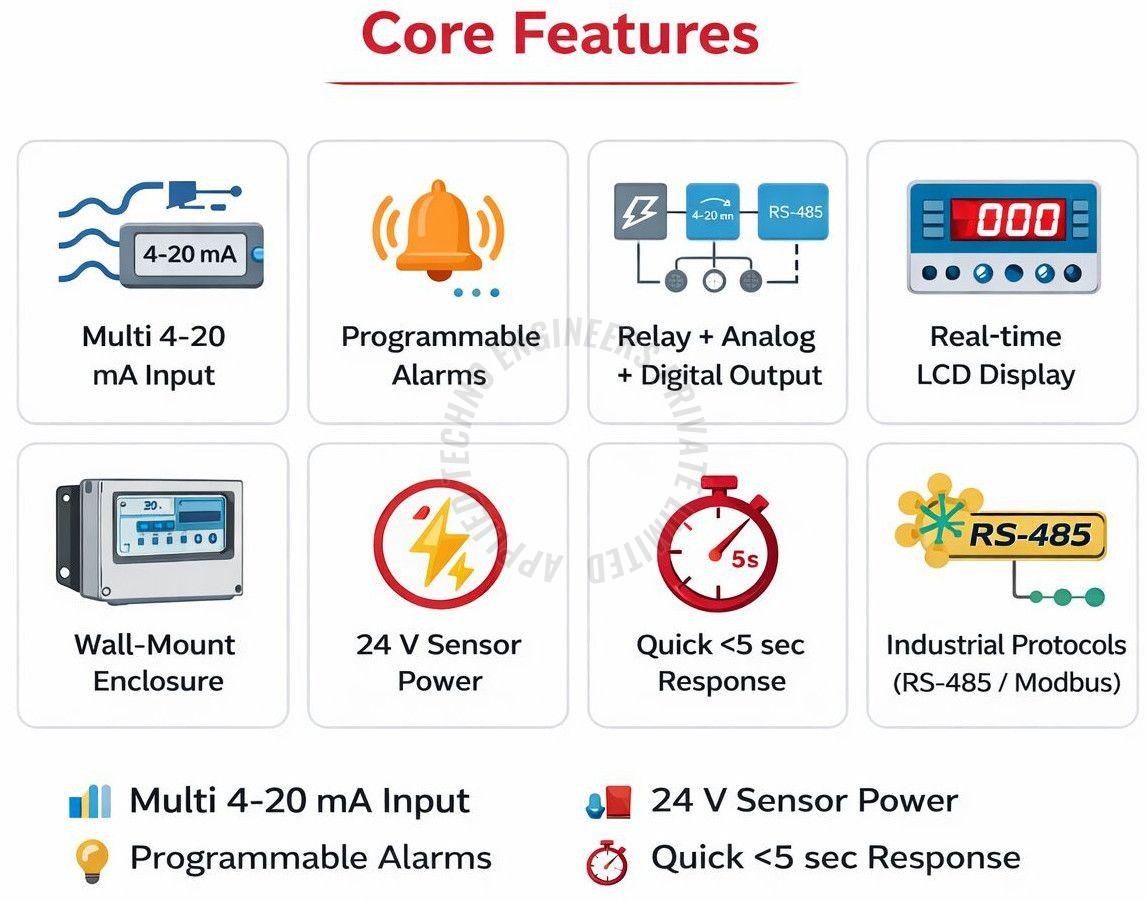
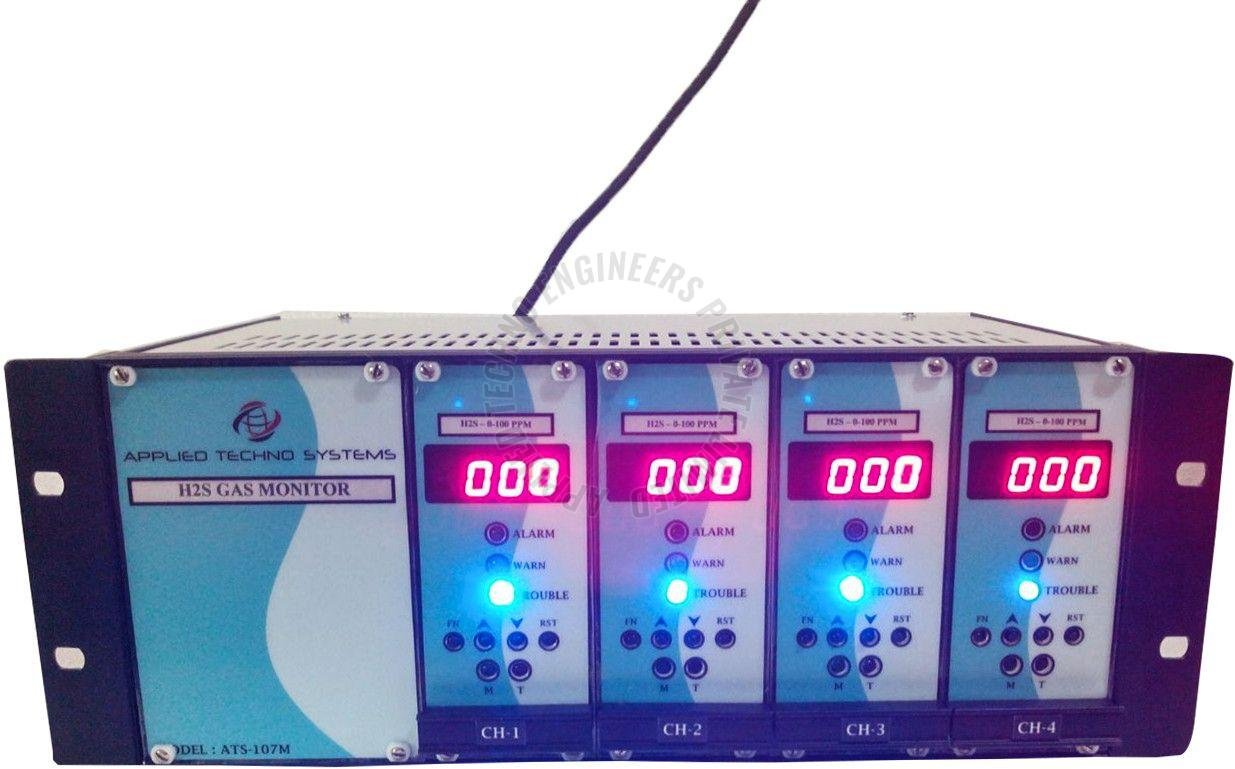
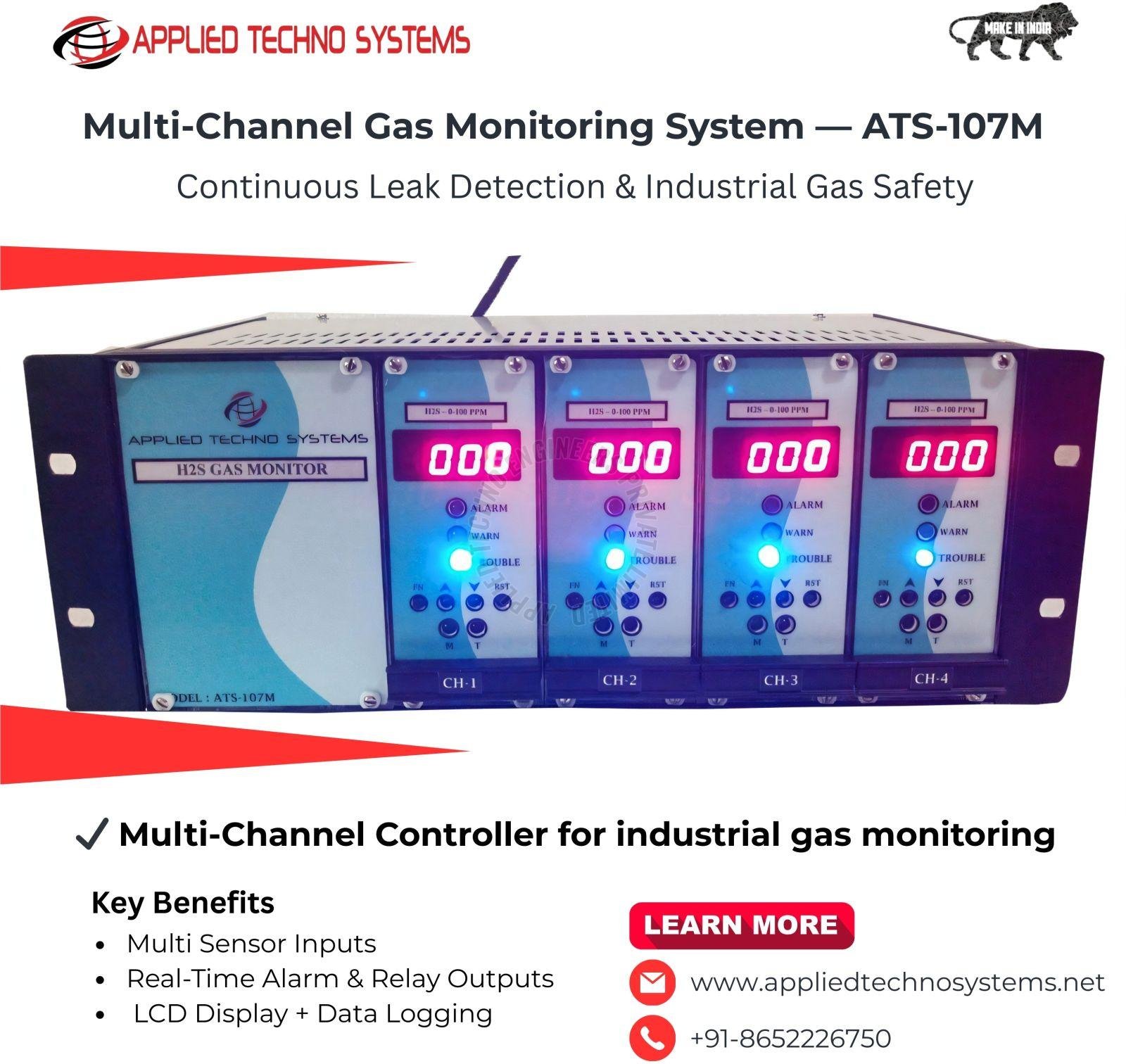
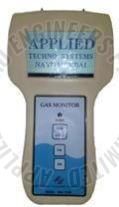
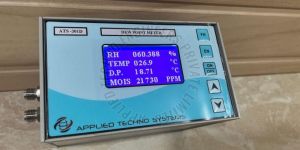
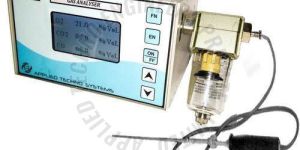
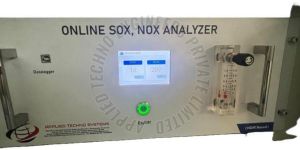
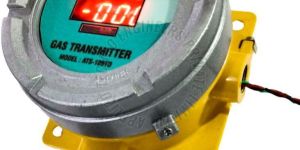
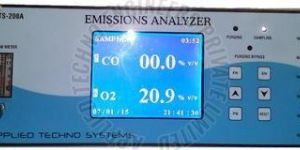
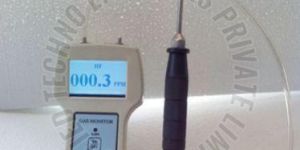
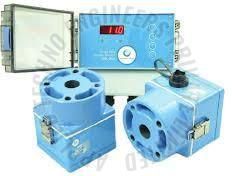
A Sulfur Dioxide (SO2) Gas Detector is a device designed to detect the presence and concentration of sulfur dioxide gas in the air. SO is a toxic, colorless gas that can pose significant health and environmental risks, particularly in industrial settings such as power plants, refineries, and chemical manufacturing facilities. Monitoring SO‚ levels is crucial for ensuring safety and complying with environmental regulations.Key Features of a Sulfur Dioxide (SO2) Gas Detector: Detection Principle: Electrochemical Sensors: These are the most common types of sensors used in SO2 detectors. When sulfur dioxide interacts with the electrodes, a chemical reaction occurs, generating an electrical current. The amount of current generated is proportional to the concentration of SO2 in the air. Non-Dispersive Infrared (NDIR) Sensors: These sensors detect gases by measuring the absorption of infrared light at specific wavelengths by the gas molecules. SO‚ absorbs infrared light at a distinct wavelength, allowing for precise detection. Photoionization Detectors (PID): These detectors use ultraviolet (UV) light to ionize SO‚ molecules, and the ions produced are measured to determine the concentration of the gas. Applications: Industrial Environments: SO2 gas detectors are widely used in chemical plants, refineries, and power plants to detect sulfur dioxide emissions from processes like combustion, metal smelting, and sulfuric acid production. Environmental Monitoring: These detectors are used to monitor air quality, particularly in areas near industrial activities or where sulfur dioxide is likely to be released into the atmosphere. Health and Safety: SO2 detectors are essential for worker safety in confined spaces, where high concentrations of sulfur dioxide can pose health risks, such as respiratory problems, eye irritation, and even asphyxiation at high levels. Compliance Monitoring: Many regulatory agencies, such as the Environmental Protection Agency (EPA), require continuous monitoring of SO2 emissions to ensure compliance with air quality standards. Common Features: Real-Time Monitoring: Many SO2 detectors provide continuous monitoring, allowing operators to detect changes in gas concentration immediately. Alarm System: Most detectors are equipped with audible and visual alarms to alert users when SO2 concentrations exceed predetermined thresholds. Portable vs. Fixed Systems: Portable Detectors: These are handheld devices used by workers for personal safety or for spot-checking SO2 levels in the field. Fixed Systems: These are permanently installed detectors in industrial or environmental settings for ongoing monitoring of SO2 levels in specific areas. Health and Safety Thresholds: The OSHA permissible exposure limit (PEL) for SO2 is 5 parts per million (ppm) over an 8-hour workday. The EPA National Ambient Air Quality Standards (NAAQS) for SO2 include a 1-hour average of 75 ppb (parts per billion) and a 3-hour average of 500 ppb to protect public health. Immediate danger to life or health (IDLH) for SO2 is 100 ppm. Maintenance and Calibration: SO2 gas detectors require regular calibration and maintenance to ensure their accuracy. This is especially important for electrochemical sensors, which can degrade over time or under extreme conditions. Bump Testing: This involves exposing the detector to a known concentration of SO2 to check if the alarm functions properly and to verify the accuracy of the reading.
Detected gas : Sulfur Dioxide Gas
Country of Origin : India
Total Carbohydrate : 1Year
Sensor : EC
Number Of Flower : Single Gas Detector, Transmitter
Gas Type : Sulfur Dioxide Gas
Display Type : Without Display
Feature : Accuracy, Alarm System, Easy To Use
Certification : An ISO 9001:2015 Company
Application : Industrial Use
Power Source : 24V DC From Control Unit
Condition : New
Brand Name : Applied Techno Engineers Pvt. Ltd.




 Reviews & Ratings
 Write a Review



 Post Free Ad