Molecular Weight : 389.91 gmol , Molecular Formula : C7H4I2O3, Appearance Off-White to Beige or Grey powder, Density 2.697 gcm3, Solubility in Water 0.02 g100 mL (25 °C).
Molecular Weight : 389.91 gmol , Molecular Formula : C7H4I2O3, Appearance Off-White to Beige or Grey powder, Density 2.697 gcm3, Solubility in Water 0.02 g100 mL (25 °C).
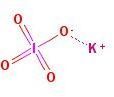
Molecular Weight : 214.001 g/molMolecular Formula : KIO3
Structural Formula
Density3.89 g/cm3
Solubility in Water9.16 g/100 mL (25 °C)
Also known asIodate de potassium, Kaliumiodat
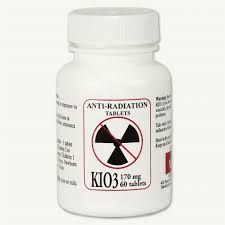
Potassium iodate is an ionic chemical compound that with an equal ratio of K+ and IO3- ions. Since it is an oxidising agent it can cause fire if it comes in contact with reducing agent or combustible materials. It is majorly used for iodizing of table salt through the process of iodisation. Iodine deficiency is the major cause of preventable mental retardation around the world therefore certain derivative of iodine such as potassium iodate is added to table salt in small quantity to provide a stable source of iodine in daily diet. It is also used as dietary iodine and is even added in some formula milk for babies. It is used in animal food products as well as in prevention of certain diseases in animals.
Potassium iodate is an ionic chemical compound that with an equal ratio of K+ and IO3- ions. Since it is an oxidising agent it can cause fire if it comes in contact with reducing agent or combustible materials. It is majorly used for iodizing of table salt through the process of iodisation. Iodine deficiency is the major cause of preventable mental retardation around the world therefore certain derivative of iodine such as potassium iodate is added to table salt in small quantity to provide a stable source of iodine in daily diet. It is also used as dietary iodine and is even added in some formula milk for babies. It is used in animal food products as well as in prevention of certain diseases in animals.
Molecular Weight : 141.94 g·mol−1Molecular Formula : CH3I
Structural Formula
Density2.28 g mL−1
Melting Point−66.5 °C (Predicted)
Solubility in Water14 g L−1 (20 °C)
Also known asIodomethane, Iodmethan, Iodure de methyle, Joodmethaan
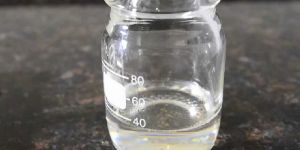
Methyl Iodide also known as Iodomethane is a chemical compound made up of Methane and iodide – a derivative of Iodine. ‘MeI’ is used as an abbreviation for Methyl iodide and has a molecular formula CH3I. It is a volatile, dense and colourless liquid. It is emitted in small quantities naturally by rice plants. It is majorly produces throughout the world from kelp and algae that are found in the temperate oceans. The amount of methyl Iodide produced every year is estimated to be more than 214,000 tonnes. It is also produced through bacterial and fungi found on land, although quantity of methyl iodide produced through this process is lesser in amount. Methyl Iodide manufacturer in India recommends that the compound be stored in dark amber to prevent degradation. One of the most important application of methyl iodide is that it is used in pesticide as a pre-plant biocide that helps in controlling soil borne pathogens, parasitic nematodes, weeds, and insects.
Methyl Iodide also known as Iodomethane is a chemical compound made up of Methane and iodide – a derivative of Iodine. ‘MeI’ is used as an abbreviation for Methyl iodide and has a molecular formula CH3I. It is a volatile, dense and colourless liquid. It is emitted in small quantities naturally by rice plants. It is majorly produces throughout the world from kelp and algae that are found in the temperate oceans. The amount of methyl Iodide produced every year is estimated to be more than 214,000 tonnes. It is also produced through bacterial and fungi found on land, although quantity of methyl iodide produced through this process is lesser in amount. Methyl Iodide manufacturer in India recommends that the compound be stored in dark amber to prevent degradation. One of the most important application of methyl iodide is that it is used in pesticide as a pre-plant biocide that helps in controlling soil borne pathogens, parasitic nematodes, weeds, and insects.
Molecular Weight : 821.138 g/molMolecular Formula : C19H26I3N3O9
Structural Formula
AppearanceWhite to greyish, amorphous powder; odourless
Density1.40 g/cm3
Melting Point180 °C
Solubility in Water0.796 mg/mL
Also known asOmnipaque, Exypaque, 5-[N-(2,3-Dihydroxypropyl)acetamido]-2,4,6-triiodo-N,N’-bis(2,3-dihydroxypropyl)isophthalamide
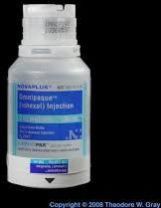
ohexol, sold under the trade names Omnipaque among others, is a contrast agent used during X-rays.[1] This includes when visualizing arteries, veins, ventricles of the brain, the urinary system, and joints, as well as during computer tomography (CT scan).[1] It is given by mouth, injection into a vein, or into a body cavity.[2]
ohexol, sold under the trade names Omnipaque among others, is a contrast agent used during X-rays.[1] This includes when visualizing arteries, veins, ventricles of the brain, the urinary system, and joints, as well as during computer tomography (CT scan).[1] It is given by mouth, injection into a vein, or into a body cavity.[2]
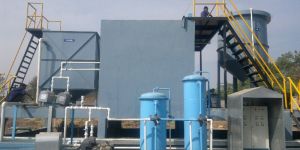
The effluent treatment plants are designed to treat the effluent coming from different areas of the plant. The treatment of different effluents varies with the type of effluent. Water effluent treatment systems are designed to treat effluent. The water from the production area is collected in common collection sump from where water is pumped through the plate interceptor.
Our effluent treatment plant consists of three stages namely primary treatment, secondary treatment and tertiary treatment. The effluent water is passed through various processes such as chemical dosing, aeration, and settling. The final treatment filtration cum absorption takes place by filters. Finally, the processed water goes for advance treatment to common effluent treatment plant viz ms. Enviro technology limited, ankleshwar.
The effluent treatment plants are designed to treat the effluent coming from different areas of the plant. The treatment of different effluents varies with the type of effluent. Water effluent treatment systems are designed to treat effluent. The water from the production area is collected in common collection sump from where water is pumped through the plate interceptor.
Our effluent treatment plant consists of three stages namely primary treatment, secondary treatment and tertiary treatment. The effluent water is passed through various processes such as chemical dosing, aeration, and settling. The final treatment filtration cum absorption takes place by filters. Finally, the processed water goes for advance treatment to common effluent treatment plant viz ms. Enviro technology limited, ankleshwar.
Secondary Business TypeManufacturer / Exporters / Wholesale Suppliers
Opening Hours
SUN : Closed
MON : 9:30 AM - 6:30 PM
TUE : 9:30 AM - 6:30 PM
WED : 9:30 AM - 6:30 PM
THU : 9:30 AM - 6:30 PM
FRI : 9:30 AM - 6:30 PM
SAT : 9:30 AM - 6:30 PM
Samrat Pharmachem Limited was incorporated on 16th June, 1992, at Ankleshwar in Gujarat State of India. It was promoted by Mr. Lalit Mehta & Mr. Rajesh Mehta. The Company is currently manufacturing Iodine salts & Bromine salts. We have one of the widest range of Iodine derivatives. The finished products produced by the Company are used in various industries like Pharmaceuticals, Chemicals, Food, Fertilizer, Salt etc. The products of the Company are well received in Indian & Foreign markets. The company is a Public Limited Company & its shares are listed & traded on Bombay Stock Exchange. The company has state of the art plant at Ankleshwar & a modern office in the heart of Mumbai. We are sensitive to our environment & proactive on our responsibilities towards the society.



 Reviews & Ratings
 Write a Review


 Post Free Ad