Taj Agro International New Link Road, Mumbai, Maharashtra

  • Wolfberry

    Wolfberry

    Get Latest Price

    Other names : Chinese wolfberry, Chinese boxthorn   Description   : The wolfberry is a deciduous woody perennial plant, growing up to 1 m high. The thorny stem bear green lance shaped leaves. Wolfberry blooms with small purple flowers. The ripe wolfberry fruits turn orange red, have an oblong shape and are about 10 mm long.   Parts used    : Mainly the wolfberry fruits are harvested and eaten raw or dried. Young wolfberry shoots and leaves are also grown commercially and eaten as leaf vegetable.   Phytochemicals : Polysaccharides (LBP), Betaine, Zeaxanthin, Physalien, Cyptoxanthin, Sesquiterpenoids, Triterpenes, Beta-Sitosterol   Used for : .For deficiencyof the kidney and vital essence with symptoms of lassitudeof the loins and legs and seminal emission, wolfberry can be used togetherwith siberian solo-minseal rhizome.   For deficiencyof both the liver-yin and kidney- yin marked by dizziness and blurred vision, it is often used with chrysanthemum flower, prepared rehmannia root, dogwood fruit and chinese yam, as in Rehmannia Bolus of Six Herbs Plus Wolf-berry and Chrysan-themum (Qi Ju DihuangWan).   For yin defi-ciency with phthisicalcough, it can be given with lily bulb,anemarrhena rhizomeand fritillary tuber. Besides, steam-cooked and eaten after chewing, it can be used to treatdiabetes.   Dosage and admi-nistration: 5- 10g, decocted in water for an oral dose         The fruits of wolfberry posses warm Yang energy and sweet flavor. They enter in the energy meridians of lungs, liver, heart and kidneys. According to Chinese medicine and nutrition, the wolfberry is a blood and energy tonic and treats the following diseases and conditions:   Energy and blood deficiency   Poor vision and eye diseases   fatigue, weakness   headache   high blood pressure   diabetes   high blood cholesterol   tinnitus   neurasthenia   chronic hepatitis   beri beri   anemia   insomnia  weak immune system  kidney insufficiency  impotence, sexual weakness  frigidity, sterility  spermatorrhea  osteoporosis  arteriosclerosis  pain in the waist and knees  cancer  premature aging
    ...more
  • Wolfberry

    Wolfberry

    Request for Price

    Other names : Chinese wolfberry, Chinese boxthorn   Description   : The wolfberry is a deciduous woody perennial plant, growing up to 1 m high. The thorny stem bear green lance shaped leaves. Wolfberry blooms with small purple flowers. The ripe wolfberry fruits turn orange red, have an oblong shape and are about 10 mm long.   Parts used    : Mainly the wolfberry fruits are harvested and eaten raw or dried. Young wolfberry shoots and leaves are also grown commercially and eaten as leaf vegetable.   Phytochemicals : Polysaccharides (LBP), Betaine, Zeaxanthin, Physalien, Cyptoxanthin, Sesquiterpenoids, Triterpenes, Beta-Sitosterol   Used for : .For deficiencyof the kidney and vital essence with symptoms of lassitudeof the loins and legs and seminal emission, wolfberry can be used togetherwith siberian solo-minseal rhizome.   For deficiencyof both the liver-yin and kidney- yin marked by dizziness and blurred vision, it is often used with chrysanthemum flower, prepared rehmannia root, dogwood fruit and chinese yam, as in Rehmannia Bolus of Six Herbs Plus Wolf-berry and Chrysan-themum (Qi Ju DihuangWan).   For yin defi-ciency with phthisicalcough, it can be given with lily bulb,anemarrhena rhizomeand fritillary tuber. Besides, steam-cooked and eaten after chewing, it can be used to treatdiabetes.   Dosage and admi-nistration: 5- 10g, decocted in water for an oral dose         The fruits of wolfberry posses warm Yang energy and sweet flavor. They enter in the energy meridians of lungs, liver, heart and kidneys. According to Chinese medicine and nutrition, the wolfberry is a blood and energy tonic and treats the following diseases and conditions:   Energy and blood deficiency   Poor vision and eye diseases   fatigue, weakness   headache   high blood pressure   diabetes   high blood cholesterol   tinnitus   neurasthenia   chronic hepatitis   beri beri   anemia   insomnia  weak immune system  kidney insufficiency  impotence, sexual weakness  frigidity, sterility  spermatorrhea  osteoporosis  arteriosclerosis  pain in the waist and knees  cancer  premature aging

    ...more
    Get Best Price
  • Wheat

    Wheat

    Get Latest Price

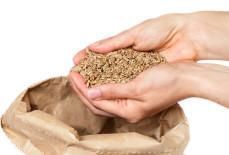
    We are offering wheat. Wheat is a type of grass grown all over the world for its highly nutritious and useful grain. It is one of the top three most produced crops in the world, along with corn and rice. Wheat has been cultivated for over 10,000 years and probably originates in the fertile crescent, along with other staple crops. A wide range of wheat products are made by humans, including most famously flour, which is made from the grain itself. today, wheat is a grass that grows between two and four feet (½ to 1 ¼ meters) tall. The physical appearance of the grain is familiar to most consumers, with a long stalk that terminates in a tightly formed cluster of plump kernels enclosed by a beard of bristly spikes. Wheat is an annual, which means that at the end of each year, fields must be plowed and prepared again to grow the grass.
    ...more
  • Wheat

    Wheat

    Request for Price

    We are offering wheat. Wheat is a type of grass grown all over the world for its highly nutritious and useful grain. It is one of the top three most produced crops in the world, along with corn and rice. Wheat has been cultivated for over 10,000 years and probably originates in the fertile crescent, along with other staple crops. A wide range of wheat products are made by humans, including most famously flour, which is made from the grain itself. today, wheat is a grass that grows between two and four feet (½ to 1 ¼ meters) tall. The physical appearance of the grain is familiar to most consumers, with a long stalk that terminates in a tightly formed cluster of plump kernels enclosed by a beard of bristly spikes. Wheat is an annual, which means that at the end of each year, fields must be plowed and prepared again to grow the grass.

    ...more
    Get Best Price
  • Watermelon Seeds

    Watermelon Seeds

    Get Latest Price

    A myth often told to children is an eaten watermelon seed (or seed from any other fruit) will grow into a watermelon inside the child's stomach. While most people in Western societies think only of eating the watermelon's flesh, the entire watermelon can be consumed, including flesh, seeds and rind. Additionally, the seeds have nutritional value.Eating Watermelon Seeds1. In Western culture, the watermelon is a fruit with widespread appeal. As with most fruits, its seeds are almost always discarded and not eaten, but they can be consumed, and in other parts of the world, their consumption is more common. In Asian and Middle Eastern countries, watermelon seeds are collected and roasted so they can be served as a snack. In Nigeria, watermelon seeds are used in certain soups. Watermelon seeds have their own nutritional makeup, including proteins, fats, iron and other nutrients. Watermelon seeds are also a source of calories.CaloriesIn 1 cup (108 g) of watermelon seeds, there are about 602 calories. Contrasted with 1 cup of cooked brown rice, which contains only 216 calories, watermelon seeds are relatively high in the number of calories per gram or per cup.FatOf the 602 calories in 1 cup of watermelon seeds, 428 calories come from fat, whereas in the same volume of rice, only 15 of 216 calories come from fat. Watermelon seeds are composed of about 50 percent oil, which helps to explain its relatively high fat content--51 g of fat per 108 g of watermelon seeds, or 79 percent of the recommended daily value. There are 11 g of saturated fat in the 51 g of fat and no trans fats.ProteinWatermelon seeds are composed of about 35 percent protein and are a good source of protein on a per-gram basis. In 1 cup of watermelon seeds, there are 31 g of protein. The protein in watermelon seeds is of reasonably high quality; of the nine essential amino acids, watermelon seed protein ranks highly in all but one, lysine.Other NutrientsWatermelon seeds are a good source of several vitamins and minerals. Per 1 cup, watermelon seeds contain a significant amount of the following vitamins: Thiamin (14 percent of recommended daily value), riboflavin (9 percent), niacin (19 percent) and folate (16 percent). Regarding minerals, watermelon seeds provide calcium (6 percent), iron (44 percent), magnesium (139 percent), phosphorus (82 percent), potassium (20 percent), zinc (74 percent), copper (37 percent) and manganese (87 percent).Chewing the SeedsBecause of their size and hard outer coating, watermelon seeds, if not chewed or otherwise broken down before swallowing, can easily pass through a person's digestive tract undigested. If this happens, none of the seeds and none of its nutrients are absorbed into the body. Watermelon seeds should be chewed before swallowing if its nutritional content is desired.
    ...more
  • Watermelon Seeds

    Watermelon Seeds

    Request for Price

    A myth often told to children is an eaten watermelon seed (or seed from any other fruit) will grow into a watermelon inside the child's stomach. While most people in Western societies think only of eating the watermelon's flesh, the entire watermelon can be consumed, including flesh, seeds and rind. Additionally, the seeds have nutritional value.Eating Watermelon Seeds1. In Western culture, the watermelon is a fruit with widespread appeal. As with most fruits, its seeds are almost always discarded and not eaten, but they can be consumed, and in other parts of the world, their consumption is more common. In Asian and Middle Eastern countries, watermelon seeds are collected and roasted so they can be served as a snack. In Nigeria, watermelon seeds are used in certain soups. Watermelon seeds have their own nutritional makeup, including proteins, fats, iron and other nutrients. Watermelon seeds are also a source of calories.CaloriesIn 1 cup (108 g) of watermelon seeds, there are about 602 calories. Contrasted with 1 cup of cooked brown rice, which contains only 216 calories, watermelon seeds are relatively high in the number of calories per gram or per cup.FatOf the 602 calories in 1 cup of watermelon seeds, 428 calories come from fat, whereas in the same volume of rice, only 15 of 216 calories come from fat. Watermelon seeds are composed of about 50 percent oil, which helps to explain its relatively high fat content--51 g of fat per 108 g of watermelon seeds, or 79 percent of the recommended daily value. There are 11 g of saturated fat in the 51 g of fat and no trans fats.ProteinWatermelon seeds are composed of about 35 percent protein and are a good source of protein on a per-gram basis. In 1 cup of watermelon seeds, there are 31 g of protein. The protein in watermelon seeds is of reasonably high quality; of the nine essential amino acids, watermelon seed protein ranks highly in all but one, lysine.Other NutrientsWatermelon seeds are a good source of several vitamins and minerals. Per 1 cup, watermelon seeds contain a significant amount of the following vitamins: Thiamin (14 percent of recommended daily value), riboflavin (9 percent), niacin (19 percent) and folate (16 percent). Regarding minerals, watermelon seeds provide calcium (6 percent), iron (44 percent), magnesium (139 percent), phosphorus (82 percent), potassium (20 percent), zinc (74 percent), copper (37 percent) and manganese (87 percent).Chewing the SeedsBecause of their size and hard outer coating, watermelon seeds, if not chewed or otherwise broken down before swallowing, can easily pass through a person's digestive tract undigested. If this happens, none of the seeds and none of its nutrients are absorbed into the body. Watermelon seeds should be chewed before swallowing if its nutritional content is desired.

    ...more
    Get Best Price
  • Watermelon

    Watermelon

    Get Latest Price

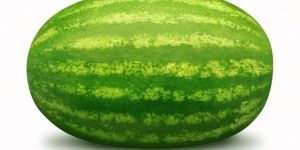
    Round to oval seedless 16- to 20- pound watermelon. Good flavored, firm, bright red flesh. Rind is light green with narrow, dark green stripes. Requires a watermelon pollinator.   One favorite Louisiana pasttime during the hot summer months is eating watermelon. Watermelon is loaded with lycopene, which is a powerful antioxidant.  Lycopene is a very potent antioxidant that helps reduce the risk of cancer and heart disease   Vitamins & Minerals :   A 2-cup serving of watermelon is an excellent source of Vitamins A, B6 and C. Vitamin A    :   found in watermelon is important for optimal eye health.   Vitamin B6  :  found in watermelon is used by the body to manufacture brain chemicals (neurotransmitters), such as serotonin, melatonin and dopamine, which preliminary research shows may help the body cope with anxiety and panic   Vitamin C    :   in watermelons can help to bolster your immune system's defenses against infections and viruses and is known to stimulate the immune system and protect against free radical damage.   Potassium   :A two-cup serving of watermelon is also a source of potassium*, a mineral necessary for water balance and found inside of every cell. People with low potassium levels can experience muscle cramps. A two-cup serving has less than 10 percent of the daily reference value for potassium.   Some Verities of Watermelons : As you can see, there are many varieties of melons to choose from, and The Melon Inc. is pleased to bring you each type, as it becomes in season. During the non-traditional times, we aim to have our climate controlled varieties available.   Because melons have been available to humanity for so long, there are many cultural connections to the melons we eat. Drop by our booth, and we can share with you the many types of customs that have evolved, as new melon varieties have been integrated into the way we eat and live.
    ...more
  • Watermelon

    Watermelon

    Request for Price

    Round to oval seedless 16- to 20- pound watermelon. Good flavored, firm, bright red flesh. Rind is light green with narrow, dark green stripes. Requires a watermelon pollinator.   One favorite Louisiana pasttime during the hot summer months is eating watermelon. Watermelon is loaded with lycopene, which is a powerful antioxidant.  Lycopene is a very potent antioxidant that helps reduce the risk of cancer and heart disease   Vitamins & Minerals :   A 2-cup serving of watermelon is an excellent source of Vitamins A, B6 and C. Vitamin A    :   found in watermelon is important for optimal eye health.   Vitamin B6  :  found in watermelon is used by the body to manufacture brain chemicals (neurotransmitters), such as serotonin, melatonin and dopamine, which preliminary research shows may help the body cope with anxiety and panic   Vitamin C    :   in watermelons can help to bolster your immune system's defenses against infections and viruses and is known to stimulate the immune system and protect against free radical damage.   Potassium   :A two-cup serving of watermelon is also a source of potassium*, a mineral necessary for water balance and found inside of every cell. People with low potassium levels can experience muscle cramps. A two-cup serving has less than 10 percent of the daily reference value for potassium.   Some Verities of Watermelons : As you can see, there are many varieties of melons to choose from, and The Melon Inc. is pleased to bring you each type, as it becomes in season. During the non-traditional times, we aim to have our climate controlled varieties available.   Because melons have been available to humanity for so long, there are many cultural connections to the melons we eat. Drop by our booth, and we can share with you the many types of customs that have evolved, as new melon varieties have been integrated into the way we eat and live.

    ...more
    Get Best Price
  • Tomato Sauce

    Tomato Sauce

    Get Latest Price

      Wash, sort and trim firm, vine-ripened tomatoes.  Cut into quarters or eighths and put into a saucepan.  Simmer 5 to 10 minutes.  Press through a sieve.  Pack juice into airtight freezer containers, leaving 1/2 inch headspace.  Seal, label, date and freeze.  Use frozen tomato juice within 8 to 12 months for best quality. Tomato soos contains vitamins A and C as well as the antioxidant Lycopene, making it a healthy beverage. You can make fresh tomato juice from store-bought tomatoes or from your own garden tomatoes. In fact, tomato juice is an excellent use for an abundance of garden fresh tomatoes.     Instructions   Wash five pounds of ripe red tomatoes and then core and quarter them. To "core" the tomato, you will dig out the stem, much like digging out an eye of a potato.   Use a large non-reactive pot (enamel, glass, or stainless steel so it doesn’t react to the acidity of the tomatoes). Place the tomatoes in the pot along with one small halved red onion and one celery rib with leaves for flavor. Adding the onion and celery is optional.   Cover and cook over medium heat, stirring often. Cook for about 30 minutes until tomatoes are soft   Discard onion and celery. Pass the tomatoes through a food mill, which is a mechanical device that forces the tomatoes through a sieve. Discard the solids. Use the smaller holed-insert for your food mill. Food mill shown at left (click to enlarge) is from www.tajagroproducts.com, costs about $22, and can also be used to make applesauce and baby food.   Measure the juice. Rinse the pot. Return the juice to the pot. Add 1 teaspoon of sugar and up to 1 teaspoon of salt for each 4 cups of tomato juice. Add pepper to taste.   Stir as you bring the pot to a boil, and then reduce the heat to boil gently for 5 minutes.   Cool, then chill. If desired, you can pour the juice through a sieve to filter out any thick areas or seeds that may have passed through the food mill. May be refrigerated for up to three days.
    ...more
  • Tomato Sauce

    Tomato Sauce

    Request for Price

      Wash, sort and trim firm, vine-ripened tomatoes.  Cut into quarters or eighths and put into a saucepan.  Simmer 5 to 10 minutes.  Press through a sieve.  Pack juice into airtight freezer containers, leaving 1/2 inch headspace.  Seal, label, date and freeze.  Use frozen tomato juice within 8 to 12 months for best quality. Tomato soos contains vitamins A and C as well as the antioxidant Lycopene, making it a healthy beverage. You can make fresh tomato juice from store-bought tomatoes or from your own garden tomatoes. In fact, tomato juice is an excellent use for an abundance of garden fresh tomatoes.     Instructions   Wash five pounds of ripe red tomatoes and then core and quarter them. To "core" the tomato, you will dig out the stem, much like digging out an eye of a potato.   Use a large non-reactive pot (enamel, glass, or stainless steel so it doesn’t react to the acidity of the tomatoes). Place the tomatoes in the pot along with one small halved red onion and one celery rib with leaves for flavor. Adding the onion and celery is optional.   Cover and cook over medium heat, stirring often. Cook for about 30 minutes until tomatoes are soft   Discard onion and celery. Pass the tomatoes through a food mill, which is a mechanical device that forces the tomatoes through a sieve. Discard the solids. Use the smaller holed-insert for your food mill. Food mill shown at left (click to enlarge) is from www.tajagroproducts.com, costs about $22, and can also be used to make applesauce and baby food.   Measure the juice. Rinse the pot. Return the juice to the pot. Add 1 teaspoon of sugar and up to 1 teaspoon of salt for each 4 cups of tomato juice. Add pepper to taste.   Stir as you bring the pot to a boil, and then reduce the heat to boil gently for 5 minutes.   Cool, then chill. If desired, you can pour the juice through a sieve to filter out any thick areas or seeds that may have passed through the food mill. May be refrigerated for up to three days.

    ...more
    Get Best Price
  • Tamarind

    Tamarind

    Get Latest Price

    Parts Used Most parts – The tamarind is very useful. The seeds, fruit, leaves, flowers and bark are all used medicinally as well as for other uses.   Origin: The Tamarind, scientific name Tamarin-dus indica is the only species of the genus Tamarindus in the family Fabaceae. It is a tropical tree, native to eastern Africa, including parts of the Madagascar dry deciduous forests. It grows wild throughout the Sudan but has now been introduced into most of tropical Asia as well as Latin America and the Caribbean. The tree can grow up to 20m in height, and stays evergreen in regions without a dry season. Tamarind timber consists of hard, dark red heartwood and softer, yellowish sapwood. The leaves consist of 10-40 leaflets. The flowers are produced in racemes. The fruit is a brown pod-like legume, which contains a soft pulp and many hard-coated seeds. The seeds can be scarified to enhance germination. The fruit pulp is edible and popular. It is used as a spice in both Asian and Latin American cuisines, and is also an important ingredient in Worcestershire sauce.   Description: Tamarind (Imli) fruit is used for its tart sour taste. It especially used in South Indian cuisine in dishes such as Sambhar, Rasam, etc. Nowadays, it is common to find Tamarind (Imli) fruit pulp in the Indian grocery stores. You may substitute Tamarind (Imli) with lime if unavailable, but expect minor change in taste.   Plant Description Tamarind is the sour fruit pod of a tall, semi-evergreen tree which grows widely in the tropics and particularly in India. Tamarind trees reach a height of 30 m and are topped with a crown of feathery foliage. Their grey bark clad trunks can grow up to 2 m in diameter.Leaves - long and feathery. Each leaf is equally divided into many smaller, finely-cut leaflets.Flowers - yellow and streaked with pink. They are shaped like small sweet peas and smell sweet. They dangle in small clusters from the ends of leafy twigs during March to May in India.Fruits - brown, fleshy pods that are fibrous, thick and sticky. They are sausage shaped and covered in faint fuzz, like a kiwi fruit. Inside they contain a sharp-tasting pulp and several flat shiny brown seeds. They are an important food used to provide a sour flavouring for drinks, sauces, curries, preserves and chutney. In India the pods are ripe for harvesting from April to June.
    ...more
  • Tamarind

    Tamarind

    Request for Price

    Parts Used Most parts – The tamarind is very useful. The seeds, fruit, leaves, flowers and bark are all used medicinally as well as for other uses.   Origin: The Tamarind, scientific name Tamarin-dus indica is the only species of the genus Tamarindus in the family Fabaceae. It is a tropical tree, native to eastern Africa, including parts of the Madagascar dry deciduous forests. It grows wild throughout the Sudan but has now been introduced into most of tropical Asia as well as Latin America and the Caribbean. The tree can grow up to 20m in height, and stays evergreen in regions without a dry season. Tamarind timber consists of hard, dark red heartwood and softer, yellowish sapwood. The leaves consist of 10-40 leaflets. The flowers are produced in racemes. The fruit is a brown pod-like legume, which contains a soft pulp and many hard-coated seeds. The seeds can be scarified to enhance germination. The fruit pulp is edible and popular. It is used as a spice in both Asian and Latin American cuisines, and is also an important ingredient in Worcestershire sauce.   Description: Tamarind (Imli) fruit is used for its tart sour taste. It especially used in South Indian cuisine in dishes such as Sambhar, Rasam, etc. Nowadays, it is common to find Tamarind (Imli) fruit pulp in the Indian grocery stores. You may substitute Tamarind (Imli) with lime if unavailable, but expect minor change in taste.   Plant Description Tamarind is the sour fruit pod of a tall, semi-evergreen tree which grows widely in the tropics and particularly in India. Tamarind trees reach a height of 30 m and are topped with a crown of feathery foliage. Their grey bark clad trunks can grow up to 2 m in diameter.Leaves - long and feathery. Each leaf is equally divided into many smaller, finely-cut leaflets.Flowers - yellow and streaked with pink. They are shaped like small sweet peas and smell sweet. They dangle in small clusters from the ends of leafy twigs during March to May in India.Fruits - brown, fleshy pods that are fibrous, thick and sticky. They are sausage shaped and covered in faint fuzz, like a kiwi fruit. Inside they contain a sharp-tasting pulp and several flat shiny brown seeds. They are an important food used to provide a sour flavouring for drinks, sauces, curries, preserves and chutney. In India the pods are ripe for harvesting from April to June.

    ...more
    Get Best Price
  • Sweet Corn

    Sweet Corn

    Get Latest Price

    A Short  History of Sweet Corn   The cultivation of corn (maize) (Zea mays ssp. mays) began over 8,000 years ago in Mesoamerica, a geographical area which includes central and southern Mexico, and Central America. Corn was first domesticated from teosinte (Zea mexicana), an annual grass native to this region. Wild teosinte mostly has value as a fodder plant, as it provides very little edible seeds.   The first archaeological evidence of domesticated corn comes from the San Marcos cave in Tehuacan and the Guilá Naquitz cave in the state of Oaxaca, Mexico. The corn in San Marcos cave is dated to over 5,000 years ago. The cobs from the Guilá Naquitz cave were dated to over 6200 years old.   Home gardeners who want to grow corn may choose from several different varieties including popcorn, dent corn, flint corn, pod corn, and sweet corn. Here we’ll focus on growing sweet corn as it is the most popular for the home gardener.   Sweet corn  is one of the most popular summer vegetable crops grown in India. Like peppers, pumpkins, squash and beans, sweet corn is native to the New World where it has been cultivated for more than 4,000 years. Sweet corn is a monecious plant, which means it has a separate male and female flower on each stalk. The tassel is the male flower, which produces the pollen, and the ear is the female flower (Figure 1). For kernels to form on each ear, pollen from the tassel must be deposited on the silk of the ear. Sweet corn is wind pollinated, although bees are often seen collecting nectar and pollen from the tassels. For small plantings of sweet corn, a series of short rows rather than a single, long row will improve the chances for efficient pollination. Sweet corn typically produces one or two ears per plants. Sweet Corn Varieties There are three main types of sweet corn available: Sh2, (super sweet), SUSU (normal sugary), and SESE (sugary enhancer). Sweet corn can also be classified by its color: white, yellow, or bi-colored.  Where and When to PlantPlant your corn in full sun and well after any risk of frost. Your corn should receive at least eight hours of sunlight a day. Soil temperatures should be about 60 degrees F for proper germination, and slightly higher for the super sweet varieties. Generally, May and June are good months to plant. You can check your soil temperature with an electronic soil tester if you have any doubts. If you want an early start on your corn, you can consider covering your soil with a plastic mulch, such as clear or black polyethylene, to help warm the soil and promote germination.
    ...more
  • Sweet Corn

    Sweet Corn

    Request for Price

    A Short  History of Sweet Corn   The cultivation of corn (maize) (Zea mays ssp. mays) began over 8,000 years ago in Mesoamerica, a geographical area which includes central and southern Mexico, and Central America. Corn was first domesticated from teosinte (Zea mexicana), an annual grass native to this region. Wild teosinte mostly has value as a fodder plant, as it provides very little edible seeds.   The first archaeological evidence of domesticated corn comes from the San Marcos cave in Tehuacan and the Guilá Naquitz cave in the state of Oaxaca, Mexico. The corn in San Marcos cave is dated to over 5,000 years ago. The cobs from the Guilá Naquitz cave were dated to over 6200 years old.   Home gardeners who want to grow corn may choose from several different varieties including popcorn, dent corn, flint corn, pod corn, and sweet corn. Here we’ll focus on growing sweet corn as it is the most popular for the home gardener.   Sweet corn  is one of the most popular summer vegetable crops grown in India. Like peppers, pumpkins, squash and beans, sweet corn is native to the New World where it has been cultivated for more than 4,000 years. Sweet corn is a monecious plant, which means it has a separate male and female flower on each stalk. The tassel is the male flower, which produces the pollen, and the ear is the female flower (Figure 1). For kernels to form on each ear, pollen from the tassel must be deposited on the silk of the ear. Sweet corn is wind pollinated, although bees are often seen collecting nectar and pollen from the tassels. For small plantings of sweet corn, a series of short rows rather than a single, long row will improve the chances for efficient pollination. Sweet corn typically produces one or two ears per plants. Sweet Corn Varieties There are three main types of sweet corn available: Sh2, (super sweet), SUSU (normal sugary), and SESE (sugary enhancer). Sweet corn can also be classified by its color: white, yellow, or bi-colored.  Where and When to PlantPlant your corn in full sun and well after any risk of frost. Your corn should receive at least eight hours of sunlight a day. Soil temperatures should be about 60 degrees F for proper germination, and slightly higher for the super sweet varieties. Generally, May and June are good months to plant. You can check your soil temperature with an electronic soil tester if you have any doubts. If you want an early start on your corn, you can consider covering your soil with a plastic mulch, such as clear or black polyethylene, to help warm the soil and promote germination.

    ...more
    Get Best Price
  • Sugar

    Sugar

    Get Latest Price

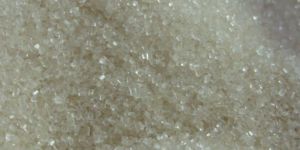
    Soon after reaching the pinacle of Indian Rice Industry Taj Agro International has diverified into Indian Sugar Industry and within a short span had reach among the one of the Top Supplier of High quality Crystal Sugar in Overseas Market! Today it has got the one of the biggest manufacturing tieups & setup in various part of India and maintains its leadership position in the business.Taj Agro International has many 'firsts' to its credit. Led by a team of dynamic professionals the company strives to establish itself as one of the market leader in the sugar industry as well. Its' constant endeavour to go that 'extra mile' to contribute in making the environment eco-friendly has won it many laurels. The Company encourages an ethical environment and promotes transparency in its dealings.THE PATH TRAVERSED  The cliché "Either find a way or make one" is embedded very deeply at all levels at Taj Agro International. A dedicated congregation of professionals went about the task of setting up a plant with missionary zeal for manufacture of white crystal sugar.The marathon path traversed thereafter is illustrative of the unique combination of passion and wisdom.Taj Agro International group is involved in export of all kind of Sugar. For the year , the group is the one of the largest exporter of Sugar from India.  Exported Qualities include: » M -30 Variety » S -30 Variety » S -31 Variety » L - Grade Single Refined Sugar etc. Sugar (India)S-30(FINE TO MEDIUM)M-30(MEDIUM TO BOLD) ICUMSA : 100 /150 Max. Polarisation : 99.8 Degrees Min. Moisture : 0.08% Max. Ash :0.07% Max. Dry Free flowing.
    ...more
  • Sugar

    Sugar

    Request for Price

    Soon after reaching the pinacle of Indian Rice Industry Taj Agro International has diverified into Indian Sugar Industry and within a short span had reach among the one of the Top Supplier of High quality Crystal Sugar in Overseas Market! Today it has got the one of the biggest manufacturing tieups & setup in various part of India and maintains its leadership position in the business.Taj Agro International has many 'firsts' to its credit. Led by a team of dynamic professionals the company strives to establish itself as one of the market leader in the sugar industry as well. Its' constant endeavour to go that 'extra mile' to contribute in making the environment eco-friendly has won it many laurels. The Company encourages an ethical environment and promotes transparency in its dealings.THE PATH TRAVERSED  The cliché "Either find a way or make one" is embedded very deeply at all levels at Taj Agro International. A dedicated congregation of professionals went about the task of setting up a plant with missionary zeal for manufacture of white crystal sugar.The marathon path traversed thereafter is illustrative of the unique combination of passion and wisdom.Taj Agro International group is involved in export of all kind of Sugar. For the year , the group is the one of the largest exporter of Sugar from India.  Exported Qualities include: » M -30 Variety » S -30 Variety » S -31 Variety » L - Grade Single Refined Sugar etc. Sugar (India)S-30(FINE TO MEDIUM)M-30(MEDIUM TO BOLD) ICUMSA : 100 /150 Max. Polarisation : 99.8 Degrees Min. Moisture : 0.08% Max. Ash :0.07% Max. Dry Free flowing.

    ...more
    Get Best Price
  • Sorghum Seeds

    Sorghum Seeds

    Get Latest Price

    We provide high quality sorghum seeds that is characterized by high value of proteins andvarious other essential nutrients. Our organic sorghum is grown under safe conditions by experienced framers. Our sweet sorghum seeds is strictly tested by trained quality control executives for various parameters like taste, purity, nutritional vale etc. Before dispatching to the clients. We have carved a niche as one of the fastest growing jowar seeds manufacturers and suppliers based in india We are listed at the apex in the list of the most eminent jowar seeds exporters from India. the entire gamut of sorghum is procured from the top most natural sorghum supplier existing in the global market. In addition to it, the organic sorghum is widely demanded in the domestic as well as in the international market due to the unmatched quality and inexplicable taste. Customers are facilitated with the easy availability of the sorghum seeds packed in convenient bags and at the most affordable prices   Description/ Specification of Sorghum Seeds  Sorghum Seeds commonly known as Jowar, the dried and matured grains of Sorghum Vulgare. Organic Sorghum Seeds are sweet, hard, clean and nutritive. Various procedures are carried to ensure seeds free from Argemone Mexicana and Lathyrus Sativus (Khesari) in any form, colouring matter, moulds, weevils, obnoxious smell and admixture of deleterious substances. We offer Fresh Sorghum Seeds that have uniform size, shape and color, sound merchantable condition and also conforming to PFA standards.
    ...more
  • Sorghum Seeds

    Sorghum Seeds

    Request for Price

    We provide high quality sorghum seeds that is characterized by high value of proteins andvarious other essential nutrients. Our organic sorghum is grown under safe conditions by experienced framers. Our sweet sorghum seeds is strictly tested by trained quality control executives for various parameters like taste, purity, nutritional vale etc. Before dispatching to the clients. We have carved a niche as one of the fastest growing jowar seeds manufacturers and suppliers based in india We are listed at the apex in the list of the most eminent jowar seeds exporters from India. the entire gamut of sorghum is procured from the top most natural sorghum supplier existing in the global market. In addition to it, the organic sorghum is widely demanded in the domestic as well as in the international market due to the unmatched quality and inexplicable taste. Customers are facilitated with the easy availability of the sorghum seeds packed in convenient bags and at the most affordable prices   Description/ Specification of Sorghum Seeds  Sorghum Seeds commonly known as Jowar, the dried and matured grains of Sorghum Vulgare. Organic Sorghum Seeds are sweet, hard, clean and nutritive. Various procedures are carried to ensure seeds free from Argemone Mexicana and Lathyrus Sativus (Khesari) in any form, colouring matter, moulds, weevils, obnoxious smell and admixture of deleterious substances. We offer Fresh Sorghum Seeds that have uniform size, shape and color, sound merchantable condition and also conforming to PFA standards.

    ...more
    Get Best Price
  • Pudina

    Pudina

    Get Latest Price

    How to use Pudina leaves   Pudina leaves can be harvested any time. But the leaves have to be cut off before flowering to obtain the maximum oil.Fresh Pudina leaves should be used immediately, or can be stored for two to three days in plastic bags inside a refrigerator. Pudina can be frozen in ice cube trays. Pudina leaves can also be dried and stored in an airtight container and kept in a cool, dark, dry area.  Pudina Ark or Mint Oil   Pudina Ark or Menthol oil is obtained from the leaves usually by steam distillation. Menthol crystals and flakes are obtained from Menthol Oil by freezing (chilling). The liquid left after extraction of the crystals is called de-mentholised or Peppermint oil.   Culinary Uses    Pudina leaves have a pleasant, aromatic, sweet flavor with a cool, refreshing, aftertaste.In India, Pudina is widely used to make the traditional Dhania – Pudina chutney. It is also used to decorate other food preparations. Pudina leaves are also widely used in teas, beverages, jellies, syrups, candies and ice creams. Pudina is also used for flavouring meat, fish, sauces, soups, stews, vinegar, tea, tobacco and cordials. Pudina is a necessary ingredient of Touareg tea, a popular tea in northern African and Arab countries. Pudina is also used to flavor alcoholic drinks like the Mint Julep and Mojito. Crème de menthe is a mint-flavored liqueur used in drinks, such as the Grasshopper
    ...more
  • Pudina

    Pudina

    Request for Price

    How to use Pudina leaves   Pudina leaves can be harvested any time. But the leaves have to be cut off before flowering to obtain the maximum oil.Fresh Pudina leaves should be used immediately, or can be stored for two to three days in plastic bags inside a refrigerator. Pudina can be frozen in ice cube trays. Pudina leaves can also be dried and stored in an airtight container and kept in a cool, dark, dry area.  Pudina Ark or Mint Oil   Pudina Ark or Menthol oil is obtained from the leaves usually by steam distillation. Menthol crystals and flakes are obtained from Menthol Oil by freezing (chilling). The liquid left after extraction of the crystals is called de-mentholised or Peppermint oil.   Culinary Uses    Pudina leaves have a pleasant, aromatic, sweet flavor with a cool, refreshing, aftertaste.In India, Pudina is widely used to make the traditional Dhania – Pudina chutney. It is also used to decorate other food preparations. Pudina leaves are also widely used in teas, beverages, jellies, syrups, candies and ice creams. Pudina is also used for flavouring meat, fish, sauces, soups, stews, vinegar, tea, tobacco and cordials. Pudina is a necessary ingredient of Touareg tea, a popular tea in northern African and Arab countries. Pudina is also used to flavor alcoholic drinks like the Mint Julep and Mojito. Crème de menthe is a mint-flavored liqueur used in drinks, such as the Grasshopper

    ...more
    Get Best Price
  • Pomegranate

    Pomegranate

    Get Latest Price

    Pomegranate seed oil is gaining increased attention by cosmeceutical manufacturers and aromatherapy industries due to its remarkable ability to nourish, moisturize and repair the epidermis and improve skin elasticity. Without moisture, wrinkles become more abundant and pronounced, the skin looks tight and lacks luster. Pomegranate seed oil adds moisture, has natural estrogenic properties, anti-oxidants, is anti-inflammatory, anti-microbial, improves skin elasticity, and protects the skin. Pomegranate seed oil is commonly used in cosmetic products to revitalize dull or mature skin, assist with wrinkles, and to soothe minor skin irritations. The unique healing properties of Pomegranate seed oil are due to its unique composition of fatty acids, mainly punicic acid (CLA). It provides relief from minor skin irritations and inflammation, including dry skin, eczema, psoriasis and sunburned skin. The high content of conjugated fatty acids in pomegranate oil gives it strong anti-inflammatory properties and makes it a highly beneficial ingredient in formulations intended to reduce swelling and ease muscular aches and pains. Pomegranate oil can promote procollagen synthesis and strengthen the epidermis.  High in anti-oxidants, it is extremely moisturizing, nourishes the skin and balances the pH effect while protecting the skin from free radicals; provide quick relief from irritated, dry or cracked skin. It is wonderful oil for mature and aging skin, and is soothing to dry, irritated or sunburned skin. It contains a high amount of conjugated fatty acids which have anti-inflammatory properties. Pomegranate oil is said to help with collagen production, acts as a free radical scavenger and boost restoration and repair of the skin. Use it in lip balms, cream, lotions and facial serums.Several recent studies, including one conducted by the University of Michigan Medical School have shown that pomegranate seed oil stimulates keratinocyte proliferation, promoting regeneration and strengthening of the epidermis. This study compliments other recent studies, which have also shown the beneficial results of using pomegranate seed oil. Pomegranate seed oil may be used within most skin care formulas, including soap making, massage oils, facial care products, and other body care and cosmetic products. Only a small amount is needed within formulas to achieve beneficial results. Pomegranate oil is wonderful oil for hair because it revitalizes dull and dry hair and protects it from environmental pollution and chemicals.  Pomegranate seed oil can be effective used in the following conditionsMature, ageing skinDry, cracked skinEczema, psoriasis and other skin conditionsBoosts restoration and repair of the skinEvens skin toneScavenges free radicalsHelps with collagen productionActs as a natural SPF boosterHelps reverse the damage of sun exposureMedicinal UseScientific studies have indicated that conjugated linoleic acid may support the immune system, and help the body fight against human cancers, obesity, diabetes, and heart disease. Research is showing it to be helpful in fighting both skin and breast cancer in laboratory tests. Pomegranate seed oil is one of the only plant sources of conjugated fatty acids and it contains an abundant amount of punicic acid, a compound closely related to conjugated linoleic acid (CLA). The punicic acid found pomegranate seed oil and has been called a "super CLA" whose effect is even more potent than ordinary CLA. Pomegranate seed oil also contains phytoestrogens, similar to the estrogens naturally produced by the human body. Many women have found that using pomegranate seed oil has helped to ease symptoms associated with menopause and perimenopause, such as mood swings, hot flashes, night sweats, vaginal dryness and diminished libido. To relieve the symptoms of menopause, pomegranate seed oil can be used topically as a skin moisturizer, orally as a dietary supplement, as massage oil, or as a personal lubricant. It has also been shown to help sunburned and ultraviolet damaged skin. One study found that pomegranates are far higher in antioxidants than cranberries, blueberries or green tea. Scientists believe it may inhibit atherosclerosis, cut the risk of heart disease and help to modulate high blood pressure.
    ...more
  • Pomegranate

    Pomegranate

    Request for Price

    Pomegranate seed oil is gaining increased attention by cosmeceutical manufacturers and aromatherapy industries due to its remarkable ability to nourish, moisturize and repair the epidermis and improve skin elasticity. Without moisture, wrinkles become more abundant and pronounced, the skin looks tight and lacks luster. Pomegranate seed oil adds moisture, has natural estrogenic properties, anti-oxidants, is anti-inflammatory, anti-microbial, improves skin elasticity, and protects the skin. Pomegranate seed oil is commonly used in cosmetic products to revitalize dull or mature skin, assist with wrinkles, and to soothe minor skin irritations. The unique healing properties of Pomegranate seed oil are due to its unique composition of fatty acids, mainly punicic acid (CLA). It provides relief from minor skin irritations and inflammation, including dry skin, eczema, psoriasis and sunburned skin. The high content of conjugated fatty acids in pomegranate oil gives it strong anti-inflammatory properties and makes it a highly beneficial ingredient in formulations intended to reduce swelling and ease muscular aches and pains. Pomegranate oil can promote procollagen synthesis and strengthen the epidermis.  High in anti-oxidants, it is extremely moisturizing, nourishes the skin and balances the pH effect while protecting the skin from free radicals; provide quick relief from irritated, dry or cracked skin. It is wonderful oil for mature and aging skin, and is soothing to dry, irritated or sunburned skin. It contains a high amount of conjugated fatty acids which have anti-inflammatory properties. Pomegranate oil is said to help with collagen production, acts as a free radical scavenger and boost restoration and repair of the skin. Use it in lip balms, cream, lotions and facial serums.Several recent studies, including one conducted by the University of Michigan Medical School have shown that pomegranate seed oil stimulates keratinocyte proliferation, promoting regeneration and strengthening of the epidermis. This study compliments other recent studies, which have also shown the beneficial results of using pomegranate seed oil. Pomegranate seed oil may be used within most skin care formulas, including soap making, massage oils, facial care products, and other body care and cosmetic products. Only a small amount is needed within formulas to achieve beneficial results. Pomegranate oil is wonderful oil for hair because it revitalizes dull and dry hair and protects it from environmental pollution and chemicals.  Pomegranate seed oil can be effective used in the following conditionsMature, ageing skinDry, cracked skinEczema, psoriasis and other skin conditionsBoosts restoration and repair of the skinEvens skin toneScavenges free radicalsHelps with collagen productionActs as a natural SPF boosterHelps reverse the damage of sun exposureMedicinal UseScientific studies have indicated that conjugated linoleic acid may support the immune system, and help the body fight against human cancers, obesity, diabetes, and heart disease. Research is showing it to be helpful in fighting both skin and breast cancer in laboratory tests. Pomegranate seed oil is one of the only plant sources of conjugated fatty acids and it contains an abundant amount of punicic acid, a compound closely related to conjugated linoleic acid (CLA). The punicic acid found pomegranate seed oil and has been called a "super CLA" whose effect is even more potent than ordinary CLA. Pomegranate seed oil also contains phytoestrogens, similar to the estrogens naturally produced by the human body. Many women have found that using pomegranate seed oil has helped to ease symptoms associated with menopause and perimenopause, such as mood swings, hot flashes, night sweats, vaginal dryness and diminished libido. To relieve the symptoms of menopause, pomegranate seed oil can be used topically as a skin moisturizer, orally as a dietary supplement, as massage oil, or as a personal lubricant. It has also been shown to help sunburned and ultraviolet damaged skin. One study found that pomegranates are far higher in antioxidants than cranberries, blueberries or green tea. Scientists believe it may inhibit atherosclerosis, cut the risk of heart disease and help to modulate high blood pressure.

    ...more
    Get Best Price
  • Pineapple Fruit Jam

    Pineapple Fruit Jam

    Get Latest Price

    Ingredients: • 1 Kg Apples • 500 gms Sugar • 2 tsp Citric acid • 1/2 tbsp Water • Sodium benzoate (pinch)   How to make Apple Jam:  •Peel the apples and cut into thin pieces.   •Add water and steam it for 2 minutes.   •Keep it for cooling  •Grind it properly.  •Add sugar and cook it over medium heat.  •Stir till the mixture turns thick.   •Dissolve the citric acid in water.  •Add the citric acid solution to the mixture.   •Boil it for 2 minutes.   •Now add a pinch of Sodium Benzoate dissolved in water.  •Add flavoring color.  •Pour in sterilized jars.   •Apple Jam is ready. Note:     Apple Pulp may be used instead of the fresh Apple; however the end product will not be as chunky. Preparation    Peel the Apples, discard the stone & just use the chopped/crushed pulp. Combine all ingredients together.     Mango fruit jam     Cook at medium heat till the mixture thickens; about 35-45 minutes, while stirring occassionally. You will see it bubbling & thickening.   When the jam kind of stays apart when separated in the pan, it is about done. Remember it will thicken more once it cools down. It is now time do the Jam Doneness Test.   If you want to can the jam, read here for canning procedures.          Once the Jam passes the “Done” test, you are done. Now spread the joy  & enjoy the thick, chunky & spicy jam!       Available Packing :     240ml./cup; 250ml./plastic bottle     285ml./plastic bottle; 1 liter/plastic bottle     2 liters/plastic bottle; 1-gallon/plastic bottle   Case Packing :      240ml. x 90 cups/case     250ml. x 48 plastic bottles/case     285ml. 48 plastic bottles/case     2 liters x 6 plastic bottles/case     1-gallon x 4 plastic bottles/case     It is like eating the real Mango. Made from fresh mangoes of Uttarakhand it is so tasty that you would like to use with various recipes.
    ...more
  • Pineapple Fruit Jam

    Pineapple Fruit Jam

    Request for Price

    Ingredients: • 1 Kg Apples • 500 gms Sugar • 2 tsp Citric acid • 1/2 tbsp Water • Sodium benzoate (pinch)   How to make Apple Jam:  •Peel the apples and cut into thin pieces.   •Add water and steam it for 2 minutes.   •Keep it for cooling  •Grind it properly.  •Add sugar and cook it over medium heat.  •Stir till the mixture turns thick.   •Dissolve the citric acid in water.  •Add the citric acid solution to the mixture.   •Boil it for 2 minutes.   •Now add a pinch of Sodium Benzoate dissolved in water.  •Add flavoring color.  •Pour in sterilized jars.   •Apple Jam is ready. Note:     Apple Pulp may be used instead of the fresh Apple; however the end product will not be as chunky. Preparation    Peel the Apples, discard the stone & just use the chopped/crushed pulp. Combine all ingredients together.     Mango fruit jam     Cook at medium heat till the mixture thickens; about 35-45 minutes, while stirring occassionally. You will see it bubbling & thickening.   When the jam kind of stays apart when separated in the pan, it is about done. Remember it will thicken more once it cools down. It is now time do the Jam Doneness Test.   If you want to can the jam, read here for canning procedures.          Once the Jam passes the “Done” test, you are done. Now spread the joy  & enjoy the thick, chunky & spicy jam!       Available Packing :     240ml./cup; 250ml./plastic bottle     285ml./plastic bottle; 1 liter/plastic bottle     2 liters/plastic bottle; 1-gallon/plastic bottle   Case Packing :      240ml. x 90 cups/case     250ml. x 48 plastic bottles/case     285ml. 48 plastic bottles/case     2 liters x 6 plastic bottles/case     1-gallon x 4 plastic bottles/case     It is like eating the real Mango. Made from fresh mangoes of Uttarakhand it is so tasty that you would like to use with various recipes.

    ...more
    Get Best Price
  • Fresh Pineapple

    Fresh Pineapple

    Get Latest Price

    Did you know the Pineapple is a sign of hospitality and welcome : The following is an excerpt from Taj To visit :tajagroproducts website and learn more about the Pineapples..     Across the ocean, the pineapple took on other symbolic meanings in England's American colonies. The colonies were then a land of small, primitive towns and settlements where homes served as the hubs of most community activity. Visiting was the primary means of entertainment, cultural intercourse and news dissemination. The concept of hospitality--the warmth, charm and style with which guests were taken into the home--was a central element of the society's daily emotional life." With that being said wouldn't you agree that anything pineapple would make the perfect gift? Check out these pineapple items for sale by etsy artists   The flesh of the pineapple is sweet and juicy and is best eaten raw in slices, wedges, or cubes.   Pineapple Served  Cut a fresh Pineapple in half lengthwise, leaving on the top leaves. Cut out the core and carefully cut the flesh away from the rind in one piece. Slice the flesh into wedges. Refill the shell. Sprinkle with sugar or kirsch. Serve plain or garnish with cherries, whole strawberries, or sprigs of mint.  Pineapple can be added to fruit salads and chicken and turkey salads.  Crush 3 tablespoons of fresh pineapple and mix with a half cup of honey, a quarter cup of lemon juice and a quarter teaspoon of salt. Mix, chill, and shake thoroughly before dressing a fruit salad.  Pineapple also will bring a sweet-tart flavor to savory entrees. Grill pineapple slices and serve with roast pork or bake and serve witham.  Place fresh pineapple slices into a shallow baking pan not allowing the slices to overlap one another. Place over a very low heat or in the oven and simmer for about two hours until thepineapple is almost transparent. Garnish the center of each with a glacéed cherry and serve with ham                        Pineapple Description  Today we were looking at more produce from poorer nations that rely on the Fairtrade system to make a decent living. In recent weeks we have used our senses to investigate the taste, smell and Qualitys   Each week we spend time describing what we see, feel, smell and hear in our own words. (And so if the fruit looks like Marge)   This week it was the turn of the Paraguayan Pineapple to face the wrath of our panel. Fairtrade produce fresh from the local Scotmid ( we don’t need to go to Paraguay to buy them). We looked, we smelled, we touched - we thought he was jaggy! We considered that…   it was waxy and shiny like a pumpkin or squash it had a thick skin we would not eat -unlike an apple it had spikey bits on top like Marge Simpson’s hair with too much gel! it was very heavy (dense) it had signs of a stalk or stem it’s leaves pointed up to the sun the plant stem must be strong as the fruit is heavy there is yellow flesh inside the skin there is no core like an apple but there is a hard bit through the middle we probably wouldn’t eat (after all the pineapple in tins comes in rings with no middle bit…) the smell was making our mouths water! there was a lot of juice from this fruit the fruit tasted just wonderful!
    ...more
  • Fresh Pineapple

    Fresh Pineapple

    Request for Price

    Did you know the Pineapple is a sign of hospitality and welcome : The following is an excerpt from Taj To visit :tajagroproducts website and learn more about the Pineapples..     Across the ocean, the pineapple took on other symbolic meanings in England's American colonies. The colonies were then a land of small, primitive towns and settlements where homes served as the hubs of most community activity. Visiting was the primary means of entertainment, cultural intercourse and news dissemination. The concept of hospitality--the warmth, charm and style with which guests were taken into the home--was a central element of the society's daily emotional life." With that being said wouldn't you agree that anything pineapple would make the perfect gift? Check out these pineapple items for sale by etsy artists   The flesh of the pineapple is sweet and juicy and is best eaten raw in slices, wedges, or cubes.   Pineapple Served  Cut a fresh Pineapple in half lengthwise, leaving on the top leaves. Cut out the core and carefully cut the flesh away from the rind in one piece. Slice the flesh into wedges. Refill the shell. Sprinkle with sugar or kirsch. Serve plain or garnish with cherries, whole strawberries, or sprigs of mint.  Pineapple can be added to fruit salads and chicken and turkey salads.  Crush 3 tablespoons of fresh pineapple and mix with a half cup of honey, a quarter cup of lemon juice and a quarter teaspoon of salt. Mix, chill, and shake thoroughly before dressing a fruit salad.  Pineapple also will bring a sweet-tart flavor to savory entrees. Grill pineapple slices and serve with roast pork or bake and serve witham.  Place fresh pineapple slices into a shallow baking pan not allowing the slices to overlap one another. Place over a very low heat or in the oven and simmer for about two hours until thepineapple is almost transparent. Garnish the center of each with a glacéed cherry and serve with ham                        Pineapple Description  Today we were looking at more produce from poorer nations that rely on the Fairtrade system to make a decent living. In recent weeks we have used our senses to investigate the taste, smell and Qualitys   Each week we spend time describing what we see, feel, smell and hear in our own words. (And so if the fruit looks like Marge)   This week it was the turn of the Paraguayan Pineapple to face the wrath of our panel. Fairtrade produce fresh from the local Scotmid ( we don’t need to go to Paraguay to buy them). We looked, we smelled, we touched - we thought he was jaggy! We considered that…   it was waxy and shiny like a pumpkin or squash it had a thick skin we would not eat -unlike an apple it had spikey bits on top like Marge Simpson’s hair with too much gel! it was very heavy (dense) it had signs of a stalk or stem it’s leaves pointed up to the sun the plant stem must be strong as the fruit is heavy there is yellow flesh inside the skin there is no core like an apple but there is a hard bit through the middle we probably wouldn’t eat (after all the pineapple in tins comes in rings with no middle bit…) the smell was making our mouths water! there was a lot of juice from this fruit the fruit tasted just wonderful!

    ...more
    Get Best Price
  • Parsley

    Parsley

    Get Latest Price

      Ajamoda (Trachyspermum ammi Linn. Sprague) is much used as a medical plant in Ayurvedic & Unani medicine. It is called Carum, Ajwan, Lovage; in Sanskrit as Yavani, Yavana, Yavanaka, Ajamoda, Ajamodika; in Hindi as Ajowanj, Ajwain; in Tamil as Omum; in Telugu as Omamu and in Kannada as Omu, Ajamoda.English 'Ajwan' is just the Romanized spelling of the Hindi name ajvan. Most European languages have similar names, although the spelling is sometimes varied, e.g., in Dutch ajowan or German Adiowan. Hindi name can be traced back to Sanskrit yavanaka, which is derived from the adjective yavana Greek. Modern Northern and Southern Indian names like Gujarati yavano, Bengali jowan, Punjabi aijavain and Tamil omum have the same source. This suggests that the spice originated from the Eastern Mediterranean and arrived in India in course of the Greek conquest of Central Asia. The Sanskrit term yavana for Greece belongs to the same kin as Arabic al-Yunan. Another group of names for ajmoda is derived from Sanskrit ajamoda or ajamodika. Examples in modern Indian languages include Kannada ajamoda and Sinhala asamodagam.     Plant Description Ajmoda grows well in a wide variety of soils and sun exposures. Plant the seeds in the spring after the last frost by first soaking them overnight in water to increase the germination rate. Sow the seeds about 1/4 inch deep and 4 to 6 inches apart, and in rows about 12 to 18 inches apart in the garden.    Ajmoda (Parsley) in Other Languages
    ...more
  • Parsley

    Parsley

    Request for Price

      Ajamoda (Trachyspermum ammi Linn. Sprague) is much used as a medical plant in Ayurvedic & Unani medicine. It is called Carum, Ajwan, Lovage; in Sanskrit as Yavani, Yavana, Yavanaka, Ajamoda, Ajamodika; in Hindi as Ajowanj, Ajwain; in Tamil as Omum; in Telugu as Omamu and in Kannada as Omu, Ajamoda.English 'Ajwan' is just the Romanized spelling of the Hindi name ajvan. Most European languages have similar names, although the spelling is sometimes varied, e.g., in Dutch ajowan or German Adiowan. Hindi name can be traced back to Sanskrit yavanaka, which is derived from the adjective yavana Greek. Modern Northern and Southern Indian names like Gujarati yavano, Bengali jowan, Punjabi aijavain and Tamil omum have the same source. This suggests that the spice originated from the Eastern Mediterranean and arrived in India in course of the Greek conquest of Central Asia. The Sanskrit term yavana for Greece belongs to the same kin as Arabic al-Yunan. Another group of names for ajmoda is derived from Sanskrit ajamoda or ajamodika. Examples in modern Indian languages include Kannada ajamoda and Sinhala asamodagam.     Plant Description Ajmoda grows well in a wide variety of soils and sun exposures. Plant the seeds in the spring after the last frost by first soaking them overnight in water to increase the germination rate. Sow the seeds about 1/4 inch deep and 4 to 6 inches apart, and in rows about 12 to 18 inches apart in the garden.    Ajmoda (Parsley) in Other Languages

    ...more
    Get Best Price
  • Papaya

    Papaya

    Get Latest Price

    The papaya is an amazingly rich source of the proteolytic enzymes. These are the chemicals that enable the digestion of protein. Papain, which is the most important of these enzymes in the papaya, is extracted and dried as a powder for use to aid the digestion, and it is often used as a meat tenderizer, the enzyme partially breaking down the meat fibres - digesting them in factPapaya contains arginine which is known to be essential formale fertility andalso carpain, an nzym  thought to be good for the heart. Fibrin also occurs and this substance is not commonly found in the plant kingdom; in man it forms part of the blood clotting processe.   The papaya is an excellent source of vitamin C, with 82mg per 100g (4oz), and is rich in carotene. After treatment with antibiotics the use of papaya juice will quickly assist the restoration of the normal bacteria in the gut which will have been destroyed by the treatment. Papaya is good for many digestive disorders and is excellent for improving poor digestion. It has also been recommended as part of the treatment for cancer. Therapeutically it can often be combined with pineapple juice in which there is another important enzyme. bromelain.The skin of the papaya is a first class external treatment for skin wounds and places that do not heal quickly. The pulp from the juicer can be used for this and as a poultice.Papayas have long been known for their extra nutrient packing fruit but there have been new studies to show that Papayas have a few 'hidden' tricks in their juicy flesh and crunchy seeds and even its skin, that are just starting to reveal themselves. They are also noted to be one of the world's healthiest fruits.Papayas are a tropical fruit very often only grown in tropical climates but lately more and more home gardeners, especially those with greenhouses in the south, have been trying their hands on these juicy fruits. They range in colors and sizes from yellow to green and from small to very large depending on where it is being grown and how much attent
    ...more
  • Papaya

    Papaya

    Request for Price

    The papaya is an amazingly rich source of the proteolytic enzymes. These are the chemicals that enable the digestion of protein. Papain, which is the most important of these enzymes in the papaya, is extracted and dried as a powder for use to aid the digestion, and it is often used as a meat tenderizer, the enzyme partially breaking down the meat fibres - digesting them in factPapaya contains arginine which is known to be essential formale fertility andalso carpain, an nzym  thought to be good for the heart. Fibrin also occurs and this substance is not commonly found in the plant kingdom; in man it forms part of the blood clotting processe.   The papaya is an excellent source of vitamin C, with 82mg per 100g (4oz), and is rich in carotene. After treatment with antibiotics the use of papaya juice will quickly assist the restoration of the normal bacteria in the gut which will have been destroyed by the treatment. Papaya is good for many digestive disorders and is excellent for improving poor digestion. It has also been recommended as part of the treatment for cancer. Therapeutically it can often be combined with pineapple juice in which there is another important enzyme. bromelain.The skin of the papaya is a first class external treatment for skin wounds and places that do not heal quickly. The pulp from the juicer can be used for this and as a poultice.Papayas have long been known for their extra nutrient packing fruit but there have been new studies to show that Papayas have a few 'hidden' tricks in their juicy flesh and crunchy seeds and even its skin, that are just starting to reveal themselves. They are also noted to be one of the world's healthiest fruits.Papayas are a tropical fruit very often only grown in tropical climates but lately more and more home gardeners, especially those with greenhouses in the south, have been trying their hands on these juicy fruits. They range in colors and sizes from yellow to green and from small to very large depending on where it is being grown and how much attent

    ...more
    Get Best Price
  • Orange

    Orange

    Get Latest Price

    Orange: Iranian Oranges are oval to sphere-shaped fruits with leathery, porous skin. Their color ranges from orange to red-orange. Oranges may be confused with other citrus fruits, such as grapefruits and tangerines. However, grapefruits are usually much larger and more yellow than oranges, and tangerines have a more flattened sphere shape than oranges.   Harvest Season: Winter Oranges are green before they ripen.   Orange Tree: Oranges grow on evergreen trees that reach a mature size of 3 meter high and 2 meter wide. The branches of many orange trees are thorny.   Orange Leaves: Orange leaves are shiny and leathery and 7.5 to 10metere long. They have narrow wings on their petioles.   Orange Flower: Orange flowers are white in color and very fragrant. The flower blooms in the spring, but the fruit is not ready until the following fall or winter. In fact, the new flowers are blooming in the spring while the previous year's oranges are still on the tree. The orange blossom is the Caspian sea flower of Mazendaran province.   Oranges are oval to sphere-shaped fruits with leathery, porous skin. Their color ranges from orange to red-orange. Oranges may be confused with other citrus fruits, such as grapefruits and tangerines. However, grapefruits are usually much larger and more yellow than oranges, and tangerines have a more flattened sphere shape than oranges.    Importance:   Minor and sporadic.      Damage : Orange fruitborer causes damage to feijoa. The larvae chew and burrow into the fruit generally just below the skin and often near the calyx. Young and mature fruit can be attacked. Larvae roll flower buds and young leaves together to form feeding shelters. Larvae bore into maturing and ripe fruit causing it to fall and decay, sometimes they destroy new young fruit in spring. Young larvae may penetrate fruit just before harvest, and if undetected during packing, may cause the fruit to decay during marketing. Uses  :Bitter orange is antiseptic, anti-oxidant, antispasmodic, aromatic, astringent, carminative, digestive, sedative, stimulant, stomachic and tonic. It is rich in Vitamin C, flavonoids and volatile oil. It is appetite suppressant, metabolism and energy booster. Tea prepared from fruit is used to relive headache. Fruit is used in constipation, dyspepsia and indigestion. Fruit peel powder is used in face pack against sunstroke and skin blemishes. It is also used to dissolve kidney stones. It purifies blood and improves immunity. The seed and the pericarp are used in the treatment of anorexia, chest pains, colds, coughs etc. "Bitter orange oil", expressed from the peel, is in demand for flavoring candy, ice cream, baked goods, gelatins and puddings, chewing gum, soft drinks, liqueurs and pharmaceutical products. Homemade Orange Juice :I love orange juice, but only when it's still in the orange. I don't like to drink it in a cup because it feels like there is things floating around in it. Dadda says it's little pieces of orange called pope, so that means pope is just orange guts! Why do they make orange juice with pope?My favorite cereal is Fruity Dino Bites. But I don't have any of those right now. Right now I'm eating Mickey Mouse Clubhouse cereal. I tried a cup of orange juice but I forgot about the pope and it tasted gross to me.
    ...more
  • Orange

    Orange

    Request for Price

    Orange: Iranian Oranges are oval to sphere-shaped fruits with leathery, porous skin. Their color ranges from orange to red-orange. Oranges may be confused with other citrus fruits, such as grapefruits and tangerines. However, grapefruits are usually much larger and more yellow than oranges, and tangerines have a more flattened sphere shape than oranges.   Harvest Season: Winter Oranges are green before they ripen.   Orange Tree: Oranges grow on evergreen trees that reach a mature size of 3 meter high and 2 meter wide. The branches of many orange trees are thorny.   Orange Leaves: Orange leaves are shiny and leathery and 7.5 to 10metere long. They have narrow wings on their petioles.   Orange Flower: Orange flowers are white in color and very fragrant. The flower blooms in the spring, but the fruit is not ready until the following fall or winter. In fact, the new flowers are blooming in the spring while the previous year's oranges are still on the tree. The orange blossom is the Caspian sea flower of Mazendaran province.   Oranges are oval to sphere-shaped fruits with leathery, porous skin. Their color ranges from orange to red-orange. Oranges may be confused with other citrus fruits, such as grapefruits and tangerines. However, grapefruits are usually much larger and more yellow than oranges, and tangerines have a more flattened sphere shape than oranges.    Importance:   Minor and sporadic.      Damage : Orange fruitborer causes damage to feijoa. The larvae chew and burrow into the fruit generally just below the skin and often near the calyx. Young and mature fruit can be attacked. Larvae roll flower buds and young leaves together to form feeding shelters. Larvae bore into maturing and ripe fruit causing it to fall and decay, sometimes they destroy new young fruit in spring. Young larvae may penetrate fruit just before harvest, and if undetected during packing, may cause the fruit to decay during marketing. Uses  :Bitter orange is antiseptic, anti-oxidant, antispasmodic, aromatic, astringent, carminative, digestive, sedative, stimulant, stomachic and tonic. It is rich in Vitamin C, flavonoids and volatile oil. It is appetite suppressant, metabolism and energy booster. Tea prepared from fruit is used to relive headache. Fruit is used in constipation, dyspepsia and indigestion. Fruit peel powder is used in face pack against sunstroke and skin blemishes. It is also used to dissolve kidney stones. It purifies blood and improves immunity. The seed and the pericarp are used in the treatment of anorexia, chest pains, colds, coughs etc. "Bitter orange oil", expressed from the peel, is in demand for flavoring candy, ice cream, baked goods, gelatins and puddings, chewing gum, soft drinks, liqueurs and pharmaceutical products. Homemade Orange Juice :I love orange juice, but only when it's still in the orange. I don't like to drink it in a cup because it feels like there is things floating around in it. Dadda says it's little pieces of orange called pope, so that means pope is just orange guts! Why do they make orange juice with pope?My favorite cereal is Fruity Dino Bites. But I don't have any of those right now. Right now I'm eating Mickey Mouse Clubhouse cereal. I tried a cup of orange juice but I forgot about the pope and it tasted gross to me.

    ...more
    Get Best Price
  • Mustard

    Mustard

    Get Latest Price

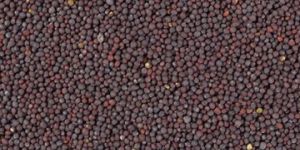
    In India, mustard is known both as oil seed as well as spice. Internationally, however, it is more popular as a spice.     The genus Brassica consists of over 150 species of annual or biennial herbs several of which are cultivated as oil seed crops like mustard. Other oil seed crops in genus are toria and rapeseed. There are many other, which are cultivated mainly as vegetable like cabbage, collies flower, turnip etc. There are many other, which are being grown as fodder. The seeds of only the above four species have condiment value.   The India Mustard is usually not commercially available except under contract. It can be propagated by Seed. It has a Moderate ability to spread through seed production and the seedlings have High vigor. Note that cold stratification is not required for seed germination and the plant cannot survive exposure to temperatures below 17°F. India Mustard has Low tolerance to drought and restricted water conditions.     Yellow Mustard Seeds:::   Yellow mustard seeds, the efficient herbal product, are widely used in Indian household for the cooking purposes. Mustard seed is used in cooking for its flavoring feature; it adds a fabulous aroma to food. Organic yellow mustard seeds that we export to our customers are high in quality. This has enabled us to be the most famous mustard seeds exporter and supplier in India. We endeavor to deliver the best quality yellow mustard seeds to our customer so as to offer them utmost satisfaction. We provide yellow mustard seeds at the economical prices.Product DescriptionWe are involved in the distribution and exporting of top class mustard seed. Our seed is of high quality. It will definitely enhance the quality of end product. We are involved in providing of optimum quality natural and fresh mustard seed. Made by laying great care on each and every aspect, mustard seed provided by us are capable of impressing absolutely anybody.The spectrum of mustard seed available with us encompasses of a fabulous collection ranging from unique to marvelous individual varieties. Furthermore the mustard seed is offered by us at most competitive prices. So feel free to come forward and be a part of our ever growing family.Product FeatureBest QualityProduct Specification/ModelsNew Crop 2008Best PackingApplicationWe take this opportunity to introduce ourselves as an export firm set up mainly for exporting/importing (Agro commodities). We has 10 years of experience in exporting and our existing market includes countries such processing industries.Other InformationFor more details please contact us.PaymentAs per DiscussionDelivery: 60 daysOrigin: IndiaMinimum Order20Mt.Packaging50Kg.InspectionGood
    ...more
  • Mustard

    Mustard

    Request for Price

    In India, mustard is known both as oil seed as well as spice. Internationally, however, it is more popular as a spice.     The genus Brassica consists of over 150 species of annual or biennial herbs several of which are cultivated as oil seed crops like mustard. Other oil seed crops in genus are toria and rapeseed. There are many other, which are cultivated mainly as vegetable like cabbage, collies flower, turnip etc. There are many other, which are being grown as fodder. The seeds of only the above four species have condiment value.   The India Mustard is usually not commercially available except under contract. It can be propagated by Seed. It has a Moderate ability to spread through seed production and the seedlings have High vigor. Note that cold stratification is not required for seed germination and the plant cannot survive exposure to temperatures below 17°F. India Mustard has Low tolerance to drought and restricted water conditions.     Yellow Mustard Seeds:::   Yellow mustard seeds, the efficient herbal product, are widely used in Indian household for the cooking purposes. Mustard seed is used in cooking for its flavoring feature; it adds a fabulous aroma to food. Organic yellow mustard seeds that we export to our customers are high in quality. This has enabled us to be the most famous mustard seeds exporter and supplier in India. We endeavor to deliver the best quality yellow mustard seeds to our customer so as to offer them utmost satisfaction. We provide yellow mustard seeds at the economical prices.Product DescriptionWe are involved in the distribution and exporting of top class mustard seed. Our seed is of high quality. It will definitely enhance the quality of end product. We are involved in providing of optimum quality natural and fresh mustard seed. Made by laying great care on each and every aspect, mustard seed provided by us are capable of impressing absolutely anybody.The spectrum of mustard seed available with us encompasses of a fabulous collection ranging from unique to marvelous individual varieties. Furthermore the mustard seed is offered by us at most competitive prices. So feel free to come forward and be a part of our ever growing family.Product FeatureBest QualityProduct Specification/ModelsNew Crop 2008Best PackingApplicationWe take this opportunity to introduce ourselves as an export firm set up mainly for exporting/importing (Agro commodities). We has 10 years of experience in exporting and our existing market includes countries such processing industries.Other InformationFor more details please contact us.PaymentAs per DiscussionDelivery: 60 daysOrigin: IndiaMinimum Order20Mt.Packaging50Kg.InspectionGood

    ...more
    Get Best Price
  • Mixed Fruit Jam

    Mixed Fruit Jam

    Get Latest Price

    Call it Mixed Fruit Jam, or call it a “get rid of summer posts” frenzy. I am trying to make the best use of whatever time I have at hand; both with the fruit & the posts. After a few weeks the King of the Fruits will be gone for the year or will be perched up on the shelf with the royal unrealistic price sticker on it. The best way is to preserve it!I had the jam in mind when I first saw it in Kichu Khon. At that time I was paying more attention indulging in the few fresh fruits we get here & the project was shelved. Recently another Mxied Fruit Jam Jam made its delicious appearance in RedChillies, too much temptation to resist this time. I made a slightly spiced version, a lot like a chutney… the kind which is versatile enough to be used for breakfast or with any other meal with grilled foods.     Ingredients:  1. papaya-1/4 kg  2. apple-1/4 kg  3. fully riped banana-1/4 kg  4. pineapple-1/4 kg  5. grapes(black) pulp-1/4 kg   1. mixed fruit pulp-1 litre or 1 kg 2. sugar-1 kg 3. citric acid-1 tsp 4. rasberry red colour-1 pinch 5. sodium benzoate(preservative)-1 pinch 6. mixed fruit essence-1/2 tsp     Available Packing :    240ml./cup; 250ml./plastic bottle    285ml./plastic bottle; 1 liter/plastic bottle    2 liters/plastic bottle; 1-gallon/plastic bottleCase Packing :     240ml. x 90 cups/case    250ml. x 48 plastic bottles/case    285ml. 48 plastic bottles/case    2 liters x 6 plastic bottles/case    1-gallon x 4 plastic bottles/case     It is like eating the real Mango. Made from fresh mangoes of Uttarakhand it is so tasty that you would like to use with various recipes.
    ...more
  • Mixed Fruit Jam

    Mixed Fruit Jam

    Request for Price

    Call it Mixed Fruit Jam, or call it a “get rid of summer posts” frenzy. I am trying to make the best use of whatever time I have at hand; both with the fruit & the posts. After a few weeks the King of the Fruits will be gone for the year or will be perched up on the shelf with the royal unrealistic price sticker on it. The best way is to preserve it!I had the jam in mind when I first saw it in Kichu Khon. At that time I was paying more attention indulging in the few fresh fruits we get here & the project was shelved. Recently another Mxied Fruit Jam Jam made its delicious appearance in RedChillies, too much temptation to resist this time. I made a slightly spiced version, a lot like a chutney… the kind which is versatile enough to be used for breakfast or with any other meal with grilled foods.     Ingredients:  1. papaya-1/4 kg  2. apple-1/4 kg  3. fully riped banana-1/4 kg  4. pineapple-1/4 kg  5. grapes(black) pulp-1/4 kg   1. mixed fruit pulp-1 litre or 1 kg 2. sugar-1 kg 3. citric acid-1 tsp 4. rasberry red colour-1 pinch 5. sodium benzoate(preservative)-1 pinch 6. mixed fruit essence-1/2 tsp     Available Packing :    240ml./cup; 250ml./plastic bottle    285ml./plastic bottle; 1 liter/plastic bottle    2 liters/plastic bottle; 1-gallon/plastic bottleCase Packing :     240ml. x 90 cups/case    250ml. x 48 plastic bottles/case    285ml. 48 plastic bottles/case    2 liters x 6 plastic bottles/case    1-gallon x 4 plastic bottles/case     It is like eating the real Mango. Made from fresh mangoes of Uttarakhand it is so tasty that you would like to use with various recipes.

    ...more
    Get Best Price
  • Milk Powder

    Milk Powder

    Get Latest Price

    We are offering milk powder.
  • Milk Powder

    Milk Powder

    Request for Price

    We are offering milk powder.

    Get Best Price
  • Mango Jam

    Mango Jam

    Get Latest Price

    Ingredients:  1. 3 Ripe Firm Mangoes  2. 1+ 1/4 Cup Sugar  3. 1 Tablespoon Grated Ginger  4. 1 Stick of Cinnamon  5. 2 Cloves Powdered  6. Zest of 1 Lime  7. Juice of 1 Lemon     Note:     Mango Pulp may be used instead of the fresh mango; however the end product will not be as chunky. Preparation    Peel the mangoes, discard the stone & just use the chopped/crushed pulp. Combine all ingredients together.     Mango fruit jam     Cook at medium heat till the mixture thickens; about 35-45 minutes, while stirring occassionally. You will see it bubbling & thickening.   When the jam kind of stays apart when separated in the pan, it is about done. Remember it will thicken more once it cools down. It is now time do the Jam Doneness Test.   If you want to can the jam, read here for canning procedures.          Once the Jam passes the “Done” test, you are done. Now spread the joy  & enjoy the thick, chunky & spicy jam!       Available Packing :     240ml./cup; 250ml./plastic bottle     285ml./plastic bottle; 1 liter/plastic bottle     2 liters/plastic bottle; 1-gallon/plastic bottle   Case Packing :      240ml. x 90 cups/case     250ml. x 48 plastic bottles/case     285ml. 48 plastic bottles/case     2 liters x 6 plastic bottles/case     1-gallon x 4 plastic bottles/case     It is like eating the real Mango. Made from fresh mangoes of Uttarakhand it is so tasty that you would like to use with various recipes.
    ...more
  • Mango Jam

    Mango Jam

    Request for Price

    Ingredients:  1. 3 Ripe Firm Mangoes  2. 1+ 1/4 Cup Sugar  3. 1 Tablespoon Grated Ginger  4. 1 Stick of Cinnamon  5. 2 Cloves Powdered  6. Zest of 1 Lime  7. Juice of 1 Lemon     Note:     Mango Pulp may be used instead of the fresh mango; however the end product will not be as chunky. Preparation    Peel the mangoes, discard the stone & just use the chopped/crushed pulp. Combine all ingredients together.     Mango fruit jam     Cook at medium heat till the mixture thickens; about 35-45 minutes, while stirring occassionally. You will see it bubbling & thickening.   When the jam kind of stays apart when separated in the pan, it is about done. Remember it will thicken more once it cools down. It is now time do the Jam Doneness Test.   If you want to can the jam, read here for canning procedures.          Once the Jam passes the “Done” test, you are done. Now spread the joy  & enjoy the thick, chunky & spicy jam!       Available Packing :     240ml./cup; 250ml./plastic bottle     285ml./plastic bottle; 1 liter/plastic bottle     2 liters/plastic bottle; 1-gallon/plastic bottle   Case Packing :      240ml. x 90 cups/case     250ml. x 48 plastic bottles/case     285ml. 48 plastic bottles/case     2 liters x 6 plastic bottles/case     1-gallon x 4 plastic bottles/case     It is like eating the real Mango. Made from fresh mangoes of Uttarakhand it is so tasty that you would like to use with various recipes.

    ...more
    Get Best Price
  • Jaggery

    Jaggery

    Get Latest Price

    UsesJaggery is used as an ingredient in both sweet and savory dishes across Pakistan, India and Sri Lanka. For example, a pinch of jaggery is sometimes added to sambar, rasam, and other staples in India.Jaggery is also added to lentil soups (dal) to add sweetness to balance the spicy, salty, and sour components, particularly in Gujarati cuisine called, add in cooking.The Indian state of Maharashtra is the largest producer and consumer of jaggery. In Maharashtra, most vegetables curries and dals contain jaggery. Jaggery is specially used during Makar Sankranti for making sweetmeat called tilgul. Similarly, in Gujarat on Makara Sankranti, this preperation is made, and known as Tal na Ladu or Tal Sankli'. In rural Maharashtra, water and a piece of jaggery is given when someone arrives home from working under a hot sun. Kakvi, a byproduct from production of jaggery, is also used in rural Maharashtra as a sweetener. It contains many minerals not found in ordinary sugar and is considered beneficial to health by the traditional Ayurvedic medical system.In addition, in the Indian state of Rajasthan, jaggery has a religious significance. Many of the festivals are incomplete without jaggery as it is offered to the deity during worship. Also, it is regularly consumed as a sweetener and is a part of many sweet delicacies such as gur ka chawal (lit. "jaggery rice"), a traditional Rajasthani dish.In Gujarat famous laddus are made from wheat flour and jaggery, and also another recipe Puranpoli, which has its roots in Maharasthra, is also made using jaggery as sweetener. Also, jaggery is consider handy sweet, which is shared on any good occassion. On Engagement ceremonies jaggery is made into small particles and mixed with coriander seeds and distributed, hence in many Gujarati communities Engagement is commonly known as Gol-Dhana literally meaning Jaggery & Coriander seeds.In Myanmar, jaggery is harvested from toddy palm syrup. In central Myanmar and around Bagan (Pagan), toddy syrup is collected solely for the purpose of making jaggery. The translucent white syrup is boiled until it becomes golden brown, and then made into bite-sized pieces. It is considered a sweet and is eaten by children and adults alike, usually in the afternoon along with a pot of green tea. It has been referred to locally as Burmese chocolate. Toddy palm jaggery is also sometimes mixed with coconut shreddings, jujube puree or sesame, depending on the area. This type of jaggery is also used in Burmese cooking, usually to add color and enrich the food.In Pakistani and Bengali cuisine, it is very common in making sweet dishes. Special sweet dishes are made by mixing jaggery with milk and coconut. Popular sweet dishes like la??u/na?u or pa?ishapta pi?ha are made by mixing jaggery with coconut shreddings. Jaggery is also molded into novelty shapes as a type of candy.Other uses include jaggery toffees and jaggery cake made  with pumpkin preserve, cashew nuts, pea nuts and spices.Jaggery may also be used in the creation of alcoholic beverages.Jaggery is also considered auspicious in many parts of India, and is eaten raw before commencement of good work or any important new venture, or after good news are shared by family and friends.[citation needed] The Muzaffarnagar District in Uttar Pradesh has the largest jaggery market in the world, followed by Anakapalli of the Visakhapatnam District in Andhra Pradesh. Kolhapur a district place in western Maharashtra is also famous for its variety which is yellow in color and is most sought after in Maharashtra and Gujarat alike.Preparation of jaggeryBesides its uses as a food, jaggery may also be used to season the inside of tandoor ovens.
    ...more
  • Jaggery

    Jaggery

    Request for Price

    UsesJaggery is used as an ingredient in both sweet and savory dishes across Pakistan, India and Sri Lanka. For example, a pinch of jaggery is sometimes added to sambar, rasam, and other staples in India.Jaggery is also added to lentil soups (dal) to add sweetness to balance the spicy, salty, and sour components, particularly in Gujarati cuisine called, add in cooking.The Indian state of Maharashtra is the largest producer and consumer of jaggery. In Maharashtra, most vegetables curries and dals contain jaggery. Jaggery is specially used during Makar Sankranti for making sweetmeat called tilgul. Similarly, in Gujarat on Makara Sankranti, this preperation is made, and known as Tal na Ladu or Tal Sankli'. In rural Maharashtra, water and a piece of jaggery is given when someone arrives home from working under a hot sun. Kakvi, a byproduct from production of jaggery, is also used in rural Maharashtra as a sweetener. It contains many minerals not found in ordinary sugar and is considered beneficial to health by the traditional Ayurvedic medical system.In addition, in the Indian state of Rajasthan, jaggery has a religious significance. Many of the festivals are incomplete without jaggery as it is offered to the deity during worship. Also, it is regularly consumed as a sweetener and is a part of many sweet delicacies such as gur ka chawal (lit. "jaggery rice"), a traditional Rajasthani dish.In Gujarat famous laddus are made from wheat flour and jaggery, and also another recipe Puranpoli, which has its roots in Maharasthra, is also made using jaggery as sweetener. Also, jaggery is consider handy sweet, which is shared on any good occassion. On Engagement ceremonies jaggery is made into small particles and mixed with coriander seeds and distributed, hence in many Gujarati communities Engagement is commonly known as Gol-Dhana literally meaning Jaggery & Coriander seeds.In Myanmar, jaggery is harvested from toddy palm syrup. In central Myanmar and around Bagan (Pagan), toddy syrup is collected solely for the purpose of making jaggery. The translucent white syrup is boiled until it becomes golden brown, and then made into bite-sized pieces. It is considered a sweet and is eaten by children and adults alike, usually in the afternoon along with a pot of green tea. It has been referred to locally as Burmese chocolate. Toddy palm jaggery is also sometimes mixed with coconut shreddings, jujube puree or sesame, depending on the area. This type of jaggery is also used in Burmese cooking, usually to add color and enrich the food.In Pakistani and Bengali cuisine, it is very common in making sweet dishes. Special sweet dishes are made by mixing jaggery with milk and coconut. Popular sweet dishes like la??u/na?u or pa?ishapta pi?ha are made by mixing jaggery with coconut shreddings. Jaggery is also molded into novelty shapes as a type of candy.Other uses include jaggery toffees and jaggery cake made  with pumpkin preserve, cashew nuts, pea nuts and spices.Jaggery may also be used in the creation of alcoholic beverages.Jaggery is also considered auspicious in many parts of India, and is eaten raw before commencement of good work or any important new venture, or after good news are shared by family and friends.[citation needed] The Muzaffarnagar District in Uttar Pradesh has the largest jaggery market in the world, followed by Anakapalli of the Visakhapatnam District in Andhra Pradesh. Kolhapur a district place in western Maharashtra is also famous for its variety which is yellow in color and is most sought after in Maharashtra and Gujarat alike.Preparation of jaggeryBesides its uses as a food, jaggery may also be used to season the inside of tandoor ovens.

    ...more
    Get Best Price
  • Green Chili

    Green Chili

    Get Latest Price

    • Botanical NameCapsicum annum L., Capsicum frutescens L
    • Family nameSolanaceae
    • Commercial partGreen as well as ripe and dried pod (fruit).
    • There is hardly any dish of the world which is cooked without chili, the small green coloured vegetable which is also called as chili or chilli pepper. This little, but effective green vegetable is undoubtedly the heart and soul of many renowned recipes. Whether it is chili chicken or mutton curry; mix vegetable or salad, this finger sized pepper add a kick to every cuisine. Chutney; also chutney or a sauce or relish; prepared by mixing green chili peppers with with spices and other seasoning is quite common among the Indians.Known for its hot and pungent flavour, it is used as a vegetable as well as a spice. The harvested portion of the plant is termed as the fruit, and botany considers the plant a berry shrub. They are edible fruits of the genus capsicum, the member of Solanaceae the plants of the nightshade family.   Plant Description Chili plants are both annuals and biennials. They are grown as houseplants and perennials as well as ornamental plants. The plant requires irrigation at regular intervals. These plants are incredibly easy tolook after. Chili plants are easy to grow and as long as they receive plenty of moisture and nutrients, are not subjected to cold and receive plenty of sunshine. These plants are available in various varieties and colours, right from small round cherry peppers to long, pencil-shaped cayenne varieties.
    ...more
  • Green Chili

    Green Chili

    Request for Price

    There is hardly any dish of the world which is cooked without chili, the small green coloured vegetable which is also called as chili or chilli pepper. This little, but effective green vegetable is undoubtedly the heart and soul of many renowned recipes. Whether it is chili chicken or mutton curry; mix vegetable or salad, this finger sized pepper add a kick to every cuisine. Chutney; also chutney or a sauce or relish; prepared by mixing green chili peppers with with spices and other seasoning is quite common among the Indians.Known for its hot and pungent flavour, it is used as a vegetable as well as a spice. The harvested portion of the plant is termed as the fruit, and botany considers the plant a berry shrub. They are edible fruits of the genus capsicum, the member of Solanaceae the plants of the nightshade family.   Plant Description Chili plants are both annuals and biennials. They are grown as houseplants and perennials as well as ornamental plants. The plant requires irrigation at regular intervals. These plants are incredibly easy tolook after. Chili plants are easy to grow and as long as they receive plenty of moisture and nutrients, are not subjected to cold and receive plenty of sunshine. These plants are available in various varieties and colours, right from small round cherry peppers to long, pencil-shaped cayenne varieties.

    ...more
    Get Best Price
  • Green Cardamom

    Green Cardamom

    Get Latest Price

    • Indian 
    • Chhoti elachi, e(e)lachie, ela(i)chi, illaichiEnglish
    •  Cardamon or Cardamom
    • French 
    • CardamomeGerman
    •  Kardamom
    • Italian 
    • Cardamomo, cardamoneTamil
    •  Elam
    • Indonesian 
    • Cardamom is said to be the queen of spices. It is a perennial herb with thick, fleshy rhizomes or underground stems, shooting leaf roots and white or pale green tree-celled flowers. The flowers produce green husklike pod capsules that contain seeds. The seeds are small black and sticky. Cardamom is commercially used as the dried fruit of Elettaria Cardamom.   Cardamom Plant Cardamom is a perennial herb that can reach a height of between 2 to almost 6 m. The sword shaped leaves of the plant are dark green in colour which are about 2 inches long. The small, yellowish flowers grow in loose racemes on prostrate flower stems. The fruit has 3 chambers filled with small aromatic seeds, each about 3 mm long. It is better to store the fruit in pod form, because once the seeds are exposed or ground, they quickly lose their flavour.Cardamom grows in the tropics, wild and in plantations. It is traditionally grown in partially cleared tropical rain forests, leaving some shade. The plant requires humid and moderately cool climate, filtered sunlight obtained from tree canopy, humus rich soil, well-distributed rainfall and protection from heavy winds.   Cardamom in Other Languages
    ...more
  • Green Cardamom

    Green Cardamom

    Request for Price

    Cardamom is said to be the queen of spices. It is a perennial herb with thick, fleshy rhizomes or underground stems, shooting leaf roots and white or pale green tree-celled flowers. The flowers produce green husklike pod capsules that contain seeds. The seeds are small black and sticky. Cardamom is commercially used as the dried fruit of Elettaria Cardamom.   Cardamom Plant Cardamom is a perennial herb that can reach a height of between 2 to almost 6 m. The sword shaped leaves of the plant are dark green in colour which are about 2 inches long. The small, yellowish flowers grow in loose racemes on prostrate flower stems. The fruit has 3 chambers filled with small aromatic seeds, each about 3 mm long. It is better to store the fruit in pod form, because once the seeds are exposed or ground, they quickly lose their flavour.Cardamom grows in the tropics, wild and in plantations. It is traditionally grown in partially cleared tropical rain forests, leaving some shade. The plant requires humid and moderately cool climate, filtered sunlight obtained from tree canopy, humus rich soil, well-distributed rainfall and protection from heavy winds.   Cardamom in Other Languages

    ...more
    Get Best Price
  • Grapes

    Grapes

    Get Latest Price

    Understanding the types of grapes used in wine and their characteristics is vital for any relevant knowledge of wine. Apart from white and Black grapes come from two main families.   We are offering excellent range of Indian grapes :   Scope of Taj Agro in post-harvest loss reduction of grapes in India With the development of modern agro-techniques, the production of grapes in India has increased many folds in the recent years which have resulted in Indian grapes occupying a major share of the export trade in the global market. Although grapes are non-climacteric fruits and have relatively low physiological activity, yet they are subject to severe water loss following harvests resulting in stem drying, browning, berry drop, wilting and shriveling of berries. Rough handling leads to the loss of natural ‘bloom' or wax on the surface of berries followed by invasion by several rot-causing micro-organisms, resulting in poor marketing. Therefore, it is essential to use certain post-harvest treatments of bunches with appropriate chemical or fungicide in order to prevent this huge economic loss during post-harvest handling and marketing operations. At present the majority of the grapes in the commercial trade are treated with sulphur compounds either by fumigation or through SO2 generating pads. However, uncontrolled exposure to SO2 leads to severe injury of berries and also leaves undesirable residue in the berries which is of primary concern towards consumer's health in many countries.Virosil Agro can play a vital role in minimizing post-harvest losses of grapes through its anti-microbial and anti-senescence properties   Description : Grapes delivered by Deccan Produce is harvested using proper post harvest procedures and packed in cold houses adjoining the farms. Indian varieties of seedless grapes like Thompson and flame have now delivered direct to Buying houses in Europe.Nutritional Facts:  Fat-free Saturated fat-free Sodium-free Cholesterol-f EAT offers class I quality Seedless Grapes. Varieties like Thompson, Flame, Black Seedless and Sonaka are available all days Organisation  The grape cluster comprises of the farmers, the Grower-exporters, the trader-exporters, farmer-processors, cold storage owners, farmer-industrialists(wine makers) etc. These entrepreneurs are supported by the business development inputs (fertilizers, pesticides, tractors, sprayers, pre-cooling units) that affect the performance of this cluster. The success and failure largely depends on the social capital available and level of trust i.e. information sharing, joint procurement of inputs, training of manpower, setting of market centres etc. At the same time, individual farmers may compete with each other at the market place.  
    ...more
  • Grapes

    Grapes

    Request for Price

    Understanding the types of grapes used in wine and their characteristics is vital for any relevant knowledge of wine. Apart from white and Black grapes come from two main families.   We are offering excellent range of Indian grapes :   Scope of Taj Agro in post-harvest loss reduction of grapes in India With the development of modern agro-techniques, the production of grapes in India has increased many folds in the recent years which have resulted in Indian grapes occupying a major share of the export trade in the global market. Although grapes are non-climacteric fruits and have relatively low physiological activity, yet they are subject to severe water loss following harvests resulting in stem drying, browning, berry drop, wilting and shriveling of berries. Rough handling leads to the loss of natural ‘bloom' or wax on the surface of berries followed by invasion by several rot-causing micro-organisms, resulting in poor marketing. Therefore, it is essential to use certain post-harvest treatments of bunches with appropriate chemical or fungicide in order to prevent this huge economic loss during post-harvest handling and marketing operations. At present the majority of the grapes in the commercial trade are treated with sulphur compounds either by fumigation or through SO2 generating pads. However, uncontrolled exposure to SO2 leads to severe injury of berries and also leaves undesirable residue in the berries which is of primary concern towards consumer's health in many countries.Virosil Agro can play a vital role in minimizing post-harvest losses of grapes through its anti-microbial and anti-senescence properties   Description : Grapes delivered by Deccan Produce is harvested using proper post harvest procedures and packed in cold houses adjoining the farms. Indian varieties of seedless grapes like Thompson and flame have now delivered direct to Buying houses in Europe.Nutritional Facts:  Fat-free Saturated fat-free Sodium-free Cholesterol-f EAT offers class I quality Seedless Grapes. Varieties like Thompson, Flame, Black Seedless and Sonaka are available all days Organisation  The grape cluster comprises of the farmers, the Grower-exporters, the trader-exporters, farmer-processors, cold storage owners, farmer-industrialists(wine makers) etc. These entrepreneurs are supported by the business development inputs (fertilizers, pesticides, tractors, sprayers, pre-cooling units) that affect the performance of this cluster. The success and failure largely depends on the social capital available and level of trust i.e. information sharing, joint procurement of inputs, training of manpower, setting of market centres etc. At the same time, individual farmers may compete with each other at the market place.  

    ...more
    Get Best Price

Be first to Rate

Rate This

Choose the service or product you're reviewing for this business

How would you rate the business?

What did you like and dislike?

  • Response
  • Delivery
  • Quality

Tell us about your experience?

About the Company

  • Primary Business Retailer
  • Secondary Business Type Manufacturer / Exporters / Wholesale Suppliers

Opening Hours

  • SUN : Closed
  • MON : 9:30 AM - 6:30 PM
  • TUE : 9:30 AM - 6:30 PM
  • WED : 9:30 AM - 6:30 PM
  • THU : 9:30 AM - 6:30 PM
  • FRI : 9:30 AM - 6:30 PM
  • SAT : 9:30 AM - 6:30 PM
Taj Agro International is Retailer of Printed Fabrics, Milk Powder, Wheat, Dairy Whitener, Tomato Sauce, Fruit Juice, Jaggery, Brazil Sugar, Eggs, Canned Sweet Corn Kernel from Mumbai, Maharashtra.
Read More »

Contact Information

Taj Agro International

  • A Taj Group Company : 434, Laxmi Plaza, Laxmi Industrial Estate, New Link Road, Andheri (w),, Mumbai, Maharashtra
top