Zinc is introduced into water naturally by erosion of minerals from rocks and soil, most zinc is introduced into water by artificial pathways such as by-products of steel production coal-fired power stations, or from the burning of waste materials. Zinc is also used in some fertilizers that may leach into groundwater. Zinc is used as a corrosion inhibitor for Cooling water. The zinc water testing system is easy to use and results achieved are fairly accurate.
Zinc is introduced into water naturally by erosion of minerals from rocks and soil, most zinc is introduced into water by artificial pathways such as by-products of steel production coal-fired power stations, or from the burning of waste materials. Zinc is also used in some fertilizers that may leach into groundwater. Zinc is used as a corrosion inhibitor for Cooling water. The zinc water testing system is easy to use and results achieved are fairly accurate.
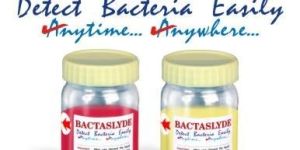
Yeasts are unicellular fungi which are used to make bread and other wheat-based products, such as dough and dumplings. Also they are useful in production of alcoholic beverages through fermentation. Almost all species of yeasts & fungi grow on BACTASLYDE & there growth may consist either purely of yeasts or purely of fungi or may be mixed.
Fungi are aerobic & commonly occur in nature, especially in places which are damp, where organic matter and oxygen are present. They produce vast numbers of spores & grow continuously without regards to size and shape. Several fungi are domesticated species that are bred or selected according to their capacity to ferment food without producing harmful toxins.
Yeasts are unicellular fungi which are used to make bread and other wheat-based products, such as dough and dumplings. Also they are useful in production of alcoholic beverages through fermentation. Almost all species of yeasts & fungi grow on BACTASLYDE & there growth may consist either purely of yeasts or purely of fungi or may be mixed.
Fungi are aerobic & commonly occur in nature, especially in places which are damp, where organic matter and oxygen are present. They produce vast numbers of spores & grow continuously without regards to size and shape. Several fungi are domesticated species that are bred or selected according to their capacity to ferment food without producing harmful toxins.
AQUASOL test kits are extremely simple and easy to use & make monitoring convenient and quick, thus preventive action can be taken immediately. You neither have to be a trained chemist nor require any experience to get reliable results from these test kits.
AQUASOL test kits based on standard and established analytical methods, backed by chemical research. These are simple adaptations of classic chemical analytical methods. The analytical methods are based on Standard Methods for Examination of Water and Waste Water prepared by American Public Health Association (APHA), American Water Works Association (AWWA), different pharmacopoeias and other standard methods.
You can have complete confidence in the results you obtain from AQUASOL, as they are extremely reliable. AQUASOL® systems replace conventional analytical methods such as Titrimetric, Colorimetric and Spectrophotometric by simple drop test & standard colour comparison methods.
AQUASOL reagents are completely ready to use, conveniently packed, and therefore user friendly. Our drop count procedures and suitable colour comparisons are also economical.
AQUASOL test kits are extremely convenient, and free you from the tedium of the laboratory, while saving precious time. Now you do not have to bother about reagent preparations and standardization, therefore AQUASOL test kit have been designed especially for you, who require accuracy of the highest standards.
AQUASOL test kits are available for almost all water parameters as mentioned below
AQUASOL test kits are extremely simple and easy to use & make monitoring convenient and quick, thus preventive action can be taken immediately. You neither have to be a trained chemist nor require any experience to get reliable results from these test kits.
AQUASOL test kits based on standard and established analytical methods, backed by chemical research. These are simple adaptations of classic chemical analytical methods. The analytical methods are based on Standard Methods for Examination of Water and Waste Water prepared by American Public Health Association (APHA), American Water Works Association (AWWA), different pharmacopoeias and other standard methods.
You can have complete confidence in the results you obtain from AQUASOL, as they are extremely reliable. AQUASOL® systems replace conventional analytical methods such as Titrimetric, Colorimetric and Spectrophotometric by simple drop test & standard colour comparison methods.
AQUASOL reagents are completely ready to use, conveniently packed, and therefore user friendly. Our drop count procedures and suitable colour comparisons are also economical.
AQUASOL test kits are extremely convenient, and free you from the tedium of the laboratory, while saving precious time. Now you do not have to bother about reagent preparations and standardization, therefore AQUASOL test kit have been designed especially for you, who require accuracy of the highest standards.
AQUASOL test kits are available for almost all water parameters as mentioned below
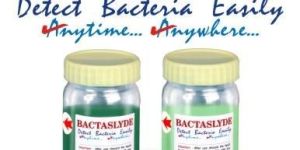
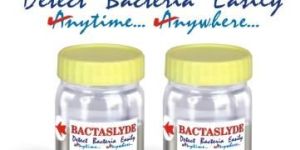
Vibrio cholera is the causative agent of cholera that occurs naturally in water & transmitted primarily through faeces and sewage polluted drinking water and food. Earlier cholera was found in practically all major cities of the world especially in places with ineffective sanitation and where not much is done to prevent pollution of food and water. However after consistent vigilance by both National and International health authorities all over the world and with sanitary engineering of sewage disposal and water supplies, the scourge of mankind has been brought under much control. But it is still found in fish and shellfish, produce, or leftover cooked grains. Marine and estuarine fishes are the most susceptible medium & it is usually most severe in marine culture & fish farms. BACTASLYDE is supplied in boxes of 5 along with the complete instructions set for a complete quantitative analysis of the contamination.
Vibrio cholera is the causative agent of cholera that occurs naturally in water & transmitted primarily through faeces and sewage polluted drinking water and food. Earlier cholera was found in practically all major cities of the world especially in places with ineffective sanitation and where not much is done to prevent pollution of food and water. However after consistent vigilance by both National and International health authorities all over the world and with sanitary engineering of sewage disposal and water supplies, the scourge of mankind has been brought under much control. But it is still found in fish and shellfish, produce, or leftover cooked grains. Marine and estuarine fishes are the most susceptible medium & it is usually most severe in marine culture & fish farms. BACTASLYDE is supplied in boxes of 5 along with the complete instructions set for a complete quantitative analysis of the contamination.
Turbidity is a principal physical characteristic of water. It is caused by suspended matter or impurities that interfere with the clarity of the water. These include clay, silt, finely divided inorganic and organic matter, soluble coloured organic compounds, and plankton and other microscopic organisms. Turbidity is the measure of relative clarity of a liquid. Clarity is required for drinking water and in manufacturing uses. This AQUASOL water turbidity test kit is simple and adequate. It has been designed for “onsite “use. It suffices its purpose and helps regular monitoring.
Turbidity is a principal physical characteristic of water. It is caused by suspended matter or impurities that interfere with the clarity of the water. These include clay, silt, finely divided inorganic and organic matter, soluble coloured organic compounds, and plankton and other microscopic organisms. Turbidity is the measure of relative clarity of a liquid. Clarity is required for drinking water and in manufacturing uses. This AQUASOL water turbidity test kit is simple and adequate. It has been designed for “onsite “use. It suffices its purpose and helps regular monitoring.
FeatureMicroprocessor based for fast and accurate measurement. Readings can be observed in NTU, FTU & EBC. Large LCD display for reading convenient. Memory function stores and recall options.
Turbidity is the cloudiness or haziness of water caused by large numbers of individual particles that are generally invisible to the naked eye. Traditionally samples are taken and the actual turbidity assessment is performed visually by lab personnel or with a multitude of bench-top style turbidity meters. But our ultraportable turbidity meter can measure readings on site and provide a more representative assessment of the actual process conditions. Turbidity is one of the critical parameters observed while evaluating water quality. There are guidelines and standards provided by international institutions for turbidity of water.
Turbidity is the cloudiness or haziness of water caused by large numbers of individual particles that are generally invisible to the naked eye. Traditionally samples are taken and the actual turbidity assessment is performed visually by lab personnel or with a multitude of bench-top style turbidity meters. But our ultraportable turbidity meter can measure readings on site and provide a more representative assessment of the actual process conditions. Turbidity is one of the critical parameters observed while evaluating water quality. There are guidelines and standards provided by international institutions for turbidity of water.
Feature : Microprocessor based for fast and accurate measurement. Readings can be observed in NTU, FTU & EBC. Large LCD display for reading convenient. Memory function stores and recall options.
Product RangeCode Range No of test AE-201 2-40, 5-100 mg/l as CaCo3 250 AE-211 2-40, 25-500 mg/l as CaCo3 250 AE-221 5-100, 25-500 mg/l as CaCo3 250 AE-231 1-20, 5-100 mg/l as CaCo3 250 AE-241 50 -1000 mg/l as CaCo3 250 Etc.
When water passes through or over deposits such as limestone, the levels of ca2+, mg2+, and hco3– ions present in the water greatly increase and cause the water to be classified as hard water. Hardness in water is caused by dissolved minerals and calcium and magnesium ions are usually present in significant concentration along with other divalent ions. Hardness creates scale deposit problem which lead to energy loss in different industrial systems ,such as boiler, cooling system, cause scale formation in plumbing, heating appliances, and boilers. Measuring total hardness is essential to monitor – softener, demineralization, RO plant, softening processes, etc. Our AQUASOL hardness range is one of the largest available in the market today. It is a premium kit and finds use in almost all industries, where water is the most important ingredientparameter.
When water passes through or over deposits such as limestone, the levels of ca2+, mg2+, and hco3– ions present in the water greatly increase and cause the water to be classified as hard water. Hardness in water is caused by dissolved minerals and calcium and magnesium ions are usually present in significant concentration along with other divalent ions. Hardness creates scale deposit problem which lead to energy loss in different industrial systems ,such as boiler, cooling system, cause scale formation in plumbing, heating appliances, and boilers. Measuring total hardness is essential to monitor – softener, demineralization, RO plant, softening processes, etc. Our AQUASOL hardness range is one of the largest available in the market today. It is a premium kit and finds use in almost all industries, where water is the most important ingredientparameter.
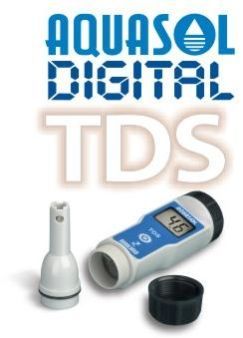
A TDS Meter indicates the amount of total dissolved solids (TDS) in a solution. Since dissolved ionized solids like salts and minerals contribute to the conductivity of a solution, a TDS Meter measures the conductivity of the solution then converts that figure to an estimated TDS reading. They are known for ascertaining fast and accurate measurement of total dissolved solids in given liquids. This instrument is ideal for testing liquids like natural water, drinking water, treated water, waste water, brine solution, sea water and soluble salt content in liquids.
A TDS Meter indicates the amount of total dissolved solids (TDS) in a solution. Since dissolved ionized solids like salts and minerals contribute to the conductivity of a solution, a TDS Meter measures the conductivity of the solution then converts that figure to an estimated TDS reading. They are known for ascertaining fast and accurate measurement of total dissolved solids in given liquids. This instrument is ideal for testing liquids like natural water, drinking water, treated water, waste water, brine solution, sea water and soluble salt content in liquids.
LiteraturePseudomonas Density Chart – BS103 Escherichia Coli Density Chart – BS102 Yeast & Fungi Dens
The Total Bacterial Count gives a quantitative idea about the presence of microorganisms such as bacteria, yeast and mold in a sample. It is also known as Total Viable Count (TVC), Heterotrophic Plate Count (HPC), Heterotrophic Colony Count (HCC), Aerobic Plate Count (APC), Total Plate Count (TPC), or Standard Plate Count (SPC) & it represents the total bacterial load in a given sample. All our range of dip slides enables you to perform the Total Bacterial Count on one side of the slide to reflect the general hygiene condition of a sample.
The Total Bacterial Count gives a quantitative idea about the presence of microorganisms such as bacteria, yeast and mold in a sample. It is also known as Total Viable Count (TVC), Heterotrophic Plate Count (HPC), Heterotrophic Colony Count (HCC), Aerobic Plate Count (APC), Total Plate Count (TPC), or Standard Plate Count (SPC) & it represents the total bacterial load in a given sample. All our range of dip slides enables you to perform the Total Bacterial Count on one side of the slide to reflect the general hygiene condition of a sample.
Tannin is a natural organic material that is the by product of nature’s fermentation process, created as water passes through peaty soil and decaying vegetation. Tannins create a light yellow to dark brown discoloration of the water, and cause yellow staining on fabrics, fixtures, and laundry. Tannin based formulations are used for prevention of scale and corrosion in steam boilers, closed cooling systems and steam locomotives. The tannin test kit is a titrimetric one and has reagents for 2 ranges in the same kit, making it portable and user friendly.
Tannin is a natural organic material that is the by product of nature’s fermentation process, created as water passes through peaty soil and decaying vegetation. Tannins create a light yellow to dark brown discoloration of the water, and cause yellow staining on fabrics, fixtures, and laundry. Tannin based formulations are used for prevention of scale and corrosion in steam boilers, closed cooling systems and steam locomotives. The tannin test kit is a titrimetric one and has reagents for 2 ranges in the same kit, making it portable and user friendly.
The first thought that comes to mind when we think of safety in swimming pools is drowning, slipping and falling, etc.
But do we really know that the most probable hazard is contamination by germs, viz. Bacteria. Therefore the likelihood of us falling prey to these sicknesses is much more than that of drowning, etc. Bacteria spread through people, who have diarrhoea and as the pool is shared by many swimmers, it can be very easily be contaminated. Even best maintained swimming pools can spread illnesses due to these microscopic predators, the bacteria. Therefore to ensure a disease free swimming experience, regular disinfection of the water is essential.
Generally, chlorine is the disinfectant of choice and a residual has to be maintained to ensure complete disinfection as well as residual protection. Now for chlorine to be effective, the ph (hydrogen ion concentration) of the water should preferably be between ph 6.5 to 7.5. Water below ph 6 or above ph 8 could be uncomfortable for skin.
Now to be doubly sure that the chlorine dose is effective, monitoring of harmful bacteria content is essential. However, detection of these unseen predators is always a tedious and time consuming task, in a laboratory, by the conventional methods of microbiology. Now our aquasol swimming pool test kit helps in testing ph, chorine & bacteria by anyone, anywhere in a matter of a few minutes. Our ready to use kits helps to monitor the levels of chlorine & ph on daily basis as well as has tests for harmful disease causing bacteria.
The first thought that comes to mind when we think of safety in swimming pools is drowning, slipping and falling, etc.
But do we really know that the most probable hazard is contamination by germs, viz. Bacteria. Therefore the likelihood of us falling prey to these sicknesses is much more than that of drowning, etc. Bacteria spread through people, who have diarrhoea and as the pool is shared by many swimmers, it can be very easily be contaminated. Even best maintained swimming pools can spread illnesses due to these microscopic predators, the bacteria. Therefore to ensure a disease free swimming experience, regular disinfection of the water is essential.
Generally, chlorine is the disinfectant of choice and a residual has to be maintained to ensure complete disinfection as well as residual protection. Now for chlorine to be effective, the ph (hydrogen ion concentration) of the water should preferably be between ph 6.5 to 7.5. Water below ph 6 or above ph 8 could be uncomfortable for skin.
Now to be doubly sure that the chlorine dose is effective, monitoring of harmful bacteria content is essential. However, detection of these unseen predators is always a tedious and time consuming task, in a laboratory, by the conventional methods of microbiology. Now our aquasol swimming pool test kit helps in testing ph, chorine & bacteria by anyone, anywhere in a matter of a few minutes. Our ready to use kits helps to monitor the levels of chlorine & ph on daily basis as well as has tests for harmful disease causing bacteria.
The quality of swimming water can make a major difference on the quality of your swimming experience. Without properly balanced water, swimmers may suffer a number of complaints from sore, itchy eyes to dry skin and hair. In fact, water that is contaminated with biological organisms may even cause more serious side effects and illnesses which is why it is so important to regularly check your pool’s water quality. Our pool water test kits are designed to check the pH & chlorine of your pool. To ensure the healthiest, most sanitary, clearest water quality, you should be testing your water every day. Swimming pool test kits provide a convenient and simple package for checking all elements of water quality.
The quality of swimming water can make a major difference on the quality of your swimming experience. Without properly balanced water, swimmers may suffer a number of complaints from sore, itchy eyes to dry skin and hair. In fact, water that is contaminated with biological organisms may even cause more serious side effects and illnesses which is why it is so important to regularly check your pool’s water quality. Our pool water test kits are designed to check the pH & chlorine of your pool. To ensure the healthiest, most sanitary, clearest water quality, you should be testing your water every day. Swimming pool test kits provide a convenient and simple package for checking all elements of water quality.
Sulphite is not usually present in surface waters. If sulphite is discharged in effluents or from domestic wastewaters, it readily oxidizes to sulphate. Sodium sulphite, the most common form of sulphite is an excellent reducing agent and is commonly used as an oxygen scavenger to control corrosion. Sulphite concentrations in boiler and process waters must be monitored regularly to protect the systems. Our sulphite test kit works when sulphite in salt form has been added to waters. It is a titration method, easy to use and easy to read.
Sulphite is not usually present in surface waters. If sulphite is discharged in effluents or from domestic wastewaters, it readily oxidizes to sulphate. Sodium sulphite, the most common form of sulphite is an excellent reducing agent and is commonly used as an oxygen scavenger to control corrosion. Sulphite concentrations in boiler and process waters must be monitored regularly to protect the systems. Our sulphite test kit works when sulphite in salt form has been added to waters. It is a titration method, easy to use and easy to read.
Sulphate is a constituent of TDS and may form salts with sodium, potassium, magnesium and other cations. Sulphate (so4-2) is widely distributed in nature and may be present in natural waters at concentrations ranging from a few to several hundred milligrams per litre. Sulphate can cause scale build-up in water pipes. Sulphates are also food for theAnaerobic slime formers the sulphate reducing bacteria which are responsible for pitting type of corrosion in pipes.The AQUASOL water test kit for sulphate is based on titrimetry and is extremely user friendly.
Sulphate is a constituent of TDS and may form salts with sodium, potassium, magnesium and other cations. Sulphate (so4-2) is widely distributed in nature and may be present in natural waters at concentrations ranging from a few to several hundred milligrams per litre. Sulphate can cause scale build-up in water pipes. Sulphates are also food for theAnaerobic slime formers the sulphate reducing bacteria which are responsible for pitting type of corrosion in pipes.The AQUASOL water test kit for sulphate is based on titrimetry and is extremely user friendly.
Staphylococcus species are found on the skin and hair of a large proportion of the population and are the common cause of pyogenic infections and food poisoning. They spread through various housekeeping activities, generally in domestic environment and in hospitals. Infection in food can occur through workers from infected cuts, abrasions, boil or from nasal carriers. Foods with high salt content are generally contaminated with staphylococcus species like meat, ham, synthetic cream, sauces, fresh fish, canned f and cheeses especially cheddar. Staphylococci produce several enterotoxins, which can withstand high temperature. Many species of staphylococcus are pathogenic & cause food poisoning, diarrhea and prostration, while the other make useful indicators of sewage pollution. Foods especially the high salt content ones are contaminated with staphylococcus species viz. meats, synthetic cream and sauces, fresh fish and canned vegetables and cheeses. Staphylococci produce several enterotoxins, which withstand heating at 1000C for 30 min. BACTASLYDE is supplied in boxes of 5 along with the complete instructions set for a complete quantitative analysis of the contamination.
Staphylococcus species are found on the skin and hair of a large proportion of the population and are the common cause of pyogenic infections and food poisoning. They spread through various housekeeping activities, generally in domestic environment and in hospitals. Infection in food can occur through workers from infected cuts, abrasions, boil or from nasal carriers. Foods with high salt content are generally contaminated with staphylococcus species like meat, ham, synthetic cream, sauces, fresh fish, canned f and cheeses especially cheddar. Staphylococci produce several enterotoxins, which can withstand high temperature. Many species of staphylococcus are pathogenic & cause food poisoning, diarrhea and prostration, while the other make useful indicators of sewage pollution. Foods especially the high salt content ones are contaminated with staphylococcus species viz. meats, synthetic cream and sauces, fresh fish and canned vegetables and cheeses. Staphylococci produce several enterotoxins, which withstand heating at 1000C for 30 min. BACTASLYDE is supplied in boxes of 5 along with the complete instructions set for a complete quantitative analysis of the contamination.
Sulfate Reducing Bacteria (SRB) are those bacteria that can obtain energy by oxidizing organic compounds or molecular hydrogen while reducing sulfate to hydrogen sulfide. They are also know as Sulfide Generating Bacteria (SGB) and commonly found in anaerobic environments where they aid in the degradation of organic materials like secondary oil recovery effluents, estuarine waters, deep wells, cooling waters, metalworking fluids, water-based hydraulic fluids, and petroleum based products. They can survive up to 600 DegC & cause pitting corrosion on metal structures that are exposed to sulfate-containing water by cathodic depolarization. They also play a role in the anaerobic oxidation of methane below the seabed in the transition zone which leads to heavy production loss.
Since sulfate is also found in some formulations of or the other used in water treatment, viz, corrosion inhibitors, coolants, etc. Sulfate acts as a hydrogen acceptor produces hydrogen sulfide and ferrous sulfide. These together form a malodorous black slime. In some case bubbles of H2S rise though the water and cause objectionable odors. The corrosion of iron by sulfate reducing bacteria is rapid and unlike ordinary rusting, is not self – limiting. Our specially developed test kit with a unique 10ml sample size gives a much detailed quantitative analysis of the SRB count in a sample. BACTASLYDE SRB is supplied in boxes of 5 along with the complete instructions set for a complete quantitative analysis of the contamination.
Sulfate Reducing Bacteria (SRB) are those bacteria that can obtain energy by oxidizing organic compounds or molecular hydrogen while reducing sulfate to hydrogen sulfide. They are also know as Sulfide Generating Bacteria (SGB) and commonly found in anaerobic environments where they aid in the degradation of organic materials like secondary oil recovery effluents, estuarine waters, deep wells, cooling waters, metalworking fluids, water-based hydraulic fluids, and petroleum based products. They can survive up to 600 DegC & cause pitting corrosion on metal structures that are exposed to sulfate-containing water by cathodic depolarization. They also play a role in the anaerobic oxidation of methane below the seabed in the transition zone which leads to heavy production loss.
Since sulfate is also found in some formulations of or the other used in water treatment, viz, corrosion inhibitors, coolants, etc. Sulfate acts as a hydrogen acceptor produces hydrogen sulfide and ferrous sulfide. These together form a malodorous black slime. In some case bubbles of H2S rise though the water and cause objectionable odors. The corrosion of iron by sulfate reducing bacteria is rapid and unlike ordinary rusting, is not self – limiting. Our specially developed test kit with a unique 10ml sample size gives a much detailed quantitative analysis of the SRB count in a sample. BACTASLYDE SRB is supplied in boxes of 5 along with the complete instructions set for a complete quantitative analysis of the contamination.
Soil testing is the analysis of a soil sample to determine nutrient and contaminated content, composition, and other major nutrient characteristics. A soil test can determine fertility, or the expected growth potential of the soil which indicates nutrient deficiencies, potential toxicities from excessive fertility and inhibitions from the presence of non-essential trace minerals.
Soil testing is often performed targeting groups of compounds and minerals which need to be in adequate quantities for the soil to be productive and subsequently give a healthy crop. The advantages of testing are that excessive use of fertilizer can be avoided which results in reduction of waste of plant & potential damage to environment can be controlled. Therefore it makes good sense to test the soil for these nutrients and add the required amount of fertilizer.
Soil has to contain some major nutrient for the crops to be healthy. The major nutrients which need to be in adequate quantities for the soil to be productive and subsequently give a healthy crop are:
nitrogen
nitrogen encourages above ground vegetative growth & it serves as the source for the dark green color in the leaves of various crops.
Phosphorous
phosphorus is a component of the complex nucleic acid structure of plants, which regulates protein synthesis. It is therefore, important in cell division and development of new tissue in roots.
Potassium
potassium takes care of multiple functions like photosynthesis, protein synthesis, and starch formation and for the translocation of sugars. It also imparts resistance to the plant against microbial attack and if deficient results in poor flowering and fruit formation.
Ph
ph is important because it influences how easily plants can take up nutrients from the soil. Also is useful in prevention of soil borne disease.
Soil testing is the analysis of a soil sample to determine nutrient and contaminated content, composition, and other major nutrient characteristics. A soil test can determine fertility, or the expected growth potential of the soil which indicates nutrient deficiencies, potential toxicities from excessive fertility and inhibitions from the presence of non-essential trace minerals.
Soil testing is often performed targeting groups of compounds and minerals which need to be in adequate quantities for the soil to be productive and subsequently give a healthy crop. The advantages of testing are that excessive use of fertilizer can be avoided which results in reduction of waste of plant & potential damage to environment can be controlled. Therefore it makes good sense to test the soil for these nutrients and add the required amount of fertilizer.
Soil has to contain some major nutrient for the crops to be healthy. The major nutrients which need to be in adequate quantities for the soil to be productive and subsequently give a healthy crop are:
nitrogen
nitrogen encourages above ground vegetative growth & it serves as the source for the dark green color in the leaves of various crops.
Phosphorous
phosphorus is a component of the complex nucleic acid structure of plants, which regulates protein synthesis. It is therefore, important in cell division and development of new tissue in roots.
Potassium
potassium takes care of multiple functions like photosynthesis, protein synthesis, and starch formation and for the translocation of sugars. It also imparts resistance to the plant against microbial attack and if deficient results in poor flowering and fruit formation.
Ph
ph is important because it influences how easily plants can take up nutrients from the soil. Also is useful in prevention of soil borne disease.
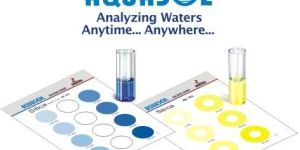
Silica (sio2) is an oxide of silicon, and is present in almost all minerals. It is found in surface and well water. Silica is a problem for high pressure boilers, as it exhibits enough volatility that high pressure boilers will have silica carry over to the vapour partition. When the steam pressure is reduced in turbines, silica will precipitate on the blades as a glassy deposit, which reduces efficiency. Measuring silica in water is useful to monitor demineralizer for boiler water treatment. The silica water test is available as 4 different products in very low and very high ranges.
Silica (sio2) is an oxide of silicon, and is present in almost all minerals. It is found in surface and well water. Silica is a problem for high pressure boilers, as it exhibits enough volatility that high pressure boilers will have silica carry over to the vapour partition. When the steam pressure is reduced in turbines, silica will precipitate on the blades as a glassy deposit, which reduces efficiency. Measuring silica in water is useful to monitor demineralizer for boiler water treatment. The silica water test is available as 4 different products in very low and very high ranges.
The unwanted accumulation of scale and detrimental impact of metallic corrosion can be significant issues that affect the operation and maintenance of open and closed cooling water systems. To ensure that such open and closed cooling systems are well maintained and operate at optimum efficiency, it is essential that the correct water conditions are maintained at all times. This can be achieved using carefully selected scale and corrosion inhibitors designed specifically for such cooling systems.Our technologically advanced cooling water scale and corrosion inhibitors have been scientifically formulated to protect cooling systems from the effects of both scale build-up and metallic corrosion in a single product. Our scale and corrosion inhibitors deliver improved performance, helping to reduce maintenance costs, improve reliability and optimise operational efficiency.
The unwanted accumulation of scale and detrimental impact of metallic corrosion can be significant issues that affect the operation and maintenance of open and closed cooling water systems. To ensure that such open and closed cooling systems are well maintained and operate at optimum efficiency, it is essential that the correct water conditions are maintained at all times. This can be achieved using carefully selected scale and corrosion inhibitors designed specifically for such cooling systems.Our technologically advanced cooling water scale and corrosion inhibitors have been scientifically formulated to protect cooling systems from the effects of both scale build-up and metallic corrosion in a single product. Our scale and corrosion inhibitors deliver improved performance, helping to reduce maintenance costs, improve reliability and optimise operational efficiency.
Salmonella bacteria are zoonotic and can be transferred between humans and other animals. These are intestinal pathogens and are cause for many diseases viz. typhoid, paratyphoid, food poisoning etc. Classic typhoid fever is a serious and life-threatening infection which has a mortality approaching 20%. Cases of enteric fever almost always occur from the ingestion of contaminated food or water. These bacteria can survive for some time without a host for weeks outside a living body and they are not destroyed by freezing. They are frequently found in polluted water, contamination from the excrement of carrier animals being particularly important. This organism enters through the digestive tract due to ingestion of contaminated food. The “food infection” is generally thru’ eating or handling contaminated raw or not properly cooked meat of cattle, swine, poultry, fish etc. FDA has laid down mandatory testing norms to control risk of salmonella contamination in foodstuff like spices, fish and eggs etc. BACTASLYDE is supplied in boxes of 5 along with the complete instructions set for a complete quantitative analysis of the contamination.
Salmonella bacteria are zoonotic and can be transferred between humans and other animals. These are intestinal pathogens and are cause for many diseases viz. typhoid, paratyphoid, food poisoning etc. Classic typhoid fever is a serious and life-threatening infection which has a mortality approaching 20%. Cases of enteric fever almost always occur from the ingestion of contaminated food or water. These bacteria can survive for some time without a host for weeks outside a living body and they are not destroyed by freezing. They are frequently found in polluted water, contamination from the excrement of carrier animals being particularly important. This organism enters through the digestive tract due to ingestion of contaminated food. The “food infection” is generally thru’ eating or handling contaminated raw or not properly cooked meat of cattle, swine, poultry, fish etc. FDA has laid down mandatory testing norms to control risk of salmonella contamination in foodstuff like spices, fish and eggs etc. BACTASLYDE is supplied in boxes of 5 along with the complete instructions set for a complete quantitative analysis of the contamination.
FeaturepH 4 to 10 Total Hardness 2-40, 5-100, 25-500 mg mg/l as CaCO3 Calcium Hardness 5-100 mg/l as CaCO3 Silica 5, 10, 20, 40, 60, 80 mg/l as SiO2
Reverse Osmosis (RO) is a modern process to purify water for a wide range of applications, including semiconductors, boiler feed water treatment, food processing, biotechnology, pharmaceuticals, power generation, seawater desalting, and municipal drinking water.
Reverse Osmosis (RO) is a modern process to purify water for a wide range of applications, including semiconductors, boiler feed water treatment, food processing, biotechnology, pharmaceuticals, power generation, seawater desalting, and municipal drinking water.
Feature : pH 4 to 10 Total Hardness 2-40, 5-100, 25-500 mg mg/l as CaCO3 Calcium Hardness 5-100 mg/l as CaCO3 Silica 5, 10, 20, 40, 60, 80 mg/l as SiO2
FeaturesCompact, Sturdy & Ergonomically Design Multi-Functional Control Panel Convenient Auto Flushing System Controlled Reject Recovery System. Etc
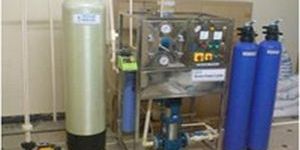
Our Industrial Reverse Osmosis Systems are engineered to economically produce high purity water by removal of dissolved minerals, particles, and other impurities. Each system is constructed using the highest quality components and materials for reliable operation and exceptional performance.
We ensure the compliance of our products with the defined industry standards and quality guidelines. Our standard machines are available with product water outputs from 200 LPH to 2000 LPH. We also offers a wide variety of customised system for prepost treatment, distribution pumps, and integrated controls for a complete water treatment system.
Our specialty is skid mounted, pre-piped, and pre-wired equipment allowing for quick installation and start-up time. We are always ready to work with you to design a customized system meeting your water treatment requirements at leading market price.
Our Industrial Reverse Osmosis Systems are engineered to economically produce high purity water by removal of dissolved minerals, particles, and other impurities. Each system is constructed using the highest quality components and materials for reliable operation and exceptional performance.
We ensure the compliance of our products with the defined industry standards and quality guidelines. Our standard machines are available with product water outputs from 200 LPH to 2000 LPH. We also offers a wide variety of customised system for prepost treatment, distribution pumps, and integrated controls for a complete water treatment system.
Our specialty is skid mounted, pre-piped, and pre-wired equipment allowing for quick installation and start-up time. We are always ready to work with you to design a customized system meeting your water treatment requirements at leading market price.
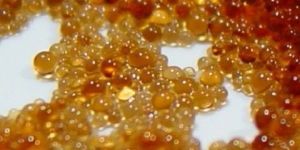
Ion exchange resins can become polluted or contaminated with suspended solids, slime, bacteria, and numerous organic or microbiological matters over a time period. Fouling of the resin by iron and organic build up cannot be removed by normal regeneration procedures and can cause gradual performance losses. Our resin cleaner is especially designed to remove bound iron from iron fouled resins and prevent accumulation of fouling conditions to extend the resin life significantly. It will ensure optimum exchange capacity & also keep the softener components clean when used on a regular basis.
Ion exchange resins can become polluted or contaminated with suspended solids, slime, bacteria, and numerous organic or microbiological matters over a time period. Fouling of the resin by iron and organic build up cannot be removed by normal regeneration procedures and can cause gradual performance losses. Our resin cleaner is especially designed to remove bound iron from iron fouled resins and prevent accumulation of fouling conditions to extend the resin life significantly. It will ensure optimum exchange capacity & also keep the softener components clean when used on a regular basis.
ParameterParameter Range Acidity 10-200 & 100-2000 mg/l as CaCO3 Alkalinity 10-200, 100-2000 mg/l as CaCO3 pH 4 to 10 Calcium, Magnesium 5-100 mg/l as CaCO3 Ammonium 0.5, 1.0, 2.0, 4.0, 6.0, 8.0 mg/l as NH4
Highly purified water is an essential component of biopharmaceutical industry. It is used as an ingredient in both research procedures and drug formulations and also for general cleaning, rinsing, etc. In each case the water source must be processed and treated to microbial and chemical contaminants that would otherwise compromise the quality, safety, efficacy and purity of finished product.
Highly purified water is an essential component of biopharmaceutical industry. It is used as an ingredient in both research procedures and drug formulations and also for general cleaning, rinsing, etc. In each case the water source must be processed and treated to microbial and chemical contaminants that would otherwise compromise the quality, safety, efficacy and purity of finished product.
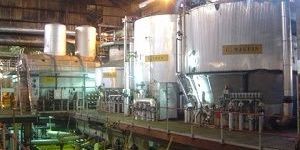
A cane sugar mill converts sugar cane to sugar crystals using a chain of continuous processes like crushing, evaporating, filtering & Distillation. To maximize sugar recovery from each of these processes different sugar process chemicals are used for individual production processes. Our comprehensive ranges of high performance chemicals have been scientifically formulated to deliver significant operational benefits and economize the production process. Use of these chemicals helps the sugar process unit for a trouble free run and achieving maximum recovery of sugar from cane.
A cane sugar mill converts sugar cane to sugar crystals using a chain of continuous processes like crushing, evaporating, filtering & Distillation. To maximize sugar recovery from each of these processes different sugar process chemicals are used for individual production processes. Our comprehensive ranges of high performance chemicals have been scientifically formulated to deliver significant operational benefits and economize the production process. Use of these chemicals helps the sugar process unit for a trouble free run and achieving maximum recovery of sugar from cane.
FeaturesProduct Code Details Quantity AM-B5-PH1 pH Solution 1.68 500 ml AM-B5-PH4 pH Solution 4.01 500 ml
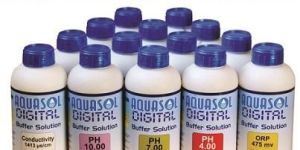
We offer a wide selection of pH Standard Solutions. All the buffer solutions are bottled in our state-of-the-art solution facility and comply with National and International standards. These solutions are available in a convenient and economical 500ml bottle with certification.
We offer a wide selection of pH Standard Solutions. All the buffer solutions are bottled in our state-of-the-art solution facility and comply with National and International standards. These solutions are available in a convenient and economical 500ml bottle with certification.
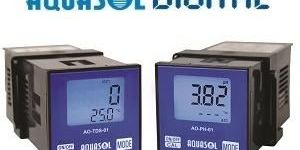
FeatureMicroprocessor based for fast and accurate measurements. • Weatherproof Case and compact Design. • 1/16 DIN fitting on the standard industry panel • Large Backlight LCD Display • Easy to Calibrate by one keyboard & Degree C/F are switchable.
Monitoring of PH ORP TDS Conductivity is commonly required in a wide variety of industries ranging from water, chemical, pharmaceutical, food processing etc. So our online range of meters helps to monitor the process PH ORP TDS Conductivity Temperature on continuous basis. These reliable, accurate and robust meters are designed with a compact housing which fits in standard industry panel with 116 DIN fitting. Also these meters can be easily calibrated and can display multiple parameters at the same time.
Monitoring of PH ORP TDS Conductivity is commonly required in a wide variety of industries ranging from water, chemical, pharmaceutical, food processing etc. So our online range of meters helps to monitor the process PH ORP TDS Conductivity Temperature on continuous basis. These reliable, accurate and robust meters are designed with a compact housing which fits in standard industry panel with 116 DIN fitting. Also these meters can be easily calibrated and can display multiple parameters at the same time.
Feature : Microprocessor based for fast and accurate measurements. • Weatherproof Case and compact Design. • 1/16 DIN fitting on the standard industry panel • Large Backlight LCD Display • Easy to Calibrate by one keyboard & Degree C/F are switchable.















 Reviews & Ratings
 Write a Review


 Post Free Ad