Yellow mustard seeds, harvested in October and November, serve diverse culinary and medicinal roles. Eaten raw, roasted, or ground into a paste, they contribute to mustard oil, pickles, and various condiments. Traditional Indian medicine utilizes them to address various conditions. Beyond their culinary versatility, these seeds offer potential health benefits, including reducing the risk of heart disease, cancer, and osteoporosis, while also potentially boosting the immune system. Explore the holistic advantages of yellow mustard seeds in both cuisine and well-being.
Yellow mustard seeds, harvested in October and November, serve diverse culinary and medicinal roles. Eaten raw, roasted, or ground into a paste, they contribute to mustard oil, pickles, and various condiments. Traditional Indian medicine utilizes them to address various conditions. Beyond their culinary versatility, these seeds offer potential health benefits, including reducing the risk of heart disease, cancer, and osteoporosis, while also potentially boosting the immune system. Explore the holistic advantages of yellow mustard seeds in both cuisine and well-being.
Yellow millet, a staple in traditional cuisine, features in dishes like "bajra roti " and serves as a rice substitute. Beyond culinary uses, it functions as livestock fodder, offering valuable nutrition. Its high fiber content supports digestion and potential blood sugar management. Rich in carbohydrates, it provides a sustainable energy source complemented by antioxidants that combat oxidative stress. The essential nutrients in yellow millet contribute to overall well-being, making it a versatile and nutritious choice.
Yellow millet, a staple in traditional cuisine, features in dishes like "bajra roti " and serves as a rice substitute. Beyond culinary uses, it functions as livestock fodder, offering valuable nutrition. Its high fiber content supports digestion and potential blood sugar management. Rich in carbohydrates, it provides a sustainable energy source complemented by antioxidants that combat oxidative stress. The essential nutrients in yellow millet contribute to overall well-being, making it a versatile and nutritious choice.
Yellow-Green Millet, commonly referring to Foxtail Millet (Setaria italica), is an ancient and nutrient-rich grain that has been cultivated for centuries. Recognized for its pale yellow to greenish hue, this millet is widely used in traditional Indian diets and is gaining global popularity for its health benefits. Naturally gluten-free and high in dietary fiber, protein, and essential minerals like iron and magnesium, Yellow-Green Millet supports digestion, controls blood sugar levels, and provides sustained energy. Its low glycemic index makes it especially suitable for people with diabetes and those managing their weight. Yellow-Green Millet can be used in a variety of dishes such as khichdi, upma, porridge, salads, and even baked goods. With its mild, nutty flavor and versatility in cooking, it serves as a healthy substitute for rice and wheat in everyday meals.
Yellow-Green Millet, commonly referring to Foxtail Millet (Setaria italica), is an ancient and nutrient-rich grain that has been cultivated for centuries. Recognized for its pale yellow to greenish hue, this millet is widely used in traditional Indian diets and is gaining global popularity for its health benefits. Naturally gluten-free and high in dietary fiber, protein, and essential minerals like iron and magnesium, Yellow-Green Millet supports digestion, controls blood sugar levels, and provides sustained energy. Its low glycemic index makes it especially suitable for people with diabetes and those managing their weight. Yellow-Green Millet can be used in a variety of dishes such as khichdi, upma, porridge, salads, and even baked goods. With its mild, nutty flavor and versatility in cooking, it serves as a healthy substitute for rice and wheat in everyday meals.
Yellow corn stands as a nutritional powerhouse, abundant in fiber, vitamins, and antioxidants. Its versatile applications extend to the production of cornmeal, corn flour, cornstarch, popcorn, and various culinary delights. Beyond its culinary role, yellow corn contributes to digestive and eye health while potentially reducing the risk of chronic diseases. Incorporate the wholesome benefits of yellow corn into your diet for a nourishing and health-conscious choice.
Yellow corn stands as a nutritional powerhouse, abundant in fiber, vitamins, and antioxidants. Its versatile applications extend to the production of cornmeal, corn flour, cornstarch, popcorn, and various culinary delights. Beyond its culinary role, yellow corn contributes to digestive and eye health while potentially reducing the risk of chronic diseases. Incorporate the wholesome benefits of yellow corn into your diet for a nourishing and health-conscious choice.
Natural sesame seeds remain unhulled, retaining their pure essence. They offer a rich nutritional profile, boasting protein, fiber, calcium, iron, and magnesium. Furthermore, natural sesame seeds are a reservoir of antioxidants that safeguard the body from harm. Harvested during October and November, they feature prominently in a diverse range of savory and sweet culinary creations. Their applications are endless, from tahini and hummus to sesame oil and delectable sweets. Additionally, these seeds are valued in traditional Indian medicine for their therapeutic properties.
Natural sesame seeds remain unhulled, retaining their pure essence. They offer a rich nutritional profile, boasting protein, fiber, calcium, iron, and magnesium. Furthermore, natural sesame seeds are a reservoir of antioxidants that safeguard the body from harm. Harvested during October and November, they feature prominently in a diverse range of savory and sweet culinary creations. Their applications are endless, from tahini and hummus to sesame oil and delectable sweets. Additionally, these seeds are valued in traditional Indian medicine for their therapeutic properties.
Wheat, a nutrient-rich grain, is a valuable source of carbohydrates, protein, fiber, and B vitamins. Its diverse applications include crafting bread, pasta, noodles, and various culinary delights. Beyond its adaptability, wheat presents potential health advantages, contributing to blood sugar regulation, cholesterol reduction, and heart health improvement. The wholesome goodness of wheat is it being a fundamental staple with both nutritional and culinary significance.
Wheat, a nutrient-rich grain, is a valuable source of carbohydrates, protein, fiber, and B vitamins. Its diverse applications include crafting bread, pasta, noodles, and various culinary delights. Beyond its adaptability, wheat presents potential health advantages, contributing to blood sugar regulation, cholesterol reduction, and heart health improvement. The wholesome goodness of wheat is it being a fundamental staple with both nutritional and culinary significance.
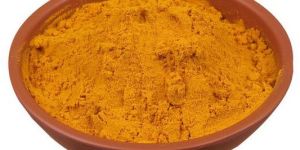
Turmeric, a native Indian spice, this golden-hued rhizome is renowned for its potent nutritional and medicinal properties. It contains curcumin, a potent anti-inflammatory and antioxidant compound, which contributes to various health benefits, including reducing inflammation, supporting joint health, and potentially aiding in managing chronic diseases. Turmeric 's applications are diverse, enhancing the flavor and color of curries, soups, and rice dishes. Additionally, it 's used in traditional Ayurvedic medicine to address a range of ailments.
Turmeric, a native Indian spice, this golden-hued rhizome is renowned for its potent nutritional and medicinal properties. It contains curcumin, a potent anti-inflammatory and antioxidant compound, which contributes to various health benefits, including reducing inflammation, supporting joint health, and potentially aiding in managing chronic diseases. Turmeric 's applications are diverse, enhancing the flavor and color of curries, soups, and rice dishes. Additionally, it 's used in traditional Ayurvedic medicine to address a range of ailments.
Turmeric Finger is the dried, whole form of the turmeric root (Curcuma longa), known for its vibrant golden-yellow color, earthy aroma, and warm, slightly bitter flavor. A staple in Indian and Southeast Asian cooking, turmeric is widely used in curries, spice blends, herbal teas, and health remedies. Rich in curcumin, a powerful antioxidant and anti-inflammatory compound, turmeric fingers are valued not just for their culinary use but also for their traditional medicinal properties. Commonly ground into powder before use, turmeric fingers are preferred for their purity and long shelf life. Whether for cooking, natural dyeing, or Ayurvedic treatments, Turmeric Finger is a trusted and versatile spice that brings both color and wellness to your kitchen.
Turmeric Finger is the dried, whole form of the turmeric root (Curcuma longa), known for its vibrant golden-yellow color, earthy aroma, and warm, slightly bitter flavor. A staple in Indian and Southeast Asian cooking, turmeric is widely used in curries, spice blends, herbal teas, and health remedies. Rich in curcumin, a powerful antioxidant and anti-inflammatory compound, turmeric fingers are valued not just for their culinary use but also for their traditional medicinal properties. Commonly ground into powder before use, turmeric fingers are preferred for their purity and long shelf life. Whether for cooking, natural dyeing, or Ayurvedic treatments, Turmeric Finger is a trusted and versatile spice that brings both color and wellness to your kitchen.
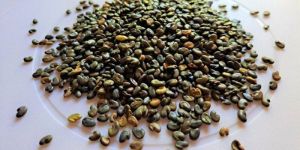
Sunhemp seeds come from the Crotalaria juncea plant, a fast-growing legume widely used in agriculture and soil improvement. These seeds are typically small, round, and brownish, and are primarily cultivated for green manure, fiber, and soil enrichment rather than for human consumption. Sunhemp plants help in nitrogen fixation, improving soil fertility naturally. The seeds are also used to grow plants for forage, cover cropping, and even for making natural fiber ropes and textiles. In traditional practices, Sunhemp is valued for its role in sustainable farming and organic agriculture.
Sunhemp seeds come from the Crotalaria juncea plant, a fast-growing legume widely used in agriculture and soil improvement. These seeds are typically small, round, and brownish, and are primarily cultivated for green manure, fiber, and soil enrichment rather than for human consumption. Sunhemp plants help in nitrogen fixation, improving soil fertility naturally. The seeds are also used to grow plants for forage, cover cropping, and even for making natural fiber ropes and textiles. In traditional practices, Sunhemp is valued for its role in sustainable farming and organic agriculture.
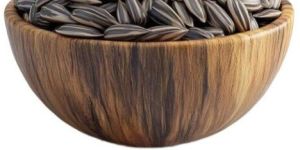
Indian-origin sunflower seeds, scientifically known as Helianthus annuus, are a nutritious powerhouse extensively cultivated in India. These seeds are renowned for their impressive nutritional content, packing a punch with protein, fiber, vitamin E, essential minerals like magnesium and selenium, and heart-healthy fats. Indian sunflower seeds, prized for their versatility and nutritional richness, offer numerous health benefits including promoting cardiovascular health, reducing inflammation, supporting bone strength, boosting the immune system, and enhancing skin health.
Indian-origin sunflower seeds, scientifically known as Helianthus annuus, are a nutritious powerhouse extensively cultivated in India. These seeds are renowned for their impressive nutritional content, packing a punch with protein, fiber, vitamin E, essential minerals like magnesium and selenium, and heart-healthy fats. Indian sunflower seeds, prized for their versatility and nutritional richness, offer numerous health benefits including promoting cardiovascular health, reducing inflammation, supporting bone strength, boosting the immune system, and enhancing skin health.
Blanched split peanuts are raw peanuts that have had their outer red skin removed and are then split into halves. This process gives them a clean, creamy appearance and makes them ideal for use in snacks, sweets, cooking, and peanut-based products like butter or chikki. These peanuts are rich in protein, healthy fats, fiber, and essential vitamins like B-complex and E. Their mild flavor and smooth texture make them perfect for roasting, frying, or grinding.
Blanched split peanuts are raw peanuts that have had their outer red skin removed and are then split into halves. This process gives them a clean, creamy appearance and makes them ideal for use in snacks, sweets, cooking, and peanut-based products like butter or chikki. These peanuts are rich in protein, healthy fats, fiber, and essential vitamins like B-complex and E. Their mild flavor and smooth texture make them perfect for roasting, frying, or grinding.
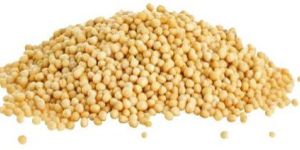
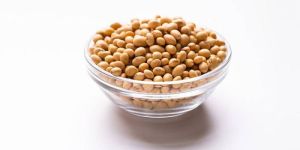
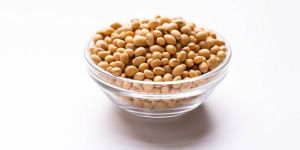
Soybeans - originating from India. These legumes are nutritional and packed with protein, fiber, vitamins, and minerals. They offer numerous health benefits, including heart health support, improved bone health due to their calcium content, and hormone regulation from phytoestrogens. Soybeans can be used in various forms, such as tofu, tempeh, and soy milk, making them a valuable plant-based protein source for vegetarians. Harvested typically between October and January, soybeans are not only a staple in Indian cuisine but are also essential in various global food products like soy sauce and textured vegetable protein (TVP).
Soybeans - originating from India. These legumes are nutritional and packed with protein, fiber, vitamins, and minerals. They offer numerous health benefits, including heart health support, improved bone health due to their calcium content, and hormone regulation from phytoestrogens. Soybeans can be used in various forms, such as tofu, tempeh, and soy milk, making them a valuable plant-based protein source for vegetarians. Harvested typically between October and January, soybeans are not only a staple in Indian cuisine but are also essential in various global food products like soy sauce and textured vegetable protein (TVP).
Sorghum, harvested during October and November, is a nutrient-rich grain, providing carbohydrates, protein, fiber, and minerals. With applications ranging from flour and porridge to beer, it offers culinary diversity. Beyond its versatility, sorghum potentially supports health by regulating blood sugar, lowering cholesterol, and promoting heart well-being. Incorporate the nourishing qualities of sorghum into your diet for a wholesome grain with both culinary and health benefits.
Sorghum, harvested during October and November, is a nutrient-rich grain, providing carbohydrates, protein, fiber, and minerals. With applications ranging from flour and porridge to beer, it offers culinary diversity. Beyond its versatility, sorghum potentially supports health by regulating blood sugar, lowering cholesterol, and promoting heart well-being. Incorporate the nourishing qualities of sorghum into your diet for a wholesome grain with both culinary and health benefits.
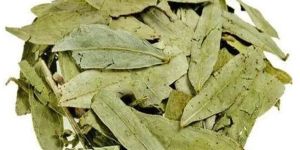
Senna Leaves are the dried foliage of the Senna plant, most commonly from the species Senna alexandrina (also known as Cassia angustifolia). These leaves have been recognized and used for centuries across the world, especially in traditional medicine systems such as Ayurveda, Unani, and Traditional Chinese Medicine, primarily for their potent natural laxative properties.Native to North Africa, India, and parts of the Middle East, the Senna plant is a small shrub with yellow flowers and green pods. The leaves and pods of this plant are harvested, dried, and used medicinally—most notably to relieve constipation, cleanse the digestive tract, and support detoxification processes.
Senna Leaves are the dried foliage of the Senna plant, most commonly from the species Senna alexandrina (also known as Cassia angustifolia). These leaves have been recognized and used for centuries across the world, especially in traditional medicine systems such as Ayurveda, Unani, and Traditional Chinese Medicine, primarily for their potent natural laxative properties.Native to North Africa, India, and parts of the Middle East, the Senna plant is a small shrub with yellow flowers and green pods. The leaves and pods of this plant are harvested, dried, and used medicinally—most notably to relieve constipation, cleanse the digestive tract, and support detoxification processes.
Safflower seeds are multifunctional, serving as a source for oil extraction and certain culinary delights when roasted. Additionally, they are also used as bird feed; these seeds contribute to heart health through their high linoleic acid content, potentially aiding blood sugar management. Rich in essential nutrients such as vitamin E and antioxidants, they combat oxidative stress. Moreover, the oil derived from safflower seeds is employed in traditional medicine for diverse health benefits, making them a valuable and versatile seed option.
Safflower seeds are multifunctional, serving as a source for oil extraction and certain culinary delights when roasted. Additionally, they are also used as bird feed; these seeds contribute to heart health through their high linoleic acid content, potentially aiding blood sugar management. Rich in essential nutrients such as vitamin E and antioxidants, they combat oxidative stress. Moreover, the oil derived from safflower seeds is employed in traditional medicine for diverse health benefits, making them a valuable and versatile seed option.
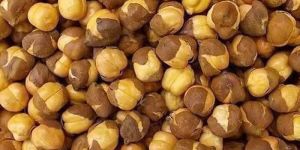
Roasted grams, also known as roasted chana or bhuna chana, are dry-roasted chickpeas that are typically made from Desi variety of chickpeas. These are either consumed whole (with or without skin) or split (called dalia or chana dal), and are a popular, healthy snack across India and other South Asian countries. Roasted grams are crunchy, nutty in taste, and highly nutritious. They are rich in protein, dietary fiber, and essential minerals like iron and magnesium, making them a perfect option for energy-boosting snacks, especially for vegetarians and fitness enthusiasts.
Roasted grams, also known as roasted chana or bhuna chana, are dry-roasted chickpeas that are typically made from Desi variety of chickpeas. These are either consumed whole (with or without skin) or split (called dalia or chana dal), and are a popular, healthy snack across India and other South Asian countries. Roasted grams are crunchy, nutty in taste, and highly nutritious. They are rich in protein, dietary fiber, and essential minerals like iron and magnesium, making them a perfect option for energy-boosting snacks, especially for vegetarians and fitness enthusiasts.
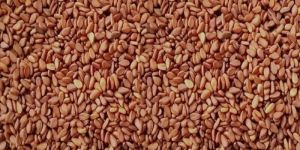
Red sesame seeds are a unique and less common variety of sesame, known for their reddish-brown color and strong, nutty flavor. These seeds are rich in protein, healthy fats, calcium, iron, and antioxidants, making them highly valued in traditional diets and natural medicine. Used in various Asian and Middle Eastern cuisines, red sesame seeds are ideal for seasoning, oil extraction, and health supplements. Their bold flavor and high nutritional content make them a wholesome addition to a balanced diet.
Red sesame seeds are a unique and less common variety of sesame, known for their reddish-brown color and strong, nutty flavor. These seeds are rich in protein, healthy fats, calcium, iron, and antioxidants, making them highly valued in traditional diets and natural medicine. Used in various Asian and Middle Eastern cuisines, red sesame seeds are ideal for seasoning, oil extraction, and health supplements. Their bold flavor and high nutritional content make them a wholesome addition to a balanced diet.
Indian-origin peanuts, also known as groundnuts, are a staple in Indian cuisine and are cherished worldwide. These legumes are not only a source of plant-based protein but also rich in heart-healthy monounsaturated fats. They provide essential nutrients like folate, vitamin E, magnesium, and phosphorus, promoting overall health. Typically harvested between September and November, Indian peanuts are a versatile ingredient in both savory and sweet dishes, from curries and chutneys to peanut butter and confections. These versatile legumes also play a crucial role in Indian cuisine and culture, featuring in festivals and rituals. Whether roasted, ground into chutneys, or pressed into oil, Indian peanuts are an integral part of the nation 's culinary heritage and have a significant presence in traditional Ayurvedic practices. They also find their way into snacks, granola bars, and energy-packed trail mixes.
Indian-origin peanuts, also known as groundnuts, are a staple in Indian cuisine and are cherished worldwide. These legumes are not only a source of plant-based protein but also rich in heart-healthy monounsaturated fats. They provide essential nutrients like folate, vitamin E, magnesium, and phosphorus, promoting overall health. Typically harvested between September and November, Indian peanuts are a versatile ingredient in both savory and sweet dishes, from curries and chutneys to peanut butter and confections. These versatile legumes also play a crucial role in Indian cuisine and culture, featuring in festivals and rituals. Whether roasted, ground into chutneys, or pressed into oil, Indian peanuts are an integral part of the nation 's culinary heritage and have a significant presence in traditional Ayurvedic practices. They also find their way into snacks, granola bars, and energy-packed trail mixes.
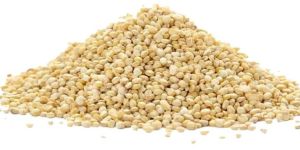
Culinary applications of quinoa are diverse, spanning salads and grain bowls and serving as a substitute for rice. Abundant in protein and fiber, quinoa facilitates a sense of satiety and aids in digestive processes. Its composition of essential amino acids renders it a comprehensive source of proteins. With a low glycemic index, quinoa holds the potential for favorable blood sugar control. The elevated antioxidant content contributes to a holistic state of well-being.
Culinary applications of quinoa are diverse, spanning salads and grain bowls and serving as a substitute for rice. Abundant in protein and fiber, quinoa facilitates a sense of satiety and aids in digestive processes. Its composition of essential amino acids renders it a comprehensive source of proteins. With a low glycemic index, quinoa holds the potential for favorable blood sugar control. The elevated antioxidant content contributes to a holistic state of well-being.
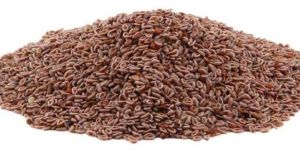
Psyllium Seeds are the small, oval-shaped seeds obtained from the Plantago ovata plant, a herb native to India and parts of the Middle East. These seeds are the source of psyllium husk, which is extracted from their outer covering. While the husk is more commonly used, the seeds themselves also carry several nutritional and therapeutic benefits and are used in traditional medicine and dietary supplements. Psyllium seeds are light brown, glossy, and smooth, about 2–3 mm in size. Unlike the husk, they do not swell as much in water but still contain mucilage, a gel-forming fiber with excellent health benefits.
Psyllium Seeds are the small, oval-shaped seeds obtained from the Plantago ovata plant, a herb native to India and parts of the Middle East. These seeds are the source of psyllium husk, which is extracted from their outer covering. While the husk is more commonly used, the seeds themselves also carry several nutritional and therapeutic benefits and are used in traditional medicine and dietary supplements. Psyllium seeds are light brown, glossy, and smooth, about 2–3 mm in size. Unlike the husk, they do not swell as much in water but still contain mucilage, a gel-forming fiber with excellent health benefits.
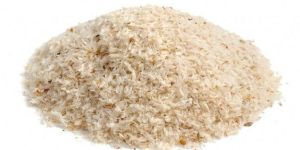
Psyllium husk, renowned for its medicinal and culinary applications, is a natural laxative and dietary fiber supplement. In the food industry, it serves as a versatile thickener, binder, and stabilizer in processed foods. With proven effectiveness in regulating bowel movements and relieving constipation, psyllium husk contributes to weight management and supports digestive health. Its potential to lower blood sugar levels and control cholesterol adds to its appeal. Explore the benefits of psyllium husk in bulk for a wholesome approach to wellness and food processing needs.
Psyllium husk, renowned for its medicinal and culinary applications, is a natural laxative and dietary fiber supplement. In the food industry, it serves as a versatile thickener, binder, and stabilizer in processed foods. With proven effectiveness in regulating bowel movements and relieving constipation, psyllium husk contributes to weight management and supports digestive health. Its potential to lower blood sugar levels and control cholesterol adds to its appeal. Explore the benefits of psyllium husk in bulk for a wholesome approach to wellness and food processing needs.
Onion powder is a finely ground spice made from dehydrated onions, delivering the rich, savory flavor of fresh onion in a convenient, shelf-stable form. It is widely used in soups, sauces, dressings, marinades, and spice blends, offering a smooth texture and consistent flavor without the moisture of fresh onions. Onion powder is a kitchen essential for both home cooks and professional chefs, prized for its ability to enhance dishes with minimal preparation. It also contains some of the natural antioxidants and nutrients found in onions.
Onion powder is a finely ground spice made from dehydrated onions, delivering the rich, savory flavor of fresh onion in a convenient, shelf-stable form. It is widely used in soups, sauces, dressings, marinades, and spice blends, offering a smooth texture and consistent flavor without the moisture of fresh onions. Onion powder is a kitchen essential for both home cooks and professional chefs, prized for its ability to enhance dishes with minimal preparation. It also contains some of the natural antioxidants and nutrients found in onions.
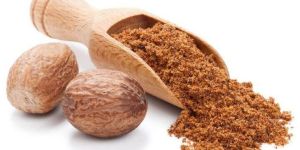
Nutmeg is a warm, aromatic spice derived from the seed of the nutmeg tree (Myristica fragrans). With its sweet, slightly nutty flavor and rich fragrance, nutmeg is a beloved ingredient in both sweet and savory dishes. It’s commonly used in baking, desserts, curries, sauces, soups, and festive beverages like eggnog or masala chai. Often grated or ground before use, nutmeg adds depth and warmth to recipes. It is also valued in traditional medicine for its potential to support digestion, relieve pain, and promote relaxation—when used in moderation. Whether you 're seasoning a curry or flavoring a cake, Nutmeg brings a touch of comfort and complexity to your kitchen.
Nutmeg is a warm, aromatic spice derived from the seed of the nutmeg tree (Myristica fragrans). With its sweet, slightly nutty flavor and rich fragrance, nutmeg is a beloved ingredient in both sweet and savory dishes. It’s commonly used in baking, desserts, curries, sauces, soups, and festive beverages like eggnog or masala chai. Often grated or ground before use, nutmeg adds depth and warmth to recipes. It is also valued in traditional medicine for its potential to support digestion, relieve pain, and promote relaxation—when used in moderation. Whether you 're seasoning a curry or flavoring a cake, Nutmeg brings a touch of comfort and complexity to your kitchen.
Nutmeg Powder is a warm, aromatic spice made by finely grinding the dried seeds of the nutmeg tree (Myristica fragrans). Known for its rich flavor and sweet-spicy aroma, nutmeg is a staple in both sweet and savory dishes. Whether used in baking, curries, or beverages like chai and eggnog, Nutmeg Powder enhances recipes with a depth of flavor and natural warmth. Packed with antioxidants and essential oils, it also offers traditional health benefits in moderation.
Nutmeg Powder is a warm, aromatic spice made by finely grinding the dried seeds of the nutmeg tree (Myristica fragrans). Known for its rich flavor and sweet-spicy aroma, nutmeg is a staple in both sweet and savory dishes. Whether used in baking, curries, or beverages like chai and eggnog, Nutmeg Powder enhances recipes with a depth of flavor and natural warmth. Packed with antioxidants and essential oils, it also offers traditional health benefits in moderation.
Secondary Business TypeManufacturer / Wholesale Suppliers
Opening Hours
SUN : Closed
MON : 9:30 AM - 6:30 PM
TUE : 9:30 AM - 6:30 PM
WED : 9:30 AM - 6:30 PM
THU : 9:30 AM - 6:30 PM
FRI : 9:30 AM - 6:30 PM
SAT : 9:30 AM - 6:30 PM
ABOUT US, Oil Seeds, Spices And Pulses Universal Agro Commodities founded by Mr. Ghanshyam Dave with the vision to serve the global community by providing world class agro products. From a humble begining in 2005, the company has grown multifold as a broker and or agency in business on a universal level. The company's main capacity is to reach the every nook and corner of the world with competitive prices, trust worthy clientele and best shipment suggestion. The company has well established network in all over world and IT enabled infrastructure to meet the requirements.










 Reviews & Ratings
 Write a Review


 Post Free Ad