RB Trade Wings Pvt Ltd Khalpara, Siliguri, West Bengal

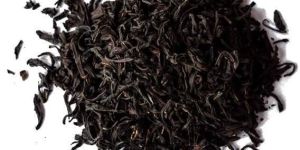
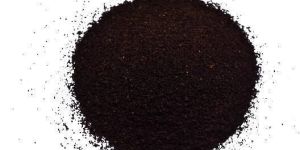
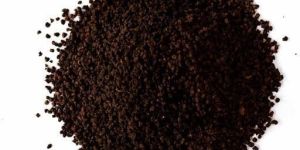
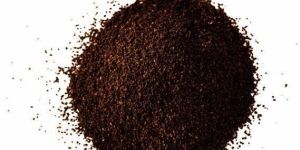
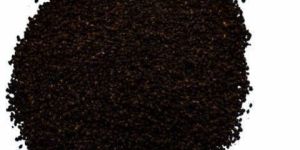
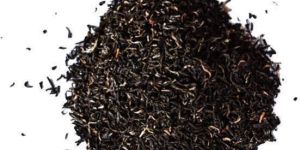
  • TGFOP1-2 Orthodox Tea

    TGFOP1-2 Orthodox Tea

    Get Latest Price

    • MOQ100 Kilogram
    • Cultivation TypeNatural
    • FormGranules
    • UsageHome, Office, Restaurant, Hotel
    • Grade StandardTGFOP1-2
    • Packaging TypePlastic Bag
    • Packaging Size25kg And 50kg
    • Number Of FlowerOrthodox Tea
    • Country of OriginIndia
    • SpeacialityStrong Aroma, Non Harmful, Nice Fragrance, Health Conscious, Delicious Taste
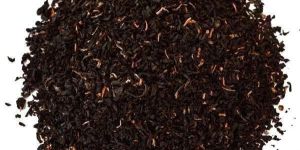
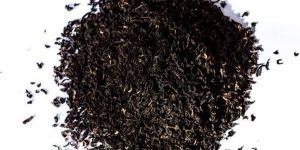
    • Orthodox Tea Orthodox tea refers to the tea which is made or processed using traditional methods. Orthodox teas are generally bright and brisk and have a multilayered flavor profile. Orthodox Tea is produced using the traditional methods of Tea production which includes plucking, withering , rolling, oxidation and drying. Orthodox teas are carefully rolled or shaped into various sizes and styles depending on the type of tea being produced. Orthodox processing is used to produce various styles of loose leaf tea, including white, green, oolong and black   Benefits of Orthodox Tea It is high in Antioxidants as compared to CTC which loses its antioxidant quality comparatively due to machine processing. Antioxidants help to neutralize damaged cells which help us to look and feel better. Helps prevent Cardiovascular Disease. Loose leaf tea has been shown to have a calming effect on the body and especially helps boost mental clarity. Loose leaf teas retain the Authentic Taste and are comparatively more rich in flavor and color. Loose leaf teas are organically processed thus giving it an advantage over the other in terms of quality. Typical tea bags are produced on an industrial scale and may sit in a warehouse or on a shelf for a long time before you ever get them. These low-grade leaves are usually picked, processed, and packaged by machines overseas.In contrast, our premium teas are carefully hand-selected and crafted by tea masters.   EXTENSIONS The varieties of tea specified in the brochure are the major varieties demanded and exported by us globally. However, there are many other varieties too which are at times demanded and we fulfill such requirements too. We are a leading supplier and trader in the salt industry of India both in edible and industrial segments. WHITE LABELING A white-label product is a product or service produced by one company that other companies rebrand to make it appear as if they had made it. The name derives from the image of a white label on the packaging that can be filled in with the marketer's trade dress. We can also fulfill any White Labeling requirements of yours in any varieties of tea or in any of my pre-existing brand(s).
    ...more
  • TGFOP1-2 Orthodox Tea

    TGFOP1-2 Orthodox Tea

    Request for Price

    100 Kilogram (MOQ)

    Orthodox Tea Orthodox tea refers to the tea which is made or processed using traditional methods. Orthodox teas are generally bright and brisk and have a multilayered flavor profile. Orthodox Tea is produced using the traditional methods of Tea production which includes plucking, withering , rolling, oxidation and drying. Orthodox teas are carefully rolled or shaped into various sizes and styles depending on the type of tea being produced. Orthodox processing is used to produce various styles of loose leaf tea, including white, green, oolong and black   Benefits of Orthodox Tea It is high in Antioxidants as compared to CTC which loses its antioxidant quality comparatively due to machine processing. Antioxidants help to neutralize damaged cells which help us to look and feel better. Helps prevent Cardiovascular Disease. Loose leaf tea has been shown to have a calming effect on the body and especially helps boost mental clarity. Loose leaf teas retain the Authentic Taste and are comparatively more rich in flavor and color. Loose leaf teas are organically processed thus giving it an advantage over the other in terms of quality. Typical tea bags are produced on an industrial scale and may sit in a warehouse or on a shelf for a long time before you ever get them. These low-grade leaves are usually picked, processed, and packaged by machines overseas.In contrast, our premium teas are carefully hand-selected and crafted by tea masters.   EXTENSIONS The varieties of tea specified in the brochure are the major varieties demanded and exported by us globally. However, there are many other varieties too which are at times demanded and we fulfill such requirements too. We are a leading supplier and trader in the salt industry of India both in edible and industrial segments. WHITE LABELING A white-label product is a product or service produced by one company that other companies rebrand to make it appear as if they had made it. The name derives from the image of a white label on the packaging that can be filled in with the marketer's trade dress. We can also fulfill any White Labeling requirements of yours in any varieties of tea or in any of my pre-existing brand(s).

    Cultivation Type : Natural

    Form : Granules

    Usage : Home, Office, Restaurant, Hotel

    Grade Standard : TGFOP1-2

    Packaging Type : Plastic Bag

    Packaging Size : 25kg And 50kg

    Number Of Flower : Orthodox Tea

    Country of Origin : India

    Speaciality : Strong Aroma, Non Harmful, Nice Fragrance, Health Conscious, Delicious Taste

    ...more
    Get Best Price
  • Shashi X-tra Iodised Salt

    Shashi X-tra Iodised Salt

    Get Latest Price

    • MOQ25 Metric Ton
    • Brand NameShashi X-tra
    • FormPowder
    • ApplicationCooking
    • VarietyRefined
    • FeatureAdded Preservatives, Long Functional Life, Low Sodium, Non Harmful
    • Packaging TypePlastic Packets
    • Packaging Size1Kg
    • Number Of FlowerIodized Salt
    • Country of OriginIndia
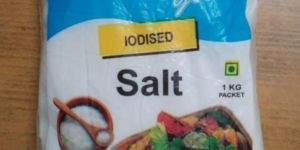
    • In common usage, salt is a mineral composed primarily of Sodium Chloride (NaCl). Salt is one of the oldest and most ubiquitous food seasonings, and is known to uniformly improve the taste perception of food, including otherwise unpalatable food. Some of the earliest evidence of salt processing dates to around 6000 BC, when people living in the area of present-day Romania boiled Spring water to extract salts; a salt works in china dates to approximately the same period. Salt was also prized by the ancient Hebrews, Greeks, Romans, Byzantines, Hitties, Egyptians, and Indians. Salt became an important article of trade and was transported by boat across the Mediterranean sea, along specially built salt roads, and across the Sahara on camel caravn. The scarcity and universal need for salt have led nations to go to war over it and use it to raise tax revenues. Salt is used in religious ceremonies and has other cultural and traditional significance. SALT IN INDIA Though salt was considered as “God’s gift” in ancient times and used for diplomatic purposes, in modern days it has more than 14,000 uses. India occupies the third place in the production of salt by producing 8.9 per cent ofthe total world production being cultivated in 1.45 lakh hectares. Gujarat, Rajasthan and Tamilnadu are the top-3 states in which the yield and labour productivity were found high among the salt producing states in India. In 2013-14, 59.61 lakh MT of salt was exported which accounts for Rs.844.4 crore. In India, the historical records speak about the dominance of salt as a medium of exchange and much before the invasion of Alexander, the Great, around 327 BC, salt was extracted from the salt mines of the Northern India and transported to different parts of the country. Though it was a luxury commodity for the poor people in India, Mahatma Gandhi (12-03-1930) broke the salt policy of the British Government by a protest declaring that “with this, I am weakening the foundation of British empire”. After independence, ‘salt’ became a central subject, headed by the Salt Commissioner of India. As the time advanced, uses of salt increased and the method of producing salt has also undergone significant changes. In modern times salt has about 14000 known uses from food to industry to de-icing. Presently about 110 countries are actively engaged in the production of salt and India occupies a place of pride at third place  India however produces one of the cheapest salts as it exports to the major top two producers like wise China ( By Sea) at around 2013-2014 with 27.44 MT   Origins - GUJRAT - The largest Salt producer state in india with latest tech and easy deployment through various ports like Kandla and Mundra (for Sea) Certificates - Our company is export complainace as per Indian rules and regulation. Port of loading - Majorly Port used for exports are Kandla and Mundra of Gujrat Packaging Sizes Skuz- 1. For Free flow Iodized salts in our brands:- ● 1 kg Packets @25 kg bags Packaging ● ½ kg Packets @25 kg bags packaging ● 1 kg Packets @50 kg bags packaging ● ½ kg Packets @50 kg bags packaging   2. Any white labeling can be done in your brands or any readily available brands. 3. Any Industrial , edible , or any other uses of Salt in any form of packaging as per the customer requirements can be met. 4. Any type of salt and the required chemical composition of customer preference and choice can be met. 5. Any types of rock salt, black salts, pink salts, bath salts.   Payment Terms :- Preferred payment terms are 1. Letter of credit 2. Cash In advance   Price :- Price of the product depends on the requirements of the customer where the minimum order quantity is one 20ft container.   Expiry Time According to Indian Laws iodised salt iodisation should be in the range of 15 ppm -30 ppm where we have to state the best before 24 months. Industrial Salts do not have any expiry time.   Previous Exports We have been one of the largest exporters of Bhutan Via road where we have exported around 6400 mt. We have also exported industrial salt to Nepal via roads. We have also supplied to people who do exports in Bangladesh
    ...more
  • Shashi X-tra Iodised Salt

    Shashi X-tra Iodised Salt

    Request for Price

    25 Metric Ton (MOQ)

    In common usage, salt is a mineral composed primarily of Sodium Chloride (NaCl). Salt is one of the oldest and most ubiquitous food seasonings, and is known to uniformly improve the taste perception of food, including otherwise unpalatable food. Some of the earliest evidence of salt processing dates to around 6000 BC, when people living in the area of present-day Romania boiled Spring water to extract salts; a salt works in china dates to approximately the same period. Salt was also prized by the ancient Hebrews, Greeks, Romans, Byzantines, Hitties, Egyptians, and Indians. Salt became an important article of trade and was transported by boat across the Mediterranean sea, along specially built salt roads, and across the Sahara on camel caravn. The scarcity and universal need for salt have led nations to go to war over it and use it to raise tax revenues. Salt is used in religious ceremonies and has other cultural and traditional significance. SALT IN INDIA Though salt was considered as “God’s gift” in ancient times and used for diplomatic purposes, in modern days it has more than 14,000 uses. India occupies the third place in the production of salt by producing 8.9 per cent ofthe total world production being cultivated in 1.45 lakh hectares. Gujarat, Rajasthan and Tamilnadu are the top-3 states in which the yield and labour productivity were found high among the salt producing states in India. In 2013-14, 59.61 lakh MT of salt was exported which accounts for Rs.844.4 crore. In India, the historical records speak about the dominance of salt as a medium of exchange and much before the invasion of Alexander, the Great, around 327 BC, salt was extracted from the salt mines of the Northern India and transported to different parts of the country. Though it was a luxury commodity for the poor people in India, Mahatma Gandhi (12-03-1930) broke the salt policy of the British Government by a protest declaring that “with this, I am weakening the foundation of British empire”. After independence, ‘salt’ became a central subject, headed by the Salt Commissioner of India. As the time advanced, uses of salt increased and the method of producing salt has also undergone significant changes. In modern times salt has about 14000 known uses from food to industry to de-icing. Presently about 110 countries are actively engaged in the production of salt and India occupies a place of pride at third place  India however produces one of the cheapest salts as it exports to the major top two producers like wise China ( By Sea) at around 2013-2014 with 27.44 MT   Origins - GUJRAT - The largest Salt producer state in india with latest tech and easy deployment through various ports like Kandla and Mundra (for Sea) Certificates - Our company is export complainace as per Indian rules and regulation. Port of loading - Majorly Port used for exports are Kandla and Mundra of Gujrat Packaging Sizes Skuz- 1. For Free flow Iodized salts in our brands:- ● 1 kg Packets @25 kg bags Packaging ● ½ kg Packets @25 kg bags packaging ● 1 kg Packets @50 kg bags packaging ● ½ kg Packets @50 kg bags packaging   2. Any white labeling can be done in your brands or any readily available brands. 3. Any Industrial , edible , or any other uses of Salt in any form of packaging as per the customer requirements can be met. 4. Any type of salt and the required chemical composition of customer preference and choice can be met. 5. Any types of rock salt, black salts, pink salts, bath salts.   Payment Terms :- Preferred payment terms are 1. Letter of credit 2. Cash In advance   Price :- Price of the product depends on the requirements of the customer where the minimum order quantity is one 20ft container.   Expiry Time According to Indian Laws iodised salt iodisation should be in the range of 15 ppm -30 ppm where we have to state the best before 24 months. Industrial Salts do not have any expiry time.   Previous Exports We have been one of the largest exporters of Bhutan Via road where we have exported around 6400 mt. We have also exported industrial salt to Nepal via roads. We have also supplied to people who do exports in Bangladesh

    Brand Name : Shashi X-tra

    Form : Powder

    Application : Cooking

    Variety : Refined

    Feature : Added Preservatives, Long Functional Life, Low Sodium, Non Harmful

    Packaging Type : Plastic Packets

    Packaging Size : 1Kg

    Number Of Flower : Iodized Salt

    Country of Origin : India

    ...more
    Get Best Price
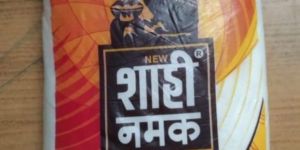
  • Shahi Iodised Cooking Salt

    Shahi Iodised Cooking Salt

    Get Latest Price

    • MOQ25 Metric Ton
    • Brand NameShahi
    • FormPowder
    • ApplicationCooking
    • VarietyRefined
    • Purity>99%
    • FeatureAdded Preservatives, Long Functional Life, Low Sodium, Non Harmful
    • Packaging TypePlastic Packets
    • Packaging Size1Kg
    • Number Of FlowerIodized Salt
    • Country of OriginIndia
    • In common usage, salt is a mineral composed primarily of Sodium Chloride (NaCl). Salt is one of the oldest and most ubiquitous food seasonings, and is known to uniformly improve the taste perception of food, including otherwise unpalatable food. Some of the earliest evidence of salt processing dates to around 6000 BC, when people living in the area of present-day Romania boiled Spring water to extract salts; a salt works in china dates to approximately the same period. Salt was also prized by the ancient Hebrews, Greeks, Romans, Byzantines, Hitties, Egyptians, and Indians. Salt became an important article of trade and was transported by boat across the Mediterranean sea, along specially built salt roads, and across the Sahara on camel caravn. The scarcity and universal need for salt have led nations to go to war over it and use it to raise tax revenues. Salt is used in religious ceremonies and has other cultural and traditional significance. SALT IN INDIA Though salt was considered as “God’s gift” in ancient times and used for diplomatic purposes, in modern days it has more than 14,000 uses. India occupies the third place in the production of salt by producing 8.9 per cent ofthe total world production being cultivated in 1.45 lakh hectares. Gujarat, Rajasthan and Tamilnadu are the top-3 states in which the yield and labour productivity were found high among the salt producing states in India. In 2013-14, 59.61 lakh MT of salt was exported which accounts for Rs.844.4 crore. In India, the historical records speak about the dominance of salt as a medium of exchange and much before the invasion of Alexander, the Great, around 327 BC, salt was extracted from the salt mines of the Northern India and transported to different parts of the country. Though it was a luxury commodity for the poor people in India, Mahatma Gandhi (12-03-1930) broke the salt policy of the British Government by a protest declaring that “with this, I am weakening the foundation of British empire”. After independence, ‘salt’ became a central subject, headed by the Salt Commissioner of India. As the time advanced, uses of salt increased and the method of producing salt has also undergone significant changes. In modern times salt has about 14000 known uses from food to industry to de-icing. Presently about 110 countries are actively engaged in the production of salt and India occupies a place of pride at third place  India however produces one of the cheapest salts as it exports to the major top two producers like wise China ( By Sea) at around 2013-2014 with 27.44 MT   Origins - GUJRAT - The largest Salt producer state in india with latest tech and easy deployment through various ports like Kandla and Mundra (for Sea) Certificates - Our company is export complainace as per Indian rules and regulation. Port of loading - Majorly Port used for exports are Kandla and Mundra of Gujrat Packaging Sizes Skuz- 1. For Free flow Iodized salts in our brands:- ● 1 kg Packets @25 kg bags Packaging ● ½ kg Packets @25 kg bags packaging ● 1 kg Packets @50 kg bags packaging ● ½ kg Packets @50 kg bags packaging   2. Any white labeling can be done in your brands or any readily available brands. 3. Any Industrial , edible , or any other uses of Salt in any form of packaging as per the customer requirements can be met. 4. Any type of salt and the required chemical composition of customer preference and choice can be met. 5. Any types of rock salt, black salts, pink salts, bath salts.   Payment Terms :- Preferred payment terms are 1. Letter of credit 2. Cash In advance   Price :- Price of the product depends on the requirements of the customer where the minimum order quantity is one 20ft container.   Expiry Time According to Indian Laws iodised salt iodisation should be in the range of 15 ppm -30 ppm where we have to state the best before 24 months. Industrial Salts do not have any expiry time.   Previous Exports We have been one of the largest exporters of Bhutan Via road where we have exported around 6400 mt. We have also exported industrial salt to Nepal via roads. We have also supplied to people who do exports in Bangladesh
    ...more
  • Shahi Iodised Cooking Salt

    Shahi Iodised Cooking Salt

    Request for Price

    25 Metric Ton (MOQ)

    In common usage, salt is a mineral composed primarily of Sodium Chloride (NaCl). Salt is one of the oldest and most ubiquitous food seasonings, and is known to uniformly improve the taste perception of food, including otherwise unpalatable food. Some of the earliest evidence of salt processing dates to around 6000 BC, when people living in the area of present-day Romania boiled Spring water to extract salts; a salt works in china dates to approximately the same period. Salt was also prized by the ancient Hebrews, Greeks, Romans, Byzantines, Hitties, Egyptians, and Indians. Salt became an important article of trade and was transported by boat across the Mediterranean sea, along specially built salt roads, and across the Sahara on camel caravn. The scarcity and universal need for salt have led nations to go to war over it and use it to raise tax revenues. Salt is used in religious ceremonies and has other cultural and traditional significance. SALT IN INDIA Though salt was considered as “God’s gift” in ancient times and used for diplomatic purposes, in modern days it has more than 14,000 uses. India occupies the third place in the production of salt by producing 8.9 per cent ofthe total world production being cultivated in 1.45 lakh hectares. Gujarat, Rajasthan and Tamilnadu are the top-3 states in which the yield and labour productivity were found high among the salt producing states in India. In 2013-14, 59.61 lakh MT of salt was exported which accounts for Rs.844.4 crore. In India, the historical records speak about the dominance of salt as a medium of exchange and much before the invasion of Alexander, the Great, around 327 BC, salt was extracted from the salt mines of the Northern India and transported to different parts of the country. Though it was a luxury commodity for the poor people in India, Mahatma Gandhi (12-03-1930) broke the salt policy of the British Government by a protest declaring that “with this, I am weakening the foundation of British empire”. After independence, ‘salt’ became a central subject, headed by the Salt Commissioner of India. As the time advanced, uses of salt increased and the method of producing salt has also undergone significant changes. In modern times salt has about 14000 known uses from food to industry to de-icing. Presently about 110 countries are actively engaged in the production of salt and India occupies a place of pride at third place  India however produces one of the cheapest salts as it exports to the major top two producers like wise China ( By Sea) at around 2013-2014 with 27.44 MT   Origins - GUJRAT - The largest Salt producer state in india with latest tech and easy deployment through various ports like Kandla and Mundra (for Sea) Certificates - Our company is export complainace as per Indian rules and regulation. Port of loading - Majorly Port used for exports are Kandla and Mundra of Gujrat Packaging Sizes Skuz- 1. For Free flow Iodized salts in our brands:- ● 1 kg Packets @25 kg bags Packaging ● ½ kg Packets @25 kg bags packaging ● 1 kg Packets @50 kg bags packaging ● ½ kg Packets @50 kg bags packaging   2. Any white labeling can be done in your brands or any readily available brands. 3. Any Industrial , edible , or any other uses of Salt in any form of packaging as per the customer requirements can be met. 4. Any type of salt and the required chemical composition of customer preference and choice can be met. 5. Any types of rock salt, black salts, pink salts, bath salts.   Payment Terms :- Preferred payment terms are 1. Letter of credit 2. Cash In advance   Price :- Price of the product depends on the requirements of the customer where the minimum order quantity is one 20ft container.   Expiry Time According to Indian Laws iodised salt iodisation should be in the range of 15 ppm -30 ppm where we have to state the best before 24 months. Industrial Salts do not have any expiry time.   Previous Exports We have been one of the largest exporters of Bhutan Via road where we have exported around 6400 mt. We have also exported industrial salt to Nepal via roads. We have also supplied to people who do exports in Bangladesh

    Brand Name : Shahi

    Form : Powder

    Application : Cooking

    Variety : Refined

    Purity : >99%

    Feature : Added Preservatives, Long Functional Life, Low Sodium, Non Harmful

    Packaging Type : Plastic Packets

    Packaging Size : 1Kg

    Number Of Flower : Iodized Salt

    Country of Origin : India

    ...more
    Get Best Price
  • Shahi Baba Iodised Salt

    Shahi Baba Iodised Salt

    Get Latest Price

    • MOQ25 Metric Ton
    • Brand NameShahi Baba
    • FormPowder
    • ApplicationCooking
    • VarietyRefined
    • Purity>99%
    • FeatureAdded Preservatives, Long Functional Life, Non Harmful
    • Packaging TypePlastic Packets
    • Packaging Size1Kg
    • Number Of FlowerIodized Salt
    • Country of OriginIndia
    • In common usage, salt is a mineral composed primarily of Sodium Chloride (NaCl). Salt is one of the oldest and most ubiquitous food seasonings, and is known to uniformly improve the taste perception of food, including otherwise unpalatable food. Some of the earliest evidence of salt processing dates to around 6000 BC, when people living in the area of present-day Romania boiled Spring water to extract salts; a salt works in china dates to approximately the same period. Salt was also prized by the ancient Hebrews, Greeks, Romans, Byzantines, Hitties, Egyptians, and Indians. Salt became an important article of trade and was transported by boat across the Mediterranean sea, along specially built salt roads, and across the Sahara on camel caravn. The scarcity and universal need for salt have led nations to go to war over it and use it to raise tax revenues. Salt is used in religious ceremonies and has other cultural and traditional significance. SALT IN INDIA Though salt was considered as “God’s gift” in ancient times and used for diplomatic purposes, in modern days it has more than 14,000 uses. India occupies the third place in the production of salt by producing 8.9 per cent ofthe total world production being cultivated in 1.45 lakh hectares. Gujarat, Rajasthan and Tamilnadu are the top-3 states in which the yield and labour productivity were found high among the salt producing states in India. In 2013-14, 59.61 lakh MT of salt was exported which accounts for Rs.844.4 crore. In India, the historical records speak about the dominance of salt as a medium of exchange and much before the invasion of Alexander, the Great, around 327 BC, salt was extracted from the salt mines of the Northern India and transported to different parts of the country. Though it was a luxury commodity for the poor people in India, Mahatma Gandhi (12-03-1930) broke the salt policy of the British Government by a protest declaring that “with this, I am weakening the foundation of British empire”. After independence, ‘salt’ became a central subject, headed by the Salt Commissioner of India. As the time advanced, uses of salt increased and the method of producing salt has also undergone significant changes. In modern times salt has about 14000 known uses from food to industry to de-icing. Presently about 110 countries are actively engaged in the production of salt and India occupies a place of pride at third place  India however produces one of the cheapest salts as it exports to the major top two producers like wise China ( By Sea) at around 2013-2014 with 27.44 MT   Origins - GUJRAT - The largest Salt producer state in india with latest tech and easy deployment through various ports like Kandla and Mundra (for Sea) Certificates - Our company is export complainace as per Indian rules and regulation. Port of loading - Majorly Port used for exports are Kandla and Mundra of Gujrat Packaging Sizes Skuz- 1. For Free flow Iodized salts in our brands:- ● 1 kg Packets @25 kg bags Packaging ● ½ kg Packets @25 kg bags packaging ● 1 kg Packets @50 kg bags packaging ● ½ kg Packets @50 kg bags packaging   2. Any white labeling can be done in your brands or any readily available brands. 3. Any Industrial , edible , or any other uses of Salt in any form of packaging as per the customer requirements can be met. 4. Any type of salt and the required chemical composition of customer preference and choice can be met. 5. Any types of rock salt, black salts, pink salts, bath salts.   Payment Terms :- Preferred payment terms are 1. Letter of credit 2. Cash In advance   Price :- Price of the product depends on the requirements of the customer where the minimum order quantity is one 20ft container.   Expiry Time According to Indian Laws iodised salt iodisation should be in the range of 15 ppm -30 ppm where we have to state the best before 24 months. Industrial Salts do not have any expiry time.   Previous Exports We have been one of the largest exporters of Bhutan Via road where we have exported around 6400 mt. We have also exported industrial salt to Nepal via roads. We have also supplied to people who do exports in Bangladesh
    ...more
  • Shahi Baba Iodised Salt

    Shahi Baba Iodised Salt

    Request for Price

    25 Metric Ton (MOQ)

    In common usage, salt is a mineral composed primarily of Sodium Chloride (NaCl). Salt is one of the oldest and most ubiquitous food seasonings, and is known to uniformly improve the taste perception of food, including otherwise unpalatable food. Some of the earliest evidence of salt processing dates to around 6000 BC, when people living in the area of present-day Romania boiled Spring water to extract salts; a salt works in china dates to approximately the same period. Salt was also prized by the ancient Hebrews, Greeks, Romans, Byzantines, Hitties, Egyptians, and Indians. Salt became an important article of trade and was transported by boat across the Mediterranean sea, along specially built salt roads, and across the Sahara on camel caravn. The scarcity and universal need for salt have led nations to go to war over it and use it to raise tax revenues. Salt is used in religious ceremonies and has other cultural and traditional significance. SALT IN INDIA Though salt was considered as “God’s gift” in ancient times and used for diplomatic purposes, in modern days it has more than 14,000 uses. India occupies the third place in the production of salt by producing 8.9 per cent ofthe total world production being cultivated in 1.45 lakh hectares. Gujarat, Rajasthan and Tamilnadu are the top-3 states in which the yield and labour productivity were found high among the salt producing states in India. In 2013-14, 59.61 lakh MT of salt was exported which accounts for Rs.844.4 crore. In India, the historical records speak about the dominance of salt as a medium of exchange and much before the invasion of Alexander, the Great, around 327 BC, salt was extracted from the salt mines of the Northern India and transported to different parts of the country. Though it was a luxury commodity for the poor people in India, Mahatma Gandhi (12-03-1930) broke the salt policy of the British Government by a protest declaring that “with this, I am weakening the foundation of British empire”. After independence, ‘salt’ became a central subject, headed by the Salt Commissioner of India. As the time advanced, uses of salt increased and the method of producing salt has also undergone significant changes. In modern times salt has about 14000 known uses from food to industry to de-icing. Presently about 110 countries are actively engaged in the production of salt and India occupies a place of pride at third place  India however produces one of the cheapest salts as it exports to the major top two producers like wise China ( By Sea) at around 2013-2014 with 27.44 MT   Origins - GUJRAT - The largest Salt producer state in india with latest tech and easy deployment through various ports like Kandla and Mundra (for Sea) Certificates - Our company is export complainace as per Indian rules and regulation. Port of loading - Majorly Port used for exports are Kandla and Mundra of Gujrat Packaging Sizes Skuz- 1. For Free flow Iodized salts in our brands:- ● 1 kg Packets @25 kg bags Packaging ● ½ kg Packets @25 kg bags packaging ● 1 kg Packets @50 kg bags packaging ● ½ kg Packets @50 kg bags packaging   2. Any white labeling can be done in your brands or any readily available brands. 3. Any Industrial , edible , or any other uses of Salt in any form of packaging as per the customer requirements can be met. 4. Any type of salt and the required chemical composition of customer preference and choice can be met. 5. Any types of rock salt, black salts, pink salts, bath salts.   Payment Terms :- Preferred payment terms are 1. Letter of credit 2. Cash In advance   Price :- Price of the product depends on the requirements of the customer where the minimum order quantity is one 20ft container.   Expiry Time According to Indian Laws iodised salt iodisation should be in the range of 15 ppm -30 ppm where we have to state the best before 24 months. Industrial Salts do not have any expiry time.   Previous Exports We have been one of the largest exporters of Bhutan Via road where we have exported around 6400 mt. We have also exported industrial salt to Nepal via roads. We have also supplied to people who do exports in Bangladesh

    Brand Name : Shahi Baba

    Form : Powder

    Application : Cooking

    Variety : Refined

    Purity : >99%

    Feature : Added Preservatives, Long Functional Life, Non Harmful

    Packaging Type : Plastic Packets

    Packaging Size : 1Kg

    Number Of Flower : Iodized Salt

    Country of Origin : India

    ...more
    Get Best Price
  • Rock Salt

    Rock Salt

    Get Latest Price

    • MOQ25 Metric Ton
    • Processing TypeRefined
    • FormPowder
    • ClassificationChloride
    • Packaging TypePacket
    • Number Of FlowerRock Salt
    • Country of OriginIndia
    • Packaging Size1 Kg
    • In common usage, salt is a mineral composed primarily of Sodium Chloride (NaCl). Salt is one of the oldest and most ubiquitous food seasonings, and is known to uniformly improve the taste perception of food, including otherwise unpalatable food. Some of the earliest evidence of salt processing dates to around 6000 BC, when people living in the area of present-day Romania boiled Spring water to extract salts; a salt works in china dates to approximately the same period. Salt was also prized by the ancient Hebrews, Greeks, Romans, Byzantines, Hitties, Egyptians, and Indians. Salt became an important article of trade and was transported by boat across the Mediterranean sea, along specially built salt roads, and across the Sahara on camel caravn. The scarcity and universal need for salt have led nations to go to war over it and use it to raise tax revenues. Salt is used in religious ceremonies and has other cultural and traditional significance. SALT IN INDIA Though salt was considered as “God’s gift” in ancient times and used for diplomatic purposes, in modern days it has more than 14,000 uses. India occupies the third place in the production of salt by producing 8.9 per cent ofthe total world production being cultivated in 1.45 lakh hectares. Gujarat, Rajasthan and Tamilnadu are the top-3 states in which the yield and labour productivity were found high among the salt producing states in India. In 2013-14, 59.61 lakh MT of salt was exported which accounts for Rs.844.4 crore. In India, the historical records speak about the dominance of salt as a medium of exchange and much before the invasion of Alexander, the Great, around 327 BC, salt was extracted from the salt mines of the Northern India and transported to different parts of the country. Though it was a luxury commodity for the poor people in India, Mahatma Gandhi (12-03-1930) broke the salt policy of the British Government by a protest declaring that “with this, I am weakening the foundation of British empire”. After independence, ‘salt’ became a central subject, headed by the Salt Commissioner of India. As the time advanced, uses of salt increased and the method of producing salt has also undergone significant changes. In modern times salt has about 14000 known uses from food to industry to de-icing. Presently about 110 countries are actively engaged in the production of salt and India occupies a place of pride at third place  India however produces one of the cheapest salts as it exports to the major top two producers like wise China ( By Sea) at around 2013-2014 with 27.44 MT   Origins - GUJRAT - The largest Salt producer state in india with latest tech and easy deployment through various ports like Kandla and Mundra (for Sea) Certificates - Our company is export complainace as per Indian rules and regulation. Port of loading - Majorly Port used for exports are Kandla and Mundra of Gujrat Packaging Sizes Skuz- 1. For Free flow Iodized salts in our brands:- ● 1 kg Packets @25 kg bags Packaging ● ½ kg Packets @25 kg bags packaging ● 1 kg Packets @50 kg bags packaging ● ½ kg Packets @50 kg bags packaging   2. Any white labeling can be done in your brands or any readily available brands. 3. Any Industrial , edible , or any other uses of Salt in any form of packaging as per the customer requirements can be met. 4. Any type of salt and the required chemical composition of customer preference and choice can be met. 5. Any types of rock salt, black salts, pink salts, bath salts.   Payment Terms :- Preferred payment terms are 1. Letter of credit 2. Cash In advance   Price :- Price of the product depends on the requirements of the customer where the minimum order quantity is one 20ft container.   Expiry Time According to Indian Laws iodised salt iodisation should be in the range of 15 ppm -30 ppm where we have to state the best before 24 months. Industrial Salts do not have any expiry time.   Previous Exports We have been one of the largest exporters of Bhutan Via road where we have exported around 6400 mt. We have also exported industrial salt to Nepal via roads. We have also supplied to people who do exports in Bangladesh
    ...more
  • Rock Salt

    Rock Salt

    Request for Price

    25 Metric Ton (MOQ)

    In common usage, salt is a mineral composed primarily of Sodium Chloride (NaCl). Salt is one of the oldest and most ubiquitous food seasonings, and is known to uniformly improve the taste perception of food, including otherwise unpalatable food. Some of the earliest evidence of salt processing dates to around 6000 BC, when people living in the area of present-day Romania boiled Spring water to extract salts; a salt works in china dates to approximately the same period. Salt was also prized by the ancient Hebrews, Greeks, Romans, Byzantines, Hitties, Egyptians, and Indians. Salt became an important article of trade and was transported by boat across the Mediterranean sea, along specially built salt roads, and across the Sahara on camel caravn. The scarcity and universal need for salt have led nations to go to war over it and use it to raise tax revenues. Salt is used in religious ceremonies and has other cultural and traditional significance. SALT IN INDIA Though salt was considered as “God’s gift” in ancient times and used for diplomatic purposes, in modern days it has more than 14,000 uses. India occupies the third place in the production of salt by producing 8.9 per cent ofthe total world production being cultivated in 1.45 lakh hectares. Gujarat, Rajasthan and Tamilnadu are the top-3 states in which the yield and labour productivity were found high among the salt producing states in India. In 2013-14, 59.61 lakh MT of salt was exported which accounts for Rs.844.4 crore. In India, the historical records speak about the dominance of salt as a medium of exchange and much before the invasion of Alexander, the Great, around 327 BC, salt was extracted from the salt mines of the Northern India and transported to different parts of the country. Though it was a luxury commodity for the poor people in India, Mahatma Gandhi (12-03-1930) broke the salt policy of the British Government by a protest declaring that “with this, I am weakening the foundation of British empire”. After independence, ‘salt’ became a central subject, headed by the Salt Commissioner of India. As the time advanced, uses of salt increased and the method of producing salt has also undergone significant changes. In modern times salt has about 14000 known uses from food to industry to de-icing. Presently about 110 countries are actively engaged in the production of salt and India occupies a place of pride at third place  India however produces one of the cheapest salts as it exports to the major top two producers like wise China ( By Sea) at around 2013-2014 with 27.44 MT   Origins - GUJRAT - The largest Salt producer state in india with latest tech and easy deployment through various ports like Kandla and Mundra (for Sea) Certificates - Our company is export complainace as per Indian rules and regulation. Port of loading - Majorly Port used for exports are Kandla and Mundra of Gujrat Packaging Sizes Skuz- 1. For Free flow Iodized salts in our brands:- ● 1 kg Packets @25 kg bags Packaging ● ½ kg Packets @25 kg bags packaging ● 1 kg Packets @50 kg bags packaging ● ½ kg Packets @50 kg bags packaging   2. Any white labeling can be done in your brands or any readily available brands. 3. Any Industrial , edible , or any other uses of Salt in any form of packaging as per the customer requirements can be met. 4. Any type of salt and the required chemical composition of customer preference and choice can be met. 5. Any types of rock salt, black salts, pink salts, bath salts.   Payment Terms :- Preferred payment terms are 1. Letter of credit 2. Cash In advance   Price :- Price of the product depends on the requirements of the customer where the minimum order quantity is one 20ft container.   Expiry Time According to Indian Laws iodised salt iodisation should be in the range of 15 ppm -30 ppm where we have to state the best before 24 months. Industrial Salts do not have any expiry time.   Previous Exports We have been one of the largest exporters of Bhutan Via road where we have exported around 6400 mt. We have also exported industrial salt to Nepal via roads. We have also supplied to people who do exports in Bangladesh

    Processing Type : Refined

    Form : Powder

    Classification : Chloride

    Packaging Type : Packet

    Number Of Flower : Rock Salt

    Country of Origin : India

    ...more
    Get Best Price
  • Rice

    Rice

    Get Latest Price

    • MOQ25 Metric Ton
    • Cultivation TypeCommon
    • FormSolid
    • ApplicationCooking, Food, Human Consumption
    • FeatureGluten Free, High In Protein, Low In Fat
    • Packaging TypeJute Bags, Loose Packing
    • Country of OriginIndia
    ...more
  • Rice

    Rice

    Request for Price

    25 Metric Ton (MOQ)

    Cultivation Type : Common

    Form : Solid

    Application : Cooking, Food, Human Consumption

    Feature : Gluten Free, High In Protein, Low In Fat

    Packaging Type : Jute Bags, Loose Packing

    Country of Origin : India

    ...more
    Get Best Price
  • Rahi Extra White Iodised Salt

    Rahi Extra White Iodised Salt

    Get Latest Price

    • MOQ25 Metric Ton
    • Brand NameRahi Extra
    • FormPowder
    • ApplicationCooking
    • VarietyRefined
    • FeatureAdded Preservatives, Long Functional Life, Low Sodium, Non Harmful
    • Packaging TypePlastic Packets
    • Packaging Size1Kg
    • Number Of FlowerIodized Salt
    • Country of OriginIndia
    • In common usage, salt is a mineral composed primarily of Sodium Chloride (NaCl). Salt is one of the oldest and most ubiquitous food seasonings, and is known to uniformly improve the taste perception of food, including otherwise unpalatable food. Some of the earliest evidence of salt processing dates to around 6000 BC, when people living in the area of present-day Romania boiled Spring water to extract salts; a salt works in china dates to approximately the same period. Salt was also prized by the ancient Hebrews, Greeks, Romans, Byzantines, Hitties, Egyptians, and Indians. Salt became an important article of trade and was transported by boat across the Mediterranean sea, along specially built salt roads, and across the Sahara on camel caravn. The scarcity and universal need for salt have led nations to go to war over it and use it to raise tax revenues. Salt is used in religious ceremonies and has other cultural and traditional significance. SALT IN INDIA Though salt was considered as “God’s gift” in ancient times and used for diplomatic purposes, in modern days it has more than 14,000 uses. India occupies the third place in the production of salt by producing 8.9 per cent ofthe total world production being cultivated in 1.45 lakh hectares. Gujarat, Rajasthan and Tamilnadu are the top-3 states in which the yield and labour productivity were found high among the salt producing states in India. In 2013-14, 59.61 lakh MT of salt was exported which accounts for Rs.844.4 crore. In India, the historical records speak about the dominance of salt as a medium of exchange and much before the invasion of Alexander, the Great, around 327 BC, salt was extracted from the salt mines of the Northern India and transported to different parts of the country. Though it was a luxury commodity for the poor people in India, Mahatma Gandhi (12-03-1930) broke the salt policy of the British Government by a protest declaring that “with this, I am weakening the foundation of British empire”. After independence, ‘salt’ became a central subject, headed by the Salt Commissioner of India. As the time advanced, uses of salt increased and the method of producing salt has also undergone significant changes. In modern times salt has about 14000 known uses from food to industry to de-icing. Presently about 110 countries are actively engaged in the production of salt and India occupies a place of pride at third place  India however produces one of the cheapest salts as it exports to the major top two producers like wise China ( By Sea) at around 2013-2014 with 27.44 MT   Origins - GUJRAT - The largest Salt producer state in india with latest tech and easy deployment through various ports like Kandla and Mundra (for Sea) Certificates - Our company is export complainace as per Indian rules and regulation. Port of loading - Majorly Port used for exports are Kandla and Mundra of Gujrat Packaging Sizes Skuz- 1. For Free flow Iodized salts in our brands:- ● 1 kg Packets @25 kg bags Packaging ● ½ kg Packets @25 kg bags packaging ● 1 kg Packets @50 kg bags packaging ● ½ kg Packets @50 kg bags packaging   2. Any white labeling can be done in your brands or any readily available brands. 3. Any Industrial , edible , or any other uses of Salt in any form of packaging as per the customer requirements can be met. 4. Any type of salt and the required chemical composition of customer preference and choice can be met. 5. Any types of rock salt, black salts, pink salts, bath salts.   Payment Terms :- Preferred payment terms are 1. Letter of credit 2. Cash In advance   Price :- Price of the product depends on the requirements of the customer where the minimum order quantity is one 20ft container.   Expiry Time According to Indian Laws iodised salt iodisation should be in the range of 15 ppm -30 ppm where we have to state the best before 24 months. Industrial Salts do not have any expiry time.   Previous Exports We have been one of the largest exporters of Bhutan Via road where we have exported around 6400 mt. We have also exported industrial salt to Nepal via roads. We have also supplied to people who do exports in Bangladesh
    ...more
  • Rahi Extra White Iodised Salt

    Rahi Extra White Iodised Salt

    Request for Price

    25 Metric Ton (MOQ)

    In common usage, salt is a mineral composed primarily of Sodium Chloride (NaCl). Salt is one of the oldest and most ubiquitous food seasonings, and is known to uniformly improve the taste perception of food, including otherwise unpalatable food. Some of the earliest evidence of salt processing dates to around 6000 BC, when people living in the area of present-day Romania boiled Spring water to extract salts; a salt works in china dates to approximately the same period. Salt was also prized by the ancient Hebrews, Greeks, Romans, Byzantines, Hitties, Egyptians, and Indians. Salt became an important article of trade and was transported by boat across the Mediterranean sea, along specially built salt roads, and across the Sahara on camel caravn. The scarcity and universal need for salt have led nations to go to war over it and use it to raise tax revenues. Salt is used in religious ceremonies and has other cultural and traditional significance. SALT IN INDIA Though salt was considered as “God’s gift” in ancient times and used for diplomatic purposes, in modern days it has more than 14,000 uses. India occupies the third place in the production of salt by producing 8.9 per cent ofthe total world production being cultivated in 1.45 lakh hectares. Gujarat, Rajasthan and Tamilnadu are the top-3 states in which the yield and labour productivity were found high among the salt producing states in India. In 2013-14, 59.61 lakh MT of salt was exported which accounts for Rs.844.4 crore. In India, the historical records speak about the dominance of salt as a medium of exchange and much before the invasion of Alexander, the Great, around 327 BC, salt was extracted from the salt mines of the Northern India and transported to different parts of the country. Though it was a luxury commodity for the poor people in India, Mahatma Gandhi (12-03-1930) broke the salt policy of the British Government by a protest declaring that “with this, I am weakening the foundation of British empire”. After independence, ‘salt’ became a central subject, headed by the Salt Commissioner of India. As the time advanced, uses of salt increased and the method of producing salt has also undergone significant changes. In modern times salt has about 14000 known uses from food to industry to de-icing. Presently about 110 countries are actively engaged in the production of salt and India occupies a place of pride at third place  India however produces one of the cheapest salts as it exports to the major top two producers like wise China ( By Sea) at around 2013-2014 with 27.44 MT   Origins - GUJRAT - The largest Salt producer state in india with latest tech and easy deployment through various ports like Kandla and Mundra (for Sea) Certificates - Our company is export complainace as per Indian rules and regulation. Port of loading - Majorly Port used for exports are Kandla and Mundra of Gujrat Packaging Sizes Skuz- 1. For Free flow Iodized salts in our brands:- ● 1 kg Packets @25 kg bags Packaging ● ½ kg Packets @25 kg bags packaging ● 1 kg Packets @50 kg bags packaging ● ½ kg Packets @50 kg bags packaging   2. Any white labeling can be done in your brands or any readily available brands. 3. Any Industrial , edible , or any other uses of Salt in any form of packaging as per the customer requirements can be met. 4. Any type of salt and the required chemical composition of customer preference and choice can be met. 5. Any types of rock salt, black salts, pink salts, bath salts.   Payment Terms :- Preferred payment terms are 1. Letter of credit 2. Cash In advance   Price :- Price of the product depends on the requirements of the customer where the minimum order quantity is one 20ft container.   Expiry Time According to Indian Laws iodised salt iodisation should be in the range of 15 ppm -30 ppm where we have to state the best before 24 months. Industrial Salts do not have any expiry time.   Previous Exports We have been one of the largest exporters of Bhutan Via road where we have exported around 6400 mt. We have also exported industrial salt to Nepal via roads. We have also supplied to people who do exports in Bangladesh

    Brand Name : Rahi Extra

    Form : Powder

    Application : Cooking

    Variety : Refined

    Feature : Added Preservatives, Long Functional Life, Low Sodium, Non Harmful

    Packaging Type : Plastic Packets

    Packaging Size : 1Kg

    Number Of Flower : Iodized Salt

    Country of Origin : India

    ...more
    Get Best Price
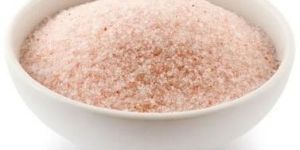
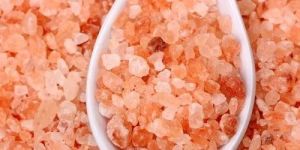
  • Pink Salt Lumps

    Pink Salt Lumps

    Get Latest Price

    • MOQ25 Metric Ton
    • FormLumps
    • Purity99%
    • Number Of FlowerRock Salt Lumps
    • Country of OriginIndia
    • Physical StatePowder
    ...more
  • Pink Salt Lumps

    Pink Salt Lumps

    Request for Price

    25 Metric Ton (MOQ)

    Form : Lumps

    Purity : 99%

    Number Of Flower : Rock Salt Lumps

    Country of Origin : India

    ...more
    Get Best Price
  • Ordinary Salt

    Ordinary Salt

    Get Latest Price

    • MOQ25 Metric Ton
    • Number Of FlowerCommercial Salt
    • ApplicationCooking
    • VarietyRefined
    • FeatureAdded Preservatives, Long Functional Life, Low Sodium
    • FormPowder
    • Packaging TypePlastic Packet
    • Country of OriginIndia
    • Packaging Size1 Kg
    • In common usage, salt is a mineral composed primarily of Sodium Chloride (NaCl). Salt is one of the oldest and most ubiquitous food seasonings, and is known to uniformly improve the taste perception of food, including otherwise unpalatable food. Some of the earliest evidence of salt processing dates to around 6000 BC, when people living in the area of present-day Romania boiled Spring water to extract salts; a salt works in china dates to approximately the same period. Salt was also prized by the ancient Hebrews, Greeks, Romans, Byzantines, Hitties, Egyptians, and Indians. Salt became an important article of trade and was transported by boat across the Mediterranean sea, along specially built salt roads, and across the Sahara on camel caravn. The scarcity and universal need for salt have led nations to go to war over it and use it to raise tax revenues. Salt is used in religious ceremonies and has other cultural and traditional significance. SALT IN INDIA Though salt was considered as “God’s gift” in ancient times and used for diplomatic purposes, in modern days it has more than 14,000 uses. India occupies the third place in the production of salt by producing 8.9 per cent ofthe total world production being cultivated in 1.45 lakh hectares. Gujarat, Rajasthan and Tamilnadu are the top-3 states in which the yield and labour productivity were found high among the salt producing states in India. In 2013-14, 59.61 lakh MT of salt was exported which accounts for Rs.844.4 crore. In India, the historical records speak about the dominance of salt as a medium of exchange and much before the invasion of Alexander, the Great, around 327 BC, salt was extracted from the salt mines of the Northern India and transported to different parts of the country. Though it was a luxury commodity for the poor people in India, Mahatma Gandhi (12-03-1930) broke the salt policy of the British Government by a protest declaring that “with this, I am weakening the foundation of British empire”. After independence, ‘salt’ became a central subject, headed by the Salt Commissioner of India. As the time advanced, uses of salt increased and the method of producing salt has also undergone significant changes. In modern times salt has about 14000 known uses from food to industry to de-icing. Presently about 110 countries are actively engaged in the production of salt and India occupies a place of pride at third place  India however produces one of the cheapest salts as it exports to the major top two producers like wise China ( By Sea) at around 2013-2014 with 27.44 MT   Origins - GUJRAT - The largest Salt producer state in india with latest tech and easy deployment through various ports like Kandla and Mundra (for Sea) Certificates - Our company is export complainace as per Indian rules and regulation. Port of loading - Majorly Port used for exports are Kandla and Mundra of Gujrat Packaging Sizes Skuz- 1. For Free flow Iodized salts in our brands:- ● 1 kg Packets @25 kg bags Packaging ● ½ kg Packets @25 kg bags packaging ● 1 kg Packets @50 kg bags packaging ● ½ kg Packets @50 kg bags packaging   2. Any white labeling can be done in your brands or any readily available brands. 3. Any Industrial , edible , or any other uses of Salt in any form of packaging as per the customer requirements can be met. 4. Any type of salt and the required chemical composition of customer preference and choice can be met. 5. Any types of rock salt, black salts, pink salts, bath salts.   Payment Terms :- Preferred payment terms are 1. Letter of credit 2. Cash In advance   Price :- Price of the product depends on the requirements of the customer where the minimum order quantity is one 20ft container.   Expiry Time According to Indian Laws iodised salt iodisation should be in the range of 15 ppm -30 ppm where we have to state the best before 24 months. Industrial Salts do not have any expiry time.   Previous Exports We have been one of the largest exporters of Bhutan Via road where we have exported around 6400 mt. We have also exported industrial salt to Nepal via roads. We have also supplied to people who do exports in Bangladesh
    ...more
  • Ordinary Salt

    Ordinary Salt

    Request for Price

    25 Metric Ton (MOQ)

    In common usage, salt is a mineral composed primarily of Sodium Chloride (NaCl). Salt is one of the oldest and most ubiquitous food seasonings, and is known to uniformly improve the taste perception of food, including otherwise unpalatable food. Some of the earliest evidence of salt processing dates to around 6000 BC, when people living in the area of present-day Romania boiled Spring water to extract salts; a salt works in china dates to approximately the same period. Salt was also prized by the ancient Hebrews, Greeks, Romans, Byzantines, Hitties, Egyptians, and Indians. Salt became an important article of trade and was transported by boat across the Mediterranean sea, along specially built salt roads, and across the Sahara on camel caravn. The scarcity and universal need for salt have led nations to go to war over it and use it to raise tax revenues. Salt is used in religious ceremonies and has other cultural and traditional significance. SALT IN INDIA Though salt was considered as “God’s gift” in ancient times and used for diplomatic purposes, in modern days it has more than 14,000 uses. India occupies the third place in the production of salt by producing 8.9 per cent ofthe total world production being cultivated in 1.45 lakh hectares. Gujarat, Rajasthan and Tamilnadu are the top-3 states in which the yield and labour productivity were found high among the salt producing states in India. In 2013-14, 59.61 lakh MT of salt was exported which accounts for Rs.844.4 crore. In India, the historical records speak about the dominance of salt as a medium of exchange and much before the invasion of Alexander, the Great, around 327 BC, salt was extracted from the salt mines of the Northern India and transported to different parts of the country. Though it was a luxury commodity for the poor people in India, Mahatma Gandhi (12-03-1930) broke the salt policy of the British Government by a protest declaring that “with this, I am weakening the foundation of British empire”. After independence, ‘salt’ became a central subject, headed by the Salt Commissioner of India. As the time advanced, uses of salt increased and the method of producing salt has also undergone significant changes. In modern times salt has about 14000 known uses from food to industry to de-icing. Presently about 110 countries are actively engaged in the production of salt and India occupies a place of pride at third place  India however produces one of the cheapest salts as it exports to the major top two producers like wise China ( By Sea) at around 2013-2014 with 27.44 MT   Origins - GUJRAT - The largest Salt producer state in india with latest tech and easy deployment through various ports like Kandla and Mundra (for Sea) Certificates - Our company is export complainace as per Indian rules and regulation. Port of loading - Majorly Port used for exports are Kandla and Mundra of Gujrat Packaging Sizes Skuz- 1. For Free flow Iodized salts in our brands:- ● 1 kg Packets @25 kg bags Packaging ● ½ kg Packets @25 kg bags packaging ● 1 kg Packets @50 kg bags packaging ● ½ kg Packets @50 kg bags packaging   2. Any white labeling can be done in your brands or any readily available brands. 3. Any Industrial , edible , or any other uses of Salt in any form of packaging as per the customer requirements can be met. 4. Any type of salt and the required chemical composition of customer preference and choice can be met. 5. Any types of rock salt, black salts, pink salts, bath salts.   Payment Terms :- Preferred payment terms are 1. Letter of credit 2. Cash In advance   Price :- Price of the product depends on the requirements of the customer where the minimum order quantity is one 20ft container.   Expiry Time According to Indian Laws iodised salt iodisation should be in the range of 15 ppm -30 ppm where we have to state the best before 24 months. Industrial Salts do not have any expiry time.   Previous Exports We have been one of the largest exporters of Bhutan Via road where we have exported around 6400 mt. We have also exported industrial salt to Nepal via roads. We have also supplied to people who do exports in Bangladesh

    Number Of Flower : Commercial Salt

    Application : Cooking

    Variety : Refined

    Feature : Added Preservatives, Long Functional Life, Low Sodium

    Form : Powder

    Packaging Type : Plastic Packet

    Country of Origin : India

    Packaging Size : 1 Kg

    ...more
    Get Best Price
  • OP2 Orthodox Tea

    OP2 Orthodox Tea

    Get Latest Price

    • MOQ100 Kilogram
    • Cultivation TypeNatural
    • FormGranules
    • UsageHome, Office, Restaurant, Hotel
    • Grade StandardOP2
    • Packaging TypePlastic Bag
    • Packaging Size25kg And 50kg
    • Number Of FlowerOrthodox Tea
    • Country of OriginIndia
    • SpeacialityStrong Aroma, Non Harmful, Nice Fragrance, Health Conscious, Delicious Taste
    • Orthodox Tea Orthodox tea refers to the tea which is made or processed using traditional methods. Orthodox teas are generally bright and brisk and have a multilayered flavor profile. Orthodox Tea is produced using the traditional methods of Tea production which includes plucking, withering , rolling, oxidation and drying. Orthodox teas are carefully rolled or shaped into various sizes and styles depending on the type of tea being produced. Orthodox processing is used to produce various styles of loose leaf tea, including white, green, oolong and black   Benefits of Orthodox Tea It is high in Antioxidants as compared to CTC which loses its antioxidant quality comparatively due to machine processing. Antioxidants help to neutralize damaged cells which help us to look and feel better. Helps prevent Cardiovascular Disease. Loose leaf tea has been shown to have a calming effect on the body and especially helps boost mental clarity. Loose leaf teas retain the Authentic Taste and are comparatively more rich in flavor and color. Loose leaf teas are organically processed thus giving it an advantage over the other in terms of quality. Typical tea bags are produced on an industrial scale and may sit in a warehouse or on a shelf for a long time before you ever get them. These low-grade leaves are usually picked, processed, and packaged by machines overseas.In contrast, our premium teas are carefully hand-selected and crafted by tea masters.   EXTENSIONS The varieties of tea specified in the brochure are the major varieties demanded and exported by us globally. However, there are many other varieties too which are at times demanded and we fulfill such requirements too. We are a leading supplier and trader in the salt industry of India both in edible and industrial segments. WHITE LABELING A white-label product is a product or service produced by one company that other companies rebrand to make it appear as if they had made it. The name derives from the image of a white label on the packaging that can be filled in with the marketer's trade dress. We can also fulfill any White Labeling requirements of yours in any varieties of tea or in any of my pre-existing brand(s).
    ...more
  • OP2 Orthodox Tea

    OP2 Orthodox Tea

    Request for Price

    100 Kilogram (MOQ)

    Orthodox Tea Orthodox tea refers to the tea which is made or processed using traditional methods. Orthodox teas are generally bright and brisk and have a multilayered flavor profile. Orthodox Tea is produced using the traditional methods of Tea production which includes plucking, withering , rolling, oxidation and drying. Orthodox teas are carefully rolled or shaped into various sizes and styles depending on the type of tea being produced. Orthodox processing is used to produce various styles of loose leaf tea, including white, green, oolong and black   Benefits of Orthodox Tea It is high in Antioxidants as compared to CTC which loses its antioxidant quality comparatively due to machine processing. Antioxidants help to neutralize damaged cells which help us to look and feel better. Helps prevent Cardiovascular Disease. Loose leaf tea has been shown to have a calming effect on the body and especially helps boost mental clarity. Loose leaf teas retain the Authentic Taste and are comparatively more rich in flavor and color. Loose leaf teas are organically processed thus giving it an advantage over the other in terms of quality. Typical tea bags are produced on an industrial scale and may sit in a warehouse or on a shelf for a long time before you ever get them. These low-grade leaves are usually picked, processed, and packaged by machines overseas.In contrast, our premium teas are carefully hand-selected and crafted by tea masters.   EXTENSIONS The varieties of tea specified in the brochure are the major varieties demanded and exported by us globally. However, there are many other varieties too which are at times demanded and we fulfill such requirements too. We are a leading supplier and trader in the salt industry of India both in edible and industrial segments. WHITE LABELING A white-label product is a product or service produced by one company that other companies rebrand to make it appear as if they had made it. The name derives from the image of a white label on the packaging that can be filled in with the marketer's trade dress. We can also fulfill any White Labeling requirements of yours in any varieties of tea or in any of my pre-existing brand(s).

    Cultivation Type : Natural

    Form : Granules

    Usage : Home, Office, Restaurant, Hotel

    Grade Standard : OP2

    Packaging Type : Plastic Bag

    Packaging Size : 25kg And 50kg

    Number Of Flower : Orthodox Tea

    Country of Origin : India

    Speaciality : Strong Aroma, Non Harmful, Nice Fragrance, Health Conscious, Delicious Taste

    ...more
    Get Best Price
  • Kranti Iodised Salt

    Kranti Iodised Salt

    Get Latest Price

    • MOQ25 Metric Ton
    • Brand NameKranti
    • FormPowder
    • ApplicationCooking
    • VarietyRefined
    • Purity99%
    • FeatureAdded Preservatives, Long Functional Life, Low Sodium, Non Harmful
    • Packaging TypePlastic Packets
    • Packaging Size1 Kg
    • Number Of FlowerCommercial Salt
    • Country of OriginIndia
    • In common usage, salt is a mineral composed primarily of Sodium Chloride (NaCl). Salt is one of the oldest and most ubiquitous food seasonings, and is known to uniformly improve the taste perception of food, including otherwise unpalatable food. Some of the earliest evidence of salt processing dates to around 6000 BC, when people living in the area of present-day Romania boiled Spring water to extract salts; a salt works in china dates to approximately the same period. Salt was also prized by the ancient Hebrews, Greeks, Romans, Byzantines, Hitties, Egyptians, and Indians. Salt became an important article of trade and was transported by boat across the Mediterranean sea, along specially built salt roads, and across the Sahara on camel caravn. The scarcity and universal need for salt have led nations to go to war over it and use it to raise tax revenues. Salt is used in religious ceremonies and has other cultural and traditional significance. SALT IN INDIA Though salt was considered as “God’s gift” in ancient times and used for diplomatic purposes, in modern days it has more than 14,000 uses. India occupies the third place in the production of salt by producing 8.9 per cent ofthe total world production being cultivated in 1.45 lakh hectares. Gujarat, Rajasthan and Tamilnadu are the top-3 states in which the yield and labour productivity were found high among the salt producing states in India. In 2013-14, 59.61 lakh MT of salt was exported which accounts for Rs.844.4 crore. In India, the historical records speak about the dominance of salt as a medium of exchange and much before the invasion of Alexander, the Great, around 327 BC, salt was extracted from the salt mines of the Northern India and transported to different parts of the country. Though it was a luxury commodity for the poor people in India, Mahatma Gandhi (12-03-1930) broke the salt policy of the British Government by a protest declaring that “with this, I am weakening the foundation of British empire”. After independence, ‘salt’ became a central subject, headed by the Salt Commissioner of India. As the time advanced, uses of salt increased and the method of producing salt has also undergone significant changes. In modern times salt has about 14000 known uses from food to industry to de-icing. Presently about 110 countries are actively engaged in the production of salt and India occupies a place of pride at third place  India however produces one of the cheapest salts as it exports to the major top two producers like wise China ( By Sea) at around 2013-2014 with 27.44 MT   Origins - GUJRAT - The largest Salt producer state in india with latest tech and easy deployment through various ports like Kandla and Mundra (for Sea) Certificates - Our company is export complainace as per Indian rules and regulation. Port of loading - Majorly Port used for exports are Kandla and Mundra of Gujrat Packaging Sizes Skuz- 1. For Free flow Iodized salts in our brands:- ● 1 kg Packets @25 kg bags Packaging ● ½ kg Packets @25 kg bags packaging ● 1 kg Packets @50 kg bags packaging ● ½ kg Packets @50 kg bags packaging   2. Any white labeling can be done in your brands or any readily available brands. 3. Any Industrial , edible , or any other uses of Salt in any form of packaging as per the customer requirements can be met. 4. Any type of salt and the required chemical composition of customer preference and choice can be met. 5. Any types of rock salt, black salts, pink salts, bath salts.   Payment Terms :- Preferred payment terms are 1. Letter of credit 2. Cash In advance   Price :- Price of the product depends on the requirements of the customer where the minimum order quantity is one 20ft container.   Expiry Time According to Indian Laws iodised salt iodisation should be in the range of 15 ppm -30 ppm where we have to state the best before 24 months. Industrial Salts do not have any expiry time.   Previous Exports We have been one of the largest exporters of Bhutan Via road where we have exported around 6400 mt. We have also exported industrial salt to Nepal via roads. We have also supplied to people who do exports in Bangladesh
    ...more
  • Kranti Iodised Salt

    Kranti Iodised Salt

    Request for Price

    25 Metric Ton (MOQ)

    In common usage, salt is a mineral composed primarily of Sodium Chloride (NaCl). Salt is one of the oldest and most ubiquitous food seasonings, and is known to uniformly improve the taste perception of food, including otherwise unpalatable food. Some of the earliest evidence of salt processing dates to around 6000 BC, when people living in the area of present-day Romania boiled Spring water to extract salts; a salt works in china dates to approximately the same period. Salt was also prized by the ancient Hebrews, Greeks, Romans, Byzantines, Hitties, Egyptians, and Indians. Salt became an important article of trade and was transported by boat across the Mediterranean sea, along specially built salt roads, and across the Sahara on camel caravn. The scarcity and universal need for salt have led nations to go to war over it and use it to raise tax revenues. Salt is used in religious ceremonies and has other cultural and traditional significance. SALT IN INDIA Though salt was considered as “God’s gift” in ancient times and used for diplomatic purposes, in modern days it has more than 14,000 uses. India occupies the third place in the production of salt by producing 8.9 per cent ofthe total world production being cultivated in 1.45 lakh hectares. Gujarat, Rajasthan and Tamilnadu are the top-3 states in which the yield and labour productivity were found high among the salt producing states in India. In 2013-14, 59.61 lakh MT of salt was exported which accounts for Rs.844.4 crore. In India, the historical records speak about the dominance of salt as a medium of exchange and much before the invasion of Alexander, the Great, around 327 BC, salt was extracted from the salt mines of the Northern India and transported to different parts of the country. Though it was a luxury commodity for the poor people in India, Mahatma Gandhi (12-03-1930) broke the salt policy of the British Government by a protest declaring that “with this, I am weakening the foundation of British empire”. After independence, ‘salt’ became a central subject, headed by the Salt Commissioner of India. As the time advanced, uses of salt increased and the method of producing salt has also undergone significant changes. In modern times salt has about 14000 known uses from food to industry to de-icing. Presently about 110 countries are actively engaged in the production of salt and India occupies a place of pride at third place  India however produces one of the cheapest salts as it exports to the major top two producers like wise China ( By Sea) at around 2013-2014 with 27.44 MT   Origins - GUJRAT - The largest Salt producer state in india with latest tech and easy deployment through various ports like Kandla and Mundra (for Sea) Certificates - Our company is export complainace as per Indian rules and regulation. Port of loading - Majorly Port used for exports are Kandla and Mundra of Gujrat Packaging Sizes Skuz- 1. For Free flow Iodized salts in our brands:- ● 1 kg Packets @25 kg bags Packaging ● ½ kg Packets @25 kg bags packaging ● 1 kg Packets @50 kg bags packaging ● ½ kg Packets @50 kg bags packaging   2. Any white labeling can be done in your brands or any readily available brands. 3. Any Industrial , edible , or any other uses of Salt in any form of packaging as per the customer requirements can be met. 4. Any type of salt and the required chemical composition of customer preference and choice can be met. 5. Any types of rock salt, black salts, pink salts, bath salts.   Payment Terms :- Preferred payment terms are 1. Letter of credit 2. Cash In advance   Price :- Price of the product depends on the requirements of the customer where the minimum order quantity is one 20ft container.   Expiry Time According to Indian Laws iodised salt iodisation should be in the range of 15 ppm -30 ppm where we have to state the best before 24 months. Industrial Salts do not have any expiry time.   Previous Exports We have been one of the largest exporters of Bhutan Via road where we have exported around 6400 mt. We have also exported industrial salt to Nepal via roads. We have also supplied to people who do exports in Bangladesh

    Brand Name : Kranti

    Form : Powder

    Application : Cooking

    Variety : Refined

    Purity : 99%

    Feature : Added Preservatives, Long Functional Life, Low Sodium, Non Harmful

    Packaging Type : Plastic Packets

    Packaging Size : 1 Kg

    Number Of Flower : Commercial Salt

    Country of Origin : India

    ...more
    Get Best Price
  • Kranti Gold Iodised Salt

    Kranti Gold Iodised Salt

    Get Latest Price

    • MOQ25 Metric Ton
    • Brand NameKranti Gold
    • FormPowder
    • ApplicationCooking
    • VarietyRefined
    • Purity99%
    • FeatureAdded Preservatives, Long Functional Life, Low Sodium, Non Harmful
    • Packaging TypePlastic Packet
    • Packaging Size1 Kg
    • Number Of FlowerCommercial Salt
    • Country of OriginIndia
    • In common usage, salt is a mineral composed primarily of Sodium Chloride (NaCl). Salt is one of the oldest and most ubiquitous food seasonings, and is known to uniformly improve the taste perception of food, including otherwise unpalatable food. Some of the earliest evidence of salt processing dates to around 6000 BC, when people living in the area of present-day Romania boiled Spring water to extract salts; a salt works in china dates to approximately the same period. Salt was also prized by the ancient Hebrews, Greeks, Romans, Byzantines, Hitties, Egyptians, and Indians. Salt became an important article of trade and was transported by boat across the Mediterranean sea, along specially built salt roads, and across the Sahara on camel caravn. The scarcity and universal need for salt have led nations to go to war over it and use it to raise tax revenues. Salt is used in religious ceremonies and has other cultural and traditional significance. SALT IN INDIA Though salt was considered as “God’s gift” in ancient times and used for diplomatic purposes, in modern days it has more than 14,000 uses. India occupies the third place in the production of salt by producing 8.9 per cent ofthe total world production being cultivated in 1.45 lakh hectares. Gujarat, Rajasthan and Tamilnadu are the top-3 states in which the yield and labour productivity were found high among the salt producing states in India. In 2013-14, 59.61 lakh MT of salt was exported which accounts for Rs.844.4 crore. In India, the historical records speak about the dominance of salt as a medium of exchange and much before the invasion of Alexander, the Great, around 327 BC, salt was extracted from the salt mines of the Northern India and transported to different parts of the country. Though it was a luxury commodity for the poor people in India, Mahatma Gandhi (12-03-1930) broke the salt policy of the British Government by a protest declaring that “with this, I am weakening the foundation of British empire”. After independence, ‘salt’ became a central subject, headed by the Salt Commissioner of India. As the time advanced, uses of salt increased and the method of producing salt has also undergone significant changes. In modern times salt has about 14000 known uses from food to industry to de-icing. Presently about 110 countries are actively engaged in the production of salt and India occupies a place of pride at third place  India however produces one of the cheapest salts as it exports to the major top two producers like wise China ( By Sea) at around 2013-2014 with 27.44 MT   Origins - GUJRAT - The largest Salt producer state in india with latest tech and easy deployment through various ports like Kandla and Mundra (for Sea) Certificates - Our company is export complainace as per Indian rules and regulation. Port of loading - Majorly Port used for exports are Kandla and Mundra of Gujrat Packaging Sizes Skuz- 1. For Free flow Iodized salts in our brands:- ● 1 kg Packets @25 kg bags Packaging ● ½ kg Packets @25 kg bags packaging ● 1 kg Packets @50 kg bags packaging ● ½ kg Packets @50 kg bags packaging   2. Any white labeling can be done in your brands or any readily available brands. 3. Any Industrial , edible , or any other uses of Salt in any form of packaging as per the customer requirements can be met. 4. Any type of salt and the required chemical composition of customer preference and choice can be met. 5. Any types of rock salt, black salts, pink salts, bath salts.   Payment Terms :- Preferred payment terms are 1. Letter of credit 2. Cash In advance   Price :- Price of the product depends on the requirements of the customer where the minimum order quantity is one 20ft container.   Expiry Time According to Indian Laws iodised salt iodisation should be in the range of 15 ppm -30 ppm where we have to state the best before 24 months. Industrial Salts do not have any expiry time.   Previous Exports We have been one of the largest exporters of Bhutan Via road where we have exported around 6400 mt. We have also exported industrial salt to Nepal via roads. We have also supplied to people who do exports in Bangladesh
    ...more
  • Kranti Gold Iodised Salt

    Kranti Gold Iodised Salt

    Request for Price

    25 Metric Ton (MOQ)

    In common usage, salt is a mineral composed primarily of Sodium Chloride (NaCl). Salt is one of the oldest and most ubiquitous food seasonings, and is known to uniformly improve the taste perception of food, including otherwise unpalatable food. Some of the earliest evidence of salt processing dates to around 6000 BC, when people living in the area of present-day Romania boiled Spring water to extract salts; a salt works in china dates to approximately the same period. Salt was also prized by the ancient Hebrews, Greeks, Romans, Byzantines, Hitties, Egyptians, and Indians. Salt became an important article of trade and was transported by boat across the Mediterranean sea, along specially built salt roads, and across the Sahara on camel caravn. The scarcity and universal need for salt have led nations to go to war over it and use it to raise tax revenues. Salt is used in religious ceremonies and has other cultural and traditional significance. SALT IN INDIA Though salt was considered as “God’s gift” in ancient times and used for diplomatic purposes, in modern days it has more than 14,000 uses. India occupies the third place in the production of salt by producing 8.9 per cent ofthe total world production being cultivated in 1.45 lakh hectares. Gujarat, Rajasthan and Tamilnadu are the top-3 states in which the yield and labour productivity were found high among the salt producing states in India. In 2013-14, 59.61 lakh MT of salt was exported which accounts for Rs.844.4 crore. In India, the historical records speak about the dominance of salt as a medium of exchange and much before the invasion of Alexander, the Great, around 327 BC, salt was extracted from the salt mines of the Northern India and transported to different parts of the country. Though it was a luxury commodity for the poor people in India, Mahatma Gandhi (12-03-1930) broke the salt policy of the British Government by a protest declaring that “with this, I am weakening the foundation of British empire”. After independence, ‘salt’ became a central subject, headed by the Salt Commissioner of India. As the time advanced, uses of salt increased and the method of producing salt has also undergone significant changes. In modern times salt has about 14000 known uses from food to industry to de-icing. Presently about 110 countries are actively engaged in the production of salt and India occupies a place of pride at third place  India however produces one of the cheapest salts as it exports to the major top two producers like wise China ( By Sea) at around 2013-2014 with 27.44 MT   Origins - GUJRAT - The largest Salt producer state in india with latest tech and easy deployment through various ports like Kandla and Mundra (for Sea) Certificates - Our company is export complainace as per Indian rules and regulation. Port of loading - Majorly Port used for exports are Kandla and Mundra of Gujrat Packaging Sizes Skuz- 1. For Free flow Iodized salts in our brands:- ● 1 kg Packets @25 kg bags Packaging ● ½ kg Packets @25 kg bags packaging ● 1 kg Packets @50 kg bags packaging ● ½ kg Packets @50 kg bags packaging   2. Any white labeling can be done in your brands or any readily available brands. 3. Any Industrial , edible , or any other uses of Salt in any form of packaging as per the customer requirements can be met. 4. Any type of salt and the required chemical composition of customer preference and choice can be met. 5. Any types of rock salt, black salts, pink salts, bath salts.   Payment Terms :- Preferred payment terms are 1. Letter of credit 2. Cash In advance   Price :- Price of the product depends on the requirements of the customer where the minimum order quantity is one 20ft container.   Expiry Time According to Indian Laws iodised salt iodisation should be in the range of 15 ppm -30 ppm where we have to state the best before 24 months. Industrial Salts do not have any expiry time.   Previous Exports We have been one of the largest exporters of Bhutan Via road where we have exported around 6400 mt. We have also exported industrial salt to Nepal via roads. We have also supplied to people who do exports in Bangladesh

    Brand Name : Kranti Gold

    Form : Powder

    Application : Cooking

    Variety : Refined

    Purity : 99%

    Feature : Added Preservatives, Long Functional Life, Low Sodium, Non Harmful

    Packaging Type : Plastic Packet

    Packaging Size : 1 Kg

    Number Of Flower : Commercial Salt

    Country of Origin : India

    ...more
    Get Best Price
  • GFOP2 Orthodox Tea

    GFOP2 Orthodox Tea

    Get Latest Price

    • MOQ100 Kilogram
    • Cultivation TypeNatural
    • FormGranules
    • UsageHome, Office, Restaurant, Hotel
    • Grade StandardGFOP2
    • Packaging TypePlastic Bag
    • Packaging Size25kg And 50kg
    • Number Of FlowerOrthodox Tea
    • Country of OriginIndia
    • SpeacialityStrong Aroma, Non Harmful, Nice Fragrance, Health Conscious, Delicious Taste
    • Orthodox Tea Orthodox tea refers to the tea which is made or processed using traditional methods. Orthodox teas are generally bright and brisk and have a multilayered flavor profile. Orthodox Tea is produced using the traditional methods of Tea production which includes plucking, withering , rolling, oxidation and drying. Orthodox teas are carefully rolled or shaped into various sizes and styles depending on the type of tea being produced. Orthodox processing is used to produce various styles of loose leaf tea, including white, green, oolong and black   Benefits of Orthodox Tea It is high in Antioxidants as compared to CTC which loses its antioxidant quality comparatively due to machine processing. Antioxidants help to neutralize damaged cells which help us to look and feel better. Helps prevent Cardiovascular Disease. Loose leaf tea has been shown to have a calming effect on the body and especially helps boost mental clarity. Loose leaf teas retain the Authentic Taste and are comparatively more rich in flavor and color. Loose leaf teas are organically processed thus giving it an advantage over the other in terms of quality. Typical tea bags are produced on an industrial scale and may sit in a warehouse or on a shelf for a long time before you ever get them. These low-grade leaves are usually picked, processed, and packaged by machines overseas.In contrast, our premium teas are carefully hand-selected and crafted by tea masters.   EXTENSIONS The varieties of tea specified in the brochure are the major varieties demanded and exported by us globally. However, there are many other varieties too which are at times demanded and we fulfill such requirements too. We are a leading supplier and trader in the salt industry of India both in edible and industrial segments. WHITE LABELING A white-label product is a product or service produced by one company that other companies rebrand to make it appear as if they had made it. The name derives from the image of a white label on the packaging that can be filled in with the marketer's trade dress. We can also fulfill any White Labeling requirements of yours in any varieties of tea or in any of my pre-existing brand(s).
    ...more
  • GFOP2 Orthodox Tea

    GFOP2 Orthodox Tea

    Request for Price

    100 Kilogram (MOQ)

    Orthodox Tea Orthodox tea refers to the tea which is made or processed using traditional methods. Orthodox teas are generally bright and brisk and have a multilayered flavor profile. Orthodox Tea is produced using the traditional methods of Tea production which includes plucking, withering , rolling, oxidation and drying. Orthodox teas are carefully rolled or shaped into various sizes and styles depending on the type of tea being produced. Orthodox processing is used to produce various styles of loose leaf tea, including white, green, oolong and black   Benefits of Orthodox Tea It is high in Antioxidants as compared to CTC which loses its antioxidant quality comparatively due to machine processing. Antioxidants help to neutralize damaged cells which help us to look and feel better. Helps prevent Cardiovascular Disease. Loose leaf tea has been shown to have a calming effect on the body and especially helps boost mental clarity. Loose leaf teas retain the Authentic Taste and are comparatively more rich in flavor and color. Loose leaf teas are organically processed thus giving it an advantage over the other in terms of quality. Typical tea bags are produced on an industrial scale and may sit in a warehouse or on a shelf for a long time before you ever get them. These low-grade leaves are usually picked, processed, and packaged by machines overseas.In contrast, our premium teas are carefully hand-selected and crafted by tea masters.   EXTENSIONS The varieties of tea specified in the brochure are the major varieties demanded and exported by us globally. However, there are many other varieties too which are at times demanded and we fulfill such requirements too. We are a leading supplier and trader in the salt industry of India both in edible and industrial segments. WHITE LABELING A white-label product is a product or service produced by one company that other companies rebrand to make it appear as if they had made it. The name derives from the image of a white label on the packaging that can be filled in with the marketer's trade dress. We can also fulfill any White Labeling requirements of yours in any varieties of tea or in any of my pre-existing brand(s).

    Cultivation Type : Natural

    Form : Granules

    Usage : Home, Office, Restaurant, Hotel

    Grade Standard : GFOP2

    Packaging Type : Plastic Bag

    Packaging Size : 25kg And 50kg

    Number Of Flower : Orthodox Tea

    Country of Origin : India

    Speaciality : Strong Aroma, Non Harmful, Nice Fragrance, Health Conscious, Delicious Taste

    ...more
    Get Best Price
  • GFBOP2 Orthodox Tea

    GFBOP2 Orthodox Tea

    Get Latest Price

    • MOQ100 Kilogram
    • Cultivation TypeNatural
    • FormGranules
    • UsageHome, Office, Restaurant, Hotel
    • Grade StandardGFBOP2
    • Packaging TypePlastic Bag
    • Packaging Size25kg And 50kg
    • Number Of FlowerOrthodox Tea
    • Country of OriginIndia
    • SpeacialityStrong Aroma, Non Harmful, Nice Fragrance, Health Conscious, Delicious Taste
    • Orthodox Tea Orthodox tea refers to the tea which is made or processed using traditional methods. Orthodox teas are generally bright and brisk and have a multilayered flavor profile. Orthodox Tea is produced using the traditional methods of Tea production which includes plucking, withering , rolling, oxidation and drying. Orthodox teas are carefully rolled or shaped into various sizes and styles depending on the type of tea being produced. Orthodox processing is used to produce various styles of loose leaf tea, including white, green, oolong and black   Benefits of Orthodox Tea It is high in Antioxidants as compared to CTC which loses its antioxidant quality comparatively due to machine processing. Antioxidants help to neutralize damaged cells which help us to look and feel better. Helps prevent Cardiovascular Disease. Loose leaf tea has been shown to have a calming effect on the body and especially helps boost mental clarity. Loose leaf teas retain the Authentic Taste and are comparatively more rich in flavor and color. Loose leaf teas are organically processed thus giving it an advantage over the other in terms of quality. Typical tea bags are produced on an industrial scale and may sit in a warehouse or on a shelf for a long time before you ever get them. These low-grade leaves are usually picked, processed, and packaged by machines overseas.In contrast, our premium teas are carefully hand-selected and crafted by tea masters.   EXTENSIONS The varieties of tea specified in the brochure are the major varieties demanded and exported by us globally. However, there are many other varieties too which are at times demanded and we fulfill such requirements too. We are a leading supplier and trader in the salt industry of India both in edible and industrial segments. WHITE LABELING A white-label product is a product or service produced by one company that other companies rebrand to make it appear as if they had made it. The name derives from the image of a white label on the packaging that can be filled in with the marketer's trade dress. We can also fulfill any White Labeling requirements of yours in any varieties of tea or in any of my pre-existing brand(s).
    ...more
  • GFBOP2 Orthodox Tea

    GFBOP2 Orthodox Tea

    Request for Price

    100 Kilogram (MOQ)

    Orthodox Tea Orthodox tea refers to the tea which is made or processed using traditional methods. Orthodox teas are generally bright and brisk and have a multilayered flavor profile. Orthodox Tea is produced using the traditional methods of Tea production which includes plucking, withering , rolling, oxidation and drying. Orthodox teas are carefully rolled or shaped into various sizes and styles depending on the type of tea being produced. Orthodox processing is used to produce various styles of loose leaf tea, including white, green, oolong and black   Benefits of Orthodox Tea It is high in Antioxidants as compared to CTC which loses its antioxidant quality comparatively due to machine processing. Antioxidants help to neutralize damaged cells which help us to look and feel better. Helps prevent Cardiovascular Disease. Loose leaf tea has been shown to have a calming effect on the body and especially helps boost mental clarity. Loose leaf teas retain the Authentic Taste and are comparatively more rich in flavor and color. Loose leaf teas are organically processed thus giving it an advantage over the other in terms of quality. Typical tea bags are produced on an industrial scale and may sit in a warehouse or on a shelf for a long time before you ever get them. These low-grade leaves are usually picked, processed, and packaged by machines overseas.In contrast, our premium teas are carefully hand-selected and crafted by tea masters.   EXTENSIONS The varieties of tea specified in the brochure are the major varieties demanded and exported by us globally. However, there are many other varieties too which are at times demanded and we fulfill such requirements too. We are a leading supplier and trader in the salt industry of India both in edible and industrial segments. WHITE LABELING A white-label product is a product or service produced by one company that other companies rebrand to make it appear as if they had made it. The name derives from the image of a white label on the packaging that can be filled in with the marketer's trade dress. We can also fulfill any White Labeling requirements of yours in any varieties of tea or in any of my pre-existing brand(s).

    Cultivation Type : Natural

    Form : Granules

    Usage : Home, Office, Restaurant, Hotel

    Grade Standard : GFBOP2

    Packaging Type : Plastic Bag

    Packaging Size : 25kg And 50kg

    Number Of Flower : Orthodox Tea

    Country of Origin : India

    Speaciality : Strong Aroma, Non Harmful, Nice Fragrance, Health Conscious, Delicious Taste

    ...more
    Get Best Price
  • GBOP2 Orthodox Tea

    GBOP2 Orthodox Tea

    Get Latest Price

    • MOQ100 Kilogram
    • Cultivation TypeNatural
    • FormGranules
    • UsageHome, Office, Restaurant, Hotel
    • Grade StandardGBOP2
    • Packaging TypePlastic Bag
    • Packaging Size25kg And 50kg
    • Number Of FlowerOrthodox Tea
    • Country of OriginIndia
    • SpeacialityStrong Aroma, Non Harmful, Nice Fragrance, Health Conscious, Delicious Taste
    • Orthodox Tea Orthodox tea refers to the tea which is made or processed using traditional methods. Orthodox teas are generally bright and brisk and have a multilayered flavor profile. Orthodox Tea is produced using the traditional methods of Tea production which includes plucking, withering , rolling, oxidation and drying. Orthodox teas are carefully rolled or shaped into various sizes and styles depending on the type of tea being produced. Orthodox processing is used to produce various styles of loose leaf tea, including white, green, oolong and black   Benefits of Orthodox Tea It is high in Antioxidants as compared to CTC which loses its antioxidant quality comparatively due to machine processing. Antioxidants help to neutralize damaged cells which help us to look and feel better. Helps prevent Cardiovascular Disease. Loose leaf tea has been shown to have a calming effect on the body and especially helps boost mental clarity. Loose leaf teas retain the Authentic Taste and are comparatively more rich in flavor and color. Loose leaf teas are organically processed thus giving it an advantage over the other in terms of quality. Typical tea bags are produced on an industrial scale and may sit in a warehouse or on a shelf for a long time before you ever get them. These low-grade leaves are usually picked, processed, and packaged by machines overseas.In contrast, our premium teas are carefully hand-selected and crafted by tea masters.   EXTENSIONS The varieties of tea specified in the brochure are the major varieties demanded and exported by us globally. However, there are many other varieties too which are at times demanded and we fulfill such requirements too. We are a leading supplier and trader in the salt industry of India both in edible and industrial segments. WHITE LABELING A white-label product is a product or service produced by one company that other companies rebrand to make it appear as if they had made it. The name derives from the image of a white label on the packaging that can be filled in with the marketer's trade dress. We can also fulfill any White Labeling requirements of yours in any varieties of tea or in any of my pre-existing brand(s).
    ...more
  • GBOP2 Orthodox Tea

    GBOP2 Orthodox Tea

    Request for Price

    100 Kilogram (MOQ)

    Orthodox Tea Orthodox tea refers to the tea which is made or processed using traditional methods. Orthodox teas are generally bright and brisk and have a multilayered flavor profile. Orthodox Tea is produced using the traditional methods of Tea production which includes plucking, withering , rolling, oxidation and drying. Orthodox teas are carefully rolled or shaped into various sizes and styles depending on the type of tea being produced. Orthodox processing is used to produce various styles of loose leaf tea, including white, green, oolong and black   Benefits of Orthodox Tea It is high in Antioxidants as compared to CTC which loses its antioxidant quality comparatively due to machine processing. Antioxidants help to neutralize damaged cells which help us to look and feel better. Helps prevent Cardiovascular Disease. Loose leaf tea has been shown to have a calming effect on the body and especially helps boost mental clarity. Loose leaf teas retain the Authentic Taste and are comparatively more rich in flavor and color. Loose leaf teas are organically processed thus giving it an advantage over the other in terms of quality. Typical tea bags are produced on an industrial scale and may sit in a warehouse or on a shelf for a long time before you ever get them. These low-grade leaves are usually picked, processed, and packaged by machines overseas.In contrast, our premium teas are carefully hand-selected and crafted by tea masters.   EXTENSIONS The varieties of tea specified in the brochure are the major varieties demanded and exported by us globally. However, there are many other varieties too which are at times demanded and we fulfill such requirements too. We are a leading supplier and trader in the salt industry of India both in edible and industrial segments. WHITE LABELING A white-label product is a product or service produced by one company that other companies rebrand to make it appear as if they had made it. The name derives from the image of a white label on the packaging that can be filled in with the marketer's trade dress. We can also fulfill any White Labeling requirements of yours in any varieties of tea or in any of my pre-existing brand(s).

    Cultivation Type : Natural

    Form : Granules

    Usage : Home, Office, Restaurant, Hotel

    Grade Standard : GBOP2

    Packaging Type : Plastic Bag

    Packaging Size : 25kg And 50kg

    Number Of Flower : Orthodox Tea

    Country of Origin : India

    Speaciality : Strong Aroma, Non Harmful, Nice Fragrance, Health Conscious, Delicious Taste

    ...more
    Get Best Price
  • FBOP2 Orthodox Tea

    FBOP2 Orthodox Tea

    Get Latest Price

    • MOQ100 Kilogram
    • Cultivation TypeNatural
    • FormGranules
    • UsageHome, Office, Restaurant, Hotel
    • Grade StandardFBOP2
    • Packaging TypePlastic Bag
    • Packaging Size25kg And 50kg
    • Number Of FlowerOrthodox Tea
    • Country of OriginIndia
    • SpeacialityStrong Aroma, Pure Organic, Non Harmful, Nice Fragrance, Health Conscious
    • Orthodox Tea Orthodox tea refers to the tea which is made or processed using traditional methods. Orthodox teas are generally bright and brisk and have a multilayered flavor profile. Orthodox Tea is produced using the traditional methods of Tea production which includes plucking, withering , rolling, oxidation and drying. Orthodox teas are carefully rolled or shaped into various sizes and styles depending on the type of tea being produced. Orthodox processing is used to produce various styles of loose leaf tea, including white, green, oolong and black   Benefits of Orthodox Tea It is high in Antioxidants as compared to CTC which loses its antioxidant quality comparatively due to machine processing. Antioxidants help to neutralize damaged cells which help us to look and feel better. Helps prevent Cardiovascular Disease. Loose leaf tea has been shown to have a calming effect on the body and especially helps boost mental clarity. Loose leaf teas retain the Authentic Taste and are comparatively more rich in flavor and color. Loose leaf teas are organically processed thus giving it an advantage over the other in terms of quality. Typical tea bags are produced on an industrial scale and may sit in a warehouse or on a shelf for a long time before you ever get them. These low-grade leaves are usually picked, processed, and packaged by machines overseas.In contrast, our premium teas are carefully hand-selected and crafted by tea masters.   EXTENSIONS The varieties of tea specified in the brochure are the major varieties demanded and exported by us globally. However, there are many other varieties too which are at times demanded and we fulfill such requirements too. We are a leading supplier and trader in the salt industry of India both in edible and industrial segments. WHITE LABELING A white-label product is a product or service produced by one company that other companies rebrand to make it appear as if they had made it. The name derives from the image of a white label on the packaging that can be filled in with the marketer's trade dress. We can also fulfill any White Labeling requirements of yours in any varieties of tea or in any of my pre-existing brand(s).
    ...more
  • FBOP2 Orthodox Tea

    FBOP2 Orthodox Tea

    Request for Price

    100 Kilogram (MOQ)

    Orthodox Tea Orthodox tea refers to the tea which is made or processed using traditional methods. Orthodox teas are generally bright and brisk and have a multilayered flavor profile. Orthodox Tea is produced using the traditional methods of Tea production which includes plucking, withering , rolling, oxidation and drying. Orthodox teas are carefully rolled or shaped into various sizes and styles depending on the type of tea being produced. Orthodox processing is used to produce various styles of loose leaf tea, including white, green, oolong and black   Benefits of Orthodox Tea It is high in Antioxidants as compared to CTC which loses its antioxidant quality comparatively due to machine processing. Antioxidants help to neutralize damaged cells which help us to look and feel better. Helps prevent Cardiovascular Disease. Loose leaf tea has been shown to have a calming effect on the body and especially helps boost mental clarity. Loose leaf teas retain the Authentic Taste and are comparatively more rich in flavor and color. Loose leaf teas are organically processed thus giving it an advantage over the other in terms of quality. Typical tea bags are produced on an industrial scale and may sit in a warehouse or on a shelf for a long time before you ever get them. These low-grade leaves are usually picked, processed, and packaged by machines overseas.In contrast, our premium teas are carefully hand-selected and crafted by tea masters.   EXTENSIONS The varieties of tea specified in the brochure are the major varieties demanded and exported by us globally. However, there are many other varieties too which are at times demanded and we fulfill such requirements too. We are a leading supplier and trader in the salt industry of India both in edible and industrial segments. WHITE LABELING A white-label product is a product or service produced by one company that other companies rebrand to make it appear as if they had made it. The name derives from the image of a white label on the packaging that can be filled in with the marketer's trade dress. We can also fulfill any White Labeling requirements of yours in any varieties of tea or in any of my pre-existing brand(s).

    Cultivation Type : Natural

    Form : Granules

    Usage : Home, Office, Restaurant, Hotel

    Grade Standard : FBOP2

    Packaging Type : Plastic Bag

    Packaging Size : 25kg And 50kg

    Number Of Flower : Orthodox Tea

    Country of Origin : India

    Speaciality : Strong Aroma, Pure Organic, Non Harmful, Nice Fragrance, Health Conscious

    ...more
    Get Best Price
  • FBOP Orthodox Tea

    FBOP Orthodox Tea

    Get Latest Price

    • MOQ100 Kilogram
    • Cultivation TypeNatural
    • FormGranules
    • UsageHome, Office, Restaurant
    • Grade StandardFBOP
    • Packaging TypePlastic Bag
    • Packaging Size25kg And 50kg
    • Number Of FlowerOrthodox Tea
    • Country of OriginIndia
    • SpeacialityStrong Aroma, Non Harmful, Nice Fragrance, Health Conscious, Delicious Taste
    • Orthodox Tea Orthodox tea refers to the tea which is made or processed using traditional methods. Orthodox teas are generally bright and brisk and have a multilayered flavor profile. Orthodox Tea is produced using the traditional methods of Tea production which includes plucking, withering , rolling, oxidation and drying. Orthodox teas are carefully rolled or shaped into various sizes and styles depending on the type of tea being produced. Orthodox processing is used to produce various styles of loose leaf tea, including white, green, oolong and black   Benefits of Orthodox Tea It is high in Antioxidants as compared to CTC which loses its antioxidant quality comparatively due to machine processing. Antioxidants help to neutralize damaged cells which help us to look and feel better. Helps prevent Cardiovascular Disease. Loose leaf tea has been shown to have a calming effect on the body and especially helps boost mental clarity. Loose leaf teas retain the Authentic Taste and are comparatively more rich in flavor and color. Loose leaf teas are organically processed thus giving it an advantage over the other in terms of quality. Typical tea bags are produced on an industrial scale and may sit in a warehouse or on a shelf for a long time before you ever get them. These low-grade leaves are usually picked, processed, and packaged by machines overseas.In contrast, our premium teas are carefully hand-selected and crafted by tea masters.   EXTENSIONS The varieties of tea specified in the brochure are the major varieties demanded and exported by us globally. However, there are many other varieties too which are at times demanded and we fulfill such requirements too. We are a leading supplier and trader in the salt industry of India both in edible and industrial segments. WHITE LABELING A white-label product is a product or service produced by one company that other companies rebrand to make it appear as if they had made it. The name derives from the image of a white label on the packaging that can be filled in with the marketer's trade dress. We can also fulfill any White Labeling requirements of yours in any varieties of tea or in any of my pre-existing brand(s).
    ...more
  • FBOP Orthodox Tea

    FBOP Orthodox Tea

    Request for Price

    100 Kilogram (MOQ)

    Orthodox Tea Orthodox tea refers to the tea which is made or processed using traditional methods. Orthodox teas are generally bright and brisk and have a multilayered flavor profile. Orthodox Tea is produced using the traditional methods of Tea production which includes plucking, withering , rolling, oxidation and drying. Orthodox teas are carefully rolled or shaped into various sizes and styles depending on the type of tea being produced. Orthodox processing is used to produce various styles of loose leaf tea, including white, green, oolong and black   Benefits of Orthodox Tea It is high in Antioxidants as compared to CTC which loses its antioxidant quality comparatively due to machine processing. Antioxidants help to neutralize damaged cells which help us to look and feel better. Helps prevent Cardiovascular Disease. Loose leaf tea has been shown to have a calming effect on the body and especially helps boost mental clarity. Loose leaf teas retain the Authentic Taste and are comparatively more rich in flavor and color. Loose leaf teas are organically processed thus giving it an advantage over the other in terms of quality. Typical tea bags are produced on an industrial scale and may sit in a warehouse or on a shelf for a long time before you ever get them. These low-grade leaves are usually picked, processed, and packaged by machines overseas.In contrast, our premium teas are carefully hand-selected and crafted by tea masters.   EXTENSIONS The varieties of tea specified in the brochure are the major varieties demanded and exported by us globally. However, there are many other varieties too which are at times demanded and we fulfill such requirements too. We are a leading supplier and trader in the salt industry of India both in edible and industrial segments. WHITE LABELING A white-label product is a product or service produced by one company that other companies rebrand to make it appear as if they had made it. The name derives from the image of a white label on the packaging that can be filled in with the marketer's trade dress. We can also fulfill any White Labeling requirements of yours in any varieties of tea or in any of my pre-existing brand(s).

    Cultivation Type : Natural

    Form : Granules

    Usage : Home, Office, Restaurant

    Grade Standard : FBOP

    Packaging Type : Plastic Bag

    Packaging Size : 25kg And 50kg

    Number Of Flower : Orthodox Tea

    Country of Origin : India

    Speaciality : Strong Aroma, Non Harmful, Nice Fragrance, Health Conscious, Delicious Taste

    ...more
    Get Best Price
  • Edible Salt

    Edible Salt

    Get Latest Price

    • MOQ25 Metric Ton
    • FormPowder
    • ApplicationCooking
    • VarietyRefined
    • ClassificationCooking Salt Or Edible Salt
    • FeatureAdded Preservatives, Long Functional Life, Low Sodium, Non Harmful
    • Packaging TypePlastic Packets
    • Packaging Size25kg And 50kg
    • Number Of FlowerEdible Salt
    • Country of OriginIndia
    • In common usage, salt is a mineral composed primarily of Sodium Chloride (NaCl). Salt is one of the oldest and most ubiquitous food seasonings, and is known to uniformly improve the taste perception of food, including otherwise unpalatable food. Some of the earliest evidence of salt processing dates to around 6000 BC, when people living in the area of present-day Romania boiled Spring water to extract salts; a salt works in china dates to approximately the same period. Salt was also prized by the ancient Hebrews, Greeks, Romans, Byzantines, Hitties, Egyptians, and Indians. Salt became an important article of trade and was transported by boat across the Mediterranean sea, along specially built salt roads, and across the Sahara on camel caravn. The scarcity and universal need for salt have led nations to go to war over it and use it to raise tax revenues. Salt is used in religious ceremonies and has other cultural and traditional significance. SALT IN INDIA Though salt was considered as “God’s gift” in ancient times and used for diplomatic purposes, in modern days it has more than 14,000 uses. India occupies the third place in the production of salt by producing 8.9 per cent ofthe total world production being cultivated in 1.45 lakh hectares. Gujarat, Rajasthan and Tamilnadu are the top-3 states in which the yield and labour productivity were found high among the salt producing states in India. In 2013-14, 59.61 lakh MT of salt was exported which accounts for Rs.844.4 crore. In India, the historical records speak about the dominance of salt as a medium of exchange and much before the invasion of Alexander, the Great, around 327 BC, salt was extracted from the salt mines of the Northern India and transported to different parts of the country. Though it was a luxury commodity for the poor people in India, Mahatma Gandhi (12-03-1930) broke the salt policy of the British Government by a protest declaring that “with this, I am weakening the foundation of British empire”. After independence, ‘salt’ became a central subject, headed by the Salt Commissioner of India. As the time advanced, uses of salt increased and the method of producing salt has also undergone significant changes. In modern times salt has about 14000 known uses from food to industry to de-icing. Presently about 110 countries are actively engaged in the production of salt and India occupies a place of pride at third place  India however produces one of the cheapest salts as it exports to the major top two producers like wise China ( By Sea) at around 2013-2014 with 27.44 MT   Origins - GUJRAT - The largest Salt producer state in india with latest tech and easy deployment through various ports like Kandla and Mundra (for Sea) Certificates - Our company is export complainace as per Indian rules and regulation. Port of loading - Majorly Port used for exports are Kandla and Mundra of Gujrat Packaging Sizes Skuz- 1. For Free flow Iodized salts in our brands:- ● 1 kg Packets @25 kg bags Packaging ● ½ kg Packets @25 kg bags packaging ● 1 kg Packets @50 kg bags packaging ● ½ kg Packets @50 kg bags packaging   2. Any white labeling can be done in your brands or any readily available brands. 3. Any Industrial , edible , or any other uses of Salt in any form of packaging as per the customer requirements can be met. 4. Any type of salt and the required chemical composition of customer preference and choice can be met. 5. Any types of rock salt, black salts, pink salts, bath salts.   Payment Terms :- Preferred payment terms are 1. Letter of credit 2. Cash In advance   Price :- Price of the product depends on the requirements of the customer where the minimum order quantity is one 20ft container.   Expiry Time According to Indian Laws iodised salt iodisation should be in the range of 15 ppm -30 ppm where we have to state the best before 24 months. Industrial Salts do not have any expiry time.   Previous Exports We have been one of the largest exporters of Bhutan Via road where we have exported around 6400 mt. We have also exported industrial salt to Nepal via roads. We have also supplied to people who do exports in Bangladesh
    ...more
  • Edible Salt

    Edible Salt

    Request for Price

    25 Metric Ton (MOQ)

    In common usage, salt is a mineral composed primarily of Sodium Chloride (NaCl). Salt is one of the oldest and most ubiquitous food seasonings, and is known to uniformly improve the taste perception of food, including otherwise unpalatable food. Some of the earliest evidence of salt processing dates to around 6000 BC, when people living in the area of present-day Romania boiled Spring water to extract salts; a salt works in china dates to approximately the same period. Salt was also prized by the ancient Hebrews, Greeks, Romans, Byzantines, Hitties, Egyptians, and Indians. Salt became an important article of trade and was transported by boat across the Mediterranean sea, along specially built salt roads, and across the Sahara on camel caravn. The scarcity and universal need for salt have led nations to go to war over it and use it to raise tax revenues. Salt is used in religious ceremonies and has other cultural and traditional significance. SALT IN INDIA Though salt was considered as “God’s gift” in ancient times and used for diplomatic purposes, in modern days it has more than 14,000 uses. India occupies the third place in the production of salt by producing 8.9 per cent ofthe total world production being cultivated in 1.45 lakh hectares. Gujarat, Rajasthan and Tamilnadu are the top-3 states in which the yield and labour productivity were found high among the salt producing states in India. In 2013-14, 59.61 lakh MT of salt was exported which accounts for Rs.844.4 crore. In India, the historical records speak about the dominance of salt as a medium of exchange and much before the invasion of Alexander, the Great, around 327 BC, salt was extracted from the salt mines of the Northern India and transported to different parts of the country. Though it was a luxury commodity for the poor people in India, Mahatma Gandhi (12-03-1930) broke the salt policy of the British Government by a protest declaring that “with this, I am weakening the foundation of British empire”. After independence, ‘salt’ became a central subject, headed by the Salt Commissioner of India. As the time advanced, uses of salt increased and the method of producing salt has also undergone significant changes. In modern times salt has about 14000 known uses from food to industry to de-icing. Presently about 110 countries are actively engaged in the production of salt and India occupies a place of pride at third place  India however produces one of the cheapest salts as it exports to the major top two producers like wise China ( By Sea) at around 2013-2014 with 27.44 MT   Origins - GUJRAT - The largest Salt producer state in india with latest tech and easy deployment through various ports like Kandla and Mundra (for Sea) Certificates - Our company is export complainace as per Indian rules and regulation. Port of loading - Majorly Port used for exports are Kandla and Mundra of Gujrat Packaging Sizes Skuz- 1. For Free flow Iodized salts in our brands:- ● 1 kg Packets @25 kg bags Packaging ● ½ kg Packets @25 kg bags packaging ● 1 kg Packets @50 kg bags packaging ● ½ kg Packets @50 kg bags packaging   2. Any white labeling can be done in your brands or any readily available brands. 3. Any Industrial , edible , or any other uses of Salt in any form of packaging as per the customer requirements can be met. 4. Any type of salt and the required chemical composition of customer preference and choice can be met. 5. Any types of rock salt, black salts, pink salts, bath salts.   Payment Terms :- Preferred payment terms are 1. Letter of credit 2. Cash In advance   Price :- Price of the product depends on the requirements of the customer where the minimum order quantity is one 20ft container.   Expiry Time According to Indian Laws iodised salt iodisation should be in the range of 15 ppm -30 ppm where we have to state the best before 24 months. Industrial Salts do not have any expiry time.   Previous Exports We have been one of the largest exporters of Bhutan Via road where we have exported around 6400 mt. We have also exported industrial salt to Nepal via roads. We have also supplied to people who do exports in Bangladesh

    Form : Powder

    Application : Cooking

    Variety : Refined

    Classification : Cooking Salt Or Edible Salt

    Feature : Added Preservatives, Long Functional Life, Low Sodium, Non Harmful

    Packaging Type : Plastic Packets

    Packaging Size : 25kg And 50kg

    Number Of Flower : Edible Salt

    Country of Origin : India

    ...more
    Get Best Price
  • Edible Refine Salt

    Edible Refine Salt

    Get Latest Price

    • MOQ25 Metric Ton
    • Packaging Size25kg And 50kg
    • Packaging TypePlastic Packets
    • ApplicationCooking
    • Country of OriginIndia
    • In common usage, salt is a mineral composed primarily of Sodium Chloride (NaCl). Salt is one of the oldest and most ubiquitous food seasonings, and is known to uniformly improve the taste perception of food, including otherwise unpalatable food. Some of the earliest evidence of salt processing dates to around 6000 BC, when people living in the area of present-day Romania boiled Spring water to extract salts; a salt works in china dates to approximately the same period. Salt was also prized by the ancient Hebrews, Greeks, Romans, Byzantines, Hitties, Egyptians, and Indians. Salt became an important article of trade and was transported by boat across the Mediterranean sea, along specially built salt roads, and across the Sahara on camel caravn. The scarcity and universal need for salt have led nations to go to war over it and use it to raise tax revenues. Salt is used in religious ceremonies and has other cultural and traditional significance. SALT IN INDIA Though salt was considered as “God’s gift” in ancient times and used for diplomatic purposes, in modern days it has more than 14,000 uses. India occupies the third place in the production of salt by producing 8.9 per cent ofthe total world production being cultivated in 1.45 lakh hectares. Gujarat, Rajasthan and Tamilnadu are the top-3 states in which the yield and labour productivity were found high among the salt producing states in India. In 2013-14, 59.61 lakh MT of salt was exported which accounts for Rs.844.4 crore. In India, the historical records speak about the dominance of salt as a medium of exchange and much before the invasion of Alexander, the Great, around 327 BC, salt was extracted from the salt mines of the Northern India and transported to different parts of the country. Though it was a luxury commodity for the poor people in India, Mahatma Gandhi (12-03-1930) broke the salt policy of the British Government by a protest declaring that “with this, I am weakening the foundation of British empire”. After independence, ‘salt’ became a central subject, headed by the Salt Commissioner of India. As the time advanced, uses of salt increased and the method of producing salt has also undergone significant changes. In modern times salt has about 14000 known uses from food to industry to de-icing. Presently about 110 countries are actively engaged in the production of salt and India occupies a place of pride at third place  India however produces one of the cheapest salts as it exports to the major top two producers like wise China ( By Sea) at around 2013-2014 with 27.44 MT   Origins - GUJRAT - The largest Salt producer state in india with latest tech and easy deployment through various ports like Kandla and Mundra (for Sea) Certificates - Our company is export complainace as per Indian rules and regulation. Port of loading - Majorly Port used for exports are Kandla and Mundra of Gujrat Packaging Sizes Skuz- 1. For Free flow Iodized salts in our brands:- ● 1 kg Packets @25 kg bags Packaging ● ½ kg Packets @25 kg bags packaging ● 1 kg Packets @50 kg bags packaging ● ½ kg Packets @50 kg bags packaging   2. Any white labeling can be done in your brands or any readily available brands. 3. Any Industrial , edible , or any other uses of Salt in any form of packaging as per the customer requirements can be met. 4. Any type of salt and the required chemical composition of customer preference and choice can be met. 5. Any types of rock salt, black salts, pink salts, bath salts.   Payment Terms :- Preferred payment terms are 1. Letter of credit 2. Cash In advance   Price :- Price of the product depends on the requirements of the customer where the minimum order quantity is one 20ft container.   Expiry Time According to Indian Laws iodised salt iodisation should be in the range of 15 ppm -30 ppm where we have to state the best before 24 months. Industrial Salts do not have any expiry time.   Previous Exports We have been one of the largest exporters of Bhutan Via road where we have exported around 6400 mt. We have also exported industrial salt to Nepal via roads. We have also supplied to people who do exports in Bangladesh
    ...more
  • Edible Refine Salt

    Edible Refine Salt

    Request for Price

    25 Metric Ton (MOQ)

    In common usage, salt is a mineral composed primarily of Sodium Chloride (NaCl). Salt is one of the oldest and most ubiquitous food seasonings, and is known to uniformly improve the taste perception of food, including otherwise unpalatable food. Some of the earliest evidence of salt processing dates to around 6000 BC, when people living in the area of present-day Romania boiled Spring water to extract salts; a salt works in china dates to approximately the same period. Salt was also prized by the ancient Hebrews, Greeks, Romans, Byzantines, Hitties, Egyptians, and Indians. Salt became an important article of trade and was transported by boat across the Mediterranean sea, along specially built salt roads, and across the Sahara on camel caravn. The scarcity and universal need for salt have led nations to go to war over it and use it to raise tax revenues. Salt is used in religious ceremonies and has other cultural and traditional significance. SALT IN INDIA Though salt was considered as “God’s gift” in ancient times and used for diplomatic purposes, in modern days it has more than 14,000 uses. India occupies the third place in the production of salt by producing 8.9 per cent ofthe total world production being cultivated in 1.45 lakh hectares. Gujarat, Rajasthan and Tamilnadu are the top-3 states in which the yield and labour productivity were found high among the salt producing states in India. In 2013-14, 59.61 lakh MT of salt was exported which accounts for Rs.844.4 crore. In India, the historical records speak about the dominance of salt as a medium of exchange and much before the invasion of Alexander, the Great, around 327 BC, salt was extracted from the salt mines of the Northern India and transported to different parts of the country. Though it was a luxury commodity for the poor people in India, Mahatma Gandhi (12-03-1930) broke the salt policy of the British Government by a protest declaring that “with this, I am weakening the foundation of British empire”. After independence, ‘salt’ became a central subject, headed by the Salt Commissioner of India. As the time advanced, uses of salt increased and the method of producing salt has also undergone significant changes. In modern times salt has about 14000 known uses from food to industry to de-icing. Presently about 110 countries are actively engaged in the production of salt and India occupies a place of pride at third place  India however produces one of the cheapest salts as it exports to the major top two producers like wise China ( By Sea) at around 2013-2014 with 27.44 MT   Origins - GUJRAT - The largest Salt producer state in india with latest tech and easy deployment through various ports like Kandla and Mundra (for Sea) Certificates - Our company is export complainace as per Indian rules and regulation. Port of loading - Majorly Port used for exports are Kandla and Mundra of Gujrat Packaging Sizes Skuz- 1. For Free flow Iodized salts in our brands:- ● 1 kg Packets @25 kg bags Packaging ● ½ kg Packets @25 kg bags packaging ● 1 kg Packets @50 kg bags packaging ● ½ kg Packets @50 kg bags packaging   2. Any white labeling can be done in your brands or any readily available brands. 3. Any Industrial , edible , or any other uses of Salt in any form of packaging as per the customer requirements can be met. 4. Any type of salt and the required chemical composition of customer preference and choice can be met. 5. Any types of rock salt, black salts, pink salts, bath salts.   Payment Terms :- Preferred payment terms are 1. Letter of credit 2. Cash In advance   Price :- Price of the product depends on the requirements of the customer where the minimum order quantity is one 20ft container.   Expiry Time According to Indian Laws iodised salt iodisation should be in the range of 15 ppm -30 ppm where we have to state the best before 24 months. Industrial Salts do not have any expiry time.   Previous Exports We have been one of the largest exporters of Bhutan Via road where we have exported around 6400 mt. We have also exported industrial salt to Nepal via roads. We have also supplied to people who do exports in Bangladesh

    Packaging Size : 25kg And 50kg

    Packaging Type : Plastic Packets

    Application : Cooking

    Country of Origin : India

    ...more
    Get Best Price
  • CTC PD Tea

    CTC PD Tea

    Get Latest Price

    • MOQ100 Kilogram
    • Cultivation TypeCommon
    • FeatureStrong Aroma, Non Harmful, Nice Frangrance, Good Taste
    • Packaging TypePlastic Bag
    • Packaging Size25kg and 50kg
    • Number Of FlowerCtc Tea
    • Country of OriginIndia
    • FormGranules
    • What is Tea? Tea is an aromatic beverage prepared by pouring hot or boiling water over cured or fresh leaves of Camellia sinensis, an evergreen shrub. Tea is also rarely made from the leaves of Camellia taliensis. After plain water, tea is the most widely many different types of tea; some have a cooling, slightly bitter, and astringent flavor, while others have vastly different profiles that include sweet, nutty, floral, or grassy notes. Tea has a stimulating effect in humans primarily due to its caffeine content.   Varieties Basically, tea segments which are globally demanded and exported by us arecategorized as CTC, Orthodox and Green Tea. We have briefed upon each category in the brochure ahead.   CTC Tea CTC Tea is processed using the "crush, tear and curl" (CTC) method. Leaves processed using the CTC method are not rolled, but are placed through cylindrical rollers with small teeth. The rollers crush, tear and curl the tea leaves, hence the name of the method. CTC tea was developed during the Second World War to increase the weight of tea that can be packed into a bag or sack. With the popularity of tea bags, this method has also grown in popularity. Tea processed using CTC ten ds to brew faster and yields more cups of tea per kilogram. The brewed tea often tends towards a red color.   Preparation of CTC Tea When preparing CTC Tea, one teaspoon should be used per 6 oz. cup. The water should be boiled thoroughly before being poured, and the tea should be allowed to brew for 3-4 minutes & milk.   Processing of CTC Tea After the harvest, the tea leaves are first withered by blowing air on them. Then black teas are processed in either of two ways, CTC (Crush, Tear, Curl). This method is efficient and effective for producing a better quality product from medium and lower quality leaves. Next, the leaves are oxidized under controlled temperature and humidity. (This process is also called "fermentation", which is a misnomer since no actual fermentation takes place.) The level of oxidation determines the quality of the tea. Since oxidation begins at the rolling stage itself, the time between these stages is also a crucial factor in the quality of the tea. Then the leaves are dried to arrest the oxidation process.  Finally, the tea leaves are sorted into grades according to their sizes (leaf, brokens, fannings and dust), usually with the use of sieves. The tea could be further sub-graded according to other criteria. The CTC tea is ready for packaging.
    ...more
  • CTC PD Tea

    CTC PD Tea

    Request for Price

    100 Kilogram (MOQ)

    What is Tea? Tea is an aromatic beverage prepared by pouring hot or boiling water over cured or fresh leaves of Camellia sinensis, an evergreen shrub. Tea is also rarely made from the leaves of Camellia taliensis. After plain water, tea is the most widely many different types of tea; some have a cooling, slightly bitter, and astringent flavor, while others have vastly different profiles that include sweet, nutty, floral, or grassy notes. Tea has a stimulating effect in humans primarily due to its caffeine content.   Varieties Basically, tea segments which are globally demanded and exported by us arecategorized as CTC, Orthodox and Green Tea. We have briefed upon each category in the brochure ahead.   CTC Tea CTC Tea is processed using the "crush, tear and curl" (CTC) method. Leaves processed using the CTC method are not rolled, but are placed through cylindrical rollers with small teeth. The rollers crush, tear and curl the tea leaves, hence the name of the method. CTC tea was developed during the Second World War to increase the weight of tea that can be packed into a bag or sack. With the popularity of tea bags, this method has also grown in popularity. Tea processed using CTC ten ds to brew faster and yields more cups of tea per kilogram. The brewed tea often tends towards a red color.   Preparation of CTC Tea When preparing CTC Tea, one teaspoon should be used per 6 oz. cup. The water should be boiled thoroughly before being poured, and the tea should be allowed to brew for 3-4 minutes & milk.   Processing of CTC Tea After the harvest, the tea leaves are first withered by blowing air on them. Then black teas are processed in either of two ways, CTC (Crush, Tear, Curl). This method is efficient and effective for producing a better quality product from medium and lower quality leaves. Next, the leaves are oxidized under controlled temperature and humidity. (This process is also called "fermentation", which is a misnomer since no actual fermentation takes place.) The level of oxidation determines the quality of the tea. Since oxidation begins at the rolling stage itself, the time between these stages is also a crucial factor in the quality of the tea. Then the leaves are dried to arrest the oxidation process.  Finally, the tea leaves are sorted into grades according to their sizes (leaf, brokens, fannings and dust), usually with the use of sieves. The tea could be further sub-graded according to other criteria. The CTC tea is ready for packaging.

    Cultivation Type : Common

    Feature : Strong Aroma, Non Harmful, Nice Frangrance, Good Taste

    Packaging Type : Plastic Bag

    Packaging Size : 25kg and 50kg

    Number Of Flower : Ctc Tea

    Country of Origin : India

    ...more
    Get Best Price
  • CTC Dust Tea

    CTC Dust Tea

    Get Latest Price

    • MOQ100 Kilogram
    • Cultivation TypeCommon
    • GradeDust
    • FeatureStrong Aroma, Non Harmful, Nice Frangrance, Good Taste
    • Packaging TypePlastic Bag
    • Packaging Size25kg and 50kg
    • Number Of FlowerCtc Tea
    • Country of OriginIndia
    • FormGranules
    • What is Tea? Tea is an aromatic beverage prepared by pouring hot or boiling water over cured or fresh leaves of Camellia sinensis, an evergreen shrub. Tea is also rarely made from the leaves of Camellia taliensis. After plain water, tea is the most widely many different types of tea; some have a cooling, slightly bitter, and astringent flavor, while others have vastly different profiles that include sweet, nutty, floral, or grassy notes. Tea has a stimulating effect in humans primarily due to its caffeine content.   Varieties Basically, tea segments which are globally demanded and exported by us arecategorized as CTC, Orthodox and Green Tea. We have briefed upon each category in the brochure ahead.   CTC Tea CTC Tea is processed using the "crush, tear and curl" (CTC) method. Leaves processed using the CTC method are not rolled, but are placed through cylindrical rollers with small teeth. The rollers crush, tear and curl the tea leaves, hence the name of the method. CTC tea was developed during the Second World War to increase the weight of tea that can be packed into a bag or sack. With the popularity of tea bags, this method has also grown in popularity. Tea processed using CTC ten ds to brew faster and yields more cups of tea per kilogram. The brewed tea often tends towards a red color.   Preparation of CTC Tea When preparing CTC Tea, one teaspoon should be used per 6 oz. cup. The water should be boiled thoroughly before being poured, and the tea should be allowed to brew for 3-4 minutes & milk.   Processing of CTC Tea After the harvest, the tea leaves are first withered by blowing air on them. Then black teas are processed in either of two ways, CTC (Crush, Tear, Curl). This method is efficient and effective for producing a better quality product from medium and lower quality leaves. Next, the leaves are oxidized under controlled temperature and humidity. (This process is also called "fermentation", which is a misnomer since no actual fermentation takes place.) The level of oxidation determines the quality of the tea. Since oxidation begins at the rolling stage itself, the time between these stages is also a crucial factor in the quality of the tea. Then the leaves are dried to arrest the oxidation process.  Finally, the tea leaves are sorted into grades according to their sizes (leaf, brokens, fannings and dust), usually with the use of sieves. The tea could be further sub-graded according to other criteria. The CTC tea is ready for packaging.
    ...more
  • CTC Dust Tea

    CTC Dust Tea

    Request for Price

    100 Kilogram (MOQ)

    What is Tea? Tea is an aromatic beverage prepared by pouring hot or boiling water over cured or fresh leaves of Camellia sinensis, an evergreen shrub. Tea is also rarely made from the leaves of Camellia taliensis. After plain water, tea is the most widely many different types of tea; some have a cooling, slightly bitter, and astringent flavor, while others have vastly different profiles that include sweet, nutty, floral, or grassy notes. Tea has a stimulating effect in humans primarily due to its caffeine content.   Varieties Basically, tea segments which are globally demanded and exported by us arecategorized as CTC, Orthodox and Green Tea. We have briefed upon each category in the brochure ahead.   CTC Tea CTC Tea is processed using the "crush, tear and curl" (CTC) method. Leaves processed using the CTC method are not rolled, but are placed through cylindrical rollers with small teeth. The rollers crush, tear and curl the tea leaves, hence the name of the method. CTC tea was developed during the Second World War to increase the weight of tea that can be packed into a bag or sack. With the popularity of tea bags, this method has also grown in popularity. Tea processed using CTC ten ds to brew faster and yields more cups of tea per kilogram. The brewed tea often tends towards a red color.   Preparation of CTC Tea When preparing CTC Tea, one teaspoon should be used per 6 oz. cup. The water should be boiled thoroughly before being poured, and the tea should be allowed to brew for 3-4 minutes & milk.   Processing of CTC Tea After the harvest, the tea leaves are first withered by blowing air on them. Then black teas are processed in either of two ways, CTC (Crush, Tear, Curl). This method is efficient and effective for producing a better quality product from medium and lower quality leaves. Next, the leaves are oxidized under controlled temperature and humidity. (This process is also called "fermentation", which is a misnomer since no actual fermentation takes place.) The level of oxidation determines the quality of the tea. Since oxidation begins at the rolling stage itself, the time between these stages is also a crucial factor in the quality of the tea. Then the leaves are dried to arrest the oxidation process.  Finally, the tea leaves are sorted into grades according to their sizes (leaf, brokens, fannings and dust), usually with the use of sieves. The tea could be further sub-graded according to other criteria. The CTC tea is ready for packaging.

    Cultivation Type : Common

    Grade : Dust

    Feature : Strong Aroma, Non Harmful, Nice Frangrance, Good Taste

    Packaging Type : Plastic Bag

    Packaging Size : 25kg and 50kg

    Number Of Flower : Ctc Tea

    Country of Origin : India

    ...more
    Get Best Price
  • CTC BPS Tea

    CTC BPS Tea

    Get Latest Price

    • MOQ100 Kilogram
    • Cultivation TypeCommon
    • GradeBPS
    • FeatureStrong Aroma, Non Harmful, Nice Frangrance, Good Taste
    • Packaging TypePlastic Bag
    • Packaging Size25kg and 50kg
    • Number Of FlowerCtc Tea
    • Country of OriginIndia
    • FormGranules
    • What is Tea? Tea is an aromatic beverage prepared by pouring hot or boiling water over cured or fresh leaves of Camellia sinensis, an evergreen shrub. Tea is also rarely made from the leaves of Camellia taliensis. After plain water, tea is the most widely many different types of tea; some have a cooling, slightly bitter, and astringent flavor, while others have vastly different profiles that include sweet, nutty, floral, or grassy notes. Tea has a stimulating effect in humans primarily due to its caffeine content.   Varieties Basically, tea segments which are globally demanded and exported by us arecategorized as CTC, Orthodox and Green Tea. We have briefed upon each category in the brochure ahead.   CTC Tea CTC Tea is processed using the "crush, tear and curl" (CTC) method. Leaves processed using the CTC method are not rolled, but are placed through cylindrical rollers with small teeth. The rollers crush, tear and curl the tea leaves, hence the name of the method. CTC tea was developed during the Second World War to increase the weight of tea that can be packed into a bag or sack. With the popularity of tea bags, this method has also grown in popularity. Tea processed using CTC ten ds to brew faster and yields more cups of tea per kilogram. The brewed tea often tends towards a red color.   Preparation of CTC Tea When preparing CTC Tea, one teaspoon should be used per 6 oz. cup. The water should be boiled thoroughly before being poured, and the tea should be allowed to brew for 3-4 minutes & milk.   Processing of CTC Tea After the harvest, the tea leaves are first withered by blowing air on them. Then black teas are processed in either of two ways, CTC (Crush, Tear, Curl). This method is efficient and effective for producing a better quality product from medium and lower quality leaves. Next, the leaves are oxidized under controlled temperature and humidity. (This process is also called "fermentation", which is a misnomer since no actual fermentation takes place.) The level of oxidation determines the quality of the tea. Since oxidation begins at the rolling stage itself, the time between these stages is also a crucial factor in the quality of the tea. Then the leaves are dried to arrest the oxidation process.  Finally, the tea leaves are sorted into grades according to their sizes (leaf, brokens, fannings and dust), usually with the use of sieves. The tea could be further sub-graded according to other criteria. The CTC tea is ready for packaging.
    ...more
  • CTC BPS Tea

    CTC BPS Tea

    Request for Price

    100 Kilogram (MOQ)

    What is Tea? Tea is an aromatic beverage prepared by pouring hot or boiling water over cured or fresh leaves of Camellia sinensis, an evergreen shrub. Tea is also rarely made from the leaves of Camellia taliensis. After plain water, tea is the most widely many different types of tea; some have a cooling, slightly bitter, and astringent flavor, while others have vastly different profiles that include sweet, nutty, floral, or grassy notes. Tea has a stimulating effect in humans primarily due to its caffeine content.   Varieties Basically, tea segments which are globally demanded and exported by us arecategorized as CTC, Orthodox and Green Tea. We have briefed upon each category in the brochure ahead.   CTC Tea CTC Tea is processed using the "crush, tear and curl" (CTC) method. Leaves processed using the CTC method are not rolled, but are placed through cylindrical rollers with small teeth. The rollers crush, tear and curl the tea leaves, hence the name of the method. CTC tea was developed during the Second World War to increase the weight of tea that can be packed into a bag or sack. With the popularity of tea bags, this method has also grown in popularity. Tea processed using CTC ten ds to brew faster and yields more cups of tea per kilogram. The brewed tea often tends towards a red color.   Preparation of CTC Tea When preparing CTC Tea, one teaspoon should be used per 6 oz. cup. The water should be boiled thoroughly before being poured, and the tea should be allowed to brew for 3-4 minutes & milk.   Processing of CTC Tea After the harvest, the tea leaves are first withered by blowing air on them. Then black teas are processed in either of two ways, CTC (Crush, Tear, Curl). This method is efficient and effective for producing a better quality product from medium and lower quality leaves. Next, the leaves are oxidized under controlled temperature and humidity. (This process is also called "fermentation", which is a misnomer since no actual fermentation takes place.) The level of oxidation determines the quality of the tea. Since oxidation begins at the rolling stage itself, the time between these stages is also a crucial factor in the quality of the tea. Then the leaves are dried to arrest the oxidation process.  Finally, the tea leaves are sorted into grades according to their sizes (leaf, brokens, fannings and dust), usually with the use of sieves. The tea could be further sub-graded according to other criteria. The CTC tea is ready for packaging.

    Cultivation Type : Common

    Grade : BPS

    Feature : Strong Aroma, Non Harmful, Nice Frangrance, Good Taste

    Packaging Type : Plastic Bag

    Packaging Size : 25kg and 50kg

    Number Of Flower : Ctc Tea

    Country of Origin : India

    ...more
    Get Best Price
  • CTC BP Tea

    CTC BP Tea

    Get Latest Price

    • MOQ100 Kilogram
    • Cultivation TypeCommon
    • GradeBP
    • FeatureStrong Aroma, Pure Organic, Non Harmful, Good Taste
    • Packaging TypePlastic Bags
    • Packaging Size25 Kg
    • Number Of FlowerCtc Tea
    • Country of OriginIndia
    • FoamGranules
    • What is Tea? Tea is an aromatic beverage prepared by pouring hot or boiling water over cured or fresh leaves of Camellia sinensis, an evergreen shrub. Tea is also rarely made from the leaves of Camellia taliensis. After plain water, tea is the most widely many different types of tea; some have a cooling, slightly bitter, and astringent flavor, while others have vastly different profiles that include sweet, nutty, floral, or grassy notes. Tea has a stimulating effect in humans primarily due to its caffeine content.   Varieties Basically, tea segments which are globally demanded and exported by us arecategorized as CTC, Orthodox and Green Tea. We have briefed upon each category in the brochure ahead.   CTC Tea CTC Tea is processed using the "crush, tear and curl" (CTC) method. Leaves processed using the CTC method are not rolled, but are placed through cylindrical rollers with small teeth. The rollers crush, tear and curl the tea leaves, hence the name of the method. CTC tea was developed during the Second World War to increase the weight of tea that can be packed into a bag or sack. With the popularity of tea bags, this method has also grown in popularity. Tea processed using CTC ten ds to brew faster and yields more cups of tea per kilogram. The brewed tea often tends towards a red color.   Preparation of CTC Tea When preparing CTC Tea, one teaspoon should be used per 6 oz. cup. The water should be boiled thoroughly before being poured, and the tea should be allowed to brew for 3-4 minutes & milk.   Processing of CTC Tea After the harvest, the tea leaves are first withered by blowing air on them. Then black teas are processed in either of two ways, CTC (Crush, Tear, Curl). This method is efficient and effective for producing a better quality product from medium and lower quality leaves. Next, the leaves are oxidized under controlled temperature and humidity. (This process is also called "fermentation", which is a misnomer since no actual fermentation takes place.) The level of oxidation determines the quality of the tea. Since oxidation begins at the rolling stage itself, the time between these stages is also a crucial factor in the quality of the tea. Then the leaves are dried to arrest the oxidation process.  Finally, the tea leaves are sorted into grades according to their sizes (leaf, brokens, fannings and dust), usually with the use of sieves. The tea could be further sub-graded according to other criteria. The CTC tea is ready for packaging.
    ...more
  • CTC BP Tea

    CTC BP Tea

    Request for Price

    100 Kilogram (MOQ)

    What is Tea? Tea is an aromatic beverage prepared by pouring hot or boiling water over cured or fresh leaves of Camellia sinensis, an evergreen shrub. Tea is also rarely made from the leaves of Camellia taliensis. After plain water, tea is the most widely many different types of tea; some have a cooling, slightly bitter, and astringent flavor, while others have vastly different profiles that include sweet, nutty, floral, or grassy notes. Tea has a stimulating effect in humans primarily due to its caffeine content.   Varieties Basically, tea segments which are globally demanded and exported by us arecategorized as CTC, Orthodox and Green Tea. We have briefed upon each category in the brochure ahead.   CTC Tea CTC Tea is processed using the "crush, tear and curl" (CTC) method. Leaves processed using the CTC method are not rolled, but are placed through cylindrical rollers with small teeth. The rollers crush, tear and curl the tea leaves, hence the name of the method. CTC tea was developed during the Second World War to increase the weight of tea that can be packed into a bag or sack. With the popularity of tea bags, this method has also grown in popularity. Tea processed using CTC ten ds to brew faster and yields more cups of tea per kilogram. The brewed tea often tends towards a red color.   Preparation of CTC Tea When preparing CTC Tea, one teaspoon should be used per 6 oz. cup. The water should be boiled thoroughly before being poured, and the tea should be allowed to brew for 3-4 minutes & milk.   Processing of CTC Tea After the harvest, the tea leaves are first withered by blowing air on them. Then black teas are processed in either of two ways, CTC (Crush, Tear, Curl). This method is efficient and effective for producing a better quality product from medium and lower quality leaves. Next, the leaves are oxidized under controlled temperature and humidity. (This process is also called "fermentation", which is a misnomer since no actual fermentation takes place.) The level of oxidation determines the quality of the tea. Since oxidation begins at the rolling stage itself, the time between these stages is also a crucial factor in the quality of the tea. Then the leaves are dried to arrest the oxidation process.  Finally, the tea leaves are sorted into grades according to their sizes (leaf, brokens, fannings and dust), usually with the use of sieves. The tea could be further sub-graded according to other criteria. The CTC tea is ready for packaging.

    Cultivation Type : Common

    Grade : BP

    Feature : Strong Aroma, Pure Organic, Non Harmful, Good Taste

    Packaging Type : Plastic Bags

    Packaging Size : 25 Kg

    Number Of Flower : Ctc Tea

    Country of Origin : India

    ...more
    Get Best Price
  • CTC BOP Tea

    CTC BOP Tea

    Get Latest Price

    • MOQ100 Kilogram
    • Cultivation TypeCommon
    • GradeBOP
    • FeatureStrong Aroma, Pure Organic, Non Harmful, Good Taste
    • Packaging TypePlastic Bag
    • Packaging Size25kg and 50kg
    • Number Of FlowerCtc Tea
    • Country of OriginIndia
    • FoamGranules
    • What is Tea? Tea is an aromatic beverage prepared by pouring hot or boiling water over cured or fresh leaves of Camellia sinensis, an evergreen shrub. Tea is also rarely made from the leaves of Camellia taliensis. After plain water, tea is the most widely many different types of tea; some have a cooling, slightly bitter, and astringent flavor, while others have vastly different profiles that include sweet, nutty, floral, or grassy notes. Tea has a stimulating effect in humans primarily due to its caffeine content.   Varieties Basically, tea segments which are globally demanded and exported by us arecategorized as CTC, Orthodox and Green Tea. We have briefed upon each category in the brochure ahead.   CTC Tea CTC Tea is processed using the "crush, tear and curl" (CTC) method. Leaves processed using the CTC method are not rolled, but are placed through cylindrical rollers with small teeth. The rollers crush, tear and curl the tea leaves, hence the name of the method. CTC tea was developed during the Second World War to increase the weight of tea that can be packed into a bag or sack. With the popularity of tea bags, this method has also grown in popularity. Tea processed using CTC ten ds to brew faster and yields more cups of tea per kilogram. The brewed tea often tends towards a red color.   Preparation of CTC Tea When preparing CTC Tea, one teaspoon should be used per 6 oz. cup. The water should be boiled thoroughly before being poured, and the tea should be allowed to brew for 3-4 minutes & milk.   Processing of CTC Tea After the harvest, the tea leaves are first withered by blowing air on them. Then black teas are processed in either of two ways, CTC (Crush, Tear, Curl). This method is efficient and effective for producing a better quality product from medium and lower quality leaves. Next, the leaves are oxidized under controlled temperature and humidity. (This process is also called "fermentation", which is a misnomer since no actual fermentation takes place.) The level of oxidation determines the quality of the tea. Since oxidation begins at the rolling stage itself, the time between these stages is also a crucial factor in the quality of the tea. Then the leaves are dried to arrest the oxidation process.  Finally, the tea leaves are sorted into grades according to their sizes (leaf, brokens, fannings and dust), usually with the use of sieves. The tea could be further sub-graded according to other criteria. The CTC tea is ready for packaging.
    ...more
  • CTC BOP Tea

    CTC BOP Tea

    Request for Price

    100 Kilogram (MOQ)

    What is Tea? Tea is an aromatic beverage prepared by pouring hot or boiling water over cured or fresh leaves of Camellia sinensis, an evergreen shrub. Tea is also rarely made from the leaves of Camellia taliensis. After plain water, tea is the most widely many different types of tea; some have a cooling, slightly bitter, and astringent flavor, while others have vastly different profiles that include sweet, nutty, floral, or grassy notes. Tea has a stimulating effect in humans primarily due to its caffeine content.   Varieties Basically, tea segments which are globally demanded and exported by us arecategorized as CTC, Orthodox and Green Tea. We have briefed upon each category in the brochure ahead.   CTC Tea CTC Tea is processed using the "crush, tear and curl" (CTC) method. Leaves processed using the CTC method are not rolled, but are placed through cylindrical rollers with small teeth. The rollers crush, tear and curl the tea leaves, hence the name of the method. CTC tea was developed during the Second World War to increase the weight of tea that can be packed into a bag or sack. With the popularity of tea bags, this method has also grown in popularity. Tea processed using CTC ten ds to brew faster and yields more cups of tea per kilogram. The brewed tea often tends towards a red color.   Preparation of CTC Tea When preparing CTC Tea, one teaspoon should be used per 6 oz. cup. The water should be boiled thoroughly before being poured, and the tea should be allowed to brew for 3-4 minutes & milk.   Processing of CTC Tea After the harvest, the tea leaves are first withered by blowing air on them. Then black teas are processed in either of two ways, CTC (Crush, Tear, Curl). This method is efficient and effective for producing a better quality product from medium and lower quality leaves. Next, the leaves are oxidized under controlled temperature and humidity. (This process is also called "fermentation", which is a misnomer since no actual fermentation takes place.) The level of oxidation determines the quality of the tea. Since oxidation begins at the rolling stage itself, the time between these stages is also a crucial factor in the quality of the tea. Then the leaves are dried to arrest the oxidation process.  Finally, the tea leaves are sorted into grades according to their sizes (leaf, brokens, fannings and dust), usually with the use of sieves. The tea could be further sub-graded according to other criteria. The CTC tea is ready for packaging.

    Cultivation Type : Common

    Grade : BOP

    Feature : Strong Aroma, Pure Organic, Non Harmful, Good Taste

    Packaging Type : Plastic Bag

    Packaging Size : 25kg and 50kg

    Number Of Flower : Ctc Tea

    Country of Origin : India

    ...more
    Get Best Price

Average Customer Rating


Good Good
1 ratings and 1 reviews

Business Rating


5 0
4 1
3 0
2 0
1 0
Write a Review

Choose the service or product you're reviewing for this business

How would you rate the business?

What did you like and dislike?

  • Response
  • Delivery
  • Quality

Tell us about your experience?

About the Company

  • Primary Business Manufacturers
  • Secondary Business Type Exporters / Wholesale Suppliers
  • Year of Establishment 1963
  • No. of Employees 6 - 20
  • Annual Turnover Rs. 5 to 25 Crore Approx.
  • Ownership Type Partnership

Opening Hours

  • SUN : Closed
  • MON : 9:30 AM - 6:30 PM
  • TUE : 9:30 AM - 6:30 PM
  • WED : 9:30 AM - 6:30 PM
  • THU : 9:30 AM - 6:30 PM
  • FRI : 9:30 AM - 6:30 PM
  • SAT : 9:30 AM - 6:30 PM

Established in 1963, in Siliguri, West Bengal, India, RB Trade Wings Pvt Ltd has been a remarkable Manufacturer and Exporter in the CTC & Orthodox tea and salt powder markets. Since then, our goal has been to combine and balance the ideal flavour to the delight of our clients worldwide.


About Us


As the #1 manufacturer, maintaining our particular flavour, fragrance, and strength in the necessary proportions is always our first focus. Aahar Kranti Iodized, Shashi X-tra Iodized, Shahi Iodized Cooking, Shahi Baba Iodized, Rock, Rahi Extra White Iodised, Kranti Iodized & Gold, Edible & Edible Refine, Capsule, and Black are just a few of the iodized salt powders we provide.


By carefully choosing the leaves from the numerous tea plantations and gardens, we preserve quality. Every plant varies from one place to the next. Therefore, we exercise extreme caution, yet we do so while being watched over and directed by our owner, Mr Adarsh Chaudhry. We provide several CTC and Orthodox blends when catering.


Our company was established to make our customers happy, and we have flawlessly maintained our consistent supply of CTC and Orthodox tea. We efficiently provide excellent products in the necessary quantity. We constantly work with the best materials available, and orders are always delivered on time. Currently, we provide service to people in Bangladesh, Bhutan, Nepal, and India.

Read More »

Contact Information

RB Trade Wings Pvt Ltd

  • Mr. Adarsh Chaudhry
  • Rurmal Ratan lal ,Mangaturam Compound, Nayabazar, Khalpara, Siliguri, West Bengal
top