Bedroom Bed Dealers

(3 products available)
  • Vermi Beds +4

    Vermi Beds

    2,200 - 5,000 / Piece

    • MOQ10 Piece
    • AvailabilityAs Per GSM
    • MaterialCross Laminated, Woven Coated
    • Brand NameNex
    • Packaging TypeAs Per Specification
    • Size12ft X 4ft X 2ft
    • Number Of FlowerAs Per Specification
    • Country of OriginIndia
    • Vermi beds are specialized environments used for vermiculture, the process of cultivating earthworms to produce vermicompost, a nutrient-rich organic fertilizer. These beds provide an ideal habitat for earthworms to live, breed, and process organic waste into high-quality compost. Key Features of Vermi Beds: Material: Vermi beds can be constructed from a variety of materials, including: Wood: Often used for smaller, home-scale vermiculture setups. Plastic: More durable and easier to maintain, often used in commercial vermiculture. Concrete or Bricks: For larger, permanent installations in farms or greenhouses. Design: Vermi beds are typically shallow containers or raised platforms designed to allow earthworms to move freely through the organic matter. The bed should have proper drainage to prevent waterlogging, as earthworms need moisture but not excess water. Dimensions: The size of the bed depends on the scale of vermiculture, but it generally needs to be wide and shallow, allowing worms to spread out and process the organic waste effectively. A common size for small to medium-scale production could be 4–6 feet long, 2–3 feet wide, and 6–12 inches deep. Ventilation: Good airflow is essential for maintaining the right environment for earthworms. The bed should have proper ventilation or a breathable cover to avoid overheating or suffocating the worms. Temperature and Moisture: Vermi beds should be kept in an environment with moderate temperature (around 55-77°F or 13-25°C) and consistent moisture levels, as earthworms thrive in damp conditions but not in standing water. Components of Vermi Beds: Organic Matter: The material earthworms feed on, such as kitchen scraps, manure, shredded paper, leaves, or other organic waste. Earthworms: Common species used for vermiculture include Eisenia fetida (red worms or red wigglers), which are highly efficient at decomposing organic matter. Vermicast: The end product of the process, which is the nutrient-rich compost produced by earthworms from decomposed organic matter. Applications of Vermi Beds: Home Gardening: To create organic fertilizers for personal gardens or small farms. Agriculture: Used in larger-scale composting operations to produce natural fertilizers for crops. Waste Management: Vermi beds are an eco-friendly solution to recycling organic waste and reducing landfill use. Maintenance of Vermi Beds: Feeding: Regularly add organic material to keep the worms well-fed. Harvesting: After a few months, the vermicast can be harvested for use in gardening or farming. Moisture Control: Ensure the bedding remains moist, but not wet, to maintain the health of the worms.   In summary, vermi beds are an excellent way to recycle organic waste into valuable compost while creating an ideal living environment for earthworms to thrive.
    ...more
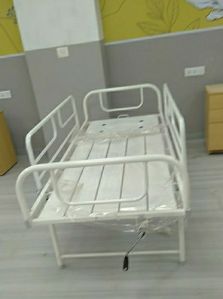
  • Metal Bed

    Metal Bed

    11,500 / Number

    • MOQ10 Number
    • MaterialMetal
    • Brand Name3N
    • Bed TypeSingle
    • Surface FinishPowder Coated
  • Baby Cot

    Baby Cot

    Get Price Quote

    Baby Cot, Baby Cradle, Baby Desk, Baby Pram, Baby Swing, Baby Walke
Filter by Locality
top