pineapple juice is so sweet that often no sugar needs to be added. In fact, the only substance that is normally added to it is ascorbic acid, also known as vitamin C. This is added to protect color and flavor. If you prefer your juice without the extra vitamin boost, you can always juice the fruit yourself.
Be sure to avoid any pineapple drinks that are juice-like products and not actually juice. These drinks are just flavored sugar water and should be avoided.
pineapple juice is so sweet that often no sugar needs to be added. In fact, the only substance that is normally added to it is ascorbic acid, also known as vitamin C. This is added to protect color and flavor. If you prefer your juice without the extra vitamin boost, you can always juice the fruit yourself.
Be sure to avoid any pineapple drinks that are juice-like products and not actually juice. These drinks are just flavored sugar water and should be avoided.
All of the impressive health benefits of orange juice can be attributed to its nutritive content, as well as vitamins and minerals including vitamin c, vitamin a, thiamin, folate, potassium, fiber, proteins, copper, magnesium, flavonoids, hesperidin, and a variety of other trace vitamins and minerals that make it one.
All of the impressive health benefits of orange juice can be attributed to its nutritive content, as well as vitamins and minerals including vitamin c, vitamin a, thiamin, folate, potassium, fiber, proteins, copper, magnesium, flavonoids, hesperidin, and a variety of other trace vitamins and minerals that make it one.
Besides its unique flavour and fragrance, guava has been hailed as one of the super fruits due to the numerous health benefits it offers. It indeed is a powerhouse of nutrients. “this humble fruit is extraordinarily rich in vitamin c, lycopene and antioxidants that are beneficial for skin.
Besides its unique flavour and fragrance, guava has been hailed as one of the super fruits due to the numerous health benefits it offers. It indeed is a powerhouse of nutrients. “this humble fruit is extraordinarily rich in vitamin c, lycopene and antioxidants that are beneficial for skin.
Definition of pulp for English Language Learners. : the inner, juicy part of a fruit or vegetable. : the substance that is left after the liquid has been squeezed from a fruit or vegetable. : a soft, wet substance that is made by crushing something.
Definition of pulp for English Language Learners. : the inner, juicy part of a fruit or vegetable. : the substance that is left after the liquid has been squeezed from a fruit or vegetable. : a soft, wet substance that is made by crushing something.
Preparation MethodMechanical Squeezing Or Cold Pressing
Nutritional InformationRich In Vitamins And Minerals
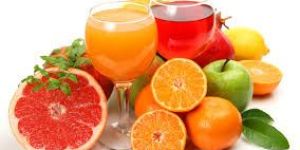
Juice is a beverage made from the extraction or pressing out of the natural liquid contained in fruit and vegetables. It can also refer to liquids that are flavored with these or other biological food sources such as meat and seafood (e.g., clam juice). Juice is commonly consumed as a beverage or used as an ingredient or flavoring in foods or other beverages, such as smoothies. Juice emerged as a popular beverage choice after the development of pasteurization methods allowed for its preservation without using fermentation (the approach used with wine production). Juice is prepared by mechanically squeezing or macerating (sometimes referred to as cold pressed[6]) fruit or vegetable flesh without the application of heat or solvents. For example, orange juice is the liquid extract of the fruit of the orange tree, and tomato juice is the liquid that results from pressing the fruit of the tomato plant. Juice may be prepared in the home from fresh fruit and vegetables using a variety of hand or electric juicers. Many commercial juices are filtered to remove fiber or pulp, but high-pulp fresh orange juice is a popular beverage. Additives are put in some juices, such as sugar and artificial flavours (in some fruit juice-based beverages); savoury seasonings (e.g., in clamato or caesar tomato juice drinks).
Juice is a beverage made from the extraction or pressing out of the natural liquid contained in fruit and vegetables. It can also refer to liquids that are flavored with these or other biological food sources such as meat and seafood (e.g., clam juice). Juice is commonly consumed as a beverage or used as an ingredient or flavoring in foods or other beverages, such as smoothies. Juice emerged as a popular beverage choice after the development of pasteurization methods allowed for its preservation without using fermentation (the approach used with wine production). Juice is prepared by mechanically squeezing or macerating (sometimes referred to as cold pressed[6]) fruit or vegetable flesh without the application of heat or solvents. For example, orange juice is the liquid extract of the fruit of the orange tree, and tomato juice is the liquid that results from pressing the fruit of the tomato plant. Juice may be prepared in the home from fresh fruit and vegetables using a variety of hand or electric juicers. Many commercial juices are filtered to remove fiber or pulp, but high-pulp fresh orange juice is a popular beverage. Additives are put in some juices, such as sugar and artificial flavours (in some fruit juice-based beverages); savoury seasonings (e.g., in clamato or caesar tomato juice drinks).
Form : Liquid
Feature : No Added Preservative, No Artificial Flavour
Country of Origin : India
Type : Beverage
Packaging Type : Bottles
Usage : Consumed As A Beverage, Used In Cooking And Cocktails
Form : Liquid
Shelf Life : Refrigerated: 3-5 Days, Unopened: Varies



 Reviews & Ratings
 Write a Review


 Post Free Ad