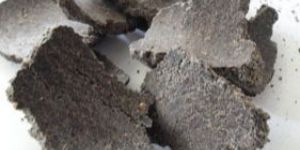
The castor cake is obtained during the crushing of castor seeds, which contains 9% castor oil. This by-product of castor oil is called de-oiled cake. The oil cake is further transferred to solvent extraction plant for extraction of the oil from the cake. This de-oiled cake is a best natural fertilizer, which contains 5% of nitrogen, 2% of potash and 1% of calcium. The protein content of castor seed meal varies from 21-48% depending upon the extent of decortications. It has an ideal amino acid profile with moderately high Cystine, mithionine, and isoleucine.
The Castor Seed Meal is highly nutritious and is enriched with proteins, crude fiber, nitrogen, phosphorous, etc. Having high oil and moisture content, Castor Seed Meal is widely used as natural manure.
Castor is a non-edible oilseed crop; basically a cash crop, with average 46% oil recovery. Castor seed production in India is around 9-10 lakh MT. Castor oil (extracted from castor seed) and its derivatives have vast and varied applications in the
manufacturing of soaps, lubricants, hydraulic and brake fluids, paints, dyes, coatings, inks, cold resistant plastics, waxes and
polishes, nylon, pharmaceuticals and perfumes. Castor oil is the largest vegetable oil exported out of India. India is the
biggest exporter of castor oil holding about 70% share of the international trade in this commodity followed by China &
Brazil.








 Post Free Ad