Corn, in botany. The name corn is given to the leading cereal crop of any major region. In england corn means wheat in scotland and ireland, oats. The grain called corn in the united states is indian corn or maize ( zea mays mays ). The part of the united states where most of the corn is grown, including ohio, illinois, indiana, missouri, kansas, iowa, and nebraska.
Corn, in botany. The name corn is given to the leading cereal crop of any major region. In england corn means wheat in scotland and ireland, oats. The grain called corn in the united states is indian corn or maize ( zea mays mays ). The part of the united states where most of the corn is grown, including ohio, illinois, indiana, missouri, kansas, iowa, and nebraska.
Wheat is one of the principle food crops of the world. Wheat is usually ground into flour before use as food. It is mainly used as bread in a variety of ways in different parts of the world. It is considered to be a most nutritious food crop. wheat is relatively rich in protein, fat and several of B vitamin.
Wheat is one of the principle food crops of the world. Wheat is usually ground into flour before use as food. It is mainly used as bread in a variety of ways in different parts of the world. It is considered to be a most nutritious food crop. wheat is relatively rich in protein, fat and several of B vitamin.
Traditionally, the milling of wheat produces flour for human use and appreciable quantities of by-products for animal feeds. But few wheat which lost its quality due to moisture and wrong storage goes for animal feed. In other words wheat which is of low quality and thus unsuitable for milling, because of damage by disease, insects, and frost, can be fed to domestic animals.
Traditionally, the milling of wheat produces flour for human use and appreciable quantities of by-products for animal feeds. But few wheat which lost its quality due to moisture and wrong storage goes for animal feed. In other words wheat which is of low quality and thus unsuitable for milling, because of damage by disease, insects, and frost, can be fed to domestic animals.
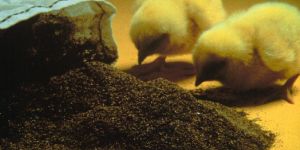
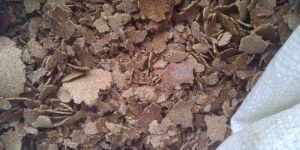
India is the 5th largest producer of soybean in the world. The soybean meal is extracted from the soy bean, regarded as an important crop throughout the world. Soybean meal is regarded as the best vegetable protein food source and accounts for over 65% of the world's protein requirements. Much of the soybean meal is used as animal feed and rest is used for varied human consumption purposes like in baking and meat substitutes.
India is the 5th largest producer of soybean in the world. The soybean meal is extracted from the soy bean, regarded as an important crop throughout the world. Soybean meal is regarded as the best vegetable protein food source and accounts for over 65% of the world's protein requirements. Much of the soybean meal is used as animal feed and rest is used for varied human consumption purposes like in baking and meat substitutes.
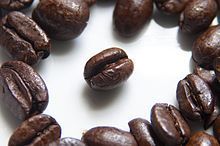
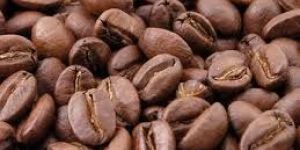
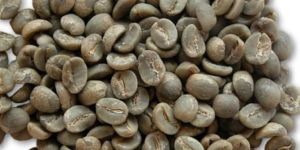
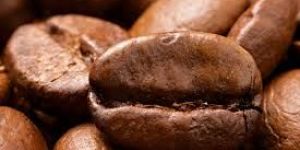
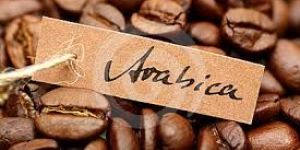
coffee is one of the Indian cash crops that stand next only to tea as an admired beverage in the world as well as in India. Coffees are consumed in the world every day. Over 90% of coffee production takes place in developing countries, while consumption happens mainly in the industrialized economies
coffee is one of the Indian cash crops that stand next only to tea as an admired beverage in the world as well as in India. Coffees are consumed in the world every day. Over 90% of coffee production takes place in developing countries, while consumption happens mainly in the industrialized economies
coffee is one of the Indian cash crops that stand next only to tea as an admired beverage in the world as well as in India. Coffees are consumed in the world every day. Over 90% of coffee production takes place in developing countries, while consumption happens mainly in the industrialized economies
coffee is one of the Indian cash crops that stand next only to tea as an admired beverage in the world as well as in India. Coffees are consumed in the world every day. Over 90% of coffee production takes place in developing countries, while consumption happens mainly in the industrialized economies
coffee is one of the Indian cash crops that stand next only to tea as an admired beverage in the world as well as in India. Coffees are consumed in the world every day. Over 90% of coffee production takes place in developing countries, while consumption happens mainly in the industrialized economies
coffee is one of the Indian cash crops that stand next only to tea as an admired beverage in the world as well as in India. Coffees are consumed in the world every day. Over 90% of coffee production takes place in developing countries, while consumption happens mainly in the industrialized economies
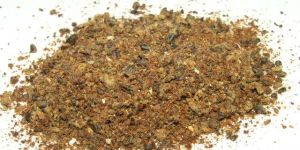
Mustard seeds are the small round seeds of various mustard plants. The seeds are usually about 1 or 2 mm in diameter. Mustard seeds may be colored from yellowish white to black. They are important spices in many regional foods. The seeds can come from three different plants: black mustard (brassica nigra), brown indian mustard (b. Juncea), and white mustard (b. Hirtasinapis alba).
Mustard seeds are the small round seeds of various mustard plants. The seeds are usually about 1 or 2 mm in diameter. Mustard seeds may be colored from yellowish white to black. They are important spices in many regional foods. The seeds can come from three different plants: black mustard (brassica nigra), brown indian mustard (b. Juncea), and white mustard (b. Hirtasinapis alba).
The peanut, or groundnut (Arachis hypogaea), is a species in the legume or "bean" family (Fabaceae). The peanut was probably first domesticated and cultivated in the valleys of Paraguay.[1] It is an annual herbaceous plant growing 30 to 50 cm (1.0 to 1.6 ft) tall. The leaves are opposite, pinnate with four leaflets (two opposite pairs; no terminal leaflet); each leaflet is 1 to 7 cm (⅜ to 2¾ in) long and 1 to 3 cm (⅜ to 1 inch) across.
The peanut, or groundnut (Arachis hypogaea), is a species in the legume or "bean" family (Fabaceae). The peanut was probably first domesticated and cultivated in the valleys of Paraguay.[1] It is an annual herbaceous plant growing 30 to 50 cm (1.0 to 1.6 ft) tall. The leaves are opposite, pinnate with four leaflets (two opposite pairs; no terminal leaflet); each leaflet is 1 to 7 cm (⅜ to 2¾ in) long and 1 to 3 cm (⅜ to 1 inch) across.
The groundnut belongs to the pea and bean family and is a legume. The groundnut is the only nut that grows below the earth. The groundnut plant is a variable annual herb, which grows upto 50 cm. In height. The flowers of the plant develop a stalk which enters into the soil, forms a pod containing generally two seeds. They become mature in about two months, when the leaves of the plant turn yellow. The plant is then removed from the earth and allowed to dry. After three to six weeks they are separated from the plant.the groundnut is particularly valued for its protein contents, which is of high biological value and it contain more protein than meat-about two and a half times more than eggs, and far more than any other vegetable food except soybean and yeast. Groundnut is grown in nearly 100 countries. India is one of the major exporting country of groundnuts after china.
The groundnut belongs to the pea and bean family and is a legume. The groundnut is the only nut that grows below the earth. The groundnut plant is a variable annual herb, which grows upto 50 cm. In height. The flowers of the plant develop a stalk which enters into the soil, forms a pod containing generally two seeds. They become mature in about two months, when the leaves of the plant turn yellow. The plant is then removed from the earth and allowed to dry. After three to six weeks they are separated from the plant.the groundnut is particularly valued for its protein contents, which is of high biological value and it contain more protein than meat-about two and a half times more than eggs, and far more than any other vegetable food except soybean and yeast. Groundnut is grown in nearly 100 countries. India is one of the major exporting country of groundnuts after china.
Guar gum, also called guaran. The guar seeds are dehusked, milled and screened to obtain the guar gum. It is typically produced as a free-flowing, pale, off-white colored, coarse to fine ground powder. Guar was used as a protein rich cattle feed. In India, the tender green Guar is also used as a vegetable and cattle feed. Guar gum, a natural gum, is an edible thickening agent extracted from the guar bean. Guar beans have a large endosperm which contains galactomannan gum which forms a gel in water. This is commonly known as guar gum and is widely used Food and industrial applications. Guar gum has also proven a useful substitute for locust bean gum.
Guar gum, also called guaran. The guar seeds are dehusked, milled and screened to obtain the guar gum. It is typically produced as a free-flowing, pale, off-white colored, coarse to fine ground powder. Guar was used as a protein rich cattle feed. In India, the tender green Guar is also used as a vegetable and cattle feed. Guar gum, a natural gum, is an edible thickening agent extracted from the guar bean. Guar beans have a large endosperm which contains galactomannan gum which forms a gel in water. This is commonly known as guar gum and is widely used Food and industrial applications. Guar gum has also proven a useful substitute for locust bean gum.
Moisture: 5% Max; Protein: 30% MaxAcid Value: 3% Max; Total Fat: 15 % Max
Cotton often referred as "White gold", has been in cultivation in India for more than five thousand years. It is one of the oldest fibers and the time when it was first utilized is not known accurately. It is a soft fiber that grows around the seeds of the cotton plant. The fiber is most often spun into thread and used to make a soft, breathable textile, which is the most widely used natural-fiber cloth in clothing today.
Cotton often referred as "White gold", has been in cultivation in India for more than five thousand years. It is one of the oldest fibers and the time when it was first utilized is not known accurately. It is a soft fiber that grows around the seeds of the cotton plant. The fiber is most often spun into thread and used to make a soft, breathable textile, which is the most widely used natural-fiber cloth in clothing today.
The coconut palm (Cocos nucifera linn.) is the most useful palm in the world. Every part of the tree is useful to human life for some purpose or the other. Hence, the coconut palm is endearingly called �kalpavriksha� meaning the tree of heaven. The copra obtained by drying the kernel of coconut is the richest source of vegetable oil containing 65 to 70 per cent oil. Coconut encases an inner shell with dry white meat lines the interior shell and holds liquid called coconut water.
The coconut palm (Cocos nucifera linn.) is the most useful palm in the world. Every part of the tree is useful to human life for some purpose or the other. Hence, the coconut palm is endearingly called �kalpavriksha� meaning the tree of heaven. The copra obtained by drying the kernel of coconut is the richest source of vegetable oil containing 65 to 70 per cent oil. Coconut encases an inner shell with dry white meat lines the interior shell and holds liquid called coconut water.
Castor is a non-edible oilseed crop; basically a cash crop, with average 46% oil recovery. Castor seed production in India is around 9-10 lakh MT. Castor oil (extracted from castor seed) and its derivatives have vast and varied applications in the
manufacturing of soaps, lubricants, hydraulic and brake fluids, paints, dyes, coatings, inks, cold resistant plastics, waxes and
polishes, nylon, pharmaceuticals and perfumes. Castor oil is the largest vegetable oil exported out of India. India is the
biggest exporter of castor oil holding about 70% share of the international trade in this commodity followed by China &
Brazil.
Castor is a non-edible oilseed crop; basically a cash crop, with average 46% oil recovery. Castor seed production in India is around 9-10 lakh MT. Castor oil (extracted from castor seed) and its derivatives have vast and varied applications in the
manufacturing of soaps, lubricants, hydraulic and brake fluids, paints, dyes, coatings, inks, cold resistant plastics, waxes and
polishes, nylon, pharmaceuticals and perfumes. Castor oil is the largest vegetable oil exported out of India. India is the
biggest exporter of castor oil holding about 70% share of the international trade in this commodity followed by China &
Brazil.
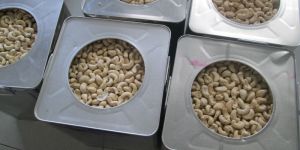
The cashew, scientific name Anacardium occidentale, is a tree in the family Anacardiaceae which produces a seed that is harvested as the cashew nut.
The cashew nut is a popular snack and food source. Nigeria was the world's largest producer of cashew nuts with shell.
The cashew, scientific name Anacardium occidentale, is a tree in the family Anacardiaceae which produces a seed that is harvested as the cashew nut.
The cashew nut is a popular snack and food source. Nigeria was the world's largest producer of cashew nuts with shell.
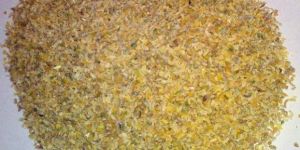
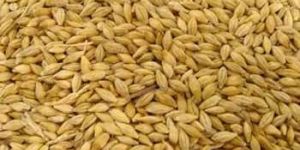
• Barley (Hordeum vulgare L.) (Hindi name: Jau), a cereal grain derived from an annual grass is the fourth most important cereal crop in the world after rice, wheat and maize.
• Barley is very adaptable and is a widely grown crop. It is cultivated as a summer crop in temperate areas and as a winter crop in tropical areas. Barley has a short growing season and is also relatively drought tolerant. However, it is a tender grain and care has to be taken in all stages of its growth and harvest.
• Barley is used as livestock feed, human food and barley malt. While, historically, livestock consumed most of barley produced globally, this is no more the case now. Currently food and industrial consumption of barley is more prominent.
• Barley along with cornmaize, sorghum (jowar), oats, pearl millet (bajra), finger millet (ragi) and other minor millets are grouped together as coarse cereals.
• Barley (Hordeum vulgare L.) (Hindi name: Jau), a cereal grain derived from an annual grass is the fourth most important cereal crop in the world after rice, wheat and maize.
• Barley is very adaptable and is a widely grown crop. It is cultivated as a summer crop in temperate areas and as a winter crop in tropical areas. Barley has a short growing season and is also relatively drought tolerant. However, it is a tender grain and care has to be taken in all stages of its growth and harvest.
• Barley is used as livestock feed, human food and barley malt. While, historically, livestock consumed most of barley produced globally, this is no more the case now. Currently food and industrial consumption of barley is more prominent.
• Barley along with cornmaize, sorghum (jowar), oats, pearl millet (bajra), finger millet (ragi) and other minor millets are grouped together as coarse cereals.
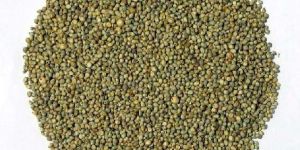
The millets are a group of highly variable small-seeded grasses, widely grown around the world as cereal crops or grains for both human food and fodder. The crop is favoured due to its productivity and short growing season under dry, high temperature conditions.
The millets are a group of highly variable small-seeded grasses, widely grown around the world as cereal crops or grains for both human food and fodder. The crop is favoured due to its productivity and short growing season under dry, high temperature conditions.
coffee is one of the Indian cash crops that stand next only to tea as an admired beverage in the world as well as in India. Coffees are consumed in the world every day. Over 90% of coffee production takes place in developing countries, while consumption happens mainly in the industrialized economies
coffee is one of the Indian cash crops that stand next only to tea as an admired beverage in the world as well as in India. Coffees are consumed in the world every day. Over 90% of coffee production takes place in developing countries, while consumption happens mainly in the industrialized economies
coffee is one of the Indian cash crops that stand next only to tea as an admired beverage in the world as well as in India. Coffees are consumed in the world every day. Over 90% of coffee production takes place in developing countries, while consumption happens mainly in the industrialized economies
coffee is one of the Indian cash crops that stand next only to tea as an admired beverage in the world as well as in India. Coffees are consumed in the world every day. Over 90% of coffee production takes place in developing countries, while consumption happens mainly in the industrialized economies
coffee is one of the Indian cash crops that stand next only to tea as an admired beverage in the world as well as in India. Coffees are consumed in the world every day. Over 90% of coffee production takes place in developing countries, while consumption happens mainly in the industrialized economies
coffee is one of the Indian cash crops that stand next only to tea as an admired beverage in the world as well as in India. Coffees are consumed in the world every day. Over 90% of coffee production takes place in developing countries, while consumption happens mainly in the industrialized economies
The peanut, or groundnut (Arachis hypogaea), is a species in the legume or "bean" family (Fabaceae). The peanut was probably first domesticated and cultivated in the valleys of Paraguay.[1] It is an annual herbaceous plant growing 30 to 50 cm (1.0 to 1.6 ft) tall. The leaves are opposite, pinnate with four leaflets (two opposite pairs; no terminal leaflet); each leaflet is 1 to 7 cm (⅜ to 2¾ in) long and 1 to 3 cm (⅜ to 1 inch) across.
The peanut, or groundnut (Arachis hypogaea), is a species in the legume or "bean" family (Fabaceae). The peanut was probably first domesticated and cultivated in the valleys of Paraguay.[1] It is an annual herbaceous plant growing 30 to 50 cm (1.0 to 1.6 ft) tall. The leaves are opposite, pinnate with four leaflets (two opposite pairs; no terminal leaflet); each leaflet is 1 to 7 cm (⅜ to 2¾ in) long and 1 to 3 cm (⅜ to 1 inch) across.
Secondary Business TypeManufacturer / Exporters / Wholesale Suppliers
Year of Establishment2012
Ownership TypeIndividual (Sole proprietorship)
Opening Hours
SUN : Closed
MON : 9:30 AM - 6:30 PM
TUE : 9:30 AM - 6:30 PM
WED : 9:30 AM - 6:30 PM
THU : 9:30 AM - 6:30 PM
FRI : 9:30 AM - 6:30 PM
SAT : 9:30 AM - 6:30 PM
“jiya agro private ltd. ” is one of the leading import-exporter, trader, stockiest of all kind of agro products and other kind of manufactured and processed product worldwide. we cater to more than 20 segments comprising of more than 200 products, sourced locally from different states of india for our overseas buyers. Our products in different segments includes: -basmati rice, indian spices, coffee beans, dry fruits, grains food, fresh fruits, dehydrated products, animal feeds, canned foods, castor oil, natural coconuts, pure honey, oil seeds, refined sugar, wheat flour, healthy peanuts, kabuli chickpeas, concentrated juice, puree paste and fruit pulp.







 Reviews & Ratings
 Write a Review


 Post Free Ad