IndustryFood, Beverage, Pharmaceutical, Cosmetics, Oil And Gas, Industrial
TextureSmooth
Thickening Agent: Xanthan gum is used as a thickening agent in a variety of food products, including sauces, dressings, and soups, to improve texture and consistency.
Stabilizer: It is used as a stabilizer in foods like ice cream, to prevent ice crystals from forming and improve texture.
Gluten-Free Baking: Xanthan gum is often used in gluten-free baking to mimic the binding and thickening properties of gluten.
Beverages: It is used in beverages to improve texture and prevent ingredients from separating.
Low-Fat Foods: Xanthan gum is used in low-fat foods to simulate the mouthfeel and texture of fats.
Suspension Agent: Xanthan gum is used as a suspension agent in liquid medications to prevent settling of particles.
Controlled Release: It is used in the formulation of controlled-release tablets to control the release of active ingredients.
Cosmetics and Personal Care : Xanthan gum is used in cosmetics and personal care products as a thickening agent, stabilizer, and emulsifier.
Oil and Gas Industry:Xanthan gum is used in drilling fluids to increase viscosity and help suspend solids.
Industrial Applications: Xanthan gum is used in various industrial applications, such as in the production of adhesives, coatings, and textiles, due to its thickening and stabilizing properties.
Thickening Agent: Xanthan gum is used as a thickening agent in a variety of food products, including sauces, dressings, and soups, to improve texture and consistency.
Stabilizer: It is used as a stabilizer in foods like ice cream, to prevent ice crystals from forming and improve texture.
Gluten-Free Baking: Xanthan gum is often used in gluten-free baking to mimic the binding and thickening properties of gluten.
Beverages: It is used in beverages to improve texture and prevent ingredients from separating.
Low-Fat Foods: Xanthan gum is used in low-fat foods to simulate the mouthfeel and texture of fats.
Suspension Agent: Xanthan gum is used as a suspension agent in liquid medications to prevent settling of particles.
Controlled Release: It is used in the formulation of controlled-release tablets to control the release of active ingredients.
Cosmetics and Personal Care : Xanthan gum is used in cosmetics and personal care products as a thickening agent, stabilizer, and emulsifier.
Oil and Gas Industry:Xanthan gum is used in drilling fluids to increase viscosity and help suspend solids.
Industrial Applications: Xanthan gum is used in various industrial applications, such as in the production of adhesives, coatings, and textiles, due to its thickening and stabilizing properties.
ApplicationFood And Beverage,Nutritional Supplements
MaterialDairy-based
Protein Content35%
Suitable ForFood Products,Nutritional Supplements
Food and Beverage Applications: WPC 35% can be used in a variety of food products to boost protein content. It is often used in dairy products, baked goods, snacks, and beverages.
Nutritional Supplements: WPC 35% can be used in the production of nutritional supplements, particularly those aimed at individuals looking for a moderate protein boost.
Weight Management Products: WPC 35% can be used in weight management products as a source of protein that helps promote satiety and maintain muscle mass during weight loss.
Animal Feed: WPC 35% is sometimes used in animal feed as a protein supplement, particularly for livestock and pets.
Sports Nutrition: While not as common as higher-grade concentrates, WPC 35% can still be used in sports nutrition products for individuals looking for a more moderate protein intake.
Food Fortification: WPC 35% can be used to fortify a variety of foods with protein, improving their nutritional profile.
Food and Beverage Applications: WPC 35% can be used in a variety of food products to boost protein content. It is often used in dairy products, baked goods, snacks, and beverages.
Nutritional Supplements: WPC 35% can be used in the production of nutritional supplements, particularly those aimed at individuals looking for a moderate protein boost.
Weight Management Products: WPC 35% can be used in weight management products as a source of protein that helps promote satiety and maintain muscle mass during weight loss.
Animal Feed: WPC 35% is sometimes used in animal feed as a protein supplement, particularly for livestock and pets.
Sports Nutrition: While not as common as higher-grade concentrates, WPC 35% can still be used in sports nutrition products for individuals looking for a more moderate protein intake.
Food Fortification: WPC 35% can be used to fortify a variety of foods with protein, improving their nutritional profile.
Application : Food And Beverage,Nutritional Supplements
Flavour Enhancer: Whey permeate powder is often used as a flavour enhancer in savoury snacks, soups, sauces, and seasonings.
Bakery: It can be used in baking to improve browning, flavour, and texture.
Processed Meats: Whey permeate powder is used in processed meats to improve flavour, texture, and moisture retention.
Dairy Products: It can be used in dairy products like cheese and yogurt to enhance flavour and texture.
Animal Feed: Whey permeate powder is used as a feed ingredient for livestock and pets due to its nutritional content, including lactose and minerals.
Fermentation: Whey permeate powder can be used as a substrate for fermentation processes, such as in the production of lactic acid and ethanol.
Industrial Applications: Whey permeate powder is used in some industrial applications, such as in the production of bioplastics and biofuels.
Flavour Enhancer: Whey permeate powder is often used as a flavour enhancer in savoury snacks, soups, sauces, and seasonings.
Bakery: It can be used in baking to improve browning, flavour, and texture.
Processed Meats: Whey permeate powder is used in processed meats to improve flavour, texture, and moisture retention.
Dairy Products: It can be used in dairy products like cheese and yogurt to enhance flavour and texture.
Animal Feed: Whey permeate powder is used as a feed ingredient for livestock and pets due to its nutritional content, including lactose and minerals.
Fermentation: Whey permeate powder can be used as a substrate for fermentation processes, such as in the production of lactic acid and ethanol.
Industrial Applications: Whey permeate powder is used in some industrial applications, such as in the production of bioplastics and biofuels.
BenefitsImproves Elasticity,Enhances Rise Of Dough,Retains Gas And Steam
Protein ContentHigh
TextureChewy
Bread Making: Vital wheat gluten is often used in bread making to improve the elasticity and rise of the dough. It helps the dough retain gas and steam during baking, resulting in a lighter, fluffier bread with a better crumb structure.
Baking: Apart from bread, vital wheat gluten is also used in baking other goods like cakes, pastries, and pizza crusts to improve texture and elasticity.
Vegetarian and Vegan Cooking: Vital wheat gluten is a key ingredient in making seitan, a popular meat substitute among vegetarians and vegans. It is used to create a chewy, meat-like texture in dishes like vegan sausages and burgers.
Noodles and Pasta: Vital wheat gluten is sometimes added to noodle and pasta dough to improve texture and increase protein content.
Processed Meats: In processed meats like sausages and deli meats, vital wheat gluten can be used as a binder to improve texture and moisture retention.
Animal Feed: Vital wheat gluten is also used in animal feed, particularly for livestock, to increase the protein content of the feed.
Health Foods: Vital wheat gluten is sometimes used in health foods and supplements due to its high protein content.
Bread Making: Vital wheat gluten is often used in bread making to improve the elasticity and rise of the dough. It helps the dough retain gas and steam during baking, resulting in a lighter, fluffier bread with a better crumb structure.
Baking: Apart from bread, vital wheat gluten is also used in baking other goods like cakes, pastries, and pizza crusts to improve texture and elasticity.
Vegetarian and Vegan Cooking: Vital wheat gluten is a key ingredient in making seitan, a popular meat substitute among vegetarians and vegans. It is used to create a chewy, meat-like texture in dishes like vegan sausages and burgers.
Noodles and Pasta: Vital wheat gluten is sometimes added to noodle and pasta dough to improve texture and increase protein content.
Processed Meats: In processed meats like sausages and deli meats, vital wheat gluten can be used as a binder to improve texture and moisture retention.
Animal Feed: Vital wheat gluten is also used in animal feed, particularly for livestock, to increase the protein content of the feed.
Health Foods: Vital wheat gluten is sometimes used in health foods and supplements due to its high protein content.
Bakery: Sweet whey powder is used in baking to improve the texture, volume, and moisture retention of baked goods. Confectionery: It is used in the production of chocolates, candies, and other confectionery products to enhance flavour and texture.
Processed Foods: Sweet whey powder is used as an ingredient in processed foods like soups, sauces, and ready-to-eat meals to improve flavour and nutritional content.
Dairy Products: Sweet whey powder is used in the production of dairy products like yogurt, ice cream, and cheese to enhance texture and nutritional content.
Beverage Industry: Sweet whey powder is used in the production of beverages like smoothies, shakes, and sports drinks to improve texture and nutritional value.
Animal Feed: Sweet whey powder is used as an ingredient in animal feed, especially for young animals, due to its high protein content.
Nutritional Supplements: Sweet whey powder is used in the production of nutritional supplements due to its high protein and mineral content.
Industrial Applications: Sweet whey powder is used in some industrial applications, such as in the production of adhesives and coatings.
Bakery: Sweet whey powder is used in baking to improve the texture, volume, and moisture retention of baked goods. Confectionery: It is used in the production of chocolates, candies, and other confectionery products to enhance flavour and texture.
Processed Foods: Sweet whey powder is used as an ingredient in processed foods like soups, sauces, and ready-to-eat meals to improve flavour and nutritional content.
Dairy Products: Sweet whey powder is used in the production of dairy products like yogurt, ice cream, and cheese to enhance texture and nutritional content.
Beverage Industry: Sweet whey powder is used in the production of beverages like smoothies, shakes, and sports drinks to improve texture and nutritional value.
Animal Feed: Sweet whey powder is used as an ingredient in animal feed, especially for young animals, due to its high protein content.
Nutritional Supplements: Sweet whey powder is used in the production of nutritional supplements due to its high protein and mineral content.
Industrial Applications: Sweet whey powder is used in some industrial applications, such as in the production of adhesives and coatings.
ApplicationFood Industry,Textile Industry,Paper Industry
Coating and Breading: Starch powder is used as a coating or breading for fried foods to enhance crispiness and reduce oil absorption.
Desserts: Starch powder is used in the production of desserts such as puddings, custards, and ice creams to improve texture and mouthfeel.
Sizing Agent: Starch powder is used as a sizing agent in the textile industry to improve the strength and smoothness of yarns and fabrics.
Paper Coating: Starch powder is used as a coating for paper to improve its surface properties, such as smoothness and printability.
Binder: Starch powder is used as a binder in the production of tablets and capsules to hold the ingredients together.
Glue: Starch powder is used as a base for making glue, which is used in woodworking, paper crafts, and other applications.
Cosmetics: Starch powder is used in cosmetics and personal care products as a thickener and absorbent.
Coating and Breading: Starch powder is used as a coating or breading for fried foods to enhance crispiness and reduce oil absorption.
Desserts: Starch powder is used in the production of desserts such as puddings, custards, and ice creams to improve texture and mouthfeel.
Sizing Agent: Starch powder is used as a sizing agent in the textile industry to improve the strength and smoothness of yarns and fabrics.
Paper Coating: Starch powder is used as a coating for paper to improve its surface properties, such as smoothness and printability.
Binder: Starch powder is used as a binder in the production of tablets and capsules to hold the ingredients together.
Glue: Starch powder is used as a base for making glue, which is used in woodworking, paper crafts, and other applications.
Cosmetics: Starch powder is used in cosmetics and personal care products as a thickener and absorbent.
Material : Starch
Texture : Fine
Application : Food Industry,Textile Industry,Paper Industry
Dairy Products: MPC powder is used in the production of dairy products like yogurt, cheese, and ice cream to enhance texture, improve mouthfeel, and boost protein content.
Bakery and Confectionery: MPC powder is used in baking and confectionery to improve the texture, structure, and moisture retention of products.
Processed Foods: MPC powder is used as an ingredient in processed foods like soups, sauces, and ready-to-eat meals to improve nutritional content and texture.
Nutritional Supplements: MPC powder is used in the production of nutritional supplements due to its high protein content and balanced amino acid profile.
Protein Shakes: MPC powder is used in protein shakes and beverages consumed by athletes and fitness enthusiasts to support muscle growth and recovery.
Nutritional Content: MPC powder is used in the production of infant formula as a source of high-quality protein and essential nutrients.
Dairy Products: MPC powder is used in the production of dairy products like yogurt, cheese, and ice cream to enhance texture, improve mouthfeel, and boost protein content.
Bakery and Confectionery: MPC powder is used in baking and confectionery to improve the texture, structure, and moisture retention of products.
Processed Foods: MPC powder is used as an ingredient in processed foods like soups, sauces, and ready-to-eat meals to improve nutritional content and texture.
Nutritional Supplements: MPC powder is used in the production of nutritional supplements due to its high protein content and balanced amino acid profile.
Protein Shakes: MPC powder is used in protein shakes and beverages consumed by athletes and fitness enthusiasts to support muscle growth and recovery.
Nutritional Content: MPC powder is used in the production of infant formula as a source of high-quality protein and essential nutrients.
Flavour Enhancer: Milk permeate powder is often used as a flavour enhancer in a variety of food products, including soups, sauces, and seasonings.
Bakery : It can be used in baking to improve browning, flavour, and texture.
Processed Meats: Milk permeate powder is used in processed meats to improve flavour, texture, and moisture retention.
Dairy Products : It can be used in dairy products like cheese and yogurt to enhance flavour and texture.
Animal Feed: Milk permeate powder is used as a feed ingredient for livestock and pets due to its nutritional content, including lactose and minerals.
Fermentation: Milk permeate powder can be used as a substrate for fermentation processes, such as in the production of lactic acid and ethanol.
Industrial Applications: Milk permeate powder is used in some industrial applications, such as in the production of adhesives and coatings.
Flavour Enhancer: Milk permeate powder is often used as a flavour enhancer in a variety of food products, including soups, sauces, and seasonings.
Bakery : It can be used in baking to improve browning, flavour, and texture.
Processed Meats: Milk permeate powder is used in processed meats to improve flavour, texture, and moisture retention.
Dairy Products : It can be used in dairy products like cheese and yogurt to enhance flavour and texture.
Animal Feed: Milk permeate powder is used as a feed ingredient for livestock and pets due to its nutritional content, including lactose and minerals.
Fermentation: Milk permeate powder can be used as a substrate for fermentation processes, such as in the production of lactic acid and ethanol.
Industrial Applications: Milk permeate powder is used in some industrial applications, such as in the production of adhesives and coatings.
Personal Care Products:Cosmetics: Maltodextrin is used in cosmetics and personal care products as a thickener, binder, and emollient.
Sweetener: Maltodextrin is used as a sweetener in many processed foods and beverages due to its neutral taste and ability to enhance flavour.
Thickener and Binder: Maltodextrin is used as a thickener and binder in food products such as sauces, dressings, and desserts to improve texture and mouthfeel.
Flavour Carrier: Maltodextrin is often used as a carrier for flavours and colours in powdered food products, such as drink mixes and seasonings.
Bulking Agent: Maltodextrin is used as a bulking agent in powdered drink mixes, soups, and sauces to add volume without adding significant flavour or sweetness.
Nutritional Supplements: Maltodextrin is used as a carbohydrate source in sports drinks and nutritional supplements to provide quick energy.
Excipient: Maltodextrin is used as an excipient in pharmaceutical formulations to improve the consistency and stability of tablets and capsules.
Personal Care Products:Cosmetics: Maltodextrin is used in cosmetics and personal care products as a thickener, binder, and emollient.
Sweetener: Maltodextrin is used as a sweetener in many processed foods and beverages due to its neutral taste and ability to enhance flavour.
Thickener and Binder: Maltodextrin is used as a thickener and binder in food products such as sauces, dressings, and desserts to improve texture and mouthfeel.
Flavour Carrier: Maltodextrin is often used as a carrier for flavours and colours in powdered food products, such as drink mixes and seasonings.
Bulking Agent: Maltodextrin is used as a bulking agent in powdered drink mixes, soups, and sauces to add volume without adding significant flavour or sweetness.
Nutritional Supplements: Maltodextrin is used as a carbohydrate source in sports drinks and nutritional supplements to provide quick energy.
Excipient: Maltodextrin is used as an excipient in pharmaceutical formulations to improve the consistency and stability of tablets and capsules.
Dairy Products: Lactose is a natural sugar found in milk, and in powdered form, it's used in dairy products like milk powder, ice cream, and yogurt to enhance sweetness and texture.
Bakery: In baking, lactose can improve browning and help with moisture retention, enhancing the texture of baked goods.
Processed Foods: Lactose is used in processed foods as a filler, sweetener, or to add texture.
Tablets and Capsules: Lactose is commonly used as a filler or binder in tablets and capsules.
Inhalation Powders: In pharmaceuticals, lactose is often used as a carrier for dry powder inhalation products.
Nutritional Supplements: It can be used as an ingredient in nutritional supplements due to its nutritional properties.
Cosmetics: Lactose can be found in some cosmetics and personal care products as a moisturizing agent.
Industrial Applications: Lactose is also used in some industrial applications, such as in the production of adhesives and coatings. The choice between 100 mesh and 200 mesh lactose can depend on the specific requirements of the application, such as particle size and flowability.
Dairy Products: Lactose is a natural sugar found in milk, and in powdered form, it's used in dairy products like milk powder, ice cream, and yogurt to enhance sweetness and texture.
Bakery: In baking, lactose can improve browning and help with moisture retention, enhancing the texture of baked goods.
Processed Foods: Lactose is used in processed foods as a filler, sweetener, or to add texture.
Tablets and Capsules: Lactose is commonly used as a filler or binder in tablets and capsules.
Inhalation Powders: In pharmaceuticals, lactose is often used as a carrier for dry powder inhalation products.
Nutritional Supplements: It can be used as an ingredient in nutritional supplements due to its nutritional properties.
Cosmetics: Lactose can be found in some cosmetics and personal care products as a moisturizing agent.
Industrial Applications: Lactose is also used in some industrial applications, such as in the production of adhesives and coatings. The choice between 100 mesh and 200 mesh lactose can depend on the specific requirements of the application, such as particle size and flowability.
Cooking: Ghee is used for frying, sautéing, and as a flavourful cooking fat in various cuisines around the world. It has a high smoke point, making it ideal for high-heat cooking methods.
Flavouring: Ghee is used as a flavouring agent in dishes such as curries, rice, and vegetables. It adds a rich, nutty flavour to foods.
Baking: Ghee can be used in baking to add richness and flavour to baked goods like cookies, cakes, and pastries.
Ayurvedic Medicine: In Ayurveda, the traditional medicine system of India, ghee is used for its medicinal properties. It is believed to have healing and rejuvenating effects on the body.
Skin Care: Ghee is sometimes used in skin care products and remedies due to its moisturizing and nourishing properties.
Religious and Ritual Use: Ghee is used in religious rituals and ceremonies in various cultures, including Hinduism and Buddhism.
Preservation: Ghee has a long shelf life and does not require refrigeration, making it a convenient ingredient for preserving food.
Cooking: Ghee is used for frying, sautéing, and as a flavourful cooking fat in various cuisines around the world. It has a high smoke point, making it ideal for high-heat cooking methods.
Flavouring: Ghee is used as a flavouring agent in dishes such as curries, rice, and vegetables. It adds a rich, nutty flavour to foods.
Baking: Ghee can be used in baking to add richness and flavour to baked goods like cookies, cakes, and pastries.
Ayurvedic Medicine: In Ayurveda, the traditional medicine system of India, ghee is used for its medicinal properties. It is believed to have healing and rejuvenating effects on the body.
Skin Care: Ghee is sometimes used in skin care products and remedies due to its moisturizing and nourishing properties.
Religious and Ritual Use: Ghee is used in religious rituals and ceremonies in various cultures, including Hinduism and Buddhism.
Preservation: Ghee has a long shelf life and does not require refrigeration, making it a convenient ingredient for preserving food.
Coffee and Tea Whitening: Dairy whitener powder is often used as a whitening agent in coffee, tea, and other hot beverages. It provides a creamy texture and rich flavour similar to fresh milk
Bakery and Confectionery: Dairy whitener powder is used in baking and confectionery to add moisture and improve the texture of baked goods. It can also be used as a substitute for fresh milk in recipes.
Cooking: Dairy whitener powder can be used in cooking as a substitute for fresh milk in recipes that require milk as an ingredient. It is often used in dishes such as soups, sauces, and desserts.
Hot and Cold Beverages: Dairy whitener powder can be used in the preparation of hot and cold beverages such as milkshakes, smoothies, and iced coffee.
Food Service Industry: Dairy whitener powder is commonly used in the food service industry in applications where fresh milk is not readily available or practical to use.
Emergency Food Aid: Dairy whitener powder is often used in emergency food aid and relief efforts due to its long shelf life and ease of transport.
Domestic Use: Dairy whitener powder is used in households as a convenient substitute for fresh milk, especially in areas where refrigeration is limited or fresh milk is not easily accessible.
Coffee and Tea Whitening: Dairy whitener powder is often used as a whitening agent in coffee, tea, and other hot beverages. It provides a creamy texture and rich flavour similar to fresh milk
Bakery and Confectionery: Dairy whitener powder is used in baking and confectionery to add moisture and improve the texture of baked goods. It can also be used as a substitute for fresh milk in recipes.
Cooking: Dairy whitener powder can be used in cooking as a substitute for fresh milk in recipes that require milk as an ingredient. It is often used in dishes such as soups, sauces, and desserts.
Hot and Cold Beverages: Dairy whitener powder can be used in the preparation of hot and cold beverages such as milkshakes, smoothies, and iced coffee.
Food Service Industry: Dairy whitener powder is commonly used in the food service industry in applications where fresh milk is not readily available or practical to use.
Emergency Food Aid: Dairy whitener powder is often used in emergency food aid and relief efforts due to its long shelf life and ease of transport.
Domestic Use: Dairy whitener powder is used in households as a convenient substitute for fresh milk, especially in areas where refrigeration is limited or fresh milk is not easily accessible.
Increased Muscle Mass: Creatine monohydrate supplementation has been shown to increase muscle mass, particularly when combined with resistance training. It does this by increasing water content in muscle cells, which can lead to a more pronounced muscle pump and increased muscle size over time.
Improved Strength: Creatine supplementation has been shown to improve strength and power output, particularly during short-duration, high-intensity activities like weightlifting and sprinting. This can lead to greater gains in muscle strength over time. Enhanced Exercise Performance: Creatine supplementation can improve exercise performance, particularly during high-intensity, intermittent activities like sprinting or interval training. It may also help delay fatigue and improve recovery between bouts of exercise.
Brain Health: Some research suggests that creatine monohydrate may have neuroprotective effects and could potentially benefit brain health. It may also improve cognitive function, particularly in individuals with low creatine levels.
Increased Muscle Mass: Creatine monohydrate supplementation has been shown to increase muscle mass, particularly when combined with resistance training. It does this by increasing water content in muscle cells, which can lead to a more pronounced muscle pump and increased muscle size over time.
Improved Strength: Creatine supplementation has been shown to improve strength and power output, particularly during short-duration, high-intensity activities like weightlifting and sprinting. This can lead to greater gains in muscle strength over time. Enhanced Exercise Performance: Creatine supplementation can improve exercise performance, particularly during high-intensity, intermittent activities like sprinting or interval training. It may also help delay fatigue and improve recovery between bouts of exercise.
Brain Health: Some research suggests that creatine monohydrate may have neuroprotective effects and could potentially benefit brain health. It may also improve cognitive function, particularly in individuals with low creatine levels.
Usage : Muscle Mass Increase, Strength Improvement
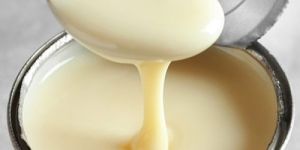
Desserts: Condensed milk is a key ingredient in many dessert recipes. It is used to make treats like fudge, caramel, and ice cream. Baking: Condensed milk is often used in baking to add sweetness and moisture to cakes, cookies, and bars. It can also be used to make fillings for pies and tarts.
Beverages: Condensed milk is used as a sweetener in hot beverages like coffee and tea. It can also be used to make cold drinks like milkshakes and smoothies.
Sauces and Frostings: Condensed milk can be used to make creamy sauces and frostings for cakes and desserts.
Candy Making: Condensed milk is a key ingredient in many candy recipes, including toffees, caramels, and truffles.
Preservation: Condensed milk has a long shelf life and can be stored without refrigeration, making it a convenient ingredient for camping trips and emergency food supplies.
Desserts: Condensed milk is a key ingredient in many dessert recipes. It is used to make treats like fudge, caramel, and ice cream. Baking: Condensed milk is often used in baking to add sweetness and moisture to cakes, cookies, and bars. It can also be used to make fillings for pies and tarts.
Beverages: Condensed milk is used as a sweetener in hot beverages like coffee and tea. It can also be used to make cold drinks like milkshakes and smoothies.
Sauces and Frostings: Condensed milk can be used to make creamy sauces and frostings for cakes and desserts.
Candy Making: Condensed milk is a key ingredient in many candy recipes, including toffees, caramels, and truffles.
Preservation: Condensed milk has a long shelf life and can be stored without refrigeration, making it a convenient ingredient for camping trips and emergency food supplies.
Baking: Cocoa powder is a key ingredient in baking and is used to add chocolate flavour and colour to cakes, cookies, brownies, and other baked goods.
Hot Chocolate: Cocoa powder is used to make hot chocolate by mixing it with hot milk or water and sweeteners such as sugar or honey.
Chocolate Drinks: Cocoa powder is used in the production of chocolate milk and other chocolate-flavoured beverages.
Desserts: Cocoa powder is used to flavour desserts such as mousses, puddings, and ice creams.
Chocolate Confectionery: Cocoa powder is used in the production of chocolate bars, truffles, and other chocolate confectionery products.
Smoothies and Shakes: Cocoa powder is used to add flavour to smoothies and shakes, especially those with a chocolate flavour profile.
Sauces and Marinades: Cocoa powder is used in savoury dishes as well, such as in mole sauce and marinades for meats, to add depth of flavour.
Health and Wellness Products: Cocoa powder is used in the production of health and wellness products such as dietary supplements and protein powders.
Baking: Cocoa powder is a key ingredient in baking and is used to add chocolate flavour and colour to cakes, cookies, brownies, and other baked goods.
Hot Chocolate: Cocoa powder is used to make hot chocolate by mixing it with hot milk or water and sweeteners such as sugar or honey.
Chocolate Drinks: Cocoa powder is used in the production of chocolate milk and other chocolate-flavoured beverages.
Desserts: Cocoa powder is used to flavour desserts such as mousses, puddings, and ice creams.
Chocolate Confectionery: Cocoa powder is used in the production of chocolate bars, truffles, and other chocolate confectionery products.
Smoothies and Shakes: Cocoa powder is used to add flavour to smoothies and shakes, especially those with a chocolate flavour profile.
Sauces and Marinades: Cocoa powder is used in savoury dishes as well, such as in mole sauce and marinades for meats, to add depth of flavour.
Health and Wellness Products: Cocoa powder is used in the production of health and wellness products such as dietary supplements and protein powders.
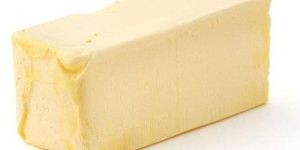
Cooking: Butter is used for sautéing, frying, and baking. It adds flavour and richness to dishes. Baking: Butter is a key ingredient in baking, used in cakes, cookies, pastries, and bread to add flavour, moisture, and texture. Flavouring: Butter is used as a flavouring agent in dishes such as sauces, mashed potatoes, and vegetables. It adds a rich, creamy taste. Finishing: Butter is often used as a finishing touch to dishes, such as melting it over steamed vegetables or grilled meat. On Bread and Toast: Butter is commonly spread on bread and toast for added flavour and moisture. In Sauces and Gravies: Butter is used in sauces and gravies to add richness and smoothness. In Desserts: Butter is used in many dessert recipes, such as pies, tarts, and crumbles, to add flavour and texture.
Cooking: Butter is used for sautéing, frying, and baking. It adds flavour and richness to dishes. Baking: Butter is a key ingredient in baking, used in cakes, cookies, pastries, and bread to add flavour, moisture, and texture. Flavouring: Butter is used as a flavouring agent in dishes such as sauces, mashed potatoes, and vegetables. It adds a rich, creamy taste. Finishing: Butter is often used as a finishing touch to dishes, such as melting it over steamed vegetables or grilled meat. On Bread and Toast: Butter is commonly spread on bread and toast for added flavour and moisture. In Sauces and Gravies: Butter is used in sauces and gravies to add richness and smoothness. In Desserts: Butter is used in many dessert recipes, such as pies, tarts, and crumbles, to add flavour and texture.
Secondary Business TypeExporters / Wholesale Suppliers
Year of Establishment1994
No. of Employees6 - 20
Ownership TypeCorporation/Limited Liability Company
Opening Hours
SUN : Closed
MON : 9:30 AM - 6:30 PM
TUE : 9:30 AM - 6:30 PM
WED : 9:30 AM - 6:30 PM
THU : 9:30 AM - 6:30 PM
FRI : 9:30 AM - 6:30 PM
SAT : 9:30 AM - 6:30 PM
About us amdhenu Food Ltd. is the name that you can trust when it comes to dairy products, dry fruits, Food Chemicals etc. We are a family run business that delivers high end services to our clients regarding both manufacture and supply. From the inception point of our company, in 1968 in the capital city of Delhi, we have evolved as the best dairy company in India and also abroad. Justifying to our popular recognition as the “Ghee Wale” family, we have expanded our business in bringing a widest range of dairy products, dry fruits and food chemicals. We trade, import and wholesale these within the country and abroad. We, at Kamdhenu Food Ltd., always strive to deliver goodness to each of your food moments. We started our journey under the name of and with blessings from “Ram Ratan Kashi Ram Gupta” and have grown to form our new sister concern, named Shamrock Foods and Chemicals that deals in Food Chemicals. Our highly experienced board of directors include Mr. Ashok Gupta and Mr. Anil Gupta with 35 Years of experience, and the new generation of Mr. Abhishek Gupta and Mr. Anubhav Gupta with 7 Years of experience. They are always struggling to enhance an even better infrastructure for simple, natural, wholesome and nutritious products to cater to the needs of our clients. Both of them with their professional knowledge and experience, aim to take the company to its zenith of success.









 Reviews & Ratings
 Write a Review


 Post Free Ad