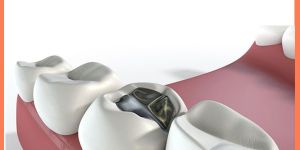
A temporary filling is a filling that has been placed to seal a tooth until a final filling can be placed. It is generally a soft material that has been placed into the tooth to fill a broken area or area of decay. It can be replaced later with a silver (amalgam) or white (composite) filling.
Temporary fillings are generally done when a tooth needs to be evaluated or time is not available for a final restoration (amalgam or composite).
A temporary filling is a filling that has been placed to seal a tooth until a final filling can be placed. It is generally a soft material that has been placed into the tooth to fill a broken area or area of decay. It can be replaced later with a silver (amalgam) or white (composite) filling.
Temporary fillings are generally done when a tooth needs to be evaluated or time is not available for a final restoration (amalgam or composite).
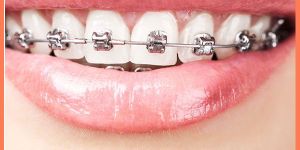
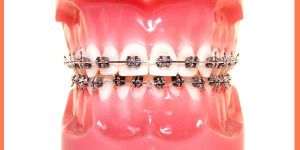
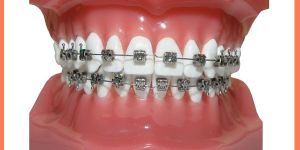
Metal braces are the most common type of braces for orthodontic patients. Today�s metal braces are much smaller, flatter, and more comfortable than in the past. Patients of all ages choose metal braces to help them achieve straight, beautiful smiles.
Metal braces are the most common type of braces for orthodontic patients. Today�s metal braces are much smaller, flatter, and more comfortable than in the past. Patients of all ages choose metal braces to help them achieve straight, beautiful smiles.
Cosmetic braces are one of several options to the traditional ‘train track’ braces. Braces are a type of orthodontic device which are worn to correct any number of dental or facial abnormalities such as malocclusion, underoverbite, TMJ, crowded teeth and spacing between teeth.
Cosmetic braces are one of several options to the traditional ‘train track’ braces. Braces are a type of orthodontic device which are worn to correct any number of dental or facial abnormalities such as malocclusion, underoverbite, TMJ, crowded teeth and spacing between teeth.
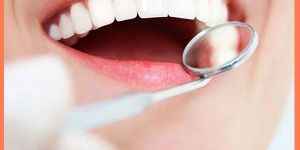
Salling (dental cleaning) is part of oral hygiene and involves the removal of dental plaque from teeth with the intention of preventing cavities (dental caries), gingivitis, and periodontal disease. People routinely clean their own teeth by brushing and interdental cleaning, and dental hygienists can remove hardened deposits (tartar) not removed by routine cleaning. Those with dentures and natural teeth may supplement their cleaning with a denture cleaner.
Salling (dental cleaning) is part of oral hygiene and involves the removal of dental plaque from teeth with the intention of preventing cavities (dental caries), gingivitis, and periodontal disease. People routinely clean their own teeth by brushing and interdental cleaning, and dental hygienists can remove hardened deposits (tartar) not removed by routine cleaning. Those with dentures and natural teeth may supplement their cleaning with a denture cleaner.
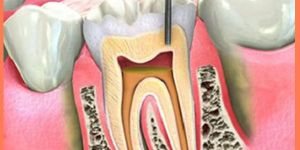
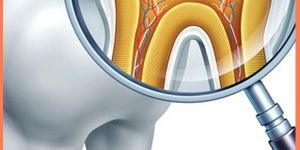
RCT with laser (endodontics ) is needed when the blood or nerve supply of the tooth (pulp) is damaged due to decay or injury .it is most often needed in teeth which have deep fillings , or in teeth which have deep dental decay. It may cause very severe pain and lead to infection of the tissue surrounding the root tip.
RCT removes infected or damaged pulp from the diseased tooth . after that the hollow pulp chamber and root canals are cleaned & sealed.
RCT with laser (endodontics ) is needed when the blood or nerve supply of the tooth (pulp) is damaged due to decay or injury .it is most often needed in teeth which have deep fillings , or in teeth which have deep dental decay. It may cause very severe pain and lead to infection of the tissue surrounding the root tip.
RCT removes infected or damaged pulp from the diseased tooth . after that the hollow pulp chamber and root canals are cleaned & sealed.
RCT with laser (endodontics ) is needed when the blood or nerve supply of the tooth (pulp) is damaged due to decay or injury .it is most often needed in teeth which have deep fillings , or in teeth which have deep dental decay. It may cause very severe pain and lead to infection of the tissue surrounding the root tip.
RCT removes infected or damaged pulp from the diseased tooth . after that the hollow pulp chamber and root canals are cleaned & sealed.
RCT with laser (endodontics ) is needed when the blood or nerve supply of the tooth (pulp) is damaged due to decay or injury .it is most often needed in teeth which have deep fillings , or in teeth which have deep dental decay. It may cause very severe pain and lead to infection of the tissue surrounding the root tip.
RCT removes infected or damaged pulp from the diseased tooth . after that the hollow pulp chamber and root canals are cleaned & sealed.
CAD-CAM PFM Crown is a field of dentistry and prosthodontics using CADCAM to improve the design and creation of dental restorations, especially dental prostheses, including crowns, crown lays, veneers, inlays and onlays, fixed bridges, dental implant restorations, dentures (removable or fixed), and orthodontic appliances.
CADCAM complements earlier technologies used for these purposes by any combination of increasing the speed of design and creation; increasing the convenience or simplicity of the design, creation, and insertion processes; and making possible restorations and appliances that otherwise would have been infeasible.
CAD-CAM PFM Crown is a field of dentistry and prosthodontics using CADCAM to improve the design and creation of dental restorations, especially dental prostheses, including crowns, crown lays, veneers, inlays and onlays, fixed bridges, dental implant restorations, dentures (removable or fixed), and orthodontic appliances.
CADCAM complements earlier technologies used for these purposes by any combination of increasing the speed of design and creation; increasing the convenience or simplicity of the design, creation, and insertion processes; and making possible restorations and appliances that otherwise would have been infeasible.
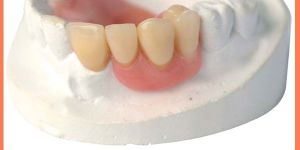
A removable partial denture or bridge usually consists of replacement teeth attached to a pink or gum-colored plastic base, which is sometimes connected by metal framework that holds the denture in place in the mouth.
A removable partial denture or bridge usually consists of replacement teeth attached to a pink or gum-colored plastic base, which is sometimes connected by metal framework that holds the denture in place in the mouth.
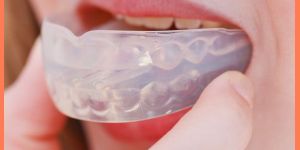
To treat teeth grinding and clenching, most dentists will recommend a dental night guard which is a protective mouth guard made from a soft or hard plastic material.
To treat teeth grinding and clenching, most dentists will recommend a dental night guard which is a protective mouth guard made from a soft or hard plastic material.
Metal braces are the most common type of braces for orthodontic patients. Today’s metal braces are much smaller, flatter, and more comfortable than in the past. Patients of all ages choose metal braces to help them achieve straight, beautiful smiles.
Metal braces are the most common type of braces for orthodontic patients. Today’s metal braces are much smaller, flatter, and more comfortable than in the past. Patients of all ages choose metal braces to help them achieve straight, beautiful smiles.
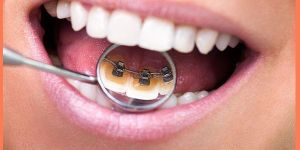
Lingual braces are one of the many types of the fixed orthodontic treatment methods available. It involves attaching the orthodontic brackets on the inner sides of the teeth which is not easily visible from outside. The main advantage of lingual braces is its near invisibility compared to the standard braces which are stuck on the buccal sides of the tooth.
Lingual braces are one of the many types of the fixed orthodontic treatment methods available. It involves attaching the orthodontic brackets on the inner sides of the teeth which is not easily visible from outside. The main advantage of lingual braces is its near invisibility compared to the standard braces which are stuck on the buccal sides of the tooth.
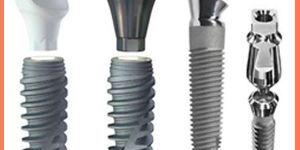
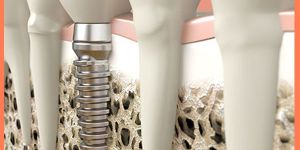
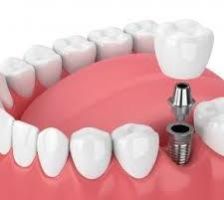
A dental implant is a surgical component that interfaces with the bone of the jaw or skull to support a dental prosthesis such as a crown, bridge, denture, facial prosthesis or to act as an orthodontic anchor.
The basis for modern dental implants is a biologic process called osseointegration where materials, such as titanium, form an intimate bond to bone.
A dental implant is a surgical component that interfaces with the bone of the jaw or skull to support a dental prosthesis such as a crown, bridge, denture, facial prosthesis or to act as an orthodontic anchor.
The basis for modern dental implants is a biologic process called osseointegration where materials, such as titanium, form an intimate bond to bone.
Gum Depigmention, also known as gum bleaching, is a procedure used in cosmetic dentistry to lighten or remove black spots or patches on the gums caused by melanin. Discolouration may also be caused by long-term use of certain medications. The procedure itself can involve surgical, or laser ablation techniques
Gum Depigmention, also known as gum bleaching, is a procedure used in cosmetic dentistry to lighten or remove black spots or patches on the gums caused by melanin. Discolouration may also be caused by long-term use of certain medications. The procedure itself can involve surgical, or laser ablation techniques
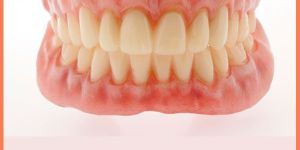
Dentures are prosthetic devices constructed to replace missing teeth; they are supported by the surrounding soft and hard tissues of the oral cavity. Conventional dentures are removable.
Dentures are prosthetic devices constructed to replace missing teeth; they are supported by the surrounding soft and hard tissues of the oral cavity. Conventional dentures are removable.
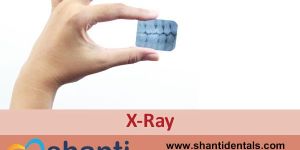
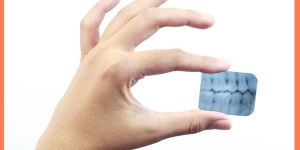
Dental Radiographs are commonly called x-rays. Dentists use radiographs for many reasons: to find hidden dental structures, malignant or benign masses, bone loss, and cavities.
A radiographic image is formed by a controlled burst of X-ray radiation which penetrates oral structures at different levels, depending on varying anatomical densities, before striking the film or sensor.
Dental Radiographs are commonly called x-rays. Dentists use radiographs for many reasons: to find hidden dental structures, malignant or benign masses, bone loss, and cavities.
A radiographic image is formed by a controlled burst of X-ray radiation which penetrates oral structures at different levels, depending on varying anatomical densities, before striking the film or sensor.
Dental radiographs are commonly called x-rays. Dentists use radiographs for many reasons: to find hidden dental structures, malignant or benign masses, bone loss, and cavities.
A radiographic image is formed by a controlled burst of x-ray radiation which penetrates oral structures at different levels, depending on varying anatomical densities, before striking the film or sensor.
Dental radiographs are commonly called x-rays. Dentists use radiographs for many reasons: to find hidden dental structures, malignant or benign masses, bone loss, and cavities.
A radiographic image is formed by a controlled burst of x-ray radiation which penetrates oral structures at different levels, depending on varying anatomical densities, before striking the film or sensor.
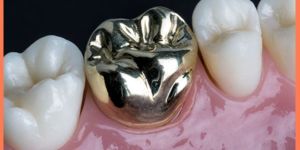
Porcelain is fused to an underlying metal structure to provide strength to a filling, crown or bridge. Alloy of gold, copper and other metals resulting in a strong, effective filling, crown or bridge. Alloys of non-noble metals with silver appearance resulting in high strength crowns and bridges.
Porcelain is fused to an underlying metal structure to provide strength to a filling, crown or bridge. Alloy of gold, copper and other metals resulting in a strong, effective filling, crown or bridge. Alloys of non-noble metals with silver appearance resulting in high strength crowns and bridges.
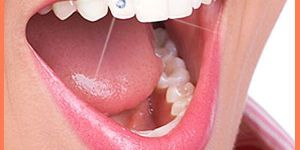
Tooth jewellery is of two types tooth gems, and twinkles that are attached to anterior healthy tooth with composite resin cement. They shine brightly, splashing bright rays around them and emphasizing the natural whiteness of enamel and add sparkle to a smile. They are bonded to tooth without pain, infection, drilling.
Tooth jewellery is of two types tooth gems, and twinkles that are attached to anterior healthy tooth with composite resin cement. They shine brightly, splashing bright rays around them and emphasizing the natural whiteness of enamel and add sparkle to a smile. They are bonded to tooth without pain, infection, drilling.
Dental caries counselling (oral hygiene) is the practice of keeping the mouth and teeth clean to prevent dental problems, most commonly, dental cavities, gingivitis, periodontal (gum) diseases and bad breath. There are also oral pathologic conditions in which good oral hygiene is required for healing and regeneration of the oral tissues.
These conditions include gingivitis, periodontitis, and dental trauma, such as subluxation, oral cysts, and following wisdom tooth extraction.
Dental caries counselling (oral hygiene) is the practice of keeping the mouth and teeth clean to prevent dental problems, most commonly, dental cavities, gingivitis, periodontal (gum) diseases and bad breath. There are also oral pathologic conditions in which good oral hygiene is required for healing and regeneration of the oral tissues.
These conditions include gingivitis, periodontitis, and dental trauma, such as subluxation, oral cysts, and following wisdom tooth extraction.
Cosmetic filling (with laser) is generally used to refer to any dental work that improves the appearance of a person’s teeth, gums and bite.
It primarily focuses on improvement dental aesthetics in color, position, shape, size, alignment and overall smile appearance.
Cosmetic filling (with laser) is generally used to refer to any dental work that improves the appearance of a person’s teeth, gums and bite.
It primarily focuses on improvement dental aesthetics in color, position, shape, size, alignment and overall smile appearance.
Cosmetic braces are one of several options to the traditional ‘train track’ braces. Braces are a type of orthodontic device which are worn to correct any number of dental or facial abnormalities such as malocclusion, underoverbite, TMJ, crowded teeth and spacing between teeth.
Cosmetic braces are one of several options to the traditional ‘train track’ braces. Braces are a type of orthodontic device which are worn to correct any number of dental or facial abnormalities such as malocclusion, underoverbite, TMJ, crowded teeth and spacing between teeth.
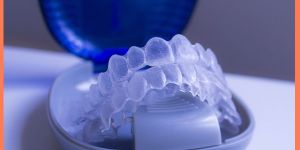
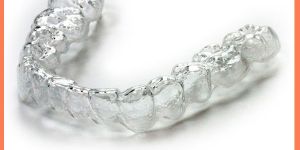
Clear Aligners are an alternative to traditional braces and are designed to help guide teeth into their proper position. Similar to braces, clear aligners use a graudual force to control tooth movement, but without metal wires or brackets. The aligners are made of a strong plastic material and are fabricated to fit each person’s mouth. If a series of aligners are made, each aligner moves the teeth a little bit more into place until the desired movement is completed.
Aligners are worn for at least 20 hours a day to reach the desired maximum effectiveness. Each aligner is worn for three weeks before changing to the next one. The length of treatment with aligners depends upon the severity of each case. Typically, aligner treatment can be as short as three weeks or as long as six months. Still, a much shorter treatment than traditional braces.
Clear Aligners are an alternative to traditional braces and are designed to help guide teeth into their proper position. Similar to braces, clear aligners use a graudual force to control tooth movement, but without metal wires or brackets. The aligners are made of a strong plastic material and are fabricated to fit each person’s mouth. If a series of aligners are made, each aligner moves the teeth a little bit more into place until the desired movement is completed.
Aligners are worn for at least 20 hours a day to reach the desired maximum effectiveness. Each aligner is worn for three weeks before changing to the next one. The length of treatment with aligners depends upon the severity of each case. Typically, aligner treatment can be as short as three weeks or as long as six months. Still, a much shorter treatment than traditional braces.
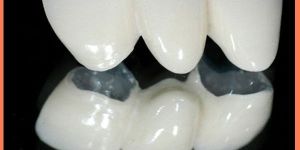
CAD-CAM Zirconia Crown is a field of dentistry and prosthodontics using CADCAM to improve the design and creation of dental restorations, especially dental prostheses, including crowns, crown lays, veneers, inlays and onlays, fixed bridges, dental implant restorations, dentures (removable or fixed), and orthodontic appliances.
CADCAM complements earlier technologies used for these purposes by any combination of increasing the speed of design and creation; increasing the convenience or simplicity of the design, creation, and insertion processes; and making possible restorations and appliances that otherwise would have been infeasible.
CAD-CAM Zirconia Crown is a field of dentistry and prosthodontics using CADCAM to improve the design and creation of dental restorations, especially dental prostheses, including crowns, crown lays, veneers, inlays and onlays, fixed bridges, dental implant restorations, dentures (removable or fixed), and orthodontic appliances.
CADCAM complements earlier technologies used for these purposes by any combination of increasing the speed of design and creation; increasing the convenience or simplicity of the design, creation, and insertion processes; and making possible restorations and appliances that otherwise would have been infeasible.
Bone Grafting is a term that describes a variety of procedures used to “build” bone so that dental implants can be placed. These procedures typically involve grafting (adding) bone or bonelike materials to the jaw. The graft can be your own bone or be processed bone (off the shelf) obtained from a cadaver.
Bone Grafting is a term that describes a variety of procedures used to “build” bone so that dental implants can be placed. These procedures typically involve grafting (adding) bone or bonelike materials to the jaw. The graft can be your own bone or be processed bone (off the shelf) obtained from a cadaver.
RCT (endodontics ) is needed when the blood or nerve supply of the tooth (pulp) is damaged due to decay or injury .it is most often needed in teeth which have deep fillings , or in teeth which have deep dental decay. It may cause very severe pain and lead to infection of the tissue surrounding the root tip.
RCT removes infected or damaged pulp from the diseased tooth . after that the hollow pulp chamber and root canals are cleaned & sealed.
RCT (endodontics ) is needed when the blood or nerve supply of the tooth (pulp) is damaged due to decay or injury .it is most often needed in teeth which have deep fillings , or in teeth which have deep dental decay. It may cause very severe pain and lead to infection of the tissue surrounding the root tip.
RCT removes infected or damaged pulp from the diseased tooth . after that the hollow pulp chamber and root canals are cleaned & sealed.
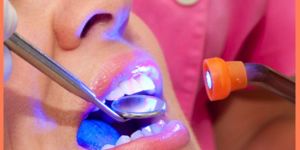
RCT with laser (endodontics ) is needed when the blood or nerve supply of the tooth (pulp) is damaged due to decay or injury .it is most often needed in teeth which have deep fillings , or in teeth which have deep dental decay. It may cause very severe pain and lead to infection of the tissue surrounding the root tip.
RCT removes infected or damaged pulp from the diseased tooth . after that the hollow pulp chamber and root canals are cleaned & sealed.
RCT with laser (endodontics ) is needed when the blood or nerve supply of the tooth (pulp) is damaged due to decay or injury .it is most often needed in teeth which have deep fillings , or in teeth which have deep dental decay. It may cause very severe pain and lead to infection of the tissue surrounding the root tip.
RCT removes infected or damaged pulp from the diseased tooth . after that the hollow pulp chamber and root canals are cleaned & sealed.
Minor Surgery is any procedure that involves cutting into or removing tissue from your mouth. It includes procedures like removing a tooth, gum surgery, and getting dental implants. Oral surgery also includes getting rid of diseased tissue from the mouth, correcting jaw problems, or repairing a cleft lip or palate.
Minor Surgery is any procedure that involves cutting into or removing tissue from your mouth. It includes procedures like removing a tooth, gum surgery, and getting dental implants. Oral surgery also includes getting rid of diseased tissue from the mouth, correcting jaw problems, or repairing a cleft lip or palate.
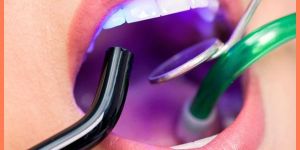
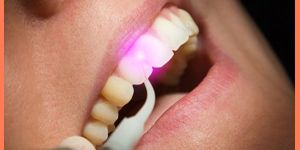
Laser Gum Treatment can be used to treat periodontal disease. Current controlled studies have shown that similar results have been found with the laser compared to specific other treatment options, including scaling and root planing alone. Scaling and root planning is a traditional non-surgical therapy used to treat periodontal diseases.
Laser Gum Treatment can be used to treat periodontal disease. Current controlled studies have shown that similar results have been found with the laser compared to specific other treatment options, including scaling and root planing alone. Scaling and root planning is a traditional non-surgical therapy used to treat periodontal diseases.
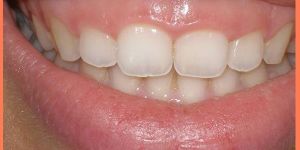
Gummy smile Correction When you smile too much gum tissue is exposed. Sometimes the teeth are also exposed even when you are not smiling. The ratio of lips – gums – teeth isn’t balanced. Fortunately your gummy smile can easily be corrected by a gummy smile correction.
Gummy smile Correction When you smile too much gum tissue is exposed. Sometimes the teeth are also exposed even when you are not smiling. The ratio of lips – gums – teeth isn’t balanced. Fortunately your gummy smile can easily be corrected by a gummy smile correction.
Gum depigmention, also known as gum bleaching, is a procedure used in cosmetic dentistry to lighten or remove black spots or patches on the gums caused by melanin. Discolouration may also be caused by long-term use of certain medications. The procedure itself can involve surgical, or laser ablation techniques.
Gum depigmention, also known as gum bleaching, is a procedure used in cosmetic dentistry to lighten or remove black spots or patches on the gums caused by melanin. Discolouration may also be caused by long-term use of certain medications. The procedure itself can involve surgical, or laser ablation techniques.
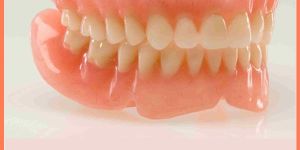
Full Dentures are prosthetic devices constructed to replace missing teeth; they are supported by the surrounding soft and hard tissues of the oral cavity. Conventional dentures are removable.
Full Dentures are prosthetic devices constructed to replace missing teeth; they are supported by the surrounding soft and hard tissues of the oral cavity. Conventional dentures are removable.
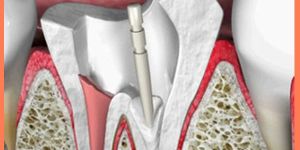
A Post Core is a type of dental restoration used either to stabilize a weakened tooth or provide an anchor for a crown. Utilized when inadequate tooth structure remains to support a traditional restoration, it consists of the insertion of a small rod (known as a “post”) into the root space of an affected tooth, leaving several millimeters protruding. The protrusion is then used to support a large filling, or anchor a crown.
A Post Core is a type of dental restoration used either to stabilize a weakened tooth or provide an anchor for a crown. Utilized when inadequate tooth structure remains to support a traditional restoration, it consists of the insertion of a small rod (known as a “post”) into the root space of an affected tooth, leaving several millimeters protruding. The protrusion is then used to support a large filling, or anchor a crown.
Dental polishing is done to smooth the surfaces of teeth and restorations. The purpose of polishing is to remove extrinsic stains, remove dental plaque accumulation, increase aesthetics and to reduce corrosion of metallic restorations. Tooth polishing has little therapeutic value and is usually done as a cosmetic procedure after debridement and before fluoride application. Common practice is to use a prophy cup-a small motorized rubber cup-along with an abrasive polishing compound.
Dental polishing is done to smooth the surfaces of teeth and restorations. The purpose of polishing is to remove extrinsic stains, remove dental plaque accumulation, increase aesthetics and to reduce corrosion of metallic restorations. Tooth polishing has little therapeutic value and is usually done as a cosmetic procedure after debridement and before fluoride application. Common practice is to use a prophy cup-a small motorized rubber cup-along with an abrasive polishing compound.
A dental extraction (also referred to as tooth extraction, exodontia, exodontics, or informally, tooth pulling) is the removal of teeth from the dental alveolus (socket) in the alveolar bone. Extractions are performed for a wide variety of reasons, but most commonly to remove teeth which have become unrestorable through tooth decay, periodontal disease or dental trauma, especially when they are associated with toothache. Sometimes wisdom teeth are impacted (stuck and unable to grow normally into the mouth) and may cause recurrent infections of the gum (pericoronitis). In orthodontics if the teeth are crowded, sound teeth may be extracted (often bicuspids) to create space so the rest of the teeth can be straightened.
A dental extraction (also referred to as tooth extraction, exodontia, exodontics, or informally, tooth pulling) is the removal of teeth from the dental alveolus (socket) in the alveolar bone. Extractions are performed for a wide variety of reasons, but most commonly to remove teeth which have become unrestorable through tooth decay, periodontal disease or dental trauma, especially when they are associated with toothache. Sometimes wisdom teeth are impacted (stuck and unable to grow normally into the mouth) and may cause recurrent infections of the gum (pericoronitis). In orthodontics if the teeth are crowded, sound teeth may be extracted (often bicuspids) to create space so the rest of the teeth can be straightened.
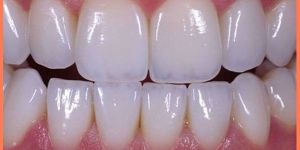
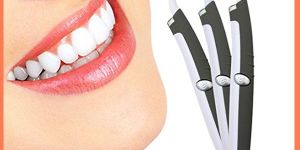
Dental Bleaching is either restoration of natural tooth shade or whitening beyond natural tooth shade, depending on the definition used.
Restoration of the underlying, natural tooth shade is possible by simply removing surface (extrinsic) stains (e.g. from tea, coffee, red wine and tobacco) and calculus (tartar). This is achieved by having the teeth cleaned by a dental professional (commonly termed “scaling and polishing”), or at home by various oral hygiene methods. Calculus is difficult to remove without a professional clean.
Dental Bleaching is either restoration of natural tooth shade or whitening beyond natural tooth shade, depending on the definition used.
Restoration of the underlying, natural tooth shade is possible by simply removing surface (extrinsic) stains (e.g. from tea, coffee, red wine and tobacco) and calculus (tartar). This is achieved by having the teeth cleaned by a dental professional (commonly termed “scaling and polishing”), or at home by various oral hygiene methods. Calculus is difficult to remove without a professional clean.
Secondary Business TypeManufacturer / Exporters / Service Providers / Wholesale Suppliers
Year of Establishment2004
Ownership TypeOthers
Opening Hours
SUN : Closed
MON : 9:30 AM - 6:30 PM
TUE : 9:30 AM - 6:30 PM
WED : 9:30 AM - 6:30 PM
THU : 9:30 AM - 6:30 PM
FRI : 9:30 AM - 6:30 PM
SAT : 9:30 AM - 6:30 PM
Why shanti dental hospital? all dental treatments and facilities available under one roof different dental procedures done by specialized dental surgeons trained staff strict sterilization procedures are used for the instruments treatment is done under proper hygienic conditions very much cost effective with quality highly advanced dental materials & instruments of international quality are used our strategies for the treatment best possible treatment plan is suggested and applied according to the medical condition and budget of the patient keeping in mind best future of the patient’s teeth.updated and advanced treatment under fully hygienic conditions which gives satisfaction with cost effectiveness is a must here.



 Reviews & Ratings
 Write a Review


 Post Free Ad