








Institute for Industrial Research & Toxicology Ghaziabad, Uttar Pradesh

GST Number : 09AABTI4874P1ZV
Contact Supplier Request A Quote
  • Water Testing Services

    Water Testing Services

    Get Latest Price

    Microbiological testing of water is essential for evaluating its safety and quality by identifying the presence of harmful microorganisms. This testing focuses primarily on detecting bacteria, viruses, protozoa, and fungi that can pose significant health risks if consumed or used. It plays a vital role in preventing waterborne diseases and ensuring compliance with public health standards. Microbiological analysis is widely applied in various sectors, including: Drinking water testing – to ensure safe consumption Wastewater treatment – to monitor and control microbial contamination before discharge Environmental monitoring – for assessing water bodies like rivers, lakes, and reservoirs Industrial applications – such as food and beverage processing, where water purity is crucial   Regular microbiological testing helps in the early detection of contamination and supports effective water treatment processes, making it a critical component of public health and environmental safety strategies.
    ...more
  • Water Testing Services

    Water Testing Services

    Request for Price

    Microbiological testing of water is essential for evaluating its safety and quality by identifying the presence of harmful microorganisms. This testing focuses primarily on detecting bacteria, viruses, protozoa, and fungi that can pose significant health risks if consumed or used. It plays a vital role in preventing waterborne diseases and ensuring compliance with public health standards. Microbiological analysis is widely applied in various sectors, including: Drinking water testing – to ensure safe consumption Wastewater treatment – to monitor and control microbial contamination before discharge Environmental monitoring – for assessing water bodies like rivers, lakes, and reservoirs Industrial applications – such as food and beverage processing, where water purity is crucial   Regular microbiological testing helps in the early detection of contamination and supports effective water treatment processes, making it a critical component of public health and environmental safety strategies.

    ...more
    Get Best Price
  • Toxicokinetic and Bioanalytical Services

    Toxicokinetic and Bioanalytical Services

    Get Latest Price

    • MaterialClient End
    • UsageToxicokinetics Per ISO 10993 Part 16
    • Payment MethodOnline/ Offline
    • Services ModeOffline
    •  Toxicokinetics per ISO 10993 Part 16Toxicokinetics (TK) studies investigate the absorption, distribution, metabolism, and excretion (ADME) of chemical substances released from medical devices. This helps understand how the body handles these substances over time, correlating exposure with potential toxic effects.Toxicology lab tests assess environmental pollutants by studying air, water, and soil samples, assisting in identifying and combating pollution sources.   
    ...more
  • Toxicokinetic and Bioanalytical Services

    Toxicokinetic and Bioanalytical Services

    Request for Price

     Toxicokinetics per ISO 10993 Part 16Toxicokinetics (TK) studies investigate the absorption, distribution, metabolism, and excretion (ADME) of chemical substances released from medical devices. This helps understand how the body handles these substances over time, correlating exposure with potential toxic effects.Toxicology lab tests assess environmental pollutants by studying air, water, and soil samples, assisting in identifying and combating pollution sources.   

    ...more
    Get Best Price
  • Textile Testing Service

    Textile Testing Service

    Get Latest Price

    Fabric and textile testing is a vital process used to evaluate the physical, mechanical, chemical, and biological properties of textiles to ensure their quality, safety, durability, and compliance with industry regulations. This comprehensive analysis helps manufacturers confirm that fabrics meet specific standards for performance and consumer safety. Key tests may assess strength, colorfastness, flammability, pH levels, antimicrobial activity, and resistance to wear and environmental factors. These evaluations are essential across a wide range of industries, including: Apparel and fashion – to ensure comfort, color retention, and longevity Medical textiles – for sterility, biocompatibility, and hygiene Personal protective equipment (PPE) – for safety, durability, and barrier protection Upholstery and home furnishings – for strength, appearance, and fire resistance Automotive and industrial textiles – for performance under stress and environmental exposure   Through standardized testing, fabric and textile products can meet both customer expectations and regulatory requirements.
    ...more
  • Textile Testing Service

    Textile Testing Service

    Request for Price

    Fabric and textile testing is a vital process used to evaluate the physical, mechanical, chemical, and biological properties of textiles to ensure their quality, safety, durability, and compliance with industry regulations. This comprehensive analysis helps manufacturers confirm that fabrics meet specific standards for performance and consumer safety. Key tests may assess strength, colorfastness, flammability, pH levels, antimicrobial activity, and resistance to wear and environmental factors. These evaluations are essential across a wide range of industries, including: Apparel and fashion – to ensure comfort, color retention, and longevity Medical textiles – for sterility, biocompatibility, and hygiene Personal protective equipment (PPE) – for safety, durability, and barrier protection Upholstery and home furnishings – for strength, appearance, and fire resistance Automotive and industrial textiles – for performance under stress and environmental exposure   Through standardized testing, fabric and textile products can meet both customer expectations and regulatory requirements.

    ...more
    Get Best Price
  • Testing OF Agrochemicals and Industrial Chemicals

    Testing OF Agrochemicals and Industrial Chemicals

    Get Latest Price

    • TypeChemical Testing Service
    • UsageEnsuring Efficacy, Safety, Environmental Impact, And Regulatory Compliance Of Agrochemicals And Industrial Chemicals.
    • IndustryAgriculture And Various Industries
    • Safety StandardsCompliance With Industry Safety Standards
    • Agrochemicals and Industrial Chemicals are broad categories of substances widely used in agriculture and various industries, respectively. Testing and evaluation of these chemicals are crucial to ensure their efficacy, safety, environmental impact, and regulatory compliance.
    ...more
  • Testing OF Agrochemicals and Industrial Chemicals

    Testing OF Agrochemicals and Industrial Chemicals

    Request for Price

    Agrochemicals and Industrial Chemicals are broad categories of substances widely used in agriculture and various industries, respectively. Testing and evaluation of these chemicals are crucial to ensure their efficacy, safety, environmental impact, and regulatory compliance.

    ...more
    Get Best Price
  • terrestrial plant toxicity testing service

    terrestrial plant toxicity testing service

    Get Latest Price

    • TypeChemical Toxicity Test
    • UsageAssess Effects Of Chemicals On Terrestrial Plants
    • ApplicationEvaluate Risks To Vegetation And Ecosystems
    • Industry StandardsFollow OECD Guidelines For Terrestrial Plant Toxicity Testing
    • The Terrestrial Plant Toxicity Test assesses the effects of chemicals, such as pesticides, herbicides, or industrial pollutants, on the growth and development of terrestrial plants. This test helps evaluate potential risks to vegetation and ecosystems.
    ...more
  • terrestrial plant toxicity testing service

    terrestrial plant toxicity testing service

    Request for Price

    The Terrestrial Plant Toxicity Test assesses the effects of chemicals, such as pesticides, herbicides, or industrial pollutants, on the growth and development of terrestrial plants. This test helps evaluate potential risks to vegetation and ecosystems.

    ...more
    Get Best Price
  • Surgical Products Testing Services

    Surgical Products Testing Services

    Get Latest Price

    Surgical testing encompasses a range of procedures and evaluations designed to ensure the sterility, cleanliness, and overall safety of surgical instruments, environments, personnel, and products used during surgical procedures. The primary goal of these tests is to prevent surgical site infections (SSIs) and to support compliance with established healthcare regulations and safety standards. Key aspects of surgical testing include microbial testing, sterility validation, residue analysis, and equipment performance checks. These assessments are conducted on surgical tools, sterile drapes, gloves, implantable devices, and the operating room environment to confirm that they meet safety and hygiene requirements.   Routine surgical testing helps identify and eliminate contamination risks, ensuring patient safety and successful surgical outcomes. It also supports hospital infection control programs and promotes adherence to protocols set by organizations such as the FDA, ISO, and WHO.
    ...more
  • Surgical Products Testing Services

    Surgical Products Testing Services

    Request for Price

    Surgical testing encompasses a range of procedures and evaluations designed to ensure the sterility, cleanliness, and overall safety of surgical instruments, environments, personnel, and products used during surgical procedures. The primary goal of these tests is to prevent surgical site infections (SSIs) and to support compliance with established healthcare regulations and safety standards. Key aspects of surgical testing include microbial testing, sterility validation, residue analysis, and equipment performance checks. These assessments are conducted on surgical tools, sterile drapes, gloves, implantable devices, and the operating room environment to confirm that they meet safety and hygiene requirements.   Routine surgical testing helps identify and eliminate contamination risks, ensuring patient safety and successful surgical outcomes. It also supports hospital infection control programs and promotes adherence to protocols set by organizations such as the FDA, ISO, and WHO.

    ...more
    Get Best Price
  • sub chronic toxicity service

    sub chronic toxicity service

    Get Latest Price

    Subchronic toxicity studies are scientific investigations designed to evaluate the health effects of repeated exposure to a substance over an intermediate duration, typically lasting 90 days. These studies aim to detect early signs of toxicity, determine the relationship between dose and response, and identify specific organs or systems that may be adversely affected. They are crucial in the safety assessment of chemicals, pharmaceuticals, food additives, and other products, helping to guide safe exposure levels and predict potential long-term health risks. Key Objectives of Subchronic Toxicity Studies:   Assess potential toxic effects of repeated dosing Identify target organs affected by the substance Determine dose-response relationships Establish No-Observed-Adverse-Effect Level (NOAEL) Support risk assessment and regulatory decisions
    ...more
  • sub chronic toxicity service

    sub chronic toxicity service

    Request for Price

    Subchronic toxicity studies are scientific investigations designed to evaluate the health effects of repeated exposure to a substance over an intermediate duration, typically lasting 90 days. These studies aim to detect early signs of toxicity, determine the relationship between dose and response, and identify specific organs or systems that may be adversely affected. They are crucial in the safety assessment of chemicals, pharmaceuticals, food additives, and other products, helping to guide safe exposure levels and predict potential long-term health risks. Key Objectives of Subchronic Toxicity Studies:   Assess potential toxic effects of repeated dosing Identify target organs affected by the substance Determine dose-response relationships Establish No-Observed-Adverse-Effect Level (NOAEL) Support risk assessment and regulatory decisions

    ...more
    Get Best Price
  • Sub Acute Toxicity Studies

    Sub Acute Toxicity Studies

    Get Latest Price

    Sub-acute toxicity studies are conducted to assess the adverse effects of a substance following repeated exposure over a short duration, typically ranging from 14 to 28 days. These studies are essential in the early stages of toxicological evaluation and are designed to identify the potential health risks associated with short-term use or exposure. Key objectives of sub-acute toxicity studies include:   Identifying target organs that may be affected by the substance. Determining dose-response relationships to understand how toxicity varies with different exposure levels. Observing clinical signs and symptoms of toxicity, including behavioral or physiological changes. Evaluating changes in body weight and food consumption, which may indicate systemic effects. Providing baseline data to inform the design and safety margins of sub-chronic and chronic toxicity studies. These studies play a crucial role in risk assessment and help ensure the safe development and regulation of pharmaceuticals, chemicals, and other products.
    ...more
  • Sub Acute Toxicity Studies

    Sub Acute Toxicity Studies

    Request for Price

    Sub-acute toxicity studies are conducted to assess the adverse effects of a substance following repeated exposure over a short duration, typically ranging from 14 to 28 days. These studies are essential in the early stages of toxicological evaluation and are designed to identify the potential health risks associated with short-term use or exposure. Key objectives of sub-acute toxicity studies include:   Identifying target organs that may be affected by the substance. Determining dose-response relationships to understand how toxicity varies with different exposure levels. Observing clinical signs and symptoms of toxicity, including behavioral or physiological changes. Evaluating changes in body weight and food consumption, which may indicate systemic effects. Providing baseline data to inform the design and safety margins of sub-chronic and chronic toxicity studies. These studies play a crucial role in risk assessment and help ensure the safe development and regulation of pharmaceuticals, chemicals, and other products.

    ...more
    Get Best Price
  • Sub-Acute & Chronic Toxicity Studies

    Sub-Acute & Chronic Toxicity Studies

    Get Latest Price

    • DurationUp To 28 Days
    • PurposeEvaluate Toxic Effects After Repeated Exposure
    • StandardISO 10993 Part 11
    • Safety AssessmentSupports Safety Assessment Of Medical Devices
    • Subacute toxicity per ISO 10993 Part 11Subacute toxicity studies evaluate the toxic effects of medical device materials or extracts after repeated exposure over a short-term period, typically up to 28 days. This testing helps to identify adverse effects that may arise from repeated or continuous exposure and supports the safety assessment of medical devices. 
    ...more
  • Sub-Acute & Chronic Toxicity Studies

    Sub-Acute & Chronic Toxicity Studies

    Request for Price

    Subacute toxicity per ISO 10993 Part 11Subacute toxicity studies evaluate the toxic effects of medical device materials or extracts after repeated exposure over a short-term period, typically up to 28 days. This testing helps to identify adverse effects that may arise from repeated or continuous exposure and supports the safety assessment of medical devices. 

    ...more
    Get Best Price
  • Storage Stability Testing Service

    Storage Stability Testing Service

    Get Latest Price

    Cold Storage Stability Testing is performed to assess the stability, quality, and integrity of products stored under low-temperature conditions. These conditions typically include refrigerated storage (2–8°C) and frozen storage (-20°C or below), depending on the product’s requirements. This testing ensures that a product retains its safety, efficacy, and physical characteristics—such as appearance, potency, and chemical composition—throughout its intended shelf life while stored in cold environments. It is especially critical for temperature-sensitive products like biologics, vaccines, and certain pharmaceuticals, which may degrade or lose effectiveness if exposed to improper conditions.   The evaluation involves storing samples under defined cold storage settings for a specified duration and conducting periodic tests to monitor changes. Cold Storage Stability Testing plays a vital role in regulatory compliance, supply chain management, and product labeling, ensuring that the product remains effective and safe when stored and transported under recommended cold conditions.
    ...more
  • Storage Stability Testing Service

    Storage Stability Testing Service

    Request for Price

    Cold Storage Stability Testing is performed to assess the stability, quality, and integrity of products stored under low-temperature conditions. These conditions typically include refrigerated storage (2–8°C) and frozen storage (-20°C or below), depending on the product’s requirements. This testing ensures that a product retains its safety, efficacy, and physical characteristics—such as appearance, potency, and chemical composition—throughout its intended shelf life while stored in cold environments. It is especially critical for temperature-sensitive products like biologics, vaccines, and certain pharmaceuticals, which may degrade or lose effectiveness if exposed to improper conditions.   The evaluation involves storing samples under defined cold storage settings for a specified duration and conducting periodic tests to monitor changes. Cold Storage Stability Testing plays a vital role in regulatory compliance, supply chain management, and product labeling, ensuring that the product remains effective and safe when stored and transported under recommended cold conditions.

    ...more
    Get Best Price
  • Sterility Testing Services

    Sterility Testing Services

    Get Latest Price

    Sterility testing is a vital microbiological quality control procedure used to ensure that sterile pharmaceutical products, medical devices, and other sterile preparations are completely free from viable microorganisms. This test is especially crucial for products intended for injection, ophthalmic use, implantation, or surgical procedures, where any microbial contamination could lead to serious health risks. The process involves incubating product samples in nutrient-rich media under controlled conditions to promote the growth of any contaminating microbes. If no growth is detected after the incubation period, the product is considered sterile.   Sterility testing is required by regulatory authorities and follows stringent protocols, such as those outlined in pharmacopeial standards (e.g., USP, EP, or JP). It plays a critical role in safeguarding patient health by verifying that products meet strict sterility requirements before they are released to the market or used in clinical settings.
    ...more
  • Sterility Testing Services

    Sterility Testing Services

    Request for Price

    Sterility testing is a vital microbiological quality control procedure used to ensure that sterile pharmaceutical products, medical devices, and other sterile preparations are completely free from viable microorganisms. This test is especially crucial for products intended for injection, ophthalmic use, implantation, or surgical procedures, where any microbial contamination could lead to serious health risks. The process involves incubating product samples in nutrient-rich media under controlled conditions to promote the growth of any contaminating microbes. If no growth is detected after the incubation period, the product is considered sterile.   Sterility testing is required by regulatory authorities and follows stringent protocols, such as those outlined in pharmacopeial standards (e.g., USP, EP, or JP). It plays a critical role in safeguarding patient health by verifying that products meet strict sterility requirements before they are released to the market or used in clinical settings.

    ...more
    Get Best Price
  • Skin Sensitization Study Service

    Skin Sensitization Study Service

    Get Latest Price

    Skin sensitization studies are conducted to assess whether a medical device material or chemical has the potential to cause an allergic skin reaction, also known as delayed hypersensitivity, after repeated exposure. These reactions typically occur when the immune system becomes sensitized to a substance, leading to inflammation or irritation upon subsequent contact. Such studies are a critical part of ensuring the biocompatibility and safety of materials used in medical devices, especially those in prolonged or repeated contact with the skin. The evaluation helps identify substances that could trigger adverse immune responses in sensitive individuals.   ISO 10993-10 provides the specific guidelines for conducting these tests as part of the overall biological evaluation of medical devices. By adhering to this standard, manufacturers can demonstrate compliance with regulatory requirements and ensure patient safety during device use. Skin sensitization testing plays an essential role in risk assessment and product development in medical and pharmaceutical industries.
    ...more
  • Skin Sensitization Study Service

    Skin Sensitization Study Service

    Request for Price

    Skin sensitization studies are conducted to assess whether a medical device material or chemical has the potential to cause an allergic skin reaction, also known as delayed hypersensitivity, after repeated exposure. These reactions typically occur when the immune system becomes sensitized to a substance, leading to inflammation or irritation upon subsequent contact. Such studies are a critical part of ensuring the biocompatibility and safety of materials used in medical devices, especially those in prolonged or repeated contact with the skin. The evaluation helps identify substances that could trigger adverse immune responses in sensitive individuals.   ISO 10993-10 provides the specific guidelines for conducting these tests as part of the overall biological evaluation of medical devices. By adhering to this standard, manufacturers can demonstrate compliance with regulatory requirements and ensure patient safety during device use. Skin sensitization testing plays an essential role in risk assessment and product development in medical and pharmaceutical industries.

    ...more
    Get Best Price
  • Sanitary Napkin Testing Service

    Sanitary Napkin Testing Service

    Get Latest Price

    Sanitary product testing is a vital process that ensures personal hygiene products—such as sanitary napkins, tampons, diapers, baby wipes, adult incontinence products, and similar items—are safe, non-toxic, and free from harmful microorganisms. Given that these products come into direct or prolonged contact with the skin or mucosal surfaces, maintaining high microbial safety standards is essential to prevent potential infections, skin irritations, and allergic reactions. Testing typically involves evaluating the microbial load, detecting pathogenic organisms, and ensuring the materials used do not release harmful substances upon contact. It also assesses parameters such as absorbency, pH levels, skin compatibility, and material integrity under normal use conditions.   By conducting thorough sanitary product testing, manufacturers can meet regulatory and quality standards, safeguard public health, and build consumer trust in the safety and reliability of their hygiene products.
    ...more
  • Sanitary Napkin Testing Service

    Sanitary Napkin Testing Service

    Request for Price

    Sanitary product testing is a vital process that ensures personal hygiene products—such as sanitary napkins, tampons, diapers, baby wipes, adult incontinence products, and similar items—are safe, non-toxic, and free from harmful microorganisms. Given that these products come into direct or prolonged contact with the skin or mucosal surfaces, maintaining high microbial safety standards is essential to prevent potential infections, skin irritations, and allergic reactions. Testing typically involves evaluating the microbial load, detecting pathogenic organisms, and ensuring the materials used do not release harmful substances upon contact. It also assesses parameters such as absorbency, pH levels, skin compatibility, and material integrity under normal use conditions.   By conducting thorough sanitary product testing, manufacturers can meet regulatory and quality standards, safeguard public health, and build consumer trust in the safety and reliability of their hygiene products.

    ...more
    Get Best Price
  • Reproductive Toxicity Studies

    Reproductive Toxicity Studies

    Get Latest Price

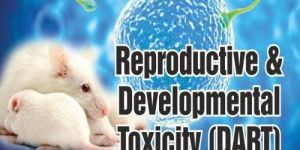
    Reproductive toxicity studies encompass a series of scientific investigations aimed at assessing the potential effects of various substances—such as pharmaceuticals, chemicals, or environmental agents—on reproductive health and fertility. These studies are essential in understanding how exposure to certain substances may affect sexual function, reproductive capability, and the development of offspring. They play a crucial role in several areas, including. Regulatory Toxicology: Providing data required by regulatory agencies to evaluate the safety of substances. Drug Development: Ensuring new drugs do not pose reproductive risks before approval and market release. Chemical Risk Assessment: Identifying potential reproductive hazards associated with industrial or environmental chemicals. Overall, reproductive toxicity studies help ensure that substances intended for human or environmental exposure do not compromise reproductive health, supporting public safety and informed regulatory decisions.
    ...more
  • Reproductive Toxicity Studies

    Reproductive Toxicity Studies

    Request for Price

    undefined undefined (MOQ)

    Reproductive toxicity studies encompass a series of scientific investigations aimed at assessing the potential effects of various substances—such as pharmaceuticals, chemicals, or environmental agents—on reproductive health and fertility. These studies are essential in understanding how exposure to certain substances may affect sexual function, reproductive capability, and the development of offspring. They play a crucial role in several areas, including. Regulatory Toxicology: Providing data required by regulatory agencies to evaluate the safety of substances. Drug Development: Ensuring new drugs do not pose reproductive risks before approval and market release. Chemical Risk Assessment: Identifying potential reproductive hazards associated with industrial or environmental chemicals. Overall, reproductive toxicity studies help ensure that substances intended for human or environmental exposure do not compromise reproductive health, supporting public safety and informed regulatory decisions.

    ...more
    Get Best Price
  • Reproductive and Developmental Toxicity Studies Services

    Reproductive and Developmental Toxicity Studies Services

    Get Latest Price

    Reproductive and developmental toxicity studies are conducted to evaluate the potential adverse effects of medical device materials or their chemical extracts on reproductive health and offspring development. These studies assess the impact on fertility, reproductive capability, embryonic and fetal development, as well as the growth and health of offspring. Such evaluations are essential for medical devices that may come into prolonged or repeated contact with the body, particularly those used during pregnancy or in reproductive health applications. The testing typically involves in vivo studies that monitor key reproductive parameters and developmental milestones across one or more generations.   The data generated from these studies help determine whether a device poses any risk to reproductive function or developmental processes. This information is critical for regulatory approval and for ensuring patient safety, especially for populations that may be more vulnerable, such as pregnant women and children.
    ...more
  • Reproductive and Developmental Toxicity Studies Services

    Reproductive and Developmental Toxicity Studies Services

    Request for Price

    Reproductive and developmental toxicity studies are conducted to evaluate the potential adverse effects of medical device materials or their chemical extracts on reproductive health and offspring development. These studies assess the impact on fertility, reproductive capability, embryonic and fetal development, as well as the growth and health of offspring. Such evaluations are essential for medical devices that may come into prolonged or repeated contact with the body, particularly those used during pregnancy or in reproductive health applications. The testing typically involves in vivo studies that monitor key reproductive parameters and developmental milestones across one or more generations.   The data generated from these studies help determine whether a device poses any risk to reproductive function or developmental processes. This information is critical for regulatory approval and for ensuring patient safety, especially for populations that may be more vulnerable, such as pregnant women and children.

    ...more
    Get Best Price
  • reproduction testing service

    reproduction testing service

    Get Latest Price

    • TypeChemical Test Kit
    • ApplicationAssessing The Chronic Effects Of Substances On The Reproductive Capacity Of Daphnia Magna
    • Duration21 Days
    • FrequencyRenewal Typically Three Times Per Week
    • This test is carried out to determine the effect of a chemical on the reproductive output of Daphnia magna. Juvenile Daphnia magna, less than 24 hours old at the start of the test are exposed to the test material for a period of 21 days. Studies are performed as a semi-static with renewal of the typically three times per week, greater frequency can be used depending on the stability of the test material in the test media. The Reproduction Test in Daphnia assesses the chronic effects of substances on the reproductive capacity of Daphnia (typically Daphnia magna). This test is important for evaluating long-term ecological impacts on population sustainability.
    ...more
  • reproduction testing service

    reproduction testing service

    Request for Price

    1 Piece (MOQ)

    This test is carried out to determine the effect of a chemical on the reproductive output of Daphnia magna. Juvenile Daphnia magna, less than 24 hours old at the start of the test are exposed to the test material for a period of 21 days. Studies are performed as a semi-static with renewal of the typically three times per week, greater frequency can be used depending on the stability of the test material in the test media. The Reproduction Test in Daphnia assesses the chronic effects of substances on the reproductive capacity of Daphnia (typically Daphnia magna). This test is important for evaluating long-term ecological impacts on population sustainability.

    ...more
    Get Best Price
  • Rapid Test Kit Service

    Rapid Test Kit Service

    Get Latest Price

    Rapid testing kits are advanced tools developed to quickly detect and quantify microorganisms, offering results within minutes to a few hours, as opposed to traditional culture methods that may require 2 to 7 days. These kits use technologies such as immunoassays, biosensors, molecular diagnostics (e.g., PCR), and fluorescence detection to deliver fast and accurate results. They are widely utilized across various industries, including: Pharmaceuticals – for ensuring product sterility and quality Food safety – to detect contamination and prevent foodborne illnesses Water testing – to monitor microbial presence in drinking and recreational water Clinical diagnostics – for rapid disease detection and patient care Environmental monitoring – to assess microbial risks in soil and air   Rapid testing kits improve efficiency, safety, and decision-making, making them invaluable for time-sensitive applications where early detection of microbial contamination is critical.
    ...more
  • Rapid Test Kit Service

    Rapid Test Kit Service

    Request for Price

    Rapid testing kits are advanced tools developed to quickly detect and quantify microorganisms, offering results within minutes to a few hours, as opposed to traditional culture methods that may require 2 to 7 days. These kits use technologies such as immunoassays, biosensors, molecular diagnostics (e.g., PCR), and fluorescence detection to deliver fast and accurate results. They are widely utilized across various industries, including: Pharmaceuticals – for ensuring product sterility and quality Food safety – to detect contamination and prevent foodborne illnesses Water testing – to monitor microbial presence in drinking and recreational water Clinical diagnostics – for rapid disease detection and patient care Environmental monitoring – to assess microbial risks in soil and air   Rapid testing kits improve efficiency, safety, and decision-making, making them invaluable for time-sensitive applications where early detection of microbial contamination is critical.

    ...more
    Get Best Price
  • Rapid Kit Testing

    Rapid Kit Testing

    Get Latest Price

    • TypeTesting Kit
    • UsageDetect And Quantify Microorganisms Quickly In Pharmaceuticals, Food Safety, Water Testing, Clinical Diagnostics, And Environmental Monitoring.
    • Detection TimeMinutes To A Few Hours
    • Rapid testing kits are designed to detect and quantify microorganisms quickly, often within minutes to a few hours, compared to traditional culture methods which may take 2–7 days. These kits are widely used in pharmaceuticals, food safety, water testing, clinical diagnostics, and environmental monitoring.
    ...more
  • Rapid Kit Testing

    Rapid Kit Testing

    Request for Price

    Rapid testing kits are designed to detect and quantify microorganisms quickly, often within minutes to a few hours, compared to traditional culture methods which may take 2–7 days. These kits are widely used in pharmaceuticals, food safety, water testing, clinical diagnostics, and environmental monitoring.

    ...more
    Get Best Price
  • Pyrogenicity Testing Services

    Pyrogenicity Testing Services

    Get Latest Price

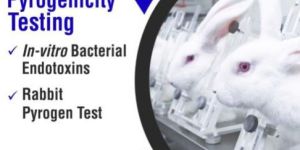
    Pyrogenicity testing evaluates whether materials used in medical devices or their extracts contain pyrogens—fever-inducing substances that can cause harmful febrile reactions when introduced into the body. The most common pyrogens are bacterial endotoxins, primarily from Gram-negative bacteria, but non-endotoxin pyrogens may also be present. These substances can trigger immune responses leading to fever, inflammation, or even shock, making their detection critical for ensuring patient safety.   This testing is a key component of the systemic toxicity evaluation outlined in ISO 10993-11, which governs the biological evaluation of medical devices. Pyrogenicity testing ensures that products, especially those in direct contact with blood or internal tissues, do not elicit adverse systemic effects. Common test methods include the Rabbit Pyrogen Test and the Bacterial Endotoxins Test (BET or LAL test). These tests are essential in regulatory approval processes for injectable products, implantable devices, and surgical instruments.
    ...more
  • Pyrogenicity Testing Services

    Pyrogenicity Testing Services

    Request for Price

    Pyrogenicity testing evaluates whether materials used in medical devices or their extracts contain pyrogens—fever-inducing substances that can cause harmful febrile reactions when introduced into the body. The most common pyrogens are bacterial endotoxins, primarily from Gram-negative bacteria, but non-endotoxin pyrogens may also be present. These substances can trigger immune responses leading to fever, inflammation, or even shock, making their detection critical for ensuring patient safety.   This testing is a key component of the systemic toxicity evaluation outlined in ISO 10993-11, which governs the biological evaluation of medical devices. Pyrogenicity testing ensures that products, especially those in direct contact with blood or internal tissues, do not elicit adverse systemic effects. Common test methods include the Rabbit Pyrogen Test and the Bacterial Endotoxins Test (BET or LAL test). These tests are essential in regulatory approval processes for injectable products, implantable devices, and surgical instruments.

    ...more
    Get Best Price
  • Pyrogen Testing Services

    Pyrogen Testing Services

    5,000 - 5,500 / test

    Pyrogen testing is a crucial procedure used to detect the presence of pyrogens—substances that can induce fever when introduced into the human body. These substances are most commonly bacterial endotoxins, which originate from the outer membrane of Gram-negative bacteria. However, pyrogens can also include non-endotoxin substances such as certain chemicals, metabolites, or contaminants introduced during manufacturing. This testing is essential to ensure the safety of:   Injectable pharmaceuticals – to prevent febrile reactions in patients. Biological products – such as vaccines and monoclonal antibodies, where sterility is critical. Medical devices – especially those intended to come into contact with blood or cerebrospinal fluid.   By identifying and eliminating pyrogens, manufacturers can meet regulatory standards and safeguard patient health. Pyrogen testing methods include the Rabbit Test, Bacterial Endotoxin Test (BET or LAL test), and Monocyte Activation Test (MAT), each with specific applications depending on the product type and regulatory requirements.
    ...more
  • Pyrogen Testing Services

    Pyrogen Testing Services

    5,000 - 5,500 / test

    Pyrogen testing is a crucial procedure used to detect the presence of pyrogens—substances that can induce fever when introduced into the human body. These substances are most commonly bacterial endotoxins, which originate from the outer membrane of Gram-negative bacteria. However, pyrogens can also include non-endotoxin substances such as certain chemicals, metabolites, or contaminants introduced during manufacturing. This testing is essential to ensure the safety of:   Injectable pharmaceuticals – to prevent febrile reactions in patients. Biological products – such as vaccines and monoclonal antibodies, where sterility is critical. Medical devices – especially those intended to come into contact with blood or cerebrospinal fluid.   By identifying and eliminating pyrogens, manufacturers can meet regulatory standards and safeguard patient health. Pyrogen testing methods include the Rabbit Test, Bacterial Endotoxin Test (BET or LAL test), and Monocyte Activation Test (MAT), each with specific applications depending on the product type and regulatory requirements.

    ...more
    Get Best Price
  • PPE Kit Testing Service

    PPE Kit Testing Service

    Get Latest Price

    PPE kit testing is a crucial process to ensure that personal protective equipment—including masks, gloves, gowns, face shields, and coveralls—meets required safety, performance, and regulatory standards. This testing verifies the effectiveness of each component in providing protection against chemical, biological, and physical hazards that workers may encounter in healthcare, industrial, or emergency settings. The evaluation includes testing for factors such as filtration efficiency, fluid resistance, tear and puncture strength, breathability, and fit and comfort. For example, masks are tested for bacterial and particulate filtration efficiency, while gowns and coveralls are assessed for barrier performance and seam integrity.   PPE kit testing ensures compliance with standards set by organizations like ISO, ASTM, and NIOSH, helping manufacturers deliver reliable products that safeguard users. Ultimately, this process is essential for minimizing health risks and enhancing the safety and confidence of individuals relying on PPE in hazardous environments.
    ...more
  • PPE Kit Testing Service

    PPE Kit Testing Service

    Request for Price

    PPE kit testing is a crucial process to ensure that personal protective equipment—including masks, gloves, gowns, face shields, and coveralls—meets required safety, performance, and regulatory standards. This testing verifies the effectiveness of each component in providing protection against chemical, biological, and physical hazards that workers may encounter in healthcare, industrial, or emergency settings. The evaluation includes testing for factors such as filtration efficiency, fluid resistance, tear and puncture strength, breathability, and fit and comfort. For example, masks are tested for bacterial and particulate filtration efficiency, while gowns and coveralls are assessed for barrier performance and seam integrity.   PPE kit testing ensures compliance with standards set by organizations like ISO, ASTM, and NIOSH, helping manufacturers deliver reliable products that safeguard users. Ultimately, this process is essential for minimizing health risks and enhancing the safety and confidence of individuals relying on PPE in hazardous environments.

    ...more
    Get Best Price
  • Physico-Chemical Studies

    Physico-Chemical Studies

    Get Latest Price

    Physico-chemical studies involve the detailed analysis of a substance’s physical and chemical properties, providing crucial data for understanding its behavior, performance, and safety. These studies are essential in evaluating attributes such as appearance, pH, solubility, melting point, viscosity, chemical composition, and impurities. They play a key role in quality control, ensuring consistency and compliance with product specifications throughout manufacturing. Additionally, physico-chemical studies support formulation development by helping select appropriate ingredients and optimize product stability and performance.   These evaluations are also vital for stability testing, determining how a product changes over time under various environmental conditions, and identifying factors that may affect its shelf life. Furthermore, physico-chemical data are often required for regulatory submissions, helping demonstrate product safety, efficacy, and compatibility with other materials. Overall, these studies form the foundation for the safe and effective development of pharmaceuticals, medical devices, and other health-related products.
    ...more
  • Physico-Chemical Studies

    Physico-Chemical Studies

    Request for Price

    Physico-chemical studies involve the detailed analysis of a substance’s physical and chemical properties, providing crucial data for understanding its behavior, performance, and safety. These studies are essential in evaluating attributes such as appearance, pH, solubility, melting point, viscosity, chemical composition, and impurities. They play a key role in quality control, ensuring consistency and compliance with product specifications throughout manufacturing. Additionally, physico-chemical studies support formulation development by helping select appropriate ingredients and optimize product stability and performance.   These evaluations are also vital for stability testing, determining how a product changes over time under various environmental conditions, and identifying factors that may affect its shelf life. Furthermore, physico-chemical data are often required for regulatory submissions, helping demonstrate product safety, efficacy, and compatibility with other materials. Overall, these studies form the foundation for the safe and effective development of pharmaceuticals, medical devices, and other health-related products.

    ...more
    Get Best Price
  • Pharmacological Study Services

    Pharmacological Study Services

    Get Latest Price

    Pharmacological study services involve a series of experimental investigations designed to evaluate the effects, mechanisms of action, efficacy, and safety of drugs, chemical compounds, or pharmaceutical formulations. These studies play a critical role in the drug development process by generating essential data needed for advancing candidates through preclinical and clinical stages, and ultimately gaining regulatory approval. Key Objectives of Pharmacological Studies: Mechanism of action – Understanding how a drug interacts with biological systems. Therapeutic efficacy – Assessing the drug’s ability to produce the desired effect. Dose-response relationship – Determining the optimal therapeutic dose. Safety and toxicity – Identifying potential adverse effects at various dosages. Target identification and validation – Confirming biological targets for drug action.   These services are essential in both academic research and pharmaceutical industry settings, ensuring that new treatments are scientifically validated, safe, and effective for human use.
    ...more
  • Pharmacological Study Services

    Pharmacological Study Services

    Request for Price

    Pharmacological study services involve a series of experimental investigations designed to evaluate the effects, mechanisms of action, efficacy, and safety of drugs, chemical compounds, or pharmaceutical formulations. These studies play a critical role in the drug development process by generating essential data needed for advancing candidates through preclinical and clinical stages, and ultimately gaining regulatory approval. Key Objectives of Pharmacological Studies: Mechanism of action – Understanding how a drug interacts with biological systems. Therapeutic efficacy – Assessing the drug’s ability to produce the desired effect. Dose-response relationship – Determining the optimal therapeutic dose. Safety and toxicity – Identifying potential adverse effects at various dosages. Target identification and validation – Confirming biological targets for drug action.   These services are essential in both academic research and pharmaceutical industry settings, ensuring that new treatments are scientifically validated, safe, and effective for human use.

    ...more
    Get Best Price
  • Drugs & Pharmaceutical Testing

    Drugs & Pharmaceutical Testing

    Get Latest Price

    Pharmaceutical testing is a comprehensive process involving a range of analytical, microbiological, chemical, and stability assessments carried out on drugs, Active Pharmaceutical Ingredients (APIs), excipients, and finished formulations. The primary objective of this testing is to ensure the safety, efficacy, and quality of pharmaceutical products while meeting regulatory requirements set by authorities such as the FDA, EMA, or WHO. These tests evaluate factors such as purity, potency, dissolution, sterility, microbial load, and shelf-life stability. Testing is conducted throughout the drug development lifecycle—from raw material verification and in-process control to final product release.   Pharmaceutical testing plays a vital role in detecting impurities, ensuring batch-to-batch consistency, and verifying that products perform as intended. By maintaining rigorous testing standards, manufacturers can minimize health risks, prevent product recalls, and uphold patient safety, ultimately ensuring that medicines are both effective and reliable when they reach the end user.
    ...more
  • Drugs & Pharmaceutical Testing

    Drugs & Pharmaceutical Testing

    Request for Price

    Pharmaceutical testing is a comprehensive process involving a range of analytical, microbiological, chemical, and stability assessments carried out on drugs, Active Pharmaceutical Ingredients (APIs), excipients, and finished formulations. The primary objective of this testing is to ensure the safety, efficacy, and quality of pharmaceutical products while meeting regulatory requirements set by authorities such as the FDA, EMA, or WHO. These tests evaluate factors such as purity, potency, dissolution, sterility, microbial load, and shelf-life stability. Testing is conducted throughout the drug development lifecycle—from raw material verification and in-process control to final product release.   Pharmaceutical testing plays a vital role in detecting impurities, ensuring batch-to-batch consistency, and verifying that products perform as intended. By maintaining rigorous testing standards, manufacturers can minimize health risks, prevent product recalls, and uphold patient safety, ultimately ensuring that medicines are both effective and reliable when they reach the end user.

    ...more
    Get Best Price

Average Customer Rating


Excellent Good
29 ratings and 0 reviews

Business Rating


5 13
4 16
3 0
2 0
1 0
Write a Review

Choose the service or product you're reviewing for this business

How would you rate the business?

What did you like and dislike?

  • Response
  • Delivery
  • Quality

Tell us about your experience?

About the Company

  • Primary Business Retailer
  • Secondary Business Type Manufacturer / Exporters / Service Providers / Wholesale Suppliers
  • Year of Establishment 2007
  • No. of Employees 51 - 100
  • Annual Turnover Rs. 5 to 25 Crore Approx.
  • Ownership Type Others
  • GSTIN Number 09AABTI4874P1ZV

Opening Hours

  • SUN : Closed
  • MON : 9:30 AM - 6:30 PM
  • TUE : 9:30 AM - 6:30 PM
  • WED : 9:30 AM - 6:30 PM
  • THU : 9:30 AM - 6:30 PM
  • FRI : 9:30 AM - 6:30 PM
  • SAT : 9:30 AM - 6:30 PM
Established in year 1997, Institute for Industrial Research & Toxicology is Manufacturers of Repeated Dose Intramuscular Toxicity Study, Bio Organic Fertilizer, Biopesticides, laboratories services, laboratory testing services, Pharmaceutical Consultants, abnormal toxicity, Acute Toxicity Studies, Lab Testing Cement from Mumbai, Maharashtra.
Read More »

Contact Information

top