Rice Bran
Get Price Quote
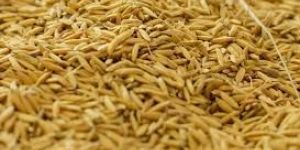
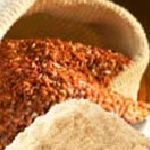
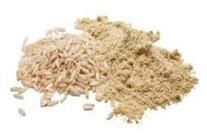
Rice Bran is byproduct obtained when rice is processed for milling procedures or when brown rice is converted into white rice. It can be termed as the hard outer layer of the grain which contains high nutritional values. The presence of antioxidants, proteins, fats, vitamins, and fibers make it ideal for animal consumption. When it is milled, rice bran, a by-product of rice consisting of the outer layer of the kernels is obtained. Rice Bran consists of ‘aleurone’, (a form of protein found in the protein granules of maturing seeds), ‘pericarp’ (the outer and edible layer of the rice kernel), germs and endosperm. Rice bran is further processed for its oil and meal. While the Rice bran oil serves as highly health beneficial vegetable oil for cooking purposes, the de-oiled rice bran used as a premier feed for fish, cattle, and poultry. It is also used in the making of silica gel, sodium silicate, and insulation bricks.
India is amongst the world’s largest producer and exporter of rice. The main staple diet of South India is Rice and a lot of rice is grown in that region as compared to a very limited quantity of wheat. Rice comes in the field in the form of paddy. A major rice bran fraction contains about 13% oil and 44.3% of highly unsaponifiable components. This fraction also contains gamma-oryzanol, beta-sitosterol, and tocotrienol that help in lowering the levels of plasma contained in the lipid profile. It also contains a major amount of dietary fibers like beta glucan, gum, and pectin. The oil present in the rice bran is a rich source of Vitamin E, Vitamin B, minerals and other essential acids.
Features
Free from contamination
Free of foul odor
Hygienic packaging
East to digest
Highly nutritious
No side-effects
Quality assured
Reasonable prices
Uses of Rice Bran
Rice bran serves many important usages for both humans & animals as well for commercial purposes. The following are the various uses of rice bran.
For Enriching Food: Rice bran is used to enrich bread, cereals, etc. which help in increasing the intake of dietary fibers.
As a Source of Edible Oil: Rice bran is a rich source of edible oil. While raw rice bran contains 12-18% oil, parboiled rice bran contains 20-28% oil. Rice bran oil absorbs only 25% of oil as compared to other forms of oil.
For Making Soaps: The presence of High Free Fatty (FFA) makes it suitable for the manufacture of soaps.
For Making Protective Coatings: The rice bran oil is also used to prepare paints, varnishes, enamels, etc.
As Animal Feed: Rice bran contains a high amount of protein and other nutritious components, thereby making it an excellent source for animal feed. It is particularly given to horses to increase their weight. It is also given to the aging dogs as energy supplements.
Specification
Profat16% min
Sand & Silica5% max
Moisture12% max
Fiber12% max
...more






 Post Free Ad


 www
www