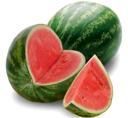
Watermelon is a tender, warm-season fruits. Watermelons can be grown in all parts of the country, but the warmer temperatures and longer growing season of southern areas especially favor this vegetable. Gardeners in northern areas should choose early varieties and use transplants. Mulching with black plastic film also promotes earliness by warming the soil beneath the plastic. Floating row covers moderate temperatures around the young plants, providing some frost protection in unseasonable cold spells.
Watermelon is a tender, warm-season fruits. Watermelons can be grown in all parts of the country, but the warmer temperatures and longer growing season of southern areas especially favor this vegetable. Gardeners in northern areas should choose early varieties and use transplants. Mulching with black plastic film also promotes earliness by warming the soil beneath the plastic. Floating row covers moderate temperatures around the young plants, providing some frost protection in unseasonable cold spells.
rich in lycopene, which neutralizes free radicals before they can cause damage, therefore staving off everything from wrinkles to heart attacks. studies indicate that lycopene could have twice the anti-carcinogenic punch of beta-carotene. they also contain a little iron, which is well absorbed by the body when accompanied by vitamin c and prevents anemia and fatigue.
about tomato
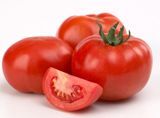
the tomato should have a firm flesh and a uniform colour with no blemishes, wrinkles or cracks. it should weigh heavy in the hand. light puffy tomatoes usually have a poor texture and taste.
history
originally from peru, the tomato was considered poisonous til the 18th century.
season
from january to december
best value
from november to february
unavailable
generally available
preparation tips and usage
the tomato should be rinsed and dried and can be halved, quartered or sliced. the skin should
rich in lycopene, which neutralizes free radicals before they can cause damage, therefore staving off everything from wrinkles to heart attacks. studies indicate that lycopene could have twice the anti-carcinogenic punch of beta-carotene. they also contain a little iron, which is well absorbed by the body when accompanied by vitamin c and prevents anemia and fatigue.
about tomato
the tomato should have a firm flesh and a uniform colour with no blemishes, wrinkles or cracks. it should weigh heavy in the hand. light puffy tomatoes usually have a poor texture and taste.
history
originally from peru, the tomato was considered poisonous til the 18th century.
season
from january to december
best value
from november to february
unavailable
generally available
preparation tips and usage
the tomato should be rinsed and dried and can be halved, quartered or sliced. the skin should
DESCRIPTION
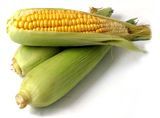
The husks of the sweet corn should be fresh and green in colour. The kernels should be well filled, tender, milky and pale yellow in colour.
DESCRIPTION
The husks of the sweet corn should be fresh and green in colour. The kernels should be well filled, tender, milky and pale yellow in colour.
Fact About Strawberries
The strawberry you eat is not really a fruit or a berry but is the enlarged receptacle of the flower.
Strawberries are grown in every state in the U.S. and every province in Canada. California produces 80% of the nation’s strawberries, providing almost a year-round supply. California strawberry growers and researchers, along with help from the most ideal growing conditions, work together to produce the highest quality strawberries you can buy.
Fact About Strawberries
The strawberry you eat is not really a fruit or a berry but is the enlarged receptacle of the flower.
Strawberries are grown in every state in the U.S. and every province in Canada. California produces 80% of the nation’s strawberries, providing almost a year-round supply. California strawberry growers and researchers, along with help from the most ideal growing conditions, work together to produce the highest quality strawberries you can buy.
Fact About Pumpkin
HISTORY
The cauliflower originally came from Cyprus. It is thought to have been used since the 6th century B.C. and grown in Turkey and Egypt since 400 B.C.
SEASON
From January To December
BEST VALUE
From February To March
UNAVAILABLE
Generally available
Fact About Pumpkin
HISTORY
The cauliflower originally came from Cyprus. It is thought to have been used since the 6th century B.C. and grown in Turkey and Egypt since 400 B.C.
SEASON
From January To December
BEST VALUE
From February To March
UNAVAILABLE
Generally available
the potato is firm, elongated or oval in shape. It is reddish, violet or gray in colour. It has a sweet, floury flesh. It should have no smell, cracks or blemishes.historyoriginating in south america, the potato was grown by the incas and the mayans.seasonfrom january to decemberbest valuethere is no specific best timeunavailablegenerally availablepreparation tips and usagethe potato should be brushed, cleaned and peeled thickly. It is also eaten cooked, as a vegetable, garnish or basis for dessert including scones, cakes or pies. It can be baked, pureed, cooked in its skin or in cream croquettes, in souffles, or gratins. It is often prepared like the potato and can be substituted for the pumpkin.storagethe potato should be kept washed and stored in a cool dark place with good ventilation.
the potato is firm, elongated or oval in shape. It is reddish, violet or gray in colour. It has a sweet, floury flesh. It should have no smell, cracks or blemishes.historyoriginating in south america, the potato was grown by the incas and the mayans.seasonfrom january to decemberbest valuethere is no specific best timeunavailablegenerally availablepreparation tips and usagethe potato should be brushed, cleaned and peeled thickly. It is also eaten cooked, as a vegetable, garnish or basis for dessert including scones, cakes or pies. It can be baked, pureed, cooked in its skin or in cream croquettes, in souffles, or gratins. It is often prepared like the potato and can be substituted for the pumpkin.storagethe potato should be kept washed and stored in a cool dark place with good ventilation.
About Pineapple
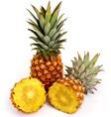
Pineapples, also called Ananas and Pina, are native to Paraguay and Brazil.
Some commercial use of pineapple is inhibited by the presence of bromolain, which is a powerful protolytic enzyme. In fact, I can eat only small amounts of fresh pineapple because the bromolain actually starts to digest my tongue, making it bleed.
About Pineapple
Pineapples, also called Ananas and Pina, are native to Paraguay and Brazil.
Some commercial use of pineapple is inhibited by the presence of bromolain, which is a powerful protolytic enzyme. In fact, I can eat only small amounts of fresh pineapple because the bromolain actually starts to digest my tongue, making it bleed.
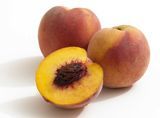
About Peach
Peaches are believed to be native to China. They are cultivated throughout warm temperate and subtropical regions of the world. In the peach fruit, the stone is covered with a fleshy substance that is juicy, melting, and of fine flavor when matured and mellowed.
About Peach
Peaches are believed to be native to China. They are cultivated throughout warm temperate and subtropical regions of the world. In the peach fruit, the stone is covered with a fleshy substance that is juicy, melting, and of fine flavor when matured and mellowed.
About Orange
More than any other fruit, the orange is associated with and valued for its vitamin C content. It is, in fact, the primary source of vitamin C for the majority of Americans. But oranges have more to offer nutritionally than just this one nutrient. A small orange (about five ounces) contains generous levels of folate (folic acid), potassium, and thiamin, as well as some calcium and magnesium. And compared to other citrus fruits, oranges have a broader range of uses: They can be added to various cooked or cold dishes, eaten as snacks, or squeezed for their delicious juice.Americans consume most of their oranges in the form of juice, which provides 140% of the current suggested daily intake of vitamin C. However, if you choose to eat a whole orange instead of drinking a glass of juice, you’ll get about the same amount of vitamin C with the added benefit of more than 3 grams of dietary fiber.
About Orange
More than any other fruit, the orange is associated with and valued for its vitamin C content. It is, in fact, the primary source of vitamin C for the majority of Americans. But oranges have more to offer nutritionally than just this one nutrient. A small orange (about five ounces) contains generous levels of folate (folic acid), potassium, and thiamin, as well as some calcium and magnesium. And compared to other citrus fruits, oranges have a broader range of uses: They can be added to various cooked or cold dishes, eaten as snacks, or squeezed for their delicious juice.Americans consume most of their oranges in the form of juice, which provides 140% of the current suggested daily intake of vitamin C. However, if you choose to eat a whole orange instead of drinking a glass of juice, you’ll get about the same amount of vitamin C with the added benefit of more than 3 grams of dietary fiber.
Fact About Onion
DESCRIPTION
The brown onion has white, fleshy leaves covered with layer of thin paperlike skin. It should be firm with a clear outer skin, no dark patches or signs of sprouting.
Fact About Onion
DESCRIPTION
The brown onion has white, fleshy leaves covered with layer of thin paperlike skin. It should be firm with a clear outer skin, no dark patches or signs of sprouting.
Type of Mushroom
WHITE MUSHROOM
White mushrooms, like all mushrooms, grow from microscopic spores, not seeds. Plants growing from spores are called fungi. A mature mushroom will drop as many as 16 billion spores. Spores must be collected in the nearly sterile environment of a laboratory and then used to inoculate grains or seeds to produce a product called spawn (the mushroom farmer’s equivalent of seed).Because mushrooms have no chlorophyll, they must get all their nutrients from organic matter in their growing medium.
Type of Mushroom
WHITE MUSHROOM
White mushrooms, like all mushrooms, grow from microscopic spores, not seeds. Plants growing from spores are called fungi. A mature mushroom will drop as many as 16 billion spores. Spores must be collected in the nearly sterile environment of a laboratory and then used to inoculate grains or seeds to produce a product called spawn (the mushroom farmer’s equivalent of seed).Because mushrooms have no chlorophyll, they must get all their nutrients from organic matter in their growing medium.
Mango Pulp
To make pulp the Indian Ratnagiri Alphonso and Paayri or Raspuri are the best varieties.
Method
Choose fully ripe, very healthy mangoes, and wash and clean fruit very well.
Place thumb over the base and hold mango firmly between thumb and finger from base to tip.
Now soften the fruit with the other hand by rotating the mango and applying pressure at the same time.
When fully softened, snip off base with hand.
Mango Pulp
To make pulp the Indian Ratnagiri Alphonso and Paayri or Raspuri are the best varieties.
Method
Choose fully ripe, very healthy mangoes, and wash and clean fruit very well.
Place thumb over the base and hold mango firmly between thumb and finger from base to tip.
Now soften the fruit with the other hand by rotating the mango and applying pressure at the same time.
When fully softened, snip off base with hand.
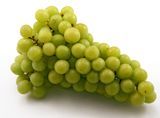
Fact About Grapes
There are several hundred widely different cultivars of grapes grown in the United States. The cultivars are grouped into four types: (1) European (Vitis vinifera), (2) American (Vitis labrusca and its derivatives), (3) Muscadine (Vitis rotundifolia) and (4) French hybrids, crosses of V. vinifera cultivars with disease-resistant wild American species.
Fact About Grapes
There are several hundred widely different cultivars of grapes grown in the United States. The cultivars are grouped into four types: (1) European (Vitis vinifera), (2) American (Vitis labrusca and its derivatives), (3) Muscadine (Vitis rotundifolia) and (4) French hybrids, crosses of V. vinifera cultivars with disease-resistant wild American species.
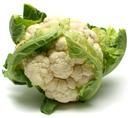
Fact About Cauliflower
DESCRIPTION
The head of the cauliflower is surrounded by crisp, bluish-green leaves. The head should be firm, compact and creamy white with florets pressed tightly together. There should be no bruises or spots on the head.
Fact About Cauliflower
DESCRIPTION
The head of the cauliflower is surrounded by crisp, bluish-green leaves. The head should be firm, compact and creamy white with florets pressed tightly together. There should be no bruises or spots on the head.
Benefits of Carrots
Carrots are excellent for the eyes.
Carrots contains large quantities of vitamin A, in the form of beta carotene.Juicing a carrot removes the indigestible fiber. Thus, the nutrients in it are available to the body in much larger quantities than if the carrot was eaten whole. This is because many of the nutrients are trapped in the fibre, and while fibre aids digestion, some part of the fibre is indigestible. Thus, you don’t get the benefits of the nutrients that are trapped in the indigestible fibre. Did you know that if you eat a carrot raw, you only get access to about 1% of the available beta carotene? But, when you or your child has a glass of carrot juice, you your system absorbs almost 100% or the beta carotene!
Benefits of Carrots
Carrots are excellent for the eyes.
Carrots contains large quantities of vitamin A, in the form of beta carotene.Juicing a carrot removes the indigestible fiber. Thus, the nutrients in it are available to the body in much larger quantities than if the carrot was eaten whole. This is because many of the nutrients are trapped in the fibre, and while fibre aids digestion, some part of the fibre is indigestible. Thus, you don’t get the benefits of the nutrients that are trapped in the indigestible fibre. Did you know that if you eat a carrot raw, you only get access to about 1% of the available beta carotene? But, when you or your child has a glass of carrot juice, you your system absorbs almost 100% or the beta carotene!
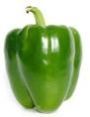
Fact About Capcicum
Some of the members of Capsicum are used as spices, vegetables, and medicines. The Capsicum plants have a variety of names depending on place and type. They are commonly called chili pepper, capsicum, red or green pepper, or sweet pepper in Britain, and typically just capsicum in Australia and Indian English. The large mild form is called bell pepper in the US. They are called paprika in some other countries.
Fact About Capcicum
Some of the members of Capsicum are used as spices, vegetables, and medicines. The Capsicum plants have a variety of names depending on place and type. They are commonly called chili pepper, capsicum, red or green pepper, or sweet pepper in Britain, and typically just capsicum in Australia and Indian English. The large mild form is called bell pepper in the US. They are called paprika in some other countries.
Benefits and Features of Beetroot
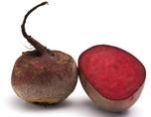
Beetroot provides a good source of anthocyanadins, a natural antioxidant that contributes to its deep red colour
Extract is a natural source of vitamins and minerals
Beetroot is used traditionally as a blood building food
Beetroot may aid the natural process of elimination and support detoxification processes
Beetroot has liver, spleen, gall bladder and kidney cleansing properties
Beetroot is particularly rich in Vitamin C, calcium, phosphorus and iron
Each capsule provides approximately 1-2mg of elemental iron
The iron contained in beetroot is organic and non-irritating and will not cause constipation
Beetroot is useful in acidosis due to it being rich in alkaline elements
Vacuum packed to enhance stability and shelf life
Suitable for vegetarians and vegans
Benefits and Features of Beetroot
Beetroot provides a good source of anthocyanadins, a natural antioxidant that contributes to its deep red colour
Extract is a natural source of vitamins and minerals
Beetroot is used traditionally as a blood building food
Beetroot may aid the natural process of elimination and support detoxification processes
Beetroot has liver, spleen, gall bladder and kidney cleansing properties
Beetroot is particularly rich in Vitamin C, calcium, phosphorus and iron
Each capsule provides approximately 1-2mg of elemental iron
The iron contained in beetroot is organic and non-irritating and will not cause constipation
Beetroot is useful in acidosis due to it being rich in alkaline elements
Vacuum packed to enhance stability and shelf life
Suitable for vegetarians and vegans
About Banana
DESCRIPTION : There are two main varieties of bananas, the fruit or sweet banana and the plantain. The fruit banana is eaten raw out of hand when it turns yellow and develops a succulent sweetness with a soft, smooth, creamy, yet firm pulp. The plantain, a cooking banana, is also referred to as the meal, vegetable or horse banana. Plantains have lower water content, making them drier and starchier than fruit bananas. Though the banana plant has the appearance of a sort of palm tree, and is often called a banana palm, it is actually considered a perennial herb. It dies back after each fruiting and produces new growth for the next generation of fruit. Bananas do not grow simply from seed. Man intervened long ago and crossed two varieties of African wild bananas, the Musa acuminata and the Musa baalbisiana, got rid of the many seeds that were an unpleasant presence, and improved the flavor and texture from hard and unappetizing to its present soft and irresistibly sweet flavor
About Banana
DESCRIPTION : There are two main varieties of bananas, the fruit or sweet banana and the plantain. The fruit banana is eaten raw out of hand when it turns yellow and develops a succulent sweetness with a soft, smooth, creamy, yet firm pulp. The plantain, a cooking banana, is also referred to as the meal, vegetable or horse banana. Plantains have lower water content, making them drier and starchier than fruit bananas. Though the banana plant has the appearance of a sort of palm tree, and is often called a banana palm, it is actually considered a perennial herb. It dies back after each fruiting and produces new growth for the next generation of fruit. Bananas do not grow simply from seed. Man intervened long ago and crossed two varieties of African wild bananas, the Musa acuminata and the Musa baalbisiana, got rid of the many seeds that were an unpleasant presence, and improved the flavor and texture from hard and unappetizing to its present soft and irresistibly sweet flavor
About Apple
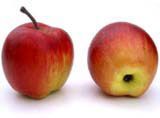
Apples come in all shades of reds, greens, yellows.
2500 varieties of apples are grown in the United States.
7500 varieties of apples are grown throughout the world.
States apples are eaten as fresh fruit. 39 percent of apples are processed into apple products; 21 percent of this is for juice and cider.
The top apple producing states are Washington, New York, Michigan, California, Pennsylvania and Virginia, which produced over 83 percent of the nation’s 2001-crop apple supply.
Apples are fat, sodium, and cholesterol free.
A medium apples is about 80 calories.
About Apple
Apples come in all shades of reds, greens, yellows.
2500 varieties of apples are grown in the United States.
7500 varieties of apples are grown throughout the world.
States apples are eaten as fresh fruit. 39 percent of apples are processed into apple products; 21 percent of this is for juice and cider.
The top apple producing states are Washington, New York, Michigan, California, Pennsylvania and Virginia, which produced over 83 percent of the nation’s 2001-crop apple supply.
Apples are fat, sodium, and cholesterol free.
A medium apples is about 80 calories.
FreshnFrozen from Nagpur, Maharashtra Established in 2010 is Retailer of Apple, Orange, Banana, Grapes, Strawberries, Mangoes, Pineapple, Watermelon, Pumpkin, Peach.








 Reviews & Ratings
 Write a Review


 Post Free Ad