A variable-frequency drive (VFD) (also termed adjustable-frequency drive, variable-speed drive, AC drive, micro drive or inverter drive) is a type of adjustable-speed drive used in electro-mechanical drive systems to control AC motor speed and torque by varying motor input frequency and voltage. VFDs are used in applications ranging from small appliances to the largest of mine mill drives and compressors.
A variable-frequency drive (VFD) (also termed adjustable-frequency drive, variable-speed drive, AC drive, micro drive or inverter drive) is a type of adjustable-speed drive used in electro-mechanical drive systems to control AC motor speed and torque by varying motor input frequency and voltage. VFDs are used in applications ranging from small appliances to the largest of mine mill drives and compressors.
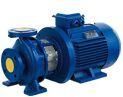
Horizontal, end suction, centrifugal, radially split volute casing pump in backpull-out design fitted with single stage radial impeller. Suitable for handling clear liquids in applications for water supply, irrigation, air-conditioning, fire fighting, auxiliary process in paper, cellulose, sugar, food and textile industries.
Horizontal, end suction, centrifugal, radially split volute casing pump in backpull-out design fitted with single stage radial impeller. Suitable for handling clear liquids in applications for water supply, irrigation, air-conditioning, fire fighting, auxiliary process in paper, cellulose, sugar, food and textile industries.
A wide variety of hot water generators in standard designs are available for various applications. Our hot water generators are dependable and stand out for their long life and trouble free operation. These units are Rugged with a long service life.
A wide variety of hot water generators in standard designs are available for various applications. Our hot water generators are dependable and stand out for their long life and trouble free operation. These units are Rugged with a long service life.
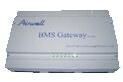
Building Management Systems are most commonly implemented in large projects with extensive mechanical,HVAC, electrical, and plumbing systems. Systems linked to a BMS typically represent 40% of a building's energy usage; if lighting is included, this number approaches 70%. BMS systems are a critical component to managing energy demand. Improperly configured BMS systems are believed to account for 20% of building energy usage
Building Management Systems are most commonly implemented in large projects with extensive mechanical,HVAC, electrical, and plumbing systems. Systems linked to a BMS typically represent 40% of a building's energy usage; if lighting is included, this number approaches 70%. BMS systems are a critical component to managing energy demand. Improperly configured BMS systems are believed to account for 20% of building energy usage


 Reviews & Ratings
 Write a Review


 Post Free Ad