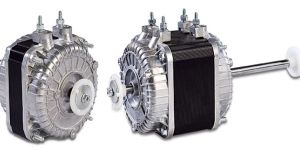
Q Motors are 4 pole Shaded Pole Motors.They have a very compact design and are available from 5 Watts to 34 Watts output. These Shaded Pole Motors are designed in a way such that an entire range of impellers i.e. 154mm to 300 mmwith different angles can be fitted to these Q motors of any wattage. Thus making the design of this Shaded Pole Motor very universal.
The sturdy structure along with the high torque and low noise level make Hicool Q Motors laudable. Hicool provides various accessories for the Q motor like Aluminium/Plastic Blades of different diameters, Brackets, Wall Rings, Basket Grill, Ventury Frame etc.
Applications of Q Motors :
A Q type Shaded Pole Motor has applications in:•Visi Coolers•Refrigerators•Deep Freezers•Chest Coolers•Display Units•Condensing Cooling
Q Motors are 4 pole Shaded Pole Motors.They have a very compact design and are available from 5 Watts to 34 Watts output. These Shaded Pole Motors are designed in a way such that an entire range of impellers i.e. 154mm to 300 mmwith different angles can be fitted to these Q motors of any wattage. Thus making the design of this Shaded Pole Motor very universal.
The sturdy structure along with the high torque and low noise level make Hicool Q Motors laudable. Hicool provides various accessories for the Q motor like Aluminium/Plastic Blades of different diameters, Brackets, Wall Rings, Basket Grill, Ventury Frame etc.
Applications of Q Motors :
A Q type Shaded Pole Motor has applications in:•Visi Coolers•Refrigerators•Deep Freezers•Chest Coolers•Display Units•Condensing Cooling
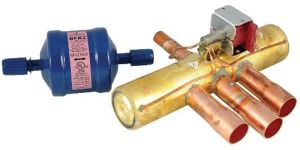
A reversing valve a type of valve and is a component in a heat pump, that changes the direction of refrigerant flow.By reversing the flow of refrigerant, the heat pump refrigeration cycle is changed from cooling to heating or vice versa. This allows a residence or facility to be heated and cooled by a single piece of equipment, by the same means, and with the same hardware
Operation :
The reversing valve has two states, relaxed and energized. The energized state is typically achieved by applying 24 volts AC, which is commonly used in HVAC. The heat pump can be designed by the manufacturer to produce cooling or heating with the reversing valve in the relaxed state. When the reversing valve is energized, it will produce the opposite conditioning. In other words, a reversing valve installed in such a way as to produce cooling when relaxed will produce heating when energized. Likewise, a reversing valve installed to produce heating when relaxed will produce cooling when energized.
Control
Depending on the construction and use of the heat pump, the reversing valve may be driven by the heat pump through the use of a defrost control board, or it may be driven directly by a thermostat (typically from the "O" terminal).
Replacement
Reversing valves are built into the heat pump by the manufacturer, and must be replaced by an HVAC technician if they fail.
A reversing valve a type of valve and is a component in a heat pump, that changes the direction of refrigerant flow.By reversing the flow of refrigerant, the heat pump refrigeration cycle is changed from cooling to heating or vice versa. This allows a residence or facility to be heated and cooled by a single piece of equipment, by the same means, and with the same hardware
Operation :
The reversing valve has two states, relaxed and energized. The energized state is typically achieved by applying 24 volts AC, which is commonly used in HVAC. The heat pump can be designed by the manufacturer to produce cooling or heating with the reversing valve in the relaxed state. When the reversing valve is energized, it will produce the opposite conditioning. In other words, a reversing valve installed in such a way as to produce cooling when relaxed will produce heating when energized. Likewise, a reversing valve installed to produce heating when relaxed will produce cooling when energized.
Control
Depending on the construction and use of the heat pump, the reversing valve may be driven by the heat pump through the use of a defrost control board, or it may be driven directly by a thermostat (typically from the "O" terminal).
Replacement
Reversing valves are built into the heat pump by the manufacturer, and must be replaced by an HVAC technician if they fail.
Refrigeration systems incorporate many components found individually in various mechanical systems into a single system. All systems incorporate some type of compressor with moving parts requiring lubrication. The demands on lubricants in this type of environment are fairly severe with constant change from the high heat load in the compressor and evaporator to rapid cooling in the condenser. Specialized refrigeration lubricants must be sourced that meet the needs of modern refrigerants with most applications requiring a synthetic refrigeration lubricant.
Refrigeration units are closed loop systems with the oil introduced in the compressor being mixed with the refrigerant. The piping system is designed to return the lubricant and refrigerant back to the compressor. For this to be achieved efficiently, the lubricant selected must have a high miscibility with the refrigerant. This interaction between the lubricant and refrigerant can impact the film forming characteristics of the lubricant on surfaces used for heat transfer. This can affect the overall efficiency of the system as well as reduce lubricant available for friction bearing surfaces in the compressor where it is most needed.
With the shift from chlorofluorocarbon (CFC) refrigerants to hydrofluorocarbon (HFC) refrigerants, mineral oil based lubricants are no longer acceptable. Modern synthetic blends are formulated from bases of polyalkylene glycol (PAG), polyol ester (POE), and alkyl benzene (AB). Systems that use ammonia as a refrigerant are typically compatible with PAG type lubricants where HFC refrigerants of various types use a variety of lubricants.
PAG and POE type oils tend to collect water and break down with incorporated moisture. These oils will contain additives such as hydrolysis stabilizers and antioxidants that help to reduce problems from incorporated moisture. These lubricants will also contain additives that prevent foaming as the solution moves through the system with the refrigerant experiencing gas to liquid phase changes along the way.
Finding the balance for providing proper lubrication, maintaining fluid seals in the compressor chamber, providing cooling to compressor components and for not interfering with the overall efficiency of the refrigerant is a complex task for a formulator of refrigeration lubricants. Maintaining refrigeration systems for optimal functionality requires high quality lubricants. The effective application of chemistry, testing and experience, has provided solutions to all of these challenges which are available in the wide range of refrigeration lubricants offered.
Refrigeration systems incorporate many components found individually in various mechanical systems into a single system. All systems incorporate some type of compressor with moving parts requiring lubrication. The demands on lubricants in this type of environment are fairly severe with constant change from the high heat load in the compressor and evaporator to rapid cooling in the condenser. Specialized refrigeration lubricants must be sourced that meet the needs of modern refrigerants with most applications requiring a synthetic refrigeration lubricant.
Refrigeration units are closed loop systems with the oil introduced in the compressor being mixed with the refrigerant. The piping system is designed to return the lubricant and refrigerant back to the compressor. For this to be achieved efficiently, the lubricant selected must have a high miscibility with the refrigerant. This interaction between the lubricant and refrigerant can impact the film forming characteristics of the lubricant on surfaces used for heat transfer. This can affect the overall efficiency of the system as well as reduce lubricant available for friction bearing surfaces in the compressor where it is most needed.
With the shift from chlorofluorocarbon (CFC) refrigerants to hydrofluorocarbon (HFC) refrigerants, mineral oil based lubricants are no longer acceptable. Modern synthetic blends are formulated from bases of polyalkylene glycol (PAG), polyol ester (POE), and alkyl benzene (AB). Systems that use ammonia as a refrigerant are typically compatible with PAG type lubricants where HFC refrigerants of various types use a variety of lubricants.
PAG and POE type oils tend to collect water and break down with incorporated moisture. These oils will contain additives such as hydrolysis stabilizers and antioxidants that help to reduce problems from incorporated moisture. These lubricants will also contain additives that prevent foaming as the solution moves through the system with the refrigerant experiencing gas to liquid phase changes along the way.
Finding the balance for providing proper lubrication, maintaining fluid seals in the compressor chamber, providing cooling to compressor components and for not interfering with the overall efficiency of the refrigerant is a complex task for a formulator of refrigeration lubricants. Maintaining refrigeration systems for optimal functionality requires high quality lubricants. The effective application of chemistry, testing and experience, has provided solutions to all of these challenges which are available in the wide range of refrigeration lubricants offered.
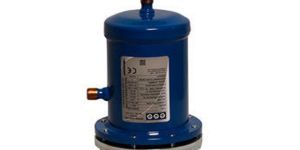
Accumulator mainly in fixed orifice or capillary systems as there's no metering of liquid by demand (unlike TX valve systems that feed by demand), so the accumulator prevents liquid over flooding to the compressor. Also sometimes fitted on TXV low temp applications like freezers, to prevent floodback of liquid to the compressor.
Oil separators used when system design could cause poor oil return, eg compressor above the evap, or uneven oil return in the case of multiple compressors. Cheap insurance and costs less than heaps of pipework modifications
Receiver necessary for TX valve systems, all that refrigerant not being used because the TXV is closing due to low load, has to go somewhere.
oil separator required in the following applicationsa) flooded chiller b) use of non-miscible refrigerant like ammonia applicationc) all applications below evaporator temp (-20) deg C d) air-conditining systems where MOP valve is not used ; since non-MOP valves open fully during start up due to warm suction line & time required for the TEX valve to come to equilibrium .
Accumulator mainly in fixed orifice or capillary systems as there's no metering of liquid by demand (unlike TX valve systems that feed by demand), so the accumulator prevents liquid over flooding to the compressor. Also sometimes fitted on TXV low temp applications like freezers, to prevent floodback of liquid to the compressor.
Oil separators used when system design could cause poor oil return, eg compressor above the evap, or uneven oil return in the case of multiple compressors. Cheap insurance and costs less than heaps of pipework modifications
Receiver necessary for TX valve systems, all that refrigerant not being used because the TXV is closing due to low load, has to go somewhere.
oil separator required in the following applicationsa) flooded chiller b) use of non-miscible refrigerant like ammonia applicationc) all applications below evaporator temp (-20) deg C d) air-conditining systems where MOP valve is not used ; since non-MOP valves open fully during start up due to warm suction line & time required for the TEX valve to come to equilibrium .
15 micron :
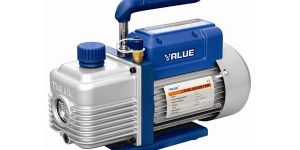
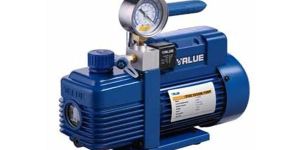
• High accuracy Vacuum gauge shows system pressure• Innovative solenoid valve design 100% preventing oil-returning, especially suitable for R410A new Refrigerant.•Intergrated pump body structure, 15 micron of ultimate vacuum.•Big sight glass, low oil level and forced-feed oil design to avoid running without oil and ensure reliable use.
Single Stage
15 micron :
• High accuracy Vacuum gauge shows system pressure• Innovative solenoid valve design 100% preventing oil-returning, especially suitable for R410A new Refrigerant.•Intergrated pump body structure, 15 micron of ultimate vacuum.•Big sight glass, low oil level and forced-feed oil design to avoid running without oil and ensure reliable use.
Single Stage
High temperature Applications :
1585 Btu/hr to 60,000 Btu/hr @ 7.2 °C evaporating temperature and 54.4 condensing temperature
Refrigerant:
R22, R134A
Medium temperature Applications :
860 Btu/hr to 17,200 Btu/hr @ -6.7 °C evaporating temperature and 54.4 condensing temperature
Refrigerant:
R22, R134A, R404A
Low temperature Applications :
600 Btu/hr to 12,500 Btu/hr @ -23.3 °C evaporating temperature and 54.4 condensing temperature
Refrigerant:
R404A , R134A
High temperature Applications :
1585 Btu/hr to 60,000 Btu/hr @ 7.2 °C evaporating temperature and 54.4 condensing temperature
Refrigerant:
R22, R134A
Medium temperature Applications :
860 Btu/hr to 17,200 Btu/hr @ -6.7 °C evaporating temperature and 54.4 condensing temperature
Refrigerant:
R22, R134A, R404A
Low temperature Applications :
600 Btu/hr to 12,500 Btu/hr @ -23.3 °C evaporating temperature and 54.4 condensing temperature
Refrigerant:
R404A , R134A
Pressure Range: Vacuum to 800 Psi Temperature Range: -55 To +125 Oc
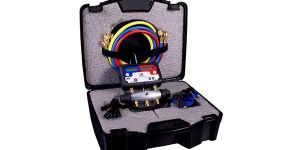
• Capable of providing 1. Super heat and sub cooling.2. Vacuum Measurement.3. Pipe leokdetection.4. Routine Measurements.• Compatible with 35 Refrigerants including R-410A, R-134a, R-L2, R-22, R-502.• Can read different units of pressure like PSl, BAR, MPa and Kpa.• Can work with systems having temperature range from -55"Cto +125"C.• Easily switch over from "Cto "F.• Switches off automatically when pressure is overloaded from range of42 Bar gauge pressure.• Large screen, multi-angle, big-font LCD and backlight design make clear display and convenient in reading. lt can also be used in weak light.• High precision pressure sensor and Digital temperature sensor greatly improve the accuracy and precision.• Micro power electronic component design greatly enhances the life of battery.• Soft and comfortable design, comfortable handle and high shock resistance. The valve body is made of high quality aluminum alloy.• PACKED IN HIGH DENSITY STRONG BOX• EACH BOX CONTAINS.1. Monifold HS-3502. Pinch of pliers3. et of 3 hoses x 36"4. wo Quick Couplers• Connection Ll4" SAE
Pressure Range: Vacuum to 800 Psi Temperature Range: -55 To +125 Oc
• Capable of providing 1. Super heat and sub cooling.2. Vacuum Measurement.3. Pipe leokdetection.4. Routine Measurements.• Compatible with 35 Refrigerants including R-410A, R-134a, R-L2, R-22, R-502.• Can read different units of pressure like PSl, BAR, MPa and Kpa.• Can work with systems having temperature range from -55"Cto +125"C.• Easily switch over from "Cto "F.• Switches off automatically when pressure is overloaded from range of42 Bar gauge pressure.• Large screen, multi-angle, big-font LCD and backlight design make clear display and convenient in reading. lt can also be used in weak light.• High precision pressure sensor and Digital temperature sensor greatly improve the accuracy and precision.• Micro power electronic component design greatly enhances the life of battery.• Soft and comfortable design, comfortable handle and high shock resistance. The valve body is made of high quality aluminum alloy.• PACKED IN HIGH DENSITY STRONG BOX• EACH BOX CONTAINS.1. Monifold HS-3502. Pinch of pliers3. et of 3 hoses x 36"4. wo Quick Couplers• Connection Ll4" SAE
A filter dryer is a piece of process equipment used during the filtration and drying phase of a pharmaceutical, bio pharmaceutical or chemical process for an active pharmaceutical ingredient (API) or other compounds production. Filter Dryers are designed for washing and isolating solids with or without integrated containment systems.
Several actions have to be undertaken as part of the filtration and drying process including:
• slurry charging• pressurized and / or vacuum filtration• controlled heating and cooling• cake smoothing and drying• contained discharging and sampling• vapor trap column, to trap solids particles ( fines ) carrying over with vapors
An agitated nutsche filter dryer (ANFD) is one class of such filter dryers that has been specifically designed so all these operations can take place within one vessel
The ANFD class of filter dryer consists of a main insulated jacketed vessel and filtration base which can be lowered for inspection and replacement of the filter media. The vessel base is secured to the main vessel body via manually operated c-clamps or an automated bayonet locking system. The vessel is sealed with an O-ring sealing system utilizing FDA approved materials such as perfluoroelastomer.
The charging of slurry, solvent or water is carried out via nozzles mounted in the head of the vessel and the filtration process is performed under pressure using nitrogen purge and vacuum from beneath the filter base.
A filter dryer is a piece of process equipment used during the filtration and drying phase of a pharmaceutical, bio pharmaceutical or chemical process for an active pharmaceutical ingredient (API) or other compounds production. Filter Dryers are designed for washing and isolating solids with or without integrated containment systems.
Several actions have to be undertaken as part of the filtration and drying process including:
• slurry charging• pressurized and / or vacuum filtration• controlled heating and cooling• cake smoothing and drying• contained discharging and sampling• vapor trap column, to trap solids particles ( fines ) carrying over with vapors
An agitated nutsche filter dryer (ANFD) is one class of such filter dryers that has been specifically designed so all these operations can take place within one vessel
The ANFD class of filter dryer consists of a main insulated jacketed vessel and filtration base which can be lowered for inspection and replacement of the filter media. The vessel base is secured to the main vessel body via manually operated c-clamps or an automated bayonet locking system. The vessel is sealed with an O-ring sealing system utilizing FDA approved materials such as perfluoroelastomer.
The charging of slurry, solvent or water is carried out via nozzles mounted in the head of the vessel and the filtration process is performed under pressure using nitrogen purge and vacuum from beneath the filter base.
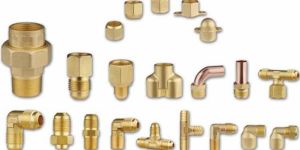
We provide our customers with the finest and well finished Copper pipes. We used the latest technology and machinery to manufacture these fittings which are fabricated from the best quality copper, that make them highly durable. Our ranges of pipe fittings are resistant to water and rust. These are available in various sizes, lengths and diameters, these Fittings are also customized as per the specifications laid down by our clients.
Highlights:
• Fabricated from the best quality copper • Our pipe fittings are resistant to water and rust
We provide our customers with the finest and well finished Copper pipes. We used the latest technology and machinery to manufacture these fittings which are fabricated from the best quality copper, that make them highly durable. Our ranges of pipe fittings are resistant to water and rust. These are available in various sizes, lengths and diameters, these Fittings are also customized as per the specifications laid down by our clients.
Highlights:
• Fabricated from the best quality copper • Our pipe fittings are resistant to water and rust
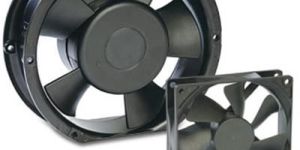
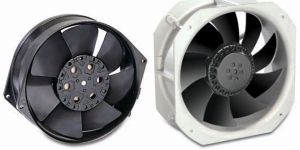
Hicool manufactures these AC Cooling Fans in varying voltages of24VAC, 115VAC, 230VAC& 415VAC. These cooling fans are available in frequencies of 50 Hz and 60Hz. Hicool’s AC Fans are available in both plastic blade as well as metal blade. The sizes of AC Axial Fans vary from 80 mm to 280 mm. Plastic blade AC fans are generally of sizes 80mm to 220mm. All AC Fan models are available in both ball bearing as well as sleeve bearing. These AC Axial Fans are available in both low speed as well as high speed depending upon the application.
The inimitably designed aluminium die casted venturi along with the plastic impeller compliments these shaded pole motor fans in a way that ensures maximumairflows at high static pressures. With other advantages such as low power consumption, low noise and a vast life span, Hicool’s Compact Fans are widely used. Hicool’s Compact AC fans are endowed with excellent safety features meeting UL, CE, RoHS, CSA, IEC standards.
Applications of an AC Fan :
Overheating in computers, electronic components and other machines today is a common occurrence. Overheating leads to malfunctioning of the device and a shorter lifespan. AC fans are used to maintain a desired temperature level in such applications in order to ensure their smooth functioning. Compact Fans AC are generally used in applications like.
•Server Racks•Network and Telecom•Industrial Equipment•Opto Electronics•Medical Equipment•Power Supplies•Control Panels•Refrigeration equipment
Hicool manufactures these AC Cooling Fans in varying voltages of24VAC, 115VAC, 230VAC& 415VAC. These cooling fans are available in frequencies of 50 Hz and 60Hz. Hicool’s AC Fans are available in both plastic blade as well as metal blade. The sizes of AC Axial Fans vary from 80 mm to 280 mm. Plastic blade AC fans are generally of sizes 80mm to 220mm. All AC Fan models are available in both ball bearing as well as sleeve bearing. These AC Axial Fans are available in both low speed as well as high speed depending upon the application.
The inimitably designed aluminium die casted venturi along with the plastic impeller compliments these shaded pole motor fans in a way that ensures maximumairflows at high static pressures. With other advantages such as low power consumption, low noise and a vast life span, Hicool’s Compact Fans are widely used. Hicool’s Compact AC fans are endowed with excellent safety features meeting UL, CE, RoHS, CSA, IEC standards.
Applications of an AC Fan :
Overheating in computers, electronic components and other machines today is a common occurrence. Overheating leads to malfunctioning of the device and a shorter lifespan. AC fans are used to maintain a desired temperature level in such applications in order to ensure their smooth functioning. Compact Fans AC are generally used in applications like.
•Server Racks•Network and Telecom•Industrial Equipment•Opto Electronics•Medical Equipment•Power Supplies•Control Panels•Refrigeration equipment
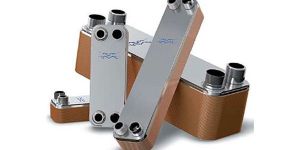
Brazed plate heat exchangers are widely used in refrigeration plants. They are normally used to transfer heat from the refrigerant – the primary fluid – and from water or brine as the secondary fluid.
Units in the Alfa Laval series of copper-brazed heat exchangers are mainly used as:
• Evaporators for dry expansion and cooling water• Condensers for rejecting or recovering heat to water• De-superheaters for partial heat recovery to water• Economizers for cooling liquid refrigerant and super-heating vapour refrigerant.• Sub-coolers to cool liquid refrigerants using well water
Brazed plate heat exchangers are widely used in refrigeration plants. They are normally used to transfer heat from the refrigerant – the primary fluid – and from water or brine as the secondary fluid.
Units in the Alfa Laval series of copper-brazed heat exchangers are mainly used as:
• Evaporators for dry expansion and cooling water• Condensers for rejecting or recovering heat to water• De-superheaters for partial heat recovery to water• Economizers for cooling liquid refrigerant and super-heating vapour refrigerant.• Sub-coolers to cool liquid refrigerants using well water
Large Axial Fans (all metal) also known as External Rotor Motor Fans are extensively used in Ventilation, Clean Room Technology, Refrigeration, Heat Exchangers, Welding Equipment, Condensing Units, Cold Rooms etc. These external rotor motor fans use minimal space and are hence used in conditions with space restrictions. Hicool Large Axial Fans are marked with exceptional performance under harsh temperature and pressure conditions. Having a working range of -40 degree centigrade to + 60 degree centigrade these fans operate in extensive temperature ranges. These motors are energy effecient and the impellers designed keeping in mind an aerofoil, to reduce noise. These advantages make Hicool Large Axial Fans eminent.
Large Axial Fans (all metal) also known as External Rotor Motor Fans are extensively used in Ventilation, Clean Room Technology, Refrigeration, Heat Exchangers, Welding Equipment, Condensing Units, Cold Rooms etc. These external rotor motor fans use minimal space and are hence used in conditions with space restrictions. Hicool Large Axial Fans are marked with exceptional performance under harsh temperature and pressure conditions. Having a working range of -40 degree centigrade to + 60 degree centigrade these fans operate in extensive temperature ranges. These motors are energy effecient and the impellers designed keeping in mind an aerofoil, to reduce noise. These advantages make Hicool Large Axial Fans eminent.
Secondary Business TypeManufacturer / Exporters / Wholesale Suppliers
Opening Hours
SUN : Closed
MON : 9:30 AM - 6:30 PM
TUE : 9:30 AM - 6:30 PM
WED : 9:30 AM - 6:30 PM
THU : 9:30 AM - 6:30 PM
FRI : 9:30 AM - 6:30 PM
SAT : 9:30 AM - 6:30 PM
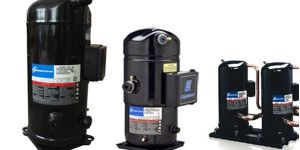
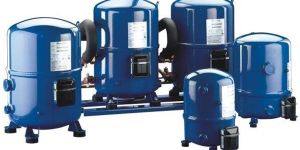
Kirti Engineering had been established in Ahmadabad in 1972.We are master of our fields as such we have huge experience of this particular field. Our Organization is on success path due the great guidance and leadership of our owner Mr.Kanubhai Patel and Mr. Mitulbhai Patel. We are one of the leaders as far as dealership of refrigeration control & Industrial switches are concern. We are also dealing in thermostatic expansion valves. At the same time we are dealing in refrigerant gas as well as hermetically sealed compressors for refrigerator, Air-condition, Water cooler, Vertical type medical freezer, Chilling plants. We are also dealing with complete units of window & split air condition water coller, wisi coller and medical services. We also provide all types of pressure & temperature gauges and digital thermometers. We are also providing copper pipe, copper capillary, copper fittings & compressor brass fittings.



 Reviews & Ratings
 Write a Review


 Post Free Ad