Imli Dealers in Faridabad

(5 products available)
  • Organic Tamarind Powder

    Organic Tamarind Powder

    Get Price Quote

    • MOQ500 Kilogram
    • Cultivation TypeOrganic
    • FormPowder
    • ApplicationCooking
    • FeatureHygienically Packed, No Artificial Flavour
    • Shelf Life1 Year
    • Country of OriginIndia
    ...more
    www
  • Tamarind

    Tamarind

    Get Price Quote

    The ripe fruit of tamarind tree is used as a condiment. It is a moderate size to large, evergreen tree, up to 24 mtr in high and 7 mtr in girth. Bark is brown or dark gray, longitudinally and horizontally fissured. Leaves are paripinnate up to 15 cm long, leaflets are 10-20 pairs, oblong, 8-30 mm.
    ...more
  • Tamarind Pods

    Tamarind Pods

    Get Price Quote

    • MOQ10 Kilogram
    • Country of OriginIndia
    • CertificationFSSAI Certified
    • Cultivation TypeNatural
    • Shelf Life1 Year
    • Packaging TypePlastic Pouch, Plastic Packet, Plastic Box, Paper Box
    • Packaging Size50gm, 100gm, 200gm, 250gm
    • SpecialitiesRich In Taste, Non Harmful, No Artificial Color Added, Long Shelf Life, Good Quality
    ...more
  • Tamarind

    Tamarind

    Get Price Quote

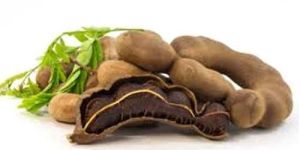
    The ripe fruit of tamarind tree is used as a condiment. It is a moderate size to large, evergreen tree, up to 24 mtr in high and 7 mtr in girth. Bark is brown or dark gray, longitudinally and horizontally fissured. Leaves are paripinnate up to 15 cm long, leaflets are 10-20 pairs, oblong, 8-30 mm. Flowers are small, yellowish with pink stripes, pods are 7.5-20 cm long, 2.5 cm broad, 1 cm thick, more or less constricted between seeds, slightly curved, brownish coloured. Seeds are 3-12 oblong compressed, 1.5 cm, dark brown shining. Endocarp is light brownish, sweetish or acidic, edible pulp, traversed by branched ligneous strands. The outer cover of the pod is fragile and easily separable. Origin and DistributionTamarind is originated in Madagascar and is now extensively cultivated in India, Myanmar, Bangladesh, Malaysia, Sri Lanka, Thailand, several African, Central American and South American countries. In India, it is chiefly grown in Madhya Pradesh, Andhra Pradesh, Tamil Nadu and Karnataka. The tree is not exacting as regards to soil but thrives best in deep alluvium. The tree prefers warm climate but sensitive to frost. Tamarind is suited to semi-tropical region with low rainfall. It can come up even in saline, alkaline and gravelly soils, and soils prone to erosion. UsesTamarind pulp is used in numerous culinary preparations. It is also a raw material for the preparation of wine like beverages. The tamarind kernel powder is found to be extensively used for its sizing properties, in textile, confectionary, cosmetics and pharmaceutical industries. The testa is used in dyeing and tanning industry. The tender leaves and flowers are used as vegetables. In medicine, it is used as appetizing, laxative, healing and anti-helmintic. It is also used against fluorosis.
    ...more
  • Tamarind

    Tamarind

    Get Price Quote

    The ripe fruit of tamarind tree is used as a condiment. It is a moderate size to large, evergreen tree, up to 24 mtr in high and 7 mtr in girth. Bark is brown or dark gray, longitudinally and horizontally fissured. Leaves are paripinnate up to 15 cm long, leaflets are 10-20 pairs, oblong, 8-30 mm. Flowers are small, yellowish with pink stripes, pods are 7.5-20 cm long, 2.5 cm broad, 1 cm thick, more or less constricted between seeds, slightly curved, brownish coloured. Seeds are 3-12 oblong compressed, 1.5 cm, dark brown shining. Endocarp is light brownish, sweetish or acidic, edible pulp, traversed by branched ligneous strands. The outer cover of the pod is fragile and easily separable. Origin and DistributionTamarind is originated in Madagascar and is now extensively cultivated in India, Myanmar, Bangladesh, Malaysia, Sri Lanka, Thailand, several African, Central American and South American countries. In India, it is chiefly grown in Madhya Pradesh, Andhra Pradesh, Tamil Nadu and Karnataka. The tree is not exacting as regards to soil but thrives best in deep alluvium. The tree prefers warm climate but sensitive to frost. Tamarind is suited to semi-tropical region with low rainfall. It can come up even in saline, alkaline and gravelly soils, and soils prone to erosion. UsesTamarind pulp is used in numerous culinary preparations. It is also a raw material for the preparation of wine like beverages. The tamarind kernel powder is found to be extensively used for its sizing properties, in textile, confectionary, cosmetics and pharmaceutical industries. The testa is used in dyeing and tanning industry. The tender leaves and flowers are used as vegetables. In medicine, it is used as appetizing, laxative, healing and anti-helmintic. It is also used against fluorosis.
    ...more
top