Leelavati Automation Pvt Ltd Chembur, Mumbai, Maharashtra

GST Number : 27AABCL9949B1ZC
Contact Supplier Request A Quote
  • Wireless Home Security

    Wireless Home Security

    2,499 - 66,000 / pcs

    • Number Of FlowerHome Security, ref descptn,ref desptn
    • MaterialPlastic, PVC, ref description,ref desptn
    • CertificationCE Certified
    • ApplicationDecoration, Home Security, ref desptn
    • Packaging Typeref desptn
    • FeatureDurable, Easy To Install, Eco Friendly, Heat Resistant, High Accuracy, High Volume, Waterproof, Wireless, ref desptn
    • DesignModern, ref descp
    • Country of Origin110V, 220V, 380V, ref desptn
    • Total Carbohydrateref desptn
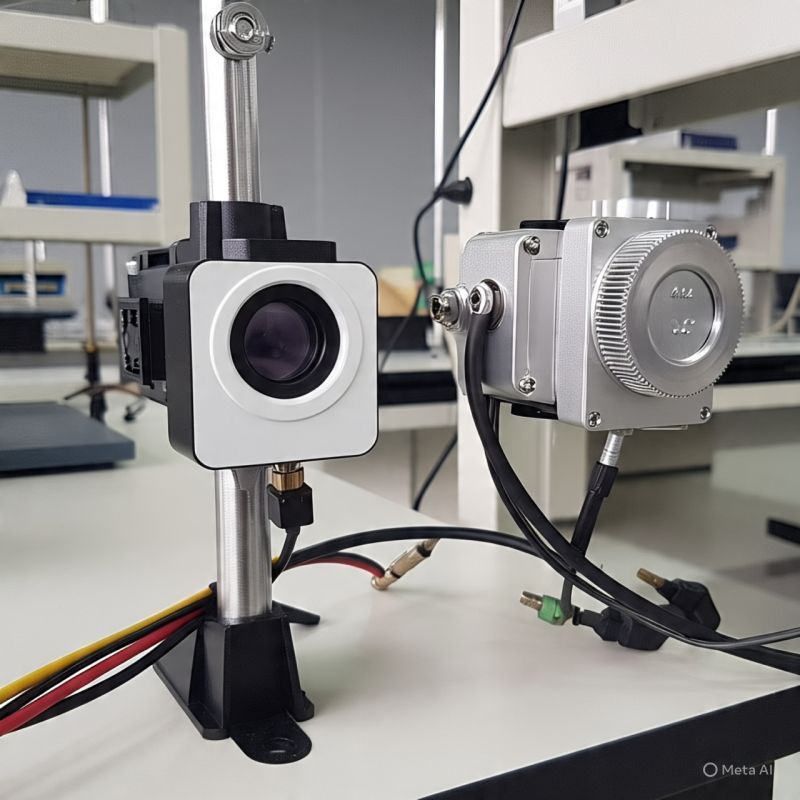
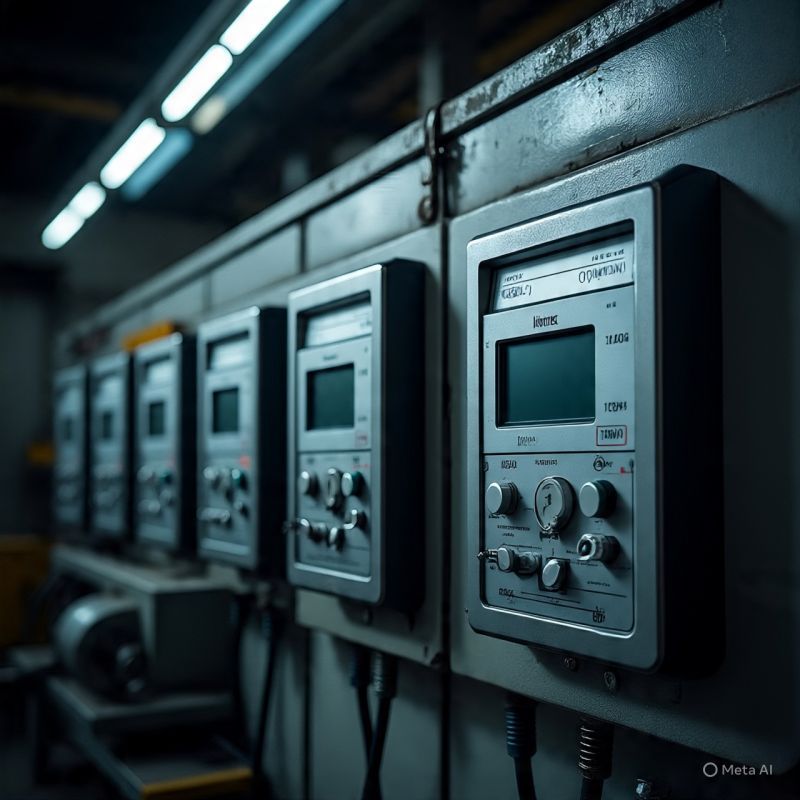
    • We provide you to its world of wireless home security Wireless security systems combine convenience with robust monitoring and control, making them ideal for both new installations and upgrades. Their flexibility, scalability, and integration with modern IoT platforms offer a future-proof approach to safety and security. leelavati automation  Wireless Security Systems use wireless communication technologies (Wi-Fi, Zigbee, LoRa, Bluetooth, cellular) to connect security devices such as sensors, cameras, alarms, and control panels without the need for physical wiring. These systems offer flexible installation, scalability, and remote monitoring capabilities. Wireless Security Systems Wireless Sensors: Motion detectors, door/window contacts, glass break sensors, smoke detectors   Cameras: IP cameras with Wi-Fi or cellular connectivity, supporting HD video and night vision leelavati automation  Control Panel/Hub: Central unit managing devices, often with mobile app integration   Alarms & Sirens: Audible/visual alerts triggered wirelessly   Communication Modules: Wi-Fi, Zigbee, Z-Wave, LoRa, GSM/LTE for remote alerts and control   Mobile App/Web Portal: Real-time monitoring, notifications, and system control from anywhere Factory perimeter and zone intrusion detection   Remote site monitoring where wiring is impractical   Warehouse asset protection with motion and vibration sensors   Office security with multi-zone sensors and CCTV   Access control combined with wireless badge readers and alarmsEasy and fast installation without costly wiring   Scalable and flexible — add/remove devices as needed   Remote monitoring and control via smartphones or PCs   Lower maintenance with battery-powered sensors and low-power protocols   Integration with smart home/IoT systems for automation leelavati automation  Cost-effective for retrofit projects i-FiHigh bandwidth, easy setupVideo streaming, smart home ZigbeeLow power, mesh networkSensors, alarms, home automation Z-WaveSecure mesh, interoperabilityHome security systems LoRaWANLong range, low powerLarge industrial or campus sites CellularWide area, reliable remote accessRemote site security BluetoothShort-range, device pairingPersonal security devices asic wireless door/window sensor  Wireless motion detector  Wi-Fi IP security camera  Wireless siren/alarm  Full wireless security kit (multi-sensor + hub + app)  Security & Reliability Considerations Encryption protocols (AES 128/256) to prevent hacking   Battery life monitoring for sensors to avoid downtime   Signal interference mitigation using mesh or multi-band systems   Tamper detection on devices and communication channels   Redundancy options like cellular backup for internet outages   leelavati automation 
    ...more
  • Wireless Home Security

    Wireless Home Security

    2,499 - 66,000 / pcs

    We provide you to its world of wireless home security Wireless security systems combine convenience with robust monitoring and control, making them ideal for both new installations and upgrades. Their flexibility, scalability, and integration with modern IoT platforms offer a future-proof approach to safety and security. leelavati automation  Wireless Security Systems use wireless communication technologies (Wi-Fi, Zigbee, LoRa, Bluetooth, cellular) to connect security devices such as sensors, cameras, alarms, and control panels without the need for physical wiring. These systems offer flexible installation, scalability, and remote monitoring capabilities. Wireless Security Systems Wireless Sensors: Motion detectors, door/window contacts, glass break sensors, smoke detectors   Cameras: IP cameras with Wi-Fi or cellular connectivity, supporting HD video and night vision leelavati automation  Control Panel/Hub: Central unit managing devices, often with mobile app integration   Alarms & Sirens: Audible/visual alerts triggered wirelessly   Communication Modules: Wi-Fi, Zigbee, Z-Wave, LoRa, GSM/LTE for remote alerts and control   Mobile App/Web Portal: Real-time monitoring, notifications, and system control from anywhere Factory perimeter and zone intrusion detection   Remote site monitoring where wiring is impractical   Warehouse asset protection with motion and vibration sensors   Office security with multi-zone sensors and CCTV   Access control combined with wireless badge readers and alarmsEasy and fast installation without costly wiring   Scalable and flexible — add/remove devices as needed   Remote monitoring and control via smartphones or PCs   Lower maintenance with battery-powered sensors and low-power protocols   Integration with smart home/IoT systems for automation leelavati automation  Cost-effective for retrofit projects i-FiHigh bandwidth, easy setupVideo streaming, smart home ZigbeeLow power, mesh networkSensors, alarms, home automation Z-WaveSecure mesh, interoperabilityHome security systems LoRaWANLong range, low powerLarge industrial or campus sites CellularWide area, reliable remote accessRemote site security BluetoothShort-range, device pairingPersonal security devices asic wireless door/window sensor  Wireless motion detector  Wi-Fi IP security camera  Wireless siren/alarm  Full wireless security kit (multi-sensor + hub + app)  Security & Reliability Considerations Encryption protocols (AES 128/256) to prevent hacking   Battery life monitoring for sensors to avoid downtime   Signal interference mitigation using mesh or multi-band systems   Tamper detection on devices and communication channels   Redundancy options like cellular backup for internet outages   leelavati automation 

    Number Of Flower : Home Security, ref descptn,ref desptn

    Material : Plastic, PVC, ref description,ref desptn

    Certification : CE Certified

    Application : Decoration, Home Security, ref desptn

    Packaging Type : ref desptn

    Feature : Durable, Easy To Install, Eco Friendly, Heat Resistant, High Accuracy, High Volume, Waterproof, Wireless, ref desptn

    Design : Modern, ref descp

    Country of Origin : 110V, 220V, 380V, ref desptn

    Total Carbohydrate : ref desptn

    ...more
    Get Best Price
  • Vehicle Loop Detector

    Vehicle Loop Detector

    3,150 - 19,499 / Piece

    • Total Carbohydrate1year
    • Country of Origin220V
    • MaterialStainless Steel
    • ApplicationIndustrial
    • Frequency50 Hz
    • PhaseSingle Phase
    • Automation GradeAutomatic
    • Vehicle Loop Detector in Industrial Automation A Vehicle Loop Detector is a vital sensor device used extensively in traffic management, parking systems, toll booths, and automated gate controls. It detects the presence or passage of vehicles by sensing changes in the magnetic field caused by a large metal object (a vehicle) passing over or stopping within a loop of wire embedded in the road surface. Principle of Operation Vehicle loop detectors operate based on the principle of electromagnetic induction. A loop of insulated wire is installed in a cut-out slot in the pavement or concrete. This wire is connected to the loop detector controller, which continuously sends an alternating current signal through the loop. When a vehicle, containing significant amounts of ferrous metal, enters or rests inside the loop area, it changes the inductance of the loop circuit. This change is detected by the loop detector’s electronic circuitry, which processes the signal and determines the presence or absence of a vehicle. The detector then outputs a digital signal (usually relay contact or logic output) indicating vehicle detection. Components Loop Coil: Typically made of several turns of insulated copper wire, embedded in the pavement. Configured in a rectangular or circular shape, size depends on the detection zone requirements (usually 1 to 3 meters per side). Loop Detector Unit: Electronic controller that generates the alternating current for the loop. Processes inductance changes and outputs detection signals. May include sensitivity adjustment, presence timing, and vehicle classification features. Signal Interface: Connects the detector to external control systems such as traffic lights, gate controllers, or parking management systems. Types of Vehicle Loop Detectors Presence Loop Detectors: Detect a vehicle while it is stationary over the loop (e.g., waiting at a gate). Pulse Loop Detectors: Detect vehicles as they pass over the loop, generating a pulse signal. Advanced Loop Detectors: Offer features like vehicle length measurement, speed detection, or classification based on signature analysis. Installation Considerations The loop wire is embedded in a saw-cut groove in the road surface. The groove is filled with sealant to protect the wire. Proper installation is critical for reliable detection — includes correct loop size, turns, and wiring. Loop detectors should be grounded properly to avoid interference. Sensitivity settings are adjusted based on vehicle size and ambient electromagnetic conditions. Applications 1. Traffic Signal Control: Loops detect waiting vehicles at intersections to optimize signal timing, reducing congestion and improving traffic flow. 2. Parking Management Systems: Used at entry/exit gates to detect vehicle presence, control barriers, and count vehicles in parking areas. 3. Toll Collection Systems: Detect vehicles approaching toll booths to trigger payment or barrier systems. 4. Industrial and Commercial Access Control: Used at automated gates in factories or secured areas to detect vehicles and operate gates or barriers. 5. Weigh-in-Motion and Speed Monitoring: In advanced traffic monitoring, loops can be combined with other sensors to measure vehicle speed and classify vehicle types. Advantages Reliable Detection: Accurate detection regardless of lighting, weather, or visibility conditions. Durable and Low Maintenance: Once installed correctly, loop detectors operate reliably for years. Cost-Effective: Low cost compared to camera or radar-based detection systems. Simple Integration: Easily interfaces with existing traffic controllers, parking systems, and automation devices. Insensitive to Non-metallic Objects: Only detects vehicles, minimizing false alarms from pedestrians or animals. Limitations Installation requires road cutting, which may cause temporary disruption. Sensitivity to environmental electromagnetic interference if not prop
    ...more
  • Vehicle Loop Detector

    Vehicle Loop Detector

    3,150 - 19,499 / Piece

    Vehicle Loop Detector in Industrial Automation A Vehicle Loop Detector is a vital sensor device used extensively in traffic management, parking systems, toll booths, and automated gate controls. It detects the presence or passage of vehicles by sensing changes in the magnetic field caused by a large metal object (a vehicle) passing over or stopping within a loop of wire embedded in the road surface. Principle of Operation Vehicle loop detectors operate based on the principle of electromagnetic induction. A loop of insulated wire is installed in a cut-out slot in the pavement or concrete. This wire is connected to the loop detector controller, which continuously sends an alternating current signal through the loop. When a vehicle, containing significant amounts of ferrous metal, enters or rests inside the loop area, it changes the inductance of the loop circuit. This change is detected by the loop detector’s electronic circuitry, which processes the signal and determines the presence or absence of a vehicle. The detector then outputs a digital signal (usually relay contact or logic output) indicating vehicle detection. Components Loop Coil: Typically made of several turns of insulated copper wire, embedded in the pavement. Configured in a rectangular or circular shape, size depends on the detection zone requirements (usually 1 to 3 meters per side). Loop Detector Unit: Electronic controller that generates the alternating current for the loop. Processes inductance changes and outputs detection signals. May include sensitivity adjustment, presence timing, and vehicle classification features. Signal Interface: Connects the detector to external control systems such as traffic lights, gate controllers, or parking management systems. Types of Vehicle Loop Detectors Presence Loop Detectors: Detect a vehicle while it is stationary over the loop (e.g., waiting at a gate). Pulse Loop Detectors: Detect vehicles as they pass over the loop, generating a pulse signal. Advanced Loop Detectors: Offer features like vehicle length measurement, speed detection, or classification based on signature analysis. Installation Considerations The loop wire is embedded in a saw-cut groove in the road surface. The groove is filled with sealant to protect the wire. Proper installation is critical for reliable detection — includes correct loop size, turns, and wiring. Loop detectors should be grounded properly to avoid interference. Sensitivity settings are adjusted based on vehicle size and ambient electromagnetic conditions. Applications 1. Traffic Signal Control: Loops detect waiting vehicles at intersections to optimize signal timing, reducing congestion and improving traffic flow. 2. Parking Management Systems: Used at entry/exit gates to detect vehicle presence, control barriers, and count vehicles in parking areas. 3. Toll Collection Systems: Detect vehicles approaching toll booths to trigger payment or barrier systems. 4. Industrial and Commercial Access Control: Used at automated gates in factories or secured areas to detect vehicles and operate gates or barriers. 5. Weigh-in-Motion and Speed Monitoring: In advanced traffic monitoring, loops can be combined with other sensors to measure vehicle speed and classify vehicle types. Advantages Reliable Detection: Accurate detection regardless of lighting, weather, or visibility conditions. Durable and Low Maintenance: Once installed correctly, loop detectors operate reliably for years. Cost-Effective: Low cost compared to camera or radar-based detection systems. Simple Integration: Easily interfaces with existing traffic controllers, parking systems, and automation devices. Insensitive to Non-metallic Objects: Only detects vehicles, minimizing false alarms from pedestrians or animals. Limitations Installation requires road cutting, which may cause temporary disruption. Sensitivity to environmental electromagnetic interference if not prop

    Total Carbohydrate : 1year

    Country of Origin : 220V

    Material : Stainless Steel

    Application : Industrial

    ...more
    Get Best Price
  • Variable Frequency Drives (VFDs)

    Variable Frequency Drives (VFDs)

    5,000 - 1,500,000 / piece

    • Number Of FlowerRef Descptn
    • Motor PowerRef Descptn
    • Connection Type8way, 6way, 4 Way, Ref Descptn
    • PowerRef Descptn
    • Output PowerRef Descptn
    • Packaging TypeRef Descptn
    • ShapeRef Description
    • MaterialRef Description,Ref Descptn
    • Brand Nameref description
    • Warrantyref descptn
    • Variable Frequency Drives (VFDs) – Industrial Use Overview A Variable Frequency Drive (VFD)—also known as an AC drive, frequency converter, or inverter—is a type of motor controller that varies the frequency and voltage supplied to an electric motor. VFDs are primarily used to control motor speed and torque, resulting in energy savings, process optimization, and extended equipment life in industrial automation.   They are extensively used across manufacturing plants, HVAC systems, water treatment plants, machine shops, conveyors, compressors, and more.   Working Principle VFDs operate by converting the incoming AC power to DC through a rectifier and then inverting it back to variable frequency AC using an IGBT-based inverter. By adjusting the frequency (Hz), the drive regulates the speed of the AC motor. Torque and voltage are also proportionally controlled to ensure stable performance.   leelavati automation Types of VFDs TypeDescription Volts per Hertz (V/f)Basic, low-cost drive for simple applications Vector Control DrivesBetter torque control, used in moderate precision applications Sensorless Vector DrivesSimulate feedback for better dynamic response Closed-Loop VFDsUse encoders for precision control in critical applications Regenerative DrivesFeed braking energy back into the grid Multi-Axis VFDsControl multiple motors from a single unit   🏭 Applications in Manufacturing IndustryApplication HVAC & Building MgmtFans, pumps, chillers, AHUs AutomotiveAssembly lines, press operations Food & BeverageConveyors, mixers, dosing systems Water & WastewaterPumps, blowers, aerators PharmaceuticalsTablet coating, clean room fans Metal & MiningCrushers, hoists, rolling mills PackagingForm-fill-seal machines, labelers, sorters TextileSpinning, weaving, dyeing machines PlasticsExtruders, injection molding machines     leelavati automation Specifications & Ranges ParameterTypical Range Power Rating0.2 kW – 500 kW+ Voltage Input230V / 400V / 690V AC Frequency Range Output0 – 400 Hz (programmable) Control ModesV/f, Vector, Torque, PID, S-curve Motor Type SupportedInduction, Synchronous, PMSM, BLDC   User Interface & Controls Digital Keypad / HMI: Built-in keypad with display for programming and monitoring   External HMIs: Touchscreens for enhanced diagnostics and control   Communication Ports: RS485, Modbus RTU, CANopen, Profibus, Ethernet/IP, Profinet   Remote Control: Via SCADA/PLC integration or wireless access   PC Software: For parameter upload, logging, and tuning   Mobile Apps (in smart VFDs): Wireless setup, live status, alerts   Benefits & Advantages Energy Savings: Adjust motor speed to match load; reduce electricity costs by 30–60%   Process Optimization: Precise speed and torque control   Soft Start/Stop: Reduces mechanical stress and extends equipment life   Reduced Downtime: Built-in protections (overload, overvoltage, phase loss)   Remote Monitoring: Supports Industry 4.0 and IIoT environments   Lower Maintenance Costs: No mechanical speed control devices needed   Harmonic Filtering: Built-in or optional filters reduce electrical noise   Protection & Safety Features Overcurrent & short-circuit protection   Overvoltage & undervoltage protection   Motor stall detection   Ground fault monitoring   Password locking and fault history logs   0.37 kW to 2.2 kW (1–3 HP)  3.7 kW to 7.5 kW (5–10 HP)  11 kW to 22 kW (15–30 HP)  30 kW to 75 kW (40–100 HP)  100 kW     leelavati automation features (like regenerative braking, IP rating, communication protocols), input voltage, and motor compatibility.   Warranty & Compliance Standard Warranty: 12 to 24 months   MTBF: Often >100,000 hours   Certifications: CE, UL, ISO, RoHS, BIS   Enclosures: IP20 (standard), IP55/IP65 for harsh environments   Cooling: Air or fan-cooled; some offer heat sink or liquid cooling   Smart Features & Industry 4.0 Compatibility Modern VFDs offer:   Auto-tuning for motor optimization   Energy monitoring and kWh calculation   Modular expansion (I/O cards, fieldbus
    ...more
  • Variable Frequency Drives (VFDs)

    Variable Frequency Drives (VFDs)

    5,000 - 1,500,000 / piece

    Variable Frequency Drives (VFDs) – Industrial Use Overview A Variable Frequency Drive (VFD)—also known as an AC drive, frequency converter, or inverter—is a type of motor controller that varies the frequency and voltage supplied to an electric motor. VFDs are primarily used to control motor speed and torque, resulting in energy savings, process optimization, and extended equipment life in industrial automation.   They are extensively used across manufacturing plants, HVAC systems, water treatment plants, machine shops, conveyors, compressors, and more.   Working Principle VFDs operate by converting the incoming AC power to DC through a rectifier and then inverting it back to variable frequency AC using an IGBT-based inverter. By adjusting the frequency (Hz), the drive regulates the speed of the AC motor. Torque and voltage are also proportionally controlled to ensure stable performance.   leelavati automation Types of VFDs TypeDescription Volts per Hertz (V/f)Basic, low-cost drive for simple applications Vector Control DrivesBetter torque control, used in moderate precision applications Sensorless Vector DrivesSimulate feedback for better dynamic response Closed-Loop VFDsUse encoders for precision control in critical applications Regenerative DrivesFeed braking energy back into the grid Multi-Axis VFDsControl multiple motors from a single unit   🏭 Applications in Manufacturing IndustryApplication HVAC & Building MgmtFans, pumps, chillers, AHUs AutomotiveAssembly lines, press operations Food & BeverageConveyors, mixers, dosing systems Water & WastewaterPumps, blowers, aerators PharmaceuticalsTablet coating, clean room fans Metal & MiningCrushers, hoists, rolling mills PackagingForm-fill-seal machines, labelers, sorters TextileSpinning, weaving, dyeing machines PlasticsExtruders, injection molding machines     leelavati automation Specifications & Ranges ParameterTypical Range Power Rating0.2 kW – 500 kW+ Voltage Input230V / 400V / 690V AC Frequency Range Output0 – 400 Hz (programmable) Control ModesV/f, Vector, Torque, PID, S-curve Motor Type SupportedInduction, Synchronous, PMSM, BLDC   User Interface & Controls Digital Keypad / HMI: Built-in keypad with display for programming and monitoring   External HMIs: Touchscreens for enhanced diagnostics and control   Communication Ports: RS485, Modbus RTU, CANopen, Profibus, Ethernet/IP, Profinet   Remote Control: Via SCADA/PLC integration or wireless access   PC Software: For parameter upload, logging, and tuning   Mobile Apps (in smart VFDs): Wireless setup, live status, alerts   Benefits & Advantages Energy Savings: Adjust motor speed to match load; reduce electricity costs by 30–60%   Process Optimization: Precise speed and torque control   Soft Start/Stop: Reduces mechanical stress and extends equipment life   Reduced Downtime: Built-in protections (overload, overvoltage, phase loss)   Remote Monitoring: Supports Industry 4.0 and IIoT environments   Lower Maintenance Costs: No mechanical speed control devices needed   Harmonic Filtering: Built-in or optional filters reduce electrical noise   Protection & Safety Features Overcurrent & short-circuit protection   Overvoltage & undervoltage protection   Motor stall detection   Ground fault monitoring   Password locking and fault history logs   0.37 kW to 2.2 kW (1–3 HP)  3.7 kW to 7.5 kW (5–10 HP)  11 kW to 22 kW (15–30 HP)  30 kW to 75 kW (40–100 HP)  100 kW     leelavati automation features (like regenerative braking, IP rating, communication protocols), input voltage, and motor compatibility.   Warranty & Compliance Standard Warranty: 12 to 24 months   MTBF: Often >100,000 hours   Certifications: CE, UL, ISO, RoHS, BIS   Enclosures: IP20 (standard), IP55/IP65 for harsh environments   Cooling: Air or fan-cooled; some offer heat sink or liquid cooling   Smart Features & Industry 4.0 Compatibility Modern VFDs offer:   Auto-tuning for motor optimization   Energy monitoring and kWh calculation   Modular expansion (I/O cards, fieldbus

    Number Of Flower : Ref Descptn

    Motor Power : Ref Descptn

    Connection Type : 8way, 6way, 4 Way, Ref Descptn

    Power : Ref Descptn

    Output Power : Ref Descptn

    Packaging Type : Ref Descptn

    Shape : Ref Description

    Material : Ref Description,Ref Descptn

    Brand Name : ref description

    Warranty : ref descptn

    ...more
    Get Best Price
  • Timers

    Timers

    115 - 50,135 / Piece

    • Brand Nameref desptn
    • Driven TypeBattery Operated, ref descptn
    • ConditionNew, ref desptn
    • Power12-24VDC
    • ApplicationHousehold Appliances Relay, ref desptn
    • CertificationCE Certified
    • FeatureAccuracy, Digital Display, Easy To Use, Low Power Consumption, Multifunction, ref desptn
    • Display TypeDigital Display, ref descp.
    • Number Of Flowerref descp.
    • Materialref descp.
    • Warrantyref descp.
    • We are offering latest products of timers for all age man & woman. timer is a control device used to manage operations over time—starting, stopping, delaying, or repeating machine actions. Timers are widely used in automation systems, process control, and motor control panels to improve precision, repeatability, and safety. ON-Delay TimerDelays turning ON output after input signal is received OFF-Delay TimerDelays turning OFF output after input is removed Repeat Cycle TimerRepeats ON/OFF cycles continuously  leelavati automation  Star-Delta TimerTime-controlled transition from star to delta in motor starters Flasher/Blink TimerMakes load blink at fixed or adjustable intervals Digital TimerLCD/LED display with multi-mode programmable functions Analog TimerRotary dial time setting, basic delay functionality Multifunction TimerCombines ON/OFF delay, interval, cyclic modes in one device Timer Technologies & Operation TechnologyCharacteristics ElectromechanicalTraditional, mechanical dial, relay contacts Solid-StateNo moving parts, faster switching, long life Microcontroller-basedDigital programming, multifunction settings Relay OutputSwitches load directly using internal relay Transistor OutputSuitable for PLC-level signals (e.g., 24V logic)Applications Control panels – delay start for motors, pumps, compressors   leelavati automation  Conveyor systems – timing sequences between zones   Packaging machines – cycle-based operation or dwell time   Lighting systems – timed on/off or blinking lights   Star-delta motor starters – controlled phase switching   Boilers/Heaters – timed safety interlocks   Automation PLC support – timing relay backup in simple logicTime Range: 0.1 sec to 999 hrs (depending on model)   Supply Voltage: 12V, 24V DC, 110V AC, 230V AC   Output Type: SPDT, DPDT, SPST relays or solid-state outputs   Mounting Options: DIN rail, panel mount, plug-in base   Display: LED/LCD digital for accuracy, analog dial for simplicity   Programming: DIP switches, front keypad, or software   Certifications: CE, RoHS, UL, industrial-grade shock/vibration tested Analog ON/OFF Delay TimerRotary dial, DIN mount₹450 – ₹1,200 Digital Programmable TimerLCD display, multiple ranges  Star-Delta TimerDual output, 3-phase motor use  Multi-function Timer5–8 modes, universal voltage  Smart Panel Timer (HMI)Touch screen or advanced digital   leelavati automation 
    ...more
  • Timers

    Timers

    115 - 50,135 / Piece

    We are offering latest products of timers for all age man & woman. timer is a control device used to manage operations over time—starting, stopping, delaying, or repeating machine actions. Timers are widely used in automation systems, process control, and motor control panels to improve precision, repeatability, and safety. ON-Delay TimerDelays turning ON output after input signal is received OFF-Delay TimerDelays turning OFF output after input is removed Repeat Cycle TimerRepeats ON/OFF cycles continuously  leelavati automation  Star-Delta TimerTime-controlled transition from star to delta in motor starters Flasher/Blink TimerMakes load blink at fixed or adjustable intervals Digital TimerLCD/LED display with multi-mode programmable functions Analog TimerRotary dial time setting, basic delay functionality Multifunction TimerCombines ON/OFF delay, interval, cyclic modes in one device Timer Technologies & Operation TechnologyCharacteristics ElectromechanicalTraditional, mechanical dial, relay contacts Solid-StateNo moving parts, faster switching, long life Microcontroller-basedDigital programming, multifunction settings Relay OutputSwitches load directly using internal relay Transistor OutputSuitable for PLC-level signals (e.g., 24V logic)Applications Control panels – delay start for motors, pumps, compressors   leelavati automation  Conveyor systems – timing sequences between zones   Packaging machines – cycle-based operation or dwell time   Lighting systems – timed on/off or blinking lights   Star-delta motor starters – controlled phase switching   Boilers/Heaters – timed safety interlocks   Automation PLC support – timing relay backup in simple logicTime Range: 0.1 sec to 999 hrs (depending on model)   Supply Voltage: 12V, 24V DC, 110V AC, 230V AC   Output Type: SPDT, DPDT, SPST relays or solid-state outputs   Mounting Options: DIN rail, panel mount, plug-in base   Display: LED/LCD digital for accuracy, analog dial for simplicity   Programming: DIP switches, front keypad, or software   Certifications: CE, RoHS, UL, industrial-grade shock/vibration tested Analog ON/OFF Delay TimerRotary dial, DIN mount₹450 – ₹1,200 Digital Programmable TimerLCD display, multiple ranges  Star-Delta TimerDual output, 3-phase motor use  Multi-function Timer5–8 modes, universal voltage  Smart Panel Timer (HMI)Touch screen or advanced digital   leelavati automation 

    Brand Name : ref desptn

    Driven Type : Battery Operated, ref descptn

    Condition : New, ref desptn

    Power : 12-24VDC

    Application : Household Appliances Relay, ref desptn

    Certification : CE Certified

    Feature : Accuracy, Digital Display, Easy To Use, Low Power Consumption, Multifunction, ref desptn

    Display Type : Digital Display, ref descp.

    Number Of Flower : ref descp.

    ...more
    Get Best Price
  • Relays

    Relays

    250 - 4,000 / piece

    • Materialref desptn,ref descp
    • FinishingPolished, Unpolished, Powder Coated
    • Power Consumption2W-5W, 6W-10W, 11W-15W
    • UsageMines, Factories, Power Plants
    • Total Carbohydrateref descp
    • Typeref descp
    • Looking to optimize your automation system? Choose the ideal relay—mechanical or solid-state—for your factory process. Contact us for volume pricing or a custom relay configuration Electromechanical Power Relays Function: Mechanical contact switching via energized coil   Applications: Motor starters, solenoid control, heater elements   Coil Voltage: 12V/24V DC or 110V AC   Contact Rating: 10A–16A   Mount: DIN-rail or socket Clear contact indication (LED/mechanical flag)   Normally Open (NO) / Normally Closed (NC) configurations Easy to replace   Low cost   Supports basic PLC interface logic  Miniature General-Purpose Relays Function: Compact form relay for low to medium switching loads   Applications: Interface modules, I/O expansion, signal switching   Key Specs:   Contact Rating: 5A – 10A   Dielectric Strength: up to 5kV   Coil Isolation: ≥1,000 MΩ     Slim enclosure with DIN-rail mountable sockets   High-density installation possible Saves panel space   Suitable for compact control systems   Standardized pinouts for easy wiring Solid-State Relays (SSR) Function: Semiconductor-based relay with no mechanical contacts   Applications: Resistive heating control, HVAC, industrial ovens, clean zones Load Current: 2A – 40A   Switching Time:
    ...more
  • Relays

    Relays

    250 - 4,000 / piece

    Looking to optimize your automation system? Choose the ideal relay—mechanical or solid-state—for your factory process. Contact us for volume pricing or a custom relay configuration Electromechanical Power Relays Function: Mechanical contact switching via energized coil   Applications: Motor starters, solenoid control, heater elements   Coil Voltage: 12V/24V DC or 110V AC   Contact Rating: 10A–16A   Mount: DIN-rail or socket Clear contact indication (LED/mechanical flag)   Normally Open (NO) / Normally Closed (NC) configurations Easy to replace   Low cost   Supports basic PLC interface logic  Miniature General-Purpose Relays Function: Compact form relay for low to medium switching loads   Applications: Interface modules, I/O expansion, signal switching   Key Specs:   Contact Rating: 5A – 10A   Dielectric Strength: up to 5kV   Coil Isolation: ≥1,000 MΩ     Slim enclosure with DIN-rail mountable sockets   High-density installation possible Saves panel space   Suitable for compact control systems   Standardized pinouts for easy wiring Solid-State Relays (SSR) Function: Semiconductor-based relay with no mechanical contacts   Applications: Resistive heating control, HVAC, industrial ovens, clean zones Load Current: 2A – 40A   Switching Time:

    Material : ref desptn,ref descp

    Finishing : Polished, Unpolished, Powder Coated

    Power Consumption : 2W-5W, 6W-10W, 11W-15W

    Usage : Mines, Factories, Power Plants

    Total Carbohydrate : ref descp

    ...more
    Get Best Price
  • Temperature Sensors

    Temperature Sensors

    300 - 50,000 / piece

    • Brand Nameref description
    • Lengthref descptn
    • Number Of Flowerref descptn
    • Materialref descptn
    • Total Carbohydrateref descptn
    • RTD (Pt100, Pt1000) °C, °F, Ω (Ohms) Precision temperature in machines Thermocouple (J/K/T) °C, °F, mV (millivolts) Furnaces, industrial ovens Thermistor °C, Ω HVAC systems, lab equipment RTD (Resistance Temperature Detector) -200°C to +600°C ±0.1°C to ±0.5°C Medium Analog (Ohms), 4–20mA High Thermocouple (e.g. Type K, J, T, E) -200°C to +1800°C ±0.5% of reading Fast mV, 4–20mA Very High Thermistors -100°C to +300°C ±0.1°C Fast Resistance Moderate Infrared (Non-contact) -50°C to +3000°C ±1°C or 1% Very Fast Digital/Analog High Semiconductor Sensors (IC based) -55°C to +150°C ±0.5°C Medium Digital (I2C/SPI) Low temperature sensors are devices designed to measure temperature in harsh or controlled industrial environments. They convert temperature into an electrical signal for monitoring or control purposes. These sensors are critical in maintaining safe and optimal operational conditions in manufacturing, processing, and power generation industries.  Manufacturing & Process Control Monitoring temperatures in ovens, furnaces, and kilns. Controlling plastic extrusion, molding, and metal heat treatment. Measuring temperature in pipelines, storage tanks, and refineries. Used in explosion-proof and high-pressure zones. Power Plants Steam and boiler temperature monitoring. Generator and turbine heat management. Chemical & Pharmaceutical Reactor vessel temperature. leelavati automation  Cold chain and batch processing validation. HVAC & Building Automation Room temperature sensing.   Chiller and heat exchanger efficiency control.Automotive and Aerospace Engine temperature monitoring.  leelavati automation  Exhaust and air intake systems. Food & Beverage Cooking and pasteurization control.   Cold storage and transport validation.ccuracy requirements   Response time needed   Environmental conditions (dust, moisture, chemicals)   Range of temperature   Output compatibility with PLCs, SCADA leelavati automation   Accuracy and certification (e.g., ISO, ATEX) Probe length and material (SS316, Inconel, etc.) Ingress protection (IP ratings), explosion-proof casing Signal conditioning (4–20mA, Modbus, etc.) Application-specific builds (e.g., autoclaves, corrosive environments)
    ...more
  • Temperature Sensors

    Temperature Sensors

    300 - 50,000 / piece

    RTD (Pt100, Pt1000) °C, °F, Ω (Ohms) Precision temperature in machines Thermocouple (J/K/T) °C, °F, mV (millivolts) Furnaces, industrial ovens Thermistor °C, Ω HVAC systems, lab equipment RTD (Resistance Temperature Detector) -200°C to +600°C ±0.1°C to ±0.5°C Medium Analog (Ohms), 4–20mA High Thermocouple (e.g. Type K, J, T, E) -200°C to +1800°C ±0.5% of reading Fast mV, 4–20mA Very High Thermistors -100°C to +300°C ±0.1°C Fast Resistance Moderate Infrared (Non-contact) -50°C to +3000°C ±1°C or 1% Very Fast Digital/Analog High Semiconductor Sensors (IC based) -55°C to +150°C ±0.5°C Medium Digital (I2C/SPI) Low temperature sensors are devices designed to measure temperature in harsh or controlled industrial environments. They convert temperature into an electrical signal for monitoring or control purposes. These sensors are critical in maintaining safe and optimal operational conditions in manufacturing, processing, and power generation industries.  Manufacturing & Process Control Monitoring temperatures in ovens, furnaces, and kilns. Controlling plastic extrusion, molding, and metal heat treatment. Measuring temperature in pipelines, storage tanks, and refineries. Used in explosion-proof and high-pressure zones. Power Plants Steam and boiler temperature monitoring. Generator and turbine heat management. Chemical & Pharmaceutical Reactor vessel temperature. leelavati automation  Cold chain and batch processing validation. HVAC & Building Automation Room temperature sensing.   Chiller and heat exchanger efficiency control.Automotive and Aerospace Engine temperature monitoring.  leelavati automation  Exhaust and air intake systems. Food & Beverage Cooking and pasteurization control.   Cold storage and transport validation.ccuracy requirements   Response time needed   Environmental conditions (dust, moisture, chemicals)   Range of temperature   Output compatibility with PLCs, SCADA leelavati automation   Accuracy and certification (e.g., ISO, ATEX) Probe length and material (SS316, Inconel, etc.) Ingress protection (IP ratings), explosion-proof casing Signal conditioning (4–20mA, Modbus, etc.) Application-specific builds (e.g., autoclaves, corrosive environments)

    Brand Name : ref description

    Length : ref descptn

    Number Of Flower : ref descptn

    Material : ref descptn

    Total Carbohydrate : ref descptn

    ...more
    Get Best Price
  • Solar Battery Charger

    Solar Battery Charger

    4,500 - 500,000 / Piece

    • Total CarbohydrateRef Desptn
    • Number Of FlowerRef Desptn
    • Country of OriginRef Desptn
    • CertificationCE Certified, Ref Desptn
    • SizeRef Descptn
    • ApplicationRef Description
    • Power9-12kw, 6-9kw, 3-6kw, 1-3kw, Ref Desptn
    • ConditionNew, Ref Desptn
    • Packaging TypeRef Desptn
    • Brand NameRef Desptn
    • Materialref desptn
    • Solar Battery Charger is an electronic device that uses solar photovoltaic (PV) energy to charge batteries safely and efficiently. It regulates the voltage and current coming from solar panels and ensures batteries are charged without overcharging, overheating, or discharging.   Solar home lighting systems   Telecom towers   Street lighting systems   Solar UPS/inverters   Remote industrial equipment   EV and surveillance systems Working Principle Solar panels generate DC electricity from sunlight.   Charge controller manages the flow of electricity to the battery, avoiding overcharge.   Battery stores energy for later use (typically during night or cloudy conditions).   Optional: DC loads (lights, sensors, etc.) or inverter for AC output.   Types of Solar Battery Chargers   PWM (Pulse Width Modulation)Basic controller, slows current as battery nears full charge MPPT (Maximum Power Point Tracking)Advanced type, maximizes power from panel even in variable light Smart Solar ChargerIoT-enabled, app-connected, multi-stage charging DC-DC Solar ChargerFor direct DC output to devices or systems Hybrid Inverter/ChargerCombines inverter + solar charger + grid charging   leelavati automation  Main Components   Solar Charge ControllerRegulates voltage & current to batteries Solar Panel InputAccepts voltage from PV array (12V, 24V, 48V) Battery Bank OutputConnects to lead-acid, Li-ion, or tubular batteries Display/IndicatorsShows charging status, fault, battery level MPPT Tracking Circuit(optional) Boosts performance 15–30% over PWM   Compatible Battery Types Lead-Acid (Tubular/SMF)   Lithium-ion (LiFePO₄, NMC)   Nickel-based batteries (less common)   Chargers should be selected based on battery voltage (12V/24V/48V) and chemistry (to match charging profile).   Specifications   Input Voltage12V – 150V DC (depending on panel) Output Battery Voltage12V / 24V / 48V / 96V DC Charging Current5A – 80A (based on battery size) Efficiency85% – 98% (MPPT > PWM) Temperature Range-10°C to +60°C (industrial grade) Protection FeaturesOvervoltage, reverse polarity, short circuit, overheat   leelavati automation  Industrial & Residential Applications Telecom Towers – 48V Li-ion battery charging   Solar Street Lights – Compact 12V PWM chargers   Off-grid Homes/Farms – 12V/24V MPPT for 1–5 kW setups   Industrial Inverter Backups – Charging large 48V+ batteries   IoT or Remote Monitoring Devices – Solar + battery + low-power charger   Features to Look For Multi-stage charging: Bulk → Absorption → Float   Battery temperature compensation   LCD display or Bluetooth/app support   Auto battery type detection   MPPT tracking (for high panel efficiency)   RS-485/Modbus communication (for integration with BMS/SCADA)   leelavati automation  IEC 62509Performance of charge controllers MNRE (India)Ministry of New & Renewable Energy compliance IS 16221Indian solar power controller specs CE / RoHSSafety and environmental certifications   PWM Charger (basic)12V / 24V5A – 20A  MPPT Charger (high-efficiency)12V – 48V10A – 60A  Smart MPPT Charger (Bluetooth/App)12V/24V20A – 40A  Industrial MPPT (48V–96V, >60A)48V/96V60A – 80A  input voltage range, controller type, and smart features.   Features  Bluetooth App Monitoring (e.g., VictronConnect)   Wi-Fi enabled cloud dashboards   Auto cutoff and restart   Load management for DC appliances   Data logging + BMS integration   1kW Solar Off-Grid System 2 × 330W solar panels (660W total)   1 × MPPT charge controller, 24V, 30A   2 × 12V, 150Ah tubular batteries (in series)   Load: LED lights, fan, mobile charging, water pump   leelavati automation 
    ...more
  • Solar Battery Charger

    Solar Battery Charger

    4,500 - 500,000 / Piece

    Solar Battery Charger is an electronic device that uses solar photovoltaic (PV) energy to charge batteries safely and efficiently. It regulates the voltage and current coming from solar panels and ensures batteries are charged without overcharging, overheating, or discharging.   Solar home lighting systems   Telecom towers   Street lighting systems   Solar UPS/inverters   Remote industrial equipment   EV and surveillance systems Working Principle Solar panels generate DC electricity from sunlight.   Charge controller manages the flow of electricity to the battery, avoiding overcharge.   Battery stores energy for later use (typically during night or cloudy conditions).   Optional: DC loads (lights, sensors, etc.) or inverter for AC output.   Types of Solar Battery Chargers   PWM (Pulse Width Modulation)Basic controller, slows current as battery nears full charge MPPT (Maximum Power Point Tracking)Advanced type, maximizes power from panel even in variable light Smart Solar ChargerIoT-enabled, app-connected, multi-stage charging DC-DC Solar ChargerFor direct DC output to devices or systems Hybrid Inverter/ChargerCombines inverter + solar charger + grid charging   leelavati automation  Main Components   Solar Charge ControllerRegulates voltage & current to batteries Solar Panel InputAccepts voltage from PV array (12V, 24V, 48V) Battery Bank OutputConnects to lead-acid, Li-ion, or tubular batteries Display/IndicatorsShows charging status, fault, battery level MPPT Tracking Circuit(optional) Boosts performance 15–30% over PWM   Compatible Battery Types Lead-Acid (Tubular/SMF)   Lithium-ion (LiFePO₄, NMC)   Nickel-based batteries (less common)   Chargers should be selected based on battery voltage (12V/24V/48V) and chemistry (to match charging profile).   Specifications   Input Voltage12V – 150V DC (depending on panel) Output Battery Voltage12V / 24V / 48V / 96V DC Charging Current5A – 80A (based on battery size) Efficiency85% – 98% (MPPT > PWM) Temperature Range-10°C to +60°C (industrial grade) Protection FeaturesOvervoltage, reverse polarity, short circuit, overheat   leelavati automation  Industrial & Residential Applications Telecom Towers – 48V Li-ion battery charging   Solar Street Lights – Compact 12V PWM chargers   Off-grid Homes/Farms – 12V/24V MPPT for 1–5 kW setups   Industrial Inverter Backups – Charging large 48V+ batteries   IoT or Remote Monitoring Devices – Solar + battery + low-power charger   Features to Look For Multi-stage charging: Bulk → Absorption → Float   Battery temperature compensation   LCD display or Bluetooth/app support   Auto battery type detection   MPPT tracking (for high panel efficiency)   RS-485/Modbus communication (for integration with BMS/SCADA)   leelavati automation  IEC 62509Performance of charge controllers MNRE (India)Ministry of New & Renewable Energy compliance IS 16221Indian solar power controller specs CE / RoHSSafety and environmental certifications   PWM Charger (basic)12V / 24V5A – 20A  MPPT Charger (high-efficiency)12V – 48V10A – 60A  Smart MPPT Charger (Bluetooth/App)12V/24V20A – 40A  Industrial MPPT (48V–96V, >60A)48V/96V60A – 80A  input voltage range, controller type, and smart features.   Features  Bluetooth App Monitoring (e.g., VictronConnect)   Wi-Fi enabled cloud dashboards   Auto cutoff and restart   Load management for DC appliances   Data logging + BMS integration   1kW Solar Off-Grid System 2 × 330W solar panels (660W total)   1 × MPPT charge controller, 24V, 30A   2 × 12V, 150Ah tubular batteries (in series)   Load: LED lights, fan, mobile charging, water pump   leelavati automation 

    Total Carbohydrate : Ref Desptn

    Number Of Flower : Ref Desptn

    Country of Origin : Ref Desptn

    Certification : CE Certified, Ref Desptn

    Size : Ref Descptn

    Application : Ref Description

    Power : 9-12kw, 6-9kw, 3-6kw, 1-3kw, Ref Desptn

    Condition : New, Ref Desptn

    Packaging Type : Ref Desptn

    Brand Name : Ref Desptn

    ...more
    Get Best Price
  • SMPS

    SMPS

    1,000 - 55,000 / piece

    • Brand Nameref desptn
    • Current TypeAC, DC, ref desp.
    • Packaging Typeref desptn
    • ConditionNew, ref desptn
    • Power0-250W, 250-500W, 50-100W, 500-750W, 750-1000W, ref desptn
    • ApplicationComputer Use, Electronic Goods, Power Supply
    • Certificationref desptn
    • FeatureEasy To Install, Electrical Porcelain, Four Times Stronger, Proper Working, Sturdy Construction, Superior Finish, Water Proof, ref desptn
    • Number Of Flowerref desptn
    • Total Carbohydrateref desptn
    • Materialref desptn
    • One of the suppliers of industrial products, providing various types of products such as smps switching-mode power supply converts AC mains to stable DC using high-frequency switching. Compared to older linear chargers, SMPS units are smaller, lighter, more efficient (80 %–95 %), and include built-in protections like over‑voltage, short‑circuit, and thermal shutdown They're used in PCs, industrial controllers, CCTV setups, and LEDs.  ypes & Use Cases Low‑power DC SMPS (12/24/48 V, 5–40 A) Output: 60 W–960 W Ideal for CCTV, LED drivers, industrial controllers 12 V/20 A (240 W) at ₹825; 24 V/40 A (960 W) ATX PC‑grade SMPS Range: 350 W to 1,000 W+ Efficiency tiers: Bronze, Gold, Platinum, Titanium; semi/full modular options Popular brands include Corsair, Cooler Master, Antec, Asus, DeepCool Desktop ATX SMPS (BRONZE to PLATINUM) WattageExample Models & EfficiencyPrice Range 350–500 WCorsair VS350–CX500, Cooler Master CM350–Thunder 500   550–650 WCorsair CX550/600M, Antec G650 Gold, Ant Esports FG650 Gold  750–1,000 WCorsair CX750M–RM1000, Asus ROG Thor 1000P2, DeepCool PN850M  1,200–1,600 WCooler Master V Platinum 1600 W, ASUS TUF Gaming 1200 W Platinum  Corsair CX550 (550 W 80 Plus Bronze) – A go-to budget solution with solid reliability,     DeepCool PN850M (850 W 80 Plus Gold Fully‑Modular) – High efficiency and full modularity     NZXT C850 (850 W 80 Plus Gold) – Premium silent fan and robust build f    Frontech 450 W ATX Basic SMPS –   good for very basic systems.   12 V/5 A 60 W Industrial SMPS – DC industrial unit for    Wattage: Match your total system power needs + ~20–30% headroom Efficiency Rating: Bronze (
    ...more
  • SMPS

    SMPS

    1,000 - 55,000 / piece

    One of the suppliers of industrial products, providing various types of products such as smps switching-mode power supply converts AC mains to stable DC using high-frequency switching. Compared to older linear chargers, SMPS units are smaller, lighter, more efficient (80 %–95 %), and include built-in protections like over‑voltage, short‑circuit, and thermal shutdown They're used in PCs, industrial controllers, CCTV setups, and LEDs.  ypes & Use Cases Low‑power DC SMPS (12/24/48 V, 5–40 A) Output: 60 W–960 W Ideal for CCTV, LED drivers, industrial controllers 12 V/20 A (240 W) at ₹825; 24 V/40 A (960 W) ATX PC‑grade SMPS Range: 350 W to 1,000 W+ Efficiency tiers: Bronze, Gold, Platinum, Titanium; semi/full modular options Popular brands include Corsair, Cooler Master, Antec, Asus, DeepCool Desktop ATX SMPS (BRONZE to PLATINUM) WattageExample Models & EfficiencyPrice Range 350–500 WCorsair VS350–CX500, Cooler Master CM350–Thunder 500   550–650 WCorsair CX550/600M, Antec G650 Gold, Ant Esports FG650 Gold  750–1,000 WCorsair CX750M–RM1000, Asus ROG Thor 1000P2, DeepCool PN850M  1,200–1,600 WCooler Master V Platinum 1600 W, ASUS TUF Gaming 1200 W Platinum  Corsair CX550 (550 W 80 Plus Bronze) – A go-to budget solution with solid reliability,     DeepCool PN850M (850 W 80 Plus Gold Fully‑Modular) – High efficiency and full modularity     NZXT C850 (850 W 80 Plus Gold) – Premium silent fan and robust build f    Frontech 450 W ATX Basic SMPS –   good for very basic systems.   12 V/5 A 60 W Industrial SMPS – DC industrial unit for    Wattage: Match your total system power needs + ~20–30% headroom Efficiency Rating: Bronze (

    Brand Name : ref desptn

    Current Type : AC, DC, ref desp.

    Packaging Type : ref desptn

    Condition : New, ref desptn

    Power : 0-250W, 250-500W, 50-100W, 500-750W, 750-1000W, ref desptn

    Application : Computer Use, Electronic Goods, Power Supply

    Certification : ref desptn

    Feature : Easy To Install, Electrical Porcelain, Four Times Stronger, Proper Working, Sturdy Construction, Superior Finish, Water Proof, ref desptn

    Number Of Flower : ref desptn

    Total Carbohydrate : ref desptn

    ...more
    Get Best Price
  • Signal Towers

    Signal Towers

    1,400 - 27,600 / piece

    • ShapeCylindrical
    • MaterialPlastic
    • Light SourceSignal towers are widely used across many industries: Manufacturing: Indicating machine status on a
    • Work Temperature-1 to 80 deg C
    • DispalyLED
    • Signal towers are critical tools in modern industrial automation, delivering clear, real-time status indicators that enhance safety, efficiency, and communication. Their modular design, integration capabilities, and robust construction make them adaptable to nearly any industrial environment, ensuring that operators and maintenance teams stay informed and responsive to production needs. eg .  When choosing signal towers, consider: Number of Light Stages: Depending on the complexity of status signals. Color Requirements: Match industry standards and specific process needs. Sound Level: Ensure audible alerts are effective without causing noise pollution. Environmental Rating: IP protection for dust, water, and chemical resistance. Power Supply: Voltage compatibility (12V, 24V, 110V, 230V). Communication Features: Basic on/off or smart connectivity for advanced monitoring. In a car assembly plant, signal towers are mounted on each robotic welding cell. When the cell operates normally, a green light is steady on. If a robot requires maintenance soon, the yellow light flashes. When a fault or emergency stop occurs, the red light flashes and an audible alarm sounds, alerting the floor supervisor immediately. This system minimizes downtime and ensures safety without manual checks.
    ...more
  • Signal Towers

    Signal Towers

    1,400 - 27,600 / piece

    Signal towers are critical tools in modern industrial automation, delivering clear, real-time status indicators that enhance safety, efficiency, and communication. Their modular design, integration capabilities, and robust construction make them adaptable to nearly any industrial environment, ensuring that operators and maintenance teams stay informed and responsive to production needs. eg .  When choosing signal towers, consider: Number of Light Stages: Depending on the complexity of status signals. Color Requirements: Match industry standards and specific process needs. Sound Level: Ensure audible alerts are effective without causing noise pollution. Environmental Rating: IP protection for dust, water, and chemical resistance. Power Supply: Voltage compatibility (12V, 24V, 110V, 230V). Communication Features: Basic on/off or smart connectivity for advanced monitoring. In a car assembly plant, signal towers are mounted on each robotic welding cell. When the cell operates normally, a green light is steady on. If a robot requires maintenance soon, the yellow light flashes. When a fault or emergency stop occurs, the red light flashes and an audible alarm sounds, alerting the floor supervisor immediately. This system minimizes downtime and ensures safety without manual checks.

    Shape : Cylindrical

    Material : Plastic

    Light Source : Signal towers are widely used across many industries: Manufacturing: Indicating machine status on a

    ...more
    Get Best Price
  • servo motors & drives

    servo motors & drives

    6,000 - 400,000 / piece

    • Model Numberref descp,
    • Materialref descp,
    • Number Of Flowerref descp,
    • Total Carbohydrateref descp,
    • Servo Motors & Drives in Industrial Manufacturing   Servo motors and drives are high-precision motion control systems widely used in automated industrial machinery to perform controlled rotational or linear movement. Unlike standard motors, servo systems provide precise position, speed, and torque control, making them ideal for robotics, CNC machines, pick-and-place, packaging, and textile automation.   A servo drive (or amplifier) interfaces between the control system (like PLC or CNC) and the servo motor, ensuring real-time feedback-based motion control.   Working Principle The servo system operates via a closed-loop feedback mechanism:   The controller sends motion commands to the servo drive.   The drive energizes the servo motor.   An encoder or resolver attached to the motor shaft sends position/speed feedback.   The drive adjusts current/voltage to correct deviations, ensuring precise motion.   This real-time correction enables high-speed and high-accuracy motion control.   Types of Servo Motors TypeDescription AC Servo MotorsMost common; used in automation, CNC, packaging DC Servo MotorsSimple control; used in low-power applications Brushless Servo Motors (BLDC)High efficiency and long life; low maintenance Synchronous Servo MotorsConstant speed; used in robotics and textile machines Linear Servo MotorsProvide direct linear motion without mechanical linkages   Applications in Manufacturing IndustryApplication AutomotiveRobotic arms, part alignment, welding stations PackagingCarton folding, cutting, sealing, labeling TextileYarn tensioning, weaving, precision rollers CNC/MetalworkingTool positioning, axis control, spindles ElectronicsPick-and-place, soldering arms, lens adjustment Pharma/FoodCapsule filling, labeling, conveyor sorting PrintingColor register control, printhead positioning   Technical Specifications (Typical) ParameterRange / Value Torque Output0.1 Nm – 150 Nm+ Rated Power50 W – 15 kW+ Voltage Range24V DC – 480V AC Speed Range0 – 6,000 RPM (programmable) Feedback DevicesIncremental encoder, Absolute encoder, Resolver Communication ProtocolsModbus, EtherCAT, CANopen, Profibus, Profinet Position Accuracy±0.01 mm or better Ingress Protection (IP)IP54, IP65, IP67 (depending on model)   Key Benefits & Advantages Precision Control: High-resolution encoders enable micro-level position control   Dynamic Response: Fast acceleration and deceleration for high-speed operations   Compact & Lightweight: High torque in a small footprint   Programmable: Supports multi-axis coordination and motion profiles   Energy Efficient: Regenerative braking and optimized current draw   Maintenance-Free (BLDC types): No brushes = longer life and reduced wear   Safe Operations: Overload, over-temperature, and stall protection    Integration & User Interface Drive Programming: Via built-in keypad, PC software, or touchscreen HMI   Control Inputs: Analog (0–10V), Digital I/O, Pulse train, Fieldbus   Feedback Support: Multiple encoder types; high-resolution signal handling   Multi-axis Support: Master/slave configuration for coordinated movements   Remote Diagnostics: Error logs, real-time status, parameter read/write   Smart Features & IIoT Integration Auto-tuning for load inertia and optimal performance   Data logging for predictive maintenance and performance analysis   IIoT communication via OPC-UA, MQTT, or Ethernet/IP   Remote access for parameter setting, alarms, and live monitoring   Safety integrated functions: Safe Torque Off (STO), Safe Stop 1 (SS1)   100 W – 750 W (basic packaging/CNC) 750 W – 1.5 kW (CNC/robotics) 1.5 kW – 5 kW (multi-axis/automation) >5 kW high-performance (multi-axis)   torque, feedback type, protocol support, and drive configuration.   Warranty & Reliability Standard Warranty: 12–24 months   Typical Service Life: 20,000+ hours (brushless types)   Certifications: CE, RoHS, UL, ISO 9001   Maintenance: Low to zero for BLDC and sealed units   Environmental Ratings: IP54/IP65/IP67 for dust, oil, and water prot
    ...more
  • servo motors & drives

    servo motors & drives

    6,000 - 400,000 / piece

    Servo Motors & Drives in Industrial Manufacturing   Servo motors and drives are high-precision motion control systems widely used in automated industrial machinery to perform controlled rotational or linear movement. Unlike standard motors, servo systems provide precise position, speed, and torque control, making them ideal for robotics, CNC machines, pick-and-place, packaging, and textile automation.   A servo drive (or amplifier) interfaces between the control system (like PLC or CNC) and the servo motor, ensuring real-time feedback-based motion control.   Working Principle The servo system operates via a closed-loop feedback mechanism:   The controller sends motion commands to the servo drive.   The drive energizes the servo motor.   An encoder or resolver attached to the motor shaft sends position/speed feedback.   The drive adjusts current/voltage to correct deviations, ensuring precise motion.   This real-time correction enables high-speed and high-accuracy motion control.   Types of Servo Motors TypeDescription AC Servo MotorsMost common; used in automation, CNC, packaging DC Servo MotorsSimple control; used in low-power applications Brushless Servo Motors (BLDC)High efficiency and long life; low maintenance Synchronous Servo MotorsConstant speed; used in robotics and textile machines Linear Servo MotorsProvide direct linear motion without mechanical linkages   Applications in Manufacturing IndustryApplication AutomotiveRobotic arms, part alignment, welding stations PackagingCarton folding, cutting, sealing, labeling TextileYarn tensioning, weaving, precision rollers CNC/MetalworkingTool positioning, axis control, spindles ElectronicsPick-and-place, soldering arms, lens adjustment Pharma/FoodCapsule filling, labeling, conveyor sorting PrintingColor register control, printhead positioning   Technical Specifications (Typical) ParameterRange / Value Torque Output0.1 Nm – 150 Nm+ Rated Power50 W – 15 kW+ Voltage Range24V DC – 480V AC Speed Range0 – 6,000 RPM (programmable) Feedback DevicesIncremental encoder, Absolute encoder, Resolver Communication ProtocolsModbus, EtherCAT, CANopen, Profibus, Profinet Position Accuracy±0.01 mm or better Ingress Protection (IP)IP54, IP65, IP67 (depending on model)   Key Benefits & Advantages Precision Control: High-resolution encoders enable micro-level position control   Dynamic Response: Fast acceleration and deceleration for high-speed operations   Compact & Lightweight: High torque in a small footprint   Programmable: Supports multi-axis coordination and motion profiles   Energy Efficient: Regenerative braking and optimized current draw   Maintenance-Free (BLDC types): No brushes = longer life and reduced wear   Safe Operations: Overload, over-temperature, and stall protection    Integration & User Interface Drive Programming: Via built-in keypad, PC software, or touchscreen HMI   Control Inputs: Analog (0–10V), Digital I/O, Pulse train, Fieldbus   Feedback Support: Multiple encoder types; high-resolution signal handling   Multi-axis Support: Master/slave configuration for coordinated movements   Remote Diagnostics: Error logs, real-time status, parameter read/write   Smart Features & IIoT Integration Auto-tuning for load inertia and optimal performance   Data logging for predictive maintenance and performance analysis   IIoT communication via OPC-UA, MQTT, or Ethernet/IP   Remote access for parameter setting, alarms, and live monitoring   Safety integrated functions: Safe Torque Off (STO), Safe Stop 1 (SS1)   100 W – 750 W (basic packaging/CNC) 750 W – 1.5 kW (CNC/robotics) 1.5 kW – 5 kW (multi-axis/automation) >5 kW high-performance (multi-axis)   torque, feedback type, protocol support, and drive configuration.   Warranty & Reliability Standard Warranty: 12–24 months   Typical Service Life: 20,000+ hours (brushless types)   Certifications: CE, RoHS, UL, ISO 9001   Maintenance: Low to zero for BLDC and sealed units   Environmental Ratings: IP54/IP65/IP67 for dust, oil, and water prot

    Model Number : ref descp,

    Material : ref descp,

    Number Of Flower : ref descp,

    Total Carbohydrate : ref descp,

    ...more
    Get Best Price
  • photoelectric inductive sensors

    photoelectric inductive sensors

    400 - 25,000 / piece

    • Brand Nameref description
    • Materialref description
    • Powerref description
    • Power Supplyref description
    • Power Consumptionref description
    • Applicationref description
    • Model Numberref description
    • Number Of Flowerref description
    • Warrantyref description
    • Sensors Photoelectric and inductive sensors are critical components in industrial automation systems. Designed for non-contact object detection, they ensure reliability, speed, and safety across conveyor systems, packaging lines, CNC machines, robotics, elevators, and production processes. These sensors enable real-time feedback for controlling position, presence, metal detection, and material movement.   🔍 1. Photoelectric Sensors ✅ Working Principle: Photoelectric sensors work by emitting a light beam (LED, infrared, or laser). Detection occurs when this beam is interrupted or reflected back by an object.   🔄 Types: Through-Beam:   Uses separate transmitter and receiver   Long sensing distance (up to 10 meters or more)   High precision   Retro-Reflective:   Uses a reflector; detects interruption in the return beam   Easy alignment; range up to 4–6 meters   Diffuse Reflective:   Senses light reflected directly from the object   Sensing range: 10 cm to 1.5 m   Laser-Based:   leelavati automation Sharp, narrow beam for accurate, small-part detection   Used in fine assembly and positioning tasks   ⚙️ 2. Inductive Proximity Sensors ✅ Working Principle: Inductive sensors detect metallic objects by generating an electromagnetic field. When metal enters the field, it changes the inductance, triggering a signal.   🔄 Types: Flush (Embeddable):   Mounts level with surfaces   Offers short sensing distances   Non-Flush (Protruding):   Extends from mounting surface   Provides longer sensing distances   Analog Output Inductive:   Offers continuous distance feedback (not just ON/OFF)   📐 Specifications & Units ParameterPhotoelectric SensorsInductive Sensors Sensing Distance10 mm – 10 m+1 mm – 40 mm Target DetectionAny object (opaque/reflective)Only metallic objects Output TypesPNP/NPN, Relay, Analog, IO-LinkPNP/NPN, Analog, IO-Link Voltage Range10–30V DC or 24V AC10–30V DC Operating Temperature–25°C to +70°C–25°C to +80°C Protection RatingIP65 / IP67 / IP69KIP65 / IP67 / IP68   🏭 Applications Photoelectric SensorsInductive Sensors Detect objects on conveyorsDetect metal parts in automated assemblies Label and package detectionPosition sensing in metal machinery Transparent object sensing (e.g., bottles)End-stop detection in actuators Print mark and barcode sensingShaft position monitoring Color or edge detection in printing/textilesProximity sensing in welding, cutting, robots   leelavati automation 🧱 Construction & Materials Housing: Stainless steel, nickel-plated brass, ABS, or polymer blends   Lens/Window: Acrylic or tempered glass   Connectors: M8/M12, cable tail, or terminal block   Protection: IP65–IP69K for dust, water, and chemical resistance   Sensors can be designed for:   Harsh outdoor conditions   High-pressure washdowns   Hazardous/explosive environments   📤 Signal Outputs Output TypeFunction PNP/NPNDigital switching output for logic control Analog (0–10V / 4–20 mA)Variable signal based on distance RelayMechanical switch, slower but rugged IO-LinkDigital communication for smart diagnostics   leelavati automation 💰 Price Range (Indicative) Sensor Type  Basic Inductive Sensor  Analog Inductive Sensor Basic Photoelectric Sensor  Laser Photoelectric Sensor  IO-Link Enabled Smart Sensor     based on sensing range, output type, housing material, and certifications.   📄 Warranty & Reliability Typical warranty: 12 to 24 months   Lifecycle: Up to 100 million switching operations   Features:   Built-in LED indicators   Overload and reverse polarity protection   Self-teach or auto-tune options   leelavati automation Sensor health diagnostics in smart models   🧠 Smart Factory Integration Advanced sensors support:   Predictive maintenance   Remote diagnostics   Edge computing   IoT dashboards   Energy-efficient operation   They integrate seamlessly into modern PLC, SCADA, and BMS systems via IO-Link, Modbus, or analog inputs, supporting Industry 4.0 applications.
    ...more
  • photoelectric inductive sensors

    photoelectric inductive sensors

    400 - 25,000 / piece

    1 piece (MOQ)

    Sensors Photoelectric and inductive sensors are critical components in industrial automation systems. Designed for non-contact object detection, they ensure reliability, speed, and safety across conveyor systems, packaging lines, CNC machines, robotics, elevators, and production processes. These sensors enable real-time feedback for controlling position, presence, metal detection, and material movement.   🔍 1. Photoelectric Sensors ✅ Working Principle: Photoelectric sensors work by emitting a light beam (LED, infrared, or laser). Detection occurs when this beam is interrupted or reflected back by an object.   🔄 Types: Through-Beam:   Uses separate transmitter and receiver   Long sensing distance (up to 10 meters or more)   High precision   Retro-Reflective:   Uses a reflector; detects interruption in the return beam   Easy alignment; range up to 4–6 meters   Diffuse Reflective:   Senses light reflected directly from the object   Sensing range: 10 cm to 1.5 m   Laser-Based:   leelavati automation Sharp, narrow beam for accurate, small-part detection   Used in fine assembly and positioning tasks   ⚙️ 2. Inductive Proximity Sensors ✅ Working Principle: Inductive sensors detect metallic objects by generating an electromagnetic field. When metal enters the field, it changes the inductance, triggering a signal.   🔄 Types: Flush (Embeddable):   Mounts level with surfaces   Offers short sensing distances   Non-Flush (Protruding):   Extends from mounting surface   Provides longer sensing distances   Analog Output Inductive:   Offers continuous distance feedback (not just ON/OFF)   📐 Specifications & Units ParameterPhotoelectric SensorsInductive Sensors Sensing Distance10 mm – 10 m+1 mm – 40 mm Target DetectionAny object (opaque/reflective)Only metallic objects Output TypesPNP/NPN, Relay, Analog, IO-LinkPNP/NPN, Analog, IO-Link Voltage Range10–30V DC or 24V AC10–30V DC Operating Temperature–25°C to +70°C–25°C to +80°C Protection RatingIP65 / IP67 / IP69KIP65 / IP67 / IP68   🏭 Applications Photoelectric SensorsInductive Sensors Detect objects on conveyorsDetect metal parts in automated assemblies Label and package detectionPosition sensing in metal machinery Transparent object sensing (e.g., bottles)End-stop detection in actuators Print mark and barcode sensingShaft position monitoring Color or edge detection in printing/textilesProximity sensing in welding, cutting, robots   leelavati automation 🧱 Construction & Materials Housing: Stainless steel, nickel-plated brass, ABS, or polymer blends   Lens/Window: Acrylic or tempered glass   Connectors: M8/M12, cable tail, or terminal block   Protection: IP65–IP69K for dust, water, and chemical resistance   Sensors can be designed for:   Harsh outdoor conditions   High-pressure washdowns   Hazardous/explosive environments   📤 Signal Outputs Output TypeFunction PNP/NPNDigital switching output for logic control Analog (0–10V / 4–20 mA)Variable signal based on distance RelayMechanical switch, slower but rugged IO-LinkDigital communication for smart diagnostics   leelavati automation 💰 Price Range (Indicative) Sensor Type  Basic Inductive Sensor  Analog Inductive Sensor Basic Photoelectric Sensor  Laser Photoelectric Sensor  IO-Link Enabled Smart Sensor     based on sensing range, output type, housing material, and certifications.   📄 Warranty & Reliability Typical warranty: 12 to 24 months   Lifecycle: Up to 100 million switching operations   Features:   Built-in LED indicators   Overload and reverse polarity protection   Self-teach or auto-tune options   leelavati automation Sensor health diagnostics in smart models   🧠 Smart Factory Integration Advanced sensors support:   Predictive maintenance   Remote diagnostics   Edge computing   IoT dashboards   Energy-efficient operation   They integrate seamlessly into modern PLC, SCADA, and BMS systems via IO-Link, Modbus, or analog inputs, supporting Industry 4.0 applications.

    Brand Name : ref description

    Material : ref description

    Power : ref description

    Power Supply : ref description

    Power Consumption : ref description

    Application : ref description

    Model Number : ref description

    Number Of Flower : ref description

    ...more
    Get Best Price
  • sensor static control system

    sensor static control system

    100,000 - 1,000,000 / piece

    • Number Of FlowerSensors, Able For Advanced Industrial,Robotic,And Process-control Applications
    • ApplicationIndustrial Use, Automobile Use
    • Operating TemperatureSensor Proximity Sensor Object presence ON/OFF (digital), 24 V DC Temperature Sensor Temperature °C
    • Factory Automation / Robot Controllers Premier CNC motion, robot PLC controls (R-30iB Plus). CNC machining  leelavati automation centers, industrial robotics, automated assembly Custom quotes; typical robot controller + arm systems Explosion-safe sensors, encoders, RFID—used for hazard environments  Oil & gas, chemical plants, leelavati automation  automated doors, process instrumentation. level sensors  explosion-rated units  Includes DCS nodes, pressure/flow transmitters, SCADA I/O Refineries, petrochem, power plants with leelavati automation  tight process control. Pressure transmitters full DCS racks High-end industrial controllers, HMIs, motion modules Machine tool controls, packaging automation, food industry plants. Controller + HMI panels on system Basic servo drives (400 W) Mid-range (1.5–3 kW) EtherCAT drives Heavy-duty servo drives (5 kW) Industrial-grade servo motors FANUC robotics & CNC controllers Process control sensors/instrumentation DCS/Rack-level control systems Sensor Proximity Sensor Object presence ON/OFF (digital), 24 V DC Temperature Sensor Temperature °C or mV (for thermocouple) Pressure Sensor Pressure bar, psi, or 4–20 mA Flow Sensor Flow rate L/min or 4–20 mA leelavati automation  Ultrasonic Sensor Distance mm or 0–10 V analog Photoelectric Sensor Light interruption ON/OFF, or V/mA (analog models) Load Cell Force mV/V, then converted to kg or N Encoder Position, speed Pulses per revolution (PPR), rpm
    ...more
  • sensor static control system

    sensor static control system

    100,000 - 1,000,000 / piece

    Factory Automation / Robot Controllers Premier CNC motion, robot PLC controls (R-30iB Plus). CNC machining  leelavati automation centers, industrial robotics, automated assembly Custom quotes; typical robot controller + arm systems Explosion-safe sensors, encoders, RFID—used for hazard environments  Oil & gas, chemical plants, leelavati automation  automated doors, process instrumentation. level sensors  explosion-rated units  Includes DCS nodes, pressure/flow transmitters, SCADA I/O Refineries, petrochem, power plants with leelavati automation  tight process control. Pressure transmitters full DCS racks High-end industrial controllers, HMIs, motion modules Machine tool controls, packaging automation, food industry plants. Controller + HMI panels on system Basic servo drives (400 W) Mid-range (1.5–3 kW) EtherCAT drives Heavy-duty servo drives (5 kW) Industrial-grade servo motors FANUC robotics & CNC controllers Process control sensors/instrumentation DCS/Rack-level control systems Sensor Proximity Sensor Object presence ON/OFF (digital), 24 V DC Temperature Sensor Temperature °C or mV (for thermocouple) Pressure Sensor Pressure bar, psi, or 4–20 mA Flow Sensor Flow rate L/min or 4–20 mA leelavati automation  Ultrasonic Sensor Distance mm or 0–10 V analog Photoelectric Sensor Light interruption ON/OFF, or V/mA (analog models) Load Cell Force mV/V, then converted to kg or N Encoder Position, speed Pulses per revolution (PPR), rpm

    Number Of Flower : Sensors, Able For Advanced Industrial,Robotic,And Process-control Applications

    Application : Industrial Use, Automobile Use

    ...more
    Get Best Price
  • safety light curtain systems

    safety light curtain systems

    10,000 - 400,000 / piece

    • Brand NameContact Mobile Number Plus Ninety-one,Nine Nine Six Seven Eight Six One Two Nine Four
    • MaterialRef Desptn
    • Power100Wt, 10Wt, 1Kv, 200Wt, 20Wt, 500Wt, 50Wt, 5Wt, 750Wt, Ref Desptn
    • Power SourceElectric, Ref Desptn
    • ApplicationIndustrial, Ref Desptn
    • FeatureBlinking Diming, Bright And Shining, Bright Lights, Durable, Suitable For Outdoor, Ref Desptn
    • Number Of FlowerRef Desptn
    • Warrantyref desptn
    • Industrial Safety Systems: Light Curtains & Laser Scanners   In modern manufacturing, safety systems are critical to ensuring the well-being of personnel, protection of equipment, and compliance with safety regulations. Among these, Light Curtains and Laser Scanners are widely used non-contact safety devices designed to detect human presence or intrusion into hazardous zones such as robotic cells, presses, conveyor lines, CNC machines, and packaging units.   These systems help create safe work environments without compromising productivity, offering flexible protection solutions that adapt to complex layouts and dynamic processes.   leelavati automation  What Are Light Curtains & Laser Scanners?  Light Curtains An array of infrared beams between a transmitter and receiver unit   If a beam is interrupted (e.g., by a hand or body), a safety stop signal is triggered   Used in areas where frequent human interaction with machines occurs     Laser Scanners Emit a rotating laser beam to create a 2D safety zone map   Continuously monitor for object or person entry into defined areas   Allow programmable zones and differentiated response based on intrusion distance    Applications in Manufacturing Factories IndustryApplication AutomotiveRobotic cell perimeter protection, press brakes, part handling PackagingPalletizer entry points, carton formers, conveyor ends TextileHigh-speed roll winding zones, machine access points PharmaceuticalBarrier-free entry to filling or inspection zones CNC/MetalworkingOperator hand protection in stamping, shearing, or cutting ElectronicsSafe zone enforcement in pick-and-place and automated test cells Food & BeverageHygienic machine guarding and washdown zone monitoring   🧠 Key Features & Capabilities 🔦 Light Curtains: Resolution options: Detect fingers (14 mm), hands (30 mm), or full body (90 mm)   Compact or cascade models for flexibility in installation   Muting & Blanking: Allow temporary bypass (e.g., object movement but not people)   Built-in diagnostics via LED indicators or remote monitoring   Range: 0.3 m to 20 m (depending on resolution and model)     Laser Scanners: Programmable detection zones: Warning and safety zones   Angular coverage: 190°–270° scanning range   Zone switching for mobile or dynamic workspaces   2D or 3D mapping of hazardous areas   Diagnostic logging and Ethernet/IP or PROFIsafe communication   leelavati automation   Technical Specifications (Typical) ParameterLight CurtainLaser Scanner Sensing Range0.1 m – 20 m0.1 m – 9 m Detection Resolution14 mm – 90 mm30 mm – 70 mm (object size) Response Time5 – 20 ms60 – 100 ms Protection Height100 mm – 1800 mm2D field (customizable) Output TypeOSSD (PNP/NPN)OSSD, Ethernet/IP, Profisafe MountingSide brackets, pole mountWall, pole, machine-mounted Operating Temp.–10°C to +55°C–10°C to +50°C Enclosure RatingIP54, IP65IP65, IP67 Safety CertificationType 2 / Type 4 (ISO 13849-1)SIL 2 or SIL 3, PL d or e     Advantages & Benefits Non-contact protection: No physical barriers needed   Faster reset time than mechanical guarding   Flexible layouts: Easy to reconfigure as production changes   High visibility with minimal interference in operations   Improved machine accessibility for maintenance and setup   leelavati automation Enhanced safety compliance with OSHA, ISO, IEC standards   Programmable logic for zone control, muting, or cascading devices    Smart & IIoT Capabilities Remote diagnostics and health monitoring   Fieldbus and Ethernet connectivity (e.g., Profinet, EtherCAT, CIP Safety)   Event logging and fault history analysis   Live data for dashboards or plant safety KPIs   Integration with SCADA/HMI systems for alerts and visualization   Automatic zone adaptation for mobile robots or AGVs     Basic Type 2 Light Curtain  Advanced Type 4 Curtain  Basic Laser Scanner  Advanced Safety Scanner     scanning range, safety certification, response time, and interface type.    Compliance & Warranty Standards:   ISO 13849-1 (Performance Level
    ...more
  • safety light curtain systems

    safety light curtain systems

    10,000 - 400,000 / piece

    1 pcs (MOQ)

    Industrial Safety Systems: Light Curtains & Laser Scanners   In modern manufacturing, safety systems are critical to ensuring the well-being of personnel, protection of equipment, and compliance with safety regulations. Among these, Light Curtains and Laser Scanners are widely used non-contact safety devices designed to detect human presence or intrusion into hazardous zones such as robotic cells, presses, conveyor lines, CNC machines, and packaging units.   These systems help create safe work environments without compromising productivity, offering flexible protection solutions that adapt to complex layouts and dynamic processes.   leelavati automation  What Are Light Curtains & Laser Scanners?  Light Curtains An array of infrared beams between a transmitter and receiver unit   If a beam is interrupted (e.g., by a hand or body), a safety stop signal is triggered   Used in areas where frequent human interaction with machines occurs     Laser Scanners Emit a rotating laser beam to create a 2D safety zone map   Continuously monitor for object or person entry into defined areas   Allow programmable zones and differentiated response based on intrusion distance    Applications in Manufacturing Factories IndustryApplication AutomotiveRobotic cell perimeter protection, press brakes, part handling PackagingPalletizer entry points, carton formers, conveyor ends TextileHigh-speed roll winding zones, machine access points PharmaceuticalBarrier-free entry to filling or inspection zones CNC/MetalworkingOperator hand protection in stamping, shearing, or cutting ElectronicsSafe zone enforcement in pick-and-place and automated test cells Food & BeverageHygienic machine guarding and washdown zone monitoring   🧠 Key Features & Capabilities 🔦 Light Curtains: Resolution options: Detect fingers (14 mm), hands (30 mm), or full body (90 mm)   Compact or cascade models for flexibility in installation   Muting & Blanking: Allow temporary bypass (e.g., object movement but not people)   Built-in diagnostics via LED indicators or remote monitoring   Range: 0.3 m to 20 m (depending on resolution and model)     Laser Scanners: Programmable detection zones: Warning and safety zones   Angular coverage: 190°–270° scanning range   Zone switching for mobile or dynamic workspaces   2D or 3D mapping of hazardous areas   Diagnostic logging and Ethernet/IP or PROFIsafe communication   leelavati automation   Technical Specifications (Typical) ParameterLight CurtainLaser Scanner Sensing Range0.1 m – 20 m0.1 m – 9 m Detection Resolution14 mm – 90 mm30 mm – 70 mm (object size) Response Time5 – 20 ms60 – 100 ms Protection Height100 mm – 1800 mm2D field (customizable) Output TypeOSSD (PNP/NPN)OSSD, Ethernet/IP, Profisafe MountingSide brackets, pole mountWall, pole, machine-mounted Operating Temp.–10°C to +55°C–10°C to +50°C Enclosure RatingIP54, IP65IP65, IP67 Safety CertificationType 2 / Type 4 (ISO 13849-1)SIL 2 or SIL 3, PL d or e     Advantages & Benefits Non-contact protection: No physical barriers needed   Faster reset time than mechanical guarding   Flexible layouts: Easy to reconfigure as production changes   High visibility with minimal interference in operations   Improved machine accessibility for maintenance and setup   leelavati automation Enhanced safety compliance with OSHA, ISO, IEC standards   Programmable logic for zone control, muting, or cascading devices    Smart & IIoT Capabilities Remote diagnostics and health monitoring   Fieldbus and Ethernet connectivity (e.g., Profinet, EtherCAT, CIP Safety)   Event logging and fault history analysis   Live data for dashboards or plant safety KPIs   Integration with SCADA/HMI systems for alerts and visualization   Automatic zone adaptation for mobile robots or AGVs     Basic Type 2 Light Curtain  Advanced Type 4 Curtain  Basic Laser Scanner  Advanced Safety Scanner     scanning range, safety certification, response time, and interface type.    Compliance & Warranty Standards:   ISO 13849-1 (Performance Level

    Brand Name : Contact Mobile Number Plus Ninety-one,Nine Nine Six Seven Eight Six One Two Nine Four

    Material : Ref Desptn

    Power : 100Wt, 10Wt, 1Kv, 200Wt, 20Wt, 500Wt, 50Wt, 5Wt, 750Wt, Ref Desptn

    Power Source : Electric, Ref Desptn

    Application : Industrial, Ref Desptn

    Feature : Blinking Diming, Bright And Shining, Bright Lights, Durable, Suitable For Outdoor, Ref Desptn

    Number Of Flower : Ref Desptn

    ...more
    Get Best Price
  • Safety Sensor

    Safety Sensor

    999 - 10,367 / Piece

    • Supply Voltage10-35 V DC @ sensor terminal
    • Angular Resolution0,3516 Degree
    • Protection DegreeIP65
    • Max. Detection Range9.9 m X 9.9 m
    • Power ConsumptionLess Than 5 W
    • Dimensions125 mm (L) x 93 mm (D) x 70 mm (H)
    • Remission FactorMore Than 2 %
    • Angular Resolution0,3516 Degree
    ...more
  • Safety Sensor

    Safety Sensor

    999 - 10,367 / Piece

    Get Best Price
  • Safety Relays Mats

    Safety Relays Mats

    669 - 56,999 / Piece

    • Brand Nameref description
    • Materialref description
    • Typeref description
    • Finishingref description
    • Current Typeref description
    • Shaperef description
    • ConditionNew
    • Power Consumptionref description
    • Total Carbohydrateref description
    • We are leading manufacturer and supplier of Safety Relays Mats pressure-sensitive safety mat is a presence-sensing device (PSSD). When someone steps onto it, embedded contacts change state—triggering a controller or relay to stop hazardous machinery immediately     However, mats alone cannot monitor for open circuits or faults—they need a safety relay or dedicated mat controller to meet standards like ISO 13849 or SIL 3   Safety Mat   Typically 9–15 mm thick with rugged, non-slip rubber or PVC surfaces.   Operate at 24 VDC and detect ~20–30 kg pressure to trigger      Durable: millions of cycles, IP65 protection, wide temp range      Mat Controller / Safety Relay   Accepts 4-wire input (two redundant channels) from the mat.   Monitors for open/short circuits, includes auto/manual reset, and activates safety outputs      Brands like Rockwell MatGuard, Banner Engineering SM Series, Schneider, Dold, HTS, Omron offer reliable units with safety category 3–4/PL d–e or SIL 3    Applications Ideal for safeguarding around:   Injection moulding & stamping machines   Robot cells & welding zones   Material handling and conveyor areas   Presses, lifters, automatic doors    Benefits include cost-effective coverage vs. light curtains, ideal in muddy or crowded environments .   Safety Relay for Safety Mat (24 VDC): Tailored for mat use, complies with CE, pairs with ATO mats    Phoenix Contact Safety Relay: Trusted industrial-grade relay  , ensures dual-channel monitoring.   Schneider Electric XPSBAC34AP Safety Relay: DIN-rail mount modular relay   with redundant safety inputs. Basic pressure mat Sizes 0.5–1 m²; 24 V, 4-wire, 12–15 mm thick      Rugged IP65 mat Custom sizes, NO/NC options, CE-certified Safety relay/controller 4-wire input, dual-channel, auto/manual reset, PL e or SIL 3 ready   ✅ Installing a Reliable Safety Mat System Select suitable mat: Choose size, thickness, pressure threshold, weather or chemical resistance.   Use proper relay/controller: Ensure it's designed for 4-wire mat inputs with fault monitoring.   Wire redundancy correctly: Mat’s two internal circuits to S11–S12 and S21–S22; jumper feedback Y1–Y2; reset switch S33–S34    Test & certify: Validate fault detection and machine stops according to ISO 13849 or IEC 62061.   Maintain spares and schedule replacements: Relays typically need 5–7‑year replacements      Pressure-sensitive mat (9–15 mm, IP-rated, 20 kg activation)   Safety relay/controller (4-wire input, dual-channel, auto/manual reset)   Proper wiring and redundancy to meet functional safety standards   This setup offers reliable, cost-effective protection for hazardous zones. Let me know if you'd like quotes, datasheets, or spec comparisons for specific models or configurations!  
    ...more
  • Safety Relays Mats

    Safety Relays Mats

    669 - 56,999 / Piece

    We are leading manufacturer and supplier of Safety Relays Mats pressure-sensitive safety mat is a presence-sensing device (PSSD). When someone steps onto it, embedded contacts change state—triggering a controller or relay to stop hazardous machinery immediately     However, mats alone cannot monitor for open circuits or faults—they need a safety relay or dedicated mat controller to meet standards like ISO 13849 or SIL 3   Safety Mat   Typically 9–15 mm thick with rugged, non-slip rubber or PVC surfaces.   Operate at 24 VDC and detect ~20–30 kg pressure to trigger      Durable: millions of cycles, IP65 protection, wide temp range      Mat Controller / Safety Relay   Accepts 4-wire input (two redundant channels) from the mat.   Monitors for open/short circuits, includes auto/manual reset, and activates safety outputs      Brands like Rockwell MatGuard, Banner Engineering SM Series, Schneider, Dold, HTS, Omron offer reliable units with safety category 3–4/PL d–e or SIL 3    Applications Ideal for safeguarding around:   Injection moulding & stamping machines   Robot cells & welding zones   Material handling and conveyor areas   Presses, lifters, automatic doors    Benefits include cost-effective coverage vs. light curtains, ideal in muddy or crowded environments .   Safety Relay for Safety Mat (24 VDC): Tailored for mat use, complies with CE, pairs with ATO mats    Phoenix Contact Safety Relay: Trusted industrial-grade relay  , ensures dual-channel monitoring.   Schneider Electric XPSBAC34AP Safety Relay: DIN-rail mount modular relay   with redundant safety inputs. Basic pressure mat Sizes 0.5–1 m²; 24 V, 4-wire, 12–15 mm thick      Rugged IP65 mat Custom sizes, NO/NC options, CE-certified Safety relay/controller 4-wire input, dual-channel, auto/manual reset, PL e or SIL 3 ready   ✅ Installing a Reliable Safety Mat System Select suitable mat: Choose size, thickness, pressure threshold, weather or chemical resistance.   Use proper relay/controller: Ensure it's designed for 4-wire mat inputs with fault monitoring.   Wire redundancy correctly: Mat’s two internal circuits to S11–S12 and S21–S22; jumper feedback Y1–Y2; reset switch S33–S34    Test & certify: Validate fault detection and machine stops according to ISO 13849 or IEC 62061.   Maintain spares and schedule replacements: Relays typically need 5–7‑year replacements      Pressure-sensitive mat (9–15 mm, IP-rated, 20 kg activation)   Safety relay/controller (4-wire input, dual-channel, auto/manual reset)   Proper wiring and redundancy to meet functional safety standards   This setup offers reliable, cost-effective protection for hazardous zones. Let me know if you'd like quotes, datasheets, or spec comparisons for specific models or configurations!  

    Brand Name : ref description

    Material : ref description

    Type : ref description

    ...more
    Get Best Price
  • Programmable Timer

    Programmable Timer

    410 - 50,000 / piece

    • ApplicationMotor Start/Stop Control ON-delay timers are used to delay motor start for sequencing multiple moto
    • FeatureDurable
    • programmable timers, digital timer controller, sequence timer, preset timer, multifunction timer, rate indicator, digital count-down timer, programmable delay timer, 12-channel timer, precision timing, industrial automation timer, LO/HO delay, cyclic timer, industrial time switch, PLC interface timer. Microcontroller-based programmable digital timers. Features include HH:MM:SS display, ON/OFF delays, cyclic logic, RS‑485 Modbus RTU. Supply: 230/110 VAC, 24 VDC 4/8/12-channel sequential timers with power-fail memory, front keypad and remote reset options—perfect for industrial sequence control  SQT-1022 programmable digital timer (up to 12 channels), LCD display, flush mounting, delay on/off, countdown, 220‑240 V, 6‑month warranty CE-certified compact timers for automation, UV, conveyors, HVAC, water treatment, packaging, and food industries  Time Range: Ensure minimum resolution and maximum range match the process. Functionality: Choose ON/OFF delay, on-off/ cyclic, sequential, or one-shot functions per need +++. Channel Count: Multi-channel units for complex operations; single-channel for simpler tasks. Output Load: Check relay/R,time specifications like 230 VAC/5 A. Enclosure Rating: IP65 or higher for wet/industrial environments. Power & Comms: Choose standard supply voltage; optional Modbus or remote programmability for automation systems  Memory Protection: Non-volatile memory or power-fail retention ensures program integrity . Certifications: Look for CE, ISO, agency approvals for industrial compliance. Manufacturing/Assembly: Control sequence timing, cycle operations, and equipment interlocks. Packaging & Conveyors: Trigger actuators, count items, and regulate dwell times. HVAC & Lighting Control: Automate schedules in buildings, save energy. Water & Waste Treatment: Timed dosing, backwash cycles, pump control. Food Processing & Baking: Manage cook/dry/batch durations precisely . Engineered Applications: Provide delay and repetition for bag filters, dust collectors, presses, lubrication systems leelavati automation Preset Counters & Totalizers: Count pulses/sensor inputs to trigger outputs at preset values. Ideal for batching, drilling, or positioning applications    Rate Indicators & Controllers: Measure process rates (e.g., RPM, feet-per-minute) and activate alarms or outputs at predefined thresholds    Preset (Delay) Timers: Execute ON/OFF-delay, interval timing,leelavati automation  or cycle sequences based on external triggers. Applicable to machine cycles, event timing, and process regulation      Multifunction Sequence Controllers: Combine counting, timing, and sequencing across multiple channels—supports sequential operations with flexible logic and memory backup .   Analog/Solid-State Timers & Cam Timers:leelavati automation  Economical analog units with synchronous motors; cam timers for mechanical sequence control in repetitive processes  leelavati automation programmable timers are precision electronic devices engineered for time-based control and automation in industrial and commercial applications. They provide accurate scheduling, counting, and sequence control to enhance operational efficiency.   🛠 Key Features & Benefits High Precision & Accuracy: Modern digital timers offer resolutions of 0.01–9999 hours and precision from 0.05–5 seconds, facilitated by quartz/crystal timing circuits with minimal drift  leelavati automation   Customizable Time Functions: Users can program ON-delay, OFF-delay, cyclic, one-shot, sequential & combination mode profiles. Multi-channel models (4, 8, 12 channels) support advanced sequencing    User-Friendly Interface: LED or LCD displaysleelavati automation enable easy setup and real-time monitoring of countdowns/up, setpoints, and program modes      Robust & Industrial Grade: Built for harsh environments—IP20–IP65 rated; tolerant to dust, vibration, and E
    ...more
  • Programmable Timer

    Programmable Timer

    410 - 50,000 / piece

    programmable timers, digital timer controller, sequence timer, preset timer, multifunction timer, rate indicator, digital count-down timer, programmable delay timer, 12-channel timer, precision timing, industrial automation timer, LO/HO delay, cyclic timer, industrial time switch, PLC interface timer. Microcontroller-based programmable digital timers. Features include HH:MM:SS display, ON/OFF delays, cyclic logic, RS‑485 Modbus RTU. Supply: 230/110 VAC, 24 VDC 4/8/12-channel sequential timers with power-fail memory, front keypad and remote reset options—perfect for industrial sequence control  SQT-1022 programmable digital timer (up to 12 channels), LCD display, flush mounting, delay on/off, countdown, 220‑240 V, 6‑month warranty CE-certified compact timers for automation, UV, conveyors, HVAC, water treatment, packaging, and food industries  Time Range: Ensure minimum resolution and maximum range match the process. Functionality: Choose ON/OFF delay, on-off/ cyclic, sequential, or one-shot functions per need +++. Channel Count: Multi-channel units for complex operations; single-channel for simpler tasks. Output Load: Check relay/R,time specifications like 230 VAC/5 A. Enclosure Rating: IP65 or higher for wet/industrial environments. Power & Comms: Choose standard supply voltage; optional Modbus or remote programmability for automation systems  Memory Protection: Non-volatile memory or power-fail retention ensures program integrity . Certifications: Look for CE, ISO, agency approvals for industrial compliance. Manufacturing/Assembly: Control sequence timing, cycle operations, and equipment interlocks. Packaging & Conveyors: Trigger actuators, count items, and regulate dwell times. HVAC & Lighting Control: Automate schedules in buildings, save energy. Water & Waste Treatment: Timed dosing, backwash cycles, pump control. Food Processing & Baking: Manage cook/dry/batch durations precisely . Engineered Applications: Provide delay and repetition for bag filters, dust collectors, presses, lubrication systems leelavati automation Preset Counters & Totalizers: Count pulses/sensor inputs to trigger outputs at preset values. Ideal for batching, drilling, or positioning applications    Rate Indicators & Controllers: Measure process rates (e.g., RPM, feet-per-minute) and activate alarms or outputs at predefined thresholds    Preset (Delay) Timers: Execute ON/OFF-delay, interval timing,leelavati automation  or cycle sequences based on external triggers. Applicable to machine cycles, event timing, and process regulation      Multifunction Sequence Controllers: Combine counting, timing, and sequencing across multiple channels—supports sequential operations with flexible logic and memory backup .   Analog/Solid-State Timers & Cam Timers:leelavati automation  Economical analog units with synchronous motors; cam timers for mechanical sequence control in repetitive processes  leelavati automation programmable timers are precision electronic devices engineered for time-based control and automation in industrial and commercial applications. They provide accurate scheduling, counting, and sequence control to enhance operational efficiency.   🛠 Key Features & Benefits High Precision & Accuracy: Modern digital timers offer resolutions of 0.01–9999 hours and precision from 0.05–5 seconds, facilitated by quartz/crystal timing circuits with minimal drift  leelavati automation   Customizable Time Functions: Users can program ON-delay, OFF-delay, cyclic, one-shot, sequential & combination mode profiles. Multi-channel models (4, 8, 12 channels) support advanced sequencing    User-Friendly Interface: LED or LCD displaysleelavati automation enable easy setup and real-time monitoring of countdowns/up, setpoints, and program modes      Robust & Industrial Grade: Built for harsh environments—IP20–IP65 rated; tolerant to dust, vibration, and E

    Application : Motor Start/Stop Control ON-delay timers are used to delay motor start for sequencing multiple moto

    Feature : Durable

    ...more
    Get Best Price
  • capacitive pressure sensors

    capacitive pressure sensors

    500 - 25,000 / piece

    • Materialref description,ref descptn
    • Conditionref desptn
    • Power25w, 20w, 15w, ref description
    • Power Supplyref description
    • ApplicationIndustrial Use, Automobile Use, ref desptn
    • Operating Temperaturegiven in descp
    • Number Of Flowerref descptn
    • Total Carbohydrateref descptn
    • Pressure and vacuum sensors measure the force exerted by gases or liquids. While pressure sensors measure the positive force (above atmospheric pressure), vacuum sensors measure pressure below atmospheric levels (i.e., vacuum conditions). These sensors convert physical pressure into electrical signals for monitoring and control. leelavati automation  Gauge Pressure Sensor 0 to 10 bar / 0–1000 psi ±0.25% to ±1.0% FS 4–20 mA, 0–10 V, I²C
    ...more
  • capacitive pressure sensors

    capacitive pressure sensors

    500 - 25,000 / piece

    Pressure and vacuum sensors measure the force exerted by gases or liquids. While pressure sensors measure the positive force (above atmospheric pressure), vacuum sensors measure pressure below atmospheric levels (i.e., vacuum conditions). These sensors convert physical pressure into electrical signals for monitoring and control. leelavati automation  Gauge Pressure Sensor 0 to 10 bar / 0–1000 psi ±0.25% to ±1.0% FS 4–20 mA, 0–10 V, I²C

    Material : ref description,ref descptn

    Condition : ref desptn

    Power : 25w, 20w, 15w, ref description

    Power Supply : ref description

    Application : Industrial Use, Automobile Use, ref desptn

    Operating Temperature : given in descp

    Number Of Flower : ref descptn

    Total Carbohydrate : ref descptn

    ...more
    Get Best Price
  • Parking Guidance Systems

    Parking Guidance Systems

    35,000 - 650,000 / Piece

    • Brand Nameref description
    • Driven TypeHydraulic, ref descptn
    • Packaging Typeref desptn
    • ConditionNew, ref desptn
    • Automatic GradeSemi Automatic, Manual, Fully Automatic, Automatic, ref descpt
    • Power9-12kw, 6-9kw, 3-6kw, 1-3kw, ref desptn
    • ApplicationParking Car, ref desptn
    • CertificationCE Certified, ref desptn
    • Number Of Flowerref desptn
    • Total Carbohydrateref desptn
    • Materialref desptn
    • We are offering best Parking Guidance System Brochure Parking Guidance System   PGS integrates sensors (ultrasonic, infrared, camera-based), LED indicators, and display panels to show real-time parking availability. It guides drivers efficiently to free spots, reducing search time, congestion, and emissions—while improving user experience and revenue collection  Core components include:   Occupancy sensors at each slot (ultrasonic or camera-based)   LED visual indicators (green/red/blue for availability, reserved slots)      Zone display boards and guidance signage   Optional mobile apps, ANPR, and “Find My Car” kiosks dvantages 🕒 Faster parking — quicker slot localization   🔄 Reduced vehicle circulation, lowering traffic and pollution   📈 Higher utilization — hidden areas are utilized better      Improved security with integrated cameras and license recognition   Revenue growth for facility owners   Operational insights via analytics dashboards    650 k per unit; uses ultrasonic + camera tech. Suitable for malls, airports, hospitals, and smart city setups    Autonomous, IP67-grade system with 99% detection accuracy at Includes LED displays, zone controllers, ideal for commercial and institutional use .   Offers parking guidance + management with LED signage and IC-card access Hydraulic/motor-driven displays; 10-day delivery    Wall-mounted LED display (90 k units) with RS232/RF connectivity and 450 cd/m² brightness, suitable for indoor parking displays    Leverages ST Electronics technology: bay-level sensors, LED indicators, navigation displays, and software analytics    Ultrasonic sensors with dynamic signage, app integration, and analytics, already deployed in 100+ smart city/mall projects    Low-cost display unit  Basic Parking Guidance System     LED/motor guided system  Electronic Parking Guidance System     Budget car sensor  AutoBizarre Reverse Parking Sensor Kit     Car sensor with display  CARZEX 4‑Sensor Reverse Parking Kit     Basic Parking Guidance System – Ideal for entry-level needs like small parking lots. Includes basic LED signage and simple sensor integration.   Electronic Parking Guidance System – A more robust system with motor-driven indicators and IC‑card access   AutoBizarre Reverse Parking Sensor Kit – Highly affordable ultrasonic car sensor kit , good for private vehicles.   CARZEX 4‑Sensor Reverse Parking Kit – Complete ultrasonic system with display and buzzer for personal cars     Choosing the Right System RequirementRecommended System Small facility / Single-level lotBasic LED unit (e.g., Basic Parking Guidance System) Medium to large malls, hospitals, airportsFull-system (e.g., Electronic PGS) with zone displays, IC-card support Private vehiclesAftermarket sensor kits (AutoBizarre, CARZEX) Smart city integrationEnterprise-grade (Neptune, Newturn, AutoPass) with analytics     Define scope: facility size, slots, indoor/outdoor, vehicle types.   Choose tech: ultrasound and LED for indoors; camera/ANPR for security-focused setups.   Select integrations: IC‑card, app/mobile access, ANPR, payments, analytics tools.   per unit for basic to advanced modular systems; comprehensive enterprise deployments.   Engage with vendors: Request demos, trials, and site surveys to ensure fit and integration compatibility.   Would you like help crafting an RFP, contacting vendors like Houston or Newturn, or comparing specific systems based on your parking capacity and budget?      
    ...more
  • Parking Guidance Systems

    Parking Guidance Systems

    35,000 - 650,000 / Piece

    We are offering best Parking Guidance System Brochure Parking Guidance System   PGS integrates sensors (ultrasonic, infrared, camera-based), LED indicators, and display panels to show real-time parking availability. It guides drivers efficiently to free spots, reducing search time, congestion, and emissions—while improving user experience and revenue collection  Core components include:   Occupancy sensors at each slot (ultrasonic or camera-based)   LED visual indicators (green/red/blue for availability, reserved slots)      Zone display boards and guidance signage   Optional mobile apps, ANPR, and “Find My Car” kiosks dvantages 🕒 Faster parking — quicker slot localization   🔄 Reduced vehicle circulation, lowering traffic and pollution   📈 Higher utilization — hidden areas are utilized better      Improved security with integrated cameras and license recognition   Revenue growth for facility owners   Operational insights via analytics dashboards    650 k per unit; uses ultrasonic + camera tech. Suitable for malls, airports, hospitals, and smart city setups    Autonomous, IP67-grade system with 99% detection accuracy at Includes LED displays, zone controllers, ideal for commercial and institutional use .   Offers parking guidance + management with LED signage and IC-card access Hydraulic/motor-driven displays; 10-day delivery    Wall-mounted LED display (90 k units) with RS232/RF connectivity and 450 cd/m² brightness, suitable for indoor parking displays    Leverages ST Electronics technology: bay-level sensors, LED indicators, navigation displays, and software analytics    Ultrasonic sensors with dynamic signage, app integration, and analytics, already deployed in 100+ smart city/mall projects    Low-cost display unit  Basic Parking Guidance System     LED/motor guided system  Electronic Parking Guidance System     Budget car sensor  AutoBizarre Reverse Parking Sensor Kit     Car sensor with display  CARZEX 4‑Sensor Reverse Parking Kit     Basic Parking Guidance System – Ideal for entry-level needs like small parking lots. Includes basic LED signage and simple sensor integration.   Electronic Parking Guidance System – A more robust system with motor-driven indicators and IC‑card access   AutoBizarre Reverse Parking Sensor Kit – Highly affordable ultrasonic car sensor kit , good for private vehicles.   CARZEX 4‑Sensor Reverse Parking Kit – Complete ultrasonic system with display and buzzer for personal cars     Choosing the Right System RequirementRecommended System Small facility / Single-level lotBasic LED unit (e.g., Basic Parking Guidance System) Medium to large malls, hospitals, airportsFull-system (e.g., Electronic PGS) with zone displays, IC-card support Private vehiclesAftermarket sensor kits (AutoBizarre, CARZEX) Smart city integrationEnterprise-grade (Neptune, Newturn, AutoPass) with analytics     Define scope: facility size, slots, indoor/outdoor, vehicle types.   Choose tech: ultrasound and LED for indoors; camera/ANPR for security-focused setups.   Select integrations: IC‑card, app/mobile access, ANPR, payments, analytics tools.   per unit for basic to advanced modular systems; comprehensive enterprise deployments.   Engage with vendors: Request demos, trials, and site surveys to ensure fit and integration compatibility.   Would you like help crafting an RFP, contacting vendors like Houston or Newturn, or comparing specific systems based on your parking capacity and budget?      

    Brand Name : ref description

    Driven Type : Hydraulic, ref descptn

    Packaging Type : ref desptn

    Condition : New, ref desptn

    Automatic Grade : Semi Automatic, Manual, Fully Automatic, Automatic, ref descpt

    Power : 9-12kw, 6-9kw, 3-6kw, 1-3kw, ref desptn

    Application : Parking Car, ref desptn

    Certification : CE Certified, ref desptn

    Number Of Flower : ref desptn

    Total Carbohydrate : ref desptn

    ...more
    Get Best Price
  • Panel Builder System

    Panel Builder System

    35,000 - 1,500,000 / Piece

    • Brand Nameref description
    • Materialref description
    • FinishingPolished, Unpolished, Chrome Finish, Powder Coated, ref description
    • Driven Typeref description
    • Shaperef description
    • Packaging Typeref description
    • Conditionref description
    • Power1-3kw, 3-6kw, 6-9kw, 9-12kw, ref description
    • Number Of Flowerref description
    • Total Carbohydrateref description
    • We are deal in all types of Panel Builder system that are available at market leading prices. Panel Builder System refers to a complete framework, toolset, and infrastructure for designing, assembling, wiring, and testing electrical control panels or distribution boards. Panel builders serve industries like manufacturing, HVAC, process plants, energy systems, and commercial infrastructure by integrating electrical and automation hardware into safe, standardized enclosures. ower Control Center (PCC)Main distribution for high-current load centers Motor Control Center (MCC)Controls and protects multiple motors Automation PanelsHouses PLCs, HMIs, I/O modules for industrial automation APFC PanelsAutomatic Power Factor Correction using capacitor banks Lighting Distribution PanelsBreaker-fed lighting circuits VFD / Soft Starter PanelsSpeed control of motors using drives Synchronizing PanelsUsed with generators for load sharing Bus Duct PanelsHigh-current, modular distribution via busbar systems Protection DevicesMCB, MCCB, ELCB, fuses Control DevicesContactors, overload relays, timers Automation DevicesPLC, HMI, relays, analog/digital I/O modules SwitchgearIsolators, ACBs, SF6 breakers Measurement DevicesEnergy meters, ammeters, voltmeters, CT/PTs Wiring AccessoriesTerminal blocks, ferrules, cable ducts Cooling AccessoriesPanel fans, thermostats, ventilation louvers EnclosuresMild steel (MS), stainless steel, polycarbonate LabelingDIN rail markers, panel front name plates leelavati automation   Panel Building Workflow Design & Planning:   Circuit layout using EPLAN, AutoCAD, or ECAD   SLD (Single Line Diagram) & wiring diagrams   Bill of Materials (BOM) and component layout   Fabrication & Assembly:   Enclosure preparation (cutouts, powder coating, earthing)   DIN rail and cable duct mounting   Component placement and fastening leelavati automation  Wiring:   Control and power wiring as per schematic   Ferrule numbering, wire color coding, cable termination   Testing & Quality Check:   Continuity, insulation resistance, and functional testing   Load simulation and I/O test for automation panels   Documentation:   As-built drawings, manuals, and compliance reports   Certificates of conformity (COC), FAT (Factory Acceptance Test)    Industrial Applications Manufacturing units – motor control, process automation   Infrastructure – lighting and energy management leelavati automation  Renewable energy – solar inverter panels, battery management   Utilities – water treatment, power distribution   Oil & Gas / Pharma – hazardous area certified panels (ATEX/IP65) IEC 61439Low-voltage switchgear and controlgear assemblies IEC 60204-1Electrical safety for machinery control panels IS 8623Indian standard for switchgear panels NFPA 79 / UL 508ANorth American panel design & safety standards IP Rating (IP54–IP65)Dust/water ingress protection levels Simple MCC Panel (3–4 motors)15–30 HP motors  PLC-Based Automation Panel16–64 I/Os + HMI  PCC Panel (400–800A)Main incoming, ACBs  VFD Starter Panel (30–90 kW)Drive + protection  Solar ACDB/DCDB5–100 kW plants  enclosure type, IP rating, and automation level. Standardized Panel Builder System Faster production with modular DIN-rail and standard layouts   Improved safety through tested interlocks and protections   Customizable to meet plant-specific requirements   Reduced wiring errors via clear documentation and standard color codes   Easy maintenance with labeled components and fault indicators   Smart-ready (IoT/IIoT panels with Ethernet, Modbus, cloud connectivity)  digital design  software integration SCADA/PLC Panel Builder Configuration leelavati automation 
    ...more
  • Panel Builder System

    Panel Builder System

    35,000 - 1,500,000 / Piece

    We are deal in all types of Panel Builder system that are available at market leading prices. Panel Builder System refers to a complete framework, toolset, and infrastructure for designing, assembling, wiring, and testing electrical control panels or distribution boards. Panel builders serve industries like manufacturing, HVAC, process plants, energy systems, and commercial infrastructure by integrating electrical and automation hardware into safe, standardized enclosures. ower Control Center (PCC)Main distribution for high-current load centers Motor Control Center (MCC)Controls and protects multiple motors Automation PanelsHouses PLCs, HMIs, I/O modules for industrial automation APFC PanelsAutomatic Power Factor Correction using capacitor banks Lighting Distribution PanelsBreaker-fed lighting circuits VFD / Soft Starter PanelsSpeed control of motors using drives Synchronizing PanelsUsed with generators for load sharing Bus Duct PanelsHigh-current, modular distribution via busbar systems Protection DevicesMCB, MCCB, ELCB, fuses Control DevicesContactors, overload relays, timers Automation DevicesPLC, HMI, relays, analog/digital I/O modules SwitchgearIsolators, ACBs, SF6 breakers Measurement DevicesEnergy meters, ammeters, voltmeters, CT/PTs Wiring AccessoriesTerminal blocks, ferrules, cable ducts Cooling AccessoriesPanel fans, thermostats, ventilation louvers EnclosuresMild steel (MS), stainless steel, polycarbonate LabelingDIN rail markers, panel front name plates leelavati automation   Panel Building Workflow Design & Planning:   Circuit layout using EPLAN, AutoCAD, or ECAD   SLD (Single Line Diagram) & wiring diagrams   Bill of Materials (BOM) and component layout   Fabrication & Assembly:   Enclosure preparation (cutouts, powder coating, earthing)   DIN rail and cable duct mounting   Component placement and fastening leelavati automation  Wiring:   Control and power wiring as per schematic   Ferrule numbering, wire color coding, cable termination   Testing & Quality Check:   Continuity, insulation resistance, and functional testing   Load simulation and I/O test for automation panels   Documentation:   As-built drawings, manuals, and compliance reports   Certificates of conformity (COC), FAT (Factory Acceptance Test)    Industrial Applications Manufacturing units – motor control, process automation   Infrastructure – lighting and energy management leelavati automation  Renewable energy – solar inverter panels, battery management   Utilities – water treatment, power distribution   Oil & Gas / Pharma – hazardous area certified panels (ATEX/IP65) IEC 61439Low-voltage switchgear and controlgear assemblies IEC 60204-1Electrical safety for machinery control panels IS 8623Indian standard for switchgear panels NFPA 79 / UL 508ANorth American panel design & safety standards IP Rating (IP54–IP65)Dust/water ingress protection levels Simple MCC Panel (3–4 motors)15–30 HP motors  PLC-Based Automation Panel16–64 I/Os + HMI  PCC Panel (400–800A)Main incoming, ACBs  VFD Starter Panel (30–90 kW)Drive + protection  Solar ACDB/DCDB5–100 kW plants  enclosure type, IP rating, and automation level. Standardized Panel Builder System Faster production with modular DIN-rail and standard layouts   Improved safety through tested interlocks and protections   Customizable to meet plant-specific requirements   Reduced wiring errors via clear documentation and standard color codes   Easy maintenance with labeled components and fault indicators   Smart-ready (IoT/IIoT panels with Ethernet, Modbus, cloud connectivity)  digital design  software integration SCADA/PLC Panel Builder Configuration leelavati automation 

    Brand Name : ref description

    Material : ref description

    Finishing : Polished, Unpolished, Chrome Finish, Powder Coated, ref description

    Driven Type : ref description

    Shape : ref description

    Packaging Type : ref description

    Condition : ref description

    Power : 1-3kw, 3-6kw, 6-9kw, 9-12kw, ref description

    Number Of Flower : ref description

    Total Carbohydrate : ref description

    ...more
    Get Best Price
  • Optical Level Sensor

    Optical Level Sensor

    400 - 44,109 / Piece

    • Availability200 Gm
    • Frequency50Hz,50Hz
    • FeatureHigh chemical resistance to most acids and bases, Sensor for liquid level detection.
    • Protection DegreeIP68
    • Cable Length2 mtrs
    • Sensor TypeLiquid Level Detection
    • Diameter28 mm
    • Power Supply10 to 40 VDC
    • Optical Level Sensors are precision devices used to detect the level of liquids, solids, or powders in containers, tanks, and silos without contact. They utilize the principle of light reflection or refraction to determine the presence or absence of material at a specific point, making them ideal for reliable level detection in industrial processes. Principle of Operation Optical level sensors operate based on changes in light transmission caused by the presence or absence of a medium at the sensor tip. Typically, they use infrared light emitted from an LED directed at a prism or lens: When the sensor tip is surrounded by air (no material), most of the light is internally reflected back to the phototransistor. When the sensor tip is immersed in liquid or covered by solids, the light is refracted away, reducing the reflected light received. The sensor’s electronics detect this change in reflected light intensity and switch an output accordingly, signaling material presence or absence. Components Light Emitter: Usually an IR LED that sends light to the sensing surface. Photodetector: A phototransistor or photodiode that detects reflected light. Sensing Tip: Usually made of durable, chemically resistant materials like glass or sapphire. Electronics: Signal processing circuitry to interpret light intensity changes. Housing: Compact, rugged casing designed for mounting on tanks or pipes. Output Interface: Digital output (ON/OFF) or analog output in some advanced models. Features and Advantages Non-contact or Point Detection: Provides accurate, localized level detection without mechanical moving parts. Chemical Resistance: Sensor tips often made from corrosion-resistant materials, suitable for aggressive chemicals. No Calibration Needed: Most optical sensors are factory calibrated. Compact Size: Small form factor ideal for limited space. Insensitive to Foam and Bubbles: Optical sensors are less affected by foam compared to ultrasonic sensors. Low Power Consumption: Efficient light emission and detection. High Reliability and Long Life: Minimal wear and tear due to lack of moving parts. Industrial Applications Liquid Level Detection: Detect presence or absence of liquids in tanks, pipes, or vessels for pump control, overflow prevention, or batch processing. Solid Material Monitoring: Detect granular or powder levels in hoppers and silos. Chemical Processing: Used in corrosive environments due to resistant sensor tip materials. Food & Beverage Industry: Hygiene-friendly sensors for detecting liquids or solids without contamination risk. Wastewater Treatment: Level monitoring of sludge, water, or chemicals. Installation and Usage Mount the sensor at the desired detection point on the tank or pipe. The sensor tip must be clean and free from deposits for accurate detection. Use mounting accessories like brackets or compression fittings for secure installation. Avoid direct exposure to ambient light sources or reflective surfaces that may cause false signals. For continuous level monitoring, combine multiple sensors or use analog output models. Example Use Case In a chemical manufacturing plant, an optical level sensor is installed on a storage tank to detect the minimum liquid level. When the liquid falls below the sensor tip, the sensor triggers a signal to the control system to start refilling, preventing pump damage and ensuring uninterrupted production. Limitations Point detection only; does not provide continuous level measurement (unless multiple sensors are used). Sensor tip fouling or deposits can cause false readings, requiring periodic cleaning. Not suitable for extremely opaque or highly viscous materials without special calibration. Conclusion Optical level sensors offer reliable, maintenance-free level detection with high chemical resistance and compact design, ideal for point-level sensing in various industrial applications. 
    ...more
  • Optical Level Sensor

    Optical Level Sensor

    400 - 44,109 / Piece

    Optical Level Sensors are precision devices used to detect the level of liquids, solids, or powders in containers, tanks, and silos without contact. They utilize the principle of light reflection or refraction to determine the presence or absence of material at a specific point, making them ideal for reliable level detection in industrial processes. Principle of Operation Optical level sensors operate based on changes in light transmission caused by the presence or absence of a medium at the sensor tip. Typically, they use infrared light emitted from an LED directed at a prism or lens: When the sensor tip is surrounded by air (no material), most of the light is internally reflected back to the phototransistor. When the sensor tip is immersed in liquid or covered by solids, the light is refracted away, reducing the reflected light received. The sensor’s electronics detect this change in reflected light intensity and switch an output accordingly, signaling material presence or absence. Components Light Emitter: Usually an IR LED that sends light to the sensing surface. Photodetector: A phototransistor or photodiode that detects reflected light. Sensing Tip: Usually made of durable, chemically resistant materials like glass or sapphire. Electronics: Signal processing circuitry to interpret light intensity changes. Housing: Compact, rugged casing designed for mounting on tanks or pipes. Output Interface: Digital output (ON/OFF) or analog output in some advanced models. Features and Advantages Non-contact or Point Detection: Provides accurate, localized level detection without mechanical moving parts. Chemical Resistance: Sensor tips often made from corrosion-resistant materials, suitable for aggressive chemicals. No Calibration Needed: Most optical sensors are factory calibrated. Compact Size: Small form factor ideal for limited space. Insensitive to Foam and Bubbles: Optical sensors are less affected by foam compared to ultrasonic sensors. Low Power Consumption: Efficient light emission and detection. High Reliability and Long Life: Minimal wear and tear due to lack of moving parts. Industrial Applications Liquid Level Detection: Detect presence or absence of liquids in tanks, pipes, or vessels for pump control, overflow prevention, or batch processing. Solid Material Monitoring: Detect granular or powder levels in hoppers and silos. Chemical Processing: Used in corrosive environments due to resistant sensor tip materials. Food & Beverage Industry: Hygiene-friendly sensors for detecting liquids or solids without contamination risk. Wastewater Treatment: Level monitoring of sludge, water, or chemicals. Installation and Usage Mount the sensor at the desired detection point on the tank or pipe. The sensor tip must be clean and free from deposits for accurate detection. Use mounting accessories like brackets or compression fittings for secure installation. Avoid direct exposure to ambient light sources or reflective surfaces that may cause false signals. For continuous level monitoring, combine multiple sensors or use analog output models. Example Use Case In a chemical manufacturing plant, an optical level sensor is installed on a storage tank to detect the minimum liquid level. When the liquid falls below the sensor tip, the sensor triggers a signal to the control system to start refilling, preventing pump damage and ensuring uninterrupted production. Limitations Point detection only; does not provide continuous level measurement (unless multiple sensors are used). Sensor tip fouling or deposits can cause false readings, requiring periodic cleaning. Not suitable for extremely opaque or highly viscous materials without special calibration. Conclusion Optical level sensors offer reliable, maintenance-free level detection with high chemical resistance and compact design, ideal for point-level sensing in various industrial applications. 

    Availability : 200 Gm

    Frequency : 50Hz,50Hz

    Feature : High chemical resistance to most acids and bases, Sensor for liquid level detection.

    ...more
    Get Best Price
  • Motor Drives

    Motor Drives

    74,999 - 343,000 / Piece

    • Total CarbohydrateRef Descptn
    • Number Of FlowerRef Descptn
    • Country of Origin110V, 220V, 380V, Ref Descptn
    • CertificationCE Certified
    • SizeRef Descptn
    • Automatic GradeAutomatic, Fully Automatic, Manual, Semi Automatic, Ref Descptn
    • ConditionRef Descptn
    • Driven TypeElectric, Hydraulic, Mechanical, Pneumatic, Ref Descptn
    • Brand NameRef Desptn
    • Materialref descptn
    • High-performance servo drive supporting EtherCAT, Mechatrolink II; designed for precise motion control in CNC machines, robots, packaging lines .  Applications: CNC milling, robotic arms, pick-and-place systems, precision motion Powerful 5 kW servo drive with EtherCAT connectivity; rugged, industrial-grade .  Applications: Heavy-duty automation: injection molding machines, large conveying systems. leelavati automation  Description: Compact 400 W EtherCAT drive in G5 family, ideal for light automation.  Applications: Small machines, lab automation, packaging robots Description: Simplified servo solution with embedded safety functions (Safe Torque Off, SIL2/PLd); excellent loop control  .  Applications: General-purpose motion control; educational setups Application: Paired with 1S drives for precise positioning in OEM machines or compact automation cells Black 1S AC Servo Motor 400 W
    ...more
  • Motor Drives

    Motor Drives

    74,999 - 343,000 / Piece

    High-performance servo drive supporting EtherCAT, Mechatrolink II; designed for precise motion control in CNC machines, robots, packaging lines .  Applications: CNC milling, robotic arms, pick-and-place systems, precision motion Powerful 5 kW servo drive with EtherCAT connectivity; rugged, industrial-grade .  Applications: Heavy-duty automation: injection molding machines, large conveying systems. leelavati automation  Description: Compact 400 W EtherCAT drive in G5 family, ideal for light automation.  Applications: Small machines, lab automation, packaging robots Description: Simplified servo solution with embedded safety functions (Safe Torque Off, SIL2/PLd); excellent loop control  .  Applications: General-purpose motion control; educational setups Application: Paired with 1S drives for precise positioning in OEM machines or compact automation cells Black 1S AC Servo Motor 400 W

    Total Carbohydrate : Ref Descptn

    Number Of Flower : Ref Descptn

    Country of Origin : 110V, 220V, 380V, Ref Descptn

    Certification : CE Certified

    Size : Ref Descptn

    Automatic Grade : Automatic, Fully Automatic, Manual, Semi Automatic, Ref Descptn

    Condition : Ref Descptn

    Driven Type : Electric, Hydraulic, Mechanical, Pneumatic, Ref Descptn

    Brand Name : Ref Desptn

    ...more
    Get Best Price
  • Motor Controllers

    Motor Controllers

    700 - 300,000 / Piece

    • Packaging Typeref desptn
    • Conditionref desptn
    • Automatic GradeAutomatic, Fully Automatic, Manual, Semi Automatic, ref descpt
    • Power1-3kw, 3-6kw, 9-12kw, ref desptn
    • PressureHigh, Low, Medium, ref descp,
    • ApplicationControl Water, ref desptn
    • Sizeref descptn
    • Number Of Flowerref descptn
    • Total Carbohydrateref descptn
    • Materialref descptn
    • We are well known for exporting of wide variety of Motor Controllers Take control of your motors with high-performance DOL starters, soft starters, VFDs, and servo motor controllers. Whether you're running pumps, packaging lines, or robotic arms, our motor controllers provide smooth startups, accurate speed regulation, and superior energy efficiency. Compatible with PLCs and SCADA systems, they offer fieldbus support, built-in safety features, and intelligent tuning—all packed into compact, rugged enclosures. Explore our range of AC, DC, and servo motor controllers with real-time diagnostics, fieldbus communication, and advanced overload protection. Contact us for sizing support and project-based pricing Unlock Efficiency with Advanced Motor Controllers – Precision, Protection & Smart Automation Motor Controllers in Industrial Automation Motor controllers are electronic or electromechanical devices that regulate the performance of electric motors. They control parameters such as speed, torque, direction, and braking based on input commands, feedback, or automation logic. In modern industrial systems, they are essential for energy efficiency, precision control, and machinery protection.   Types of Motor Controllers & Functions Direct-On-Line (DOL) Starters Function: Basic on/off motor switching with overload protection.   Application: Pumps, fans, conveyors (under 5 HP).   Features: Contactor + thermal overload relay.   Soft Starters Function: Gradual voltage ramp-up to reduce inrush current and mechanical stress.   Application: Compressors, centrifugal pumps, HVAC   Features: SCR-based voltage control, programmable ramp time   Smooth start/stop, reduces electrical/mechanical wear   leelavati automation  Variable Frequency Drives (VFDs) Controls motor speed and torque by varying supply frequency and voltage.   CNC machines, conveyor belts, elevators, fans, mixers   PWM inverter, PID control, acceleration/deceleration ramps   up to 10 HP,  3-phase 50+ HP   Pros: Full speed control, energy savings, torque boost       Servo Motor Controllers High-precision motion control using encoder feedback.   Robotics, pick-and-place systems, CNC, printing   Closed-loop feedback, encoder/PID control, communication interfaces (Modbus, EtherCAT)       High accuracy, fast response, programmable profiles   leelavati automation      Stepper Motor Drivers Discrete position control through microstepping.   3D printers, inspection systems, camera sliders    Pulse/direction control, microstepping, current regulation       Open-loop control, simple to implement       leelavati automation  Smart Features in Modern Controllers   Built-in PLC logic Logic control without external PLC Saves cost and space Modbus/PROFIBUS/EtherCAT Fieldbus integration Supports Industry 4.0 Auto-tuning (Servo/VFD) Adjusts gain parameters automatically Simplifies commissioning Energy feedback (regeneration) Converts braking energy back to grid Saves energy in elevators/cranes Overload & stall protection Protects motor from overcurrent and stalling Increases system life Panel/DIN mount enclosures Varies with size (IP20–IP66) Flexible installation       1–3 HP AC Motors DOL / Soft Starter 1–10 HP AC Motors VFD 50 HP+ Motors VFD / Soft Starter Servo Motors Servo Drive Stepper Motors Stepper Driver   Applications by Sector Industry Use Case Recommended Controller Packaging Conveyor belt speed control VFD Robotics Precision arm movement Servo controller HVAC Fan and compressor regulation Soft starter / VFD Printing Roll-to-roll tension control Servo / Stepper Machine tools Spindle & feed drive control VFD + Servo   leelavati automation   
    ...more
  • Motor Controllers

    Motor Controllers

    700 - 300,000 / Piece

    We are well known for exporting of wide variety of Motor Controllers Take control of your motors with high-performance DOL starters, soft starters, VFDs, and servo motor controllers. Whether you're running pumps, packaging lines, or robotic arms, our motor controllers provide smooth startups, accurate speed regulation, and superior energy efficiency. Compatible with PLCs and SCADA systems, they offer fieldbus support, built-in safety features, and intelligent tuning—all packed into compact, rugged enclosures. Explore our range of AC, DC, and servo motor controllers with real-time diagnostics, fieldbus communication, and advanced overload protection. Contact us for sizing support and project-based pricing Unlock Efficiency with Advanced Motor Controllers – Precision, Protection & Smart Automation Motor Controllers in Industrial Automation Motor controllers are electronic or electromechanical devices that regulate the performance of electric motors. They control parameters such as speed, torque, direction, and braking based on input commands, feedback, or automation logic. In modern industrial systems, they are essential for energy efficiency, precision control, and machinery protection.   Types of Motor Controllers & Functions Direct-On-Line (DOL) Starters Function: Basic on/off motor switching with overload protection.   Application: Pumps, fans, conveyors (under 5 HP).   Features: Contactor + thermal overload relay.   Soft Starters Function: Gradual voltage ramp-up to reduce inrush current and mechanical stress.   Application: Compressors, centrifugal pumps, HVAC   Features: SCR-based voltage control, programmable ramp time   Smooth start/stop, reduces electrical/mechanical wear   leelavati automation  Variable Frequency Drives (VFDs) Controls motor speed and torque by varying supply frequency and voltage.   CNC machines, conveyor belts, elevators, fans, mixers   PWM inverter, PID control, acceleration/deceleration ramps   up to 10 HP,  3-phase 50+ HP   Pros: Full speed control, energy savings, torque boost       Servo Motor Controllers High-precision motion control using encoder feedback.   Robotics, pick-and-place systems, CNC, printing   Closed-loop feedback, encoder/PID control, communication interfaces (Modbus, EtherCAT)       High accuracy, fast response, programmable profiles   leelavati automation      Stepper Motor Drivers Discrete position control through microstepping.   3D printers, inspection systems, camera sliders    Pulse/direction control, microstepping, current regulation       Open-loop control, simple to implement       leelavati automation  Smart Features in Modern Controllers   Built-in PLC logic Logic control without external PLC Saves cost and space Modbus/PROFIBUS/EtherCAT Fieldbus integration Supports Industry 4.0 Auto-tuning (Servo/VFD) Adjusts gain parameters automatically Simplifies commissioning Energy feedback (regeneration) Converts braking energy back to grid Saves energy in elevators/cranes Overload & stall protection Protects motor from overcurrent and stalling Increases system life Panel/DIN mount enclosures Varies with size (IP20–IP66) Flexible installation       1–3 HP AC Motors DOL / Soft Starter 1–10 HP AC Motors VFD 50 HP+ Motors VFD / Soft Starter Servo Motors Servo Drive Stepper Motors Stepper Driver   Applications by Sector Industry Use Case Recommended Controller Packaging Conveyor belt speed control VFD Robotics Precision arm movement Servo controller HVAC Fan and compressor regulation Soft starter / VFD Printing Roll-to-roll tension control Servo / Stepper Machine tools Spindle & feed drive control VFD + Servo   leelavati automation   

    Packaging Type : ref desptn

    Condition : ref desptn

    Automatic Grade : Automatic, Fully Automatic, Manual, Semi Automatic, ref descpt

    Power : 1-3kw, 3-6kw, 9-12kw, ref desptn

    Pressure : High, Low, Medium, ref descp,

    Application : Control Water, ref desptn

    Size : ref descptn

    Number Of Flower : ref descptn

    Total Carbohydrate : ref descptn

    ...more
    Get Best Price
  • Motion Radar Sensors

    Motion Radar Sensors

    2,499 - 100,000 / piece

    • Country of Origin12-24VAC
    • Number Of FlowerEagle One
    • Brand NameBEA
    • Current Rating In Amps1A
    • Temperatureless than 20dBm EIRP
    • Detecting Angle0 deg to 90 deg
    • Motion Radar Sensors are advanced sensing devices used in industrial automation to detect motion, speed, and presence of objects or personnel using radio wave technology. They emit microwave signals and analyze the reflected waves to identify moving targets in their detection zone. Unlike optical sensors, radar sensors work effectively in harsh environments where dust, smoke, fog, or darkness can affect visibility. Principle of Operation Motion radar sensors operate based on the Doppler Effect. The sensor transmits a continuous or pulsed microwave signal toward the detection area. When an object moves within this area, it reflects the waves back to the sensor with a frequency shift proportional to the object's speed and direction. The sensor’s internal processor analyzes this frequency shift to determine: Whether an object is moving, The speed of movement, The direction of movement (in some advanced sensors), Presence detection (even stationary objects after initial detection in some models). Components Radar Transmitter and Receiver: Emits and receives microwave signals, usually in the GHz frequency range (e.g., 24 GHz, 60 GHz). Signal Processor: Converts the received signals into actionable data such as movement detection or speed. Output Interface: Provides digital (ON/OFF), analog (distance or speed proportional), or communication signals (e.g., Modbus). Housing: Rugged and often IP-rated for industrial conditions, resistant to dust, water, and temperature extremes. Mounting Accessories: Brackets or housings for fixed or adjustable installation. Features and Advantages All-weather Operation: Functions reliably through dust, smoke, fog, rain, or darkness. Long Detection Range: Can detect motion from several meters up to hundreds of meters depending on design. Penetration Ability: Radar waves can penetrate some non-metallic materials, useful for concealed object detection. Speed Measurement: Unlike simple motion sensors, radar can measure velocity, enabling advanced control. Low False Alarm Rate: Advanced signal processing reduces false triggers from environmental noise. Wide Field of View: Configurable detection angles for specific applications. Energy Efficient: Many modern radar sensors consume low power. Industrial Applications Intrusion Detection and Security: Detect unauthorized movement in restricted areas, warehouses, or factories regardless of lighting conditions. Automated Lighting Control: Turn lights on/off in industrial buildings or outdoor areas based on detected motion to save energy. Conveyor and Material Handling Systems: Monitor movement and speed of items on conveyor belts for process control and safety. Robotics and Automated Guided Vehicles (AGVs): Detect obstacles and moving objects to avoid collisions and ensure safe navigation. People Counting and Flow Monitoring: Analyze movement patterns in factories or public facilities for safety and efficiency. Vehicle Detection: Detect movement of vehicles at entry gates or parking areas for automated barrier control. Integration with Industrial Automation Motion radar sensors output signals compatible with common automation platforms: Digital Outputs: Relay or transistor outputs for simple motion detection signals. Analog Outputs: Provide speed or distance proportional signals. Communication Protocols: Advanced models support industrial fieldbus or IoT protocols for remote monitoring and diagnostics. These sensors are connected to PLCs, SCADA systems, or building management systems to trigger alarms, control equipment, or log data for analysis. Installation Considerations Mounting Position: Optimal height and angle to cover the required detection zone without blind spots. Environmental Conditions: Choose sensors rated for the specific temperature, humidity, and exposure expected. Interference: Radar sensors can be affected by strong electromagnetic sources; proper grounding and shielding hel
    ...more
  • Motion Radar Sensors

    Motion Radar Sensors

    2,499 - 100,000 / piece

    Motion Radar Sensors are advanced sensing devices used in industrial automation to detect motion, speed, and presence of objects or personnel using radio wave technology. They emit microwave signals and analyze the reflected waves to identify moving targets in their detection zone. Unlike optical sensors, radar sensors work effectively in harsh environments where dust, smoke, fog, or darkness can affect visibility. Principle of Operation Motion radar sensors operate based on the Doppler Effect. The sensor transmits a continuous or pulsed microwave signal toward the detection area. When an object moves within this area, it reflects the waves back to the sensor with a frequency shift proportional to the object's speed and direction. The sensor’s internal processor analyzes this frequency shift to determine: Whether an object is moving, The speed of movement, The direction of movement (in some advanced sensors), Presence detection (even stationary objects after initial detection in some models). Components Radar Transmitter and Receiver: Emits and receives microwave signals, usually in the GHz frequency range (e.g., 24 GHz, 60 GHz). Signal Processor: Converts the received signals into actionable data such as movement detection or speed. Output Interface: Provides digital (ON/OFF), analog (distance or speed proportional), or communication signals (e.g., Modbus). Housing: Rugged and often IP-rated for industrial conditions, resistant to dust, water, and temperature extremes. Mounting Accessories: Brackets or housings for fixed or adjustable installation. Features and Advantages All-weather Operation: Functions reliably through dust, smoke, fog, rain, or darkness. Long Detection Range: Can detect motion from several meters up to hundreds of meters depending on design. Penetration Ability: Radar waves can penetrate some non-metallic materials, useful for concealed object detection. Speed Measurement: Unlike simple motion sensors, radar can measure velocity, enabling advanced control. Low False Alarm Rate: Advanced signal processing reduces false triggers from environmental noise. Wide Field of View: Configurable detection angles for specific applications. Energy Efficient: Many modern radar sensors consume low power. Industrial Applications Intrusion Detection and Security: Detect unauthorized movement in restricted areas, warehouses, or factories regardless of lighting conditions. Automated Lighting Control: Turn lights on/off in industrial buildings or outdoor areas based on detected motion to save energy. Conveyor and Material Handling Systems: Monitor movement and speed of items on conveyor belts for process control and safety. Robotics and Automated Guided Vehicles (AGVs): Detect obstacles and moving objects to avoid collisions and ensure safe navigation. People Counting and Flow Monitoring: Analyze movement patterns in factories or public facilities for safety and efficiency. Vehicle Detection: Detect movement of vehicles at entry gates or parking areas for automated barrier control. Integration with Industrial Automation Motion radar sensors output signals compatible with common automation platforms: Digital Outputs: Relay or transistor outputs for simple motion detection signals. Analog Outputs: Provide speed or distance proportional signals. Communication Protocols: Advanced models support industrial fieldbus or IoT protocols for remote monitoring and diagnostics. These sensors are connected to PLCs, SCADA systems, or building management systems to trigger alarms, control equipment, or log data for analysis. Installation Considerations Mounting Position: Optimal height and angle to cover the required detection zone without blind spots. Environmental Conditions: Choose sensors rated for the specific temperature, humidity, and exposure expected. Interference: Radar sensors can be affected by strong electromagnetic sources; proper grounding and shielding hel

    Country of Origin : 12-24VAC

    Number Of Flower : Eagle One

    Brand Name : BEA

    ...more
    Get Best Price
  • motion vibration sensors

    motion vibration sensors

    500 - 100,000 / piece

    • Brandref descpt
    • Packaging Typeref descpt
    • Automatic Graderef descpt
    • Power Sourceref descpt
    • ApplicationMotion Detecting, Security And Protection, ref descpt
    • FeatureDurable, High Accuracy, Light Weight, Low Power Cosumption, Stable Performance, Wide Alarm Range, Wireless, ref descpt
    • Country of Origin110V, ref descpt
    • Number Of Flowerref descpt
    • Body Materialref descpt
    • Total Carbohydrateref descpt
    • motion and vibration sensors play a critical role in ensuring the smooth, efficient, and safe operation of machinery and infrastructure. These sensors detect and measure various forms of physical movement—ranging from subtle vibrations in rotating equipment to full-scale motion detection in robotics, vehicles, or structural elements. By converting mechanical motion into electrical signals, these devices enable predictive maintenance, dynamic monitoring, collision detection, and real-time process control, making them indispensable in industries such as manufacturing, power generation, oil & gas, transportation, mining, and infrastructure health monitoring. ✅ Types and Working Principles Industrial motion and vibration sensors come in a variety of forms, each designed for specific measurement functions. The most common types include: Accelerometers (Vibration Sensors) – These detect changes in acceleration due to vibration or shock. The most common types are: Piezoelectric Accelerometers, which use crystal elements to generate a charge when vibrated. MEMS (Micro-Electro-Mechanical Systems) Accelerometers, which detect capacitance change caused by motion. Available in single-axis and tri-axis models. Velocity Sensors – Measure the rate of movement over time (mm/s), often used in motor diagnostics or bearing analysis. These are electrodynamic or piezo-based devices. Displacement Sensors (Vibration) – Measure physical movement amplitude (usually in microns or mils), ideal for slow-speed rotating machinery. Gyroscopes (Angular Motion) – Measure angular rate or orientation, used in mobile robotics, drones, and heavy machinery. Proximity & Motion Detectors – Often inductive or capacitive sensors used to detect moving objects or limit positions. Seismic Sensors / Structural Vibration Sensors – Measure very low-frequency vibrations from ground or building movement for geotechnical or civil engineering use. Inertial Measurement Units (IMUs) – Combine accelerometers, gyroscopes, and sometimes magnetometers for full 3D motion tracking. Materials & Build Quality Industrial motion and vibration sensors are engineered with materials suited to harsh environments:   Sensor Housing: Stainless steel (SS304/SS316), anodized aluminum, PBT, or reinforced polymers.   Sealing: IP65 to IP68 protection against dust, water, and oil.   Vibration Isolation: Rugged mounts and epoxy-filled bodies for durability.   Hazardous Area Compliance: ATEX, IECEx certified enclosures for explosive zones.   Some sensors come with integrated magnets, armored cables, or flameproof enclosures for use in mining or petroleum environments. leelavati automation  📤 Output Types Signal Output Typical Use Analog Voltage (0–10 V) Basic motion detection and automation Analog Current (4–20 mA) Long cable runs and PLC integration IEPE (Integrated Electronics Piezo-Electric) Standard for vibration sensors in condition monitoring Digital (Pulse / SPI / I2C / RS485) MEMS and multi-axis sensors Wireless (BLE, LoRa, ZigBee) Condition monitoring in remote/rotating systems   Some systems offer data logging, frequency analysis (FFT), or Bluetooth-based app monitoring for mobile diagnostics. leelavati automation  💼 Applications Industry Use Case Manufacturing Motor health monitoring, machine tool condition, unbalanced shaft detection Power Plants Turbine vibration analysis, generator rotor alignment Cement & Mining Crusher vibration, conveyor belt monitoring Automotive Shock and road-load simulations, crash testing Oil & Gas Pump and pipeline vibration alarms HVAC Fan/motor imbalance, bearing deterioration detection Smart Infrastructure Building sway detection, bridge movement analysis Aerospace Aircraft structure testing, in-flight dynamics Railways Bogie, wheel, and track vibration condition   leelavati automation    Frequency range (e.g., 0.5 Hz – 10 kHz for rotating equipment)   Sensitivity (e.g., 100 mV/g or 4–20 mA for 0–50 mm/s)   Mounting method (magnet, stud
    ...more
  • motion vibration sensors

    motion vibration sensors

    500 - 100,000 / piece

    1 piece (MOQ)

    motion and vibration sensors play a critical role in ensuring the smooth, efficient, and safe operation of machinery and infrastructure. These sensors detect and measure various forms of physical movement—ranging from subtle vibrations in rotating equipment to full-scale motion detection in robotics, vehicles, or structural elements. By converting mechanical motion into electrical signals, these devices enable predictive maintenance, dynamic monitoring, collision detection, and real-time process control, making them indispensable in industries such as manufacturing, power generation, oil & gas, transportation, mining, and infrastructure health monitoring. ✅ Types and Working Principles Industrial motion and vibration sensors come in a variety of forms, each designed for specific measurement functions. The most common types include: Accelerometers (Vibration Sensors) – These detect changes in acceleration due to vibration or shock. The most common types are: Piezoelectric Accelerometers, which use crystal elements to generate a charge when vibrated. MEMS (Micro-Electro-Mechanical Systems) Accelerometers, which detect capacitance change caused by motion. Available in single-axis and tri-axis models. Velocity Sensors – Measure the rate of movement over time (mm/s), often used in motor diagnostics or bearing analysis. These are electrodynamic or piezo-based devices. Displacement Sensors (Vibration) – Measure physical movement amplitude (usually in microns or mils), ideal for slow-speed rotating machinery. Gyroscopes (Angular Motion) – Measure angular rate or orientation, used in mobile robotics, drones, and heavy machinery. Proximity & Motion Detectors – Often inductive or capacitive sensors used to detect moving objects or limit positions. Seismic Sensors / Structural Vibration Sensors – Measure very low-frequency vibrations from ground or building movement for geotechnical or civil engineering use. Inertial Measurement Units (IMUs) – Combine accelerometers, gyroscopes, and sometimes magnetometers for full 3D motion tracking. Materials & Build Quality Industrial motion and vibration sensors are engineered with materials suited to harsh environments:   Sensor Housing: Stainless steel (SS304/SS316), anodized aluminum, PBT, or reinforced polymers.   Sealing: IP65 to IP68 protection against dust, water, and oil.   Vibration Isolation: Rugged mounts and epoxy-filled bodies for durability.   Hazardous Area Compliance: ATEX, IECEx certified enclosures for explosive zones.   Some sensors come with integrated magnets, armored cables, or flameproof enclosures for use in mining or petroleum environments. leelavati automation  📤 Output Types Signal Output Typical Use Analog Voltage (0–10 V) Basic motion detection and automation Analog Current (4–20 mA) Long cable runs and PLC integration IEPE (Integrated Electronics Piezo-Electric) Standard for vibration sensors in condition monitoring Digital (Pulse / SPI / I2C / RS485) MEMS and multi-axis sensors Wireless (BLE, LoRa, ZigBee) Condition monitoring in remote/rotating systems   Some systems offer data logging, frequency analysis (FFT), or Bluetooth-based app monitoring for mobile diagnostics. leelavati automation  💼 Applications Industry Use Case Manufacturing Motor health monitoring, machine tool condition, unbalanced shaft detection Power Plants Turbine vibration analysis, generator rotor alignment Cement & Mining Crusher vibration, conveyor belt monitoring Automotive Shock and road-load simulations, crash testing Oil & Gas Pump and pipeline vibration alarms HVAC Fan/motor imbalance, bearing deterioration detection Smart Infrastructure Building sway detection, bridge movement analysis Aerospace Aircraft structure testing, in-flight dynamics Railways Bogie, wheel, and track vibration condition   leelavati automation    Frequency range (e.g., 0.5 Hz – 10 kHz for rotating equipment)   Sensitivity (e.g., 100 mV/g or 4–20 mA for 0–50 mm/s)   Mounting method (magnet, stud

    Brand : ref descpt

    Packaging Type : ref descpt

    Automatic Grade : ref descpt

    Power Source : ref descpt

    Application : Motion Detecting, Security And Protection, ref descpt

    Feature : Durable, High Accuracy, Light Weight, Low Power Cosumption, Stable Performance, Wide Alarm Range, Wireless, ref descpt

    Country of Origin : 110V, ref descpt

    Number Of Flower : ref descpt

    Body Material : ref descpt

    Total Carbohydrate : ref descpt

    ...more
    Get Best Price
Services
  • Integrated Building Management System

    Integrated Building Management System

    30,000,000 - 50,000,000 / Set

    • Total CarbohydrateRef Desptn
    • Number Of FlowerRef Desptn
    • Country of OriginRef Desptn
    • FeatureDurable, Easy To Install, Eco Friendly, Heat Resistant, High Accuracy, High Volume, Waterproof, Wireless, Ref Desptn
    • CertificationCE Certified, Ref Desptn
    • ApplicationHome Security, Mall Security, Office Security, Shop Security, Ref Desptn
    • Camera StyleBullet Camera, Box Camera, Digital Camera, Ref Describt
    • Power SourceBattery, Electric, Ref Desptn
    • Packaging TypeContact mobile number Plus ninety-one, nine nine six seven eight six one two nine four
    • Brand NameRef Desptn
    • Materialref desptn
    • INTEGRATED BUILDING MANAGEMENT SYSTEMS (IBMS)We offer fully Integrated Building Management Systems that bring together critical services into one centralized smart control platform. Our systems are designed for high-rise buildings, commercial complexes, industrial plants, and institutional infrastructure. Contact mobile number Plus ninety-one, nine nine six seven eight six one two nine four Scope of IBMS IntegrationHVAC Automation: Intelligent temperature and air quality controlLighting Automation: Adaptive lighting and daylight integrationEnergy Monitoring: Real-time consumption tracking, load balancingFire Detection & Suppression: Smart alarms, sensors, integrated emergency protocolsCCTV & Surveillance: Networked cameras, motion analytics, storage solutionsAccess Control: Biometric, RFID card, and facial recognition systemsElevator Management: Smart lift control and integration with access controlPublic Address (PA) Systems: Multi-zone communication for public safety and convenienceWater Supply & Drainage Automation: Pressure control, leak detection, water level monitoringParking Management: Smart parking guidance, occupancy sensors, ticketing, EV charging integrationMethod Statement IBMSSurvey of site and requirement mappingSystem design using modular scalable architectureIntegration of devices, sensors, controllers, and softwareConfiguration, wiring, and programming of equipmentTesting, commissioning, and end-user trainingAMC and remote diagnostics support available WARRANTY POLICYAll waterproofing, fit-out, and systems integration works are backed by a standard workmanship warranty of 12 to 36 months, depending on material class and scope. Extended AMC and re-coating refurbishment services available on request.Thank you again for considering our team for this opportunity. We promise to work hard and do a good job. We will follow all safety rules and ensure everything is done correctly. We will work tirelessly to meet your expectations and ensure your complete satisfaction.
    ...more
  • Integrated Building Management System

    Integrated Building Management System

    30,000,000 - 50,000,000 / Set

    1 Set (MOQ)

    INTEGRATED BUILDING MANAGEMENT SYSTEMS (IBMS)We offer fully Integrated Building Management Systems that bring together critical services into one centralized smart control platform. Our systems are designed for high-rise buildings, commercial complexes, industrial plants, and institutional infrastructure. Contact mobile number Plus ninety-one, nine nine six seven eight six one two nine four Scope of IBMS IntegrationHVAC Automation: Intelligent temperature and air quality controlLighting Automation: Adaptive lighting and daylight integrationEnergy Monitoring: Real-time consumption tracking, load balancingFire Detection & Suppression: Smart alarms, sensors, integrated emergency protocolsCCTV & Surveillance: Networked cameras, motion analytics, storage solutionsAccess Control: Biometric, RFID card, and facial recognition systemsElevator Management: Smart lift control and integration with access controlPublic Address (PA) Systems: Multi-zone communication for public safety and convenienceWater Supply & Drainage Automation: Pressure control, leak detection, water level monitoringParking Management: Smart parking guidance, occupancy sensors, ticketing, EV charging integrationMethod Statement IBMSSurvey of site and requirement mappingSystem design using modular scalable architectureIntegration of devices, sensors, controllers, and softwareConfiguration, wiring, and programming of equipmentTesting, commissioning, and end-user trainingAMC and remote diagnostics support available WARRANTY POLICYAll waterproofing, fit-out, and systems integration works are backed by a standard workmanship warranty of 12 to 36 months, depending on material class and scope. Extended AMC and re-coating refurbishment services available on request.Thank you again for considering our team for this opportunity. We promise to work hard and do a good job. We will follow all safety rules and ensure everything is done correctly. We will work tirelessly to meet your expectations and ensure your complete satisfaction.

    Total Carbohydrate : Ref Desptn

    Number Of Flower : Ref Desptn

    Country of Origin : Ref Desptn

    Feature : Durable, Easy To Install, Eco Friendly, Heat Resistant, High Accuracy, High Volume, Waterproof, Wireless, Ref Desptn

    Certification : CE Certified, Ref Desptn

    Application : Home Security, Mall Security, Office Security, Shop Security, Ref Desptn

    Camera Style : Bullet Camera, Box Camera, Digital Camera, Ref Describt

    Power Source : Battery, Electric, Ref Desptn

    Packaging Type : Contact mobile number Plus ninety-one, nine nine six seven eight six one two nine four

    Brand Name : Ref Desptn

    ...more
    Get Best Price
  • Industrial Automation

    Industrial Automation

    200 / Pair

    • Brand Name• CARLO GAVAZZI - ITALY • XECRO - GERMANY • TAKEX - JAPAN • OPTEX FA - JAPAN • SELET - ITALY • P
    • We are offering leelavati automation plc industrial automation, home automation, factory automation, process automation, solar projects, parking guidance system, smart infrastructure automation, lighting automation, building automation, utility management scada plc, hvac, system integration. automation components and kits sensors ,timers, relays, panels, switches, safety, eco energy, detectors, loop detectors, automation electronic components, electronic control, automation project kits etc. Since 1990 successful 25 years as importer + distributors + system integrators.
    ...more
  • Industrial Automation

    Industrial Automation

    200 / Pair

    We are offering leelavati automation plc industrial automation, home automation, factory automation, process automation, solar projects, parking guidance system, smart infrastructure automation, lighting automation, building automation, utility management scada plc, hvac, system integration. automation components and kits sensors ,timers, relays, panels, switches, safety, eco energy, detectors, loop detectors, automation electronic components, electronic control, automation project kits etc. Since 1990 successful 25 years as importer + distributors + system integrators.

    Brand Name : • CARLO GAVAZZI - ITALY • XECRO - GERMANY • TAKEX - JAPAN • OPTEX FA - JAPAN • SELET - ITALY • P

    ...more
    Get Best Price
  • dcs installations service

    dcs installations service

    1,000,000 - 20,000,000 / piece

    • Brand Nameref desptn
    • Colorref descptn
    • Conditionref desptn
    • Power Typeref descp.
    • ApplicationIndustrial, ref descp.
    • Certificationref descp.
    • Drive Typeref descp.
    • Voltage110V, 220V, 380V, 440V, 525V, ref descp.
    • Typeref descp.
    • Materialref descp.
    • Warrantyref descp.
    • Industrial DCS Installations in Manufacturing & Process Automation   A Distributed Control System (DCS) is a centralized yet distributed automation platform designed to monitor and control complex industrial processes. Used extensively in manufacturing plants, refineries, power plants, chemical units, water treatment, pharmaceuticals, food processing, and metallurgical industries, DCS improves process reliability, operational efficiency, safety, and scalability. leelavati automation In a DCS, intelligence is distributed across multiple controllers, field devices, operator stations, and servers — ensuring robust, real-time process control.   🧠 Core Functions of a DCS Continuous process control and regulation   Collection and logging of plant data (real-time and historical)   Alarm management and safety interlocks   Recipe control and batch management   Centralized operator monitoring and remote diagnostics   Integration with PLCs, sensors, actuators, drives, and SCADA systems    Typical Industries & Use Cases IndustryDCS Application Oil & GasRefinery operations, pipeline control, tank farm systems Power GenerationBoiler control, turbine regulation, grid synchronization Chemicals & PetrochemReactor control, distillation, flow and mixing operations Food & BeverageRecipe management, pasteurization, bottling lines PharmaceuticalsBatch control (cGMP compliant), HVAC, cleanroom controls Water & WastewaterPumping stations, filtration, chlorination Pulp & PaperPulping, drying, cutting, coating automation Steel & CementKiln control, rolling mill operations, material handling leelavati automation  DCS Architecture Engineering Station (ES) – Design, configuration, and diagnostics   Operator Workstation (HMI/OS) – For real-time monitoring, alarm handling, and control   Controllers / Process Stations (PS) – Distributed logic processing units connected to I/O   Field I/Os & Smart Devices – Interface with process variables (temperature, pressure, flow, etc.)   Redundant Network / Bus – Ethernet-based communication (Profinet, Modbus TCP, FOUNDATION Fieldbus, etc.)   Historian Server – Long-term data storage and reporting   Remote I/O & Substations – For larger distributed systems over wide areas     Key Features & Capabilities Real-time control with deterministic execution   Redundancy at CPU, power, and network levels for fault tolerance   Modular & scalable design to support small to large plants   Integrated alarm management and safety protocols (SIL support)   Multi-protocol compatibility (Modbus, OPC UA, Profibus, Ethernet/IP, HART)   Batch management & recipe handling (ISA-88 compliant)   Historian database for data analytics and audits   Remote monitoring & control via SCADA and cloud platforms    Technical Specifications (Typical) SpecificationValue / Range System RedundancyCPU, network, I/O redundancy (hot-standby) Communication ProtocolsModbus RTU/TCP, Profibus, EtherNet/IP, OPC, HART Supported I/O TypesAI, AO, DI, DO, RTD, Thermocouple, Frequency Scan Time1 ms – 100 ms (configurable) Data LoggingReal-time & historical with backup Alarm Response Time< 1 second Operating Environment–10°C to +60°C; IP20–IP65 enclosures available Power Supply24V DC, 48V DC, 110/230V AC    Advantages of DCS Over PLC/SCADA FeatureDCSPLC/SCADA ArchitectureCentralized + DistributedModular (often standalone) Best forContinuous and batch process controlDiscrete/Sequential automation ScalabilityHigh – suitable for large plantsMedium – cost rises with scale RedundancyBuilt-in at multiple levelsOptional IntegrationSeamless integration with sensors, drives, MES/ERPCan require multiple bridges/interfaces Batch/Recipe SupportAdvanced, native support (ISA-88)Possible but complex leelavati automation  Smart Features & IIoT Integration Cloud connectivity via MQTT, OPC UA   Predictive maintenance using AI/ML algorithms   Edge computing enabled I/O stations   Real-time energy monitoring   Advanced analytics dashboards   Cybersecurity with encrypted protocols and firewa
    ...more
  • dcs installations service

    dcs installations service

    1,000,000 - 20,000,000 / piece

    Industrial DCS Installations in Manufacturing & Process Automation   A Distributed Control System (DCS) is a centralized yet distributed automation platform designed to monitor and control complex industrial processes. Used extensively in manufacturing plants, refineries, power plants, chemical units, water treatment, pharmaceuticals, food processing, and metallurgical industries, DCS improves process reliability, operational efficiency, safety, and scalability. leelavati automation In a DCS, intelligence is distributed across multiple controllers, field devices, operator stations, and servers — ensuring robust, real-time process control.   🧠 Core Functions of a DCS Continuous process control and regulation   Collection and logging of plant data (real-time and historical)   Alarm management and safety interlocks   Recipe control and batch management   Centralized operator monitoring and remote diagnostics   Integration with PLCs, sensors, actuators, drives, and SCADA systems    Typical Industries & Use Cases IndustryDCS Application Oil & GasRefinery operations, pipeline control, tank farm systems Power GenerationBoiler control, turbine regulation, grid synchronization Chemicals & PetrochemReactor control, distillation, flow and mixing operations Food & BeverageRecipe management, pasteurization, bottling lines PharmaceuticalsBatch control (cGMP compliant), HVAC, cleanroom controls Water & WastewaterPumping stations, filtration, chlorination Pulp & PaperPulping, drying, cutting, coating automation Steel & CementKiln control, rolling mill operations, material handling leelavati automation  DCS Architecture Engineering Station (ES) – Design, configuration, and diagnostics   Operator Workstation (HMI/OS) – For real-time monitoring, alarm handling, and control   Controllers / Process Stations (PS) – Distributed logic processing units connected to I/O   Field I/Os & Smart Devices – Interface with process variables (temperature, pressure, flow, etc.)   Redundant Network / Bus – Ethernet-based communication (Profinet, Modbus TCP, FOUNDATION Fieldbus, etc.)   Historian Server – Long-term data storage and reporting   Remote I/O & Substations – For larger distributed systems over wide areas     Key Features & Capabilities Real-time control with deterministic execution   Redundancy at CPU, power, and network levels for fault tolerance   Modular & scalable design to support small to large plants   Integrated alarm management and safety protocols (SIL support)   Multi-protocol compatibility (Modbus, OPC UA, Profibus, Ethernet/IP, HART)   Batch management & recipe handling (ISA-88 compliant)   Historian database for data analytics and audits   Remote monitoring & control via SCADA and cloud platforms    Technical Specifications (Typical) SpecificationValue / Range System RedundancyCPU, network, I/O redundancy (hot-standby) Communication ProtocolsModbus RTU/TCP, Profibus, EtherNet/IP, OPC, HART Supported I/O TypesAI, AO, DI, DO, RTD, Thermocouple, Frequency Scan Time1 ms – 100 ms (configurable) Data LoggingReal-time & historical with backup Alarm Response Time< 1 second Operating Environment–10°C to +60°C; IP20–IP65 enclosures available Power Supply24V DC, 48V DC, 110/230V AC    Advantages of DCS Over PLC/SCADA FeatureDCSPLC/SCADA ArchitectureCentralized + DistributedModular (often standalone) Best forContinuous and batch process controlDiscrete/Sequential automation ScalabilityHigh – suitable for large plantsMedium – cost rises with scale RedundancyBuilt-in at multiple levelsOptional IntegrationSeamless integration with sensors, drives, MES/ERPCan require multiple bridges/interfaces Batch/Recipe SupportAdvanced, native support (ISA-88)Possible but complex leelavati automation  Smart Features & IIoT Integration Cloud connectivity via MQTT, OPC UA   Predictive maintenance using AI/ML algorithms   Edge computing enabled I/O stations   Real-time energy monitoring   Advanced analytics dashboards   Cybersecurity with encrypted protocols and firewa

    ...more
    Get Best Price

Be first to Rate

Rate This

Choose the service or product you're reviewing for this business

How would you rate the business?

What did you like and dislike?

  • Response
  • Delivery
  • Quality

Tell us about your experience?

About the Company

  • Primary Business Retailer
  • Secondary Business Type Manufacturer / Exporters / Service Providers / Wholesale Suppliers
  • Year of Establishment 1990
  • No. of Employees 21 - 50
  • Annual Turnover Rs. 2.5 to 5 Crore Approx.
  • Ownership Type Individual (Sole proprietorship)
  • GSTIN Number 27AABCL9949B1ZC

Opening Hours

  • SUN : Closed
  • MON : 9:30 AM - 6:30 PM
  • TUE : 9:30 AM - 6:30 PM
  • WED : 9:30 AM - 6:30 PM
  • THU : 9:30 AM - 6:30 PM
  • FRI : 9:30 AM - 6:30 PM
  • SAT : 9:30 AM - 6:30 PM
Namaskar !
Good day !
from Leelavati automation Micro Electro Mechanical Systems sensors, Crankshaft Position Sensor, PLC, HMI, SCADA, DCS, RTU, VFD, PID, IO, Modbus, Profibus, Ethernet, Pressure Sensors, Temperature Sensors, Flow Sensors, Level Sensors, Vibration Sensors, Position Sensors, Proximity Sensors, Current Sensors, Voltage Sensors, Accelerometers, Industrial Robots, Servo Motors, Stepper Motors, Programmable Logic Controllers, Human Machine Interfaces, Supervisory Control and Data Acquisition, Distributed Control Systems, Remote Terminal Units, Variable Frequency Drives, Proportional Integral Derivative controllers, Input Output Modules, Servo Drives, Motor Control Centers, Industrial Automation Systems, Control Systems, Automation Components, Sensors, Actuators, Industrial Control Systems, Robotics, Motion Control, Process Control, Industrial Networking, Communication Protocols, Power Supplies, Relays, Circuit Breakers, Fuses, Switches, Pushbuttons, Indicators, Panel Meters, Data Loggers, Chart Recorders, Safety Relays, Safety Controllers, Functional Safety Devices, Machine Vision Systems, Barcode Scanners, RFID Systems, Industrial Ethernet Switches, Wireless Access Points, Network Security Devices, Industrial PCs, Embedded Systems, Industrial Displays, Touchscreens, Industrial Routers, Network Switches, Firewalls, VPN Devices, Industrial Power Supplies, Uninterruptible Power Supplies, Motor Protection Devices, Circuit Protection Devices, Surge Protection Devices, Industrial Communication Cables, Fiber Optic Cables, Wireless Communication Devices, Bluetooth Modules, Wi-Fi Modules, Cellular Modules, Industrial Automation Software, MES, ERP, SCADA Software, HMI Software, PLC Programming Software, Automation Platforms, Industrial IoT Solutions, Cloud Connectivity Solutions, Edge Computing Devices, Industrial Gateways, Data Acquisition Systems, Industrial Sensors, Industrial Switches, Industrial Routers, Network Management Software, OPC Servers, DeviceNet
Read More »

Contact Information

Leelavati Automation Pvt Ltd

  • Prashant Tempe
  • Unit No. 809, 8th Floor, The EPI Centre SATTVA The Wadhwa Group, above D-Mart, Chembur(E, Mumbai, Maharashtra 400071
top