The double-belt process technology – developed in collaboration with our oem customers and now the industry standard – is just one of our contributions to the wood-based panel market
sandvik offers four main steel grades for wood-based panel production – two carbon grades, used for single-opening presses and two stainless steel grades, used on double-belt presses.
The double-belt process technology – developed in collaboration with our oem customers and now the industry standard – is just one of our contributions to the wood-based panel market
sandvik offers four main steel grades for wood-based panel production – two carbon grades, used for single-opening presses and two stainless steel grades, used on double-belt presses.
SpeacialityCorrosion Resistance, Easy To Fit, Good Quality
Wire Diameter1-5mm
Weave StyleWelded
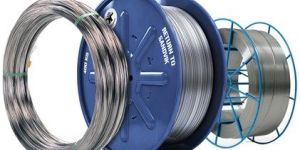
sandvik is a leading manufacturer of wire in a wide range of materials including stainless steels and nickel alloys. With our extensive application knowledge we have the expertise to recommend the optimum wire for any wire application, resulting in enhanced end-product performance.
sandvik is a leading manufacturer of wire in a wide range of materials including stainless steels and nickel alloys. With our extensive application knowledge we have the expertise to recommend the optimum wire for any wire application, resulting in enhanced end-product performance.
Material : Metal
Certification : ISI Certified
Usage : Construction, Fence Mesh
Grade Standard : AISI, ASTM
Speaciality : Corrosion Resistance, Easy To Fit, Good Quality
Our Sandvik wheel-mounted semi-mobile crushing and screening units are flexible, durable and give class-leading productivity. Many of these units combine both primary and secondary crushing, as well as screening, in a single unit. It's a full production unit on one chassis, giving you maximum productivity with a single investment.
All units in the wheeled range have been made to meet the same high standard as our tracked equipment, operating at maximum efficiency and minimizing environmental impact. Users are always at the centre of our design process, so all of our wheeled crusher units are easy to operate, highly efficient and offer optimal productivity.
Wheeled Crushers and Screeners
Our range of wheeled crushing and screening units are stable, highly productive and flexible. With years of experience, and having spent time on the field, we understand the challenges that you face on a day to day basis, and have designed our range based on customer feedback and extensive research.
Clean screening
Environmental impact and cost efficiency are at the forefront of Sandvik designs, and in the wheeled range this is demonstrated by combining screening and crushing in a single unit. Selected wheeled units are powered by electric motors, further reducing the environmental impact of Sandvik equipment.
Custom built
Tailored to your site, our wheeled crushers and screeners can work together or as individual units. Our wheeled screeners can produce three or four different fractions plus fines, while our wheeled jaw, cone and impact crushers offer feed sizes of up to 750mm, with volumes typically only found in purely static operations. Rapid site to site transport means you will have the flexibility to deploy these units when and where you need them, allowing you to increase productivity with minimal effort.
Sandvik support
With a comprehensive support network for all of our wheeled crusher and wheeled screeners we keep your machines up and running, and with increasing automation we can schedule maintenance visits that ensure minimal disturbance to your operations. Maximum uptime, minimum fuss.
If you need any advice regarding product selection, or other technical support, please contact a member of our team.
Our Sandvik wheel-mounted semi-mobile crushing and screening units are flexible, durable and give class-leading productivity. Many of these units combine both primary and secondary crushing, as well as screening, in a single unit. It's a full production unit on one chassis, giving you maximum productivity with a single investment.
All units in the wheeled range have been made to meet the same high standard as our tracked equipment, operating at maximum efficiency and minimizing environmental impact. Users are always at the centre of our design process, so all of our wheeled crusher units are easy to operate, highly efficient and offer optimal productivity.
Wheeled Crushers and Screeners
Our range of wheeled crushing and screening units are stable, highly productive and flexible. With years of experience, and having spent time on the field, we understand the challenges that you face on a day to day basis, and have designed our range based on customer feedback and extensive research.
Clean screening
Environmental impact and cost efficiency are at the forefront of Sandvik designs, and in the wheeled range this is demonstrated by combining screening and crushing in a single unit. Selected wheeled units are powered by electric motors, further reducing the environmental impact of Sandvik equipment.
Custom built
Tailored to your site, our wheeled crushers and screeners can work together or as individual units. Our wheeled screeners can produce three or four different fractions plus fines, while our wheeled jaw, cone and impact crushers offer feed sizes of up to 750mm, with volumes typically only found in purely static operations. Rapid site to site transport means you will have the flexibility to deploy these units when and where you need them, allowing you to increase productivity with minimal effort.
Sandvik support
With a comprehensive support network for all of our wheeled crusher and wheeled screeners we keep your machines up and running, and with increasing automation we can schedule maintenance visits that ensure minimal disturbance to your operations. Maximum uptime, minimum fuss.
If you need any advice regarding product selection, or other technical support, please contact a member of our team.
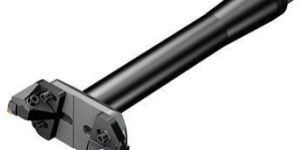
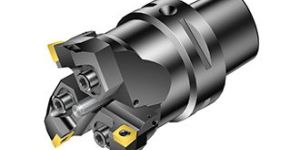
CoroBore® BR20 is a twin-edge multi-purpose tool for rough boring. The system consists of adaptors with matching slides, shims and covers, making it possible to adapt the tool to various materials and conditions.
Application area
Rough boring
Twin-edge boring, step boring and back boring
Damped Silent Tools™ solution for vibration-sensitive applications
Standard inserts with dedicated grades and geometries for all materials
CoroBore® 111: Optimized for rough boring applications
CoroTurn® 107: Wide selection of grades and geometries
CoroBore® BR20 is a twin-edge multi-purpose tool for rough boring. The system consists of adaptors with matching slides, shims and covers, making it possible to adapt the tool to various materials and conditions.
Application area
Rough boring
Twin-edge boring, step boring and back boring
Damped Silent Tools™ solution for vibration-sensitive applications
Standard inserts with dedicated grades and geometries for all materials
CoroBore® 111: Optimized for rough boring applications
CoroTurn® 107: Wide selection of grades and geometries
GC1105
This PVD-coated carbide grade offers good edge line security and excellent resistance when machining materials that smear or create a built-up edge (BUE) on the insert. The sharp-edged geometry provides good performance with even tool wear.
Benefits and features
Edge line security
Best for smearing or built-up edge (BUE)
Sharp edges
CC6160
Ideal for pocketing and profiling of difficult-to-machine heat resistant super alloy (HRSA) components, this new SiAlON ceramic grade offers secure and stable machining with ceramics when a high metal removal rate is required. Use this grade to meet the demanding applications of aerospace engine manufacturing.
Benefits
Resists wear for secure and stable machining
Readily handles difficult-to-machine materials for longer tool life
Offers higher metal removal rates for increased production
Performs multiple operations from roughing to semi-finishing
Find your grade
Our grade assortment for titanium and HRSAs includes CVD- and PVD-coated carbide grades, ceramic and cubic boric nitride (CBN) grades for various machining conditions. Use the information below to find the right grade for your production.
CC6160
SiAlON based ceramic, designed to optimize performance in nickel base materials materials under relatively stable conditions and offers high security and predictable wear, due to high notch resistance.
CC6060
SiAlON-based ceramic for optimized performance in pre-machined materials under stable conditions.
CC670
Whisker-reinforced alumina-based ceramic with excellent bulk toughness designed for turning and grooving.
CC6065
SiAlON-based ceramic that offers good toughness and security in toughness-demanding operations
CB7015
CBN grade used for finishing operations in heat resistant super alloys.
GC1115
PVD-coated carbide grade with high hardness and good resistance against plastic deformation combined with good edge line security.
S05F
CVD-coated grade for high speed finishing or long cuts at lower speeds.
H13A (for titanium)
Uncoated carbide grade that combines good abrasive wear resistance and toughness for medium to rough turning of titanium alloys.
GC1105
This PVD-coated carbide grade offers good edge line security and excellent resistance when machining materials that smear or create a built-up edge (BUE) on the insert. The sharp-edged geometry provides good performance with even tool wear.
Benefits and features
Edge line security
Best for smearing or built-up edge (BUE)
Sharp edges
CC6160
Ideal for pocketing and profiling of difficult-to-machine heat resistant super alloy (HRSA) components, this new SiAlON ceramic grade offers secure and stable machining with ceramics when a high metal removal rate is required. Use this grade to meet the demanding applications of aerospace engine manufacturing.
Benefits
Resists wear for secure and stable machining
Readily handles difficult-to-machine materials for longer tool life
Offers higher metal removal rates for increased production
Performs multiple operations from roughing to semi-finishing
Find your grade
Our grade assortment for titanium and HRSAs includes CVD- and PVD-coated carbide grades, ceramic and cubic boric nitride (CBN) grades for various machining conditions. Use the information below to find the right grade for your production.
CC6160
SiAlON based ceramic, designed to optimize performance in nickel base materials materials under relatively stable conditions and offers high security and predictable wear, due to high notch resistance.
CC6060
SiAlON-based ceramic for optimized performance in pre-machined materials under stable conditions.
CC670
Whisker-reinforced alumina-based ceramic with excellent bulk toughness designed for turning and grooving.
CC6065
SiAlON-based ceramic that offers good toughness and security in toughness-demanding operations
CB7015
CBN grade used for finishing operations in heat resistant super alloys.
GC1115
PVD-coated carbide grade with high hardness and good resistance against plastic deformation combined with good edge line security.
S05F
CVD-coated grade for high speed finishing or long cuts at lower speeds.
H13A (for titanium)
Uncoated carbide grade that combines good abrasive wear resistance and toughness for medium to rough turning of titanium alloys.
GC4325
From finishing to roughing, this carbide grade is your first choice when turning steel. Coated with Inveio™ technology, it has a broad range of applications and is recommended for continuous and interrupted cuts.
Benefits and features
High edge line security
Long tool life at high cutting data
Predictability and security
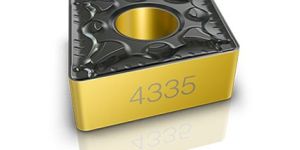
GC4335
Ideal for difficult surfaces, GC4335 offers better security and reliability when faced with heavy interruptions, vibration and unstable conditions. This grade features Inveio™ coating technology for the highest wear resistance.
Benefits
Secure insert grade means you get a reliable and secure performance every time.
Long tool life means you get higher machine utilization and higher production.
Less tool breakage means you can control costs and reduce the cost per component to increase profits.
GC4325
From finishing to roughing, this carbide grade is your first choice when turning steel. Coated with Inveio™ technology, it has a broad range of applications and is recommended for continuous and interrupted cuts.
Benefits and features
High edge line security
Long tool life at high cutting data
Predictability and security
GC4335
Ideal for difficult surfaces, GC4335 offers better security and reliability when faced with heavy interruptions, vibration and unstable conditions. This grade features Inveio™ coating technology for the highest wear resistance.
Benefits
Secure insert grade means you get a reliable and secure performance every time.
Long tool life means you get higher machine utilization and higher production.
Less tool breakage means you can control costs and reduce the cost per component to increase profits.
GC2025
From semi-finishing to roughing, this CVD-coated grade is the first-choice grade when turning stainless steel. With good resistance to thermal and mechanical shock, it provides excellent edge line security for interrupted and continuous cuts.
Benefits and features
High edge line security
Resistance to thermal and mechanical shock
Predictability and security
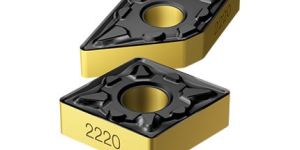
GC2220
Ideal for austenitic and duplex stainless steel, the latest turning grade GC2220 offers improved plastic deformation resistance and long tool life. This grade features Inveio™ coating technology for the highest wear resistance.
Benefits
Plastic deformation resistance means increased tool life and reduced cost per component
Smaller inventory due to increased tool life means reduced capital expenditures
Increased productivity means faster return on investment
GC2025
From semi-finishing to roughing, this CVD-coated grade is the first-choice grade when turning stainless steel. With good resistance to thermal and mechanical shock, it provides excellent edge line security for interrupted and continuous cuts.
Benefits and features
High edge line security
Resistance to thermal and mechanical shock
Predictability and security
GC2220
Ideal for austenitic and duplex stainless steel, the latest turning grade GC2220 offers improved plastic deformation resistance and long tool life. This grade features Inveio™ coating technology for the highest wear resistance.
Benefits
Plastic deformation resistance means increased tool life and reduced cost per component
Smaller inventory due to increased tool life means reduced capital expenditures
Increased productivity means faster return on investment
H10
H10 is a first-choice grade for roughing and finishing of aluminum alloys.This uncoated carbide grade features a unique combination of excellent abrasive wear resistance and edge sharpness.
Benefits and features
Roughing and finishing
Long tool life
Excellent finish surface
Application tips for turning
Heavy intermittent cuts or vibration-prone components can slow down your production. Find out how to to overcome these machining challenges.
Turning troubleshooting
Are you dealing with long, snarling chips or poor surface finish? Find the most common turning challenges and their solutions here.
Turning aluminium - the basics
Discover how the machinability of aluminium differs depending on alloying elements, heat treatments and manufacturing processes.
Our non-ferrous insert grade assortment consists of uncoated, PVD-coated carbide and crystalline diamond grades for various machining conditions. Use the information below to find the right grade for your production.
CD10
PVD-grade recommended for stable conditions when high metal removal is needed in medium to rough applications.
CD05
PCD grade for finishing and semi-finishing of highly abrasive materials such as aluminium alloys with high silicon content, metal matrix composites (MMC), fibreglass, fibreboard and wood laminates.
H10
Uncoated carbide grade that combines excellent abrasive wear resistance and edge sharpness for roughing to finishing of aluminium alloys.
...more
Turning inserts and grades for non-ferrous materials
H10
H10 is a first-choice grade for roughing and finishing of aluminum alloys.This uncoated carbide grade features a unique combination of excellent abrasive wear resistance and edge sharpness.
Benefits and features
Roughing and finishing
Long tool life
Excellent finish surface
Application tips for turning
Heavy intermittent cuts or vibration-prone components can slow down your production. Find out how to to overcome these machining challenges.
Turning troubleshooting
Are you dealing with long, snarling chips or poor surface finish? Find the most common turning challenges and their solutions here.
Turning aluminium - the basics
Discover how the machinability of aluminium differs depending on alloying elements, heat treatments and manufacturing processes.
Our non-ferrous insert grade assortment consists of uncoated, PVD-coated carbide and crystalline diamond grades for various machining conditions. Use the information below to find the right grade for your production.
CD10
PVD-grade recommended for stable conditions when high metal removal is needed in medium to rough applications.
CD05
PCD grade for finishing and semi-finishing of highly abrasive materials such as aluminium alloys with high silicon content, metal matrix composites (MMC), fibreglass, fibreboard and wood laminates.
H10
Uncoated carbide grade that combines excellent abrasive wear resistance and edge sharpness for roughing to finishing of aluminium alloys.
Turning hardened steel calls for super-hard insert grades. Whatever your component or requirements for surface finish, you will find productive insert grades here that can withstand high temperatures and cutting forces and still retain their cutting edges.
CB7025
This CBN grade is your first choice for hardened materials. With its medium content of boron nitride, it's suitable for medium to light interrupted cuts as well as continuous cuts at medium speeds in case-hardened steel.
Benefits and features
Medium to light interruptions
Continuous cuts
Medium speeds
Achieve good surface finish in HPT
Hard part turning has been proven to reduce machining time and costs by 70% or more.
Find your solution for hard part turning
Whatever your component design or surface finish requirements, you will achieve high productivity and outstanding quality with our HPT solutions.
Turn to hard part turning
Switching from grinding to hard part turning substantially increases productivity. Find out more about the super-hard insert grades optimized for hard part turning.
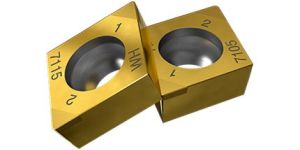
CB7105 and CB7115
The new grades CB7105 and CB7115 break new ground in hard part turning. The grades achieve efficient and secure machining with excellent surface finish. The grades' speed capabilities, more secure edge line, and consistent tool life result in lower cost per component.
Benefits
Lower cost per part through high speed machining or longer tool life at lower speed (CB7105)
Lower cost per part when aiming for one cut strategy at high speed (CB7115)
Reliable and predictable machining
Our hardened material insert grade assortment consists of CVD- and PVD-coated carbide and ceramic grades for various machining conditions. Use the information below to find the right grade for your production.
CB7025
First-choice CBN grade for medium to light interruptions and continuous cuts at medium speeds in case-hardened steel.
CB7115
First-choice CBN grade for high feed and/or depth of cut in continuous to light interrupted cuts at high speed.
CB7525
First-choice CBN grade for heavy interrupted cuts at low to medium speed in case- and induction-hardened steel.
CB7015
CBN grade with low CBN content. Use in continuous cuts at high speed in case-hardened steel.
CB7105
First-choice CBN grade for low feed and continuous cuts in stable conditions at highest speed in case- and induction-hardened steel.
Turning hardened steel calls for super-hard insert grades. Whatever your component or requirements for surface finish, you will find productive insert grades here that can withstand high temperatures and cutting forces and still retain their cutting edges.
CB7025
This CBN grade is your first choice for hardened materials. With its medium content of boron nitride, it's suitable for medium to light interrupted cuts as well as continuous cuts at medium speeds in case-hardened steel.
Benefits and features
Medium to light interruptions
Continuous cuts
Medium speeds
Achieve good surface finish in HPT
Hard part turning has been proven to reduce machining time and costs by 70% or more.
Find your solution for hard part turning
Whatever your component design or surface finish requirements, you will achieve high productivity and outstanding quality with our HPT solutions.
Turn to hard part turning
Switching from grinding to hard part turning substantially increases productivity. Find out more about the super-hard insert grades optimized for hard part turning.
CB7105 and CB7115
The new grades CB7105 and CB7115 break new ground in hard part turning. The grades achieve efficient and secure machining with excellent surface finish. The grades' speed capabilities, more secure edge line, and consistent tool life result in lower cost per component.
Benefits
Lower cost per part through high speed machining or longer tool life at lower speed (CB7105)
Lower cost per part when aiming for one cut strategy at high speed (CB7115)
Reliable and predictable machining
Our hardened material insert grade assortment consists of CVD- and PVD-coated carbide and ceramic grades for various machining conditions. Use the information below to find the right grade for your production.
CB7025
First-choice CBN grade for medium to light interruptions and continuous cuts at medium speeds in case-hardened steel.
CB7115
First-choice CBN grade for high feed and/or depth of cut in continuous to light interrupted cuts at high speed.
CB7525
First-choice CBN grade for heavy interrupted cuts at low to medium speed in case- and induction-hardened steel.
CB7015
CBN grade with low CBN content. Use in continuous cuts at high speed in case-hardened steel.
CB7105
First-choice CBN grade for low feed and continuous cuts in stable conditions at highest speed in case- and induction-hardened steel.
GC3210
This CVD-coated cemented carbide grade offers high flank wear resistance and is best for good to average machining conditions in all cast iron materials for continuous and interrupted cuts.
Benefits and features
Resists flank wear
Suitable for all cast iron materials
Continuous and interrupted cuts
Our cast iron insert grade assortment consists of CVD-coated carbide grades and Ceramic grades for various machining conditions. Use the information below to find the right grade for your production.
GC3210
CVD-coated grade with a thick, smooth, wear-resistant coating and very hard substrate. Ideal for high-speed turning of nodular cast iron.
CC6190
Pure silicon nitride-based ceramic grade. Excellent wear resistance at high temperatures in high-speed roughing to finishing.
GC3225
CVD-coated grade with high edge line security. Average to difficult machining conditions. Suitable for light to heavy interrupted cuts.
GC3210
This CVD-coated cemented carbide grade offers high flank wear resistance and is best for good to average machining conditions in all cast iron materials for continuous and interrupted cuts.
Benefits and features
Resists flank wear
Suitable for all cast iron materials
Continuous and interrupted cuts
Our cast iron insert grade assortment consists of CVD-coated carbide grades and Ceramic grades for various machining conditions. Use the information below to find the right grade for your production.
GC3210
CVD-coated grade with a thick, smooth, wear-resistant coating and very hard substrate. Ideal for high-speed turning of nodular cast iron.
CC6190
Pure silicon nitride-based ceramic grade. Excellent wear resistance at high temperatures in high-speed roughing to finishing.
GC3225
CVD-coated grade with high edge line security. Average to difficult machining conditions. Suitable for light to heavy interrupted cuts.
Today’s rock drills generate almost unlimited impact power. We need to control that power and, most importantly, ensure that it is transmitted into the rock as efficiently, accurately and economically possible. That is the job of the rock drilling tools, which is why we continue to develop the Alpha 330 tool system – to bring the best solution for performance and productivity.
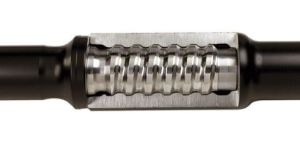
The drill string rod/bit connection features an entirely new thread design and the rod itself is, with a T38 thread at the shank end. The rods new short thread design results in a rigid, integrated power pack drill string. A superior resistance to bending stresses along with improved bit guidance results in a perfect energy transfer. The sturdy thread is well guided inside the bit skirt, offering high precision in collaring – even in complex rock formations and against uneven surfaces.
Speed up your tunneling project with Alpha 330
New short thread design result in a rigid, integrated drill string optimized for 43 to 51 mm drilling.
The new short thread design offers increased precision in collaring.
The rigid drill string results in straighter holes, permitting optimum drilling patterns, better hole accuracy and higher rates of advance.
Exact collaring and straighter holes are prerequisites for productive drilling with less over break and lower overall costs.
Less downtime of machinery resulting in better scheduling through optimal productivity
Today’s rock drills generate almost unlimited impact power. We need to control that power and, most importantly, ensure that it is transmitted into the rock as efficiently, accurately and economically possible. That is the job of the rock drilling tools, which is why we continue to develop the Alpha 330 tool system – to bring the best solution for performance and productivity.
The drill string rod/bit connection features an entirely new thread design and the rod itself is, with a T38 thread at the shank end. The rods new short thread design results in a rigid, integrated power pack drill string. A superior resistance to bending stresses along with improved bit guidance results in a perfect energy transfer. The sturdy thread is well guided inside the bit skirt, offering high precision in collaring – even in complex rock formations and against uneven surfaces.
Speed up your tunneling project with Alpha 330
New short thread design result in a rigid, integrated drill string optimized for 43 to 51 mm drilling.
The new short thread design offers increased precision in collaring.
The rigid drill string results in straighter holes, permitting optimum drilling patterns, better hole accuracy and higher rates of advance.
Exact collaring and straighter holes are prerequisites for productive drilling with less over break and lower overall costs.
Less downtime of machinery resulting in better scheduling through optimal productivity
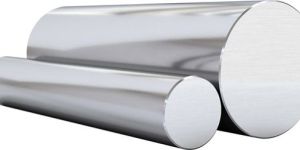
Stainless steel round bar for machining in a wide range of grades, including duplex and super-duplex stainless steel. Sizes range from 20 to 450 mm (0.787 to 17.7 in.). Sandvik stainless bar steel is delivered with peel turned, burnished or rough machined surface, depending on size. It can be supplied in random lengths or cut into fixed lengths.
Excellent machinability
Most grades of Sandvik's stainless round bar are available as Sanmac, stainless steel with excellent and consistent machining properties for increased cutting speeds, reduced tool wear and shorter set-up times.Read more about how to achieve higher machining efficiency
The Sandvik program also includes the following products:
Cutting tools
Hollow bar
Mechanical tubing
Stainless steel round bar for machining in a wide range of grades, including duplex and super-duplex stainless steel. Sizes range from 20 to 450 mm (0.787 to 17.7 in.). Sandvik stainless bar steel is delivered with peel turned, burnished or rough machined surface, depending on size. It can be supplied in random lengths or cut into fixed lengths.
Excellent machinability
Most grades of Sandvik's stainless round bar are available as Sanmac, stainless steel with excellent and consistent machining properties for increased cutting speeds, reduced tool wear and shorter set-up times.Read more about how to achieve higher machining efficiency
The Sandvik program also includes the following products:
Cutting tools
Hollow bar
Mechanical tubing
Problems that originate from vibrations are frequently encountered in boring and other operations, especially when machining with long overhangs. The vibrations may cause bad surface texture, insufficient accuracy, loss of productivity, increased insert and machine tool wear, as well as noise. Solving vibration problems will therefore always give you a productivity boost.
Benefits
Productivity gains of 50-200%
Strong dedicated interface between bridge and damped adaptor
Improved surface finish
Improved process security
Reduced cost per component
Features
Silent Tools unique damper dedicated for long tool assemblies
Strong dedicated interface between bridge and damped adaptor
Internal coolant through the assembly
The dedicated new lightweight bridges (to be used with damped adaptor) fit together with existing slides and cartridges for both rough and fine boring
Application
Boring operations: roughing and finishing
Cutting data can be increased substantially thanks to eliminated vibrations
Damped CoroBore 820XL:
Radial depth of cut up to 8 mm (0.315 inch) (16 mm (0.630 inch) diameter increase) in low alloy steel with twin edge rough boring equipment
Maximum torque: 2000 Nm (1475 ft/lbs)
ISO application area
Recommendations
The entering angle should be close to 90 degrees to give more axial cutting forces and less radial/tangential forces.
Use large entering angles and small nose radii to reduce the radial forces, deflection and vibrations.
Small nose radius is ideal for small depths of cut and decrease the risk of vibrations. Large nose radii have strong edge security and allow for heavy feeds and large depths of cut. The risk of vibration gets higher the larger nose radius you use. Therefore, triangular, positive style inserts are first choice for dampened boring operations.
Use as light cutting units as possible to improve the dynamic behavior and effect of the damper.
If possible, use a tapered shank
Productive boring: Two inserts with the same length and diameter to be able to increase feed
Step boring: Additional shim under one of the slides if you want to take a large radial cut
Single-edge boring: Replace one of the slides with a cover to reduce cutting forces and achieve accurate roundness, good surface finish and close tolerances
Damped CoroBore 820XL:
Machine tools and spindle interfaces Machine tools and spindle interfaces need to be strong and stable to hold large tools and assemblies as CoroBore 826D XL. Suitable interfaces are therefore HSK 100 and Coromant Capto® C8 – C10. ISO 50 taper (BIG PLUS included) is too weak for these roughing tools.
Cutting dataThe recommended start values for inserts and grades listed at the box shall be followed, but be aware of the many parameters that have to be taken into consideration – such as actual work piece material, spindle interface clamping force, torque capacity at given RPM, net power etc.
Problems that originate from vibrations are frequently encountered in boring and other operations, especially when machining with long overhangs. The vibrations may cause bad surface texture, insufficient accuracy, loss of productivity, increased insert and machine tool wear, as well as noise. Solving vibration problems will therefore always give you a productivity boost.
Benefits
Productivity gains of 50-200%
Strong dedicated interface between bridge and damped adaptor
Improved surface finish
Improved process security
Reduced cost per component
Features
Silent Tools unique damper dedicated for long tool assemblies
Strong dedicated interface between bridge and damped adaptor
Internal coolant through the assembly
The dedicated new lightweight bridges (to be used with damped adaptor) fit together with existing slides and cartridges for both rough and fine boring
Application
Boring operations: roughing and finishing
Cutting data can be increased substantially thanks to eliminated vibrations
Damped CoroBore 820XL:
Radial depth of cut up to 8 mm (0.315 inch) (16 mm (0.630 inch) diameter increase) in low alloy steel with twin edge rough boring equipment
Maximum torque: 2000 Nm (1475 ft/lbs)
ISO application area
Recommendations
The entering angle should be close to 90 degrees to give more axial cutting forces and less radial/tangential forces.
Use large entering angles and small nose radii to reduce the radial forces, deflection and vibrations.
Small nose radius is ideal for small depths of cut and decrease the risk of vibrations. Large nose radii have strong edge security and allow for heavy feeds and large depths of cut. The risk of vibration gets higher the larger nose radius you use. Therefore, triangular, positive style inserts are first choice for dampened boring operations.
Use as light cutting units as possible to improve the dynamic behavior and effect of the damper.
If possible, use a tapered shank
Productive boring: Two inserts with the same length and diameter to be able to increase feed
Step boring: Additional shim under one of the slides if you want to take a large radial cut
Single-edge boring: Replace one of the slides with a cover to reduce cutting forces and achieve accurate roundness, good surface finish and close tolerances
Damped CoroBore 820XL:
Machine tools and spindle interfaces Machine tools and spindle interfaces need to be strong and stable to hold large tools and assemblies as CoroBore 826D XL. Suitable interfaces are therefore HSK 100 and Coromant Capto® C8 – C10. ISO 50 taper (BIG PLUS included) is too weak for these roughing tools.
Cutting dataThe recommended start values for inserts and grades listed at the box shall be followed, but be aware of the many parameters that have to be taken into consideration – such as actual work piece material, spindle interface clamping force, torque capacity at given RPM, net power etc.
Roughing is primarily focused on metal removal and is performed to open up an existing hole made by methods such as pre-machining, casting or forging. Rough boring prepares the hole for finishing. For optimized boring, general boring, large diameter- and lightweight boring see the selection of tools, presented below in the overview. To eliminate vibration when machining with long overhangs, damped tools are available.
Roughing is primarily focused on metal removal and is performed to open up an existing hole made by methods such as pre-machining, casting or forging. Rough boring prepares the hole for finishing. For optimized boring, general boring, large diameter- and lightweight boring see the selection of tools, presented below in the overview. To eliminate vibration when machining with long overhangs, damped tools are available.
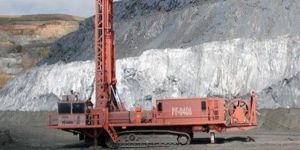
Our Sandvik 1190E electric-powered blasthole drill is designed for coal and metal mining applications. It drills holes with a diameter of 229 - 349 millimeters (9 - 13 ¾ inches) with a single-pass depth of up to 19.8 meters (65 feet) or a multi-pass depth of up to 85 meters (279 feet). This powerful machine offers superior productivity both for hard rock and soft rock drilling.
Advantages
Unique design offers easy serviceability and lower operating costs
Large operator cabin offers high visibility and quick set up
Dual mast-raising cylinders ensure quick raising and lowering
Rugged drilling platform offers stability and support
Technical data
Engine power
671 kW @ 50 Hz746 kW @ 60 Hz
Max hole depth
up to 85 m
Dimension (L-W-H)
18,540 x 7,360 x 27,660 mm
Dimension mast down (L-W-H)
28,450 x 3,900 x 8,300 mmWidth shipping
Hole diameter
229 - 349 mm
Operating weight (empty)
140,616 kg
Rotary head
175 rpm / 13,973 NmMaximum rpm / torque
First pass depth (single-pass)
19.8 m
First pass depth (multi-pass)
12.2 m
Compressor range
80 m3 / min @ 50Hz94.4 m3 / min @ 60 Hz
Drilling technique
Rotary
Our Sandvik 1190E electric-powered blasthole drill is designed for coal and metal mining applications. It drills holes with a diameter of 229 - 349 millimeters (9 - 13 ¾ inches) with a single-pass depth of up to 19.8 meters (65 feet) or a multi-pass depth of up to 85 meters (279 feet). This powerful machine offers superior productivity both for hard rock and soft rock drilling.
Advantages
Unique design offers easy serviceability and lower operating costs
Large operator cabin offers high visibility and quick set up
Dual mast-raising cylinders ensure quick raising and lowering
Rugged drilling platform offers stability and support
Technical data
Engine power
671 kW @ 50 Hz746 kW @ 60 Hz
Max hole depth
up to 85 m
Dimension (L-W-H)
18,540 x 7,360 x 27,660 mm
Dimension mast down (L-W-H)
28,450 x 3,900 x 8,300 mmWidth shipping
Hole diameter
229 - 349 mm
Operating weight (empty)
140,616 kg
Rotary head
175 rpm / 13,973 NmMaximum rpm / torque
First pass depth (single-pass)
19.8 m
First pass depth (multi-pass)
12.2 m
Compressor range
80 m3 / min @ 50Hz94.4 m3 / min @ 60 Hz
Drilling technique
Rotary
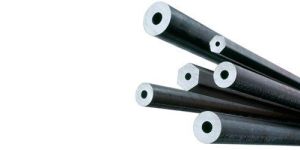
Drill steel developed for the manufacturing of top-hammer rock drill rods, available in various steel grades.
Sandvik drill steel is characterized by a number of properties that enable efficient production:
High fatigue strength and toughness
High resistance to wear and permanent distortion
Close tolerances (for automated manufacturing process)
Uniform response to heat treatment
Uniform straightness (eliminating the need for straightening)
Sandvik's rock drill steel can be supplied as hollow or solid, hot-rolled, round or hexagon bar.
GradeDescriptionApplications
List of materials
Sanbar 20
A high-strength chromium-molybdenum steel with high fatigue strength and excellent wear resistance in the as-rolled condition.
Integral drill steels, pilot rods and tapered rods
Sanbar 23
An air-hardening, high chromium-molybdenum alloy steel with good response to surface induction hardening and suitable for carburizing. It has high fatigue strength and wear resistance in the case-hardened condition.
Extension rods, shank rods and tapered rods
Sanbar 61
A high-strength silicon steel with good toughness and impact resistance in the as-rolled condition.
Tapered rods, pilot rods and integral drill steels
Sanbar 64
An air-hardening, high nickel alloy steel with good response to carburizing. It has excellent fatigue strength and wear resistance in the case hardened condition.
Extension rods, shank rods and tapered rods
GradeDecarburization
Decarburization
Sanbar 20
The maximum permissible decarburization depth is 0.20 mm (0.008 in.) on the outer surface and 0.10 mm (0.004 in.) on the inner surface.
Sanbar 23
The maximum permissible decarburization depth is 0.30 mm (0.012 in.) on the outer surface and 0.20 mm (0.008 in.) on the inner surface.
Sanbar 61
The maximum permissible decarburization depth is 0.30 mm (0.012 in.) on the outer surface and 0.10 mm (0.004 in.) on the inner surface.
Sanbar 64
The maximum permissible decarburization depth is 0.30 mm (0.012 in.) on the outer surface and 0.20 mm (0.008 in.) on the inner surface.
Drill steel developed for the manufacturing of top-hammer rock drill rods, available in various steel grades.
Sandvik drill steel is characterized by a number of properties that enable efficient production:
High fatigue strength and toughness
High resistance to wear and permanent distortion
Close tolerances (for automated manufacturing process)
Uniform response to heat treatment
Uniform straightness (eliminating the need for straightening)
Sandvik's rock drill steel can be supplied as hollow or solid, hot-rolled, round or hexagon bar.
GradeDescriptionApplications
List of materials
Sanbar 20
A high-strength chromium-molybdenum steel with high fatigue strength and excellent wear resistance in the as-rolled condition.
Integral drill steels, pilot rods and tapered rods
Sanbar 23
An air-hardening, high chromium-molybdenum alloy steel with good response to surface induction hardening and suitable for carburizing. It has high fatigue strength and wear resistance in the case-hardened condition.
Extension rods, shank rods and tapered rods
Sanbar 61
A high-strength silicon steel with good toughness and impact resistance in the as-rolled condition.
Tapered rods, pilot rods and integral drill steels
Sanbar 64
An air-hardening, high nickel alloy steel with good response to carburizing. It has excellent fatigue strength and wear resistance in the case hardened condition.
Extension rods, shank rods and tapered rods
GradeDecarburization
Decarburization
Sanbar 20
The maximum permissible decarburization depth is 0.20 mm (0.008 in.) on the outer surface and 0.10 mm (0.004 in.) on the inner surface.
Sanbar 23
The maximum permissible decarburization depth is 0.30 mm (0.012 in.) on the outer surface and 0.20 mm (0.008 in.) on the inner surface.
Sanbar 61
The maximum permissible decarburization depth is 0.30 mm (0.012 in.) on the outer surface and 0.10 mm (0.004 in.) on the inner surface.
Sanbar 64
The maximum permissible decarburization depth is 0.30 mm (0.012 in.) on the outer surface and 0.20 mm (0.008 in.) on the inner surface.
Sandvik MH620 hard-rock miner is an electrically powered and crawler-mounted roadheader that is engineered to excavate roadways and galleries. This heavy-duty machine has a powerful transverse cutter head mounted on an extremely robust telescopic boom. It is designed to excavate rock with high compressive strengths.
MH620 is available as a PLC (programmable logical controlled) controlled machine or hydraulically controlled machine. Country-specific FLP certifications by various international approval authorities are possible.
Advantages
Designed for the economical excavation of rock exceeding 120 MPa uniaxial compressive strength to minimize operating costs
Hydraulically stabilized telescopic cutter boom offers optimum cutting power
Spraying systems for efficient dust suppression and cutting tool cooling
Technical data
Sandvik MH620 hard-rock miner is an electrically powered and crawler-mounted roadheader that is engineered to excavate roadways and galleries. This heavy-duty machine has a powerful transverse cutter head mounted on an extremely robust telescopic boom. It is designed to excavate rock with high compressive strengths.
MH620 is available as a PLC (programmable logical controlled) controlled machine or hydraulically controlled machine. Country-specific FLP certifications by various international approval authorities are possible.
Advantages
Designed for the economical excavation of rock exceeding 120 MPa uniaxial compressive strength to minimize operating costs
Hydraulically stabilized telescopic cutter boom offers optimum cutting power
Spraying systems for efficient dust suppression and cutting tool cooling
Technical data
Precision reamers are designed to slightly enlarge the size of a previously formed hole with a high degree of accuracy that leaves the sides smooth. You’ll find the reamer tool you need here for a variety of applications and materials.
CoroReamer™ 435 is a multi-application, versatile and high speed reamer, suitable for a wide range of materials. It gives you really close hole tolerances and high-quality surface finish thanks to internal coolant, the cutting edge geometry and extremely unequal spacing of the cutting edges.
Benefits
High productivity due to high cutting parameters
Consistency and productivity saving time and costs
Excellent surface finish on the component
Uniform concentricity for long tool life and dimensional accuracy
High stability due to the solid carbide body
Internal coolant for better chip evacuation and reduced wear
Features
Micro-grained carbide for high hardness and toughness
Internal coolant (axial for straight flute and lateral for spiral flute) deliver coolant directly to the cutting zone, resulting in longer tool life and good chip evacuation
DIN 65535 HA shank to H6 tolerance and for direct clamping in hydraulic chucks, such as CoroChuc 930, shrink-fit and high precision chucks
Available as bright finish and TiAIN coating which allows an increase in cutting parameters, resulting in increased productivity and reduced built-up edge
Flute geometry with extremely unequal flute spacing
Application
For a wide range of applications and materials
For all industry segments e.g. general machining, die and mould, automotive, energy and power generation
Available in spiral flute for through holes and straight flute for blind holes
Standard diameter range: 3.97–20 mm (0.156-0.787 inch)
Achievable hole tolerance: IT7
Spiral flute
For through holes
Guaranteed chip flow
Reduced chip angle
Good for interrupted cuts
Straight flute
For blind holes
No chip flow
Bigger chip angle
Reduced vibration
Comparison of unequal and extremely unequal flute spacing
Extremely unequal flute spacing means that the divide is not the same for each tooth. As there are no teeth diametrically opposite each other, the reamer produces a hole with improved hole roundness variance.
Precision reamers are designed to slightly enlarge the size of a previously formed hole with a high degree of accuracy that leaves the sides smooth. You’ll find the reamer tool you need here for a variety of applications and materials.
CoroReamer™ 435 is a multi-application, versatile and high speed reamer, suitable for a wide range of materials. It gives you really close hole tolerances and high-quality surface finish thanks to internal coolant, the cutting edge geometry and extremely unequal spacing of the cutting edges.
Benefits
High productivity due to high cutting parameters
Consistency and productivity saving time and costs
Excellent surface finish on the component
Uniform concentricity for long tool life and dimensional accuracy
High stability due to the solid carbide body
Internal coolant for better chip evacuation and reduced wear
Features
Micro-grained carbide for high hardness and toughness
Internal coolant (axial for straight flute and lateral for spiral flute) deliver coolant directly to the cutting zone, resulting in longer tool life and good chip evacuation
DIN 65535 HA shank to H6 tolerance and for direct clamping in hydraulic chucks, such as CoroChuc 930, shrink-fit and high precision chucks
Available as bright finish and TiAIN coating which allows an increase in cutting parameters, resulting in increased productivity and reduced built-up edge
Flute geometry with extremely unequal flute spacing
Application
For a wide range of applications and materials
For all industry segments e.g. general machining, die and mould, automotive, energy and power generation
Available in spiral flute for through holes and straight flute for blind holes
Standard diameter range: 3.97–20 mm (0.156-0.787 inch)
Achievable hole tolerance: IT7
Spiral flute
For through holes
Guaranteed chip flow
Reduced chip angle
Good for interrupted cuts
Straight flute
For blind holes
No chip flow
Bigger chip angle
Reduced vibration
Comparison of unequal and extremely unequal flute spacing
Extremely unequal flute spacing means that the divide is not the same for each tooth. As there are no teeth diametrically opposite each other, the reamer produces a hole with improved hole roundness variance.
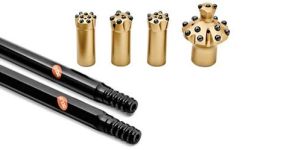
Sandvik +Range is a bench drilling tool system for top-hammer drill rigs that offers long service life, high penetration rates and excellent hole straightness. These tough rock tools can sustain maximal impact forces from the most powerful hydraulic hammers while always optimizing energy transfer.
Sandvik +Range bits are designed and produced in Sandvik's own advanced engineering and manufacturing facility. Developed with focus on innovatice solutions that provides safe operations, reduced production costs, increased reliability and enhanced productivity for our customers. With it´s steel alloy, unique to Sandvik, it gives Sandvik +Range rods increased resistance to wear.
Higher productivity
Sandvik +Range rods deliver more meters drilled and save the time spent replacing drill rods. This improves the utilization rate and increases the uptime of your drill rig, in addition to reducing the overall cost of each blast hole.
Substantial cost savings
An up to 30 percent longer tool life lowers the cost per meter drilled. Because each drill rod delivers more meters, fewer rods need to be kept in stock, which contributes to lower tool handling costs.
Reduced environmental impact
The longer service life of each rod allows more drilled meters per kilo of steel. Less material needs to be processed, tranported and recycled, thus reducing the carbon footprint of your operation.
Advantages
Up to 30% longer service life than standard drilling systems means a lower cost per meter drilled
Fewer rod changes ensure more time for drilling and less time spent replacing rods
Sandvik +Range is a bench drilling tool system for top-hammer drill rigs that offers long service life, high penetration rates and excellent hole straightness. These tough rock tools can sustain maximal impact forces from the most powerful hydraulic hammers while always optimizing energy transfer.
Sandvik +Range bits are designed and produced in Sandvik's own advanced engineering and manufacturing facility. Developed with focus on innovatice solutions that provides safe operations, reduced production costs, increased reliability and enhanced productivity for our customers. With it´s steel alloy, unique to Sandvik, it gives Sandvik +Range rods increased resistance to wear.
Higher productivity
Sandvik +Range rods deliver more meters drilled and save the time spent replacing drill rods. This improves the utilization rate and increases the uptime of your drill rig, in addition to reducing the overall cost of each blast hole.
Substantial cost savings
An up to 30 percent longer tool life lowers the cost per meter drilled. Because each drill rod delivers more meters, fewer rods need to be kept in stock, which contributes to lower tool handling costs.
Reduced environmental impact
The longer service life of each rod allows more drilled meters per kilo of steel. Less material needs to be processed, tranported and recycled, thus reducing the carbon footprint of your operation.
Advantages
Up to 30% longer service life than standard drilling systems means a lower cost per meter drilled
Fewer rod changes ensure more time for drilling and less time spent replacing rods
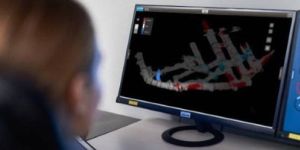
OptiMine® 3D Mine Visualizer module provides a three-dimensional model of your mine on your screen. The entire mine can be viewed and examined both inside and outside. This improves situational awareness, as information about the mine can be easily studied and understood at a single glance.
Advantages
Can be integrated with other OptiMine® operations management tools for even better productivity and profitability
Easy-to-use tools for comparison of scans and plans with automatic deviation recognition to support efficient decision making
Create automatic environment models of 3D scanning data for better visualization
OptiMine® 3D Mine Visualizer module provides a three-dimensional model of your mine on your screen. The entire mine can be viewed and examined both inside and outside. This improves situational awareness, as information about the mine can be easily studied and understood at a single glance.
Advantages
Can be integrated with other OptiMine® operations management tools for even better productivity and profitability
Easy-to-use tools for comparison of scans and plans with automatic deviation recognition to support efficient decision making
Create automatic environment models of 3D scanning data for better visualization
Need a single unit that can drill multiple methods? Two powerful, versatile drills make up our Sandvik DE800 series. The drills are efficient in all forms of exploration drilling and boast an extensive range of standard features and options
Sandvik DE800 series drills are available in either truck or crawler mounted configurations and have a pioneering design that enables, Diamond coring, Reverse circulation, Rotary air or mud drilling
You can switch between different drilling methods without even leaving the hole. Our DE800 series drills are equally productive in all drilling methods and have proven their versatility in mineral exploration, directional and geotechnical drilling across the globe.
All Sandvik DE800 series drills are equipped with standard safety features including a control console located away from the drill, rotating rod guard, automatic rod break out and integrated rod loader. The drills are based on the widely accepted Mining Design Guideline (MDG) 15 for mining mobile machinery as well as ISO standard EN791 – Safety of Drill Rigs.
Need a single unit that can drill multiple methods? Two powerful, versatile drills make up our Sandvik DE800 series. The drills are efficient in all forms of exploration drilling and boast an extensive range of standard features and options
Sandvik DE800 series drills are available in either truck or crawler mounted configurations and have a pioneering design that enables, Diamond coring, Reverse circulation, Rotary air or mud drilling
You can switch between different drilling methods without even leaving the hole. Our DE800 series drills are equally productive in all drilling methods and have proven their versatility in mineral exploration, directional and geotechnical drilling across the globe.
All Sandvik DE800 series drills are equipped with standard safety features including a control console located away from the drill, rotating rod guard, automatic rod break out and integrated rod loader. The drills are based on the widely accepted Mining Design Guideline (MDG) 15 for mining mobile machinery as well as ISO standard EN791 – Safety of Drill Rigs.
When maximum productivity is in focus, choose the highly productive multi-edge CoroBore® BR30 to achieve the utmost metal removal rate.
Application area
Rough boring
Multi-edge boring, step boring
Standard inserts with dedicated grades and geometries for all materials
CoroBore® 111: Optimized for rough boring applications
CoroTurn® 107: Wide selection of grades and geometries
Steel
Stainless steel
Cast iron
Non-ferrous metals
Heat resistant super alloys
Hardened materials
When maximum productivity is in focus, choose the highly productive multi-edge CoroBore® BR30 to achieve the utmost metal removal rate.
Application area
Rough boring
Multi-edge boring, step boring
Standard inserts with dedicated grades and geometries for all materials
CoroBore® 111: Optimized for rough boring applications
CoroTurn® 107: Wide selection of grades and geometries
Steel
Stainless steel
Cast iron
Non-ferrous metals
Heat resistant super alloys
Hardened materials






 Reviews & Ratings
 Write a Review


 Post Free Ad