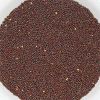
Mustard Seeds
Get Price Quote
Mustard seed, yellow
mustard.png
nutritional value per 100 g (3.5 oz)
energy 1,964 kj (469 kcal)
carbohydrates
34.94 g
sugars 6.89 g
dietary fiber 14.7 g
fat
28.76 g
saturated 1.46 g
monounsaturated 19.83 g
polyunsaturated 5.39 g
protein
24.94 g
vitamins
vitamin a equiv. (0%) 3 μg
thiamine (b1) (47%) 0.543 mg
riboflavin (b2) (32%) 0.381 mg
niacin (b3) (53%) 7.890 mg
vitamin b6 (33%) 0.43 mg
folate (b9) (19%) 76 μg
vitamin b12 (0%) 0 μg
vitamin c (4%) 3 mg
vitamin e (19%) 2.89 mg
vitamin k (5%) 5.4 μg
minerals
calcium (52%) 521 mg
iron (77%) 9.98 mg
magnesium (84%) 298 mg
phosphorus (120%) 841 mg
potassium (15%) 682 mg
sodium (0%) 5 mg
zinc (60%) 5.7 mg
other constituents
water 6.86 g
units
μg = micrograms • mg = milligrams
iu = international units
percentages are roughly approximated using us recommendations for adults.
Source: usda nutrient database
mustard seeds are the small round seeds of various mustard plants. The seeds are usually about 1 to 2 millimetres (0.039 to 0.079 in) in diameter and may be colored from yellowish white to black. They are important spice in many regional foods and may come from one of three different plants: black mustard (brassica nigra), brown indian mustard (b. Juncea), or white mustard (b. Hirtasinapis alba).
Grinding and mixing the seeds with water, vinegar, or other liquids, creates the yellow condiment known as prepared mustard.
An archaic name for the seed is eye of newt. Often misunderstood for an actual eye of a newt, this name has been popularly associated with witchcraft ever since it was mentioned as an ingredient to a witch's brew in shakespeare's famous play macbeth.[1][2][better source needed]
...more